Reviewed · TREKS IN KATHMANDU
Annapurna Sunrise Trek
Poon Hill sunrise is the whole reason. This Annapurna Sunrise Trek, also known as the Ghorepani Poon Hill Trek, mixes big Himalayan viewpoints with a surprisingly gentle walking rhythm through rhododendron forest, hill villages, and local guesthouses. I really like the way this trip pairs comfort in Pokhara with the real trekking experience on the trail, and I like that you are not left guessing because a professional guide handles route timing and logistics like permits and meal planning. The main consideration is the early wake-up routine, with a start time around 5:15 am and a pre-dawn climb for sunrise.
One more thing to know before you go: this is built as a short, easy adventure, not a long, hardcore Annapurna trek. If you want days of remote wilderness and big altitude acclimatization, you might finish this feeling like you blinked and it was over.
In This Review
- Key Highlights You’ll Feel on the Trail
- A Short Trek With Giant Himalayan Payoff
- Day 1 in Kathmandu: Picked Up, Then Thamel and Swayambhunath
- Day 2 Kathmandu to Pokhara by Tourist Bus: 7 Hours of Scenery
- Day 3 Nayapul to Ulleri: Your First Real Ascent
- Day 4 Ulleri to Ghorepani: Forest Views and Big Peak Energy
- Day 5 Poon Hill Sunrise: The Early Hike That Earns Its Fame
- Day 6 Tadapani to Ghandruk to Nayapul: Forest Quiet, Gurung Culture, Then the Last Walk
- Day 7 Pokhara Back to Kathmandu and a Farewell Dinner
- Price and Value: What $769.24 Actually Buys You
- Group Style and Guides: Why the Right Support Changes Everything
- How Challenging Is This Really?
- Who Should Book This, and Who Might Want a Different Trek
- Should You Book the Annapurna Sunrise Trek?
- FAQ
- Where does the experience start, and what time do we meet?
- How do we travel from Kathmandu to Pokhara?
- What is the highest point on the trek?
- What meals are included during the trekking days?
- Are permits included?
- Do we have a guide and porter support?
- Is the tour private?
- What is included in the price and what is not?
- Can I cancel for a full refund?
Key Highlights You’ll Feel on the Trail
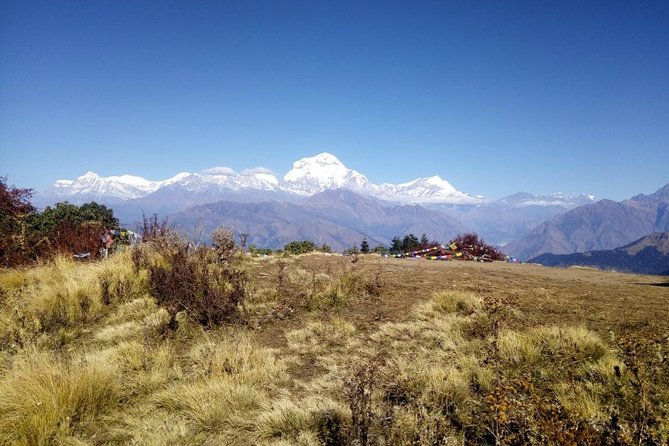
- Poon Hill sunrise viewpoint with wide views across Annapurna and Dhaulagiri ranges
- Rhododendron-and-river trekking that keeps the scenery moving day to day
- Ghorepani and Tadapani nights in simple mountain lodge or guesthouse settings
- Ghandruk culture stop with Gurung houses and community sights on the descent
- Private group format where your group stays together only
- Permits handled for you including ACAP and TIMS documentation
A Short Trek With Giant Himalayan Payoff
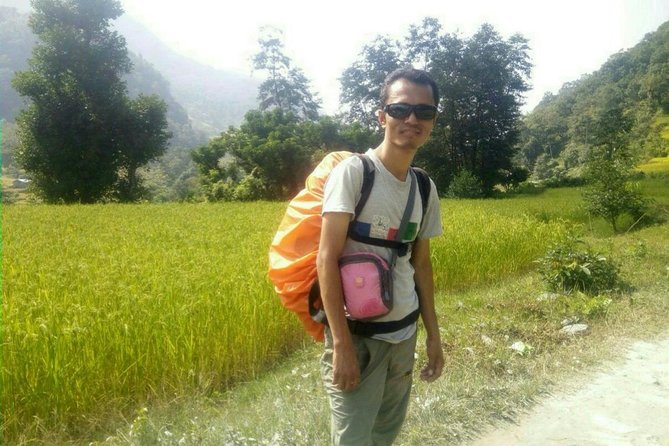
The whole appeal of the Annapurna Sunrise Trek is that it delivers iconic mountain views without requiring weeks on the trail. You get high viewpoints like Poon Hill (about 3210 m) and sweeping sightlines toward major peaks including Annapurna and Dhaulagiri, plus a trail that keeps changing shape. One day you are climbing out of river country, the next you are moving through green slopes and forest edges, then you are dropping back toward village life.
I also like the “short but full” feel. You are not just doing one viewpoint and turning around. Your route threads together Ulleri, Ghorepani, Poon Hill, Tadapani, and Ghandruk, so you experience both the sunrise big moment and the slower, human side of the Annapurna region.
The practical upside is that you can do this with moderate fitness. The plan is designed for people who want trekking memories, not an expedition.
More Treks in Kathmandu
- Everest Base Camp Trek – 14 Days
★ 5.0 · 1,499 reviews - Everest Base Camp Trek
★ 5.0 · 842 reviews - Everest Base Camp Trekking
★ 5.0 · 485 reviews
Day 1 in Kathmandu: Picked Up, Then Thamel and Swayambhunath
Your trip starts in Kathmandu with pickup offered from TIA or another agreeable location. After you transfer to your hotel, you get a light orientation and time to settle in. The schedule also includes a visit to Swayambhunath near Thamel, which is a nice way to anchor your trip in place before you start climbing.
This first evening matters more than it sounds. If you are landing the same day, it prevents the classic mistake of arriving and then rushing to arrange everything yourself. You get time to breathe, eat, and get a short, simple rundown of how the trek days will run.
If you like quick city context before going outdoors, this start works well. If you hate any “tourist errands” after a flight, you might prefer to keep the evening low-key, but the visit is built into the program.
Day 2 Kathmandu to Pokhara by Tourist Bus: 7 Hours of Scenery
Next comes the long drive from Kathmandu to Pokhara by tourist bus, about 7 hours. This is not a mystery transfer. You’ll pass terraced fields, forested stretches, rocky gorges, and different ethnic communities along the way, so it feels like part of the travel experience, not a wasted day.
When you arrive, you check into your Pokhara hotel on a bed-and-breakfast basis. Then you get leisure time, including a boating option on Phewa Lake. If the light cooperates, you can sometimes catch reflections of the Machhapuchhre and Annapurna range in the lake water, which is a memorable warm-up for the trekking views coming next.
The possible drawback is simple: it is a full travel day. If you are sensitive to long bus rides, consider bringing something to make the trip comfortable, because trekking is about to start the next day.
Day 3 Nayapul to Ulleri: Your First Real Ascent
On day three, you drive from Pokhara to Nayapul, then start trekking toward Ulleri. The drive is about 1.5 hours and places you around 1060 meters, which means your walking begins after a gentle transition rather than starting abruptly at high altitude.
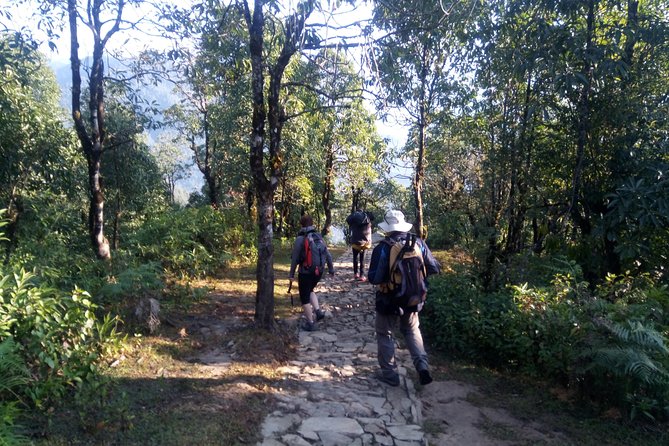
The trek itself includes a mix of forest walking, river scenery, and crossings like a suspension bridge over Tikhedhunga Khola. You’ll also pass through Birethanti and reach towns and lunch stops along the way, including lunch at Ramghai. The day ends with an ascent to Ulleri at about 1960 meters, so you feel like you have “earned” the elevation.
For me, this is a great first trekking day because it sets expectations without going too extreme. It builds your legs, but it also gives you plenty of visual variety. If your pace is slower, you still get a full day, and the trail has enough interest that you do not feel trapped in a single monotonous climb.
Another way to spend the time in Nepal:
- Private Kathmandu Sightseeing Tour | UNESCO World Heritage sites
★ 5.0 · 756 reviews - Kathmandu: 7 UNESCO Sites with Lunch
★ 4.8 · 744 reviews - Everest Base Camp Helicopter Tour landing at Everest View Hotel
★ 5.0 · 668 reviews - Half day cooking class in Thamel kathmandu
★ 5.0 · 607 reviews
Day 4 Ulleri to Ghorepani: Forest Views and Big Peak Energy
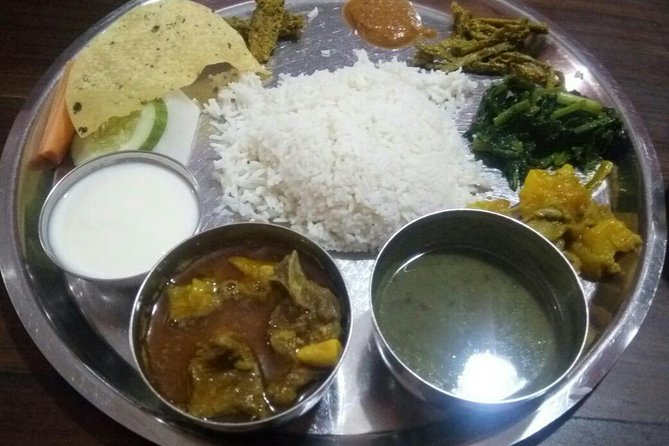
Today you push upward again, roughly moving from Ulleri to Ghorepani at about 2800 meters. The walking includes climbs through scenic stretches where you can see Machhapuchhre and other surrounding green hills. You will also cross two small rivulets and then make a final push before lunch.
Lunch is scheduled at Nangethanti, and after that you continue for about 1.5 more hours to reach Ghorepani. This is where the Annapurna region starts to feel “properly mountainous.” On the way and at the village, you’re in view of several heavy hitters including Dhaulagiri, Annapurna I, Annapurna South, and other nearby peaks like Nilgiri and Himchuli.
You’ll sleep in a guesthouse in Ghorepani. I like this style of stay because it keeps you connected to the trekking rhythm and village life, and it also sets you up for the early morning plan.
The key consideration here is that you are stacking elevation days. This trek is short, so your body needs to respect pacing. If you climb too fast, the early starts later will feel rough.
Day 5 Poon Hill Sunrise: The Early Hike That Earns Its Fame
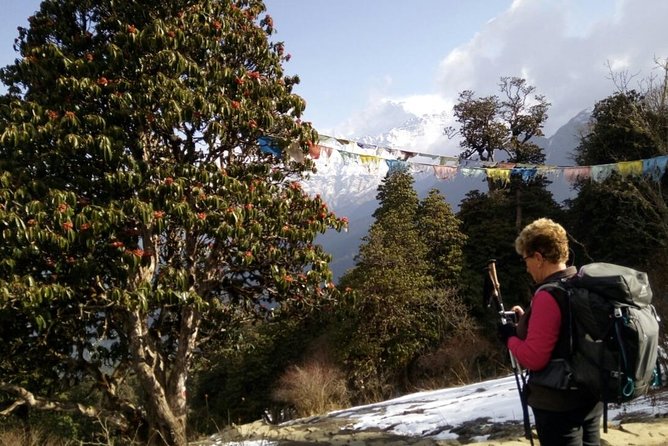
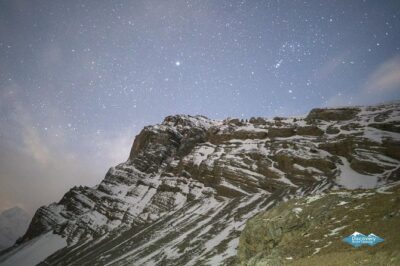
This is the day built around sunrise. You wake up early and hike to Poon Hill around 3210 meters before dawn, then enjoy the view as the sun rises over the Himalayas. The peaks in view are part of why this trek has global attention, including Dhaulagiri, Annapurna I, Annapurna South, Fishtail, Himchuli, and Thapa Peak.
After sunrise, you hike back down. The plan includes breakfast in Ghorepani, then continuing along trails to reach Tadapani where you spend the night after roughly 7 hours of trekking activity. So yes, this is an early start day, but it is also not a one-hour stop-and-stare. You get the mountain moment and then you still get meaningful walking before nightfall.
This is also where I think the guiding matters most. A good guide helps you time the climb so you’re not rushing in the dark and so you know where the best viewing spots are before the crowd energy builds.
Practical tip: start thinking about your sunrise hike the moment you leave your room the day before. Pack and layer smart, and keep your photo gear easy to grab. You have one chance to enjoy the light.
Day 6 Tadapani to Ghandruk to Nayapul: Forest Quiet, Gurung Culture, Then the Last Walk
Day six combines descent with culture. You trek from Tadapani toward Ghandruk, walking down through a quieter, more village-shaped landscape. The route includes seeing monkeys, rivers, and waterfalls along the way, which gives the trail motion beyond just the altitude charts.
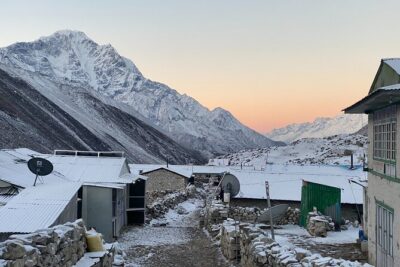
You stop for breakfast around Bhaisi Kharka, then reach Ghandruk. This is a standout village on this route because it feels designed for cultural attention. You’ll spend time exploring Ghandruk’s Gurung community sights, including Gurung museums and monasteries, plus classic terrace views and traditional Gurung houses.
After the village break, you walk down to Nayapul, and then you drive back toward Pokhara. The day is shorter than it might sound, but it has a full mix: walking, village time, and a transfer.
One small downside: this is not an ultra-long final day, so if you love spending days in transit and trail solitude, you may want more time. The good news is that the tradeoff is arriving back in Pokhara while energy is still decent.
Day 7 Pokhara Back to Kathmandu and a Farewell Dinner
The last day is the return journey. You travel from Pokhara to Kathmandu by tourist bus, about 7 hours. Once back in Kathmandu, you can use time to explore major UNESCO heritage sights such as Pashupatinath Temple and Durbar Square, depending on your interests.
The day also includes a farewell dinner in a Nepali restaurant. It’s a nice way to close the loop, because you go from early mornings and mountain air straight into city food and soft lighting.
You’ll then be escorted to your hotel for the overnight stay. This ending style is practical, not fancy, and it helps you avoid the common problem of needing extra planning right after a trek.
Price and Value: What $769.24 Actually Buys You
At $769.24 per person, the biggest question is what is included versus what you will pay separately. Here’s the practical view based on what the plan covers.
What you get included:
- Airport pickup and drop in a private vehicle
- Hotel accommodation in Pokhara on a bed-and-breakfast basis
- Transport that matches the trek route, including bus days between cities
- A professional guide for the trek
- Insurance for the guide and porters
- Permits and documentation including ACAP Permit and TIMS card, plus government and local taxes
- Three meals a day during the trek (breakfast, lunch, dinner)
- A porter system for your baggage, including an experienced porter and a strong porter, with a ratio of 2 trekkers to 1 porter
- All necessary local documents
What you should budget for outside the price:
- Nepal visa
- International flights to and from Kathmandu
- Meals and lodging in Kathmandu
- Travel and rescue insurance for you personally
- Personal expenses like hot shower, battery charging, bar bills, cold drinks, and laundry
- Tips for your guide and porter
- Any extra night accommodation in Pokhara beyond what’s in the plan
So is it good value? For many people, yes, because the permits, guide support, and trekking meals are built in. That reduces the number of surprise costs during the trip. If you already planned to pay for permits and guide anyway, the package starts to look like a clean deal.
Group Style and Guides: Why the Right Support Changes Everything
This is a private tour, meaning only your group participates. That matters on a route like this because you can move at a pace that fits you, rather than feeling glued to a random schedule.
The guide component also shows up as a major strength in the trip’s reputation. In one instance, a guide named Bijay stood out for helping with trip preparation and making communication easy. That kind of support is underrated until you realize how often questions pop up, like what to pack, how early to wake, and how to handle timing around sunrise.
You also get porter support, with the plan including a baggage-carrying system. I like this because it reduces the “small burden” that can wreck your enjoyment, especially on a short trek where you want every day to feel good, not heavy.
If you prefer to carry your own gear, you can still use a porter for the bulk items, but you’ll want to coordinate this with your guide in advance so it matches your comfort level.
How Challenging Is This Really?
The trek is presented as short and easy, suitable for adventurers with less experience and for people with moderate physical fitness. You are climbing to 2800 m at Ghorepani and reaching 3210 m at Poon Hill, but you are not being asked to do technical routes.
What can still make it feel hard is the combination of factors that are common on this kind of itinerary:
- early mornings tied to sunrise
- multiple uphill days close together
- long walking hours mixed with transfers
The good part is that the route has pacing and breaks. You have defined lunch points, you sleep in villages with lodge stays, and the daily walking totals are set so you can keep a steady effort.
My practical take: if you can walk for 2 to 4 hours comfortably and you can handle a steep section without panicking, you’ll likely be fine. If you get winded after short climbs or you dislike pre-dawn starts, think carefully.
Who Should Book This, and Who Might Want a Different Trek
This trek is a strong match if you want:
- big Himalayan sunrise views without a long multi-week commitment
- a manageable route through villages like Ghorepani and Ghandruk
- a guided plan that includes permits, meals, and porter support
- a private group experience
It might not fit as well if you want:
- lots of remote backcountry solitude
- a longer trekking arc with more gradual altitude change
- a trip that does not involve early morning schedules and bus rides
If this is your first trekking trip in Nepal, it’s a smart entry point. You get the classic Annapurna views plus a taste of how locals live, work, and host hikers along the route.
Should You Book the Annapurna Sunrise Trek?
I think you should book it if your dream is simple: see the Annapurna region from a famous viewpoint, hike through village trails and forests, and come back with a realistic sense of what trekking in Nepal feels like. At $769.24, the included guide support, permits, trekking meals, and porter system make it easier to manage your budget and your stress.
If you hate early mornings, or you want a very long trek, pick a different itinerary style. But if you want a short adventure with a sunrise moment you will remember and a cultural walk in Ghandruk, this is a solid choice.
FAQ
Where does the experience start, and what time do we meet?
You start in Kathmandu, with a listed start time of 5:15 am. You also get airport pickup and transfer to your hotel on day one.
How do we travel from Kathmandu to Pokhara?
You travel by tourist bus, and the drive takes about 7 hours.
What is the highest point on the trek?
The plan includes hiking to Poon Hill at about 3210 meters.
What meals are included during the trekking days?
During the trek, the plan includes three meals per day, with breakfast, lunch, and dinner.
Are permits included?
Yes. The plan includes the ACAP Permit and TIMS card documentation.
Do we have a guide and porter support?
Yes. You get a professional guide. You also get porter support for baggage, including an experienced porter and strong porter with a 2 trekkers to 1 porter ratio, plus insurance for guide and porters.
Is the tour private?
Yes. It is a private tour/activity, and only your group participates.
What is included in the price and what is not?
Included: pickup and drop-off by private vehicle, Pokhara lodging on a bed-and-breakfast basis, all transportation on the itinerary, guide, porter support, trekking meals, permits, taxes, and insurance for guide and porters. Not included: Nepal visa, international flights, Kathmandu food and accommodation, your travel and rescue insurance, personal expenses, tips, and extra nights in Pokhara.
Can I cancel for a full refund?
Yes. You can cancel for a full refund if you cancel at least 24 hours before the experience’s start time.
Latest additions near Kathmandu
- White Water River Rafting – 1 Day★ 4.3 · 3 reviews
- Traditional Momo Making Class★ 5.0 · 10 reviews
- Kathmandu to Pokhara Premium sofa bus ticket★ 4.0 · 17 reviews
- Ghorepani Poon Hill Trek★ 5.0 · 16 reviews
- Amazing 1 Day Trekking Experience in Kathmandu Nepal★ 5.0 · 24 reviews
- Ghorepani Poonhill Trek★ 5.0 · 5 reviews
- Walking tour of real Kathmandu through back streets.★ 5.0 · 3 reviews
- Wildlife Adventure in Chitwan Nepal★ 4.0 · 4 reviews
Treks in Kathmandu, compared.

Nagarkot Sunrise View and Day Hiking from Kathmandu
Read our review →