Reviewed · TREKS IN KATHMANDU
Annapurna Sanctuary Trek – 14 Days
Annapurna Sanctuary turns sunrise into a life memory. I love the Poon Hill sunrise and the way this trip blends trail days with real UNESCO World Heritage stops in Kathmandu. The tradeoff is honest effort, with steep stone steps, rough trails, and altitude that asks you to take it seriously.
I also like the practical way Himalayan Glacier manages the trip. You get a small group setup, max 12 travelers, plus a licensed trek leader and assistant, and a porter plan so you are not carrying everything yourself. It helps your legs last longer, and it keeps the day from turning into chaos.
One more heads up: teahouse trekking is not luxury travel. Rooms are twin-shared, and in some higher spots you may not have an attached washroom, so pack for comfort that is simple, not fancy.
In This Review
- Key highlights worth planning for
- Why this Annapurna Sanctuary route works for a relaxed trek
- Kathmandu UNESCO stops that set the tone before the trek
- Fly to Pokhara for mountain views, then start with Ulleri’s steps
- Ghorepani and Poon Hill sunrise, plus a rhododendron walk to Tadapani
- Chhomrong and Bamboo: stone steps, suspension bridges, and village life
- From Bamboo to Deurali: cold bamboo, sun returns, and Dhaulagiri views
- Annapurna Base Camp day: Machhapuchhre Base Camp to the big amphitheater
- Descent back toward civilization: Bamboo, Jhinu Danda, and rest time
- From Jhinu to Pokhara by private vehicle, then Kathmandu with a farewell dinner
- Gear, guides, and permits that reduce stress on the trail
- Altitude, daily effort, and how to plan your own comfort
- Value for $860: what you are paying for, and what you still handle
- Should you book this Annapurna Sanctuary Trek?
- FAQ
- Are airport transfers included?
- What parts of the trip have meals included?
- Are permits included for the trek?
- Do I stay in teahouses during the trek?
- Is there a porter service and guide support?
- Is any trekking gear included?
- What is the altitude and fitness expectation?
- What if the trek can’t run due to weather?
Key highlights worth planning for
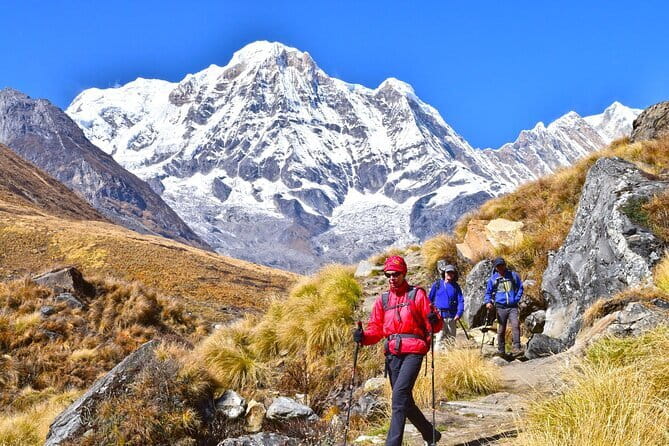
- Poon Hill before the crowds clock in: a pre-dawn climb for sunrise views across the Annapurna and Dhaulagiri ranges
- Annapurna Base Camp, reached from a gorge route: big scenery without needing technical climbing
- Teahouse trekking with meals handled: breakfast, lunch, and dinner during the trek are included
- Licensed leadership plus backup: an experienced English-speaking leader, assistant leader, and porter support
- Permits and paperwork taken care of: ACAP and TIMS are included, so you travel lighter
- Gear included for real: down jacket and sleeping bag are provided (to be returned after)
Why this Annapurna Sanctuary route works for a relaxed trek
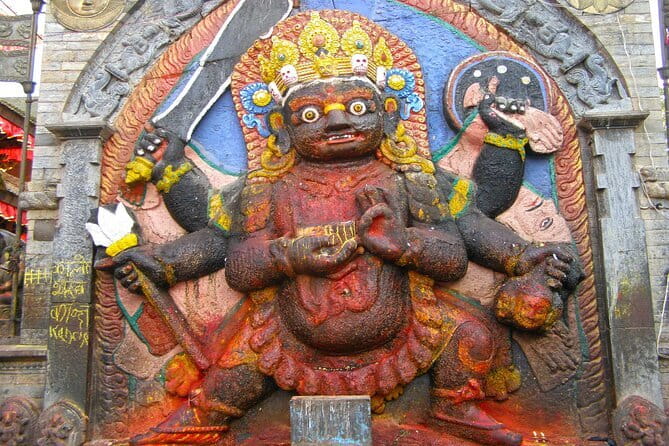
This trek earns its reputation because it does two things well. First, it takes you to Annapurna Base Camp through the classic, scenic spine of the region. Second, it gives you a strong “warm-up” and “cool-down” in Kathmandu and Pokhara, so your trip feels like a full Nepal story instead of just a hike.
You should expect about 6 to 7 hours of walking most days. The terrain is steep and often rough, but the effort is spread out over time, with daily ascents generally in the 400 to 700 meter range. The tour is described as moderate, and that matches the rhythm: you hike hard enough to feel proud, but not hard enough to be constant suffering.
Altitude is the main reality check. The trek notes you may reach up to 4,130 m, with low oxygen on some days. That means pacing, rest, hydration, and a calm attitude matter as much as your fitness.
More Treks in Kathmandu
- Everest Base Camp Trek – 14 Days
★ 5.0 · 1,499 reviews - Everest Base Camp Trek
★ 5.0 · 842 reviews - Everest Base Camp Trekking
★ 5.0 · 485 reviews
Kathmandu UNESCO stops that set the tone before the trek
Kathmandu is not just a starting line here. You get a guided city tour that hits four UNESCO World Heritage Sites, and each one adds a different lens on Nepal.
Kathmandu Durbar Square is the big one for historic architecture. It is a palace complex with pagoda-style temples, courtyards, and shrines, including Hanuman Dhoka Palace, Taleju Temple, Kumari Ghar, and Kasthamandap. After the 2015 earthquake, restoration continues, so you see heritage in the process of being rebuilt, not only preserved.
Then comes Pashupatinath Temple, Nepal’s most sacred Hindu site dedicated to Lord Shiva. It is on the Bagmati River with cremation ghats, smaller shrines, and ritual activity. Non-Hindus cannot enter the main temple, but you can observe ceremonies from the surrounding areas, which keeps it respectful and practical.
Swayambhunath, the Monkey Temple, adds a Buddhist viewpoint and classic city views from a hilltop. Look for the white stupa with Buddha’s all-seeing eyes, prayer flags, and spinning wheels. And because Kathmandu has a habit of turning every corner into a photo opportunity, this one is especially good for getting your bearings.
Finally, there is Boudhanath Stupa, one of the largest Buddhist stupas in the world. Tibetan culture surrounds it, and even with earthquake damage, it has been restored. Walking around the stupa, watching people spin prayer wheels, is the calm counterweight to the next days of trekking.
Fly to Pokhara for mountain views, then start with Ulleri’s steps
Your trip shifts gears quickly. You fly from Kathmandu to Pokhara early in the morning, and the guidance is to sit on the right side of the plane for better views. Once you land, the views can include Dhaulagiri, Manaslu, Machhapuchhre, and the Annapurna peaks, plus more.
From Pokhara you drive to Hile, your trailhead. Early on, the route moves through sub-tropical valley forests, sometimes along carved paths on the side of the cliff. This first stretch is a good way to loosen up, because you are hiking in a gentler rhythm than the big step climb that comes next.
After lunch you cross Bhurungdi Khola by bridge to Tikhedhunga. From there, the Ulleri Hill steps begin, famously with thousands of stairs and boulders that keep pushing upward. You reach Ulleri in the afternoon and sleep there, which is smart because it gives your body time to settle before the next day’s elevation.
Ghorepani and Poon Hill sunrise, plus a rhododendron walk to Tadapani
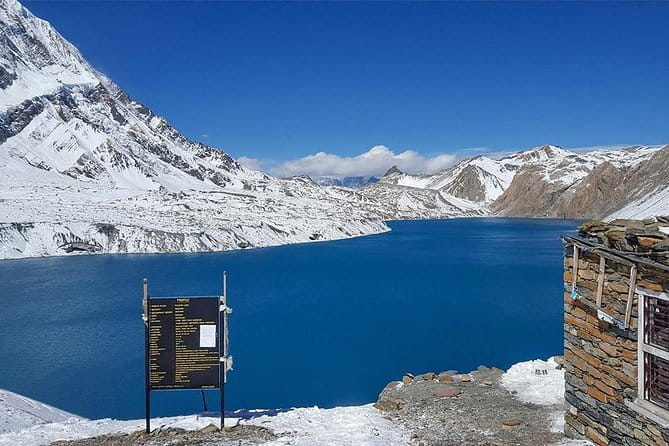
Ghorepani is a classic trekking stop, and you get the town-side atmosphere without losing the mountain focus. The name Ghorepani means horse-water, and it was an important campsite for traders before trekkers made it famous.
The town sits in two parts, one higher on a saddle and another a few hundred feet lower. You stop at the higher section for panoramic views that can include Annapurna South and Nilgiri. Since Ghorepani is higher than Ulleri, evenings can feel chilly, and you will feel the temperature drop more once you get moving early.
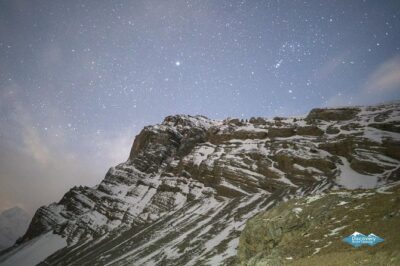
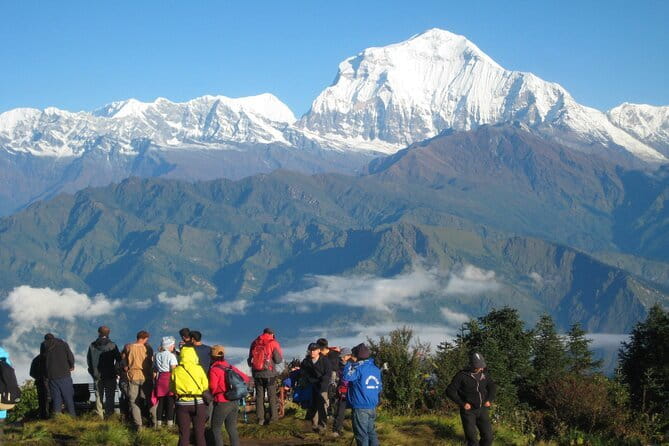
Then you do the pre-dawn climb to Poon Hill viewpoint at 3,210 m. This is the big early-morning payoff: sunrise over the Himalayas, with views spanning Mustang, Pokhara, and more than 20 of the highest mountains, including close-up angles on the Annapurna and Dhaulagiri ranges. After coffee or hot drinks, you head back for breakfast.
From there, you hike east and climb a nearby ridge, then descend through rhododendron forests, passing waterfalls along the way. You finish the day at Tadapani, which is a nice balance, enough walking to feel earned, not so much that day five feels like the end of the world.
Another way to spend the time in Nepal:
- Private Kathmandu Sightseeing Tour | UNESCO World Heritage sites
★ 5.0 · 756 reviews - Kathmandu: 7 UNESCO Sites with Lunch
★ 4.8 · 744 reviews - Everest Base Camp Helicopter Tour landing at Everest View Hotel
★ 5.0 · 668 reviews - Half day cooking class in Thamel kathmandu
★ 5.0 · 607 reviews
Chhomrong and Bamboo: stone steps, suspension bridges, and village life
This stretch is where the route starts to feel more distinctly “Annapurna trek.” After breakfast you descend through a rhododendron forest until the trail opens up into terraced fields. The mix of forest and cultivated scenery helps your brain stay engaged, which matters when you are watching your footing.
You cross a suspension bridge, and then the trail turns into a steady rhythm of uphill and downhill. You reach Chhomrong, a village positioned right below the giant Annapurna massif. In real life, the photos do not show how big the mountain feels once you are close to it.
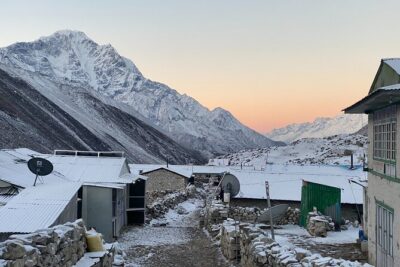
Next comes more steps, crossing another suspension bridge at Chhomrong Khola, and climbing toward Sinuwa. Your route passes through forests to Kuldihar, then you descend to Bamboo. Bamboo is often damp and cold, but the change in temperature is part of what makes the trekking route feel like it is traveling through different elevations.
From Bamboo to Deurali: cold bamboo, sun returns, and Dhaulagiri views
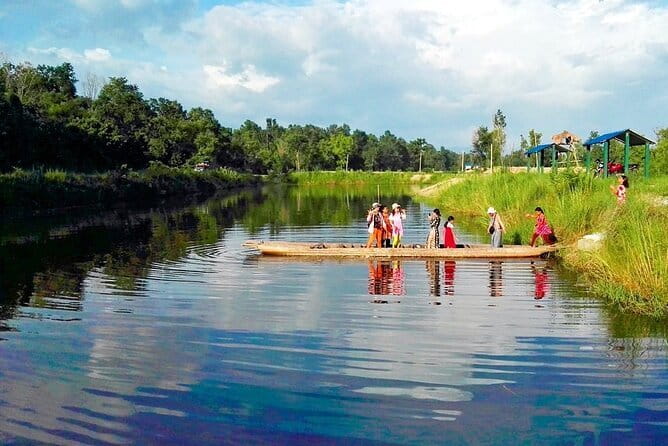
After Bamboo you move through a bamboo forest that can feel especially cold and damp. The uphill can be steep at points, and you learn to trust your pace more than your stopwatch.
The route description notes that you are still in the forest for a while, then the trees thin and the sun returns near Himalaya Hotel. From there you get standout views down toward the glacial river. It is one of those moments where you remember why you came.
You continue with a steep climb through a drier forest to Hinku Cave, then descend to a river before ascending to Deurali. By Deurali the vegetation becomes sparse, which usually means more open views of valleys, cliffs with waterfalls, and a clearer look toward Mt. Dhaulagiri.
You sleep in Deurali, and you should plan for colder nights here than in the lower villages. Your down jacket matters.
Annapurna Base Camp day: Machhapuchhre Base Camp to the big amphitheater
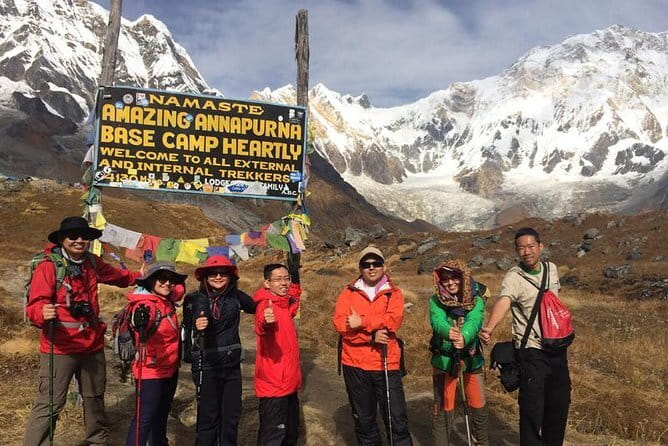
This is the day that turns the trek into the main event. After breakfast you follow a valley trail on a steady climb, sometimes along a rocky cliff with sections that feel steep. Then the route opens up, with some flatter walking before you reach Machhapuchhre Base Camp.
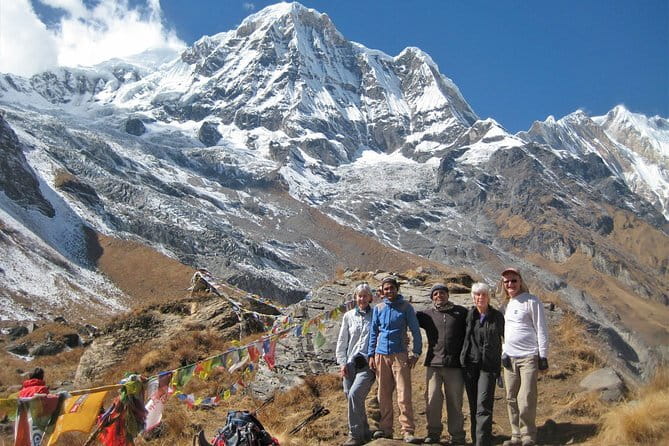
From Machhapuchhre Base Camp you get excellent views, including Hiunchuli, Annapurna South, Annapurna I, Annapurna III, Gandharvachuli, and Gangapurna. Then you turn left and ascend gently toward Annapurna Base Camp.
The approach is scenic in a very specific way: you hike through a gorge corridor into the base camp area. Once you arrive, you are surrounded by major peaks, and the feeling is more amphitheater than postcard.
This is not the day for rushing. Even if you feel good early, save your energy so you can enjoy the last stretch without arriving wiped out.
Descent back toward civilization: Bamboo, Jhinu Danda, and rest time
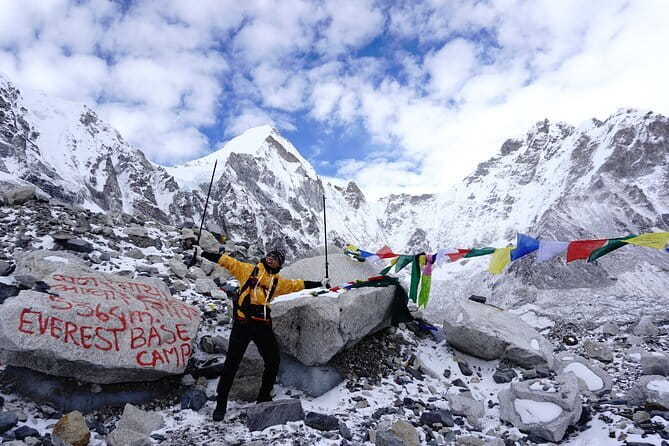
After Annapurna Base Camp, the route rapidly descends. You pass Machhapuchhre Base Camp again, then Deurali, Himalayan Hotel, Doban, and finally Bamboo for the night. The trek notes this is downhill and should feel easier, but do not treat it as easy. Downhill still beats up knees and ankles, especially on stone steps.
The next day you retrace back toward Chhomrong for lunch. Then you drop into the Modi Khola valley with a steep descent where the stone steps are tricky again. You reach Jhinu Danda, a place known for relaxing time after a walking day.
The afternoon here is set aside for resting. The route description also points out rain forests and farms along the way, so this part of the trek shifts from peak chasing to more everyday scenery.
From Jhinu to Pokhara by private vehicle, then Kathmandu with a farewell dinner
The final trekking leg is shorter and gentler in feel, moving through hill terrain in western Nepal. You reach Matque, then begin the drive back to Pokhara in a private vehicle, around two hours, with lunch on the way.
Pokhara becomes your reset button. You check into your hotel and get some downtime, then take a half-day sightseeing tour in the afternoon. After that, it is time to fly back to Kathmandu.
On the flight from Pokhara to Kathmandu, the suggestion is to sit on the left side of the plane for better mountain views. Back in Kathmandu you check into your designated hotel and have the rest of the day for leisure, landmarks you missed, or last-minute shopping in Thamel-style areas.
To mark the end of the trek, you have a farewell dinner in the evening, then you sleep in Kathmandu before airport pickup.
Gear, guides, and permits that reduce stress on the trail
A lot of trekking companies sell logistics. This one includes more of the key stuff you would otherwise have to figure out yourself.
You get down jacket and sleeping bag, and they are to be returned after the trip completion. You also get the company trekking bag or duffel, a t-shirt, and a trekking map that are yours to take. That is useful because it cuts down what you must pack or rent.
On the people side, the guide setup is clearly defined: one trek leader plus an assistant leader, and a porter plan where two trekkers share one porter. The trip is designed for small groups, and it can run up to 12 people, which keeps communication simple. There is also a medical kit carried by the trek leader.
The paperwork is handled for you too, with necessary permits included: ACAP and TIMS. If you have ever tried to sort permits while jet-lagged, you know how much mental energy that can save.
Also, one standout theme from recent client feedback is strong service and safety culture. One guide named Jaya was specifically praised for keeping the schedule under control even when early days had challenging weather. Another key point was feeling safe and cared for, which matters a lot when you are far from help.
Altitude, daily effort, and how to plan your own comfort
You are walking steep, rough terrain for hours each day. The route notes moderate trails with daily ascends around 400 to 700 m and reaches up to 4,130 m, with low oxygen at higher elevations on some days. If you take it out of the box pace wise, you will likely pay for it later.
My practical advice: treat the early days as your body learning the rhythm. Ulleri’s steps, rhododendron descents, and suspension bridges all train your legs. When you hit Deurali and then move toward Annapurna Base Camp, your effort feels more about steady breathing than speed.
Cold is another factor. Ghorepani gets chilly in the evenings, and bamboo forests can feel damp and cold. At higher elevations, sparse vegetation often means more wind exposure too. A down layer and a sleeping bag are not optional here, even if you are the kind of person who hates carrying extra.
Finally, plan for simple room conditions. You are in twin-shared rooms throughout. In most parts of the trek you have attached washrooms, but not in every remote location, so pack accordingly.
Value for $860: what you are paying for, and what you still handle
For $860, you are buying a lot of bundled structure. You get airport pickups and drops in private vehicles, 3-star hotels in Kathmandu and Pokhara with breakfast, and teahouse accommodation on the trek. You also get all trek meals (breakfast, lunch, dinner), plus welcome and farewell dinners.
You get domestic flights Kathmandu to Pokhara to Kathmandu. You get a guided Kathmandu city tour by private vehicle. You get leadership, assistant support, porter service, permits, and a medical kit. When the trek leader includes safety authority to adjust the plan, that is part of the value too.
What you still pay for is mostly outside the operator’s control: Nepal visa fee, international flights, travel and rescue insurance, and personal expenses like phone, laundry, and bottled or boiled water. Lunch and evening meals in Kathmandu and Pokhara are not included, only breakfast is.
If you want a single room, there is a single supplement request, listed as an additional USD 425. Also note the trip includes gear, but it is returned after, so do not plan on keeping it.
Should you book this Annapurna Sanctuary Trek?
Book it if you want a well-run Annapurna trek that balances big sights with real downtime. You should especially like this option if you care about Poon Hill sunrise, want Annapurna Base Camp as the main finish line, and also value UNESCO World Heritage time in Kathmandu.
Skip this trek if your idea of a dream vacation is minimal walking, maximum comfort, and no altitude adjustment. This is a serious hiking trip with rough trails, lots of stairs, and cold nights. You will do better if you come in with moderate trekking fitness and a mindset that enjoys gradual progress.
If that sounds like you, this is a strong, practical way to experience the Annapurna Sanctuary region without having to manage the fine details yourself.
FAQ
Are airport transfers included?
Yes. You get airport pickups and drops in a private vehicle, plus other ground transport included as described in the plan.
What parts of the trip have meals included?
All meals during the trek are included (breakfast, lunch, and dinner). In Kathmandu and Pokhara, only breakfast is included, and lunch and evening meals are not.
Are permits included for the trek?
Yes. The necessary trekking permits are included, including ACAP and TIMS.
Do I stay in teahouses during the trek?
Yes. You get teahouse accommodation during the trekking days, plus 3-star hotel accommodation with breakfast in Kathmandu and Pokhara.
Is there a porter service and guide support?
Yes. The group setup includes an experienced, English-speaking government-licensed trek leader and assistant leader, and porter service is included (2 trekkers per porter), with a defined small-group ratio.
Is any trekking gear included?
Yes. Down jacket and sleeping bag are provided during the trek and are to be returned after the trip completion.
What is the altitude and fitness expectation?
The trek involves about 6 to 7 hours of walking on steep hilly terrain. It notes daily ascends around 400 to 700 m and reaching up to 4,130 m, with low oxygen at higher elevations on some days.
What if the trek can’t run due to weather?
This trek requires good weather. If it is canceled due to poor weather, you will be offered a different date or a full refund.
Latest additions near Kathmandu
- Traditional Momo Making Class★ 5.0 · 10 reviews
- White Water River Rafting – 1 Day★ 4.3 · 3 reviews
- Kathmandu to Pokhara Premium sofa bus ticket★ 4.0 · 17 reviews
- Ghorepani Poon Hill Trek★ 5.0 · 16 reviews
- Amazing 1 Day Trekking Experience in Kathmandu Nepal★ 5.0 · 24 reviews
- Ghorepani Poonhill Trek★ 5.0 · 5 reviews
- Walking tour of real Kathmandu through back streets.★ 5.0 · 3 reviews
- Wildlife Adventure in Chitwan Nepal★ 4.0 · 4 reviews
Treks in Kathmandu, compared.
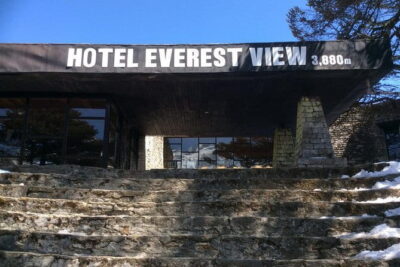
Nagarkot Sunrise View and Day Hiking from Kathmandu
Read our review →