Reviewed · TREKS IN KATHMANDU
Annapurna Poonhill Trek
Sunrise over the Himalaya starts early here. The Annapurna Poon Hill trek pairs a top-of-the-world sunrise (from 3,210m) with a classic walk through rhododendron forests, Gurung villages, and big-mountain panoramas. From Poon Hill you’re looking across a long list of peaks, including Dhaulagiri (8,167m) and Annapurna (8,091m), plus Fish Tail (Machhapuchhre), Nilgiri, Hiunchuli, and more.
I like how this trip handles the hard-to-handle parts for you. You get full meal support during the trek, plus private transport between Kathmandu and Pokhara, and all the trek-side fees handled in advance.
The main thing to consider is effort and timing. You’ll wake around 4:00am for the summit-style sunrise run, and the route includes steep sections and lots of stairs, so this is best for people who can handle an uphill push.
In This Review
- Key highlights to know before you go
- Poon Hill’s 3,210m viewpoint, and why it works
- Price and value: what you’re paying for, beyond the mountain views
- Day 1 in Thamel: a clean landing in Kathmandu
- Day 2: the 7-hour drive to Pokhara and what it means for you
- Day 3: Pokhara to Tikhedhunga, learning the rhythm of the trail
- Day 4: Ulleri steps to Ghorepani, the day for leg stamina
- Day 5: the Poon Hill sunrise, then the trek to Tadapani
- Day 6: Tadapani down into Ghandruk, Gurung village views included
- Day 7: trekking out to Pokhara, terraced fields and mountain glimpses
- Day 8: Sarangkot sunrise, then back to Kathmandu’s Thamel
- Day 9: departure from Kathmandu
- What to pack, and what fitness level you actually need
- The human side: private trekking support and flexible pace
- Should you book this Annapurna Poon Hill trek?
- FAQ
- How long is the Annapurna Poon Hill trek?
- Where does the trip start?
- What time does the program start?
- Is pickup offered?
- Is transportation included?
- What’s included for meals during the trek?
- What should I bring since it is not included?
- Are lunches and dinners in Kathmandu and Pokhara included?
- What if the weather is poor?
Key highlights to know before you go
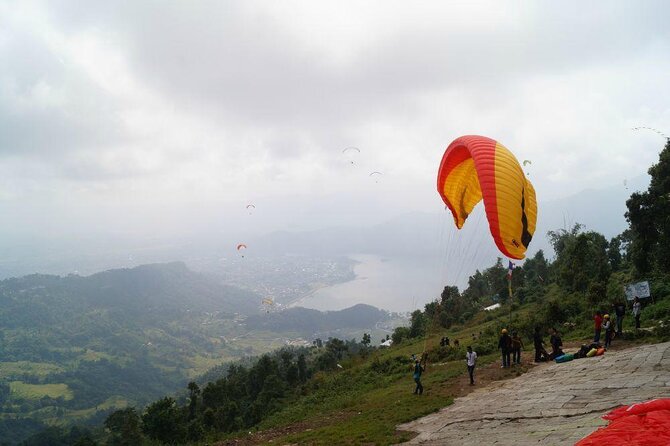
- Poon Hill sunrise at 3,210m with big views across Annapurna and Dhaulagiri
- Early morning start (around 4:00am) to catch the best light before 5:00am
- Ghorepani route via stone steps and forests toward Ulleri, Banthanti, and Nangethanti
- Ghandruk at 1,940m for a strong village stop and mountain panoramas
- Full meal plan during the trek, including listed breakfasts and dinners
- Private Kathmandu-Pokhara-Kathmandu transport, so you spend less time figuring things out
Poon Hill’s 3,210m viewpoint, and why it works
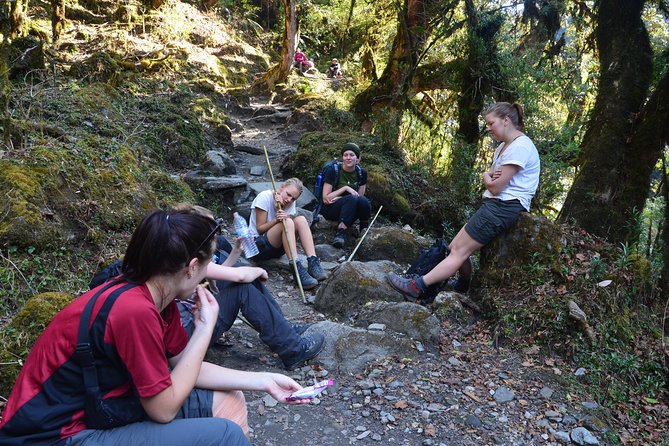
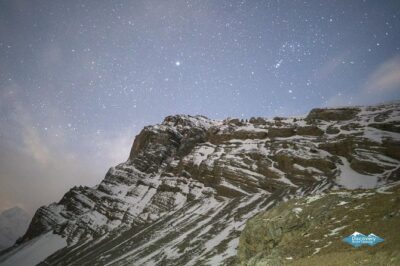
Poon Hill is famous for a reason: it’s one of the easiest places in the Annapurna region to see the Himalaya as a whole. At 3,210m, the viewpoint gives you a front-row seat to peaks that can feel far and unreachable from lower elevations.
The route is designed around that idea. You spend your trekking days climbing gradually, resting in villages, and walking through forest and farmland. Then, on the key day, you do the sunrise push so you see the mountain views when they’re crispest. The program specifically targets the pre-5:00am window, which matters because clouds and haze can swallow the peaks later in the morning.
What makes this trek especially good value is how many major peaks you can stack into one viewing session. The highlights listed for the Poon Hill top include Fish Tail (Machhapuchhre), Tukuche Peak, Nilgiri, Hiunchuli, Annapurna South, and Dhaulagiri. That’s a lot of “wow per hour” for a trek that most people can pace without technical climbing.
More Treks in Kathmandu
- Everest Base Camp Trek – 14 Days
★ 5.0 · 1,499 reviews - Everest Base Camp Trek
★ 5.0 · 842 reviews - Everest Base Camp Trekking
★ 5.0 · 485 reviews
Price and value: what you’re paying for, beyond the mountain views
At $1,562.67 per person for about 9 days, you’re paying for a “managed trek” setup. That’s not just marketing fluff, it shows up in the included items.
Here’s what you’re getting that reduces your stress and planning work:
- Private, air-conditioned vehicle support in Nepal (especially Kathmandu to Pokhara and back)
- Full meal plan during the trek, with breakfasts (4) and dinners (5) specifically listed
- Annapurna Conservation fee included
- Trekkers Information Management System included, which means the admin side of trekking is taken care of
- Private transportation rather than shared transfers
By contrast, what’s not included is also clear. You’ll need to plan for sleeping bag, duffle bag, and warm jackets, and you’ll cover Nepal visa fees, travel/medical insurance, and meals in Kathmandu and Pokhara (lunch and dinner are not included there).
So the value question becomes: do you want to spend your energy hiking, not troubleshooting buses, meals, or permits? If yes, this package fits well. If you’re on a tight budget and prefer to organize everything independently, this will feel expensive compared to DIY trekking. But for many couples and small groups, the included structure is what makes the trek feel smooth rather than chaotic.
Day 1 in Thamel: a clean landing in Kathmandu
You start in Thamel, the central Kathmandu area, and the pickup is organized so you don’t spend your first hours hunting for your guesthouse. After you clear immigration, a representative meets you with your name card and drives you to your booked accommodation.
This day is short on paper, but it’s doing an important job. Kathmandu can be a sensory overload. A straightforward transfer helps you get your bearings fast and saves you from walking around with jet lag looking for the right street.
If you arrive earlier than expected, use the time to get your cash squared away and pick up any trekking essentials you forgot. Since the package does not include warm jackets and sleeping gear, you’ll want to make sure you can layer properly before the trek starts.
Day 2: the 7-hour drive to Pokhara and what it means for you
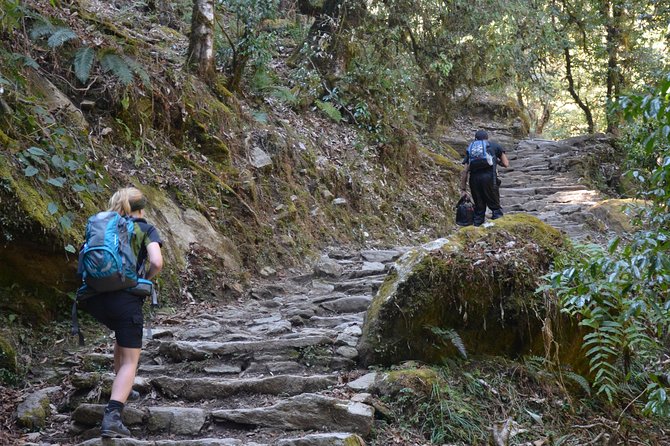
Day 2 is all about the road. You’ll transfer from Kathmandu to Pokhara in about 7 hours, with the mountain road lined by hills, rivers, and changing views.
That drive is part travel day and part psychological reset. You go from crowded city pace to the calmer rhythm of lakeside Pokhara, which is a good place to hydrate, eat normally, and prepare mentally for the first hiking steps.
One caution that matters here is motion and comfort. The package includes air-conditioned vehicle support, but the drive itself still takes time. If you’re prone to nausea, plan for it before you get on the road.
Another way to spend the time in Nepal:
- Private Kathmandu Sightseeing Tour | UNESCO World Heritage sites
★ 5.0 · 756 reviews - Kathmandu: 7 UNESCO Sites with Lunch
★ 4.8 · 744 reviews - Everest Base Camp Helicopter Tour landing at Everest View Hotel
★ 5.0 · 668 reviews - Half day cooking class in Thamel kathmandu
★ 5.0 · 607 reviews
Day 3: Pokhara to Tikhedhunga, learning the rhythm of the trail
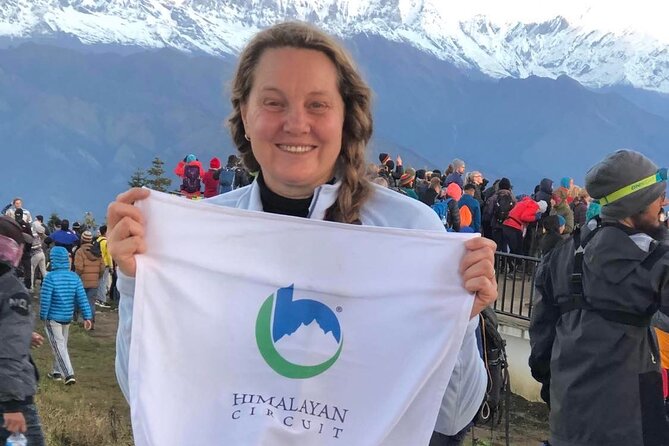
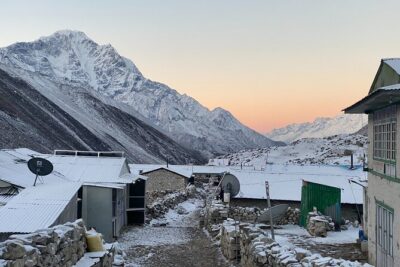
On Day 3, you move from Pokhara to the trekking area via a drive to Nayapul, then start hiking along the Modi Khola river banks. You’ll reach Birethanti (1,015m), a village with shops and teahouses, and then continue along the valley.
The day’s real value is the gradual learning curve. The hike includes an ascent first through forest, then across terraced paddy fields, then back into forest, climbing steadily toward Hille (1,495m) before continuing to Tikhedhunga (1,570m). The total walking time listed is about 6 hours, and the day is described as short and relatively easy, which makes sense as a first full trekking day.
Practical takeaway: use this day to dial in your pacing and shoe choice. If you go too fast, your legs will complain later on the steep staircase sections that come next.
Day 4: Ulleri steps to Ghorepani, the day for leg stamina
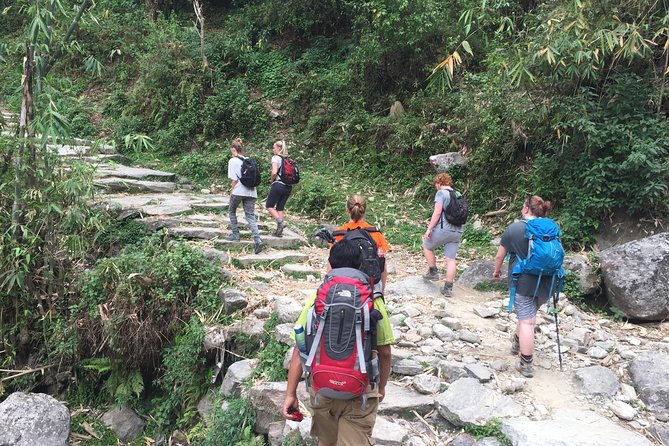
Day 4 is where the trek gets more serious. You hike about 6 hours, but the key detail is that “most of the way is steep climb” up to Ulleri (2,070m). The route includes innumerable stone steps, then continues through oak and rhododendron forests toward Banthanti (2,250m) and Nangethanti (2,460m), before arriving at Ghorepani (2,840m).
This is a good place to build trekking confidence. You’re not dealing with technical terrain, but you are dealing with repeated uphill effort. The rhododendron and oak forests also break up the monotony of stairs, and Ghorepani itself sits with excellent mountain views of the Annapurna range, Nilgiri, and Dhaulagiri.
Ghorepani is also a practical supply stop. You can stock up on water and basic trekking needs, which matters because later days depend on what you carry from village to village.
Day 5: the Poon Hill sunrise, then the trek to Tadapani
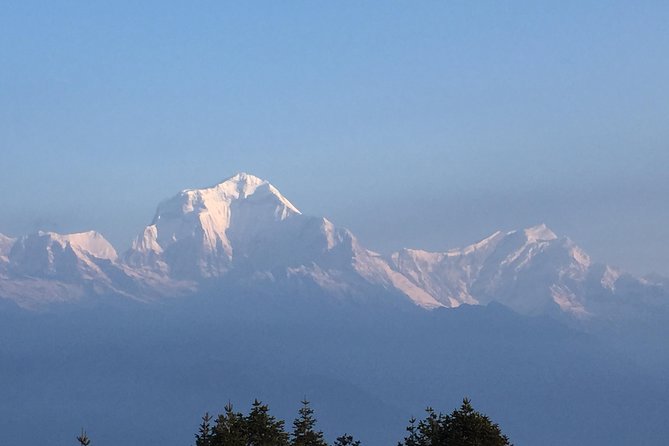
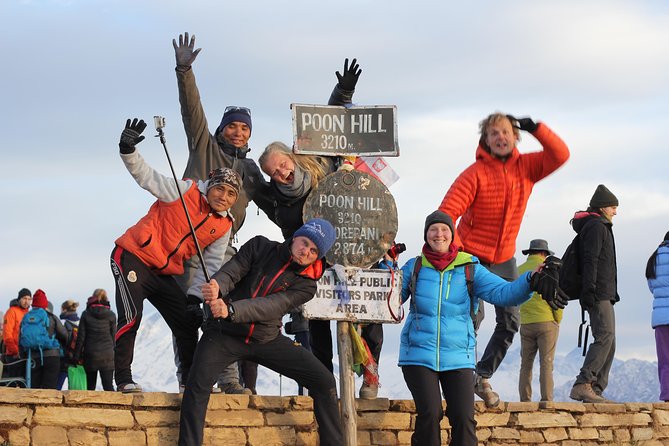
This is the signature day. You wake at around 4:00am and move from Ghorepani to Poon Hill for the sunrise viewing at 3,210m. The timing is aimed at getting the best light before 5:00am, and the program is structured around that.
At the top, the view list is long, which you’ll feel immediately when you look around. The peaks named for the Poon Hill viewpoint include Machhapuchhre (Fish Tail) (6,993m), Tukuche Peak (6,920m), Nilgiri (6,940m), Hiunchuli (6,441m), Annapurna South (7,219m), and Dhaulagiri (8,167m).
After sunrise, you come back for breakfast in Ghorepani, then begin the next stretch to Tadapani. This “two-part day” structure is exactly how you want it to feel: big effort early, then you can settle into the next village once you’ve gotten the main sight.
Tip that matters: start slow on the way up. That early hour can fool your energy levels. Short, steady steps keep you from burning out before the best views.
Day 6: Tadapani down into Ghandruk, Gurung village views included
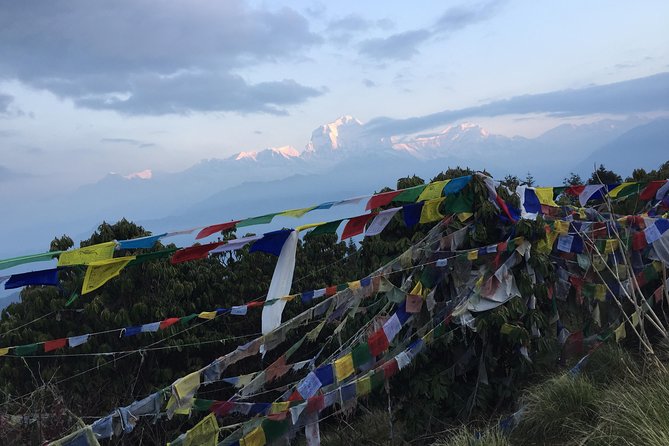
Day 6 connects forest trekking with village atmosphere. You start your trail between Tadapani and Ghandruk, and the walking path mostly goes through subtropical jungles. Ghandruk is the major village stop, taking about 5 hours of walking from Tadapani.
The route descends steeply through rhododendron forests and pine, then continues past streams before reaching Ghandruk at about 1,940m. Ghandruk is described as a large Gurung settlement with strong views of Annapurna South and Machhapuchhre.
Why I think this stop is more than a break: villages like this are where you experience how the trekking route fits into local life. Even if your main goal is the views, you’ll likely find this day to be your most “human scale” moment, with less of the all-mountain feeling and more daily rhythm.
Also, if you’ve been tired from the stairs, this is a good day to recover your legs a bit, because you’re moving downhill for parts of the journey.
Day 7: trekking out to Pokhara, terraced fields and mountain glimpses
On Day 7, you’re hiking back toward civilization. The route begins with a steep descent through villages and terraced paddy fields, then continues through forest up to Dhampus and finally to Phedi.
The listed walking time is about 5 hours. Along the way, you get glimpses of mountains you might have missed on the way up, including Machhapuchhare, Annapurna South, Lamjung Himal, and Annapurna III.
Then the plan ends the trek and drives you back to Pokhara. This is the day where you’ll appreciate not having to figure out timing. Once you reach Phedi and hop in the car, you’re done with the trail and can relax.
Day 8: Sarangkot sunrise, then back to Kathmandu’s Thamel
Day 8 changes gears from trekking to short-view photography mode. You wake early for Sarangkot, guided for a spectacular sunrise over the Annapurna and Dhaulagiri range. After sunrise, you head back to the hotel for breakfast and then return to Kathmandu.
You also get time to rest in Thamel, which is exactly what most people need after hiking multiple days. By this point, your body is likely done with long walking but still wired enough to enjoy a relaxed evening.
This extra sunrise option is a smart add-on. It gives you another shot at the big mountain moment, even after you already saw Poon Hill earlier in the trip.
Day 9: departure from Kathmandu
Day 9 is a straightforward transfer. You’ll have a transfer to the airport and depart for your next destination.
Even though it’s simple, it matters because after trekking, you don’t want to lose time hunting for transport or waiting in the wrong place. The package keeps the final day low-stress.
What to pack, and what fitness level you actually need
The trek is not described as technical, but it is undeniably demanding in places. You’ll do steep climbs, including the notable staircase section to Ulleri, and you’ll wake early for sunrise.
For gear, the key items are not included. Plan for:
- Sleeping bag
- Duffle bag
- Warm jackets
For clothing, think layers. Sunrise mornings can be cold at higher elevations, and later you’ll warm up as you hike.
Fitness-wise, the info says most travelers can participate, and the itinerary includes at least one day described as relatively easy for acclimation (Day 3). Still, the best match is someone who can handle:
- A few hours of uphill on some days
- Early starts
- Long walking days, with at least one day that focuses on steep stair climbing
If you’re the type who needs a very gentle day every day, this route might feel like too much. If you’re okay with putting in effort for a good reward, it’s a very workable classic.
The human side: private trekking support and flexible pace
This is a private tour, so it’s built for your group only. That matters because trekking days go smoother when you can adjust pace without negotiating with a larger group schedule.
The included setup also suggests the company is meant to handle the “system” parts: transportation, fees, and the trek information flow. Based on past experience with this operator style, I like that they’re praised for planning and attention to small details.
You may also hear names like Anish for planning support and Sanu for guide work in the Annapurna area. Those names show up with consistent themes: guides who adjust to your needs and help you keep the trip manageable rather than rushed.
If you’re someone who benefits from guidance, it’s comforting that this trek is not just a route map. You’re pairing the trail with a guide and a team that has done these itineraries often enough to know where friction happens, and how to smooth it out.
Should you book this Annapurna Poon Hill trek?
Book it if you want:
- Big Himalayan views with minimal complexity, especially the Poon Hill sunrise
- A trek where meals and logistics are already handled during the walking days
- Private transport and a plan that reduces decision fatigue, especially on the Kathmandu and Pokhara sides
Think twice if:
- You dislike early starts, because the plan targets sunrise with a wake-up around 4:00am
- You’re not comfortable with steep climbs and long stair sections like the Ulleri ascent
If you’re a couple, friends, or a solo traveler who wants a structured trek without the DIY headaches, this is a strong fit. You’re paying for time, planning, and support, and you’ll feel that value most on the days when you’d rather be walking, not figuring things out.
FAQ
How long is the Annapurna Poon Hill trek?
The experience is listed as 9 days approximately.
Where does the trip start?
The meeting point is Thamel, Kathmandu 44600, Nepal.
What time does the program start?
The start time is listed as 8:15am.
Is pickup offered?
Yes, pickup is offered, and a representative meets you in Kathmandu and drives you to your accommodation.
Is transportation included?
Yes. You get Kathmandu to Pokhara and back by private car, plus air-conditioned vehicle and private transportation.
What’s included for meals during the trek?
A full meal plan during the trek is included, with breakfasts (4) and dinners (5) listed.
What should I bring since it is not included?
The listing says you should bring a sleeping bag, duffle bag, and warm jackets.
Are lunches and dinners in Kathmandu and Pokhara included?
No. Lunch and dinner in Kathmandu and Pokhara are not included.
What if the weather is poor?
The experience requires good weather. If it’s canceled due to poor weather, you’ll be offered a different date or a full refund.
Latest additions near Kathmandu
- White Water River Rafting – 1 Day★ 4.3 · 3 reviews
- Traditional Momo Making Class★ 5.0 · 10 reviews
- Kathmandu to Pokhara Premium sofa bus ticket★ 4.0 · 17 reviews
- Ghorepani Poon Hill Trek★ 5.0 · 16 reviews
- Amazing 1 Day Trekking Experience in Kathmandu Nepal★ 5.0 · 24 reviews
- Ghorepani Poonhill Trek★ 5.0 · 5 reviews
- Walking tour of real Kathmandu through back streets.★ 5.0 · 3 reviews
- Wildlife Adventure in Chitwan Nepal★ 4.0 · 4 reviews
Treks in Kathmandu, compared.

Nagarkot Sunrise View and Day Hiking from Kathmandu
Read our review →