
Reviewed · TREKS IN KATHMANDU
Annapurna Luxury Circuit Trek
Luxuries and high passes in one Nepal trek. I like how this Annapurna Luxury Circuit blends real comfort, 4-star hotel nights, and a safety-first plan built around altitude acclimatization. You still get the big expedition feel, from lush valleys to the stark, snow-bright stretch near Thorong La. One drawback to plan for, though, is that this is not a stroll, crossing Thorong La Pass at 5,416m asks real effort even with the support.
I also appreciate the logistics that reduce stress. There is an airport representative in Kathmandu, plus a clear meeting point in Thamel and pre-briefing before you start walking. For many people, that kind of setup matters as much as the views, especially on a route where weather and altitude both call the shots.
The pace is another consideration. Several trekking days are long on paper, and road days are still hours in a vehicle, so you should go in with moderate fitness and patience for travel time. If you want a short, low-altitude trek, this one might feel like too much.
In This Review
- Key Highlights You’ll Feel on This Trek
- Luxury on the Annapurna Circuit Means Better Sleep, Not a Shorter Challenge
- Kathmandu Start: Pickup, Pre-Briefing, and a 6:15am Reality Check
- Road to Besisahar and Chame: Pretty Drives, a Gentle Warm-Up, and Lots of Sitting
- Upper Pisang and the Way to Manang: Monasteries, Valleys, and a Big Cultural Turn
- The Manang Rest Day: Acclimatization Plus Real Altitude Education
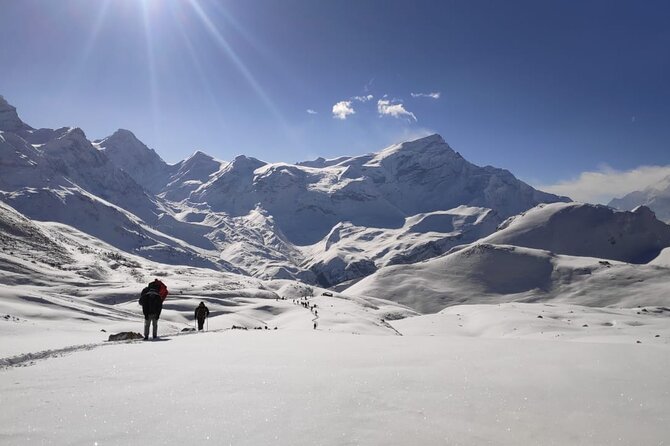
- Ladar and Thorong High Camp: Juniper-Tinged Trails to Snow-Covered Reality
- Crossing Thorong La to Muktinath: The Highest Moment and Why It Feels Worth It
- Down Into Mustang: Apple Orchards, Kali Gandaki, and Jomsom’s Wind Test
- Flying to Pokhara and Closing the Circuit in Comfort
- Price, Inclusions, and What You Should Actually Budget
- Who This Trek Fits, and Who Might Want a Different Plan
- Should You Book the Annapurna Luxury Circuit Trek?
- FAQ
- Where is the meeting point and what time does the trip start?
- How many days is the Annapurna Luxury Circuit trek?
- How much does it cost?
- Does the tour include airport pickup in Kathmandu?
- Is a porter included?
- What kinds of accommodations will I have?
- How does the itinerary handle altitude sickness risk?
- What is the highest point on the trek?
- Is travel insurance included?
- Are meals and drinks fully included?
Key Highlights You’ll Feel on This Trek
- Airport pickup and a tight start in Thamel make your first day in Nepal smooth instead of chaotic.
- 4-star hotels in Kathmandu and Pokhara give you true downtime after high-altitude days.
- A porter for shared luggage means you walk with less weight and less fatigue.
- Manang acclimatization with a rest day helps you adjust before the higher passes.
- Himalayan Rescue Association education in Vraja village adds practical altitude safety knowledge.
- Small group size, up to 10 travelers often means less waiting and more attention from the guide team.
Luxury on the Annapurna Circuit Means Better Sleep, Not a Shorter Challenge
For me, the real meaning of luxury on a trek like this is simple: you should sleep better and move smarter. The package includes lodges and teahouses on the trail, plus 2 nights at 4-star hotels in Kathmandu and 2 nights at 4-star hotels in Pokhara. After days when you’re breath-aware and feet-sensitive, that hotel comfort in the big cities can feel like a reset button.
You also get the support pieces that make trekking less stressful. There is a trekking porter who carries luggage, arranged so that 2 guests share 1 porter. And you have experienced guidance, plus cultural and history context as you pass through towns along the route.
What you should not expect is that luxury removes the physical demands of the Annapurna Circuit. The route still takes you to major altitude milestones, and the pass day is the headline challenge.
More Treks in Kathmandu
- Everest Base Camp Trek – 14 Days
★ 5.0 · 1,499 reviews - Everest Base Camp Trek
★ 5.0 · 842 reviews - Everest Base Camp Trekking
★ 5.0 · 485 reviews
Kathmandu Start: Pickup, Pre-Briefing, and a 6:15am Reality Check
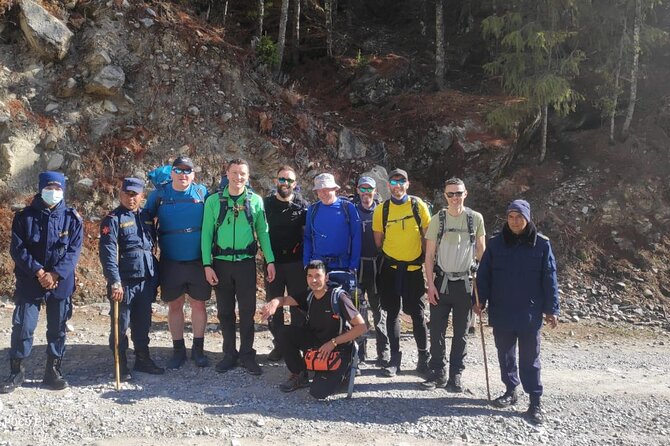
Your Nepal trip begins with an airport representative waiting outside the terminal with a signboard for Nepal Trek Adventure and Expedition P. Ltd. That sort of first contact matters because Kathmandu arrivals can be overwhelming, even when you’re excited.
You’ll also meet at Nepal Trek Adventure and Expedition P. Ltd., Thamel Marg, Kathmandu 44600, with a start time of 6:15am. That early time isn’t a gimmick, it’s how you get the day rolling while you still have decent light and cooler temperatures.
The package also includes pre-briefing of the trek. I like this because it helps you understand what is coming, how altitude is handled, and how the team plans to keep things safe and organized. It also sets expectations so you are not guessing when your day starts to run long.
Road to Besisahar and Chame: Pretty Drives, a Gentle Warm-Up, and Lots of Sitting
Day 2 is a long, scenic drive from Kathmandu to Besisahar, about 6 to 7 hours. You pass lush hills, traditional towns, and countryside scenes that make the trip feel instantly more local. This is a real warm-up day, but it is still a lot of time in a vehicle.
Day 3 continues with another 6 to 7 hour drive, this time from Besisahar to Chame. The route goes through green woods, terraced fields, and small towns, with suspended bridges and rivers along the way. You arrive at Chame at 2,670 meters, which is high enough to feel the air change but not so high that you should panic.
Chame itself is a small village with traditional houses and friendly people. It is also described as a gateway to the Manaslu area, which adds a little extra meaning as you connect Nepal’s regions. You sleep in a lodge in Chame, and that night is a useful buffer before the trekking begins in earnest.
The main drawback of these road days is physical, not emotional. Your legs do not move much, so if you get stiff easily, plan to stretch when you stop and hydrate regularly.
Upper Pisang and the Way to Manang: Monasteries, Valleys, and a Big Cultural Turn
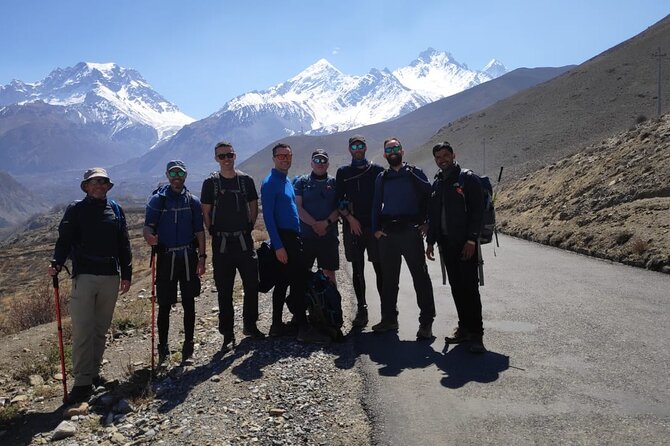
On Day 4 you head toward Upper Pisang, and the day includes a lot of time on your feet, plus travel and scenic walking through rugged terrain. The description emphasizes dense forests, streams, and walking near big rocks, then opening views when you reach Upper Pisang.
Upper Pisang is traditionally known for its culture, and it is a place where monasteries and local life help you understand how people live with the mountains all around them. You sleep in a cozy teahouse, which is a nice match for a day that mixes movement and culture rather than just climbing.
Day 5 brings your hike to Manang, passing through the Marsyangdi Valley. Early on, you see lush woods and small villages. As you climb, things get more barren, and the air feels thinner.
Manang sits at 3,540 meters, and it is described as a major trade center. The town’s Tibetan-style buildings also give it a distinct feel compared to the lower valleys. It is a place where acclimatization makes sense because you are getting high while also entering a busy hub.
One practical thing here: when your days are long, a strong start to the day and steady pacing matter. Luxury details help comfort, but your rhythm still drives how you feel on higher sections.
Another way to spend the time in Nepal:
- Private Kathmandu Sightseeing Tour | UNESCO World Heritage sites
★ 5.0 · 756 reviews - Kathmandu: 7 UNESCO Sites with Lunch
★ 4.8 · 744 reviews - Everest Base Camp Helicopter Tour landing at Everest View Hotel
★ 5.0 · 668 reviews - Half day cooking class in Thamel kathmandu
★ 5.0 · 607 reviews
The Manang Rest Day: Acclimatization Plus Real Altitude Education
If you want one reason this trek feels safer than many basic itineraries, it’s this built-in recovery time. Day 6 is a stay in Manang specifically to adjust to altitude at 3,540 meters.
The plan includes options like visiting Gangapurna and ice lakes, and it also mentions short hikes to help you acclimatize to higher altitude. But the standout for me is the visit to Vraja village to see the Himalayan Rescue Association.
You learn about acute mountain sickness and the broader topic of altitude illness. That is not just a lecture moment. It helps you connect the dots between symptoms, decision-making, and why the team takes acclimatization seriously.
This is where you start to feel the value of a luxury-style trip. You still climb, but you are not forced into constant grind. Better sleep at a quality lodge and the chance to adjust before the bigger pass day can make the difference between a hard day and a miserable one.
Ladar and Thorong High Camp: Juniper-Tinged Trails to Snow-Covered Reality
Day 7 takes you from Manang to Ladar, at 4,230 meters. The hike is described as not too hard, taking about 5 to 6 hours. The route goes through a forest of juniper and pine trees, with small towns along the way.
As altitude rises, the description points out a shift in buildings and culture due to Tibetan influence. You also get mountain views that feel bigger and closer when the air thins and the terrain grows less forgiving.
Day 8 is a tougher step up, from Ladar to Thorong High Camp. This is described as steeper with colder conditions, and it sits around the point where you are above the tree line. The day includes a note that paths become empty and snow-covered, meaning you lose the visual comfort of green slopes and shaded trails.
The practical advice here is to treat this day as a technique day, not a speed day. The higher you go, the more small choices matter: steady breathing, careful foot placement, and not overreaching when you feel tempted to push.
Crossing Thorong La to Muktinath: The Highest Moment and Why It Feels Worth It
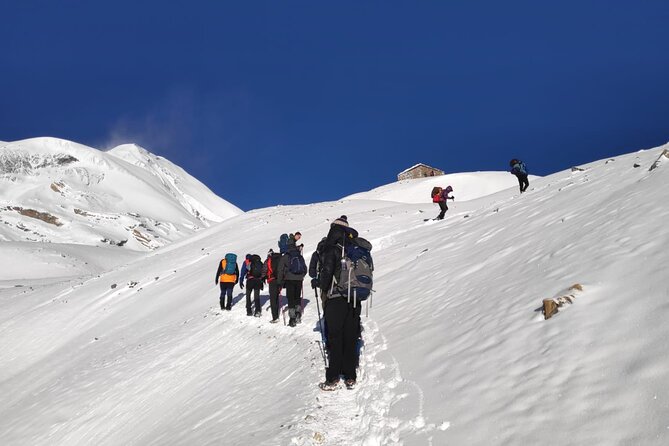
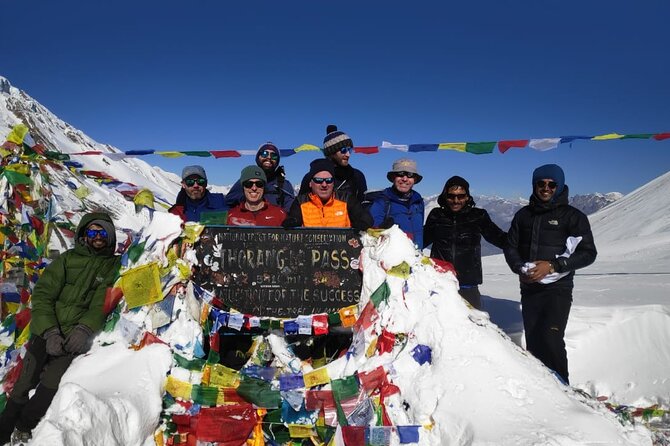
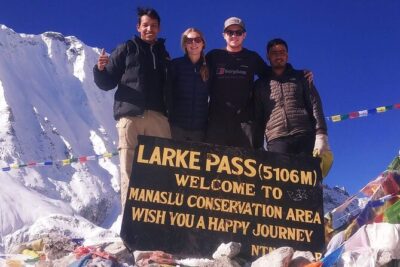
Day 9 is the big one. You cross Thorong La Pass at 5,416 meters, described as the hardest part of the trek. The climb to the pass can be difficult, but the payoff is the view of mountains and rivers around you.
Then you drop down toward Muktinath, which is known as a holy site with both Hindu and Buddhist churches and natural spring water sources. This is one of those moments where the trek becomes more than exercise, because you are walking into a place with spiritual importance.
The route takes about 6 to 7 hours total for this day. That means you should plan for wind, cold, and a slower pace when you are above the pass. Also, keep your expectations realistic. Even if the pass itself is short on the map, altitude can make it feel long.
Luxury does not change that physics, but having support and a well-planned day can reduce the stress around decisions, especially if conditions or energy levels shift.
Down Into Mustang: Apple Orchards, Kali Gandaki, and Jomsom’s Wind Test
Day 10 treks from Marpha to Jomsom. The trail passes stone houses and apple orchards, which is a great contrast after the stark high sections. You cross the Kali Gandaki River, then follow the riverbank into Jomsom.
Jomsom sits in the Mustang region and is described as its administrative center. Expect stores, hotels, and places to eat, plus a sense that this is a working hub rather than a quiet village.
This town is also known for strong winds. If you have never trekked in windy high places, think ahead: secure your hat, protect your layers, and keep your schedule flexible if the weather turns.
There is also mention of hot springs and a Jomsom Museum, which can be a nice way to spend downtime without forcing more walking.
Flying to Pokhara and Closing the Circuit in Comfort
Day 11 is a morning flight from Jomsom to Pokhara. Flying here is a smart design choice because it helps you avoid adding another multi-day trek after a major pass. From the air, you can see Dhaulagiri and Annapurna, two big names that live up to the hype.
Pokhara is your recovery zone. You can explore the city, visit Fewa Lake, and enjoy nightlife if that is your thing. After 10 days of moving, having a day that is mostly about choosing your own pace feels like a gift.
Day 12 brings a short 30-minute flight from Pokhara to Kathmandu, landing with views of the Himalayan ranges. Then you transfer to your hotel and enjoy a farewell dinner. It is a nice closure step, because you can process what you saw while the memories are still fresh.
Day 13 ends with the airport transfer in Kathmandu so you can catch your flight out of Nepal.
Price, Inclusions, and What You Should Actually Budget
This trek is priced at $2,000 per person. At that price, you are not paying just for scenery. You are paying for organization, a guide team, porter support, and city comfort where it counts.
Here’s what is clearly included:
- All permits
- Porter support (2 guests share 1 porter for luggage)
- 2 nights at 4-star hotels in Kathmandu
- 2 nights at 4-star hotels in Pokhara
- Pre-briefing
- Some specific meals listed as lunch on day 11, dinner on day 11, and breakfast on day 12
- A trekking porter and the safety-focused planning described throughout
The inclusions also list flights as Kathmandu-Lukla-Kathmandu, while the itinerary you follow includes domestic flights such as Jomsom to Pokhara and Pokhara to Kathmandu. Before you pay, it’s worth confirming exactly which flight segments you are getting for your dates, so you are not surprised by how the route is timed.
What costs extra:
- Alcoholic and non-alcoholic drinks
- Personal trekking equipment
- Tips for the guide and porter, with tipping expected
- Travel insurance that covers medical and emergency evacuation
So is the price good value? For me, it is best viewed like this: if you would spend money anyway to get real hotel nights in Kathmandu and Pokhara, plus you want a porter and strong planning, the package can feel fair. If you prefer basic teahouse life the whole way and you already know how to manage altitude day-by-day without extra structure, you might find cheaper options. This one is for comfort-minded trekkers who still want the classic high route.
Who This Trek Fits, and Who Might Want a Different Plan
This trip calls for moderate physical fitness, and it includes acclimatization support, which makes it more approachable than many high-altitude itineraries. The porter helps if you get tired carrying your own pack, and the rest day in Manang helps if you are altitude cautious.
It is a strong fit for:
- Couples and small groups who want a more comfortable trekking rhythm
- People who want the Annapurna Circuit but do not want to manage every detail alone
- Trekkers who value safety planning and practical altitude education
It may not be ideal for:
- Anyone who struggles with steep altitude days, especially the Thorong La Pass crossing
- People who dislike long travel stretches, including the 6 to 7 hour drives and the long day structure earlier in the route
Should You Book the Annapurna Luxury Circuit Trek?
I’d book it if you want the Annapurna Circuit with a clear safety plan, a guide team that is organized, and comfort where you can actually use it, like 4-star hotel nights and porter support. The Manang acclimatization day, plus the visit to the Himalayan Rescue Association, is the kind of added thinking that can help you enjoy the trek more and worry less.
I would pause if you want a low-stress trek that avoids hard altitude work, because this route still demands effort and cold-weather readiness. If you are excited by big mountain country and you know your body can handle at least a few hard days, this one looks like a solid, well-run choice.
FAQ
Where is the meeting point and what time does the trip start?
The meeting point is Nepal Trek Adventure and Expedition P. Ltd., Thamel Marg, Kathmandu 44600, Nepal. The start time is 6:15am.
How many days is the Annapurna Luxury Circuit trek?
The duration is listed as 13 days, approximately.
How much does it cost?
The price is $2,000.00 per person.
Does the tour include airport pickup in Kathmandu?
Yes. An airport representative meets you at the terminal and arranges transfer to your hotel.
Is a porter included?
Yes. A trekking porter carries your luggage. The arrangement is 2 guests sharing 1 porter.
What kinds of accommodations will I have?
The package includes 2 nights at a 4-star hotel in Kathmandu and 2 nights at a 4-star hotel in Pokhara, plus lodges and teahouses during the trek.
How does the itinerary handle altitude sickness risk?
The route includes proper acclimatization to minimize altitude sickness, including a stay day in Manang. The plan also includes learning about acute mountain sickness at the Himalayan Rescue Association.
What is the highest point on the trek?
Thorong La Pass is listed at 5,416 meters.
Is travel insurance included?
No. Travel insurance must be covered for both medical needs and emergency evacuation.
Are meals and drinks fully included?
Not fully. Some meals are included, and drinks with alcohol are not included. Tips for guide and porter are also expected.
Latest additions near Kathmandu
- White Water River Rafting – 1 Day★ 4.3 · 3 reviews
- Traditional Momo Making Class★ 5.0 · 10 reviews
- Kathmandu to Pokhara Premium sofa bus ticket★ 4.0 · 17 reviews
- Ghorepani Poon Hill Trek★ 5.0 · 16 reviews
- Amazing 1 Day Trekking Experience in Kathmandu Nepal★ 5.0 · 24 reviews
- Ghorepani Poonhill Trek★ 5.0 · 5 reviews
- Walking tour of real Kathmandu through back streets.★ 5.0 · 3 reviews
- Wildlife Adventure in Chitwan Nepal★ 4.0 · 4 reviews
Treks in Kathmandu, compared.
Nagarkot Sunrise View and Day Hiking from Kathmandu
Read our review →
Browse the lists this tour appears in