Reviewed · TREKS IN KATHMANDU
Annapurna Full Circuit Trek
One good trek can change how you see mountains. This one strings together forests, villages, and big views while the road creeps in on the edges. You stay on trails that help you dodge the worst of the jeep tracks.
I like that this is a full Circuit style route, starting from Kathmandu and working your way from lower fir and rhododendron forests up toward the high country. I also like the hands-on guiding, especially the way Himal checks how you are doing day by day, including appetite, sleep, and oxygen. A fair caution: the trip requires good weather, and the route is at higher altitude, so you need a steady, moderate fitness base.
The best part for me is how the scenery comes with people, not just peaks. You pass through settlements of different ethnic groups, then reach Manang where the Manangi culture and traditional lifestyle can feel like you stepped into little Tibet. Just remember bottled water is not included, so you’ll want a simple plan for staying hydrated.
In This Review
- Key things that make this trek worth your time
- Why the Full Circuit still feels complete, even with roads around
- Kathmandu to Syange or Jagat: where the trek starts moving
- Forest walking, ethnic villages, and the mountain moments that make you stop
- Manang village: where culture feels closer than you expect
- The big day energy: the Thorang-la pass focus
- Food, water, and why the meal setup is more than a bullet point
- Your guide is the product: how Himal, Sunita, and the team operate
- Price and value: what $1,952 buys you, and what you still cover
- Who this trek fits best, and who should think twice
- FAQ
- FAQ
- Where is the Annapurna Full Circuit Trek based from?
- What time does the trek start?
- How long is the trek?
- What is included in the price?
- What is not included?
- How do you travel from Kathmandu to the start of trekking?
- Do you get a trekking guide?
- Is the trek suitable for beginners?
- Are service animals allowed?
- How does cancellation work?
- Should you book this Annapurna Full Circuit trek?
Key things that make this trek worth your time
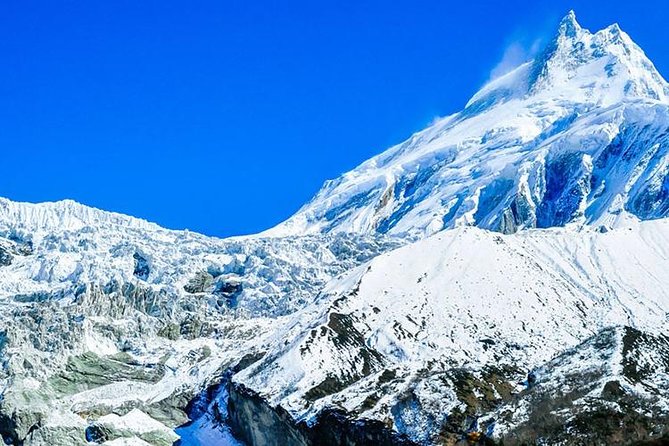
- Full Circuit routing with trail-first days: roads have reached parts of the Marshyandi Valley sections, but you’ll use trails to reduce jeep track time.
- Manang village and Manangi culture: the stop in Manang is a real cultural moment, not only a photo break.
- Mountain focus on Annapurna and Manaslu: you’ll get big Himalayan views that anchor the whole journey.
- Daily altitude check-ins: Himal’s approach includes checking health markers like oxygen, plus your sleep and appetite.
- English-first guidance and plan adjustments: your plan may shift based on conditions and how you’re feeling.
- Private, group-only setup: it’s not a cattle-call trek, it’s only your group.
Why the Full Circuit still feels complete, even with roads around
The Annapurna Full Circuit has a reputation for being long, varied, and scenic. What makes this version interesting is the approach to the modern reality. Roads have been built along many parts of the Circuit in the Marshyandi Valley, so you follow the full route but use trails to avoid the jeep tracks when possible.
For you, that means the trek can keep the rhythm you actually came for, walking, climbing, and stopping where the trail makes sense. If you hate the sound of engines and the feeling of a disrupted hiking day, you’ll appreciate this detail. It’s a small operational choice that adds up to a better experience on foot.
The other reason this matters is pacing. Roads tend to encourage quick jumps. Trail sections tend to slow you down just enough to notice things: prayer flags, small tea-house routines, and the daily tempo of villages.
More Treks in Kathmandu
- Everest Base Camp Trek – 14 Days
★ 5.0 · 1,499 reviews - Everest Base Camp Trek
★ 5.0 · 842 reviews - Everest Base Camp Trekking
★ 5.0 · 485 reviews
Kathmandu to Syange or Jagat: where the trek starts moving
You start in Kathmandu with a pickup offered and a start time of 7:15am. The trip includes private transportation, and the early drive sets the tone. You head to Syange or Jagat via Beshisahar, so you’re not just thrown into trekking mode at the first step.
That drive is useful because it positions you for the gradual shift in altitude and vegetation. Lower down, you pass through thick fir and rhododendron forests. This is the part of the Circuit that feels like a warm-up, with greenery and shade doing some of the heavy lifting before the higher, thinner air takes over.
One practical note: since bottled water is not included, you should handle your own water plan before you leave Kathmandu. On the early day especially, it’s better to have your system ready than to scramble when the schedule is tight.
Forest walking, ethnic villages, and the mountain moments that make you stop
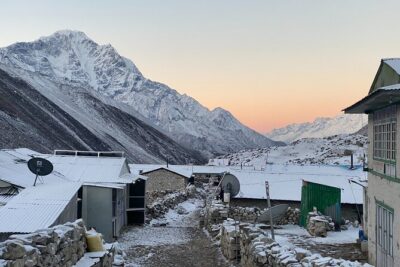
As you move along, you’ll pass through many human settlements belonging to diverse ethnic groups. This isn’t just scenery pasted onto a route. You’ll have real chances to meet locals and see how daily life runs at different elevations.
The trek is described as shifting from those fir and rhododendron forests at lower altitude up toward the higher country. In plain terms, you’ll notice the air changing, the vegetation changing, and your body asking for a slower cadence. That’s where your guide’s day-to-day attention becomes a big deal.
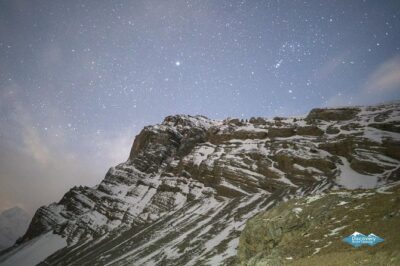
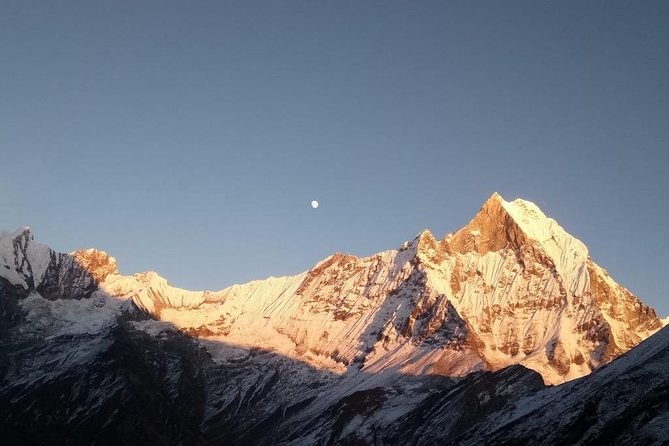
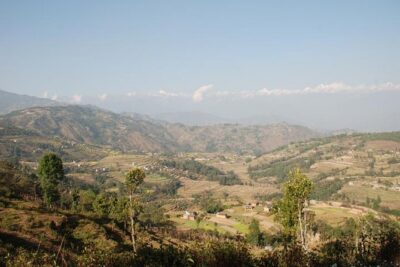
And then you get the big anchors: Mount Annapurnas and Manaslu are part of the view package. The Circuit can be addictive because you don’t get one perfect panorama and then nothing for days. Instead, the mountains keep reappearing in different angles as you climb and contour.
A balanced expectation: the best views often come with cold mornings, wind near open sections, and the fact that clouds can roll in. That’s normal here, and it’s also why good weather matters for the whole trip.
Manang village: where culture feels closer than you expect
One of the standout moments is reaching Manang village. At higher altitude you visit Manang, where you’ll meet the Manangi people and see their traditional lifestyle. It’s described as a feeling of visiting little Tibet, and that matches what many trekkers hope for on a Nepal trek beyond the standard tea-house routine.
For you, Manang is valuable for two reasons. First, it breaks the trek into a more human story, with culture and community at the center. Second, it gives you a mental marker on the journey, a place where you can tell yourself, you’re now in the high-country chapter.
Just be aware that higher altitude can feel more intense even when the walking day seems manageable. The guide included in this trek is not only for directions. Himal’s care style, including checking how you’re doing with oxygen levels and how you’re sleeping and eating, is the kind of support you’ll feel most in places like this.
Another way to spend the time in Nepal:
- Private Kathmandu Sightseeing Tour | UNESCO World Heritage sites
★ 5.0 · 756 reviews - Kathmandu: 7 UNESCO Sites with Lunch
★ 4.8 · 744 reviews - Everest Base Camp Helicopter Tour landing at Everest View Hotel
★ 5.0 · 668 reviews - Half day cooking class in Thamel kathmandu
★ 5.0 · 607 reviews
The big day energy: the Thorang-la pass focus
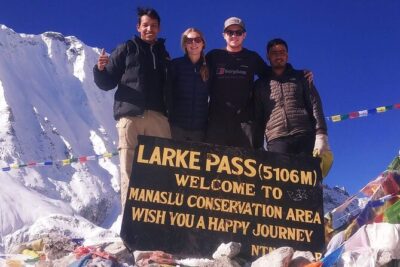
The Annapurna Circuit is famous for the big pass day, and in this route that means the Thorang-la pass area. One trip experience specifically mentions Annapurna Circuit with Thorang-la pass, so it’s a fair expectation that your Circuit includes that highlight.
A pass day can be either magical or miserable depending on weather, pacing, and how your body handled the approach. The good news here is that the guiding is described as adaptive. Himal is known for correcting plans according to conditions and your personal condition, rather than treating the schedule like a robot.
Also, Himal’s daily check-ins matter. Reviews describe him checking health, appetite, sleep, and oxygen every day. For you, that translates to fewer surprises. You’re more likely to be warned early if something feels off, and your day-to-day plan may be adjusted before you burn yourself out.
Food, water, and why the meal setup is more than a bullet point
This trek includes breakfast, lunch, and dinner. That sounds simple, but it affects your experience in real ways. When meals are arranged as part of the trek support, you spend less time hunting and more time walking and resting.
It also helps energy management. On multi-day treks, your appetite can change with altitude and temperature. With a guide who checks your appetite and well-being daily, the meal rhythm becomes part of the safety net, not only a convenience.
Now the clear catch: bottled water is not included. That’s not a deal-breaker, but it does mean you should budget for water and have a plan that matches your preferences. If you rely on bottled water, you’ll want to purchase along the way. If you have another method, confirm what’s practical on your specific dates.
One more odd listing detail: the trek includes use of SCUBA equipment. That’s not typical for trekking, so I’d treat it as a must-confirm item when you book. Ask what exactly you’ll receive and how it’s used during this trek.
Your guide is the product: how Himal, Sunita, and the team operate
In Nepal, a trek lives or dies by communication. The most consistent praise in the included reviews is about the guide. Himal is repeatedly described as professional, with strong English, and very caring about the group’s conditions.
What stands out is the attention to the small, practical stuff. The reviews describe him checking your health, appetite, sleep, and oxygen every day. That kind of daily monitoring is what helps you keep making forward progress when altitude fatigue starts to creep in.
There’s also praise for planning flexibility. Himal is described as correcting plans according to your conditions, which is a real skill on the Circuit because weather can shift and bodies can vary more than schedules predict.
On the Kathmandu side, Sunita is mentioned for showing people around Kathmandu and helping them feel welcomed. That matters because the trek begins long before your first hiking step, with logistics, orientation, and confidence building. If you’re arriving in Nepal with jet lag and too many questions, having someone steady the process is huge.
And the operator side shows up too. One review mentions Adventure Blossom Treks and Expedition owner Bashu Dev Bagale as kind. That’s not a trekking skill, but it usually reflects an organization that tries to treat trekkers like people, not just bookings.
Price and value: what $1,952 buys you, and what you still cover
The price is listed as $1,952 per person, duration about 20 days. On paper, that’s a serious number. The value piece is what’s included: meals (breakfast, lunch, dinner), private transportation, and a trekking guide. There’s also pickup offered and a mobile ticket.
For many treks, the expensive part is exactly those support layers. You’re not only paying for hiking leadership. You’re paying for the organization behind it, including transport and day-to-day meal planning.
Your cost gaps are relatively clear based on what’s listed. Bottled water is not included. Also, the listed SCUBA equipment needs clarification, so consider that an item you should confirm in writing.
Who is this price likely to make sense for? If you want a guided experience where someone watches your altitude signals and adjusts the plan when needed, you’re paying for more than route knowledge. If you’re traveling solo and want personal attention, you’re also likely to feel the value more.
Who might pause? If you’re cost-minimizing above all else, you might find cheaper trek arrangements. But if you care about consistent care and smoother logistics, this setup has a strong case.
Who this trek fits best, and who should think twice
This experience is listed as private, only your group participates. That’s best if you want less crowd noise and more tailored guidance.
The fitness note says travelers should have moderate physical fitness. That suggests this isn’t for brand-new hikers, but it can work for people who train a bit and take altitude seriously.
Think twice if you know you struggle with altitude or you can’t stay flexible with weather. The trip requires good weather, and if conditions fail, it may be canceled or rescheduled based on that requirement. Also, if you’re not comfortable managing water costs on your own, plan for that ahead.
If you love culture as much as views, this trek has a built-in advantage. Manang and the village encounters along the way aren’t optional add-ons. They’re part of the Circuit story.
FAQ
FAQ
Where is the Annapurna Full Circuit Trek based from?
The tour is based in Kathmandu, Nepal.
What time does the trek start?
The start time is 7:15am.
How long is the trek?
The duration is listed as approximately 20 days.
What is included in the price?
Meals are included (breakfast, lunch, and dinner), along with private transportation and a trekking guide. Pickup is offered, and a mobile ticket is included. The listing also says use of SCUBA equipment is included.
What is not included?
Bottled water is not included.
How do you travel from Kathmandu to the start of trekking?
The trek includes private transportation. The route begins with travel from Kathmandu to Syange or Jagat via Beshisahar.
Do you get a trekking guide?
Yes. A trekking guide is included.
Is the trek suitable for beginners?
It says travelers should have a moderate physical fitness level.
Are service animals allowed?
Yes, service animals are allowed.
How does cancellation work?
The policy says free cancellation is available, and you can cancel up to 24 hours in advance for a full refund. The experience also requires good weather, and if it’s canceled due to poor weather, you are offered a different date or a full refund.
Should you book this Annapurna Full Circuit trek?
I’d book it if you want the Circuit as a full experience, not a broken-up version forced around traffic. The trail-first approach around road sections is exactly the kind of detail that keeps trekking days feeling like trekking days.
I’d also book it if you value active care at altitude. The consistent praise for Himal’s daily monitoring and plan adjustments is the sort of support that helps you enjoy the walk more and worry less.
I’d pause if you hate weather uncertainty or you’re not ready to handle water costs yourself. And I’d definitely ask what the SCUBA equipment inclusion means for your actual trek days before you commit. Once those pieces make sense, this looks like a strong, well-supported way to tackle the Annapurna Full Circuit.
Latest additions near Kathmandu
- White Water River Rafting – 1 Day★ 4.3 · 3 reviews
- Traditional Momo Making Class★ 5.0 · 10 reviews
- Kathmandu to Pokhara Premium sofa bus ticket★ 4.0 · 17 reviews
- Ghorepani Poon Hill Trek★ 5.0 · 16 reviews
- Amazing 1 Day Trekking Experience in Kathmandu Nepal★ 5.0 · 24 reviews
- Ghorepani Poonhill Trek★ 5.0 · 5 reviews
- Walking tour of real Kathmandu through back streets.★ 5.0 · 3 reviews
- Wildlife Adventure in Chitwan Nepal★ 4.0 · 4 reviews
Treks in Kathmandu, compared.
Nagarkot Sunrise View and Day Hiking from Kathmandu
Read our review →