
Reviewed · ANNAPURNA BASE CAMP TREKS
Annapurna Base Camp Trek
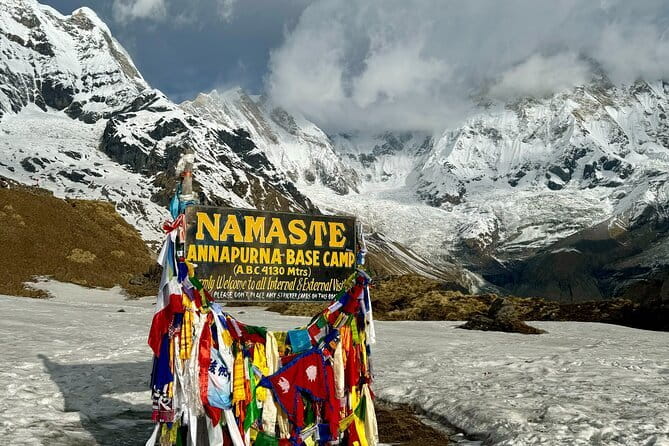
Annapurna Base Camp hits fast in five days. You get mountain views from the first walking day, plus cozy Gurung village life as you pass terraced fields, waterfalls, suspension bridges, and rhododendron forest before ending at the Annapurna basin. I also love that this version gives you enough time to see multiple Annapurna giants around the area, not just one peak photo-op. One consideration is the pace: with long hiking days and a very early start from Base Camp, you will want solid stamina and patience in cold morning air.
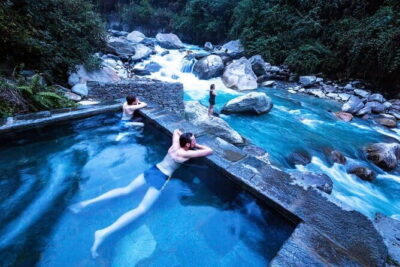
What makes this trek practical is how the plan is built for you, guide and all. You start with a drive from Pokhara, get permits handled at the trail check, and then hike with an English speaking guide and included meals so you can focus on walking and scenery instead of logistics. The other thing I like is that you end with a real payoff, a Jhinu Danda hot spring soak on the way back, which helps your legs recover.
A private trip also means your group goes at your pace. Still, private does not always mean private transport. The trek includes sharing transport to the start and from the finish, so you may ride in a shared vehicle.
In This Review
- Key points before you go
- Why this five-day Annapurna Base Camp trek fits real schedules
- Day 1: Sinuwa via Nayapul, Birethanti permits, and the Chhommrong area
- Day 2: Stone steps up, bamboo and Dovan, then Deurali
- Day 3: A shorter day that still hits Machhapuchhre Base Camp and Annapurna Base Camp
- Day 4: Pre-dawn Base Camp panoramas, then the long descent to Lower Sinuwa
- Day 5: Jhinu Danda hot spring recovery and the ride back to Pokhara
- What you get on the ground: permits, guide support, and tea house style meals
- Price and logistics: is $450 good value?
- Who should book this trek, and who might want a different plan
- Should you book this Annapurna Base Camp trek?
- FAQ
- How long is the Annapurna Base Camp trek?
- Where does the trek start in Pokhara?
- What time does the activity start?
- Is the tour private?
- What is included in the price?
- Are trekking permits and TIMS included?
- Can the team accommodate dietary restrictions?
- Is insurance or rescue included, and what about cancellation?
Key points before you go
- Five days to Base Camp gives you classic Annapurna scenery without committing to a longer trek
- Permits and TIMS are included, so you handle paperwork early and move on
- English speaking guide support helps a lot when weather turns or you feel unsure of the trail
- Villages, bridges, and forests keep the walk interesting day to day, not just a single straight climb
- Hot spring return stop at Jhinu Danda gives your body a break before Pokhara
Why this five-day Annapurna Base Camp trek fits real schedules
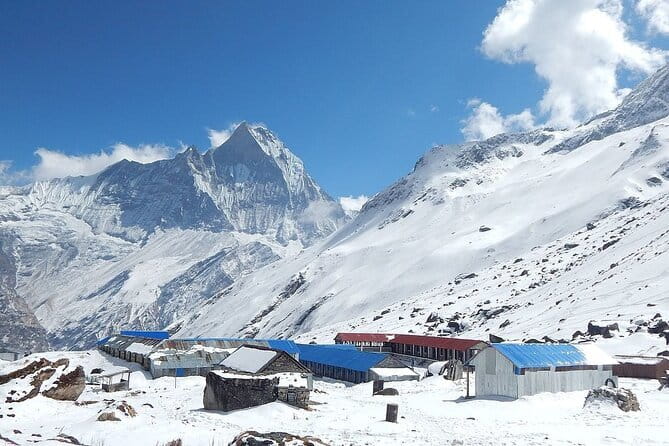
Annapurna Base Camp is the kind of destination that looks simple on a map, until you see the terrain up close. This trek is designed to hit the big moments in about five days: getting into the mountains quickly from Pokhara, reaching Base Camp, then coming back through the same culture and scenery chain.
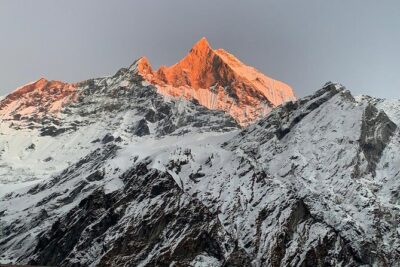
Here is what you will like most. First, the route gives you variety. You are not only staring up at peaks. You walk through villages, terraced farmlands, and forest stretches with rhododendron. You cross suspension bridges, so the trail feels like travel, not just hiking. Second, you get multiple mountain viewpoints. The Annapurna region includes Annapurna I, Annapurna II, Annapurna III, Annapurna IV, Hiunchuli, Gangapurna, and Machhapuchhre, the fish tail shaped peak. Base Camp is the grand finale where the basin view makes sense.
The potential drawback is that five days is a compact format. Your legs and breathing will feel it. You will be walking around 5 to 8 hours on most days, plus an early morning push on Day 4. If you want a slower acclimatization rhythm, this may feel brisk. If you want the classic experience in a tight window, it can work well.
More Treks in Pokhara
- Poon hill Trek 3 days
★ 5.0 · 176 reviews - Trekking in Annapurna/Langtang/Everest/Upper Mustang regions
★ 5.0 · 161 reviews - Pokhara: 4-Day Ghorepani, Poonhill & Ghandruk Mountain Trek
★ 5.0 · 132 reviews
Day 1: Sinuwa via Nayapul, Birethanti permits, and the Chhommrong area
Day 1 starts with logistics done for you. You get pickup and drop-off from your Pokhara hotel area, then you ride to Jhinu Dada via Nayapul. The drive is listed at about 3 hours, and along the way you pause at Birethanti for permits checks. That small stop matters. It is one less stress point once you start hiking, because the paperwork is handled before you are committed to the trail.
After the drive, you begin the trek toward Jhinu Danda and through the villages, including Chhommrong, then on to Lowe Sinuwa. The walking time is described around 5 to 6 hours. You cross high suspension bridges and move through Gurung villages, which is a big part of why this trek feels more human than wilderness.
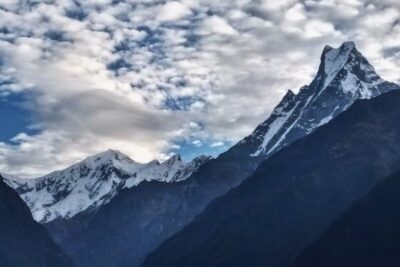
You should also expect views early. From the Sinuwa side you can see iconic peaks like Fishtail, Annapurna South, and Himchuli. Even when the day feels like a warm-up, those first peak glimpses motivate you to keep going.
Practical tip for Day 1: plan to feel dusty or chilled at times. The early miles can be a mix of warm sun and cooler shade, especially near river valleys. Bring layers you can adjust fast.
Day 2: Stone steps up, bamboo and Dovan, then Deurali
Day 2 is the climb day on this version. The total trek time is listed around 7 hours. The route starts with stone steps as you work up from Sinuwa, then you descend to Bamboo. From there, you continue on a path that is described as easier, passing through Dovan, and you hike toward Deurali.
The day is paced in chunks: uphill via steps, downhill into Bamboo, then easier walking to Dovan, plus another stretch after lunch. Lunch is mentioned around Himalaya, before you continue for about two more hours to reach Deurali.
What makes Day 2 worthwhile is the change in feel. Bamboo and Dovan areas generally shift the trail atmosphere, and Deurali is a strong halfway base for the feeling of progress. When the mountains start getting close, you stop thinking in terms of hours and start thinking in terms of viewpoints and timing meals around weather.
A consideration: stone steps can be hard on your knees, especially if you rush. Take your time on the steps, and shorten your stride a bit. Your breathing will settle if you do that.
Day 3: A shorter day that still hits Machhapuchhre Base Camp and Annapurna Base Camp
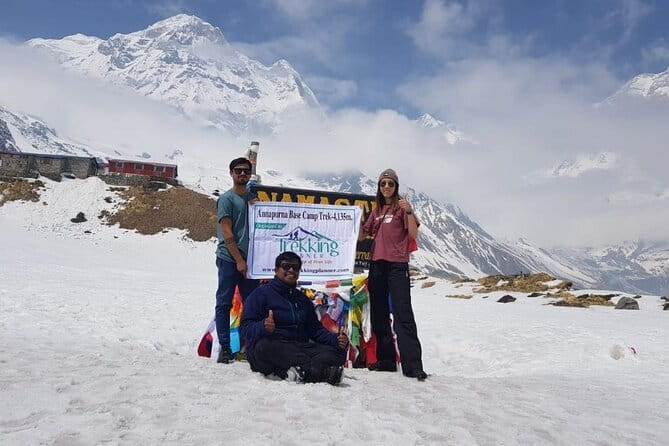
Day 3 is listed as the shortest hiking day at around 5 hours, but do not treat it as a free day. The route includes a first easy stretch to Bagar, then a tougher section toward Machhapuchhre Base Camp with some steep parts. After lunch, you walk an easy two hours to Annapurna Base Camp.
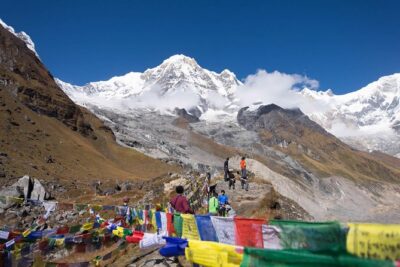
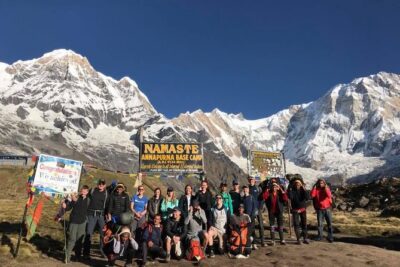
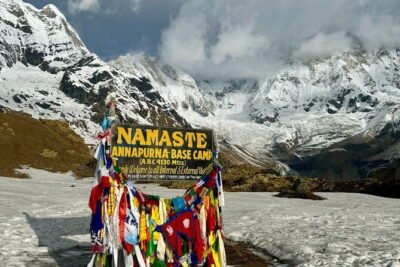
This is a smart design for a five-day trek. You start your Base Camp day with a gradual approach, then you get one more push before the payoff. When you finally walk into the Annapurna basin, the views tend to make the earlier effort feel like a warm-up. Peaks mentioned in the overall description include Annapurna I and Hiunchuli, plus Machhapuchhre and other giants around the basin.
One thing I like about this structure is emotional, not physical. A shorter day on paper reduces fatigue from the earlier climbs, which helps you enjoy the moment at Base Camp. If the weather turns, you can also adjust more easily. You have time to linger, take photos, and enjoy the atmosphere without feeling like you must race back down immediately.
More Annapurna Base Camp treks:
- Kathmandu/Pokhara: 5-Day Annapurna Base Camp (ABC) Trek
★ 4.9 · 72 reviews - Annapurna Base Camp Trek -8 days
★ 5.0 · 56 reviews - Private 7 – Day Annapurna Base Camp Trekking
★ 5.0 · 50 reviews - Annapurna Base Camp Trek (8 days)
★ 5.0 · 45 reviews
Day 4: Pre-dawn Base Camp panoramas, then the long descent to Lower Sinuwa
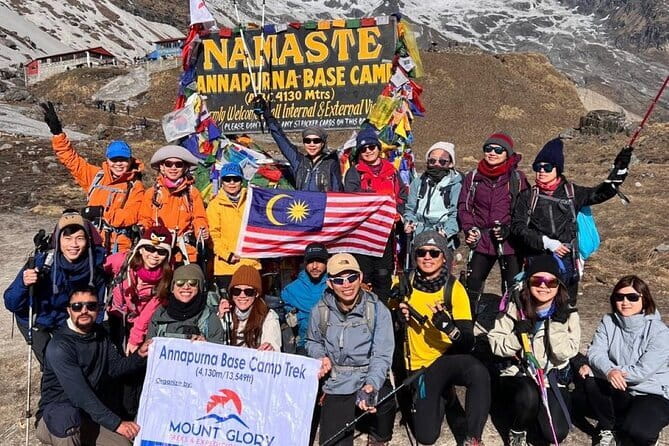
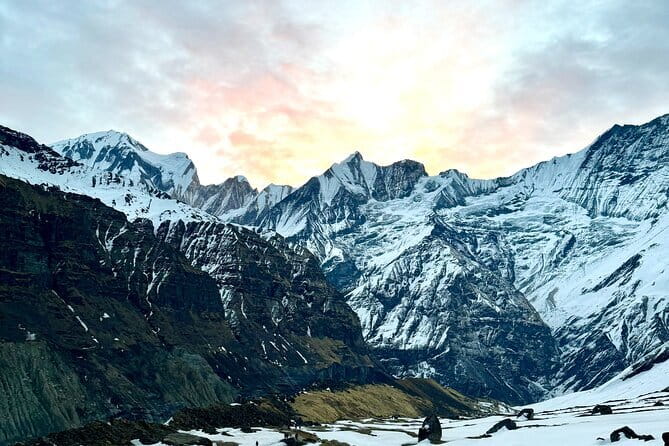
Day 4 begins before sunrise. You head out early to witness the panoramic scenes from Annapurna Base Camp. This is the moment most people picture when they hear Annapurna, including views of Machhapuchhre, Himchuli, Annapurna South, and more.
Then you have breakfast, and after that you hike down to Lower Sinuwa. The day is listed at about 8 hours, which tells you the walking is still real even after the big view day.
A big plus here comes from how the timing can feel. In past trips with this operator, people described the track lit by moonlight as they left for Annapurna early. Even if conditions differ, an early start often creates a quieter, more magical trail feel. You are moving while other daytime hikers are still waking up.
Practical tip: bring gloves and a hat. The hour before sunrise can be brutally cold even when the midday sun looks friendly. Also, pace the descent. Going down usually burns less energy, but it is harder on your legs.
Day 5: Jhinu Danda hot spring recovery and the ride back to Pokhara
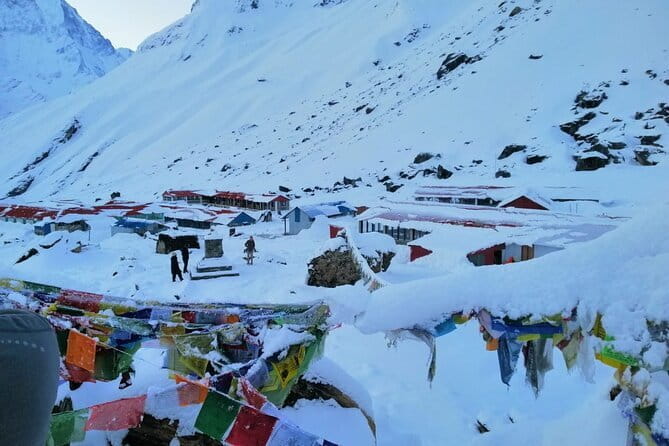
Day 5 is your return day with a feel-good stop. You leave Sinuwa and head toward Pokhara. Along the way, you detour to the natural hot spring at Jhinu Danda. After the soak, you continue a short stretch on foot for about 30 minutes before you reach transportation back to Pokhara. Then you get dropped off at your hotel.
This last day is not just about finishing. It is about resetting your body. A hot spring soak can make the difference between feeling okay the next day and feeling like your quads filed a complaint.
One small detail you might appreciate: the trek day includes both walking and relaxation. That mix is easier mentally than a straight hike all the way to the end.
What you get on the ground: permits, guide support, and tea house style meals
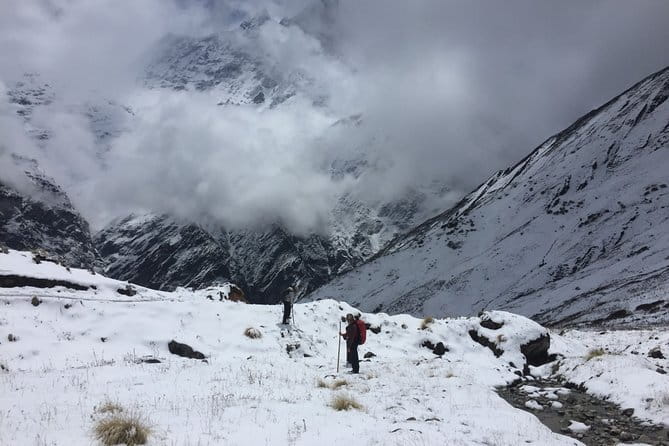
This experience includes the core elements that usually make or break a trek: permits, a guide, and meals. You get trekking permits and TIMS included, which helps keep your plan smooth. You also get an English speaking trekking guide during the trek, with private trip format for your group.
Meals are fully covered across the walking days: breakfast 5 times, lunch 5 times, and dinner 5 times. You also get available tea house or lodge options. That usually means you are not spending time every morning figuring out where to eat. The food will be basic and filling rather than fancy, which is exactly what you want after hours on the trail.
Guide quality is also a real part of the value here. In previous experiences connected with this company, people highlighted guides such as Janak Karki for planning support and Mr. Gurung for being kind and patient on the trek. Others mentioned Damodar dai for cooperative, family-like care, especially helpful during cold weather and long walking days. Even without copying anyone’s exact route tactics, that kind of guide attitude matters. It turns the trek from just surviving hills into getting guidance, encouragement, and practical decisions.
Dietary restrictions are also mentioned as something the team can accommodate, including vegetarian, vegan, and gluten-free. If you have specific needs, make sure you indicate them during booking so they can plan your meals.
Price and logistics: is $450 good value?
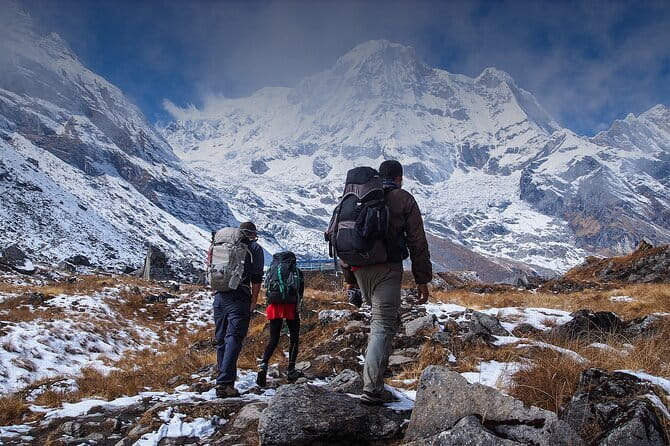
At $450 per person for an approx 5-day trek, this sits in the value category if you care about having the essentials handled. You are not just paying for hiking. The price includes pickup and drop-off in Pokhara, permits and TIMS, an English speaking guide, and breakfast, lunch, and dinner for the full set of trek days. It also includes private trip handling, while transport to and from the trail start and end is described as sharing.
Here is how I think about value. If you tried to DIY this, the big cost and headache would be permits, guide planning, and daily meal management in the mountains. Paying $450 is often worth it for the reduced stress, plus the added safety and clarity you get from a guide who knows the route rhythm.
What to keep in mind before you commit is what is not included. Insurance and rescue are not included, and that is a big one to take seriously. Mountain trekking can be unpredictable. Also, gratitude is listed as optional.
If you can walk 5 to 8 hours a day with some steep sections, this price looks reasonable for what is included.
Who should book this trek, and who might want a different plan
This trek fits best if you want the Annapurna Base Camp experience on a tighter schedule. It is also a good match if you like cultural trekking, because the route includes Gurung villages, bridges, terraced farmlands, and forest walks, not just a climb through emptiness.
You will likely enjoy it most if you:
- Have moderate physical fitness and can handle long days
- Want an English speaking guide and included meals
- Prefer a private group format without paying for all-private transport
You might consider a different pacing plan if:
- You want more time for acclimatization and slower daily mileage
- You hate very early starts, since Day 4 begins before sunrise
If you are a first-time mountain hiker, that can still be okay. In past experiences, people described doing their first mountain walk around 4000 with help from patient guides. The key is to take the steep parts slowly and listen to your guide when conditions change.
Should you book this Annapurna Base Camp trek?
If your goal is to see Annapurna giants up close, walk through real villages and forests, and reach Base Camp in about five days, this is a solid choice. The combination of included permits, an English speaking guide, and fully covered meals removes the day-to-day friction that can steal the joy from trekking. I also like the practical endcap, the hot spring at Jhinu Danda. After hard walking, that kind of recovery stop feels earned.
Book it if you are ready for long hiking days and can handle cold mornings. Skip it if you want a slower, more relaxed climb where you spend more time resting and less time moving.
FAQ
How long is the Annapurna Base Camp trek?
The trek is listed as 5 days, approximately.
Where does the trek start in Pokhara?
The meeting point is ABC Treks Pvt Ltd, Lakeside Rd, Pokhara 33700, Nepal.
What time does the activity start?
The start time is listed as 12:15 am.
Is the tour private?
Yes, this is a private tour/activity, and only your group will participate.
What is included in the price?
Included items are hotel pick up and drop off, available tea house or lodge, trekking permit and TIMS, an English speaking trekking guide during the trek, private trip format, sharing transport to the starting and ending points, and breakfast, lunch, and dinner.
Are trekking permits and TIMS included?
Yes. Trekking permits and TIMS are included.
Can the team accommodate dietary restrictions?
Yes. Dietary restrictions such as vegetarian, vegan, and gluten-free can be accommodated if you indicate them at the time of booking.
Is insurance or rescue included, and what about cancellation?
Insurance and rescue are not included. You can cancel up to 24 hours in advance for a full refund.
Latest additions near Pokhara
- Pokhara: Pokhara Highlights Tour by Bus★ 3.6 · 10 reviews
- Discover Pokhara in Style: Private Vehicle Service with Driver★ 5.0 · 5 reviews
- Pokhara in 5 Hours: Lake, Museum, Cave, Falls & Pagoda Hill★ 4.5 · 16 reviews
- The World Peace Pagoda in Pokhara★ 4.5 · 7 reviews
- 7-Day Trek to Annapurna Base Camp from Pokhara★ 5.0 · 12 reviews
- 4 Day Mardi Himal Base Camp Trek from Pokhara★ 5.0 · 18 reviews
- World Peace Stupa Day Hike From Pokhara★ 5.0 · 4 reviews
- Unique Easy Hiking to Foxing Hill from Pokhara★ 5.0 · 4 reviews
Annapurna Base Camp Treks, compared.
Kathmandu to Annapurna Base Camp (ABC) 5-Day Trek
Read our review →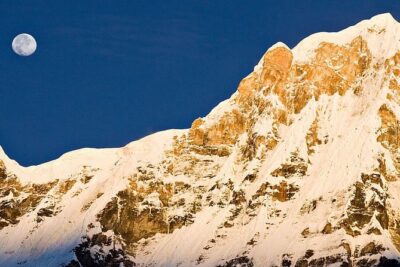
Browse the lists this tour appears in