
Reviewed · ANNAPURNA BASE CAMP TREKS
Annapurna Base Camp 7 Days Trek from Pokhara
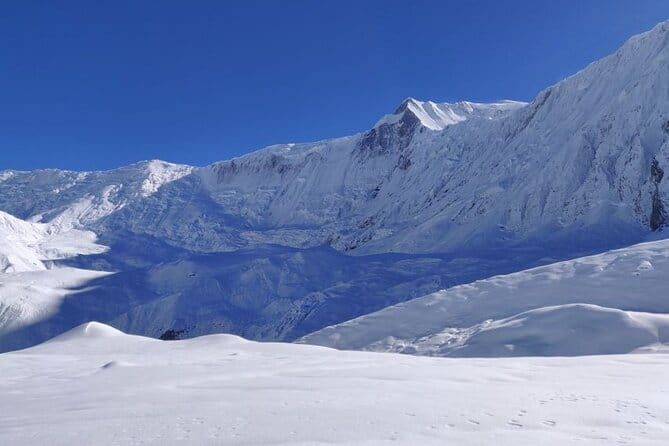
Cold air, big peaks, simple logistics. This Annapurna Base Camp trek from Pokhara is a guided week that mixes Gurung village culture with gorgeous Annapurna massif views as you climb to 4,130 meters. The main drawback is real, though: you’re hiking uphill most days, and the altitude means you should take a steady pace and be honest about your fitness level.
You’ll start with hotel pickup in Pokhara and handle most logistics for you, including round-trip transfers and the paperwork you need for the route. Just know the first road segments can be rough, and the descent days still require careful footing, especially if you’re not used to mountain trails. If you’re aiming for a comfortable, structured trek with an English-speaking guide, this format makes it easier to focus on the views.
In This Review
- Key highlights you’ll feel fast
- Why this Annapurna Base Camp week makes sense from Pokhara
- Day-by-day: the trek’s rhythm, what you’ll see, and what to watch for
- Day 1: Pokhara to Ghandruk, then settle into Gurung village life
- Day 2: Ghandruk to Sinuwa, a steady uphill with changing vegetation
- Day 3: Into the Annapurna Sanctuary zone, bamboo, rhododendron, and cooler air
- Day 4: Annapurna Sanctuary to Annapurna Base Camp, plus Machhapuchare Base Camp
- Day 5: Base Camp down to Bamboo, the descent day that still takes work
- Day 6: Bamboo to Jhinu Danda, forest trails and a village ridge finish
- Day 7: Jhinu Danda to Pokhara, with a suspension bridge and a jeep ride home
- What’s included, what it means for your stress level, and what to budget
- Price check: $435 and why it can feel fair
- The guide quality is the secret ingredient
- Guest houses and food: the practical side of staying warm and rested
- Safety, altitude, and fitness: how to judge if this trek fits you
- Should you book this Annapurna Base Camp trek with Pokhara Adventure Nepal (PAN)?
- FAQ
- How long is the Annapurna Base Camp trek from Pokhara?
- Where does the trek start and end?
- Is the trekking permit and TIMS card included?
- Is there an English-speaking guide?
- What kind of accommodation is provided on the trek?
- Is this a private trip?
- Do I need to provide passport details before the trek?
Key highlights you’ll feel fast
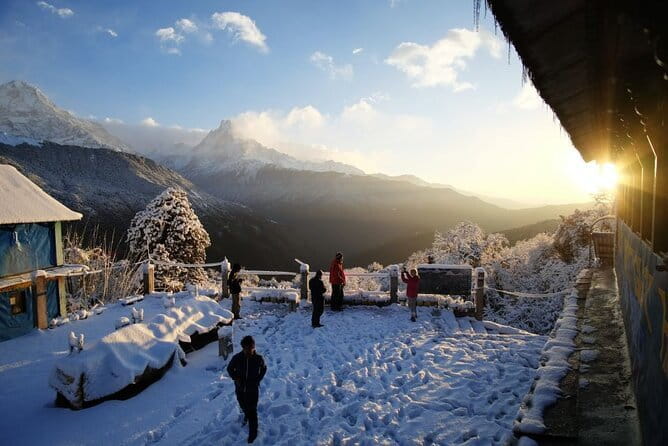
- Annapurna Base Camp at 4,130m with a full-on day of mountain panorama payoff
- Ghandruk and Chhomrong region vibes, including time in major Gurung settlements
- Machhapuchhre Base Camp stop at about 3,900m, setting up the final push
- Guest-house accommodation each night so you can recharge without planning your own stays
- English-speaking trekking guide plus permits and TIMS taken care of
- Good group energy, with an option for group discounts while staying private to your party
Why this Annapurna Base Camp week makes sense from Pokhara
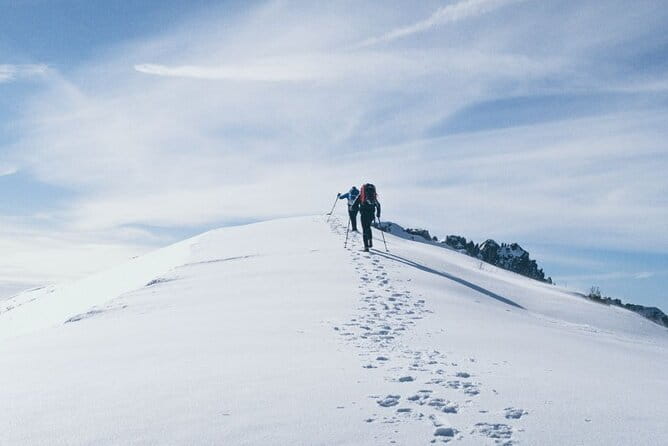
Pokhara is the smart starting point for this trek. You get the pre-trek days to adjust your body to travel rhythm, and you also get your bearings with Annapurna and Manaslu views in the background. From there, the trek gradually shifts you from lower, warmer trails into cooler mountain air, which makes the altitude feel less like a jump and more like a climb.
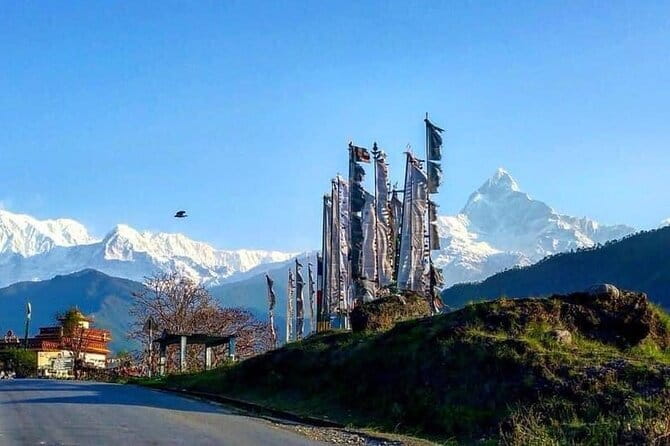
What I like most is how the route gives you variety without turning it into a complicated adventure. One day you’re walking through villages and terraced fields, and the next day you’re threading through rhododendron and bamboo toward higher terrain. The views do not wait until the last day, either, since you’re seeing Annapurna South, Machhapuchare (Fishtail), and Hiunchuli as you move through the region.
The other big advantage is that you’re not managing permits, cards, or route knowledge on your own. This trip includes the trekking permit and TIMS card, plus an English-speaking guide, which matters because the paperwork is part of doing ABC properly.
More Treks in Pokhara
- Poon hill Trek 3 days
★ 5.0 · 176 reviews - Trekking in Annapurna/Langtang/Everest/Upper Mustang regions
★ 5.0 · 161 reviews - Pokhara: 4-Day Ghorepani, Poonhill & Ghandruk Mountain Trek
★ 5.0 · 132 reviews
Day-by-day: the trek’s rhythm, what you’ll see, and what to watch for
Day 1: Pokhara to Ghandruk, then settle into Gurung village life
Most trekkers start by driving out of Pokhara toward Kyu Mi Danda, via Nayapul and Birethati. The route isn’t fully paved, so you’ll likely ride in a sharing jeep part of the way, then begin walking. Even if the drive is a little bumpy, it helps you reach the trail quickly and start earning altitude for real.
Your first walking stretch goes through the Modi River corridor and authentic villages, with hills that drop and rise enough to make you feel awake early. Then you reach Ghandruk, one of the biggest, most iconic Gurung villages in the Annapurna region. This is where the trek stops being just scenery and becomes people, homes, and culture.
What to do here: take time to look around before you’re tired. The Ghandruk setting is known for clear views of Annapurna South, Hiunchuli, Machhapuchare, Gangapurna, and Annapurna III. In plain terms, it’s a great place to understand what you’re working toward.
Possible drawback: day 1 can feel longer than you expect because the terrain starts moving right away, even before higher altitudes. If your legs are not used to uphill walking, plan to keep your pace easy.
Day 2: Ghandruk to Sinuwa, a steady uphill with changing vegetation
Day 2 pushes you from Ghandruk toward Upper Sinuwa. You’ll hike through a trail that fluctuates, with a strenuous feel at points as you gain elevation. The day is listed as about 7 hours of walking time, not counting lunch and tea breaks.
Along the route you pass through areas tied to the Kimrung Danda and Kimrung River, and you also go by Chhomrong village before reaching Sinuwa. This is a good day for watching how the vegetation changes. You start to see more mountain forest character, and the Annapurna views tend to appear in new angles instead of the same wide postcard scene.
What I like about this segment: it feels like a real transition day. The effort is consistent, so you can settle into a rhythm that’s good for acclimatization. And because the scenery changes, your brain stays engaged even when your thighs are working.
What to watch for: keep an eye on your breathing early. If you go too fast on day 2, day 3 will punish you. Mountain hiking rewards patience.
More Annapurna Base Camp treks:
- Kathmandu/Pokhara: 5-Day Annapurna Base Camp (ABC) Trek
★ 4.9 · 72 reviews - Annapurna Base Camp Trek -8 days
★ 5.0 · 56 reviews - Private 7 – Day Annapurna Base Camp Trekking
★ 5.0 · 50 reviews - Annapurna Base Camp Trek (8 days)
★ 5.0 · 45 reviews
Day 3: Into the Annapurna Sanctuary zone, bamboo, rhododendron, and cooler air
This is the day that brings you into the Annapurna Sanctuary atmosphere. As the altitude rises, the air gets cooler and fresher, and the trail feels more “high mountain” than “forest walk.”
Your route passes through bamboo and Dovan, and you’ll also spend time moving through rhododendron forest. The Modi River valley corridor is still part of the story, but it feels quieter and more enclosed as you go higher. Your walking time is about 7 hours.
The best part: this day builds anticipation without rushing you. You’re still walking, still earning height, but you’re not yet at the big summit-style pressure of reaching Base Camp. You get time to adjust and absorb the sanctuary scenery.
What to watch for: condensation and cold can sneak up on you. Even if you feel fine in the morning, you might get chilled on shaded sections later. Layering matters more here than you might think.
Day 4: Annapurna Sanctuary to Annapurna Base Camp, plus Machhapuchare Base Camp
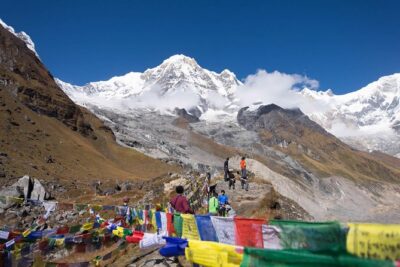
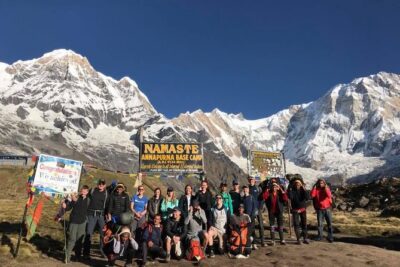
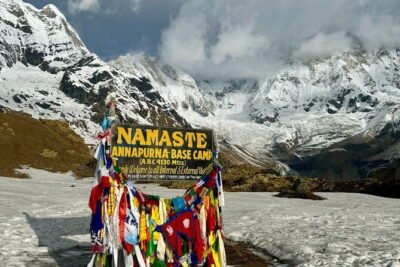
Day 4 is the classic ABC payoff day. You go up toward Machhapuchhre Base Camp, located around 3,900m above sea level. Then you continue, climbing roughly 730m to Annapurna Base Camp at 4,130m.
The walking time listed for the day is about 6 hours. That sounds neat on paper, but you’re gaining real altitude, and the final stretch is where your breathing and pace become your main “task.” The trail rises gradually into higher sanctuary terrain, and the grassier sections tend to feel exposed compared to the forest walking earlier in the week.
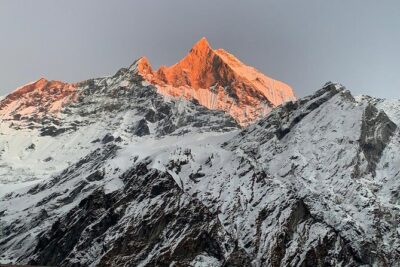
You’ll pass through MBC viewpoints beneath the towering north face area of Machhapuchare (Fishtail). This is one of those moments where the mountains stop being generic shapes and start looking like characters. Annapurna I appears as the sanctuary opens around you.
What you’ll likely feel at ABC: the sense of standing inside the massif, not just looking at it. Even if you’ve seen photos, the scale hits differently when you’re actually standing at the base.
Practical note: your best strategy is a controlled pace, not a heroic pace. Guides on this route tend to push consistency because it helps you arrive with energy instead of arriving drained.
Day 5: Base Camp down to Bamboo, the descent day that still takes work
After a big day at Annapurna Base Camp, you head back down to Bamboo. This is not a “walk in the park” day. Your walking time is about 6 hours and includes downs with some ups and downs as the trail weaves through forested areas.
Your route goes via Deurali, Himalaya, Dovan, and then into Bamboo for the night. The goal is steady, safe descent, and you’ll want to pay attention to your footing.
A small detail that matters: a warm hot shower is mentioned as something you can enjoy at Baboo. Whether it’s steaming-hot or merely warm, having a real rinse can make the next morning feel easier.
What to watch for: knee stress. Most people focus on getting uphill and underestimate how much descent wears on joints. Trek poles can help if you use them, and short steps reduce strain.
Day 6: Bamboo to Jhinu Danda, forest trails and a village ridge finish
Day 6 is a mix of steep and rolling sections. You start with a short steep up to KhuldiGhar, then descend within the forest toward a lonely spot called Sinuwa-Danda. After that, you descend to Chomrong Khola.
There’s a bridge crossing and then a short climb that brings you back toward Chomrong village for lunch. After lunch you climb a short way to reach the top of the Chomrong ridge. Then the final walk takes you downhill to Jhinu Danda.
Walking time is about 6 hours.
Why this day is important: you’re not just passing through. Chomrong ridge and the forest sections help you close the loop of the trek’s earlier culture and terrain. It also sets you up for the final, easier-feeling exit day.
What to watch for: your energy may dip after lunch if you push too hard in the morning. The ridge section can feel deceptive, because it’s shorter than day 4 style climbs but still steep.
Day 7: Jhinu Danda to Pokhara, with a suspension bridge and a jeep ride home
Your last day mixes trail and transfer. You start with a short downhill and cross a long suspension bridge to reach Samrung Khola.
Then you switch to a local jeep back to Pokhara, with the drive taking about 4 hours. The drive passes through Kimrung village, Syauli Bazaar, Birethati Nayapul, Kande, and Naudanda before you reach Pokhara.
Your walking time is about 5 hours. It’s a good kind of final day because it tends to feel like a release, not a grind.
How to enjoy the last hours: take a moment to look back when you’re on the bridge and in open viewpoints. This is often when the trek’s “shape” clicks: you see how the route climbed into the sanctuary and then returned through the ridges and river corridors.
What’s included, what it means for your stress level, and what to budget
This trek comes with a lot of the stuff that usually causes friction when you plan ABC yourself.
Included:
- Hotel pickup and drop off in Pokhara
- Round trip transfer by sharing bus or jeep
- Trekking permit and TIMS card
- English speaking trekking guide
- Guest house accommodation
- Private trip
Not included:
- Personal expenses
- Gratitude
Price check: $435 and why it can feel fair
At $435 per person, you’re paying for a guided week plus multiple included costs that trekters often forget. The permit and TIMS card are included, and so is an English-speaking guide, which can be a big deal in Nepal where route clarity and pacing matter. You also get guest house nights and local transfers, with pickup and drop off handled for you.
That doesn’t mean $435 is automatically cheap, because this is still a serious physical commitment. But in terms of value, this package aims to remove the hidden headaches: paperwork, route decisions, and day-by-day logistics.
The guide quality is the secret ingredient
In the feedback around this company, the guide names Ram and Krishna show up as people who keep the trip running smoothly and help you enjoy the mountains instead of just surviving them. You’ll feel this most in pacing, clear communication, and practical advice on how to manage the day’s ups and downs.
If you want a trek where you’re not guessing what’s normal, your guide becomes part of your confidence.
Guest houses and food: the practical side of staying warm and rested
This trek uses guest houses for accommodation. That usually means basic rooms with shared facilities, and you should expect simple, mountain-focused comfort. What helps is that the trip is structured, so you’re not scrambling for lodging at the last minute.
Food is included in the sense that you’ll have meals during your stops and overnight stays, but the specific menu details aren’t listed here. Still, guest-house trekking food in this region typically means warm, filling options that are easy to digest after long walking days.
Your real job: pack for cold nights. Even on days when you’re sweating, evenings can turn chilly quickly at higher elevations. Bring warm layers you’ll actually wear, not just carry.
Safety, altitude, and fitness: how to judge if this trek fits you
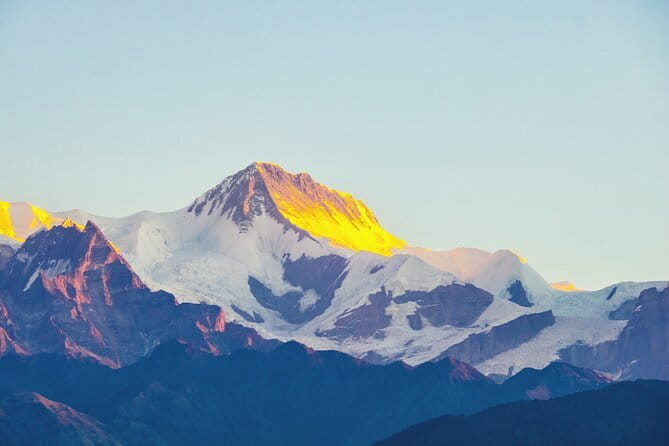
The trek is described for travelers with moderate physical fitness. That’s the right warning label. You’re doing multiple hiking days that run around 6 to 7 hours, plus a significant altitude push to reach Annapurna Base Camp at 4,130m.
Also, it is not recommended for wheelchair users because you need to walk on trekking trails.
Here’s the practical way to decide:
- If you can handle steady uphill walking for 3 to 4 hours at home or on similar hikes, you’ll likely manage.
- If you need frequent breaks to catch your breath on hills, plan to take it slower and keep your pace consistent.
- If you’re prone to altitude issues, talk with a medical professional before you go, because the itinerary climbs into high altitude.
The route’s design helps. You gain height day by day, and you spend time in the sanctuary area before the final Base Camp climb. That gradual feel can support acclimatization compared to a fast, jumpy schedule.
Should you book this Annapurna Base Camp trek with Pokhara Adventure Nepal (PAN)?
Book if you want:
- A structured 7-day ABC trek with pickup, transfers, permits, and an English-speaking guide handled
- Time in major Gurung villages like Ghandruk, plus the Chhomrong area experience
- A route that mixes forest and sanctuary walking, with your big mountain moment at ABC
Skip or rethink if:
- You’re not comfortable with a high-altitude hike or long days of uphill and careful descents
- You need a barrier-free trek, because this route requires walking on mountain trails
If you’re ready for a real mountain trek but you’d rather not manage logistics yourself, this is the kind of package that helps you focus on what matters: your legs, your breathing, and the incredible Annapurna views that keep showing up when you least expect them.
FAQ
How long is the Annapurna Base Camp trek from Pokhara?
It lasts about 7 days.
Where does the trek start and end?
It starts in Pokhara, with hotel pickup, and ends back in Pokhara with drop-off after the trek.
Is the trekking permit and TIMS card included?
Yes, the trekking permit and TIMS card are included.
Is there an English-speaking guide?
Yes. An English speaking trekking guide is included.
What kind of accommodation is provided on the trek?
Accommodation is included in guest houses.
Is this a private trip?
Yes. Only your group will participate.
Do I need to provide passport details before the trek?
Yes. A passport copy and a passport size photo are required before the trek so the permits can be made.
More treks out of Pokhara
- From Pokhara: Sarangkot Sunrise Himalayas Tour
★ 4.7 · 218 reviews - From Pokhara: 3-Day Ghorepani Poon Hill Trek with Guide
★ 4.9 · 68 reviews - 3-Day Poon Hill Trek from Pokhara.
★ 5.0 · 45 reviews - From Pokhara: 2 Day 1 Night Ulleri,Ghorepani Poon Hill Trek
★ 4.9 · 33 reviews
Latest additions near Pokhara
- Pokhara: Pokhara Highlights Tour by Bus★ 3.6 · 10 reviews
- Discover Pokhara in Style: Private Vehicle Service with Driver★ 5.0 · 5 reviews
- Pokhara in 5 Hours: Lake, Museum, Cave, Falls & Pagoda Hill★ 4.5 · 16 reviews
- 4 Day Mardi Himal Base Camp Trek from Pokhara★ 5.0 · 18 reviews
- The World Peace Pagoda in Pokhara★ 4.5 · 7 reviews
- 7-Day Trek to Annapurna Base Camp from Pokhara★ 5.0 · 12 reviews
- Unique Easy Hiking to Foxing Hill from Pokhara★ 5.0 · 4 reviews
- World Peace Stupa Day Hike From Pokhara★ 5.0 · 4 reviews
Annapurna Base Camp Treks, compared.
Kathmandu to Annapurna Base Camp (ABC) 5-Day Trek
Read our review →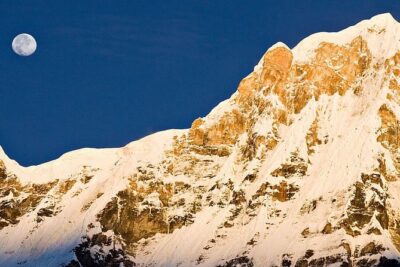
Browse the lists this tour appears in