Reviewed · TREKS IN KATHMANDU
Annapuran Base Camp Trek
Annapurna Base Camp feels real, not rushed. This trek puts you in the middle of the Annapurna region’s big-name scenery while also stopping in places like Ghandruk where you meet local Gurung culture. I like that you get a planning style that aims for a solid, updated route, and I also like the practical support built in, from English-speaking guide Ram to sherpa helpers and permits. The one thing to think about up front is weather, because cold rain can show up even when you hope for clear skies.
You’ll still have a great time if you show up prepared. But if you dislike cold, wet walking and slow mornings at altitude, this route will ask more of you than the average day hike.
In This Review
- Key highlights
- Why this Annapurna Base Camp walk is so popular
- Kathmandu and Pokhara setup, plus how the transfers work
- From Ghandruk village life to Sinuwa, with culture and cold altitude in the mix
- The Deurali to Annapurna Base Camp push, where planning and patience pay off
- Days at altitude and the real meaning of tea-house comforts
- Returning down via Bamboo and Jhinu Hot Spring
- Getting back to Pokhara and then Kathmandu without chaos
- Price and value, including what you should compare
- Guides and porters: the small details that make or break the trek
- Weather reality: how to pack for cold, wet, and surprise hail
- Who this Annapurna Base Camp trek suits best
- Should you book this Annapurna Base Camp trek?
- FAQ
- How long is the Annapurna Base Camp trek?
- What’s included in the trek price?
- What’s not included?
- Which permits does the company handle?
- What’s the weather risk like on this trek?
- Can I cancel and get a full refund?
Key highlights
- Expert guidance and safety focus with Ram, plus strong sherpa helper support
- Permits handled for you, including TIMS and the Annapurna Conservation permit
- Easy logistics around Kathmandu and Pokhara, with airport pickup and round-trip transport
- Ghandruk and village culture early on, not just mountain views
- Comfortable trekking stays, usually private rooms with shared toilets at mountain lodges
- Meal plan that keeps you fueled, with three meals plus tea or coffee during the trek
Why this Annapurna Base Camp walk is so popular
Annapurna Base Camp is one of those treks that works as a “bucket list” goal, but it also stays human. Each day mixes effort with payoff: a climb that makes you feel it, then a view that makes you pause.
What makes this route appealing is the balance between mountain goals and people along the way. You walk through Nepal’s village life early, then build toward Deurali and finally the base camp area, where the altitude and weather can change fast.
And based on the kind of feedback this trek attracts, the best part is rarely a single photo moment. It’s how smoothly the day-to-day plan runs once you’re actually on the trail.
More Treks in Kathmandu
- Everest Base Camp Trek – 14 Days
★ 5.0 · 1,499 reviews - Everest Base Camp Trek
★ 5.0 · 842 reviews - Everest Base Camp Trekking
★ 5.0 · 485 reviews
Kathmandu and Pokhara setup, plus how the transfers work
You start in Kathmandu, with airport pickup and drop by private car. After that, the plan uses transport between Kathmandu and Pokhara, then back again, so you spend your energy on trekking instead of navigating every leg yourself.
This package also includes 2 nights in Kathmandu and 2 nights in Pokhara with breakfast. That matters because it gives you a little cushion for rest, adjusting to Nepal time, and handling whatever you need before the first real walking day.
Once you’re in Pokhara, you’ll be set up for the trek launch. The walk typically begins from the Nayapul area, and that quick shift from city rhythm to trekking rhythm is part of the fun.
From Ghandruk village life to Sinuwa, with culture and cold altitude in the mix
The first trekking day after Pokhara is a move to Ghandruk, a model village in the region. This stop is more than a waypoint. You’ll pass through a Gurung community area, and it’s one of the places where the trek feels distinctly Nepal, not just a long line of switchbacks.
Next comes Sinuwa, then Deurali after that. These stages matter because they help your body adjust while you keep learning what “trek pacing” really means at altitude. You’re gaining elevation day by day, but the schedule keeps you moving in a steady way rather than forcing you into a sprint.
One practical thing I’d keep in mind: early wet weather can happen. In a real-life example from this trek style, people reported bad weather in the first days, including hail when going up toward Deurali. That’s not a reason to panic, it’s a reason to pack smart rain gear.
The Deurali to Annapurna Base Camp push, where planning and patience pay off
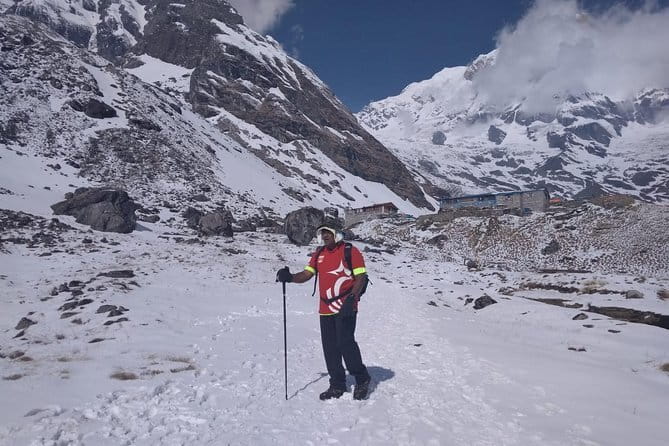
Deurali is where the trip starts to feel more serious. It’s higher and colder, and the air can make every step feel heavier than it did the day before.
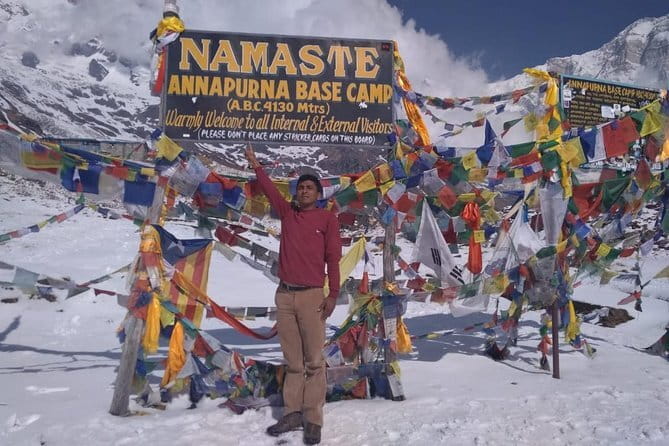
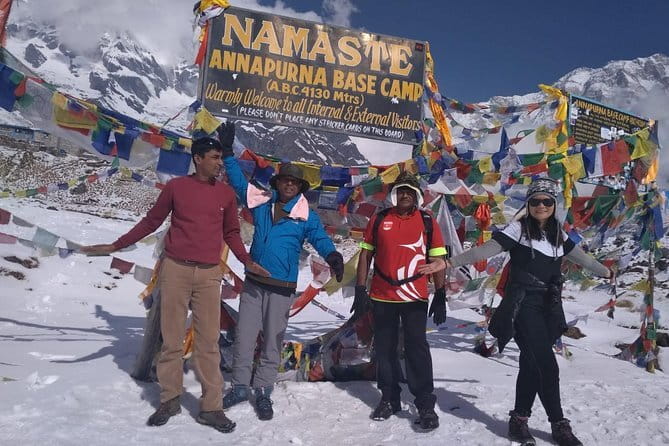
Then you reach Annapurna Base Camp, sitting around the big goal you’ve been walking toward. This day is often the emotional peak, but it’s also a weather day. If clouds roll in, your view may be partial. If skies clear, the place rewards you in a hurry.
The strongest value here is that you’re not doing this alone. You travel with an experienced, English-speaking guide, plus porter support. That support matters when the weather turns, because it helps keep the route decisions grounded and safety-minded.
Another way to spend the time in Nepal:
- Private Kathmandu Sightseeing Tour | UNESCO World Heritage sites
★ 5.0 · 756 reviews - Kathmandu: 7 UNESCO Sites with Lunch
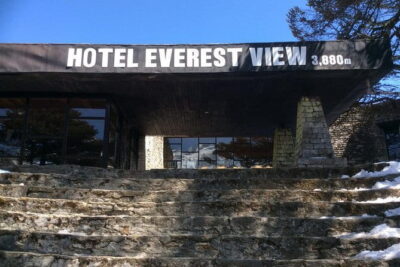
★ 4.8 · 744 reviews - Everest Base Camp Helicopter Tour landing at Everest View Hotel
★ 5.0 · 668 reviews - Half day cooking class in Thamel kathmandu
★ 5.0 · 607 reviews
Days at altitude and the real meaning of tea-house comforts
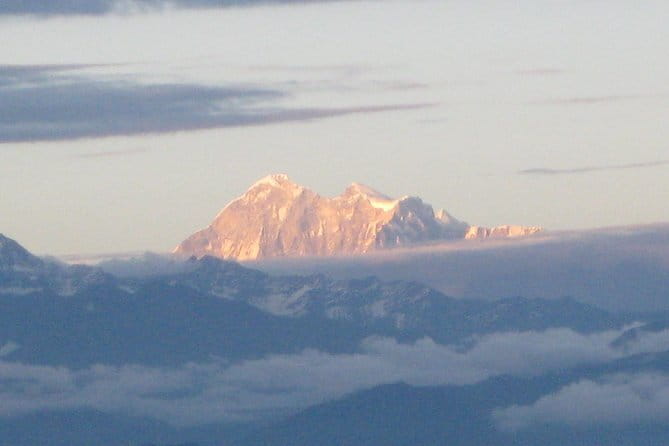
At the base camp stage and on the way back, you’ll rely on mountain lodges for meals and sleep. The package includes comfortable mountain accommodation, typically soft comfort with private rooms and shared toilets.
That setup is a good compromise for most trekkers. You get privacy to rest and reset, without paying for premium comfort that would blow up the budget.
Meals during the trek are handled too: three meals per day with tea or coffee included (breakfast, lunch, and dinner). Food quality varies by lodge, as it always does on trails like this, but having the plan organized helps you stay consistent with energy.
Returning down via Bamboo and Jhinu Hot Spring
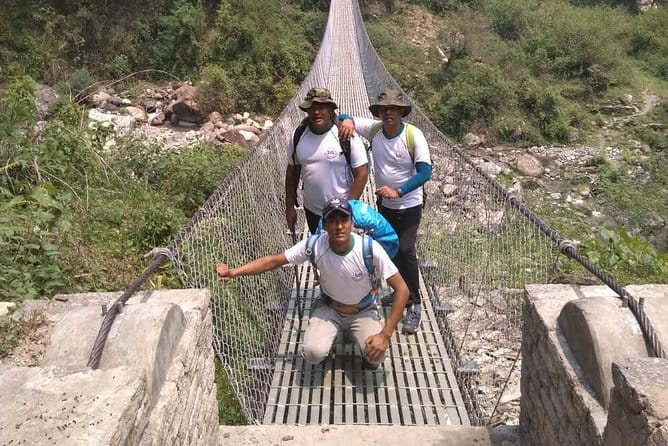
After Annapurna Base Camp, the trail angles you down and out, first toward Bamboo and then toward Jhinu Hot Spring. This is where legs can complain loudly, because downhill can still be tough on knees and calves.
Bamboo is a useful reset point. You’re still walking at altitude, but the pace often feels more manageable than the hardest climb days.
Then comes Jhinu Hot Spring, and that’s where many trekkers go a little happier. Hot springs are not a magic fix, but they help you recover. It’s a practical reward that fits the reality of trekking, not a gimmick.
Getting back to Pokhara and then Kathmandu without chaos
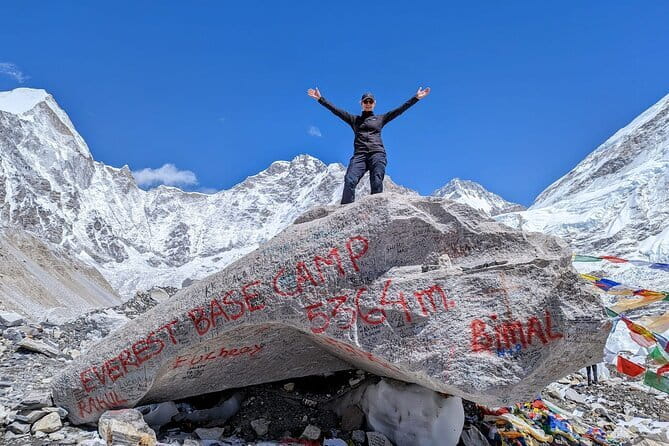
After Jhinu, the schedule returns you to Nayapul and then drives you back to Pokhara. The drive part matters because it keeps your last day from turning into an extra marathon walk.
Then you go back to Kathmandu by transport again, giving you a clean finish before departure day. You’re also covered for meals and lodging on the Kathmandu and Pokhara sides, plus breakfast included there, so the return feels structured.
By the time you reach Kathmandu, you can shift from trail mode back to normal travel mode. That transition is underrated. It reduces the odds you end up exhausted in a new city, trying to handle everything yourself.
Price and value, including what you should compare
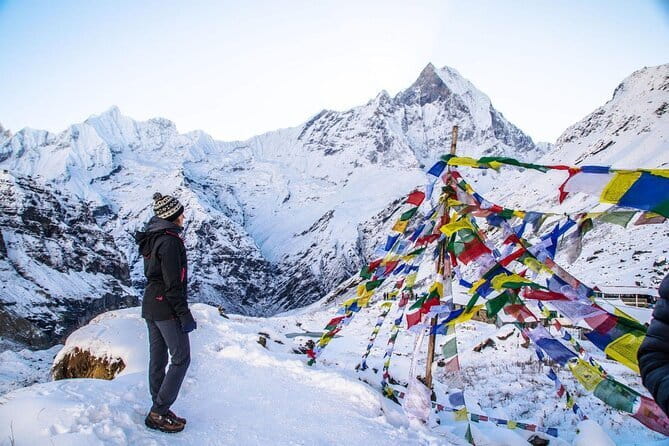
The price listed is $741.34 per person, which is fairly reasonable for an Annapurna Base Camp trek that includes a lot of the “hidden work.” You’re not only paying for a guide and a route, you’re paying for planning, permits, and logistics.
Here’s what stands out as value:
- Permits are included, including the Annapurna Conservation permit and TIMS.
- Your trekking support is included, with experienced guide time and sherpa helpers/porters supported by meals, accommodation, salary, and insurance.
- Food during the trek is included, with three meals plus tea or coffee daily while walking.
- Lodging is included, including private rooms (shared toilet) at mountain accommodations.
What you need to add on your end is also clear. Your travel and rescue insurance is not included, and tips for guide and porter are not included. Alcohol and personal expenses also aren’t part of the package, and neither are Kathmandu and Pokhara lunch and dinner.
So when you compare prices, don’t compare only the sticker. Compare what’s included in permits, guide support, meals, and lodging. That’s where the real value shows up.
Guides and porters: the small details that make or break the trek
One reason people feel good about this trek is the human support. The English-speaking guide named Ram shows up again and again in feedback tied to safety and route knowledge.
Porter support is credited too, including Santosh. When a porter is doing the work and the guide is focused on the route, you walk with less mental clutter. That matters at altitude, where your brain needs to conserve energy.
A detail worth noting from real accounts: on cold, bad-weather days, Ram was prepared to handle rain gear, including bringing and using raincoats as needed. That kind of readiness is not glamorous, but it’s the difference between enduring weather and feeling miserable.
Weather reality: how to pack for cold, wet, and surprise hail
This trek lives in the same mountain system that can change quickly. The route gains elevation toward Deurali and base camp, so cold air is a predictable part of the experience, not a rare event.
From what’s been reported on this trek path, people have faced rough conditions early on, including hail while moving up toward Deurali. Your best move is to treat the trip like it can go wet and cold at any time.
Practical pack priorities based on what this route tends to face:
- Rain protection you trust (rain jacket or poncho, plus a way to keep your backpack reasonably dry)
- Warm layers that work even when you stop moving
- Footwear with grip for slick steps and muddy lodge paths
If you keep your expectations realistic, weather becomes a nuisance instead of a deal breaker.
Who this Annapurna Base Camp trek suits best
This route is built for travelers with moderate physical fitness. That means you can hike, you’re not a couch potato, and you understand that days at altitude will slow you down.
You’ll likely love this trek if you want:
- a classic Annapurna goal without managing permits and day-to-day logistics yourself
- a mix of village culture and mountain scenery
- structured support, especially for meals and accommodations
You might think twice if you have limited mobility around long walking days or if you get miserable in cold rain and prefer itineraries with less elevation and less chance of rough weather.
Should you book this Annapurna Base Camp trek?
Yes, if you want a well-run trek that handles the paperwork, organizes meals and lodge stays, and pairs you with guide support that people associate with safety. The combination of included permits, organized food, and mountain lodge arrangements gives you more mental bandwidth to enjoy the walking.
Book it if you’re ready for altitude and you’ll pack for wet conditions. If you hate the idea of rain or hail, then choose a different season or consider a shorter trek with lower exposure.
If you want an Annapurna Base Camp experience that feels like it has its act together, this one is a strong choice. Just come prepared, walk steadily, and let the mountains do the talking.
FAQ
How long is the Annapurna Base Camp trek?
The walking program runs for about 11 days, starting in Kathmandu and ending back in Kathmandu for departure day, with drives between Kathmandu and Pokhara included.
What’s included in the trek price?
The price includes 2 nights in Kathmandu and 2 nights in Pokhara with breakfast, an English-speaking trekking guide, airport pickup and drop in Kathmandu, transportation between Kathmandu and Pokhara by tourist bus, permits (Annapurna Conservation permit and TIMS), porter support with meals and insurance, and three meals a day during the trek with tea or coffee. Mountain accommodations are included with private rooms and shared toilets.
What’s not included?
You’ll need travel and rescue insurance. Also not included are alcoholic drinks, bar bills, personal expenses (like phone calls and laundry), tips for the guide and porter, and Kathmandu and Pokhara lunch and dinner.
Which permits does the company handle?
You’re covered for the Annapurna Conservation permit and TIMS through the included paperwork.
What’s the weather risk like on this trek?
Weather can be rough, especially as you move toward higher elevations like Deurali. There are accounts of cold conditions early on, including hail, and your guide can help you manage rain with practical items like raincoats.
Can I cancel and get a full refund?
Yes. You can cancel up to 24 hours in advance for a full refund.
Latest additions near Kathmandu
- White Water River Rafting – 1 Day★ 4.3 · 3 reviews
- Traditional Momo Making Class★ 5.0 · 10 reviews
- Kathmandu to Pokhara Premium sofa bus ticket★ 4.0 · 17 reviews
- Amazing 1 Day Trekking Experience in Kathmandu Nepal★ 5.0 · 24 reviews
- Ghorepani Poonhill Trek★ 5.0 · 5 reviews
- Ghorepani Poon Hill Trek★ 5.0 · 16 reviews
- Walking tour of real Kathmandu through back streets.★ 5.0 · 3 reviews
- Wildlife Adventure in Chitwan Nepal★ 4.0 · 4 reviews
Treks in Kathmandu, compared.
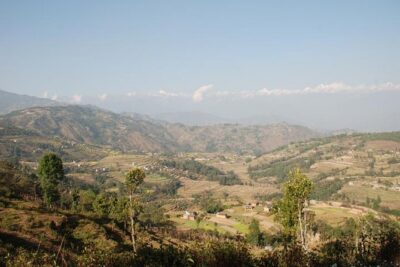
Nagarkot Sunrise View and Day Hiking from Kathmandu
Read our review →