
Reviewed · TREKS FROM POKHARA
4 Days Poonhill Trek From Pokhara To Pokhara
Poonhill sunrise hits hard. This 4-day trek strings together classic villages and rhododendron hills, with private-car transfers that get you to Nayapul and back to Pokhara, plus permits sorted in advance. If you like big mountain views without needing serious logistics, this is a very practical way to do it.
I love the way the route builds in clear milestones. The Day 1 climb past Tikhedunga is a grind, but it quickly pays off with early Annapurna region views. I also like the sunrise plan, because you start early with warm clothes and hike a short distance to Poonhill, then return for breakfast.
One consideration: lunch and dinner are not included, so you’ll be budgeting for teahouse meals on most days.
In This Review
- Key things I’d notice first
- How the Pokhara-to-Pokhara trek plan really runs
- Day 1: Nayapul to Ulleri, suspension bridge to 3200 steps
- Day 2: Ulleri to Ghorepani, a jungle day with birds and rhododendron
- Day 3: Poonhill sunrise, then downhill breakfast and a climb to Ghandruk
- Day 4: Ghandruk to Kimche, then drive back to Pokhara
- Value and what your $294.79 actually covers
- Food, lodges, and the teahouse reality
- Guides and service, and what you can expect from the team
- What to pack for a Poon Hill trek with early starts
- Who this trek suits best
- Should you book this Poon Hill trek?
- FAQ
- How long is the Poon Hill trek?
- Where do I start trekking?
- Do you include permits for the trek?
- Is a guide and porter included?
- How many breakfasts are included?
- Are lunch and dinner included?
- What is the Poonhill morning like?
- Is vegetarian food available?
- Do I need to have moderate fitness?
- What if weather is bad?
Key things I’d notice first
- Permits included (ACAP and TIMS) so you do not scramble for paperwork last minute
- One guide and one porter for a group capped at 14 travelers
- Poonhill sunrise with early start, then breakfast back in Ghorepani
- Day 1 Tikhedunga suspension bridge and 3200-plus steps, a memorable warm-up challenge
- Optional extra night in Pokhara with breakfast after the trek
How the Pokhara-to-Pokhara trek plan really runs
This trip is designed as a loop, so you start trekking from the Nayapul area near Pokhara and end back in Pokhara after a short walk from Ghandruk to Kimche. The route is classic for first-time trekkers, but it is not lazy. You get steady uphill effort, lodge nights each evening, and a big payoff at the viewpoints.
A key value here is the front-to-back structure. Even if you are doing this from outside Nepal, the package lists complimentary support like arrival night accommodation in Kathmandu with breakfast, plus Pokhara bus ticket help. For the trek itself, the company includes your trekking permits and ensures you have a guide and porter.
This matters because the Poon Hill area can be busy, and the best trekking days are often determined by your timing. When someone is handling the schedule and paperwork, you can focus on your steps and the views.
One more practical note: the itinerary says it operates in all weather conditions, and you should dress appropriately. That is realistic. In the Himalayas, weather can change quickly, so build flexibility into your plans.
More Treks in Kathmandu
- Everest Base Camp Trek – 14 Days
★ 5.0 · 1,499 reviews - Everest Base Camp Trek
★ 5.0 · 842 reviews - Everest Base Camp Trekking
★ 5.0 · 485 reviews
Day 1: Nayapul to Ulleri, suspension bridge to 3200 steps
Day 1 begins after breakfast with a drive from Pokhara to Nayapul (about 1 hour 30 minutes). If you are starting from Kathmandu rather than already in Pokhara, the plan includes the option of an early flight to Pokhara before that drive. Either way, the idea is the same, reduce travel friction so you start trekking without too much downtime.
At Nayapul, you begin walking through local villages, teahouses, rolling green hills, and rivers. The route crosses the Tikhedunga Khola on a suspension bridge, which is one of those small moments that feels very “Nepal” because it is immediate, local, and not just scenery for scenery’s sake.
Then comes the real effort. The trail starts climbing steeply on stone staircases said to be more than 3200 steps. This is the part where you should keep your breathing steady and your pace modest. The upside is that your first serious elevation gain sets you up for the rewarding skyline you see later in the day, including Annapurna South and Hiunchuli.
You end Day 1 at a lodge in Ulleri. Lodges here are basic but functional, and they give you a solid reset for the next day. Since dinner is not included, plan on teahouse meals being part of your budget for the trek.
Day 2: Ulleri to Ghorepani, a jungle day with birds and rhododendron
Day 2 is different in feel. The route moves into a section described as walking through jungle most of the day, which helps the climb feel more shaded and varied. You also get a strong seasonal cue: in spring, you may see plenty of rhododendron flowers.
The walk from Ulleri to Ghorepani is listed as about 5 hours, and it is enough time to notice wildlife and village life without turning the day into a survival march. The itinerary specifically mentions chances to see wild birds and animals, and that is exactly the sort of detail that makes this day worth it even if the clouds hide the big peaks.
You also get mountain glimpses during the day, and the real goal of this stage is position. Ghorepani is where you wake up for Poonhill the next morning, so the less exhausting you make Day 2, the easier the sunrise will feel.
Overnight in Ghorepani also tends to be the moment when trekkers start thinking about the next morning’s timing. This is the day to keep your layers ready and avoid overdoing it with caffeine and snacks. You want sleep that actually helps.
Day 3: Poonhill sunrise, then downhill breakfast and a climb to Ghandruk
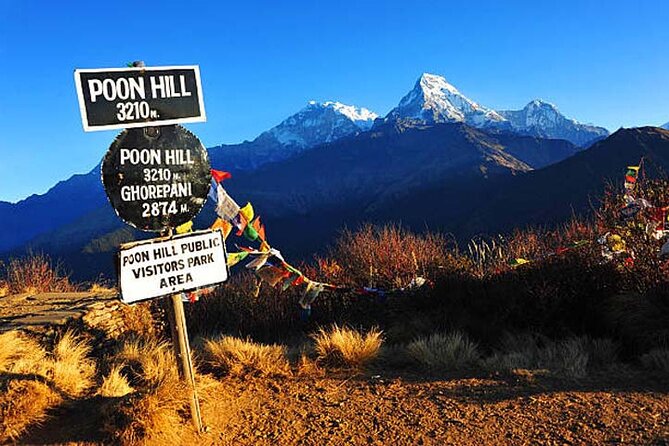
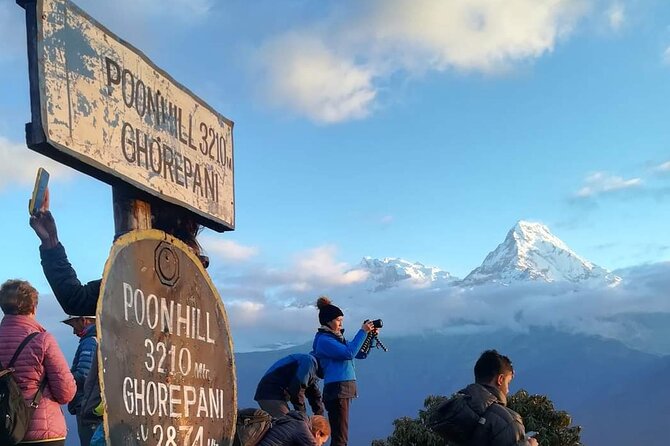
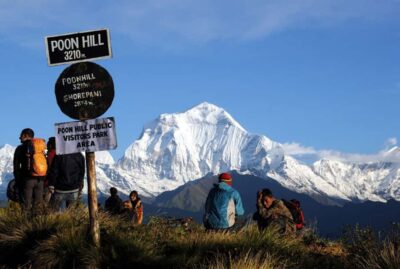
Day 3 is the headline. You wake up early with warm clothes and hike about one hour to Poonhill (3210m). The point is not distance. The point is timing. When visibility is good, Poonhill gives a spectacular sweep over the Annapurna region.
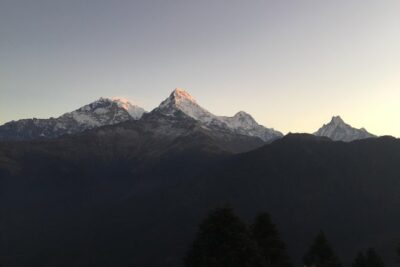
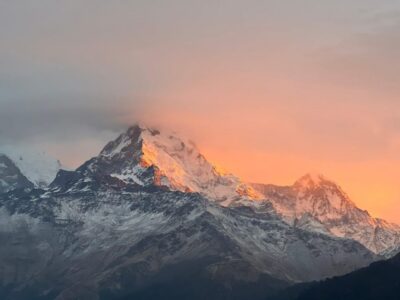
The sunrise view list here is detailed, and it shows why Poonhill is so popular: Annapurna South, Bahari Shikhar, Hiunchuli, Nilgiri, Dhaulagiri ranges, Tukuche peak, Annapurna I, II, III, IV, Lamjung Himal, Manaslu ranges, Machhapuchhre (Fishtail), and more. Even if you do not identify every single peak by name, you’ll recognize the dramatic silhouettes and the sheer number of high mountains stacked in the distance.
After that unforgettable morning, you head back to Ghorepani for breakfast. This is a smart move in the plan because it prevents the sunrise day from becoming all effort and no recovery.
Then you trek on toward Ghandruk. The description says the hike begins with a steep uphill section to Deurali pass, with a similar elevation effort to Poonhill. That means Day 3 has two “vertical moments”: the sunrise climb earlier and then the uphill push before reaching Ghandruk. Build your stamina accordingly.
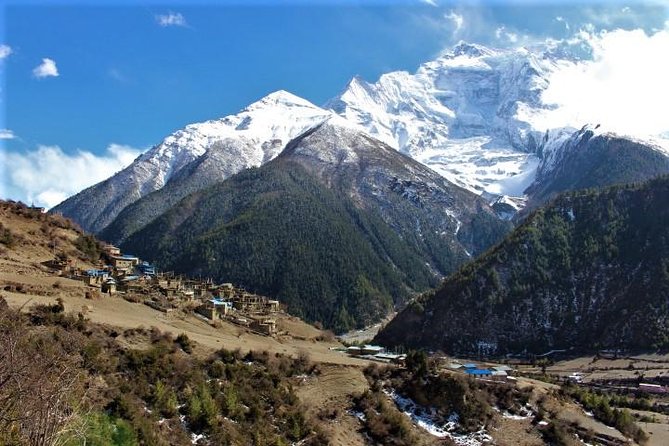
The destination, Ghandruk, is set up as another mountain-view area. The plan suggests you can see all the mountains from here, which is consistent with how Ghandruk is positioned. It is also a nice place to end the day because it feels more village-like while still being surrounded by major peaks.
More treks out of Pokhara:
- 2 Days Chitwan Jungle Safari Tour from Pokhara/Kathmandu
★ 4.5 · 27 reviews - 15 Days Round Annapurna Trek with Poon Hill from Pokhara
★ 5.0 · 5 reviews - Annapurna Ghorepani Poon Hill trek from Pokhara short and easy hike in Himalaya
★ 5.0 · 4 reviews - 1 Night 2 Days Chitwan Jungle Safari Tour from Pokhara or Kathmandu
★ 3.0 · 3 reviews
Day 4: Ghandruk to Kimche, then drive back to Pokhara
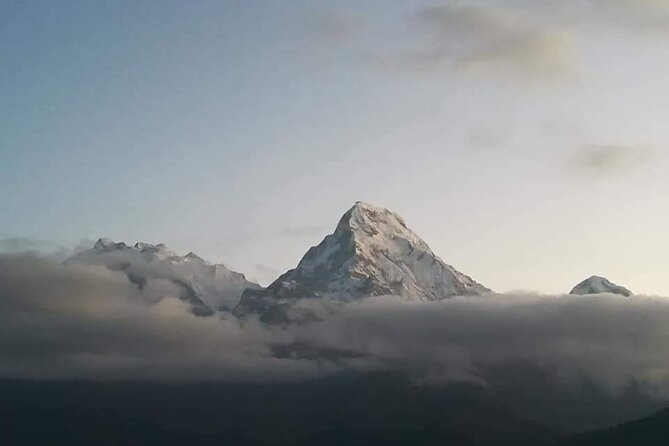
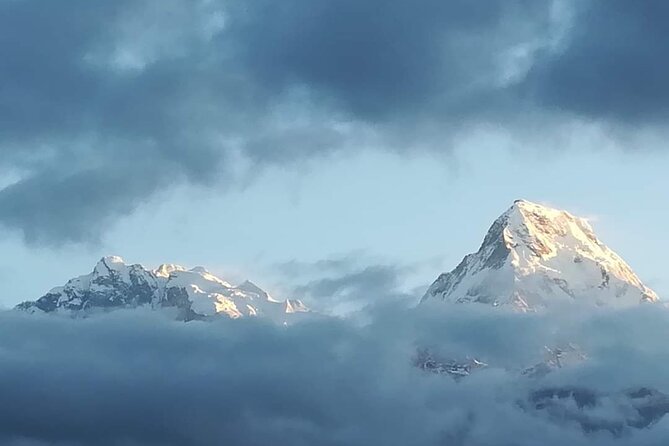
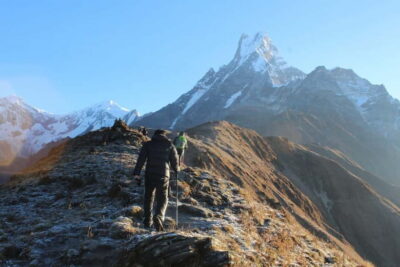
Day 4 starts gently. If the morning is clear, the itinerary says you may see Annapurna South, Hiunchuli, Machhapuchhre (Fishtail), and Annapurna III very close. Breakfast here is part of the experience, not just fuel, so take your time and soak it in.
Then you walk from Ghandruk to Kimche. The itinerary calls it a slow 1 hour trek, which is a welcome change after the previous days. It’s a short segment meant to keep the final day from tiring you out.
From Kimche, you take a 3 hour drive back to Pokhara. If you want to stretch your Nepal time, the company lists an optional complimentary upgrade: an extra Pokhara room with breakfast for one night, and a complimentary tourist bus to Kathmandu, Chitwan, Lumbini, Birgunj, or Kakarvitta.
That optional add-on can be useful if you are trying to stitch together multiple parts of Nepal without chasing transport yourself.
Value and what your $294.79 actually covers
Pricing in trekking can feel confusing, because some trips include permits and guides, while others quietly leave those out until you arrive. Here, the included items are clear and they matter:
- Trekking permits: ACAP and TIMS
- 1 guide and 1 porter
- 4 breakfasts
Permits are not a small detail. They are part of responsible trekking in the region, and they often determine whether your trek is processed smoothly.
The guide and porter pairing is also a practical value. A porter lightens the burden on your body, which is especially helpful once you hit steep stair climbs and higher elevations. The tour notes a small group size up to 14 travelers, which usually helps coordination and keeps the experience from feeling chaotic.
What is not included is equally important for value:
- Lunch and dinner
- Insurance and medical treatment
- Tips
So the real cost of the trek depends on your food plan. If you eat lightly and keep to simple teahouse meals, you might spend less than a high-spend traveler. If you want western options every day, your costs rise.
Still, for a 4-day loop with permits and staffing included, this looks like a solid deal for people who want structure without paying “luxury trek” prices.
Food, lodges, and the teahouse reality
Breakfast is included for four mornings, and that helps you start early without hunting for a meal. Lodges along this route usually provide the basics for a comfortable overnight: a place to sleep, a shared dining area, and warm drinks in the morning.
But since lunch and dinner are not included, your daily rhythm will be built around teahouses. That is not a bad thing. Teahouse meals are part of the trek culture, and they let you sit, chat, and refuel without rushing.
If you have dietary needs, the booking notes say you should advise them at the time of booking, and it also says vegetarian options are available. That is a good sign for anyone who needs clear food choices.
Also, remember that Day 3 is an early morning. If you tend to get hungry fast, you’ll appreciate the breakfast timing back in Ghorepani after the Poonhill climb.
Guides and service, and what you can expect from the team
This is one of the most consistently praised aspects in the information you provided. Names show up in messages linked to past experiences: Arith Shrestha and Durga are credited with making trips run well, and the company head Hari is mentioned as arranging the whole flow and staying in touch.
What that means for you on the ground is simple: you are less likely to feel lost. Trekking success is not just legs and weather, it’s also communication, timing, and solving small problems fast. When a guide is described as positive and energetic, and when there is active owner check-in, that reduces stress.
It also helps that the company frames itself around “humanity” and service, and the details include complimentary add-ons like an arrival night stay in Kathmandu and a local-family dinner in the evening. That kind of connection can make Nepal feel more like a place you understand, not just a checklist.
As with any trekking company, you should still ask your guide a few key questions before you start: your expected daily walking time, where to store valuables, and what meal options exist on each day. But overall, the service signals are strong.
What to pack for a Poon Hill trek with early starts
The trip info emphasizes moderate fitness and says the trek operates in all weather conditions. It also specifically mentions warm clothes for the Poonhill morning. That means you should pack for early chill and possible weather shifts.
At minimum, you’ll want:
- Warm layers you can adjust in the morning cold
- Comfortable walking shoes for stone steps and uneven trails
- A light day pack for water and snacks
- Rain protection that you can manage without slowing down too much
Because lunch and dinner are on your own, bring a little budgeting mindset. If you hate surprises, bring some cash or payment flexibility for teahouse meals.
Finally, the itinerary says confirmation is received at booking time and asks for passport details for participants. That is common, but it means you should keep your passport info handy.
Who this trek suits best
This is a great match if you:
- Want big Himalayan views on a short timeline (4 days)
- Prefer a structured plan with permits handled and a guide supporting you
- Like village walking as much as viewpoint chasing
- Are traveling in a small group (up to 14 travelers)
It is also a smart choice if you are building your first Nepal trek. The route is demanding in places, especially Day 1’s stairs and Day 3’s uphill push, but it is paced with lodge nights and sunrise payoff.
If you are someone who wants a completely flat, low-effort hike, this probably will not be your cup of tea. But if you want a meaningful trek without weeks on the trail, this hits a strong balance.
Should you book this Poon Hill trek?
I think this is a good booking when your priorities are structure, value, and classic views. The standout reasons are the included permits, the guide and porter support, and the way the plan attacks Poonhill sunrise with an early start that does not waste time. I also like that the company offers complimentary support add-ons like Kathmandu arrival night and Pokhara lodging help, which can make the overall trip feel smoother.
Skip it only if you dislike paying for meals along the way or if you want everything fully inclusive. The trek is clear about what is included, so you can budget accurately instead of guessing.
If you want a short trek that still feels like a real mountain experience, this one is worth serious consideration.
FAQ
How long is the Poon Hill trek?
It is listed as 4 days (approx.).
Where do I start trekking?
The trek starts from Nayapul, reached by driving from Pokhara (about 1 hour 30 minutes).
Do you include permits for the trek?
Yes. Trekking Permit ACAP and TIMS card are included.
Is a guide and porter included?
Yes. The tour includes 1 guide and 1 porter.
How many breakfasts are included?
The tour includes 4 breakfasts.
Are lunch and dinner included?
No. Lunch and dinner are not included.
What is the Poonhill morning like?
You get up early, hike about one hour to Poonhill (3210m), and the plan focuses on sunrise and panoramic Himalayan views, then you return for breakfast.
Is vegetarian food available?
Yes. Vegetarian option is available, and you should advise requirements at booking.
Do I need to have moderate fitness?
Yes. The trip notes say travelers should have moderate physical fitness level.
What if weather is bad?
The activity requires good weather. If it is canceled due to poor weather, you will be offered a different date or a full refund.
Latest additions near Kathmandu
- White Water River Rafting – 1 Day★ 4.3 · 3 reviews
- Traditional Momo Making Class★ 5.0 · 10 reviews
- Kathmandu to Pokhara Premium sofa bus ticket★ 4.0 · 17 reviews
- Ghorepani Poon Hill Trek★ 5.0 · 16 reviews
- Amazing 1 Day Trekking Experience in Kathmandu Nepal★ 5.0 · 24 reviews
- Ghorepani Poonhill Trek★ 5.0 · 5 reviews
- Walking tour of real Kathmandu through back streets.★ 5.0 · 3 reviews
- Wildlife Adventure in Chitwan Nepal★ 4.0 · 4 reviews
Treks from Pokhara, compared.
2 Days Chitwan Jungle Safari Tour from Pokhara/Kathmandu
Read our review →
Browse the lists this tour appears in