
Reviewed · POON HILL TREKS
Annapurna Ghorepani Poon Hill trek from Pokhara short and easy hike in Himalaya
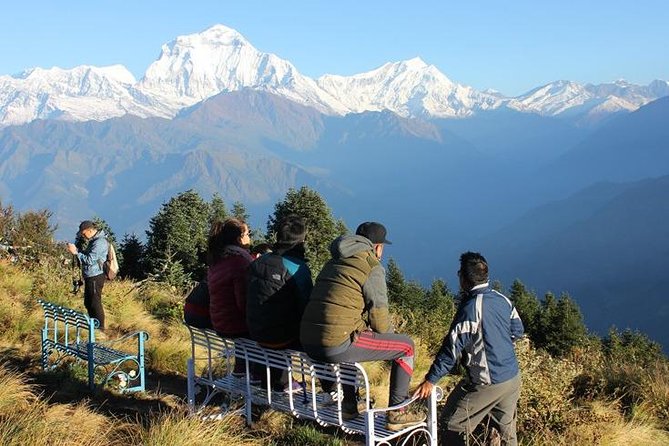
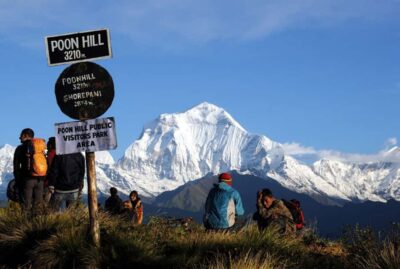
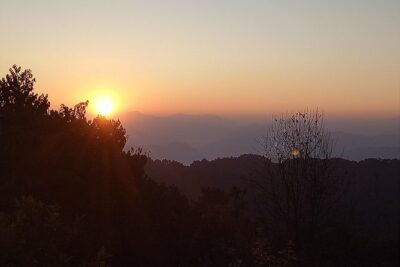
Poon Hill day starts before the sun. This short Annapurna Ghorepani Poon Hill hike is built for big Himalayan views on a schedule that still feels manageable, and I love how Poon Hill sunrise makes the effort feel instantly worth it. I also like the human touch you get with guide Dipak and a porter like Pajeal or Pagil, who keeps you moving and relaxed.
The one thing to think about is that your trip includes more than just walking. Even with an easy trail profile, you spend time on drives and Kathmandu valley sightseeing, so it is not a simple two-day jump-on-and-go plan.
If you want a well-supported trek where someone handles the tea house logistics, meals, and pacing, this works nicely. And if you’re the type who gets cold easily in the early hours, plan your layers carefully, because sunrise means early mornings.
In This Review
- Key things to know before you go
- Poon Hill views, on an easy hike schedule
- Kathmandu first: getting oriented in a big city
- Pokhara drive and the transition day you will feel
- Nayapul to Tikhedhunga and Ulleri: the first rhythm of the trek
- Ulleri to Ghorepani: tea houses, views, and steady gains
- Poon Hill at dawn and the walk down to Tadapani
- Ghandruk: finishing with village life, not just scenery
- Returning to Pokhara and then Kathmandu
- Meals, rooms, and the comfort details that actually affect your day
- Price and value: what $1,660 buys you here
- Weather, altitude reality, and packing for cold mornings
- Who this trek suits best
- Should you book this Poon Hill trek?
Key things to know before you go
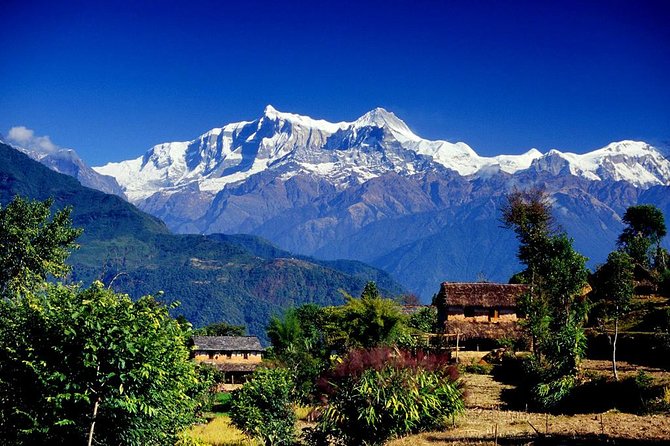
- Poon Hill sunrise payoff: the hike is short, but the highlight is timed for dawn views.
- Dipak plus a porter team: you get an English-speaking guide and a porter ratio that helps with the load.
- Private rooms with shared toilets: comfort is real, but it is not a five-star setup.
- Full trekking meals included: breakfast, lunch, and dinner are covered once the trek begins.
- A mix of culture and trail time: Kathmandu valley sights and Nepali village walking are part of the rhythm.
- Weather sensitivity: the route depends on conditions, and plans can shift if weather turns.
Poon Hill views, on an easy hike schedule
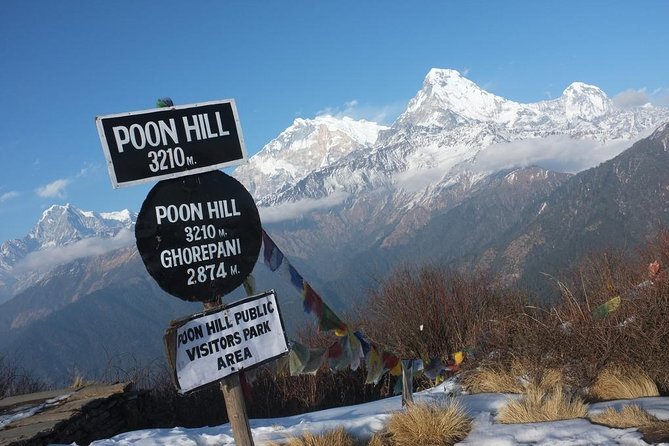
The Annapurna Ghorepani Poon Hill trek is famous for a reason, but the best part here is how the trip is packaged for first-timers. You are not signing up for a marathon trek. You are getting a sequence of climbs, viewpoints, and village paths that most people can handle when they go at a steady pace.
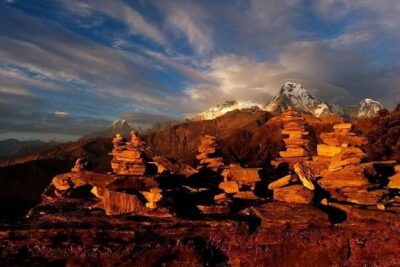
What makes this trek feel special is the way the scenery changes day to day. You start low and build upward into the Ghorepani area, then the early-morning push to Poon Hill turns into your “wow, we made it” moment. After that, the walking becomes more about moving through communities and terraced hillsides, with the day ending in places that feel like real village stops rather than just scenic checkpoints.
The trip also leans practical. You have an English-speaking guide and local support, and that matters on these trails where local knowledge can help you manage time, food, and tea house choices.
More Treks in Kathmandu
- Everest Base Camp Trek – 14 Days
★ 5.0 · 1,499 reviews - Everest Base Camp Trek
★ 5.0 · 842 reviews - Everest Base Camp Trekking
★ 5.0 · 485 reviews
Kathmandu first: getting oriented in a big city
The trip begins in Kathmandu with time set aside for arrival and a Kathmandu valley sightseeing block. This is a smart setup for a trekking holiday because it gives you a buffer day. You can adjust to Nepal, sort out anything you forgot, and get a feel for how people move around the city before you trade traffic for trails.
You also get a fairly simple Bangkok-free style of logistics, meaning pickup is included and you are met rather than figuring everything out alone. The start point is listed as Tribhuvan Airport in Kathmandu, with a 6:15 am start time noted, so do not treat this like a leisurely start. If you are sensitive to early mornings, prepare for it.
One small but important detail for your mindset: Kathmandu sightseeing days can be tiring even when you are not walking steep terrain. If you have big plans the day before, keep them light. This trek rewards calm energy.
Pokhara drive and the transition day you will feel
Next comes the drive from Kathmandu to Pokhara, followed by additional travel in the direction of the trailhead area. This is part of why the experience is priced the way it is, because you are paying for more than hiking. You are paying for transport, guidance, and the daily plan that connects Kathmandu city time to the rural trail time.
What I like about this structure is that you reduce stress on the actual hiking days. You are not left scrambling for how to reach Nayapul or how to time your first walk. If you have never trekked in Nepal, this kind of handed-off planning is the difference between feeling excited and feeling lost.
The possible drawback is obvious once you think about it: drive days can eat into rest time. So, if you want to feel fresh when the trail starts, treat the transition day like a recovery day. Hydrate, keep meals simple, and do not stack extra activities.
Nayapul to Tikhedhunga and Ulleri: the first rhythm of the trek
Once the plan moves from Pokhara toward the trekking start, your first hiking day typically begins with a walk toward Tikhedhunga and Ulleri. This is where the route gets its “easy but uphill” character. Even when a trek is labeled short and easy, the first day often sets your pace.
Here is how to make this day work well: go slower than you think you need to. The goal is to keep your breathing comfortable rather than to prove anything. A good guide makes this easier, and the Dipak and porter support highlighted in the reviews is exactly the kind of help that keeps the pace manageable and the mood upbeat.
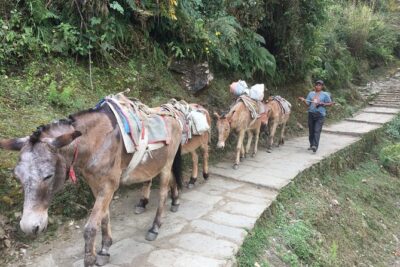
You will likely notice that local trekking rhythm is different from city walking. Trails are uneven, steps appear suddenly, and the effort is spread out. That is why a porter helps too. Even if you could carry your own daypack, having the extra load handled means you arrive with more energy for your next day.
More Poon Hill treks:
- 4 Days Poon Hill Trek
★ 5.0 · 94 reviews - Ghorepani(Poonhill Trek)
★ 5.0 · 81 reviews - 4-day Poon Hill Trek
★ 5.0 · 74 reviews - Ghorepani Poon Hill Trek
★ 5.0 · 61 reviews
Ulleri to Ghorepani: tea houses, views, and steady gains
The next key segment is the trek from Ulleri to Ghorepani. Ghorepani is one of the classic staging areas for Poon Hill, and it is also where the trek’s “waiting pays off” feeling begins. In the evening, you tend to settle into a tea house and recover. The next morning is the real climb to your sunrise views.
This is also a good moment to understand what “included comfort” really means on this style of trek. You are not in a luxury lodge, but you are in a mountain accommodation setup with private rooms and shared toilets, described as soft and comfortable. That matters more than people expect because after a hiking day, you want a dry place to sleep and a real bed-like setup, not a chaotic scramble.
And yes, meals help here. Full meals during the trek are included, so you can eat without hunting. That reduces decision fatigue. It also means your calories stay aligned with your hiking effort, which is the kind of detail that keeps you feeling good.
Poon Hill at dawn and the walk down to Tadapani
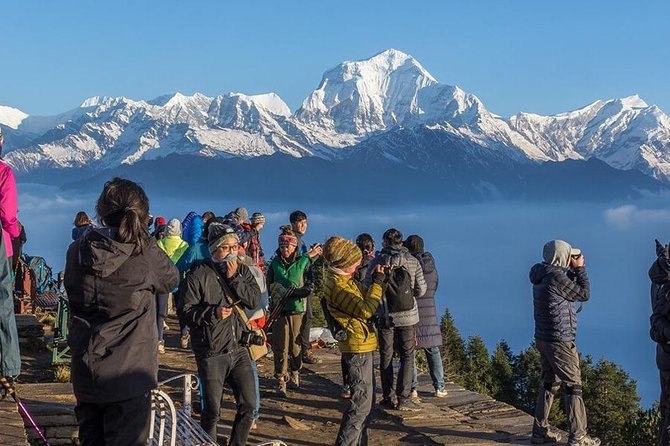
If you only remember one part of this trek, make it the early hike to Poon Hill. This is the moment the whole trip is built around. Starting before daylight is not everyone’s favorite routine, but the payback is the point.
After Poon Hill, you continue onward and shift from your sunrise climb mode into a “keep moving, enjoy the changing scenery” mode. The plan then takes you toward Tadapani. This is where your legs start asking questions, but the trek is still designed to be manageable rather than punishing.
A practical tip: do not dress for comfort at 10 am. Dress for the cold you will feel at dawn. Layers matter more than any one piece of gear. If you are provided guidance, use it. Your guide can help you time food and rest so you are not cold, exhausted, and hungry all at once.
The reviews also highlight the fun factor with guide Dipak. When a guide jokes with you and keeps the day light, it changes how you experience effort. It makes the morning feel less like labor and more like a shared mission.
Ghandruk: finishing with village life, not just scenery
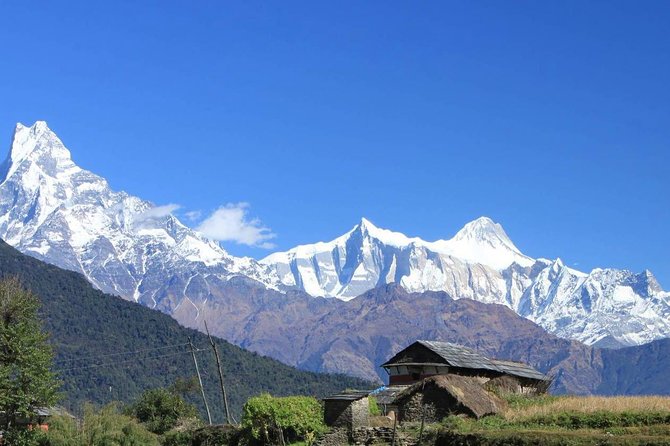
The next day moves toward Ghandruk, which is where your trek starts to feel more like an actual village visit. Ghandruk is known for its community feel, and it is a good place to end the walking sequence because it gives you a calmer, more cultural finish.
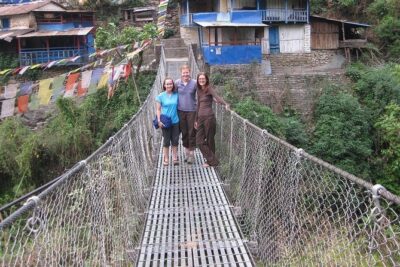
You will likely notice that the trail here is less about constant altitude gain and more about moving through inhabited areas, seeing daily life, and watching how the hills are farmed and structured. Even if you are not stopping for long, this type of walking changes the way you remember the trek. It becomes a sequence of places, not just a string of views.
This is also your last trekking night in the mountains before returning toward Pokhara. That pacing matters. Ending on village life helps the trip feel rounded, not rushed.
Returning to Pokhara and then Kathmandu
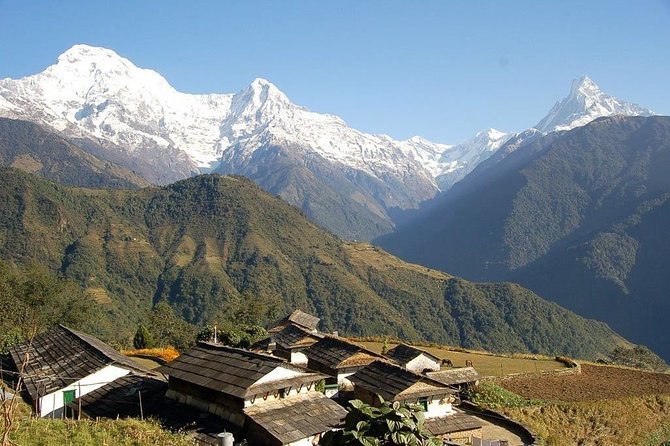
After Ghandruk, you head back to Pokhara and then back to Kathmandu for the final departure. These “back” days are part of the value because the trek ends and you still get full support getting you to the next city without having to troubleshoot onward travel.
One thing to watch: your energy can drop on return days even though you are not trekking as hard. Plan for lighter evenings and do not pack a long list of restaurant stops right after the trek. You will enjoy things more when you are not running on empty.
Also, double-check your own departure timing. The start time and airport mention in the trip info shows early-day logistics can be part of the schedule, so you want a clear understanding of what time you are expected to be ready.
Meals, rooms, and the comfort details that actually affect your day
A lot of trek descriptions talk big, but the day-to-day comfort is in details like this one: full meals are included during the trek, and mountain accommodation is soft and comfortable with private rooms. Toilets are shared, but at least you have privacy in the room.
That setup is a good match for an easy trek. You want to be able to sleep, warm up, and recharge without spending your evening bargaining for food or searching for a charger.
Boiled water is not included. That means you should budget for it, and you should also decide early what your water plan will be. It is not the part of the trek you want to improvise while tired.
If you like having an easy, predictable rhythm, you will appreciate that government and local taxes are included too. Those add-ons are where cheap-looking trips often sneak extra cost.
Price and value: what $1,660 buys you here
At $1,660 per person, this is not a budget trek. But you are also not just paying for walking hours. You are paying for a package: an English-speaking government-registered trekking guide, local porters, full meals during the trek, mountain accommodation, and hotel pickup and drop-off.
For me, the value comes from the support layer. When someone else handles logistics, you spend your energy enjoying the trail instead of managing details. The reviews place heavy weight on the guide experience, with Dipak described as helpful and fun, plus a porter who acts like the real MVP. In a trek where early mornings and uneven trails can shake confidence, that kind of support can be worth more than any savings you might chase on your own.
That said, you should sanity-check the actual duration you are booking. The tour summary says 2 days approx., but the day-by-day outline provided shows a longer program that includes Kathmandu, Pokhara, and multiple trek days. Before paying, confirm what your exact dates and trekking nights are. Clarity here protects your expectations.
Weather, altitude reality, and packing for cold mornings
This experience is labeled as operating in all weather conditions, and you are advised to dress appropriately. At the same time, the experience notes that it depends on good weather, with a plan to reschedule or refund if poor weather cancels it. Read that as: the company will try to run, but safety and conditions control what happens.
So what should you do? Pack for a range of mountain temperatures. Even for an easy trek, mornings at higher elevations can feel much colder than you expect. Bring layers you can add and remove fast.
Also, because the trek includes a sunrise highlight, you should assume you will be outside when it feels chilly. Your goal is warmth without overheating when you start climbing.
Finally, go easy on the gear. You want a comfortable daypack, warm layers, and rain protection. If you carry too much, even an easy trek can feel hard.
Who this trek suits best
This is ideal if you want an Annapurna introduction without jumping straight into a long, high-commitment expedition. The “short and easy” framing fits people who want mountain views, village walking, and a clear highlight day for Poon Hill.
It is also a good fit if you want English-speaking guidance and a porter to help with logistics. If you do not love carrying your own stuff all day, that support makes the hike more enjoyable.
If you want total solitude and total freedom with no structure, a private guided plan might not feel right. But if you want a guided experience where someone handles the details and you focus on enjoying the views and the trail, it fits well.
Should you book this Poon Hill trek?
I would book it if you want a support-first Poon Hill experience, with private rooms, full trekking meals, and a guide team that keeps things upbeat. The repeat praise for Dipak and the porter support is a strong sign that you will not feel alone when timing matters, especially on early mornings.
I would pause before booking if you are very sensitive to early starts, or if you dislike the idea of a trip that includes city days and drive days around the trek. Also, confirm your real schedule, because your booking might be shorter or longer than the summary wording suggests.
If you get the dates confirmed and you pack for dawn cold, this is a smart way to get Himalayan scenery and village life without turning your holiday into a stress test.
More treks out of Pokhara
- 2 Days Chitwan Jungle Safari Tour from Pokhara/Kathmandu
★ 4.5 · 27 reviews - 4 Days Poonhill Trek From Pokhara To Pokhara
★ 5.0 · 8 reviews - 15 Days Round Annapurna Trek with Poon Hill from Pokhara
★ 5.0 · 5 reviews - 1 Night 2 Days Chitwan Jungle Safari Tour from Pokhara or Kathmandu
★ 3.0 · 3 reviews
Latest additions near Kathmandu
- White Water River Rafting – 1 Day★ 4.3 · 3 reviews
- Traditional Momo Making Class★ 5.0 · 10 reviews
- Kathmandu to Pokhara Premium sofa bus ticket★ 4.0 · 17 reviews
- Ghorepani Poon Hill Trek★ 5.0 · 16 reviews
- Amazing 1 Day Trekking Experience in Kathmandu Nepal★ 5.0 · 24 reviews
- Ghorepani Poonhill Trek★ 5.0 · 5 reviews
- Walking tour of real Kathmandu through back streets.★ 5.0 · 3 reviews
- Wildlife Adventure in Chitwan Nepal★ 4.0 · 4 reviews
Poon Hill Treks, compared.
4-Day Ghorepani, Poonhill & Ghandruk Mountain Trek
Read our review →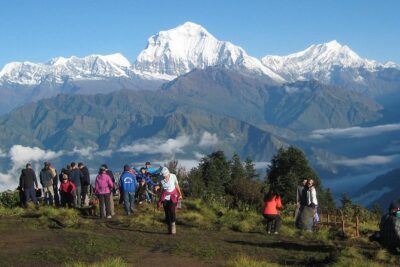
Browse the lists this tour appears in