
Reviewed · POON HILL TREKS
15 Days Round Annapurna Trek with Poon Hill from Pokhara
Few places hit so many altitudes in one go.
This 15-day Round Annapurna trek with the Poon Hill add-on is a smart mix of big mountain scenery, village days, and one of Nepal’s most famous sunrise viewpoints. I like how the plan starts with road travel to ease you into Nepal, then gradually builds altitude, instead of throwing you straight into thin air. Poon Hill sunrise is the other big draw, with early-morning timing that sets you up for changing light over the peaks. One thing to consider: you will have very early starts more than once, and some stretches feel exposed to wind and cold at higher elevations.
What I’d call the best value points are the practical support and the steady rhythm. You get a government-licensed English-speaking trek guide, guest house nights on the trail, plus Kathmandu 2 nights and Pokhara 1 night in 2-star label hotels with breakfast. I also like that permits and official documents are handled, which saves you the time and paperwork headache before you ever step onto the trail.
The possible drawback is simple: the trek demands real fitness. The route includes higher, colder days and exposed terrain, and the itinerary specifically calls out the need for a strong physical fitness level. If you’re unsure about altitude tolerance, you’ll want to take the acclimatization day seriously and not rush your recovery between hiking days.
In This Review
- Quick hits that matter on the ground
- The route in plain terms: what this plan gives you
- Kathmandu handoff, hotel nights, and a smooth start
- Road to Syange and Dharapani: trading traffic for trail
- Chame to Pisang: forests, the Marsyangdi River, and village texture
- Manang acclimatization: why that extra day is a gift
- Thorung Phedi to Muktinath: cold starts and wind logic
- Tatopani to Ghorepani: changing altitude, changing weather
- The last legs: Pokhara, Kathmandu, and a smoother landing
- Price and what you actually get for $790
- Guide quality, organization, and why it affects your safety
- Gear and body basics for this specific altitude profile
- Should you book CAN Travels for Round Annapurna with Poon Hill?
Quick hits that matter on the ground
- Licensed English-speaking guide included, plus an emergency normal first aid kit with the guide
- Kathmandu 2 nights and Pokhara 1 night in 2-star label hotels with breakfast, then guest houses on the trek
- Poon Hill sunrise with an early climb, timed for dramatic color changes
- Acclimatization build in Manang, including an extra day to stay active before going higher
- Early mountain morning at about 3:30 a.m., planned to reach the pass before stronger winds
The route in plain terms: what this plan gives you
This trek takes you through a classic Annapurna storytelling arc, starting with riverside trail days, moving into higher and drier terrain, then pushing through the main high section before descending into different valleys again. The Poon Hill part happens near the end, which is a nice way to end on sunrise energy after you’ve already built altitude experience.
You’re also getting a real geographic variety of Nepal in a single trip. Expect forest stretches early on, then shifting vegetation as elevation rises, and later those exposed, windier high points where weather feels sharper and slower to change.
What makes this route feel efficient is the pacing design. There’s an acclimatization day at Manang, and the toughest high-mountain morning is scheduled very early, which matters because wind can pick up later in the day. The plan isn’t just scenic, it’s operationally thoughtful.
More Treks in Kathmandu
- Everest Base Camp Trek – 14 Days
★ 5.0 · 1,499 reviews - Everest Base Camp Trek
★ 5.0 · 842 reviews - Everest Base Camp Trekking
★ 5.0 · 485 reviews
Kathmandu handoff, hotel nights, and a smooth start
Your experience begins in Kathmandu. You’ll meet at SPOT ON 376 Hotel Hazel Jadibutti, Kathmandu at 9:45 pm for the pickup. After that, Day 1 is built around airport arrival and a private vehicle transfer to your hotel, followed by a briefing on what to expect.
The overnight setup matters more than most people think. Two nights in Kathmandu (Day 1 and Day 2) and breakfast included gives you time to get organized, confirm you have what you need, and recover from travel. It also lowers the chance that you show up stressed, underpacked, or jet-lagged when the trek starts moving.
Then there’s the practical end-of-trip flow. On the final days, you drive back to Kathmandu and you’re taken to the airport about 3 hours before departure. That reduces the last-day scramble, especially if you’re traveling at peak times when traffic and timing can be unpredictable.
Road to Syange and Dharapani: trading traffic for trail
Early on, Nepal gives you a taste of long-distance travel, then switches you into the trekking life. On Day 2, you make a road trip of about 190 kilometers that takes around 6.5 hours to Besisahar. From there, a jeep takes you up to Syange, at about 3,609 ft.
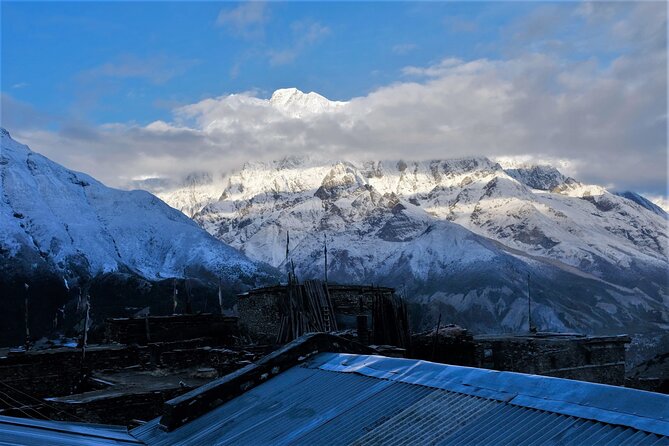
That mix of road and jeep is useful. It reduces the number of early hiking hours before your body has adjusted to the region. You also get views from the vehicle, including glimpses of snow-covered peaks from the travel roads, which helps you mentally connect the trek to the mountains you came for.
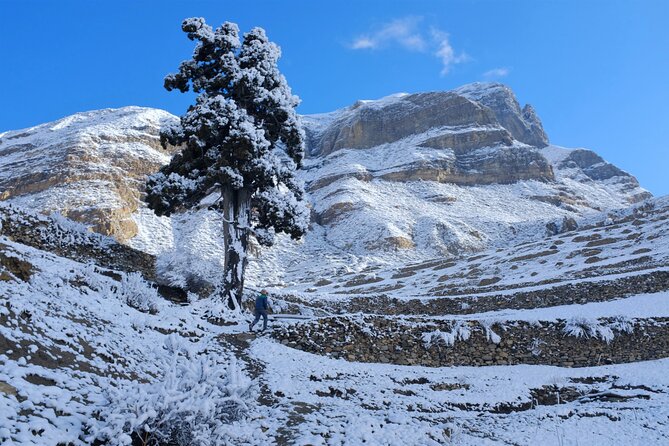
Day 3 leans into the river corridor. You drive on a road above a gorge, looking down at vegetation and occasional waterfalls below. You’ll also notice snow-covered peaks around you from the road, so even the non-hiking hours feel like part of the scenery rather than dead time.
Possible drawback here: you’re sitting in a vehicle for multiple hours early on. If you’re the type who gets stiff quickly, plan for extra water, light movement breaks when offered, and layers you can remove and put back on as temperatures shift.
Chame to Pisang: forests, the Marsyangdi River, and village texture
Once you start moving on foot, the trek becomes a sequence of changing scenes. On Day 4, you follow through forested areas until reaching Bagarchhap, described as a typical Tibetan-style village. That matters because it’s not just about views, it’s also about how the villages look, how they’re built, and how people live at different elevations.
Day 5 brings you along the northern bank of the Marsyangdi River. Pine forests and small villages appear along an undulating trail, so it doesn’t feel like one long grind. When you cross a bridge and face a steep ascent, it becomes clear you’re heading into higher ground where effort rises even when the distance seems manageable.
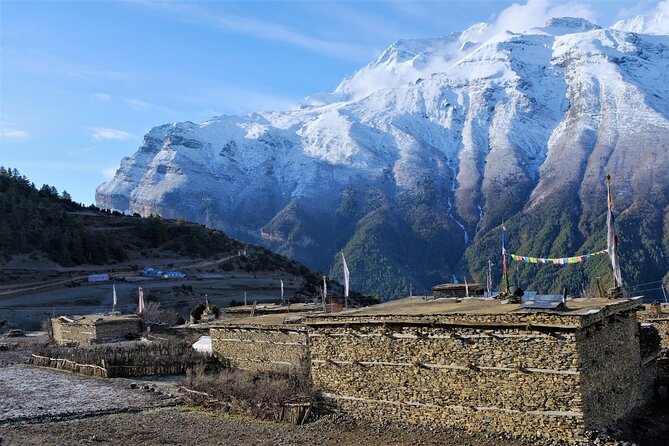
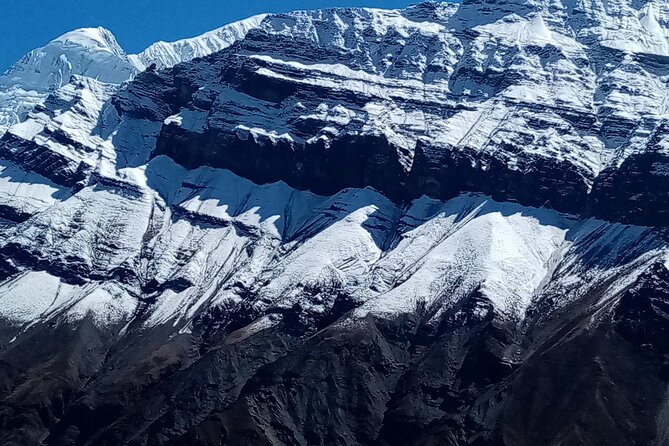
Day 6 is a reward day. Views get better, snow-covered peaks show up more frequently, and the trail reaches a point where you come out on top of a hill for wider views down the valley. This is the kind of day that makes the earlier climbs feel worth it, because you see what the altitude is buying you.
If you tend to get impatient with slower days, remember this section’s job is to build confidence. You’re learning how your body handles climbs, how you pace on uneven terrain, and how quickly conditions change in mountain weather.
More Poon Hill treks:
- 4 Days Poon Hill Trek
★ 5.0 · 94 reviews - Ghorepani(Poonhill Trek)
★ 5.0 · 81 reviews - 4-day Poon Hill Trek
★ 5.0 · 74 reviews - Ghorepani Poon Hill Trek
★ 5.0 · 61 reviews
Manang acclimatization: why that extra day is a gift
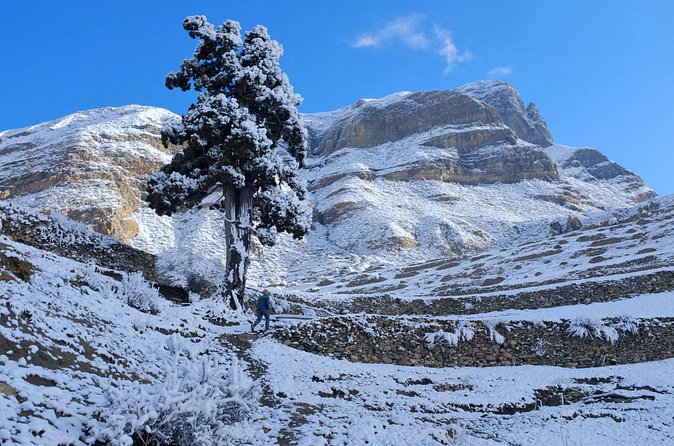
Manang is where the trek becomes smarter. Day 7 is an acclimatization day and the guidance is clear, stay active during acclimatization rather than treating it like a full rest day. I like this approach because it keeps your body engaged while you adjust to thinner air.
Day 6 already sets you up with frequent snow-covered peaks, and Day 7 continues the high-mountain education. In practice, acclimatization days reduce the risk of feeling wrecked when you later need energy for longer or colder high sections.
From Manang, Day 8 moves you toward Yak Kharka. You ascend for about an hour with more stunning views of Annapurna II, Gangapurna, and Chuli peaks. Then the terrain shifts, described as arid as you continue higher. That change is normal in the Annapurna region, and it’s exactly why acclimatization matters, because your comfort and breathing can change as both altitude and vegetation shift.
Day 9 climbs steadily to a tiny settlement. At that point, the description notes winds and more exposed terrain. This is where you learn the value of being prepared for weather, not just prepared for a route on a map.
Thorung Phedi to Muktinath: cold starts and wind logic
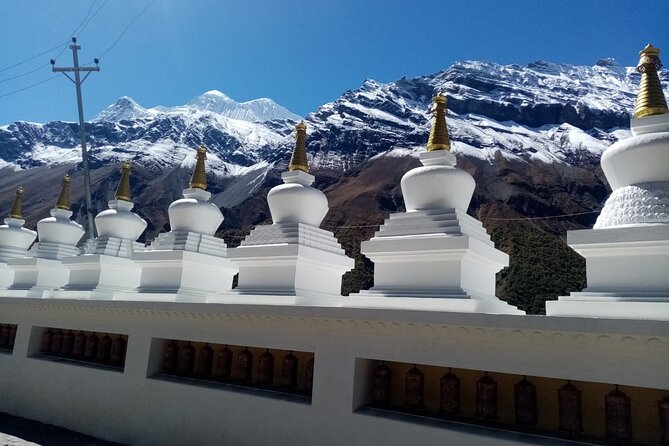
Day 10 is the high-mountain morning. You start extremely early, around 3:30 a.m., with the idea of reaching the pass before stronger winds pick up later. This is not just trivia. On exposed mountain routes, wind can make cold feel much worse, and it can change how comfortable your breathing becomes as you climb.
The description also flags that it can be quite cold, blustery, and exposed. That’s the kind of day where your layers, gloves, and warm hat are not optional extras. You’ll also want a pace that keeps you steady without overexerting, because you need energy for the pass and the descent that follows.
Day 10 ends at Muktinath, which is a major milestone in this classic Annapurna circuit storytelling arc. Even if you don’t know the cultural details in advance, you’ll feel the transition. The trek moves from a higher, harsher feel into the next phase of getting back down.
Then Day 11 starts the descent approach with a bus ride to Tatopani. It takes about 5 to 6 hours, with an ACAP checkpoint mentioned at Jomsom. This is one of those days where you’ll appreciate that the route design alternates physical effort with transit effort, so you recover without losing the momentum.
Tatopani to Ghorepani: changing altitude, changing weather
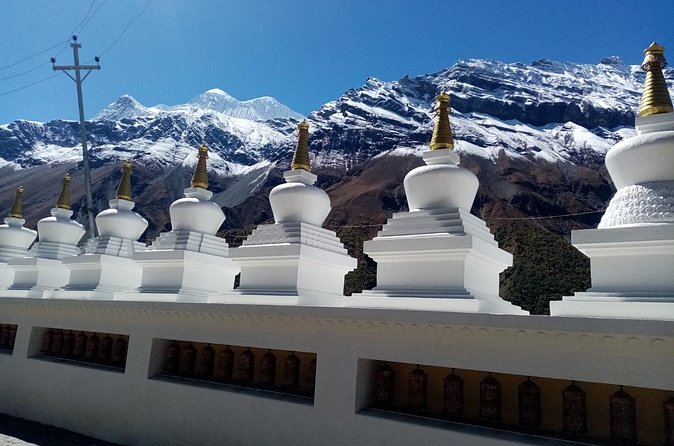
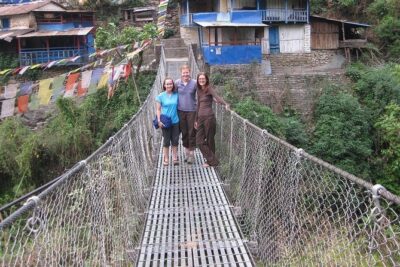
Day 12 brings you from Tatopani toward Ghorepani with a descending trail to a suspension bridge at the bottom. After crossing, it becomes uphill again, passing small villages and terraced cultivation.
I like this section because it’s not just “down, down, down.” You still earn your views on the way back up, and the terraced fields tell you you’re moving through farmland zones, not only high barren areas.
Also, this is a good mental reset before Poon Hill. You’re heading into a part of the itinerary where the rewards are visual and immediate, and your body needs that kind of motivation after the high section.
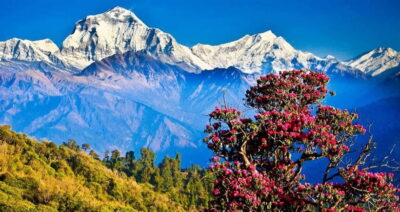
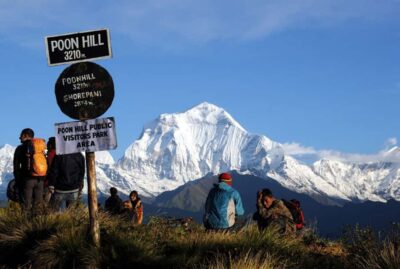
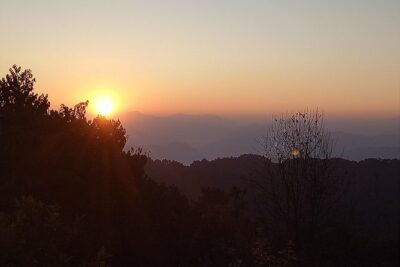
Then Day 13 makes the whole trip feel like it clicks. You take an early start to trek up to Poon Hill to watch sunrise. The timing is the point, with changing colors as dawn approaches. Poon Hill works because you’re high enough for wide mountain sightlines, and the sunrise window is short enough that you’re fully focused on the moment.
You get to take that emotional breath after a lot of physical days. When the light shifts over the peaks, it’s one of those times when even tired legs feel worthwhile.
Day 13 then connects you to Pokhara lakeside, so you end the trek segment and move into rest mode with a real town setting.
The last legs: Pokhara, Kathmandu, and a smoother landing
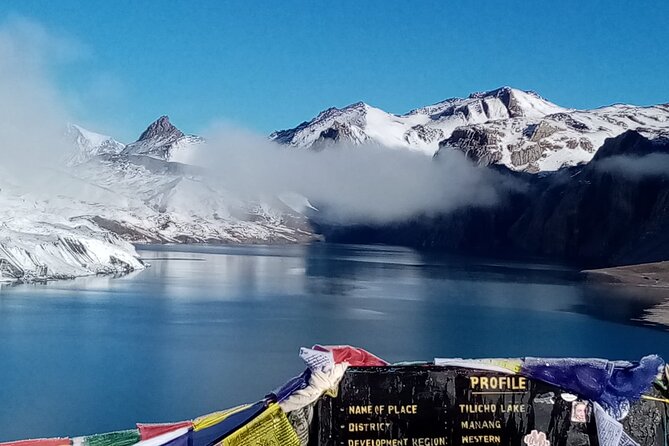
Day 14 is a drive back to Kathmandu, described as about 6 to 7 hours with rest stops. That’s a practical return plan for people who want to avoid the stress of booking separate transportation right after finishing a demanding trek.
Day 15 finishes with an airport transfer about 3 hours before departure. That timing is smart. It gives you cushion for last-minute delays, bathroom breaks, and the normal uncertainties that come with travel days.
This is also where the hotel nights help. You already have that structure built in, which means you can focus on hydration, laundry, and meals rather than solving transport problems while your legs are still adapting back to daily life.
Price and what you actually get for $790
At $790 per person for an approximately 15-day trek, the value is strongest when you look at what’s bundled versus what’s typically extra.
Included items that reduce hidden costs:
- Trek permits and official documents handled for you
- Government-licensed English-speaking guide
- Kathmandu 2 nights and Pokhara 1 night in 2-star label hotels with breakfast
- Guest house accommodation during the trek
- Hotel pickup and drop-off, plus transfers by shared bus or jeep
- Guide food, accommodation, and expenses
- Emergency normal first aid kit with the guide
Not included items you should budget for:
- Food and drinks during the trek
- Gratuities, which are optional
So the tradeoff is clear. You’re paying for organization, documents, a guide, and lodging. You’re not paying for your day-to-day meals. That’s common on treks like this, but you should still plan a sensible amount for food, hot drinks, and the little comforts that keep you moving.
One more thing about price logic. This isn’t a “just show up at the trailhead” style deal. It includes Kathmandu hotel nights, longer road and bus segments, and formal permits. That makes the package easier for first-timers who want the trek but don’t want to piece logistics together.
Guide quality, organization, and why it affects your safety
The best trek experience is not only about the trail, it’s about the decision-making around the trail. This tour includes a licensed English-speaking guide, and that’s the baseline.
From past groups, the guide names that come up include Krishna and Biru, both praised for being supportive and making sure people are safe and comfortable. I’d treat that as a signal of what matters most: clear communication, honest explanations, and practical help when weather or pacing changes.
There’s also an operational layer built in: the route uses a mix of jeeps, shared bus or jeep transfers, and trekking days. That usually means fewer random timing problems, fewer last-minute route questions, and less risk of missing checkpoints.
Private tour detail is worth noting too. The experience is listed as private, with only your group participating. That can feel less crowded than classic group trekking, while still keeping the logistics organized.
Gear and body basics for this specific altitude profile
Even without a fancy gear list from the provider, the itinerary tells you what you need to plan for.
You will face:
- Higher elevations with colder, windier conditions in the high section
- A very early start around 3:30 a.m.
- An acclimatization day at Manang, which means you should be ready to stay active, not just lie down
So pack for layers, not for one outfit. You’ll want a warm layer for early mornings, plus something you can remove when you’re working on climbs. Weather on exposed terrain can shift fast, and wind makes temperature feel lower.
Footwear matters too. Trek shoes or boots with good grip are a must on uneven paths, especially on days with steep ascents and exposed ground. If you’re used to flat city walking, treat this as a training transition, not a single test day.
Hydration is another practical must. You’ll be moving for long stretches between breaks, and altitude can make you feel dry sooner than usual. Use the guest house stops and any meal breaks to keep water and electrolytes steady.
Finally, pacing beats heroics. On passes and exposed terrain, your goal is consistent effort. If you start too fast, you can feel it later, and later is when conditions can be colder and windier.
Should you book CAN Travels for Round Annapurna with Poon Hill?
I’d book this trek if you want:
- A guided, organized route with permits and logistics handled
- A realistic acclimatization plan that includes an active Manang day
- A classic circuit experience plus the famous Poon Hill sunrise finale
- Hotel comfort at the beginning and end, with guest houses in between
I might skip or choose something else if:
- You hate early mornings and exposed cold wind days
- You’re not confident in your fitness level for higher altitude trekking
My practical advice for your decision: be honest about altitude confidence. If you can commit to the acclimatization day and keep a steady pace on the hard morning, this plan is the kind of structure that helps you enjoy the mountains instead of just surviving them.
More treks out of Pokhara
- 2 Days Chitwan Jungle Safari Tour from Pokhara/Kathmandu
★ 4.5 · 27 reviews - 4 Days Poonhill Trek From Pokhara To Pokhara
★ 5.0 · 8 reviews - Annapurna Ghorepani Poon Hill trek from Pokhara short and easy hike in Himalaya
★ 5.0 · 4 reviews - 1 Night 2 Days Chitwan Jungle Safari Tour from Pokhara or Kathmandu
★ 3.0 · 3 reviews
Latest additions near Kathmandu
- White Water River Rafting – 1 Day★ 4.3 · 3 reviews
- Traditional Momo Making Class★ 5.0 · 10 reviews
- Kathmandu to Pokhara Premium sofa bus ticket★ 4.0 · 17 reviews
- Ghorepani Poon Hill Trek★ 5.0 · 16 reviews
- Amazing 1 Day Trekking Experience in Kathmandu Nepal★ 5.0 · 24 reviews
- Ghorepani Poonhill Trek★ 5.0 · 5 reviews
- Walking tour of real Kathmandu through back streets.★ 5.0 · 3 reviews
- Wildlife Adventure in Chitwan Nepal★ 4.0 · 4 reviews
Poon Hill Treks, compared.
4-Day Ghorepani, Poonhill & Ghandruk Mountain Trek
Read our review →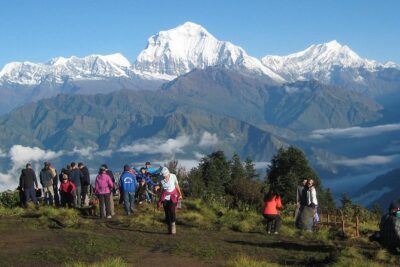
Browse the lists this tour appears in