
Reviewed · EVEREST BASE CAMP TREKS
15 Days Private Everest Base Camp Trek
Lukla makes the whole trek feel real. This 15-day private Everest Base Camp trek combines the nerve-jangling flight into Lukla, classic Khumbu villages, and the big-ticket sights like Kala Patthar and Everest Base Camp. You’ll also get structured acclimatization days so the itinerary works with your body, not against it.
I like the way this trip is organized end to end, from a Kathmandu welcome dinner to daily hiking plans that pause when you need altitude help. I also like the human touch built into the experience, with praised guides like Kamal, Lhakpa, Achut, and Bishnu Bhatta who focus on safety, pacing, and clear explanations.
One consideration: this is weather dependent. Lukla flights are famous for delays, and the trek needs good conditions to run as scheduled.
In This Review
- Key highlights that make this trek worth it
- Kathmandu Valley warm-up in Thamel, with a real trek briefing
- Lukla airport flight, the world’s famous risk-and-reward start
- First walking day: Cheplung to Phakding along the Dudh Koshi
- Namche Bazaar, the Sherpa capital and your first altitude checkpoint
- Acclimatization day in Namche: Khumjung plus Everest View Hotel panoramas
- Tengboche monastery day: spiritual stop plus dramatic mountain angles
- Dingboche: stone-walled settlement and the acclimatization climb to Nangkartshang
- Moraine-and-pass trekking toward Lobuche and Gorak Shep
- Everest Base Camp day: Gorak Shep first, then the Base Camp walk
- Kala Patthar at dawn: steep, rocky, and worth the hard climb
- Back toward Tengboche: forests, rhododendron, and another monastery day
- The Lukla return legs: bridges, pine forest, and a real finish day
- Kathmandu closing day: short flight back, then Thamel time
- Value and who this trek is best for
- Should you book this Everest Base Camp trek?
- FAQ
- What is included in the trek price?
- Are flights to Lukla included?
- Is a trekking porter included?
- What fitness level do I need?
- Do I need travel insurance for this trip?
- What happens if weather is bad?
Key highlights that make this trek worth it
- The Lukla flight: a short hop that feels epic, with dramatic views before you even start walking
- Built-in acclimatization: extra time in Namche Bazaar and Dingboche to reduce altitude stress
- Tengboche monastery: the Khumbu region’s largest monastery plus huge mountain viewpoints
- Kala Patthar at dawn: a steep, rocky climb for sunrise-style panoramas of Everest massifs
- Everest Base Camp day: the long-anticipated walk to Gorak Shep and then on to Base Camp views
- A guide-first experience: many past trekkers praised leaders who actively manage pacing and altitude tips
Kathmandu Valley warm-up in Thamel, with a real trek briefing
Your trip starts in Kathmandu at Tribhuvan International Airport. Nepal Social Treks meets you, helps with check-in, and gets you to a 3-star hotel in Thamel area, which is handy for food and easy strolling if you need it.
Then comes the part I think you’ll appreciate most: a group briefing with your trekking guide. You’ll learn the basics of how the trek works, how the pacing is managed, and what to watch for day to day. After that, there’s a welcome dinner with the group, which makes Day 2 feel less like a random jump into the mountains.
If you arrive with jet lag, you can keep Day 1 simple. You’ve got free time for rest, reading, and a light walk around Thamel.
More Treks in Kathmandu
- Everest Base Camp Trek – 14 Days
★ 5.0 · 1,499 reviews - Everest Base Camp Trek
★ 5.0 · 842 reviews - Everest Base Camp Trekking
★ 5.0 · 485 reviews
Lukla airport flight, the world’s famous risk-and-reward start
Day 2 includes a 40-minute domestic flight from Kathmandu to Lukla. This is one of the most intense airports on Earth, so expect real nerves and big scenery, even if you’re calm by nature.
What matters for your planning is that the flight is only part of the story. In this region, weather can cause schedule changes, and one trip report referenced getting late enough that an alternative was needed. So pack patience, and keep your mental schedule flexible.
As soon as you land, you meet local staff and porters, then begin your trek on a trail that starts relatively easy. That’s a smart way to transition from the flight to hiking, instead of going straight into steep strain.
First walking day: Cheplung to Phakding along the Dudh Koshi
Your early trekking route heads toward Cheplung village, where you’ll pass a stupa landmark connected to blessings for visitors heading into the Everest region. It’s a good first taste of local culture, with mountains not yet dominating the sky but still pulling you forward.
Then you follow the Dudh Koshi River, described as the highest river in terms of elevation. That detail is more than trivia. Rivers here shape the trail, so you get a consistent walking feel and steady scenery as you move toward Phakding.
You finish the day in Phakding, a small Khumbu village, with dinner shared by the group. This is the kind of evening that helps everyone reset for Day 3’s climb.
Namche Bazaar, the Sherpa capital and your first altitude checkpoint
Day 3 is a longer hike, around 6 hours, through pine forest, rustic villages, and yak pasture areas. You’ll walk alongside the Dudh Koshi, cross suspension bridges, and pass Sherpa settlements as you gain elevation.
The route is one of those classic Khumbu transitions where the terrain slowly turns from “trail” into “mountain trail.” You’ll reach Sagarmatha National Park on the way, and along the climb you’ll catch glimpses of peaks like Kusum Kanguru, Thamserku, Everest, and Nuptse.
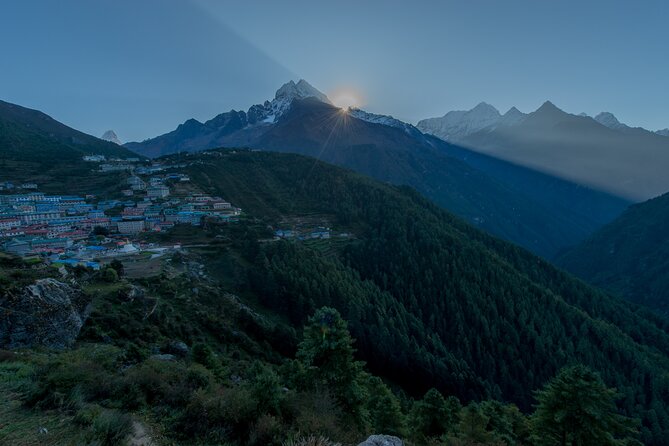
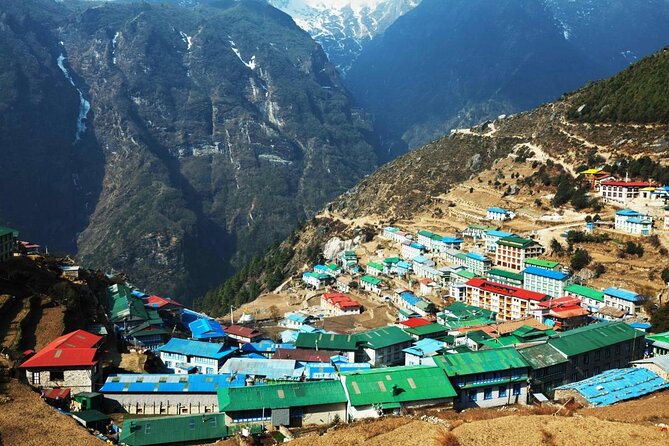
Namche Bazaar is the payoff. It’s widely treated as a Sherpa capital because you’ll see the culture in everyday life, not just as a photo stop. The views around Namche, including Kongde-Ri and Thamserku, help you understand why so many trekkers get emotionally attached to this part of the trek.
More Everest Base Camp treks:
- Everest Base Camp Helicopter Tour landing at Everest View Hotel
★ 5.0 · 668 reviews - Everest Base Camp Trekking – 13 Day
★ 5.0 · 365 reviews - Everest Base Camp Trek
★ 5.0 · 350 reviews - Everest Base Camp Trek -14 Days
★ 5.0 · 321 reviews
Acclimatization day in Namche: Khumjung plus Everest View Hotel panoramas
Day 4 is another 6-hour day, but it’s not a pure grind. It’s an acclimatization day designed to help you adjust to thinner air, which is a big deal because altitude problems are not something you want to gamble on.
Your hike goes to Khumjung, where you’ll see a historic monastery and a school associated with Sir Edmund Hillary. That ties the local story to the broader Everest legacy without turning it into a museum day.
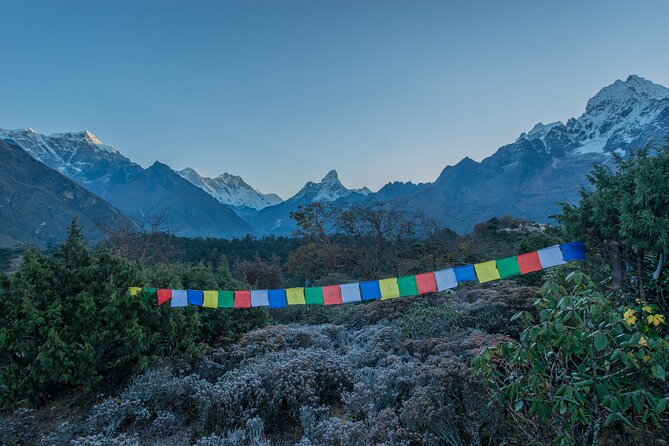
Then you visit the Everest View Hotel, listed in the Guinness World Records for panoramic views from a high altitude hotel. The key thing here is what you’ll actually get: a wide look at peaks like Everest, Ama Dablam, Thamserku, Nuptse, Lhotse, and others. Even if you’ve read mountain names before, seeing them laid out like this helps your brain connect geography to what you’re walking through.
Tengboche monastery day: spiritual stop plus dramatic mountain angles
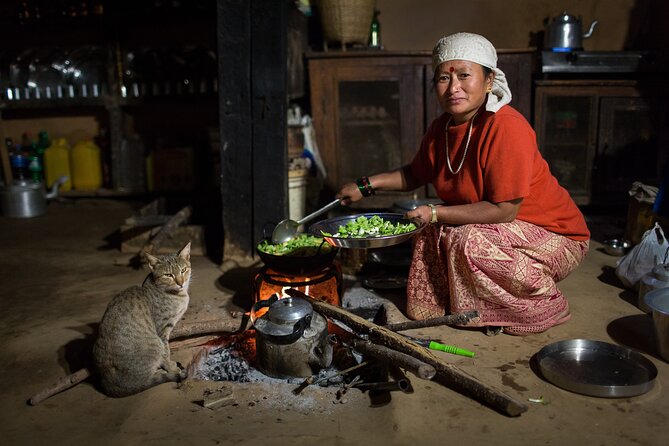
Day 5 shifts toward Tengboche. The trail includes dense forest and passes landmarks like Phungithanga, plus a water-powered prayer wheel along the route. That’s the kind of small detail that makes the day feel local and lived-in.
Tengboche is where the trek becomes unmistakably Khumbu. You’re headed to the largest Buddhist monastery of the region, and after hiking you’ll visit the monastery itself. Views from here include Ama Dablam, Everest, Nuptse, and Lhotse, so you get both calm and spectacle in the same place.
A practical note: monasteries often mean cooler, calmer energy. It’s a great day to take slow breaks, hydrate, and enjoy the air temperature shift as you climb higher.
Dingboche: stone-walled settlement and the acclimatization climb to Nangkartshang
Day 6 takes you from Tengboche toward Dingboche, crossing a suspension bridge over the Dudh Koshi. The trail continues through rhododendron, birch, and conifer trees, with mani walls and chortens along the way.
Dingboche is described as the highest Sherpa settlement in Khumbu and as being enclosed by stone walls. That matters because it changes how you feel the elevation, and it also makes Dingboche a place where you pause for real acclimatization rather than just “rest because it’s convenient.”
Day 7 is your second crucial acclimatization day at Dingboche. You hike about 400 meters toward Nangkartshang Peak, and reaching the summit requires a steep push for around two hours from the center of Dingboche. It’s not a “walk up and hang around” hike. It’s effort, then rewards.
From the top, the views include Ama Dablam, Makalu, Lhotse, Kantega, and Cho Oyu. Even if you don’t memorize every peak name, you’ll feel the shift into the high Himalaya zone.
Moraine-and-pass trekking toward Lobuche and Gorak Shep
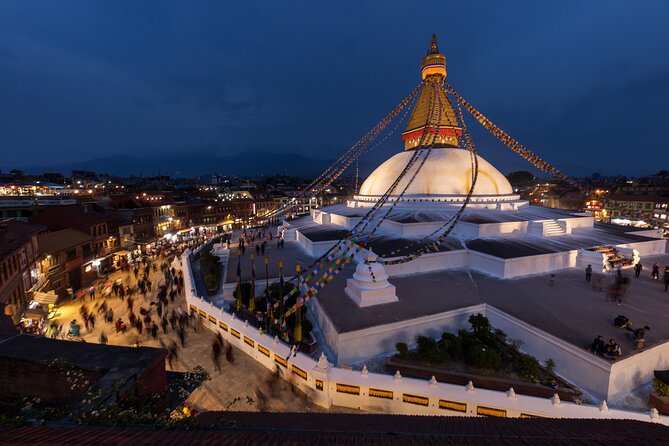
Day 8 moves toward Lobuche. You start with a gradual climb toward Pheriche valley, and you’ll see soaring peaks like Ama Dablam, Taboche, and Cholatse.
The route gets strenuous, including steep climbs over Khumbu Glacier moraine, then a crossing at Thukla Pass with prayer flags and stone shrines. This is one of the days where boots matter. The ground can feel uneven and tiring, so good pacing is everything.
You arrive in Lobuche overnight with views of Nuptse and Taboche. It’s a useful stop because it sets you up for the iconic Base Camp sequence ahead.
Everest Base Camp day: Gorak Shep first, then the Base Camp walk
Day 9 is the big goal. You trek from Lobuche over rough terrain toward Gorak Shep, and then you drop your backpacks before heading to Everest Base Camp on a rocky trail.
This is the day where names turn into visuals. You’ll see glacial moraine and streams, and you’ll get the dramatic view anchors: Khumbu Icefall, Khumbu Glacier, plus close sightlines to Nuptse, Pumori, and Khumbutse. Even if cloud cover reduces the sharpness, the feeling of being near the Everest expedition zone is usually what stays with you.
Then you return to Gorak Shep for the night. Expect a long day in terms of effort, but it’s also the most emotionally satisfying one for many people.
Kala Patthar at dawn: steep, rocky, and worth the hard climb
Day 10 is when you go for Kala Patthar early at dawn. The route is steep and rocky, and sunrise-style views are the point. You’ll get sweeping perspectives over massifs, and the light changes quickly, so you want to be ready the moment you reach viewpoints.
After a brief stop, you descend. The plan is to go down toward Lobuche via rough trails and cross Thukla Pass again, then continue until Pheriche. Pheriche is also the home of the Himalayan Rescue Association Clinic, a non-profit aimed at reducing casualties during trekking and mountaineering. Even if you don’t visit, knowing this is here can help you feel more confident about the safety culture in the region.
Back toward Tengboche: forests, rhododendron, and another monastery day
Day 11 brings you back to Tengboche after a relatively easier trek with strenuous uphills. You’ll walk through densely forested areas filled with rhododendron and juniper, and you might catch glimpses of wildlife and birds if conditions are right.
When you arrive, you’ll again be in a monastery setting with mountain views over Ama Dablam, Everest, Nuptse, and Lhotse. This return stop is a nice rhythm shift, because your body gets a little recovery compared with the earlier high-effort days.
Day 12 repeats the general return rhythm, heading back toward Namche Bazaar. It’s another day where forest scenery and elevation management both matter, and it helps you keep the trek feeling like progress rather than a one-way punishment.
The Lukla return legs: bridges, pine forest, and a real finish day
Day 13 starts with a steep descent from Namche Bazaar and then works down toward the Dudh Koshi River bank. From here, the plan follows a suspension bridge and then paths through rhododendron and pine forests.
You’ll reach Phakding again, cross another suspension bridge, and head uphill toward Lukla. Expect some uphill effort even on a “return day,” because altitude tricks you into thinking you’re done when you’re not.
A key emotional touch is the group celebration before flying out. It makes sense, because after days of pacing and acclimatization, reaching Lukla feels like a clean finish line.
Kathmandu closing day: short flight back, then Thamel time
Day 14 flies you back to Kathmandu. The flight is about 40 minutes, with views of the Himalayas that usually make the whole trip feel like it clicked into place.
You’re greeted at the domestic terminal, transferred to a hotel, and given free time. Thamel is still the hub: stroll for souvenirs, eat something familiar, and let your legs recover.
Day 15 is a final airport transfer from the meeting point area. It’s straightforward, and it keeps you from scrambling the last morning.
Value and who this trek is best for
At $1,420 per person for a 15-day private experience, the value is strongest in what you’re not managing yourself. This package covers round-trip domestic flights Kathmandu-Lukla-Kathmandu, Kathmandu hotel lodging, lodge accommodation on the trek, a professional trek leader, and key meals (including dinner and breakfast days noted in the plan). You also get a sleeping bag and duffel bag, plus air-conditioned vehicle transfers in Kathmandu.
The private structure also matters. Since it’s only your group, you can get a pacing style that fits your needs rather than being rushed by a large mixed group schedule. Many guide names praised in past trips show a consistent pattern of leaders who watch altitude and keep communication clear, including Kamal and Lhakpa, plus Achut and Bishnu Bhatta.
One cost you should plan for: a trekking porter is not included. If you want less load on your back, budget for one. Also note that personal trekking gear and other personal expenses aren’t included, and international airfare isn’t part of the package either.
This trek suits you if:
- you want a classic Everest Base Camp path with structured acclimatization
- you like having a guide who explains and manages pace
- you’re okay with long days, steep passes, and cold mountain nights
Should you book this Everest Base Camp trek?
If you want the classic Everest Base Camp experience without building the logistics yourself, I’d say it’s a solid pick. The itinerary is built around the hard reality of altitude, with acclimatization days in Namche Bazaar and Dingboche, plus the big “reward climbs” like Kala Patthar and the Nangkartshang acclimatization push.
Book it if you value organization, private group attention, and mountain viewpoints that hit the top list: Everest Base Camp, Khumbu Icefall/Glacier views, Tengboche monastery, and Kala Patthar panoramas. Plan for weather flexibility around Lukla, and consider adding a porter if you want the easiest possible trek.
If you’re the type who hates uncertainty, hates altitude effort, or expects the mountain to be fully “guaranteed perfect,” you might feel stressed here. But for most people, this is a practical, meaningful way to reach the Everest region the right way.
FAQ
What is included in the trek price?
The package includes an accommodation in Kathmandu in a 3-star hotel and lodge on trek, air-conditioned vehicle, all fees and taxes, a Nepal Social Treks sleeping bag and duffel bag, and the two-way domestic flights Kathmandu to Lukla and back. It also includes a professional trek leader, plus meals listed in the itinerary such as dinner and breakfast and lunch on specified days.
Are flights to Lukla included?
Yes. There is a two-way domestic flight from Kathmandu to Lukla and back included in the package.
Is a trekking porter included?
No. A trekking porter is listed as not included.
What fitness level do I need?
The information provided says you should have a moderate physical fitness level.
Do I need travel insurance for this trip?
Travel and medical insurance are not included in the package.
What happens if weather is bad?
The experience requires good weather. If it is canceled due to poor weather, you’ll be offered a different date or a full refund.
Latest additions near Kathmandu
- White Water River Rafting – 1 Day★ 4.3 · 3 reviews
- Traditional Momo Making Class★ 5.0 · 10 reviews
- Kathmandu to Pokhara Premium sofa bus ticket★ 4.0 · 17 reviews
- Ghorepani Poon Hill Trek★ 5.0 · 16 reviews
- Amazing 1 Day Trekking Experience in Kathmandu Nepal★ 5.0 · 24 reviews
- Ghorepani Poonhill Trek★ 5.0 · 5 reviews
- Walking tour of real Kathmandu through back streets.★ 5.0 · 3 reviews
- Wildlife Adventure in Chitwan Nepal★ 4.0 · 4 reviews
Everest Base Camp Treks, compared.
Everest Base Camp Helicopter Tour landing at Everest View Hotel
Read our review →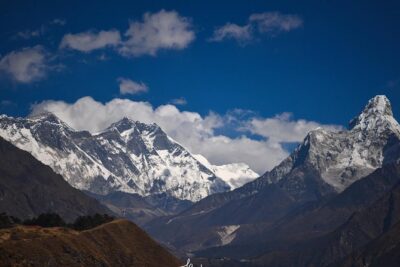
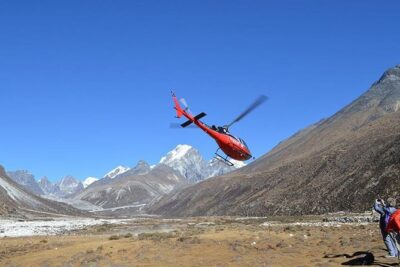
Everest Base Camp Helicopter Tour landing at Hotel Everest View
Read our review →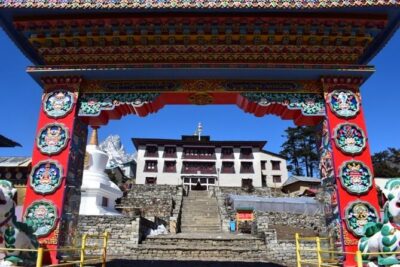
Browse the lists this tour appears in