
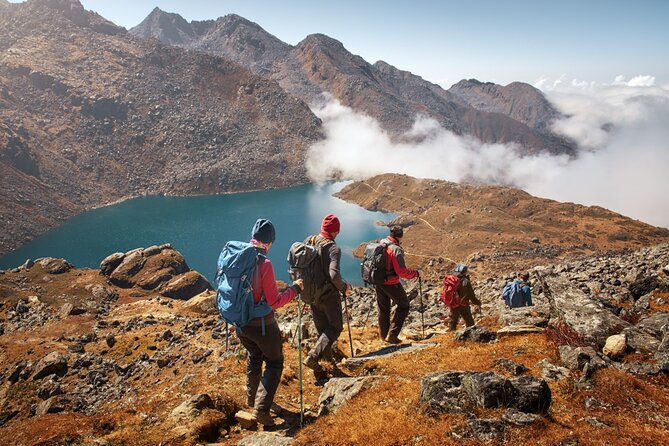
Reviewed · EVEREST BASE CAMP TREKS
14 Days Private Tour Everest Base Camp Trek
Everest Base Camp is the hike that changes your breathing.
This 14-day private trek routes you from Kathmandu to Lukla, then steadily into the Khumbu region, with acclimatization built in and the big payoff near Kala Patthar and Everest Base Camp. I like that it feels organized without feeling scripted, and that the team focuses on permits, pacing, and practical safety.
Two things I really like: first, the human setup. You travel with a licensed guide and a porter team using a clear 2:1 porter load system (one porter carrying two people’s bags, plus their meals and more). Second, the trek structure respects altitude, with acclimatization days in Namche and another climb up Nangkartsang Peak from Dingboche. People in the feedback repeatedly praise guides like Tek, Dil, and Ram for being patient and supportive when the trail gets steep.
One consideration: this trek is intense because altitude and weather can be unforgiving. Even with the best planning, you should be ready for cold mornings, long days, and the reality that Lukla flights depend on conditions.
In This Review
- Key Highlights You’ll Care About
- Kathmandu Warm-Up: Thamel, Meetings, and Easy Start
- Lukla Flights and the Day That Sets the Tone
- Phakding to Namche Bazaar: Bridges, Switchbacks, and Permits Done for You
- The Namche Acclimatization Day: Why You Don’t Rush It
- Tengboche and the Rhododendron Forest: Monastery Time Included
- Dingboche, Ama Dablam Up Close, and Nangkartsang Peak
- Lobuche to Gorak Shep: The Glacier Zone Comes Calling
- Kala Patthar Sunrise: Your Early Wake-Up Moment
- The Return: Namche, Lukla, and Kathmandu When Legs Start Negotiating
- Value for $1,600: What You’re Actually Buying
- The Team Makes the Trek: Guides Named for Patience and Porters Who Keep You Moving
- Altitude Reality, and How the Schedule Helps
- Who Should Book This Everest Base Camp Trek
- Should You Book Nepal Mountain Adventure’s Everest Base Camp Trek?
- FAQ
- Is the flight to Lukla included?
- How many nights in Kathmandu are included?
- Are permits and national park fees included?
- Is there any altitude or medical monitoring included?
- What meals and drinks are included, and what costs extra?
- Is this tour private?
Key Highlights You’ll Care About
- Private guide and porter team that handle permits, pacing, and daily logistics
- Acclimatization days in Namche and Dingboche to lower the risk of altitude trouble
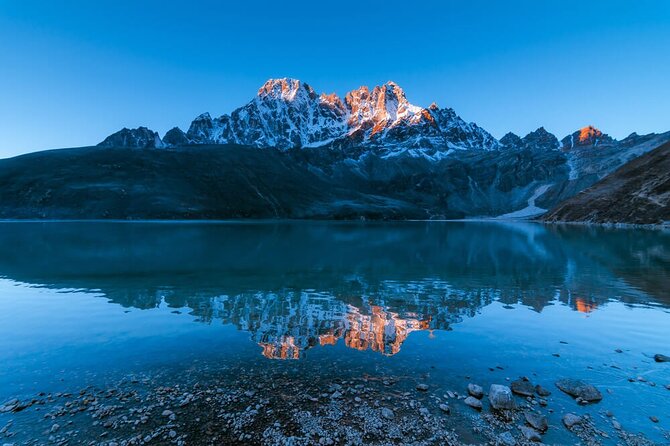
- Kala Patthar sunrise day, designed for early departure when the views are at their best
- Everest Base Camp and Gorak Shep experience, including glacier-adjacent hiking
- Tea house trekking with breakfasts, lunches, and dinners listed as included
- Strong emphasis on health basics, including an oximeter and pulse meter in the first aid kit
Kathmandu Warm-Up: Thamel, Meetings, and Easy Start
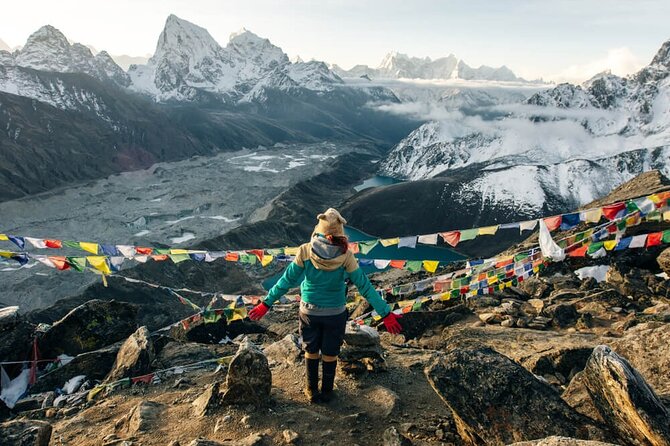
Your trek starts in Kathmandu, specifically the Thamel area, where most hikers end up anyway. You land, get picked up by private vehicle, and head to a pre-arranged hotel. There’s also a quick meeting focused on trekking and preparation, which matters more than it sounds. One short briefing can prevent a lot of confusion later when you’re already tired and altitude is on the clock.
The tour includes three nights in Kathmandu with breakfast, plus a welcome and farewell cultural dinner. That’s a nice buffer. Kathmandu before the mountains lets you adjust, buy or double-check gear, and pack in a way that actually works for multi-day trekking. If you’re the type who underestimates how long it takes to organize socks, gloves, and layers, those extra hotel nights help.
More Treks in Kathmandu
- Everest Base Camp Trek – 14 Days
★ 5.0 · 1,499 reviews - Everest Base Camp Trek
★ 5.0 · 842 reviews - Everest Base Camp Trekking
★ 5.0 · 485 reviews
Lukla Flights and the Day That Sets the Tone
Day 2 and Day 12 both involve the Kathmandu to Lukla flight, and the return flight from Lukla back to Kathmandu is included too. This matters because Lukla is the gateway to the Everest trail, and flights are short but they come with big expectations. You’ll get flight views of the Kathmandu valley early on, and as you approach Lukla you’ll see major mountain ranges from above.
Here’s the practical part: if weather is poor, plans can shift. The experience requires good weather, and the operator states you’ll be offered a different date or a full refund if the trek is canceled due to poor weather. So, keep your overall schedule flexible if you can.
Phakding to Namche Bazaar: Bridges, Switchbacks, and Permits Done for You
After flying to Lukla, you begin with a trek to Phakding. The first stretch is described as a rocky downhill, then you work your way along the Dudh Koshi River edge. This is a classic “wake up your legs” day. It’s not just about distance, it’s about learning how your body handles uneven footing when you’re carrying less than you will later, but still working uphill.
Then comes the day to Namche Bazaar. You’ll cross rivers and valleys using suspension bridges, which is part fun, part concentration drill. You pass through Benkar, and you’ll get hit with views like Mt. Thamserku. You also reach the Sagarmatha National Park checkpoint, where permits need to be sorted. The guide team helps with acquiring permits, which removes a headache you don’t want to face while your lungs are already thinking about altitude.
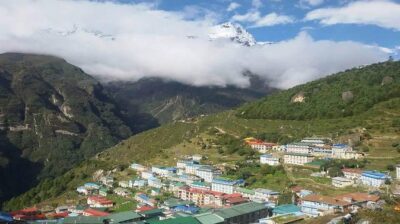
Namche Bazaar itself is the main trading hub of the Khumbu region, built up along the hillsides. It’s busy compared to the villages ahead, but it’s also where your mindset shifts from hiking to high-altitude trekking.
The Namche Acclimatization Day: Why You Don’t Rush It
Day 4 is an acclimatization day. That’s not downtime in a real sense, it’s a chance for your body to catch up. Altitude sickness is specifically a concern in this zone, so taking a full day here is a smart move. The tour frames this as critical because your body has to get used to elevation and conditions, not just the trail.
In plain language: this day can feel like you’re doing less, but it often helps you do more later without paying for it in headaches and nausea. If you’ve ever pushed altitude too hard on a previous trip, you’ll appreciate a plan that builds rest into the schedule instead of hoping for the best.
More Everest Base Camp treks:
- Everest Base Camp Helicopter Tour landing at Everest View Hotel
★ 5.0 · 668 reviews - Everest Base Camp Trekking – 13 Day
★ 5.0 · 365 reviews - Everest Base Camp Trek
★ 5.0 · 350 reviews - Everest Base Camp Trek -14 Days
★ 5.0 · 321 reviews
Tengboche and the Rhododendron Forest: Monastery Time Included
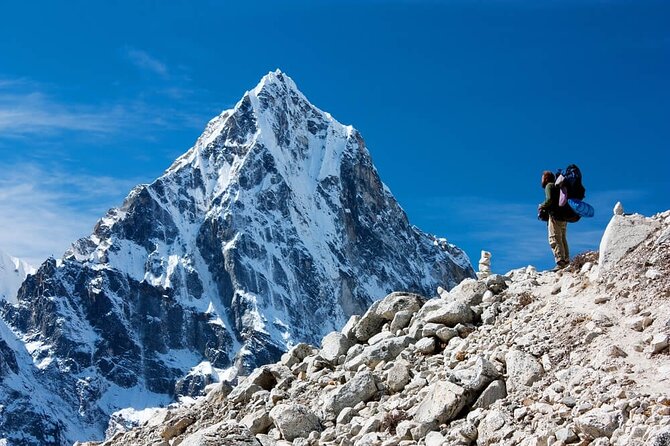
The trek continues from Namche toward Tengboche. The path is described as challenging with irregular terrain, and it’s up after an initial decline. That rhythm, downhill to gather speed then up again, is common in the Khumbu. You pass through Kyanjum and enter a rhododendron forest area, then you descend toward the Phungi Thenga river’s banks.
This is also one of the days where big peaks show up close: Everest, Nuptse, Lhotse, and Ama Dablam are mentioned along the route. You then climb into Tengboche, where the monastery is the headline attraction. Tengboche monastery is the largest Tibetan Buddhist gompa in the Khumbu region, and it’s a calm place to pause. Even if you don’t do much with religious sites, the quiet break helps you reset before the higher, colder section.
Dingboche, Ama Dablam Up Close, and Nangkartsang Peak
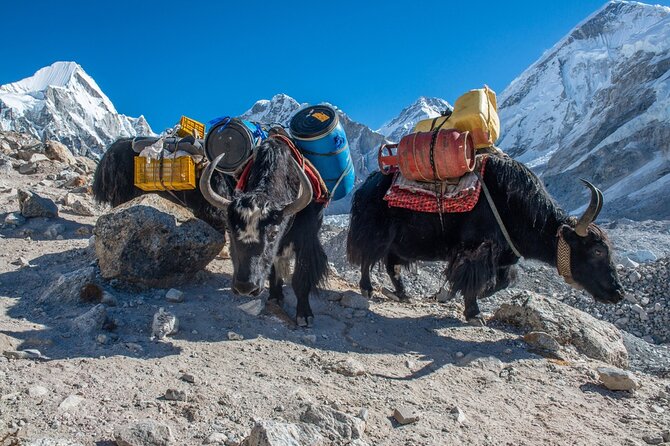
From Tengboche you head toward Dingboche. The route includes traveling past glaciers and snowy mountains on the way. You also go through Deboche village, cross a suspension bridge, and reach Pangboche before continuing uphill past Shomare toward Dingboche.
Ama Dablam is described as visible up close after that valley traverse. That’s a good sign for photographers and anyone who likes seeing the mountain details change with each turn.
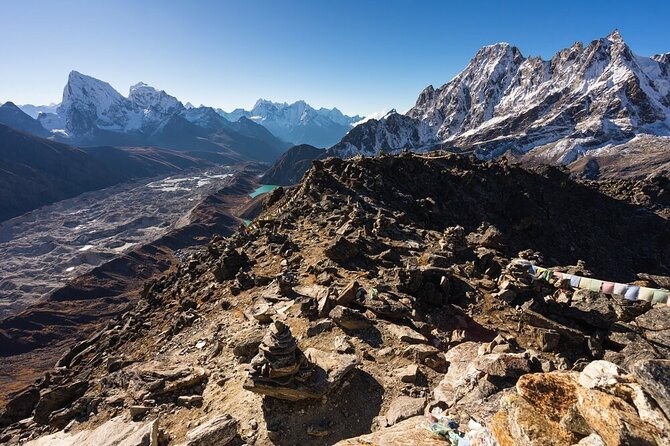
Day 7 is the second acclimatization day, and it’s not just a rest day. You hike to Nangkartsang Peak above Dingboche. The tour frames this ascent as part of acclimatization, and the views from higher ground are the reward. On the way and from the top, you’ll see Lhotse, Makalu, Cho Oyu, Ama Dablam, and other peaks. Then you return to Dingboche along the same trail.
This is one reason the schedule works for many people: you get to climb, but you’re climbing with a purpose tied to how altitude behaves.
Lobuche to Gorak Shep: The Glacier Zone Comes Calling
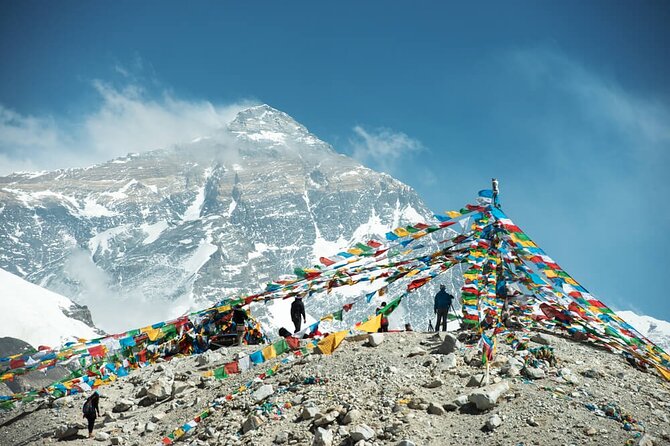
The journey to Lobuche is described as difficult. You gain elevation toward a moraine after leaving Dingboche, then reach Pheriche and cross through Thukla. Along this long ascent you encounter Everest Memorial, built in memory of climbers who died while attempting to reach Everest’s summit. It’s a sober stop in a part of the trek that otherwise feels like pure excitement and awe.
Then you continue toward the Khumbu glacier zone, reaching Lobuche by continuing your hike.
Day 9 is where you push further into the high country toward Everest Base Camp. The trekking is described as becoming a gradual climb after leaving Lobuche. There are two segments, one leading to Gorakshep, the trek’s highest village, and another connecting close to Everest Base Camp. You’ll hike beside the Khumbu glacier, and there’s a mention that you may get a close look at Mt. Everest summit.
You also cross Lobuche Pass to reach Gorakshep. This is one of those sections where pace is everything. You’re not racing, you’re spending your oxygen wisely.
Kala Patthar Sunrise: Your Early Wake-Up Moment
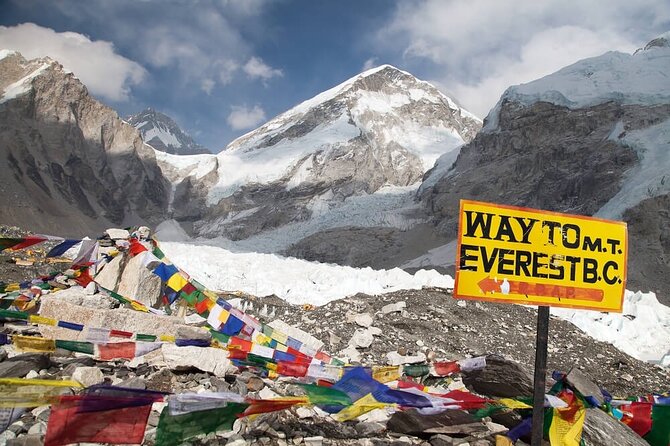
Day 10 starts very early to catch the sunrise from Kala Patthar. The route is simple to follow, but the approach can feel difficult because it’s high, cold, and you’re already at altitude. The goal is clear: you walk toward Kala Patthar and the view of Mt. Everest becomes clearer as you go.
Once you reach Kala Patthar, the tour describes this as a joyful accomplishment, standing beneath the world’s highest mountain. Afterward, you return along the same route. Then you go back down for breakfast at Gorak Shep and continue onward to Pheriche.
In practice, this day is often the psychological peak of the entire trek. Even if conditions limit how much you see, the effort and timing give you a strong chance at a memorable moment.
The Return: Namche, Lukla, and Kathmandu When Legs Start Negotiating
After Kala Patthar, the return route is still active, but the direction helps. Day 11 takes you from Pheriche back toward Namche Bazaar, passing Pangboche and then returning along the same track to Tengboche before arriving in Namche. Day 12 moves downhill toward Lukla, with a stop in Phakding village along the way.
That Lukla day can feel long, but it’s also a relief. Once you’re walking in the lower valleys again, your body starts to feel like it has options. Then you’re back in Kathmandu, greeted at the airport and taken to your hotel for rest and recovery.
Day 14 completes the loop with transfer to Kathmandu Airport for your return flight.
Value for $1,600: What You’re Actually Buying
At $1,600 per person, you’re not just buying a trail map. You’re buying a working support system in one of the world’s hardest trekking regions.
Here’s what’s included:
- Kathmandu airport pickup and final departure by private vehicle
- Three nights in Kathmandu with breakfast
- Kathmandu to Lukla and Lukla to Kathmandu flights
- Welcome and farewell cultural dinners
- Ground transport arranged on the itinerary
- All permits and national park fees
- Tea house trekking with standard accommodations and meals listed as included: 12 breakfasts, 11 lunches, 12 dinners
- Seasonal fruits
- A first aid kit including an oximeter and pulse meter checker
- A licensed, government holder guide
- A strong porter with a 2:1 system, plus the porter carrying meals and more
What is not included:
- Personal expenses like phone and camera charging, hot shower, and Wi-Fi
- Tips for guide and porter
- Drinks, including water, tea, coffee, soda, and alcohol
- Lunch and dinner during city stay in Kathmandu
So is it good value? For a private trek with flights, licensed guiding, permits, and the structured porter setup, it often stacks up well against piecemeal DIY plans where you still need guidance and logistics. If you want independence only, you may spend less by doing it yourself, but you would also take on more risk in permits, pacing decisions, and mountain-day changes.
The Team Makes the Trek: Guides Named for Patience and Porters Who Keep You Moving
The feedback is full of one theme: the right guide turns a brutal week into an achievable one. People mention guides like Tek, Dil, Ram, Mingmar, Som, and others as being patient, supportive, funny, and experienced. That kind of guidance matters on Everest Base Camp because the trail asks for discipline, not heroics.
You’ll also see the porter praise repeated with names like As Kumar, Arun, Prem, and others. A big reason is the porter system itself. The tour includes a strong porter who carries two people’s bags, and the porter carries their meals and more too. That means you hike with fewer mental distractions, which is how you preserve energy for acclimatization days and the Kala Patthar morning.
If you prefer a calm, confidence-building team over a tough-love style, this tour fits that preference. It also fits if you like learning, since multiple guides are praised for sharing knowledge about mountains and cultures.
Altitude Reality, and How the Schedule Helps
This trek covers major altitude changes, including high passes and the Kala Patthar sunrise push. The itinerary explicitly builds in acclimatization days in Namche and Dingboche, plus it includes monitoring tools like an oximeter and pulse meter checker in the first aid kit.
Still, you should treat altitude like a real factor, not a checklist item. I’d plan on:
- Going slower than your ego wants
- Hydrating steadily on every day you can
- Listening to your body on acclimatization days, not forcing extra distance just because you feel good
Cold is also part of the deal. Even though hot showers and Wi-Fi cost extra, the route expects tea house stays, warm drinks you pay for separately, and layers that actually work.
Who Should Book This Everest Base Camp Trek
This is best for hikers who are genuinely ready for altitude trekking and long days on uneven trails. The tour lists moderate physical fitness as the baseline, but Everest Base Camp is still considered one of the most extreme treks an average person can attempt. So if you’re new to high-altitude hiking, you’ll want to be extra honest with yourself.
I’d point you toward this tour if you:
- Want a private, guided experience with permits handled
- Prefer a structured acclimatization plan
- Like the idea of sleeping in tea houses and learning mountain rhythm
- Care about safety basics like medical monitoring support
If you want luxury, quick walking, or fully connected comfort, you might be happier choosing a different route.
Should You Book Nepal Mountain Adventure’s Everest Base Camp Trek?
If you want the Everest Base Camp experience with strong logistics and a team built around guide and porter support, I think this is a solid pick. The big strengths are the organized permit handling, the acclimatization days that respect altitude, and the practical health and safety elements like the oximeter in the kit.
I’d only hesitate if you know you get stressed by cold, early mornings, and the possibility of weather disrupting flights. Otherwise, this is the kind of trip where the planning is doing its job in the background, so your attention can stay on the trail and the mountain moments that actually matter.
FAQ
Is the flight to Lukla included?
Yes. The tour includes Kathmandu to Lukla and Lukla to Kathmandu flights as part of the trekking program.
How many nights in Kathmandu are included?
The package includes three nights in Kathmandu with breakfast.
Are permits and national park fees included?
Yes. Permits and national park fees are included.
Is there any altitude or medical monitoring included?
Yes. The first aid kit includes an oximeter and a pulse meter checker.
What meals and drinks are included, and what costs extra?
During the trek, breakfasts, lunches, and dinners are listed as included (12 breakfasts, 11 lunches, 12 dinners) with standard tea house stays. Drinks are not included, and personal expenses like phone and camera charging, hot showers, and Wi-Fi are also not included. Lunch and dinner during your Kathmandu city stay are not included either.
Is this tour private?
Yes. It’s a private tour/activity, with only your group participating.
Latest additions near Kathmandu
- Traditional Momo Making Class★ 5.0 · 10 reviews
- White Water River Rafting – 1 Day★ 4.3 · 3 reviews
- Kathmandu to Pokhara Premium sofa bus ticket★ 4.0 · 17 reviews
- Ghorepani Poon Hill Trek★ 5.0 · 16 reviews
- Amazing 1 Day Trekking Experience in Kathmandu Nepal★ 5.0 · 24 reviews
- Ghorepani Poonhill Trek★ 5.0 · 5 reviews
- Walking tour of real Kathmandu through back streets.★ 5.0 · 3 reviews
- Wildlife Adventure in Chitwan Nepal★ 4.0 · 4 reviews
Everest Base Camp Treks, compared.
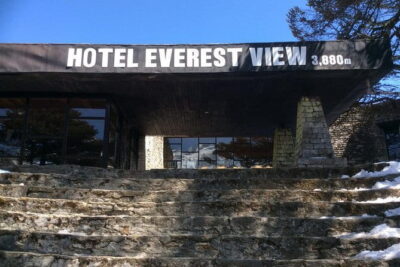
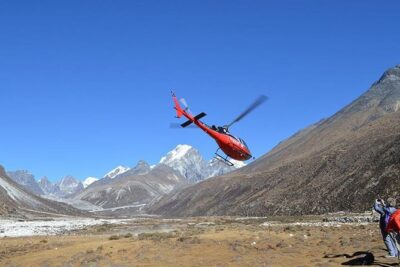
Everest Base Camp Helicopter Tour landing at Everest View Hotel
Read our review →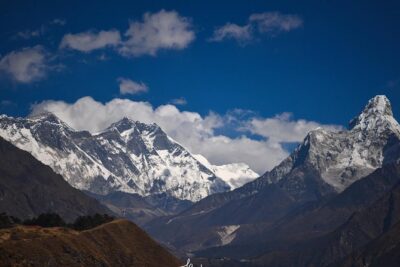
Everest Base Camp Helicopter Tour landing at Hotel Everest View
Read our review →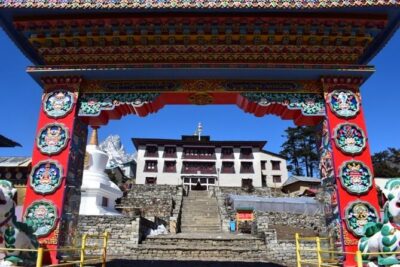
Browse the lists this tour appears in