
Reviewed · EVEREST BASE CAMP TREKS
14 Days Private Everest Base Camp Trekking Tour
Everest feels close on this 14-day route. You fly into Lukla, work through Sagarmatha National Park checkpoints and suspension bridges, then head up to Everest Base Camp and finish with dawn at Kala Patthar.
I especially like two practical touches: the trek is set up as a true private experience with a certified guide plus a porter ratio of 1 porter for every two trekkers, and you get private bathrooms in Phakding, Namche, and Lukla.
One consideration: it is altitude work plus daily hiking. The tour specifically calls for strong physical fitness, so if you expect an easy walk, you’ll be disappointed.
In This Review
- Key things I’d circle before you go
- First, what this trek really gives you (beyond the photos)
- Kathmandu to Thamel, day 1: your easy start
- Lukla day and Phakding night: the trek begins on stone
- Sagarmatha National Park entry, Monjo checkpoint, and two suspension bridges
- Namche acclimatization plus Everest View Hotel: do the altitude math
- Tengboche monastery day: forests, prayer flags, and a spiritual stop
- Dingboche and the pine and rhododendron stretch: easier walking, big rewards
- Nangkartshang peak acclimatization from Dingboche
- From Thukla viewpoint to Lobuche: start early, deal with wind and rocks
- The Everest Base Camp day: Gorakshep first, then the dream moment
- Kala Patthar at dawn: sunrise visibility is the whole point
- Back to Namche and then Lukla: you earn your recovery
- Fly back to Kathmandu and celebrate completion
- Price and value: what $1,490 buys you on this trek
- Who should book this private EBC trek (and who might rethink it)
- Should you book Yolo Hike’s 14 Days Private Everest Base Camp tour?
- FAQ
- What is the duration of the Everest Base Camp trek?
- Where does the tour start and where do you get picked up?
- Are park fees included?
- What flights are included?
- What kind of accommodation and bathrooms are included?
- Is cancellation free?
Key things I’d circle before you go
- Private guide and porter support: 1 porter for every two trekkers reduces the load and keeps the pace steadier.
- Sagarmatha National Park checkpoints and bridges: Monjo entry and bridge crossings add structure to the day-to-day rhythm.
- Two acclimatization built in: Namche and Dingboche area help you adjust before the higher push.
- Everest View Hotel in Namche: A high-altitude viewpoint stop that’s easier than chasing every photo angle from the trail.
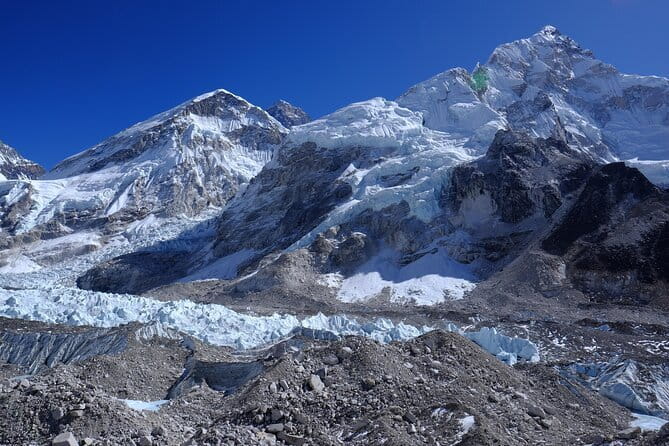
- Everest Base Camp plus a Kala Patthar dawn plan: You get the dream moment, then you get the sunrise show.
- Private bathroom on key nights: Not everywhere on the route, but it is included at several important stops.
First, what this trek really gives you (beyond the photos)
This trek is about timing your effort. You don’t just hike up, take one view, then go home. The route staggers altitude climbs with acclimatization days, then saves its biggest visual payoff for two moments: reaching Everest Base Camp and waking up for Kala Patthar at dawn.
The private setup also matters. If you’ve ever done group trekking, you know the small frustrations add up, like waiting around at trail junctions or hiking to someone else’s schedule. Here, you’re traveling as one group with a guide who can manage pacing, questions, and logistics.
And the comfort is more than marketing. Tea house trekking can be basic, but the tour includes the best available tea house lodge option during the trek and private bathroom access on multiple nights. That’s a big deal after a long day of uphill walking and cold air.
More Treks in Kathmandu
- Everest Base Camp Trek – 14 Days
★ 5.0 · 1,499 reviews - Everest Base Camp Trek
★ 5.0 · 842 reviews - Everest Base Camp Trekking
★ 5.0 · 485 reviews
Kathmandu to Thamel, day 1: your easy start
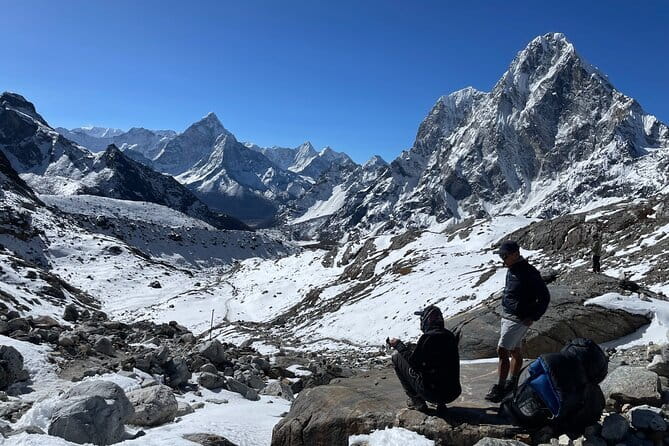
Day 1 is intentionally low-stress. A Yolo Hike representative meets you at Tribhuvan International Airport in Kathmandu, then arranges transportation to your accommodation. After you settle in, you have time to wander around Thamel, where you can grab a meal, listen to music, and get your first taste of Nepal before your trek kicks into gear.
Why this helps: when your first full trek day involves a flight to Lukla and hiking to Phakding, you want a buffer day. Kathmandu time gives you a chance to test your gear, eat normally, and sleep before the real altitude ramp begins.
Practical tip: keep this day for errands and organization, not for long-distance sightseeing. You’ll be better off saving your energy for the mountain.
Lukla day and Phakding night: the trek begins on stone
The next day starts with a flight. You transfer to the airport in Kathmandu or Ramechap depending on schedule, then fly to Lukla. The flight time is listed as about 25 minutes from Kathmandu or about 20 minutes from Ramechap. After the landing, you’re introduced to the sherpa team and the trek begins toward Phakding.
The trail portion is described as a march on a stone paved road that takes around three hours to reach Phakding. This is one of those good setup days where you get your boots wet and your legs moving without a giant altitude jump.
What you should expect: Phakding is a first foothold for the Khumbu region. You’ll likely feel the cold more than the altitude that day, but the route becomes more demanding after Namche.
Value note: including airport-to-airport transfers in a private vehicle reduces a ton of hassle. Nepal airport logistics can be confusing when you’re tired, so this is one of those “small but real” inclusions.
Sagarmatha National Park entry, Monjo checkpoint, and two suspension bridges
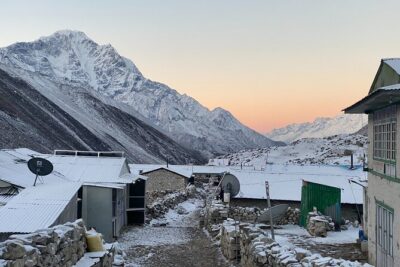
Day 3 is where the trek becomes official and cinematic. You leave with a mountain vista early, then enter Sagarmatha National Park through the Monjo checkpoint. The day includes crossings of the Larpchen Bridge and Hillary Bridge, both suspension bridges with prayer flags that add bright color to the crossing.
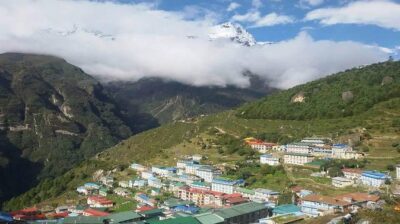
Then you hike toward Namche Bazaar. The itinerary calls out the busy energy of Namche, which is important because this is a major hub. You’re walking into a place with shops, tea houses, and other trekkers. It’s not just scenery, it’s where your trekking rhythm locks in.
Why this day matters: checkpoint days are part of the experience in Nepal. They also remind you that you’re entering protected park terrain with set rules and fees. If you like knowing the “why” behind what’s happening, Day 3 has that.
More Everest Base Camp treks:
- Everest Base Camp Helicopter Tour landing at Everest View Hotel
★ 5.0 · 668 reviews - Everest Base Camp Trekking – 13 Day
★ 5.0 · 365 reviews - Everest Base Camp Trek
★ 5.0 · 350 reviews - Everest Base Camp Trek -14 Days
★ 5.0 · 321 reviews
Namche acclimatization plus Everest View Hotel: do the altitude math
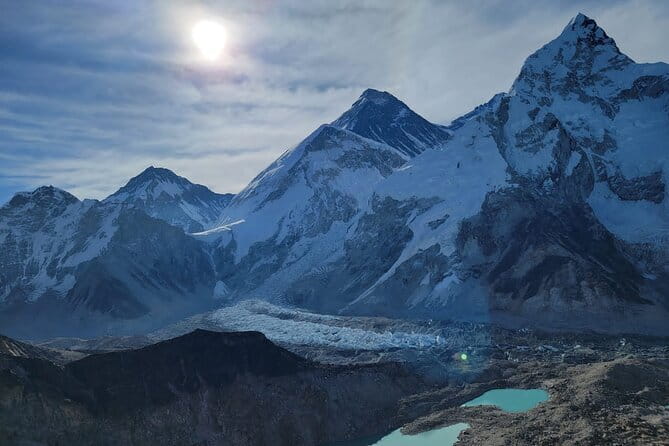
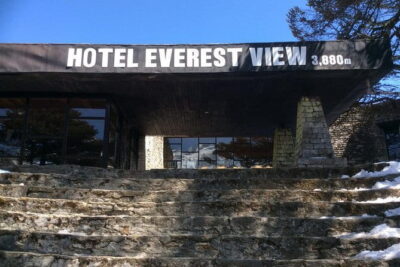
Day 4 is an acclimatization day in Namche Bazaar, and it includes an extra highlight: a visit to Everest View Hotel, described as the highest-altitude hotel and one of the best Everest viewpoints.
You’ll also hike nearby hills in the area to help your body adjust. The payoff is a panorama that can include Mount Everest along with Ama Dablam, Nuptse, Lhotse, Thamserku, and Cholatse.
This is smart planning. People often think the goal is to reach Everest Base Camp as fast as possible. But your success depends on managing altitude gradually. Namche is set up as your “body learns the altitude” day, and you get a payoff without pushing to the highest elevations yet.
Possible drawback: the day is not a total rest day. It’s an acclimatization walk, and you’ll still earn your view. If you want a true slow day with zero walking, this might feel active.
Tengboche monastery day: forests, prayer flags, and a spiritual stop
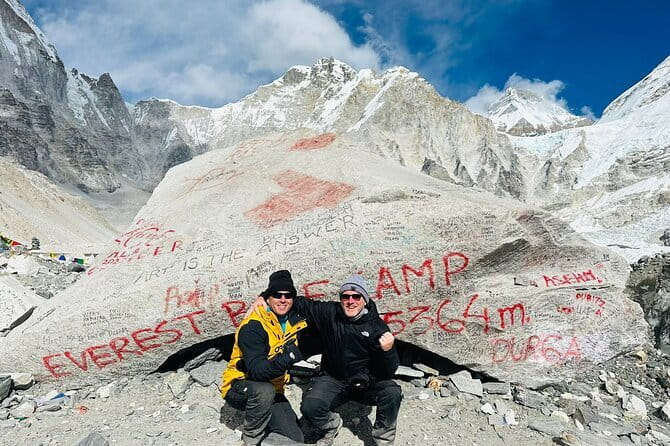
Day 5 takes you to Tengboche Gompa, a monastery described as one of the oldest and most spiritual monasteries in Khumbu. If you enjoy places that feel grounded and quiet, this is often a favorite stop. You’ll explore the monastery, then continue with a trail that includes ascend and descend through forests and settlements.
You also pass areas like Phungi Thanga with viewpoints over Pangboche and Namche Valley from above. The itinerary mentions lunch among two villages and notes a route split area where the paths toward Gokyo and Everest diverge.
You then descend through cliffs and suspension bridges above rivers to reach an Army Checkpoint, then enter Tengboche.
Why I think this day works: it breaks up the monotony of “walk uphill, repeat.” You get a cultural anchor (Tengboche Gompa) plus the physical satisfaction of hiking in changing terrain. And route split points are genuinely useful to understand, because it’s when you realize you’re committed to the Everest-side itinerary.
Dingboche and the pine and rhododendron stretch: easier walking, big rewards
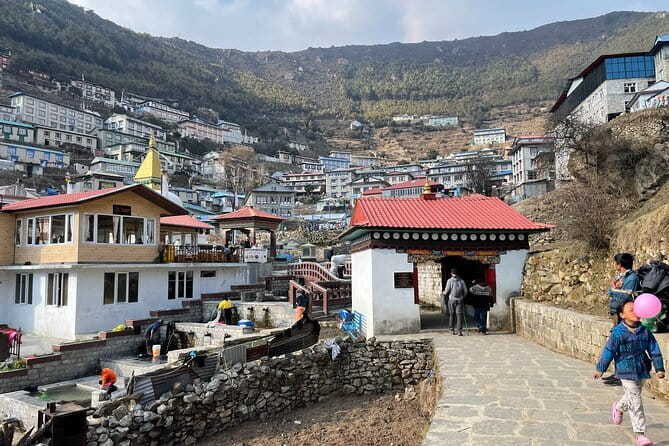
Day 6 moves to Dingboche. The route goes through Debuche, then through pine and rhododendron forest. The itinerary emphasizes a color shift, moving between deep greens and mountain-white backdrops.
You hike up to Pangboche at the edge of the Lobuche River of Imja Valley for lunch, then continue through the area where buckwheat and potatoes are grown, reaching Dingboche. This day is described as the easiest in the entire journey, which you should treat as a gift, not a guarantee.
Even on an easier day, Dingboche is higher than Namche, so your breathing and sleep may change a bit. The goal is to arrive feeling stable enough for the next altitude adjustment day.
Nangkartshang peak acclimatization from Dingboche
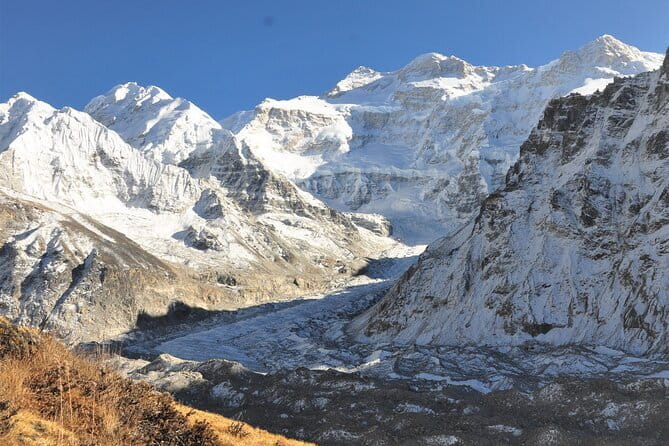
Day 7 is another acclimatization day, and it includes a hike to Nangkartshang Peak at 5,083 m. Dingboche is called the last Sherpa village on the Everest Base Camp route, and it’s described as having outstanding views of Taboche, Island Peak, Ama Dablam, Lhotse, and Everest.
This is not a long summit-style push. It’s described as a short acclimatization hike. That matters because it supports altitude adaptation without burning you out right before the Base Camp run.
Practical advice: on acclimatization days, keep your pace controlled. You want your body to learn, not “prove fitness” by racing. Your guide and porter system should help you keep that steady.
From Thukla viewpoint to Lobuche: start early, deal with wind and rocks
Day 8 heads to Lobuche. The plan is to start early after tea and a light breakfast, specifically to avoid strong winds. The route is described as uphill and rockier compared to Dingboche, and you gradually climb until reaching the Thukla viewpoint.
From Thukla, you get big views including Mount Lobuche and far-off mountains like Ama Dablam, Malanphulan, Kantenga, and Lobuche. You’ll also see manes and small chortens. After that, you descend for hours to Lobuche.
This day is a good example of why “how you walk” matters as much as “where you walk.” Early starts change how the trail feels, especially when wind is mentioned in the itinerary. And rockier footing means you should watch your steps and keep your balance.
The Everest Base Camp day: Gorakshep first, then the dream moment
Day 9 is the core day, the one people plan around. You start early from Lobuche toward Gorakshep, walking uphill on a rocky path between high mountains. At Gorakshep, you rest and have breakfast, then trek toward Everest Base Camp at 5,346 m.
Once you walk some distance, the camp settlement appears. The itinerary describes it as colorful and as the starting point for Everest climbers. This is the day when your body might feel tired, but your mind tends to go quiet and focused, because you finally arrive at the landmark you’ve been imagining.
How to enjoy it: don’t rush through the Base Camp area. Take time to soak in the scale. You’ll also get better photos when you pause long enough for the light to shift, instead of always chasing movement.
Kala Patthar at dawn: sunrise visibility is the whole point
Day 10 is designed around a truth: you might not see Everest clearly from Base Camp itself. So the plan is to head to Kalapatthar in dawn.
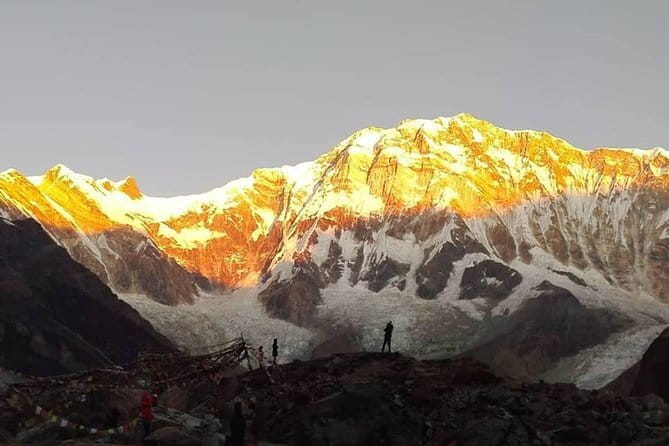
The itinerary calls out a sunrise experience with yellow and reddish tones on the Everest peak. After that viewing time, you descend back for the return journey to Pheriche, where you spend the night.
Why Kala Patthar is worth the extra effort: it’s not just about going higher. It’s about changing your sight line and catching the light when it matters. This is one of those days where you’ll feel the cold more than usual at dawn, but the reward tends to match the discomfort.
Back to Namche and then Lukla: you earn your recovery
Day 11 returns along the same trail to Namche, where you’ll stay for the third time. Day 12 then goes from Namche down to Lukla, and the route includes crossing suspension bridges over the Dudh Koshi River as you reach Lukla. In Lukla, you can stroll around and shop for memories.
These “down days” are still real hiking, just with a different feel. Your legs often feel better mentally, but knees and ankles can get a workout on descent. If you’ve brought trekking poles, this is where they earn their keep.
Fly back to Kathmandu and celebrate completion
On Day 13, you return to Kathmandu via Lukla airport with a flight that offers views of mountains, hills, settlements, and changing landscapes. Once in Kathmandu, a vehicle picks you up and transfers you to your accommodation. There’s also a small farewell and completion celebration.
Day 14 ends with assistance to Tribhuvan International Airport so you can board your home flight.
This is a solid pacing choice. Instead of stretching your last days with extra trekking, it keeps the finish clean and reduces the chance you feel wiped out the moment you reach the city.
Price and value: what $1,490 buys you on this trek
At $1,490 per person for a 14-day private Everest Base Camp trek, you’re paying for two big things: logistics and people.
On the logistics side, the tour includes:
- airport-to-airport transfers in a private vehicle
- domestic flights between Kathmandu, Lukla, and back
- Sagarmatha National Park fees with government taxes and service charges
- flight ticket support built into the itinerary
On the people side:
- a certified guide
- a porter ratio of 1 porter for every two trekkers
- guide and porter costs including salary, food, accommodation, and insurance
That porter detail is not “nice to have.” It changes the math of your daily hike. Even if your day pack is light, trekking with a porter share tends to reduce fatigue, which matters when your success depends on finishing in good condition.
And the comfort inclusions help too. You get twin-sharing accommodation in Kathmandu, and during the trek you stay in tea house lodges. Private bathrooms are included in Phakding, Namche, and Lukla, which is a meaningful upgrade compared to many trekking setups.
Is it expensive? For Nepal, it’s not bargain pricing, but it’s also not padded with extras that you won’t use. Given the flights, park fees, and staffing included, the value is reasonable if you want a smooth, well-managed trek instead of handling details yourself.
Who should book this private EBC trek (and who might rethink it)
This tour is a great fit if you:
- want a private group experience rather than a mixed schedule with strangers
- prefer having a certified guide and porter support
- care about acclimatization timing and a planned route to Kala Patthar for dawn views
- like practical comfort upgrades like private bathrooms on several key nights
You might rethink it if you:
- dislike early mornings, because dawn at Kala Patthar and early departures are part of the design
- want a totally low-effort trek, since the itinerary calls for strong physical fitness
Should you book Yolo Hike’s 14 Days Private Everest Base Camp tour?
If you want Everest Base Camp and you want it run with fewer headaches, I’d say this is worth considering. The plan balances big moments with altitude sense: Namche and Dingboche acclimatization, then the Base Camp push, then the Kala Patthar dawn finish. The staffing model (guide plus porter ratio) and included logistics are the kind of value that shows up day after day, not just at the summit.
One smart move before booking: confirm your comfort level with cold dawn starts and multi-day hiking. If you’re good with that, you’ll likely love how the trek builds toward the Everest payoff without skipping the practical steps that keep you healthy.
FAQ
What is the duration of the Everest Base Camp trek?
The tour runs for 14 days (approx.).
Where does the tour start and where do you get picked up?
The meeting point is Tribhuwan International Airport in Kathmandu, Nepal, and the tour includes airport-to-airport transfer in a private vehicle.
Are park fees included?
Yes. Sagarmatha National Park fees with all government taxes and services charges are included.
What flights are included?
Flight ticket is included for Kathmandu to Lukla and back to Kathmandu (domestic flights).
What kind of accommodation and bathrooms are included?
You’ll have 2 nights in Kathmandu on a twin-sharing basis. During the trek you stay in tea house lodges on a twin-sharing basis (best available). Private bathrooms are included in Phakding, Namche, and Lukla.
Is cancellation free?
Yes, the experience offers free cancellation. You can cancel up to 24 hours in advance for a full refund.
Latest additions near Kathmandu
- White Water River Rafting – 1 Day★ 4.3 · 3 reviews
- Traditional Momo Making Class★ 5.0 · 10 reviews
- Kathmandu to Pokhara Premium sofa bus ticket★ 4.0 · 17 reviews
- Amazing 1 Day Trekking Experience in Kathmandu Nepal★ 5.0 · 24 reviews
- Ghorepani Poonhill Trek★ 5.0 · 5 reviews
- Ghorepani Poon Hill Trek★ 5.0 · 16 reviews
- Walking tour of real Kathmandu through back streets.★ 5.0 · 3 reviews
- Wildlife Adventure in Chitwan Nepal★ 4.0 · 4 reviews
Everest Base Camp Treks, compared.
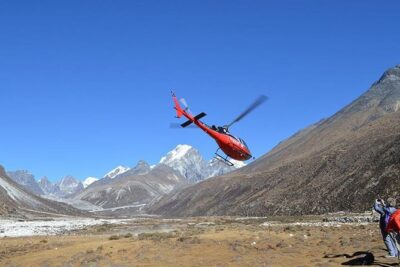
Everest Base Camp Helicopter Tour landing at Everest View Hotel
Read our review →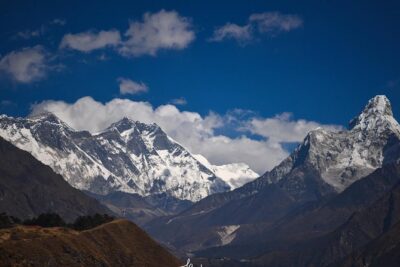
Everest Base Camp Helicopter Tour landing at Hotel Everest View
Read our review →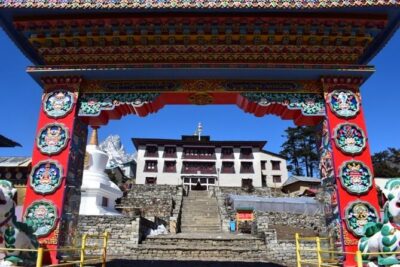
Browse the lists this tour appears in