
Reviewed · EVEREST BASE CAMP TREKS
14-Days Private Everest Base Camp Trek
Everest begins with a runway. This private 14-day Everest Base Camp trek takes you from Kathmandu to Lukla by a short flight, then into high-altitude villages, monasteries, and big Himalayan views toward Everest Base Camp. Along the way, you get the structure you need for comfort and safety, plus cultural moments that go beyond the trail.
I love the pickup support. You get airport or hotel transfers, a 3-star Kathmandu hotel for two nights with breakfast, and an English-speaking guide who helps handle permits, accommodation, and entrance fees. I also like that the trek includes porters for heavy gear, so you can focus on your footing instead of your pack.
One thing to consider is altitude. This trip is weather-dependent, and it requires a moderate fitness level. If you are not used to sustained hiking at elevation, you will need to pace smart and take acclimatization days seriously.
In This Review
- Key things I’d pay attention to
- Private Everest Base Camp starts with solid Kathmandu care
- Airport pickup and the Lukla flight that sets the tone
- Day by day: what each trekking stop really means for you
- Day 1: Welcome, transfer, and a full night in Kathmandu
- Day 2: Lukla to your first Khumbu trail day, over suspension bridges
- Day 3: Namche Bazaar, plus riverside crossings and big acclimatization payoff
- Day 4: A Namche acclimatization day where you can shop, wander, and breathe
- Day 5: Tengboche, with forests and monastery energy
- Day 6: Dingboche via chortens, mani walls, and Ama Dablam views
- Day 7: Dingboche acclimatization, a ridge walk for thin-air reality
- Day 8: Toward Lobuche, glacier-side scenery and harder walking
- Day 9: Everest Base Camp day, via Gorak Shep and Khumbu Glacier terrain
- Day 10: Kala Patthar area views, then a purposeful descent
- Day 11: Back toward Namche, using the trail you already trust
- Day 12: Lukla day, a shorter trek and a return to the river trail vibe
- Day 13: Fly back to Kathmandu, with time to process what you did
- Day 14: Farewell dinner, trek certificate, and time to reflect
- Guides, porters, and safety in the thin-air zone
- Value and price: is $1,600 a fair deal for Everest Base Camp?
- Who this private trek fits best
- Should you book this Everest Base Camp private trek?
- FAQ
- What does the tour include for Kathmandu and on the trek?
- Do you get help with permits and entrance fees?
- Is pickup included at the airport or hotel?
- Are flights to Lukla included?
- Do porters carry your gear?
- Is this tour private?
- Can I cancel for free if plans change?
Key things I’d pay attention to
- Private logistics from Kathmandu to Lukla with airport and hotel pickup
- Porters for heavy gear (set up for groups of two trekkers)
- Acclimatization in Namche and Dingboche so your body can adjust
- Tengboche stop for monastery and Sherpa culture vibes
- Everest Base Camp day plus Kala Patthar timing for big viewpoints
- Permits, meals, and domestic flights handled, so you are not juggling details
Private Everest Base Camp starts with solid Kathmandu care
This is a private tour, meaning it is just your group on the trail with your guide and support team. That matters on a trek like Everest Base Camp because you are dealing with weather shifts, altitude decisions, and daily pace. Having control over your group dynamic keeps the experience calmer and easier to manage.
You also get proper Kathmandu grounding. Your first night includes a welcome by staff and a transfer to your hotel. On top of that, you get two nights in Kathmandu in a 3-star hotel with breakfast, which is a real upgrade compared to jumping straight into the mountains with no buffer.
I appreciate that domestic flying is built into the plan, not treated like an afterthought. You handle Kathmandu to Lukla and back (with airport tax included), so the trek starts efficiently and ends with a less painful return than doing everything on foot.
More Treks in Kathmandu
- Everest Base Camp Trek – 14 Days
★ 5.0 · 1,499 reviews - Everest Base Camp Trek
★ 5.0 · 842 reviews - Everest Base Camp Trekking
★ 5.0 · 485 reviews
Airport pickup and the Lukla flight that sets the tone
Your trip begins at Tribhuvan Airport, with pickup by private vehicle either from the airport or from your hotel. The airport rep explains the program after arrival, which helps you understand what you are walking into before you ever see the Himalaya.
Then comes the Lukla flight. It is a scenic short hop, about 40 minutes, into Tenzing Hillary Airport. That day is short on paper, but it is huge emotionally. You land, take in the tiny-airport energy, and then your first trek day starts right away from Lukla, heading into the Khumbu region.
Practical tip for you: even if the flight feels quick, treat your first day like a warm-up, not a victory lap. Your legs will still be adapting, and you will want that energy for the longer days later.
Day by day: what each trekking stop really means for you
Day 1: Welcome, transfer, and a full night in Kathmandu
Day 1 is simple on purpose. You are welcomed, transferred to your hotel, and you sleep in a real bed. This matters because the next days stack altitude, long walks, and cold temperatures. Your body will thank you for a calm start.
More Everest Base Camp treks:
- Everest Base Camp Helicopter Tour landing at Everest View Hotel
★ 5.0 · 668 reviews - Everest Base Camp Trekking – 13 Day
★ 5.0 · 365 reviews - Everest Base Camp Trek
★ 5.0 · 350 reviews - Everest Base Camp Trek -14 Days
★ 5.0 · 321 reviews
Day 2: Lukla to your first Khumbu trail day, over suspension bridges
After the flight, you trek out from Lukla along the Dudh Koshi River. The highlight in this part is the sense of motion and momentum, plus multiple suspension bridges. The plan specifically calls out suspension crossings, including the Hillary Suspension Bridge, which is one of those places where the view and the engineering make you slow down, even if you want to move fast.
If you like structure, this day works well. It gets you into the rhythm of trekking without overloading you. If you dislike constant ups and downs, keep your pace gentle anyway, because the Khumbu route always has surprises.
Day 3: Namche Bazaar, plus riverside crossings and big acclimatization payoff
You continue trekking along the northern bank of the Dudh Koshi River. Day 3 is about reaching Namche Bazaar, but it is also about how you get there: suspension bridges, river views, and steady trail progression.
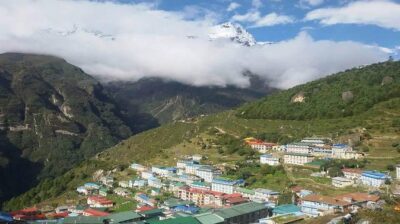
Once you arrive, you are not stuck indoors. Namche is built for acclimatization, and the tour encourages you to explore. You get wifi-linked cafes and restaurants, souvenir spots, and gear shops. There is even an Irish Pub stop listed for this day, which is a fun break from mountain seriousness.
A key value here is mental acclimatization. You get to adjust to the altitude while still having distractions, warm meals, and options for resting well.
Day 4: A Namche acclimatization day where you can shop, wander, and breathe
This day is for acclimatizing at Namche itself. The approach here is smart: you stay higher, then you explore with smaller effort instead of pushing onward immediately.
You will have options. The route points out hiking choices around the town area, plus time to browse gear and take in the mix of cultures in a high-altitude hub. If you are the type who enjoys photographing monasteries, markets, and everyday mountain life, you will like Namche a lot more on day 4 than you would on day 2.
Day 5: Tengboche, with forests and monastery energy
You leave Namche for Tengboche on a trail described as ups and downs, plus forest trekking. That combination keeps you moving, but it also changes your scenery often, which helps on tiring days.
Tengboche is the culture stop. This is where you connect more directly with Sherpa life, and you get a monastery visit vibe. The plan also notes a chance to spot wildlife like musk deer, which is never guaranteed, but it is the kind of detail that signals you are trekking through living habitat, not a theme park.
One downside to be aware of: this day can feel longer than its hours suggest because you are balancing altitude with terrain. Take breaks before you feel desperate, not after.
Day 6: Dingboche via chortens, mani walls, and Ama Dablam views
Day 6 is Dingboche territory, reached after passing chortens, mani walls, and small villages. The tour also points out Pangboche, where the views of Mt. Ama Dablam can be stunning.
This is one of those days where you get quiet spiritual details along the trail and big mountain views at the same time. It is a good reminder that the Everest Base Camp route is both cultural and physical.
Day 7: Dingboche acclimatization, a ridge walk for thin-air reality
Another acclimatization day in Dingboche. Your body has already gained altitude, so this is the time to let it catch up. The plan suggests walking up a ridge above Dingboche to keep yourself active without sprinting higher too fast.
If you want to handle altitude better, this is where your discipline pays off. You will feel better later if you take these days seriously now, even when you are eager to keep going.
Day 8: Toward Lobuche, glacier-side scenery and harder walking
You head toward Lobuche. The description emphasizes Himalayan views, a difficult start, and the valley narrowing as you approach Dusa. This is a day where your legs can feel heavy, and your breathing might feel different even when you slow down.
The payoff is that the scenery sharpens as you move closer to the glacier zone. Even if you are tired, you are moving through a world that looks more and more like what people imagine when they think about Everest.
Day 9: Everest Base Camp day, via Gorak Shep and Khumbu Glacier terrain
This is the big summit day, reaching Everest Base Camp. The plan describes trekking through the lateral moraine of the Khumbu Glacier and then arriving at Gorak Shep, a village surrounded by snow-capped mountains.
Base Camp itself is not just a destination, it is a moment. You will feel the effort of every prior day here, especially if you respected acclimatization.
Practical reality: it is often colder and windier near Base Camp. Dress for that, not for what you wish the weather would be.
Day 10: Kala Patthar area views, then a purposeful descent
Day 10 is built around Kala Patthar, with an early start, breakfast, and then a trek down toward Tengboche. The route is described with forests, crossing the Imja Khola bridge, and moving through juniper forest sections.
This is a good reminder that Everest Base Camp is not a straight line. Reaching it means you also learn how to descend safely and efficiently. For many hikers, the descent is where ankles complain and knees negotiate.
Day 11: Back toward Namche, using the trail you already trust
Day 11 brings you back toward Namche Bazaar. The plan keeps you on the same broad return line through familiar terrain, which helps because your route expectations are clearer than during the outbound days.
At this stage, your brain often wants to rush. I’d encourage you to keep that pace steady. You are still at altitude range, and your goal is to finish feeling human.
Day 12: Lukla day, a shorter trek and a return to the river trail vibe
Today is shorter. You follow the Dudh Koshi River banks, crossing suspension bridges along the way, then reach Lukla via smaller villages and forest sections.
This day feels like a transition. You have the satisfaction of nearly being done, but you still want to save energy for the final flight back.
Day 13: Fly back to Kathmandu, with time to process what you did
You fly back to Kathmandu after breakfast. The plan calls out about a 40-minute flight as the relaxing contrast to the hiking days.
Use that time to reset. Eat a real meal, shower, and let your body come back down slowly even if you are excited to move around town.
Day 14: Farewell dinner, trek certificate, and time to reflect
Your last day is in Kathmandu. The tour includes a farewell dinner and trek certificates, plus a Glorious Eco Trek Nepal appreciation certificate after the successful trek. There is also time for you to share what you loved and what you would change.
That part matters more than it sounds. It helps the operator keep improving, and it also gives you a structured way to turn memories into something you can carry back home.
Guides, porters, and safety in the thin-air zone
The big operational promise here is that your guide handles the heavy lift of logistics. Permits, entrance fees, accommodation, and day-to-day coordination are arranged for you. That reduces a lot of stress, especially if you are not traveling with a local expert who knows the pacing and paperwork.
You also get porter support. The plan specifies a porter for two trekkers, which is a practical sweet spot. You still trek yourself, but your heavy gear does not become your main problem.
From the feedback shared with this operator, the guides are often credited for communication and for adjusting pace to match different fitness levels. One theme that pops up is careful attention if altitude sickness starts to show up. That kind of day-to-day medical seriousness is not optional on EBC, and you want it built into the guiding style from the start.
One note for you: travel insurance is not included, so make sure you have it. Altitude trekking is exactly the kind of situation where you want coverage that understands evacuation risk.
Value and price: is $1,600 a fair deal for Everest Base Camp?
At $1,600 for 14 days, the value comes from what is actually bundled, not just the headline number. This tour includes:
- Two nights in Kathmandu at a 3-star hotel with breakfast
- Domestic air between Kathmandu and Lukla, plus airport tax
- Accommodation on the trek in lodges or tea houses
- A professional English-speaking guide
- Permits and entrance fees
- A porter for heavy gear (for two trekkers)
- Farewell dinner and trek certificates
- Meals: 12 breakfasts, 10 lunches, 10 dinners
When domestic flights, guide time, and permits are included, your planning burden drops fast. You are also protected from many common “gotchas” like forgetting an entrance fee or being stuck looking for a lodge at the last second.
What is not included is personal expenses and travel insurance. You should budget for souvenirs, snacks, hot drinks, and any upgrades you want along the way. Even if you do not splurge, the trail creates small ongoing costs.
Who this private trek fits best
This works best if you want a well-managed EBC trek without dealing with details daily. It suits you if:
- You prefer a private group and a pace tuned to your needs
- You like having permits and logistics handled
- You are comfortable with moderate fitness and hiking at altitude
- You want Kathmandu comfort before and after the trek
It may not be ideal if you are a super experienced high-altitude hiker who wants maximum flexibility with zero structure. This tour is built to guide you, schedule you, and keep you safe.
Also, service animals are allowed, and the tour is described as near public transportation in Kathmandu. That can matter if your mobility needs change your daily plan.
Should you book this Everest Base Camp private trek?
If you want Everest Base Camp with less friction, I think this one is worth strong consideration. The combo of Lukla flights, included permits, lodge stays, and a porter for heavy gear makes the whole plan more doable, especially if it is your first time on a high-altitude trek.
I would book if you match the fitness level expectations and you can commit to acclimatization days. If you tend to push too hard when you feel good, you will need to practice restraint here.
Finally, check your schedule flexibility. The trek requires good weather, and that can affect mountain plans. If your dates are firm and non-negotiable, you might want to plan your broader Nepal trip with some cushion.
FAQ
What does the tour include for Kathmandu and on the trek?
You get accommodation in Kathmandu plus lodges or tea houses during the trek. Kathmandu includes two nights in a 3-star hotel with breakfast. Meals are included as 12 breakfasts, 10 lunches, and 10 dinners.
Do you get help with permits and entrance fees?
Yes. The guide arranges all necessary permits and entrance fees during the trekking.
Is pickup included at the airport or hotel?
Yes. You can get airport pickup and drop-off by private vehicles, and pickup is also available at your hotel.
Are flights to Lukla included?
Yes. Domestic air fare for Kathmandu to Lukla and back is included, along with airport tax.
Do porters carry your gear?
Yes. A porter is arranged for heavy gear for two trekkers.
Is this tour private?
Yes. It is a private tour/activity, and only your group participates.
Can I cancel for free if plans change?
The experience offers free cancellation, with a full refund if you cancel at least 24 hours in advance of the start time. If you cancel within 24 hours of the start time, there is no refund.
Latest additions near Kathmandu
- White Water River Rafting – 1 Day★ 4.3 · 3 reviews
- Traditional Momo Making Class★ 5.0 · 10 reviews
- Kathmandu to Pokhara Premium sofa bus ticket★ 4.0 · 17 reviews
- Ghorepani Poon Hill Trek★ 5.0 · 16 reviews
- Amazing 1 Day Trekking Experience in Kathmandu Nepal★ 5.0 · 24 reviews
- Ghorepani Poonhill Trek★ 5.0 · 5 reviews
- Walking tour of real Kathmandu through back streets.★ 5.0 · 3 reviews
- Wildlife Adventure in Chitwan Nepal★ 4.0 · 4 reviews
Everest Base Camp Treks, compared.
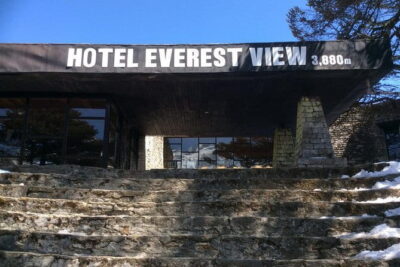
Everest Base Camp Helicopter Tour landing at Everest View Hotel
Read our review →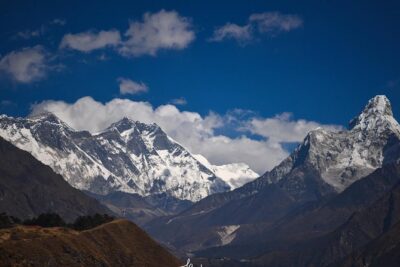
Everest Base Camp Helicopter Tour landing at Hotel Everest View
Read our review →
Browse the lists this tour appears in