
Reviewed · EVEREST BASE CAMP TREKS
14-Days Private Everest Base Camp Trek Activity
There are very few hikes that feel this close to Everest. This private 14-day Everest Base Camp trek is built around classic mountain days, steady acclimatization, and big view moments, from Namche Bazaar to Gorakshep and the sunrise viewpoint at Kala Patthar. I like that it also includes real life details like permits, day-by-day altitude pacing, and a plan that gets you back to Kathmandu without stress.
What I like most is the way the itinerary protects your body. You get multiple acclimatization stops in Namche, Khumjung, and Dingboche, plus a recovery-style day as you move toward Lobuche and Gorakshep. I also like the people angle, since guides like Dipak and Bishal show up in the operator’s story as helpful, organized, and practical on the trail.
One thing to consider up front is that this is serious altitude hiking. The plan is suitable for moderate physical fitness, but you are still walking high and slow, and the schedule includes long days with steep descents too.
In This Review
- Key things to know before you go
- Kathmandu first, trek brain second (Day 1)
- Lukla to Phakding: start easy, start high (Day 2)
- Namche Bazaar: permits, suspension bridges, and acclimatization (Days 3 and 4)
- Tengboche and Dingboche: Ama Dablam vibes and slower days (Days 5 to 7)
- Lobuche: a valley of big views and careful steps (Day 8)
- Everest Base Camp and Gorakshep: the day you remember forever (Day 9)
- Kala Patthar sunrise and the return to Pheriche (Day 10)
- Back down toward Namche: a long descent day (Day 11)
- Lukla and the celebratory end of the trek (Day 12)
- Fly back to Kathmandu, then breathe (Days 13 and 14)
- Price and value: what $1,600 buys you here
- Guides, organization, and why it shows up on the trail
- Who this trek suits best
- Should you book this Everest Base Camp trek?
- FAQ
- How long is the trek?
- Is this a private tour?
- What does the price include?
- Are pickup and tickets included?
- What is not included?
- What about permits?
- What if weather is bad or the trek can’t operate?
Key things to know before you go
- Private group pacing: Only your group participates, so your guide can adjust the rhythm to your questions and comfort.
- Altitude planning is the core: Rest and adjustment days in Namche and Dingboche are part of the strategy, not an extra.
- Kala Patthar sunrise: A very early push for big, wide views of Everest and the surrounding peaks.
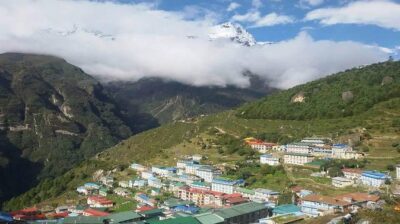
- You pass through Sherpa culture hubs: Namche Bazaar and Khumjung are market and trading towns tied to the Khumbu region.
- Meals are included daily: Breakfast, lunch, and dinner are covered across the trek.
- Lukla is the hinge point: Your route relies on flying in and out via the Lukla airstrip.
Kathmandu first, trek brain second (Day 1)
Your trek starts in Kathmandu with a welcome and a transfer to your hotel. You’ll get help from a representative after you land at Tribhuvan International Airport, then you’ll likely meet your guide and get a clear run-through of what’s next.
Why this matters: Kathmandu is where you set your gear, plan your layers, and get your energy in order. Thamel is a practical choice for gear shopping and getting your bearings, especially if you want to grab last-minute trekking items before you leave town.
This day is also about logistics. You’re told the hotel category can match a three-star or five-star setup depending on the package you choose, so ask what you are getting when you confirm.
More Treks in Kathmandu
- Everest Base Camp Trek – 14 Days
★ 5.0 · 1,499 reviews - Everest Base Camp Trek
★ 5.0 · 842 reviews - Everest Base Camp Trekking
★ 5.0 · 485 reviews
Lukla to Phakding: start easy, start high (Day 2)
After landing at Lukla, the day begins with breakfast at the tea house and then a trek into the Everest region toward Phakding. The walk follows rocky trails and classic markers like Mani walls and chortens, and you’ll pass Sherpa-area features as you settle into the rhythm.
Phakding is at a lower altitude than Lukla, so the day is designed to feel manageable after the flight day. That’s useful, because on a trek like this the first real goal is to keep your legs loose, not to prove something.
Practical note: this is a long day on your feet even when the trail feels easier. Take breaks early, not late, especially if you feel the altitude after the Lukla flight.
Namche Bazaar: permits, suspension bridges, and acclimatization (Days 3 and 4)
Day 3 moves you from Monjo area toward Namche Bazaar and includes the paperwork stop for the Sagarmatha National Park permit. You’ll walk along the Dudh Koshi River bank, cross suspension bridges, and pass through alpine and juniper forest before reaching the big hub of Namche Bazaar.
Day 4 is a dedicated acclimatization day. You stay at Namche and head toward places like Khumjung, which is known as a high-altitude trading hub linking local communities. The plan here is not about speed. It’s about giving your body time to adjust while you enjoy the mountain views and settle into higher altitude life.
This two-day combination is one of the best values in an Everest trek itinerary. Namche gives you a real town experience at altitude, with restaurants, cafes, ATMs, and internet access, so you’re not stuck in a tent bubble. It also helps you learn your pacing before the bigger days.
Tengboche and Dingboche: Ama Dablam vibes and slower days (Days 5 to 7)
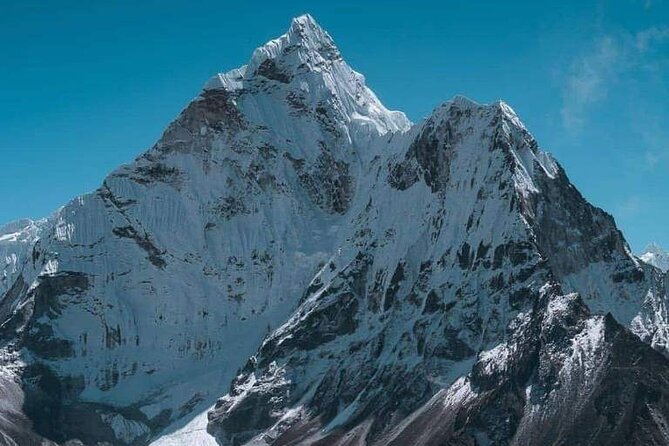
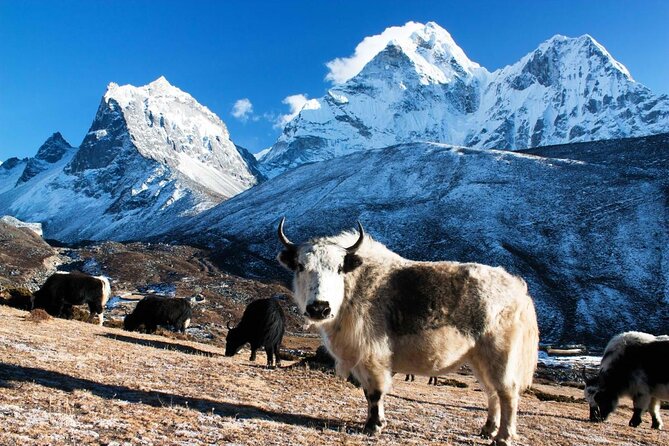
On Day 5, you climb rocky and dusty trails toward Tengboche. Along the way, you get close views of Ama Dablam and other Everest-region peaks, but you also deal with real footing: small pebbles, zigzags, and shared paths with local yaks.
A very practical tip from the route descriptions: when you let yaks pass, stay to the side and keep out of their way. That’s not just etiquette. It reduces your chance of awkward slips on uneven trail.
Day 6 brings you to Dingboche. The trek continues through dry vegetation and crosses suspension bridges again, then you reach the Sherpa settlement of Dingboche. You’re still building altitude gradually, and the day helps you transition from the Tengboche area into the higher valleys ahead.
Day 7 repeats Dingboche as another acclimatization day. You’ll go up toward a viewpoint area for a few hours, with chances to see peaks like Tawache, Thamserku, Lobuche west, and a mirror-like view of Ama Dablam when conditions line up. This is exactly the kind of day that makes the next passes and passes approach feel safer.
More Everest Base Camp treks:
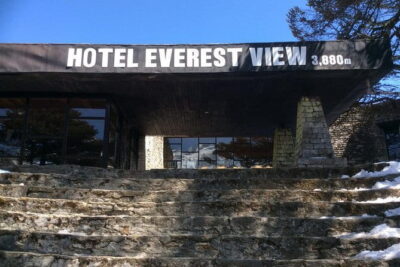
- Everest Base Camp Helicopter Tour landing at Everest View Hotel
★ 5.0 · 668 reviews - Everest Base Camp Trekking – 13 Day
★ 5.0 · 365 reviews - Everest Base Camp Trek
★ 5.0 · 350 reviews - Everest Base Camp Trek -14 Days
★ 5.0 · 321 reviews
Lobuche: a valley of big views and careful steps (Day 8)
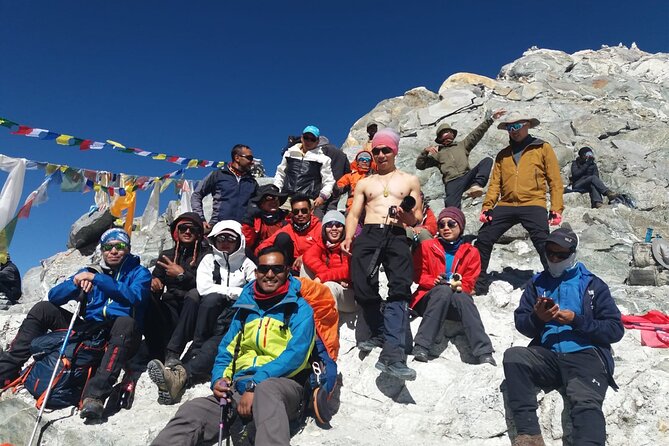
Day 8 goes toward Thukla and then to Thukla Pass before continuing to Lobuche. The key promise here is scenery, including views of Tawache, Choltase, Arakamche, and Lobuche peak, and then the pass area where you can rest and take it all in.
But your other job is foot discipline. The track can be less well managed, and there can be loose stones. The best way to handle it is slow, steady steps, and frequent micro-breaks so you stay calm on terrain that feels “easy” until your ankles start noticing the details.
Everest Base Camp and Gorakshep: the day you remember forever (Day 9)
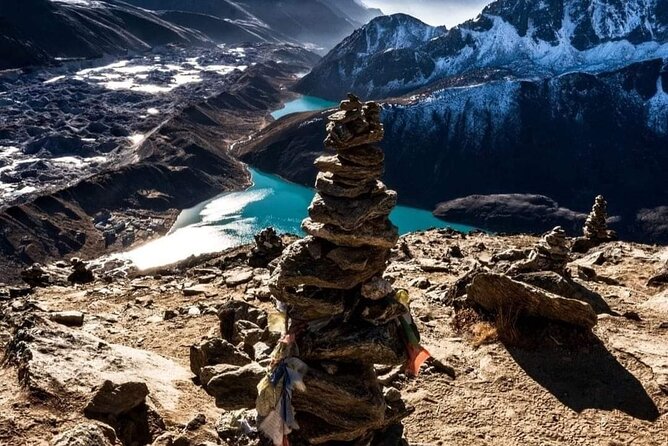
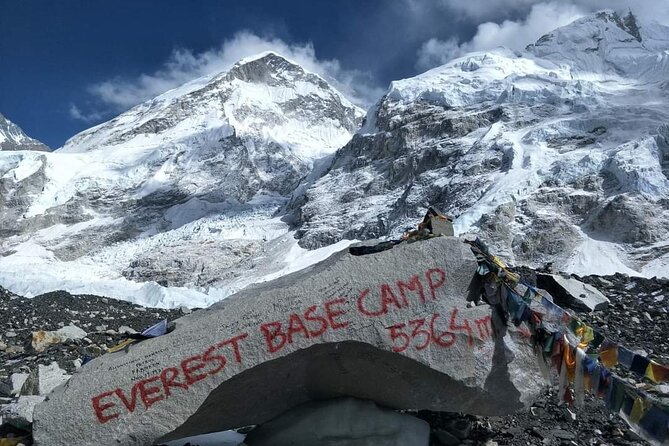
Day 9 is your main Everest Base Camp push. You hike from Gorakshep area toward Everest Base Camp, following a route that runs parallel to the Khumbu Glacier. The experience here is all about scale, with mountains standing around you from multiple directions, not just one big view line.
This is also one of the days where you want to manage expectations. Your base camp visit can feel emotional and intense, so I suggest you plan to move at your own pace and not get swept into rushing. Stop, look, and breathe, because once you move on you do not get this moment back.
You also hike back toward Gorakshep as part of the rhythm of the day. The plan includes a Gorakshep segment connected with the base camp approach, so your energy management matters.
Kala Patthar sunrise and the return to Pheriche (Day 10)
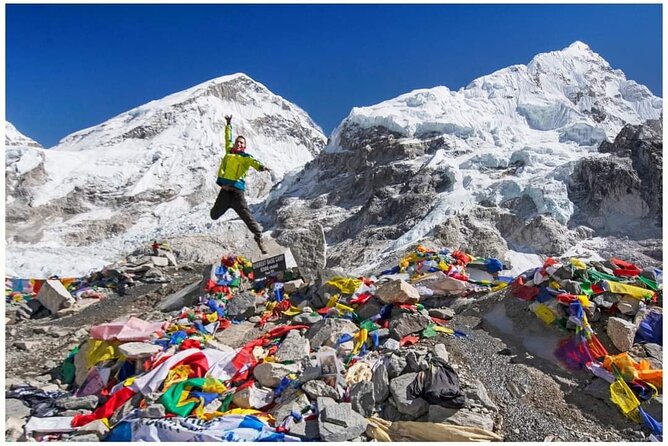
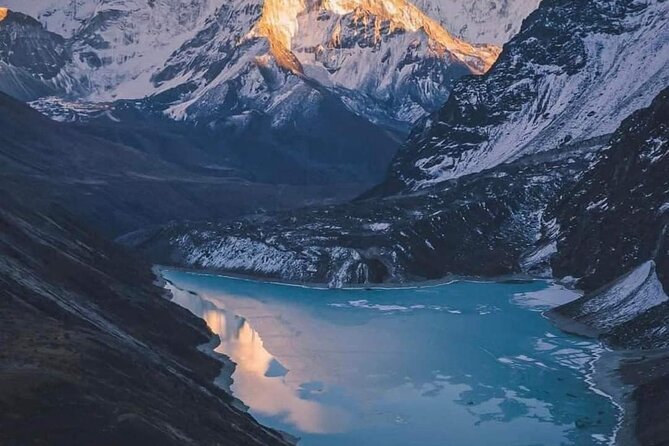
Day 10 starts very early: wake up and hike up to Kala Patthar, a famous vantage point for a 360-degree view of Everest and neighboring peaks. You’re also aiming for sunrise, and the reward is a golden light effect on the mountain faces.
The itinerary then guides you down to Gorakshep and onward toward Pheriche. The mix is important. You get the hard morning, then you move toward a more manageable descent rhythm so your body can recover.
If you want one tip that improves the entire trip: start your morning routine early and keep your layering simple. Early cold plus exertion can be tricky, so having clothing you can adjust quickly helps a lot.
Back down toward Namche: a long descent day (Day 11)
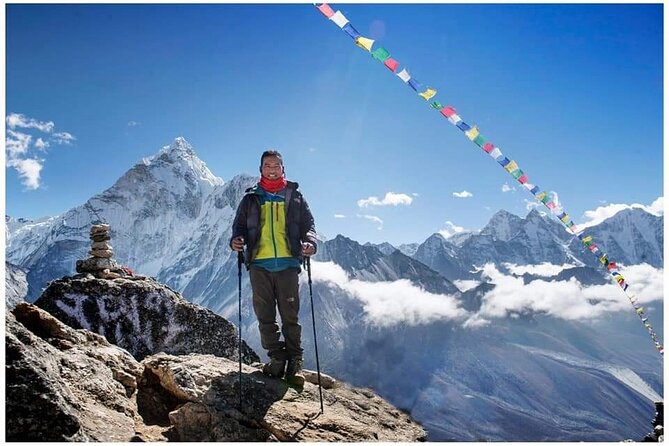
Day 11 is a return day that includes descent toward Namche Bazaar. You’ll head down all the way to Phungi Tenga for lower elevation, and the plan notes that this is tough as a downhill day and can affect joints.
This is where trekking poles can earn their keep, if you use them. Keep your stride short, avoid locking your knees, and take extra breaks to keep your quads from turning into jelly.
The good part is that you’re moving through familiar Everest region scenery. Even though it’s long, the path is described as easier and less tricky than some earlier sections, so it’s often a “mindful trek” day where you enjoy what you’ve already learned about pacing.
Lukla and the celebratory end of the trek (Day 12)
Day 12 takes you down to Lukla after breakfast in Namche Bazaar. Expect steep downhill hiking with rocky trails and loose stones that can disrupt your footing, so take this seriously even if you feel strong.
One reason this day works emotionally is that it’s also a wrap-up moment. The plan describes a celebration vibe after a successful trek, with cake and a good mood for guides and porters. It’s a nice reminder that reaching Everest Base Camp is not just about distance. It’s about teamwork and stamina.
Fly back to Kathmandu, then breathe (Days 13 and 14)
Day 13 includes a morning flight from Lukla airstrip back to Kathmandu. You’ll see changing terrain from the airplane window, then you return to your hotel and relax after the trek.
Day 14 is a final airport transfer and flight out, depending on your schedule. This final day is simple by design: after high-altitude trekking, you do not need more movement, you need real rest.
Price and value: what $1,600 buys you here
At $1,600 per person for a private 14-day trek, the value comes from the structure and what’s included. You’re paying for a plan that focuses on acclimatization, supports multi-day hiking logistics, and includes breakfast, lunch, and dinner across the trek.
It’s not just meals. The itinerary also includes key trail navigation points like the permit stops in the Everest region and the paced route between major hubs. Plus, the private setup means you’re not sharing your pace with strangers, which can matter a lot at altitude when everyone’s body responds differently.
What is not included is travel insurance and other expenses not mentioned in the inclusions. Also, don’t assume the trek will feel “easy” just because it’s private. You still need the right physical readiness, and you should plan for early mornings and long walking days.
Guides, organization, and why it shows up on the trail
If you want to know why this trek format earns high marks, look at the people details. In the operator’s trip experiences, guides like Dipak and Bishal are described as professional, friendly, and resourceful, and they helped make navigation and challenges feel manageable.
I also like that the company communication is described as fast in at least one case, which matters when you’re trying to lock in flights, gear, and timing. A responsive operator helps you avoid last-minute stress, and that makes your first days in Kathmandu and Lukla smoother.
Most importantly, organization shows up in acclimatization. When rest days are planned properly, the trek feels more like a climb with strategy and less like a guessing game.
Who this trek suits best
This is a strong match for people who want Everest Base Camp with a little more comfort and control than a big group trek. You should have moderate physical fitness, and you should be comfortable with long days on your feet and steep descents.
It’s also a good pick if you value culture and real village hubs. Namche Bazaar and Khumjung are not just dots on a map. They’re market towns where you can reset with food and supplies while staying within the altitude plan.
If you want a calmer, more personalized pace, a private group is the right fit. Just remember that the mountains do not negotiate. The altitude and terrain are still the main storyline.
Should you book this Everest Base Camp trek?
I’d book this if you want a well-paced Everest Base Camp route with acclimatization days that help your body adjust, plus daily meals that make logistics simpler. It’s also appealing if you care about having a guide and support team that shows up as genuinely helpful, like Dipak and Bishal in past trek experiences.
I would pause and think carefully if you have joint issues or you know you struggle with steep downhill segments. Day 11 in particular is described as tough on the way down, so prepare your knees and plan your pace.
If you’re ready for altitude hiking and you want a classic Everest path with solid organization, this is a practical way to aim for Everest Base Camp and still enjoy the journey, not just the destination.
FAQ
How long is the trek?
It runs for about 14 days, from Kathmandu to Everest Base Camp and back, with the plan spanning Day 1 through Day 14.
Is this a private tour?
Yes. It’s listed as a private tour or activity, and only your group participates.
What does the price include?
The listed inclusions are 14 breakfasts, 14 lunches, and 14 dinners.
Are pickup and tickets included?
Pickup is offered, and mobile ticket is listed as a feature.
What is not included?
Insurance is not included, and any other expenses not mentioned in the inclusions are excluded.
What about permits?
The route includes permit stops, including the Sagarmatha National Park permit process in the Everest region, and a permit-related stop at Pasang Lhamu Rural Municipality office is mentioned on the way.
What if weather is bad or the trek can’t operate?
The experience requires good weather, and if it’s canceled due to poor weather you’ll be offered a different date or a full refund. It can also be canceled if a minimum number of travelers is not met, with an alternative date or full refund. Cancellation is free if you cancel up to 24 hours in advance for a full refund.
Latest additions near Kathmandu
- White Water River Rafting – 1 Day★ 4.3 · 3 reviews
- Traditional Momo Making Class★ 5.0 · 10 reviews
- Kathmandu to Pokhara Premium sofa bus ticket★ 4.0 · 17 reviews
- Ghorepani Poon Hill Trek★ 5.0 · 16 reviews
- Amazing 1 Day Trekking Experience in Kathmandu Nepal★ 5.0 · 24 reviews
- Ghorepani Poonhill Trek★ 5.0 · 5 reviews
- Walking tour of real Kathmandu through back streets.★ 5.0 · 3 reviews
- Wildlife Adventure in Chitwan Nepal★ 4.0 · 4 reviews
Everest Base Camp Treks, compared.
Everest Base Camp Helicopter Tour landing at Everest View Hotel
Read our review →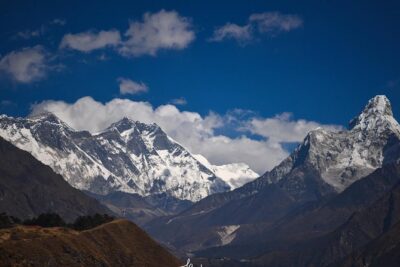
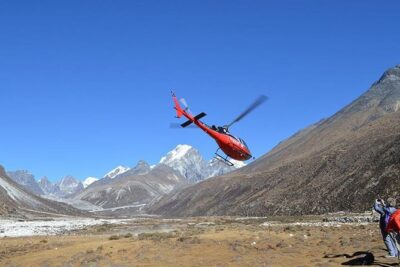
Everest Base Camp Helicopter Tour landing at Hotel Everest View
Read our review →
Browse the lists this tour appears in