
Reviewed · EVEREST BASE CAMP TREKS
14 Days Everest Base Camp Trekking
Flying into Everest country changes your brain chemistry. This 14-day trek mixes Kathmandu-to-Lukla flights with the classic Everest Base Camp route, plus Sherpa villages and Sagarmatha National Park stops that make the whole trip feel purposeful from day one.
I love how this itinerary builds acclimatization into the rhythm instead of just pushing higher every single day. I also like that you travel with a real team, including a professional English-speaking guide and an essential porter set up (2 trekkers to 1 porter), so you can focus on walking and breathing.
The main consideration is simple: this trek assumes a strong physical fitness level and includes multiple long hiking days. If you do not bounce back well after hard effort, this one can feel heavy, even with rest and altitude breaks.
In This Review
- Key highlights you will feel on this Everest Base Camp trek
- Kathmandu to Lukla: the start that feels like a movie
- Phakding to Namche: acclimatization that is built into the walking
- Namche to Tyangboche: the Everest view corridor starts to open up
- Dingboche rest and Tshola Tsho: the calm day that makes the harder days possible
- Lobuche, Gorakshep, and Everest Base Camp: glacier hiking without the fluff
- Kala Pathar and the downhill return: your big view payoff
- Back through Tengboche and down to Lukla: forests, villages, and a real finish line
- Lukla to Kathmandu: how to plan your last Kathmandu hours
- Price and value: what $1,420 covers, and what you still must budget
- What the package includes (the big-ticket items)
- What costs extra
- Guides and porters: why names keep showing up in the feedback
- Lodges, meals, and comfort at altitude (including the hot shower reality)
- Who should do this trek, and who should think twice
- Should you book this Everest Base Camp trek?
- FAQ
- What is the meeting point and start time?
- What is included in the trek package price?
- What costs are not included?
- Do I need a visa for Nepal?
- How fit do I need to be?
- Is this tour private?
- Can I cancel for a full refund?
Key highlights you will feel on this Everest Base Camp trek
- Lukla start at 2,850m with a dramatic runway landing that sets the tone fast
- Rest day in Namche so your body can adjust before higher trails
- Tyangboche and Dingboche views toward Everest, Lhotse, Nuptse, Ama Dablam, and more
- Tshola Tsho acclimatization hike gives you a high-altitude taste without going all the way to Base Camp
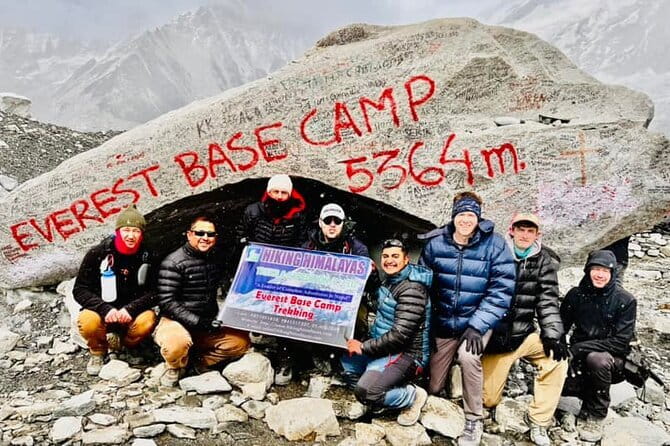
- Everest Base Camp visit plus ice-and-glacier terrain via Gorakshep and the Khumbu Glacier route
- Kala Pathar viewpoint day early morning for the classic big-picture Everest views
Kathmandu to Lukla: the start that feels like a movie
Day one is about transition, not training. You begin with a panoramic flight experience into Kathmandu on a clear day, then the trek itself kicks off with the morning start you are given at Tribhuvan Airport. The meeting point is Tribhuvan Airport in Kathmandu, 6:15 am, so you will want your gear organized the night before.
On day two, you fly to Lukla. The landing is on a steep mountain runway, and you start at Lukla village at 2,850m. After meeting your crew, you hike into the Dudh Koshi Valley on a well-marked trail and sleep in Phakding.
Why I think this first stretch matters: it gives you motion plus gentle altitude progression. Phakding sits at 2,656m, so you are not jumping to the hard heights immediately. It also helps you get used to the lodge routine and the pace your guide wants.
Also, this is a private tour. That means you and your group follow your team’s timing, not a mixed crowd schedule. If you like consistency, that is a plus.
More Treks in Kathmandu
- Everest Base Camp Trek – 14 Days
★ 5.0 · 1,499 reviews - Everest Base Camp Trek
★ 5.0 · 842 reviews - Everest Base Camp Trekking
★ 5.0 · 485 reviews
Phakding to Namche: acclimatization that is built into the walking
From Phakding to Namche, the trail keeps you busy without being random. You cross and re-cross the river on high-suspension bridges, which sounds simple until you feel the height. Past Monjo, the route enters Sagarmatha National Park, a protected area set up to preserve the fragile mountain environment.
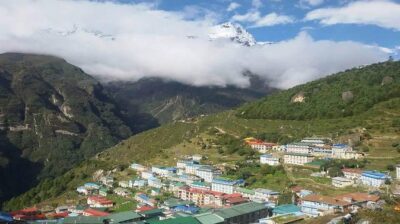
When you reach Namche, you are at the acclimatization hub of this whole trek. Namche is tucked between ridges, with lodges, tea shops, and souvenir shops. On day four, you rest in Namche specifically to acclimatize, instead of doing another full slog.
Then you add a view-focused day: you head to Everest View Point while the schedule supports rest. Even when clouds roll in, the point is practice, not perfection. You get a chance to figure out how your body responds at higher altitude before you go deeper into the Khumbu.
My practical takeaway for you: take these days seriously. If you treat them like travel days, you will pay later. Use the time to hydrate, eat regularly, and keep a calm walking pace the next morning.
Namche to Tyangboche: the Everest view corridor starts to open up
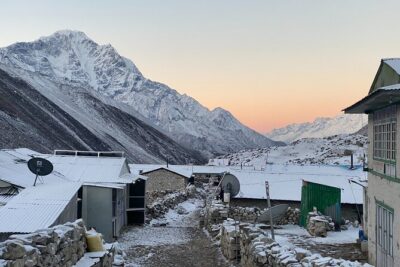
After the Namche acclimatization, the trail contours along the valley high above the Dudh Kosi. On day five, you start passing Sherpa villages and you finally get your first really good views of the big peaks, including Mt Everest, Lhotse, Nuptse, and Ama Dablam.
The day ends at Tyangboche, which is known for dramatic mountain sightlines and religious sites nearby. In practical terms, this matters because it changes the feel of your hiking. You are no longer just climbing, you are anticipating.
Then day six changes the tone again. You head toward Dingboche with a mix of descent and steady climb. The itinerary includes crossing the Imja Khola and climbing up to Pangboche (3,985m) along the way, with exceptional views of Ama Dablam, plus a gompa and Mani walls.
A small but real benefit: religious sites and villages are built into the route, so you are not wandering through pure scenery. You experience how Sherpa life is woven into the mountain geography.
Dingboche rest and Tshola Tsho: the calm day that makes the harder days possible
Day seven is a dedicated acclimatization day in Dingboche. This is where the itinerary does you a favor. You still move, but you do it with choice, not pressure.
You can wander up the valley to Tshola Tsho (4510m), a high-altitude lake that helps you understand what “alpine” feels like up here. The day also includes the option to see the perpendicular walls of Cholatse (6,440m) and Taboche (6,495m). If conditions allow, you can climb up to Nagarjun (around 5,100m).
Why this day is valuable: acclimatization is not only about altitude. It is also about how your lungs feel, how your sleep works, and whether you can keep eating. A guided rest day gives you a structured way to test your body without turning it into a full endurance event.
If you are the type who wants to “win” every day, try to resist that instinct here. This is the day that helps you enjoy day eight and day nine.
More Everest Base Camp treks:
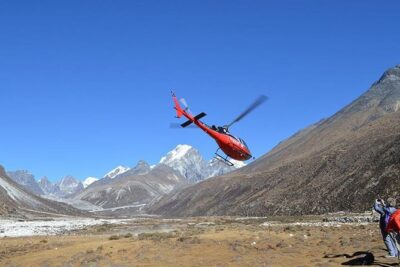
- Everest Base Camp Helicopter Tour landing at Everest View Hotel
★ 5.0 · 668 reviews - Everest Base Camp Trekking – 13 Day
★ 5.0 · 365 reviews - Everest Base Camp Trek
★ 5.0 · 350 reviews - Everest Base Camp Trek -14 Days
★ 5.0 · 321 reviews
Lobuche, Gorakshep, and Everest Base Camp: glacier hiking without the fluff
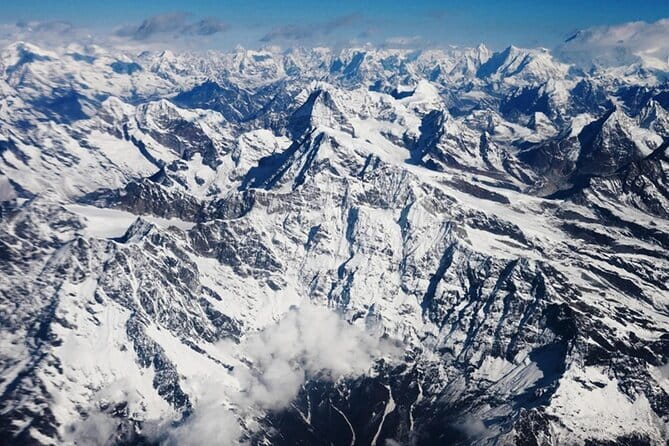
Day eight climbs higher to Lobuche. The route continues up the wide valley beneath Cholatse and Tawache, then turns right and becomes steeper toward the foot of the Khumbu Glacier. The tea house at Duglha (4620m) is a practical lunch stop.
Then day nine is the classic two-part day: Gorakshep first, then Everest Base Camp later. You hike to Gorakshep at 5,164m, following the Khumbu Glacier route. The trail offers superb views, including sections where the path is forced to rise to cross a tributary glacier. It is not just pretty, it is physical.
After lunch time, you go to Everest Base Camp (5,364m). The itinerary calls for about five hours, weaving past ice pinnacles and near crevasses. In the late afternoon, you also return toward Gorakshep, and the route can include a higher line for better views.
This is where your mental preparation matters. You will feel the altitude. You will also feel how close you are to something huge, even though Base Camp itself is not a summit. It is a moment, and it is worth moving through calmly.
Pro tip: bring a strategy for cold. Your hands and ears are the first things to complain. When you are stopping often for photos and views, warm layers matter.
Kala Pathar and the downhill return: your big view payoff
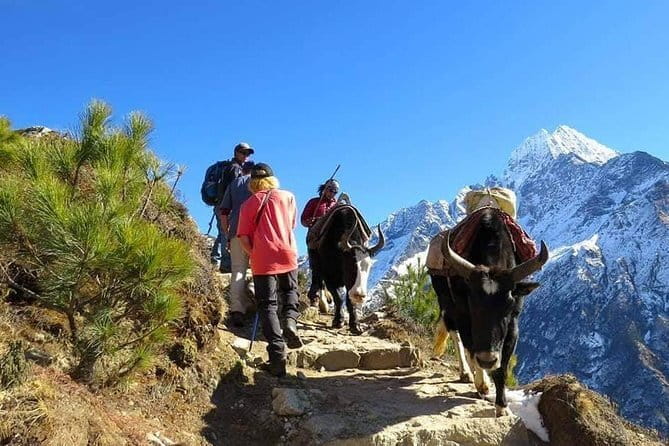
Day ten starts early with a hike to Kala Pathar (5,565m). This is one of the finest viewpoints for Everest in the itinerary, with views that can include Nuptse, Amadamlam, Pumari, Lola, Lhumbute, and more.
Even if you have seen Everest in pictures, Kala Pathar is about scale. You get a sense of how all those peaks stack together, and you understand why this region is so iconic.
After that, the day becomes mostly downhill. The itinerary notes you retrace steps toward Duglha and then descend to Pheriche. This is the day you will feel in your knees, not your lungs. Good trekking poles help if you use them.
Downhill can feel relaxing compared to climbing, but it is still effort. Walk like you are trying not to skid. Your joints will thank you later.
Back through Tengboche and down to Lukla: forests, villages, and a real finish line
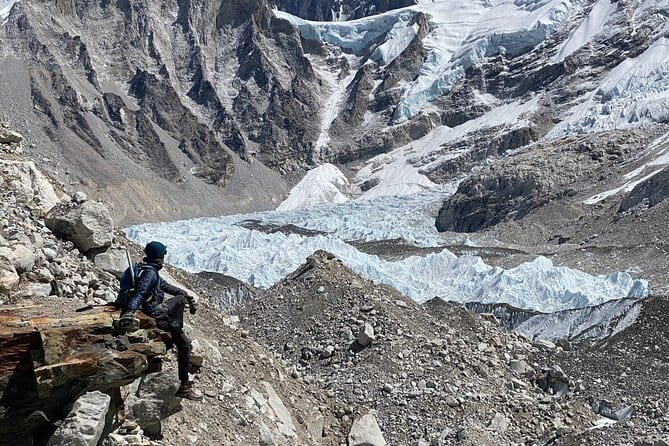
Day eleven follows the river and then climbs back up through birch and rhododendron forest toward Tengboche (3,860m). You get more Himalayan views in this section, including Kwangde, Tawache, Everest, Nuptse, Lhotse, Ama Dablam, Kantega, and Thamserku.
Tengboche is a great marker day because it reminds you that this is not only a high-altitude walk. It is also culture, community, and daily life in the Khumbu.
Day twelve is your final trekking day. You descend along the Dudh Kosi down to Lukla (around 2,800m). The itinerary calls it a celebration evening, with a party and your Sherpa guide.
This is where you will feel the full arc of the trip. That last descent can be emotional, partly because you have been watching the same mountains change position relative to your route for days.
Lukla to Kathmandu: how to plan your last Kathmandu hours
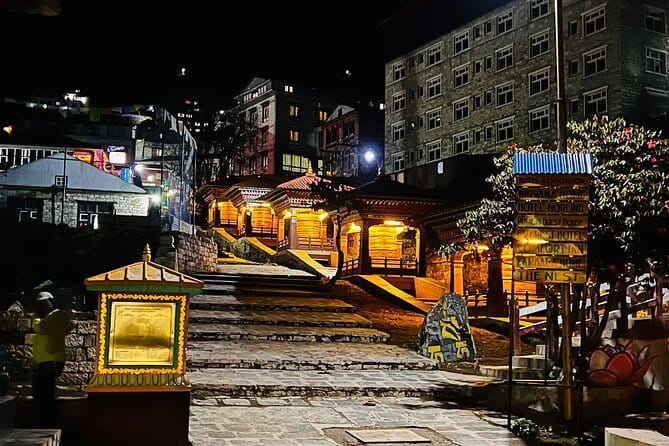
On day thirteen, you fly back to Kathmandu. Your schedule packs you up early, then you head to the airstrip. Once you land in Kathmandu, the rest of the day is free for you to manage.
Day fourteen is the final airport transfer for your flight home, handled by the Nepalese support team. Your trek-to-home handoff is not complicated, which is exactly what you want after 14 days of high effort.
For planning your own time: keep one flexible block in Kathmandu. You may want to do last-minute shopping, writing postcards, or simply decompress. The trip gives you the structure, but it also respects that you might need downtime.
Price and value: what $1,420 covers, and what you still must budget
This trek costs $1,420. For many travelers, the value is not only the trek itself. It is the package support: private transport, lodge-to-lodge accommodation during the trek, meals, permits, flights, and a guide team.
What the package includes (the big-ticket items)
- Round trip flights Kathmandu to Lukla and back, including departure taxes
- Private vehicle transfers from your Kathmandu hotel to the domestic airport, and back
- Best available twin sharing lodge to lodge during the trek
- One professional English-speaking guide (with their food, accommodation, insurance included)
- An essential porter, using a 2 trekkers to 1 porter ratio
- All trekking permits plus government taxes and office service charge
- Trek meals: breakfast and dinners plus 11 lunches listed in the plan
- Trekking map and an achievement certificate
- Seasonal fruits during the trek
- First aid medical kit
What costs extra
- Kathmandu food and accommodation: listed as $45 per day
- Travel insurance
- International airfares to Nepal
- Nepal entry visa: USD 40 for 30 days, obtainable on arrival
- Drinks and snacks during the trek
- Hot shower during the trek: USD 5 per person
- Personal trekking equipment
- Tips and gratuities for staff and drivers
My advice on value: if your alternative is booking flights, guides, permits, and porter arrangements separately, this package is likely easier and often cheaper. You are paying for coordination. The only real “gotcha” is that Kathmandu costs extra, so you should not assume your budget ends when the trek ends.
Guides and porters: why names keep showing up in the feedback
The strongest praise in the shared experiences centers on guide quality and calm support. You can see multiple guide names called out, including Hari and Kapil, plus Namo in one shared account.
There is also a porter mention with Ram and Mongol described as excellent. That lines up with a key practical truth about EBC treks: you notice the people who keep the logistics working and help you maintain morale when the air feels thin.
What you should take from this, even if you get a different guide: this itinerary is set up around a guide and porter system. Ask questions early, follow the guide’s pace suggestions, and make sure your porter loading plan is realistic for your body and the trail conditions.
If you are trekking with kids or a mixed-experience group, a supportive guide can make the difference between fear and focus. The trip also being private helps, since your team can adjust your rhythm.
Lodges, meals, and comfort at altitude (including the hot shower reality)
During the trek, you stay in “best available” twin sharing lodges. You should expect basic comfort, not hotel polish. Still, the itinerary includes enough structure to keep you fed: breakfast and dinner plus lunches during the hiking days.
The plan also includes seasonal fruits during the trek. That matters more than it sounds. When you are hiking at altitude, variety helps you keep appetite steady.
Hot showers cost extra at USD 5 per person, so plan your comfort expectations accordingly. If a shower is important to your morale, treat it as a planned expense, not an automatic feature.
A smart packing mindset: focus on layers you can adjust in and out of cloud or wind. Tea house warmth can help, but nights at higher elevations are cold.
Who should do this trek, and who should think twice
This is a trekking itinerary for people with strong physical fitness. The daily hiking blocks are often around 10 hours, with a rest and acclimatization day in the middle. You should expect long days, plus the altitude side of the challenge even if you feel fit on paper.
This can work well for:
- Fit hikers who like a structured route with clear acclimatization
- Couples or friends who want a private group experience
- People who want Everest Base Camp as a goal without improvising logistics
It might not fit if:
- You dislike altitude, long days, or the idea of walking downhill with tired legs
- You need a fully comfort-first itinerary, since lodge quality will vary and hot showers cost extra
Your best decision tool is honesty about effort. If you can commit to a steady pace and you recover well, this route is a great test. If not, consider a shorter or less demanding trek first.
Should you book this Everest Base Camp trek?
I would book this if you want a classic Everest Base Camp experience with strong support and clear pacing. The included Lukla flights, lodge-to-lodge structure, permits, guide, and porter plan are the core reasons it feels manageable.
Before you commit, check your budget for the parts not included, especially Kathmandu lodging and meals and any trekking comfort add-ons like hot showers. Then be honest about fitness. This trek rewards steady effort, not panic speed.
If you want the Everest Base Camp journey done with organization and a real human team, this is a strong choice.
FAQ
What is the meeting point and start time?
The meeting point is Tribhuvan Airport in Kathmandu, and the start time is 6:15 am.
What is included in the trek package price?
The package includes round trip flights Kathmandu to Lukla and back, private vehicle transfers in Kathmandu, lodge-to-lodge accommodation during the trek, a professional English-speaking guide, a porter (2 trekkers to 1 porter), permits, trekking map, an achievement certificate, first aid kit, and specified breakfast, lunch, and dinner meals.
What costs are not included?
Not included are Kathmandu food and accommodation at $45 per day, travel insurance, international airfares, the Nepal entry visa (USD 40 for 30 days on arrival), drinks and personal expenses, hot showers during the trek ($5 per person), personal trekking equipment, and tips.
Do I need a visa for Nepal?
Yes. The tour data states that the Nepal entry visa can be obtained at the airport upon arrival for USD 40 for 30 days.
How fit do I need to be?
The info says travelers should have a strong physical fitness level. The itinerary includes multiple long hiking days, so you should be ready for sustained walking at altitude.
Is this tour private?
Yes. It is listed as a private tour/activity, meaning only your group participates.
Can I cancel for a full refund?
Yes. Cancellation is free up to 24 hours in advance for a full refund, but refunds are not provided if you cancel less than 24 hours before the experience start time.
Latest additions near Kathmandu
- White Water River Rafting – 1 Day★ 4.3 · 3 reviews
- Traditional Momo Making Class★ 5.0 · 10 reviews
- Kathmandu to Pokhara Premium sofa bus ticket★ 4.0 · 17 reviews
- Ghorepani Poon Hill Trek★ 5.0 · 16 reviews
- Amazing 1 Day Trekking Experience in Kathmandu Nepal★ 5.0 · 24 reviews
- Ghorepani Poonhill Trek★ 5.0 · 5 reviews
- Walking tour of real Kathmandu through back streets.★ 5.0 · 3 reviews
- Wildlife Adventure in Chitwan Nepal★ 4.0 · 4 reviews
Everest Base Camp Treks, compared.
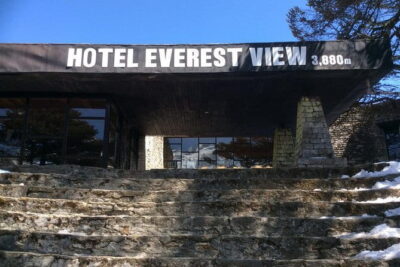
Everest Base Camp Helicopter Tour landing at Everest View Hotel
Read our review →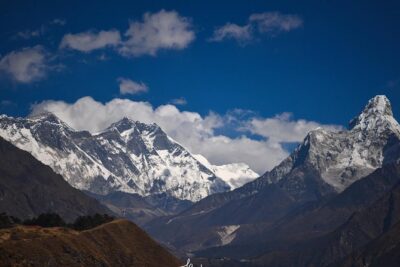
Everest Base Camp Helicopter Tour landing at Hotel Everest View
Read our review →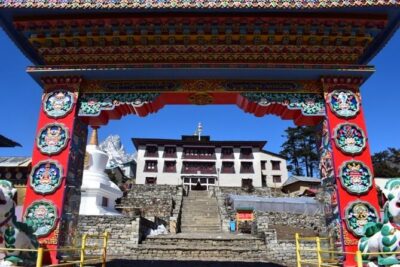
Browse the lists this tour appears in