
Reviewed · EVEREST BASE CAMP TREKS
14 Days Everest Base Camp Trek
Everest starts with a short, bumpy flight. This 14-day Everest Base Camp trek is built around classic Khumbu villages, Buddhist sights, and that steady climb toward the ice. I like the way the route mixes big views with real acclimatization time, and I also appreciate the all-inclusive trekking structure that keeps logistics simple. One drawback to consider is that the trek includes a lot of high-altitude effort, so you’ll want solid fitness before you point your body toward 5,000 m plus.
What I really liked is how much support you get day to day. You travel with an English-speaking local guide, a personal porter (carrying up to 15 kg), and a safety package that includes oxygen, emergency medicine, and a first-aid kit. In addition, the teahouse-style journey means you’re not stuck planning every meal stop from scratch.
The main consideration is pacing and altitude risk. There’s a rest day in Namche and a slow acclimatization rhythm, but you still should expect physically demanding hiking and cold nights, especially once you’re near Kala Pattar and Everest Base Camp.
In This Review
- Key Points That Matter Most for Your Everest Base Camp Trek
- Why This Everest Base Camp Route Works for Most Trekkers
- Getting From Kathmandu to Lukla: The Start of Your Mountain Story
- The Namche Bazaar Acclimatization You Actually Need
- Tengboche to Dingboche: Monastery Views and the Climb to “Summer Valley”
- Lobuche and Gorak Shep: When the Khumbu Glacier Comes Into Focus
- Kala Pattar Day: Big-View Payoff With a Smart Descent
- Lukla to Kathmandu: Finishing the Trek and Keeping Your Trip Flexible
- What’s Included in This $1,499 Package (and What You Pay for Separately)
- Gear, Food, and Pace: Staying Comfortable at Altitude
- The Guide Factor: Why Bishal and Abhishek Matter for Your Experience
- Who This Trek Fits Best (and Who Should Rethink)
- Should You Book This Everest Base Camp Trek?
- FAQ
- What is the tour price and how long is the trek?
- Where do I start and where does it end?
- Are airport and hotel transfers included?
- Do I need to arrange flights to Lukla?
- What kind of guide and porter support do you provide?
- Where will I sleep during the trek?
- Are meals included?
- What safety items are included for altitude?
- Is the Nepal visa included?
- What is not included besides the visa?
Key Points That Matter Most for Your Everest Base Camp Trek
- Lukla flights plus a guided, step-by-step trekking plan make the start feel manageable
- Namche Bazaar rest and acclimatization is built into the schedule, not tacked on
- Safety gear is included (oxygen cylinder, emergency medicine, first-aid kit)
- Porter help for up to 15 kg keeps your daypack reasonable
- Most meals are included (breakfast 14, lunch 12, dinner 12), so you budget less day to day
- Sherpa culture stops like the Sherpa Culture Museum and Tengboche Gompa add meaning beyond photos
Why This Everest Base Camp Route Works for Most Trekkers
This trek targets Everest Base Camp the standard, non-technical way, so your main job is hiking smart and staying healthy. You’ll pass through Sherpa communities, see Buddhist prayer stones and flag lines, and spend nights in teahouses that keep you moving without constant hotel hunting.
I also like the “community rhythm” of the trek. Days are structured around getting to the next village, settling in, and adjusting to altitude, not just pushing as far as possible every day. If you’re the type who wants the iconic points plus the human side of the Khumbu, this route fits well.
More Treks in Kathmandu
- Everest Base Camp Trek – 14 Days
★ 5.0 · 1,499 reviews - Everest Base Camp Trek
★ 5.0 · 842 reviews - Everest Base Camp Trekking
★ 5.0 · 485 reviews
Getting From Kathmandu to Lukla: The Start of Your Mountain Story
Day 1 is all about easing in. You land at Tribhuvan International Airport, get met by your representative, and transfer to a Kathmandu hotel for a triple or double-sharing room.
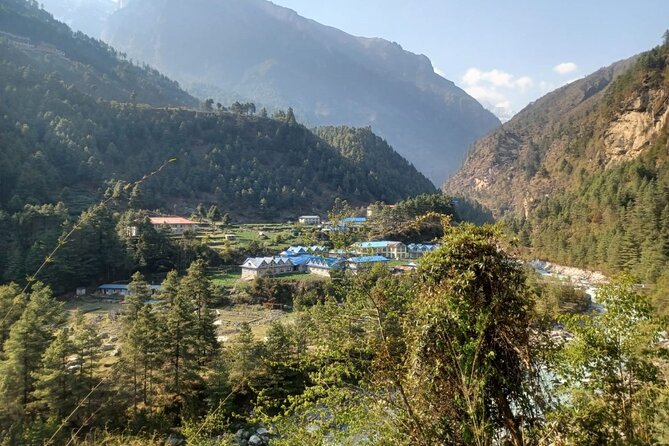
Then comes the famous pivot on Day 2: the flight to Lukla. It’s described as a mountain flight, and in real life that usually means short, dramatic legs where you sit tight and take in the scenery whenever the clouds cooperate. After Lukla, you trek toward Cheplung village and then continue to Phakding for an overnight teahouse stay, with views including Mt. Khumbila and the broader Khumbu area.
Practical note for you: the Lukla portion is weather-sensitive in the real world. The good news is the operator’s plan acknowledges that with a weather-based cancellation option, so you’re not left guessing.
The Namche Bazaar Acclimatization You Actually Need
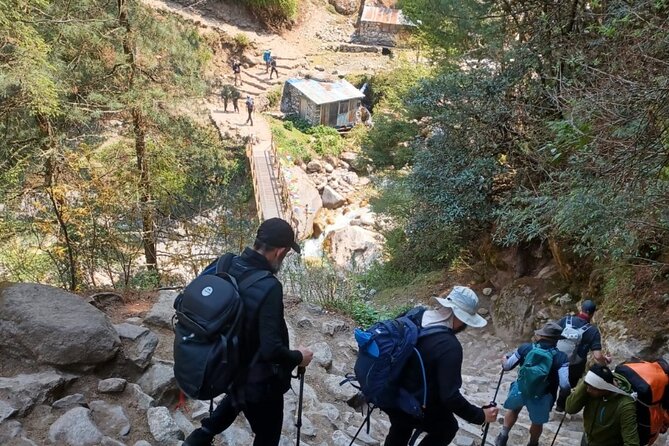
Days 3 and 4 focus on getting higher without getting wrecked. On Day 3, you trek through the Sagarmatha National Park area, passing mani stone walls with prayers, pine and cedar forests, and suspension bridges that create that classic Khumbu rhythm. You’ll climb up toward Namche Bazaar, the Sherpa hub and former trading rendezvous point for Nepali and Tibetan merchants.
On Day 4, you rest on purpose. You’ll still do sightseeing, including a short trip toward Syanboche Airport at around 3,700 m, plus time with the Sherpa Culture Museum and an Everest Photo Gallery. That combination matters: it breaks up the day so you’re not just lying in a room, but it still gives your body time to adjust.
This rest day is one of the smarter parts of the plan. Altitude problems often come from rushing, not from being unlucky. A built-in pause gives you a better chance to feel steadier before the higher sections.
Tengboche to Dingboche: Monastery Views and the Climb to “Summer Valley”
On Day 5, you head through the Dudh-Koshi Valley area and make your way toward Tengboche Gompa at about 3,860 m. The big draw here is the monastery setting with mountain views around it, including Everest and Ama Dablam in the mix. This is also the kind of stop where you get to see how Buddhism shapes daily life in the region, from the buildings to the prayer atmosphere in the trail area.
Day 6 continues the climb to Dingboche. You trek via Debouche and the Imja Khola, and you pass through Pangboche, another village tied closely to the Khumbu’s spiritual and community life. Dingboche is often described as the “Summer Valley,” and you’ll feel that shift in the way the area opens up at higher altitude. The views around Lhotse, Ama Dablam, and Island Peak also start to get sharper as the air thins.
Then on Day 7, you do an acclimatization hike to Nangkartseng Hill. You’re out long enough to feel productive, but the point is panoramic payoff. The schedule lists wide views of peaks like Lobuche East and West, Kangtega, Taboche Peak, Thamserku, and Ama Dablam, with Makalu possible if the weather behaves. After lunch, you’re set up for a slower recovery with a relaxing sunbath style moment, which sounds simple but helps your body settle after a long climb.
More Everest Base Camp treks:
- Everest Base Camp Helicopter Tour landing at Everest View Hotel
★ 5.0 · 668 reviews - Everest Base Camp Trekking – 13 Day
★ 5.0 · 365 reviews - Everest Base Camp Trek
★ 5.0 · 350 reviews - Everest Base Camp Trek -14 Days
★ 5.0 · 321 reviews
Lobuche and Gorak Shep: When the Khumbu Glacier Comes Into Focus
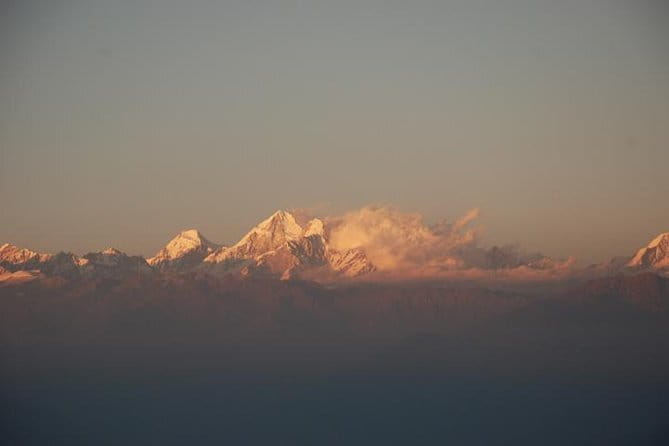
Day 8 takes you to Lobuche, with a trek of about five hours plus village-to-village legs like Thukla. You’ll cross a smaller lunch town, and you’ll head toward the Khumbu Glacier area while picking up colorful prayer flags and chortens along the way. Lobuche puts you closer to the glacier zone, and that’s where the trek’s “serious Everest” feeling starts to show up.
Day 9 is the big day for Everest Base Camp. You’ll hike along the Khumbu Glacier and up to Everest Base Camp at about 5,365 m. This is the closest you can get to Everest without mountaineering equipment, so the day is all about that raw scale and the feeling of being right in the expedition atmosphere.
The plan also includes a return to Gorak Shep for the night. That matters because you’ll need a bed and recovery time, not just a triumphant push and then immediately more altitude stress.
Kala Pattar Day: Big-View Payoff With a Smart Descent
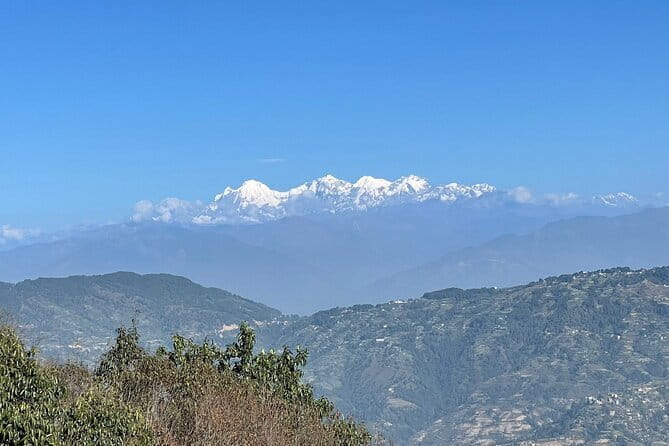
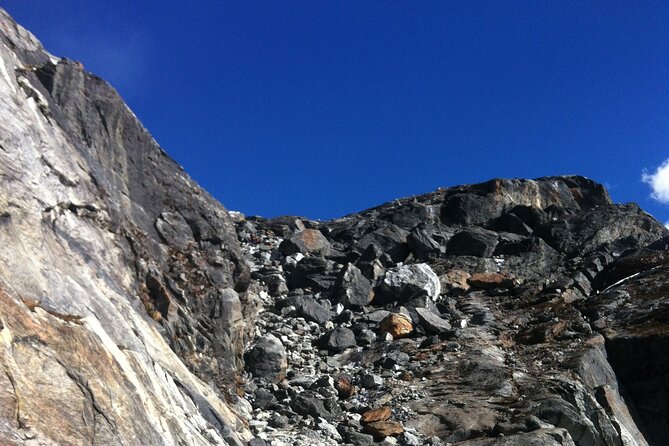
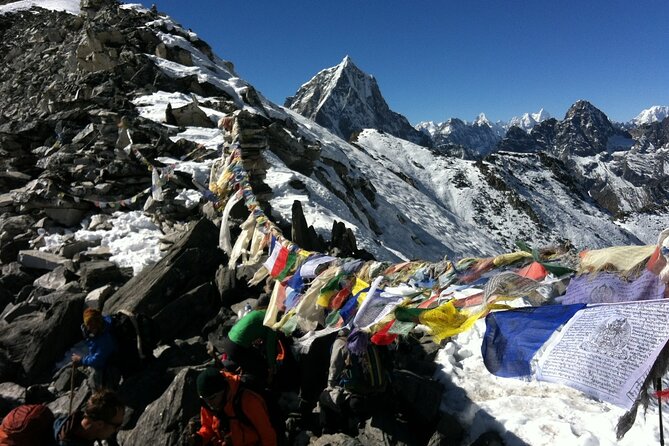
On Day 10 you go up to Kala Patthar, often the best “photo from altitude” option on this route. You’ll get views over Everest plus peaks like Nuptse, Chagatse, Lhotse, and Pumori, depending on visibility. The schedule then brings you back to Gorakshep and down toward Pheriche at around 4,210 m.
That descent is not just scenic. It can be your best chance to help your body recover after the day’s high altitude push. If you’ve felt a little tightness, a careful downhill pace tends to feel better than another climb.
Day 11 keeps the recovery theme going while still moving toward Namche Bazaar. You trek down to Pangboche, then follow via Phungki Thanka along the Imja River, returning through Kyangjuma to Namche Bazaar. You’re trading extreme altitude for a steadier rhythm, which is exactly what you want before the final push to Lukla.
Lukla to Kathmandu: Finishing the Trek and Keeping Your Trip Flexible
Day 12 brings you back toward Lukla. You’ll walk along the steps crossing suspension bridges above the DudhKoshi, and you’ll end the day in Lukla with an overnight teahouse stay. The schedule highlights mind-relaxing views over the plains, rhododendron forests, and snow-covered peaks, which is a nice shift from glacier intensity.
Day 13 is your flight back to Kathmandu. You get a scenic trip of about 35 minutes and then transfer back to your Kathmandu starting hotel. If you want to tack on more Nepal after the trek, there are optional add-ons mentioned like Chitwan jungle safari, river rafting, Kathmandu shopping tour, and mountain biking.
Day 14 closes the loop with drop-off to Tribhuvan International Airport for your departure.
What’s Included in This $1,499 Package (and What You Pay for Separately)
This price point is only a good deal if you’re comparing it to how expensive and time-consuming it would be to arrange everything yourself. Here, the value is in the bundle: transport, key trek logistics, and important safety components.
What you get included:
- Private vehicle transfers in Kathmandu (airport to hotel and back)
- Kathmandu hotel nights on Day 1 and Day 13 (triple or double-sharing)
- Teahouse accommodations during the trek (Day 2 to Day 12)
- Return flights from Kathmandu to Lukla and back
- An English-speaking local guide (and an additional assistant guide for larger groups)
- A personal porter carrying up to 15 kg per person
- TIMS card and trekking permit included
- High-altitude sub-zero sleeping bag (hygienically cleaned)
- Oxygen cylinder, emergency medicine, and a first-aid kit
- Insurance coverage for porters and guides, plus life insurance for them
- Storeroom facility in Kathmandu if you bring extra luggage not needed for trekking
Most meals are included too. The breakdown listed is breakfast 14 times, lunch 12 times, and dinner 12 times. That is a big deal for planning, because the trek itself runs on daily meals and teahouses, and you’ll spend less time making choices.
What’s not included:
- Water or any kind of drinks
- Nepal entry visa (listed at $40 for foreign trekkers)
- Your travel insurance (the tour includes insurance for guides and porters, but not a substitute for your own)
- Medical and evacuation expenses in unforeseen circumstances
- Personal expenses
If you’re the type who hates admin on trips, that included structure is the real win. You’re buying the reduction in decision fatigue: guide and porter logistics, sleeping gear, permits, and safety supplies handled for you.
Gear, Food, and Pace: Staying Comfortable at Altitude
Cold is one of the quiet obstacles on this route, so I like that the package includes a high-altitude sub-zero sleeping bag. Teahouse comfort can vary by location and season, and having your own proper bag tends to keep your nights from turning into a misery contest.
Food is also handled for you with most meals included. I’d still plan to treat it as fuel, not a gourmet trip. The biggest practical move is to eat what’s available, keep it consistent, and avoid going wild with heavy changes right before harder days.
Then there’s pacing and load. With a porter carrying up to 15 kg, you should be able to keep your pack light enough to move steadily up and down. Add in the guided schedule, including the Namche rest day and the acclimatization hike around Dingboche, and you end up with a route that prioritizes staying functional.
Finally, you’ll have safety support on paper with oxygen plus emergency medicine and a first-aid kit. That doesn’t eliminate risk, but it does mean you’re not relying entirely on luck.
The Guide Factor: Why Bishal and Abhishek Matter for Your Experience
A lot of Everest trekking packages look identical on paper, until you pay attention to how the guide handles real moments. In the feedback tied to this operator, guides like Bishal and Abhishek are highlighted for taking care of everything and for being helpful and encouraging during the trek.
That matters because the Khumbu can feel mentally long, even when the distance is reasonable. When your guide is organized and communicates clearly, it helps you keep moving with less stress. It also means you’re more likely to follow the acclimatization logic instead of second-guessing yourself.
Who This Trek Fits Best (and Who Should Rethink)
This trek is best for hikers with strong fitness who can handle long days and significant altitude exposure. The route is not marketed as easy, and the schedule includes demanding high points like Kala Pattar and Everest Base Camp.
If you want a classic Everest route with Sherpa villages, Buddhist sites like Tengboche Gompa, and a plan that includes rest and acclimatization days, this fits your style. If you’re unsure about your altitude readiness, you might consider training first and asking medical advice before you go.
Should You Book This Everest Base Camp Trek?
I’d book it if you want the full Everest Base Camp experience with less logistical stress. The included flights, permits, guide and porter support, teahouse nights, sub-zero sleeping bag, and safety items make it a strong value at $1,499 for the category.
Skip it or at least rethink if you’re not ready for altitude strain and long hiking days, or if you prefer a very flexible, DIY-style trip. Also budget for what’s not included, especially water/drinks and your own travel insurance.
If you’re prepared, this is the kind of organized trek that lets you focus on what matters, the mountains, the culture, and the steady satisfaction of reaching Everest Base Camp.
FAQ
What is the tour price and how long is the trek?
The price is $1,499.00 per person, and the duration is approximately 14 days.
Where do I start and where does it end?
The experience starts in Kathmandu (meeting point listed as Kathmandu 44600, Nepal) and ends back at the meeting point in Kathmandu.
Are airport and hotel transfers included?
Yes. The tour includes airport/hotel transfers in Kathmandu using a private vehicle.
Do I need to arrange flights to Lukla?
No. Return flights from Kathmandu to Lukla and back are included, including a flight back to Kathmandu near the end of the trek.
What kind of guide and porter support do you provide?
You get an English-speaking local guide. A personal porter is included who carries up to 15 kg per person.
Where will I sleep during the trek?
You stay in a triple or double-sharing hotel in Kathmandu on Day 1 and Day 13, and you stay in teahouses throughout the trek from Day 2 to Day 12.
Are meals included?
Yes. Breakfast is listed 14 times, lunch 12 times, and dinner 12 times.
What safety items are included for altitude?
The package includes an oxygen cylinder, emergency medicine, and a first-aid kit. You also receive a high-altitude sub-zero sleeping bag that is hygienically cleaned.
Is the Nepal visa included?
No. Nepal entry visa is listed as $40 for foreign trekkers, and it is not needed for Indian citizens.
What is not included besides the visa?
Water or drinks are not included, and travel insurance is not included. The tour also notes that medical and evacuation expenses in unforeseen circumstances are not included, plus any personal expenses.
Latest additions near Kathmandu
- Traditional Momo Making Class★ 5.0 · 10 reviews
- White Water River Rafting – 1 Day★ 4.3 · 3 reviews
- Kathmandu to Pokhara Premium sofa bus ticket★ 4.0 · 17 reviews
- Ghorepani Poon Hill Trek★ 5.0 · 16 reviews
- Amazing 1 Day Trekking Experience in Kathmandu Nepal★ 5.0 · 24 reviews
- Ghorepani Poonhill Trek★ 5.0 · 5 reviews
- Walking tour of real Kathmandu through back streets.★ 5.0 · 3 reviews
- Wildlife Adventure in Chitwan Nepal★ 4.0 · 4 reviews
Everest Base Camp Treks, compared.
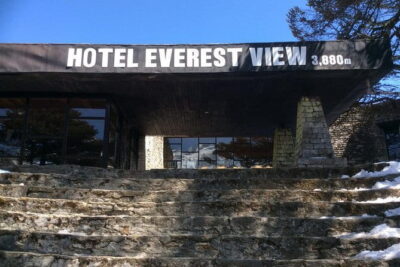
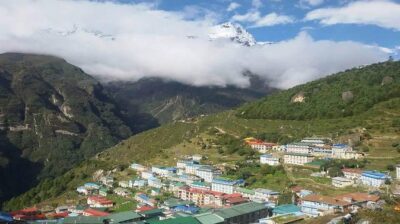
Everest Base Camp Helicopter Tour landing at Everest View Hotel
Read our review →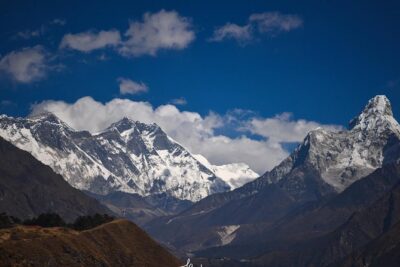
Everest Base Camp Helicopter Tour landing at Hotel Everest View
Read our review →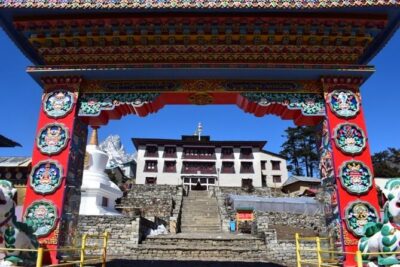
Browse the lists this tour appears in