
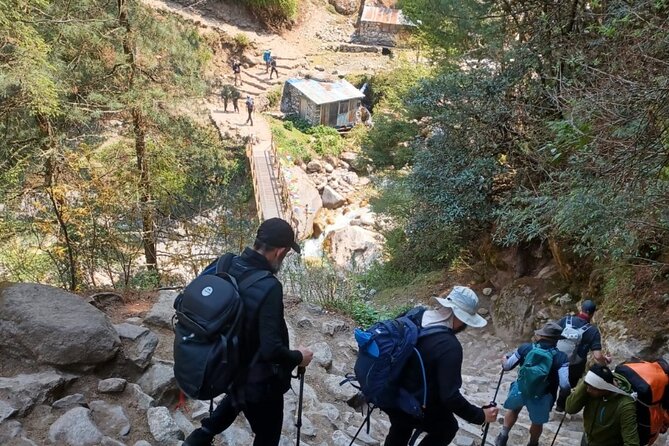
Reviewed · EVEREST BASE CAMP TREKS
14 Days Everest Base Camp Trek
Everest Base Camp is a dream with a real plan behind it. This 14-day trek pairs big Himalayan views with steady pacing through the Khumbu Valley, including a classic hop to Lukla and time for altitude acclimatization. I especially like that this package includes meals during the trek and uses a government-certified guide and porter support. The main consideration is the altitude reality, even with a careful schedule, because turning back is sometimes necessary.
What makes this experience feel practical is the logistics are handled. You fly round-trip between Kathmandu and Lukla, you move stage by stage on marked trek days, and you get a private setup for your group. Just know you are not shopping for comfort out here, food and facilities are simple, and the challenge is the point.
In This Review
- Key points at a glance
- Everest Base Camp in 14 days, what you’re really signing up for
- Getting started in Kathmandu and the Thamel meeting point
- The Lukla flight, 40 minutes that set the mood
- Phakding to Namche Bazaar: Sherpa towns and the big first climb
- Tengboche: monastery visits and a spiritual reset
- Dingboche acclimatization: stone walls, valley views, and patience
- Lobuche and the approach days: closing in on Everest territory
- Gorak Shep to Kala Patthar to Pheriche: views that cost effort
- Khumjung and Lukla: Sherpa villages plus the return to lower elevations
- Flying back to Kathmandu and a farewell dinner
- What’s included in the price, and what you still need to budget
- How hard is it, and who this fits best?
- My take: value, support, and the real Everest mood
- Should you book Master Himalaya’s 14-day Everest Base Camp trek?
- FAQ
- What does the trek include in the $1,600 price?
- Do I need to buy tickets for domestic flights in Nepal?
- Where does the trek start and end?
- Are meals provided each day?
- What kind of guide and porter support do you get?
- How physically demanding is this trek?
- What is not included, so I should budget for it?
- Is this a private tour?
- What is the cancellation policy?
Key points at a glance
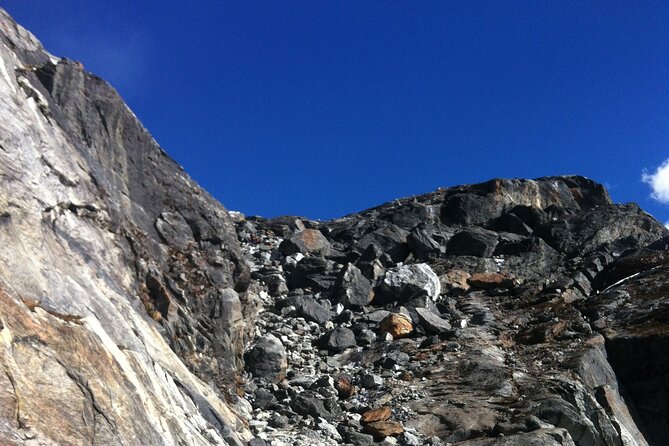
- Lukla flight plus early trekking starts: a short flight gets you into the Khumbu rhythm fast.
- Suspension bridges, including Hillary Suspension Bridge: more than scenery, these crossings add to the trek feel.
- Acclimatization with purpose: Namche and Dingboche give you structured breathing room.
- Tengboche monastery time: you get to see Khumbu spiritual life at the biggest gompa in the region.
- Kala Patthar for Everest views: the classic viewpoint comes right after you reach the base camp area.
- Porter support ratio: you have one porter for every two trekkers, easing load and fatigue.
Everest Base Camp in 14 days, what you’re really signing up for
If you want the Everest story, you need the whole arc: flying in, climbing slowly, and learning your body’s limits. This trek is built around that. You do not just rush toward Everest Base Camp. You zig and zag through Sherpa towns, monastery stops, and acclimatization days that make the altitude attempt more sensible.
The trek is also more social than people expect. You’ll be walking through Khumbu villages where Sherpa culture is front and center, and you’ll see familiar trek rhythms day after day. That matters, because the best part of a long trek is often how you handle each day, not just how high you get.
From a value angle, the $1,600 price includes some heavy hitters: the Kathmandu to Lukla flights and back, all meals on trek, and guide plus porter service. That’s a big part of what makes this deal work for many people, especially if you do not want to piece together logistics on your own.
More Treks in Kathmandu
- Everest Base Camp Trek – 14 Days
★ 5.0 · 1,499 reviews - Everest Base Camp Trek
★ 5.0 · 842 reviews - Everest Base Camp Trekking
★ 5.0 · 485 reviews
Getting started in Kathmandu and the Thamel meeting point
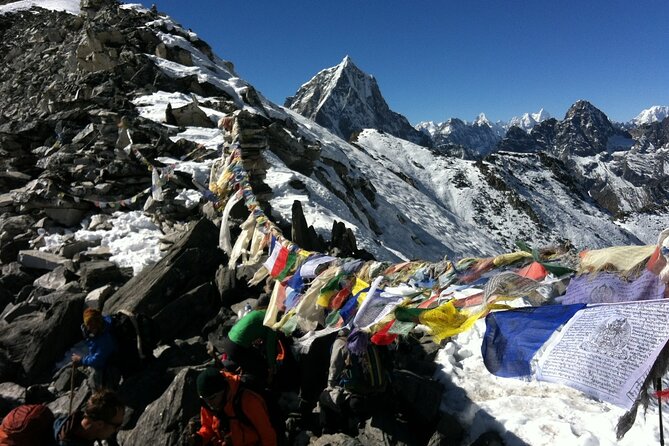
Your trek officially begins in Thamel, Kathmandu, with pickup and drop-off at the airport. Day 1 is intentionally light: you arrive at Tribhuvan International Airport, transfer to your hotel, and take the day to rest.
This matters more than it sounds. Kathmandu altitude is lower than the high trek elevations, but after long travel, your legs and sleep schedule are what count. Use this day to hydrate, eat normal food, and get your bearings in Thamel, where you can find trekking gear shops and plenty of local help.
If you’re the type who likes to plan, I’d still keep day 1 simple. You want your energy for Lukla.
The Lukla flight, 40 minutes that set the mood
Day 2 begins with a short flight from Kathmandu to Lukla, about 40 minutes. The views are a highlight, with Langtang and the Annapurna Himalayan Range mentioned as visible on the way in. Then you’re trekking down from Lukla to Phakding.
This is a trek you feel immediately. Lukla is at 2,850 meters, so you’re not easing in like a slow road trip. You go straight from flight to walking. If you’re prone to motion sickness, plan for that. If you’re prone to anxiety, this is still exciting, but it helps to breathe through it.
On the trek route, you cross suspension bridges as you head toward Phakding. Those crossings are part of the texture of the Khumbu experience, and they also create natural pacing breaks as you move through the valley.
Phakding to Namche Bazaar: Sherpa towns and the big first climb
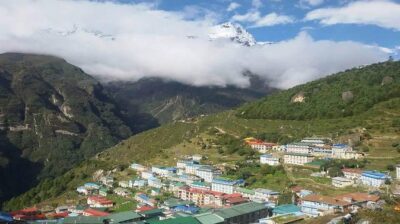
From Phakding you move toward Namche Bazaar, trekking along the Dudh Koshi River and crossing suspension bridges, including Hillary Suspension Bridge. Namche Bazaar is your first real Sherpa town, and it’s where the trekking world shows up in force: coffee shop style stops, trekking equipment shops, and daily-life street scenes.
Namche is also where you start thinking about altitude in a practical way. Day 3 includes the trek into town and time in the area. Day 4 is more intentional: you spend most of the day exploring, acclimatizing, and getting panoramic views from Everest View Point.
This is one of the best parts of the whole schedule because you get both culture and altitude management. You’re not just waiting at a checkpoint. You’re learning how the Sherpa community lives at these elevations, and you’re using Namche to make the next steps easier on your lungs and legs.
One note: this is a town with options, so it’s easy to wander too far. I’d keep exploring fun, but don’t turn day 4 into an all-day grind.
More Everest Base Camp treks:
- Everest Base Camp Helicopter Tour landing at Everest View Hotel
★ 5.0 · 668 reviews - Everest Base Camp Trekking – 13 Day
★ 5.0 · 365 reviews - Everest Base Camp Trek
★ 5.0 · 350 reviews - Everest Base Camp Trek -14 Days
★ 5.0 · 321 reviews
Tengboche: monastery visits and a spiritual reset
On Day 5 you trek to Tengboche, a stop known for its spiritual significance. You’ll visit the gompa, and the largest monastery in the Khumbu region is noted here. There’s also mention of lama-led spiritual rituals, and if you’re interested, you can get involved.
This is where the trek becomes more than movement. The monastery setting gives you a calm pause, often with wide mountain views around you. Even if you are not religious, it’s a meaningful window into how Sherpa culture and Buddhism shape life in the high valleys.
Day 5 also includes a gompa visit time, so you’re not rushing through. If you like photography, you’ll appreciate having an actual stop for it. Just remember: you’re still at altitude, so slow down once you arrive.
Dingboche acclimatization: stone walls, valley views, and patience
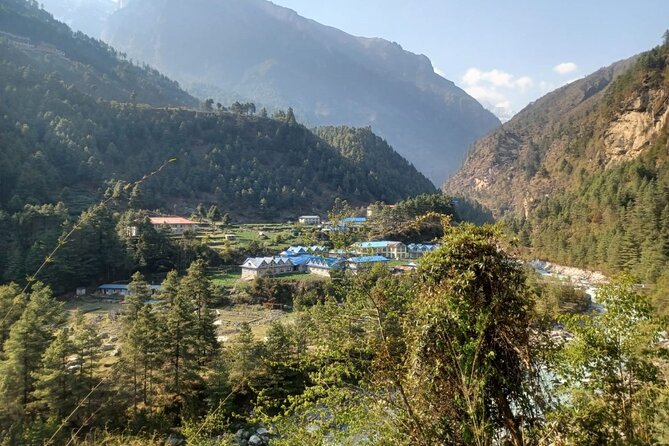
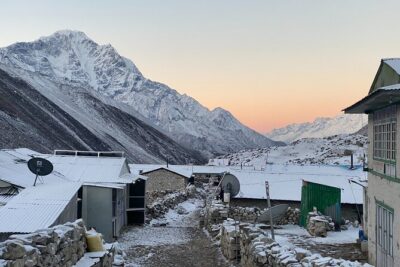
Day 6 brings you onward to Dingboche. The trek continues the slow rise, and there’s a specific detail called out: Imja Valley stone walls built using stones of different sizes, covering the entire valley. That kind of detail is a reminder that people have lived and traveled these paths for generations, not just trekked them in recent years.
Day 7 is the acclimatization day. This is a rest stop, but it’s not a vacation. It’s time to adapt to higher altitude before you push closer to Everest Base Camp.
If you’re wondering why tour operators emphasize acclimatization, here’s the reason: your body needs time to adjust. These days reduce the odds of getting hit hard. They don’t eliminate risk, but they make the attempt more rational.
Lobuche and the approach days: closing in on Everest territory
On Day 8 you reach Lobuche. The route mentions witnessing Tabuchi and Arakam peaks, passing through Thukla, ascending to Dughla Pass, and then continuing onward. You arrive in a setting surrounded by hills and valleys, and you’re clearly getting closer to the Everest Base Camp region.
Lobuche is also described with detail about peaks named Lobuche East and Lobuche West. That’s useful because when you’re tired and looking at a jumble of names, it helps to know that the terrain you see has structure.
Day 9 is the big one: Everest Base Camp. It’s described as challenging due to high altitude, and you reach Base Camp, then trek back to Gorak Shep. Plan for the altitude to feel harder than you expect. Base Camp itself is the goal, but the day is also about managing energy so you can get back safely.
A reality check that I found important from real-world experience is that altitude can force turn-backs. In one group experience shared, 5 out of 7 did not make it to base camp due to altitude sickness and other illnesses. That doesn’t mean you can’t do it. It means you should respect the process and listen to your guide if your body starts sending warning signals.
Gorak Shep to Kala Patthar to Pheriche: views that cost effort
Day 10 centers on Kala Patthar. The hike starts from Gorekshep and is specifically called out for breathtaking views of Mount Everest. Then you trek down to Pheriche, where the itinerary notes that descending makes things easier and that you can cover a long distance in a shorter time.
Kala Patthar is one of those hikes where you earn the view. Expect it to feel tough, especially after reaching Base Camp earlier. If you’re chasing the classic Everest photo, this is where it usually happens.
For many people, the best strategy is simple: pace your climb from the start, take short breaths, and don’t sprint to the viewpoint. It’s not a race. It’s a test of steady effort.
Khumjung and Lukla: Sherpa villages plus the return to lower elevations
Day 11 takes you toward Khumjung. The day’s notes include the Dudhkoshi River, Everest views, and a stop at Ruler market. Khumjung is a Sherpa village setting that helps you feel the trek shifting from high achievement toward real community again.
Day 12 moves you to Lukla. The route time is about 5 hours, and the itinerary describes Lukla as having the world’s most dangerous airport. That’s the kind of phrasing people use to capture how intense the flights feel, even when operations are professional and scheduled.
Celebrate this day mentally. You’re returning from the high-altitude effort. Your legs might be tired, but you’re also moving back into a place where things feel more normal.
Flying back to Kathmandu and a farewell dinner
Day 13 is your flight back to Kathmandu from Lukla. From there, you spend the day in Kathmandu and share the experience with the Master Himalaya team, with a farewell dinner included.
Day 14 is the final drop-off to Tribhuvan International Airport by a team member. It’s a clean end to the trek, which is helpful when you’re dealing with travel time and jet lag.
One underrated part of a well-run trek is the emotional transition. Having dinner and support closes the trip loop, so you don’t just drift back into cities and chaos.
What’s included in the price, and what you still need to budget
At $1,600 per person, this trek includes a lot of the big costs you’d otherwise have to figure out: airport pickup and drop-off, all trek meals, guide plus porter service, first aid service, and both flights to and from Lukla. There’s also a farewell dinner, plus the tour notes a restroom on board and a mobile ticket.
The porter setup is also clearly stated: one porter for every two trekkers. That can make a noticeable difference on summit days and long downhill walks, because it reduces the weight you carry.
What you need to budget separately is equally clear:
- International flights and visa fees
- Drinks and beverages
- Personal expenses
- Travel insurance
- Trekking equipment like hiking sticks and trekking shoes
I’d treat the gear line seriously. If you show up without proper footwear, the trek stops being fun fast. If your budget is tight, you can still travel light, but your feet need protection.
How hard is it, and who this fits best?
This trek is listed for travelers with moderate physical fitness. That sounds approachable, but altitude is a separate factor. You can be strong and still get hit by the altitude.
The itinerary also shows the pace: long days, multiple suspension bridge segments, and the high points near Lobuche, Everest Base Camp, and Kala Patthar. Even when days include fewer hours on paper, altitude can slow you down in practice.
This tour is best for you if:
- You want a guided, structured Everest attempt with acclimatization built in
- You prefer a private setup for your group
- You’re okay with basic trekking conditions and straightforward meals
It may not be ideal if:
- You have a history of altitude sickness and haven’t spoken with a medical professional
- You expect luxurious facilities in high villages, because this is a trek, not a resort
My take: value, support, and the real Everest mood
This is the kind of trek where the details matter. The inclusion of flights to Lukla, meals throughout the trek, and a porter ratio helps you focus on the walk and the altitude process. And the support is clearly part of the pitch, with staffing described as going above and beyond and handling the tough reality of sickness quickly.
The “food is spartan but more than adequate” vibe is a useful expectation. You should be able to eat well enough to keep moving, but you shouldn’t pack your appetite for fine dining. Bring snacks you like, drink what’s provided, and treat meals as fuel.
If you want authenticity, this is it. You’re not watching Everest from a bus. You’re living the rhythm of Khumbu trekking, with Sherpa towns, monasteries, passes, and the hard-earned payoff at the viewpoint days.
Should you book Master Himalaya’s 14-day Everest Base Camp trek?
I’d recommend booking if you want a well-organized Everest trek that handles the logistics that can trip you up. The price is not cheap, but it includes major costs like the Lukla flights and trek meals, so you’re not piecing together key parts yourself.
Book if you’re ready for altitude and you’ll respect acclimatization days. Book if you like the idea of combining Everest ambition with Sherpa culture stops like Namche and Tengboche.
I would hesitate if you are sensitive to altitude or you know you struggle with high elevations. In that case, talk to your doctor first, and mentally prepare for the possibility that the safest decision might be turning back.
If that sounds like the right mix of challenge and structure for you, this trek is a solid way to aim at Everest Base Camp without improvising the important parts.
FAQ
What does the trek include in the $1,600 price?
The price includes airport pickup and drop-off, all meals during the trek, a government-certified guide and porter (one porter for 2 trekkers), first aid service, flights from and to Lukla, and a farewell dinner. Breakfasts, lunches, and dinners are included during the trek.
Do I need to buy tickets for domestic flights in Nepal?
The itinerary includes flights from Kathmandu to Lukla and back to Kathmandu from Lukla as part of the experience. The tour also notes a mobile ticket.
Where does the trek start and end?
The meeting point is in Thamel, Kathmandu 44600, Nepal. The activity ends back at the same meeting point, with a team member dropping you at Tribhuvan International Airport on the final day.
Are meals provided each day?
Yes. The experience includes breakfast, lunch, and dinner during the trek (breakfast 13, lunch 11, dinner 12 are listed).
What kind of guide and porter support do you get?
You get a government-certified guide and porter support. The porter ratio is listed as one porter for every two trekkers.
How physically demanding is this trek?
It’s aimed at travelers with moderate physical fitness. You should expect long trekking days and high-altitude walking, including the Everest Base Camp area and Kala Patthar.
What is not included, so I should budget for it?
International flights and visa fees, drinks and beverages, personal expenses, travel insurance, and trekking equipment like hiking sticks and trekking shoes are not included.
Is this a private tour?
Yes. It is described as a private tour or activity, and only your group will participate.
What is the cancellation policy?
You can cancel for free, up to 24 hours in advance of the experience start time for a full refund. Changes within 24 hours of the start time are not accepted, and if you cancel less than 24 hours before the start time, you will not be refunded.
Latest additions near Kathmandu
- White Water River Rafting – 1 Day★ 4.3 · 3 reviews
- Traditional Momo Making Class★ 5.0 · 10 reviews
- Kathmandu to Pokhara Premium sofa bus ticket★ 4.0 · 17 reviews
- Ghorepani Poon Hill Trek★ 5.0 · 16 reviews
- Amazing 1 Day Trekking Experience in Kathmandu Nepal★ 5.0 · 24 reviews
- Ghorepani Poonhill Trek★ 5.0 · 5 reviews
- Walking tour of real Kathmandu through back streets.★ 5.0 · 3 reviews
- Wildlife Adventure in Chitwan Nepal★ 4.0 · 4 reviews
Everest Base Camp Treks, compared.
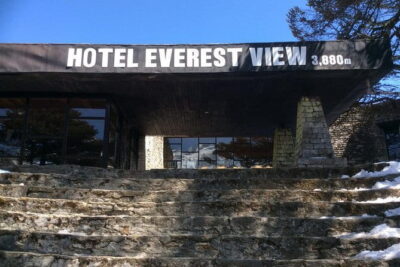
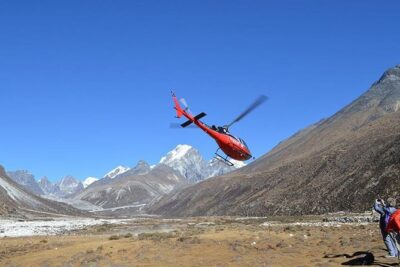
Everest Base Camp Helicopter Tour landing at Everest View Hotel
Read our review →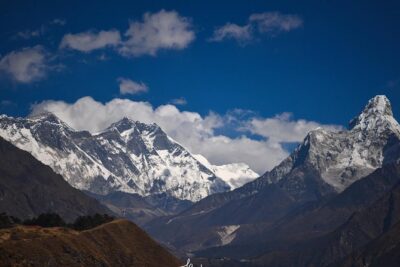
Everest Base Camp Helicopter Tour landing at Hotel Everest View
Read our review →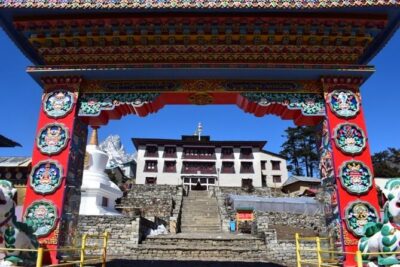
Browse the lists this tour appears in