
Reviewed · EVEREST BASE CAMP TREKS
14 Day – Everest Base Camp Trek
Everest starts with a short flight. This 14-day Everest Base Camp trek strings together Lukla, tea houses, acclimatization days, and the big Kala Patthar viewpoint all the way up to 5550m. I especially like the private group setup with an English-speaking guide and porter support, plus the fact that most core logistics are handled for you. The one real consideration is that the trek depends on weather, and Lukla flights can be touchy.
I like how much is included for the price: airport transfers, round-trip Kathmandu to Lukla flights, TIMS and national park permits, tea house accommodation, and meals. You also get practical extras like a duffel bag and a t-shirt, and the team includes insurance and a medical kit for staff. One more thing I’d flag, you’ll be at serious altitude, up to Everest Base Camp at 5364m, so you need to take the pace and the rest days seriously.
This is a great fit if you want the famous route with solid structure and day-to-day support, without having to organize the basics yourself. If you hate cold weather or you’re hoping for luxury, you may find the tea house style and temperatures a mismatch. Still, if your goal is to stand close to Everest and come back with that wide-awake, mountain-in-your-head feeling, this itinerary hits hard.
In This Review
- Key highlights worth writing home about
- Entering Kathmandu with a trekking plan, not a scramble
- Lukla flight and Phakding: where the altitude story begins
- Namche Bazaar acclimatization: rest days that actually help
- Tengboche and Dingboche: views, temples, and higher living
- From Dingboche to Lobuche and Gorakshep: entering the high zone
- Kala Patthar sunrise: the day that earns its reputation
- The return to Lukla and Kathmandu: easier miles, same attention
- Price and value: what $2,000 is really buying
- Guides, porters, and the kind of support you hope for
- What to pack and what to budget, based on what’s excluded
- Who should book this Everest Base Camp trek
- Should you book this 14-day EBC trek?
- FAQ
- Where does the trek start in Kathmandu?
- What time is the start of the activity?
- Is Kathmandu to Lukla and back included?
- Are TIMS and Everest National Park permits included?
- What kind of accommodation is used during the trek?
- Do you get porter support?
- Is the cancellation policy free up to 24 hours?
Key highlights worth writing home about
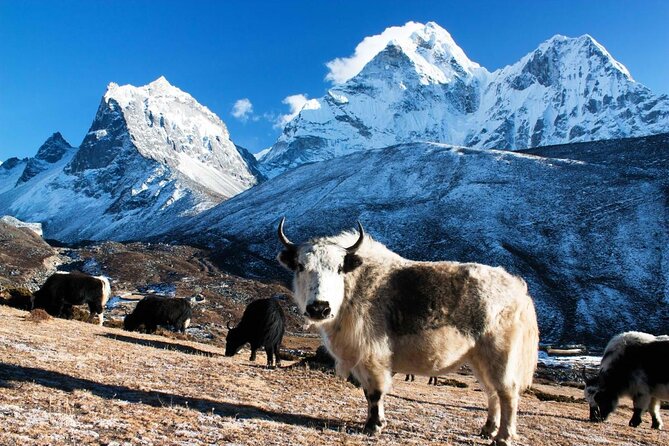
- Kala Patthar sunrise: early hike to 5550m with views toward Mt. Everest and nearby giants
- Real acclimatization stops: dedicated rest days at Namche Bazaar (3440m) and Dingboche (4410m)
- Logistics handled: flights Kathmandu to Lukla round trip, TIMS card, and Everest National Park permits included
- Tea house comfort, not camping: included overnight stays in tea houses along the route
- Support team on the ground: English-speaking guide plus porter service (1 porter between 2 people basic)
Entering Kathmandu with a trekking plan, not a scramble
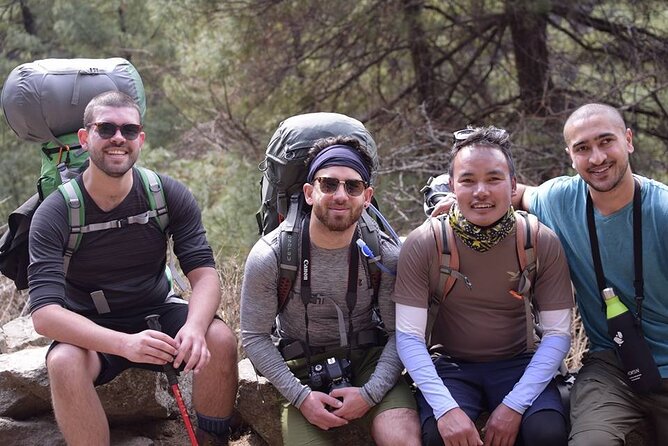
Day 1 is all about landing in Kathmandu, getting transferred to your hotel, and getting ready. You’re not dropped into the deep end. You have time to confirm gear needs, settle in, and prep for the big altitude jump tomorrow.
The value here is that your first-day energy stays on the trek. Instead of spending your limited time in Kathmandu hunting down last-minute arrangements, you’re already set up with transfers included and a two-night hotel stay built into the package.
If you’ve never done a high-altitude trek before, this “easy start” matters. It gives you time to sleep, hydrate, and get your head on straight for Lukla and the altitude work ahead.
More Treks in Kathmandu
- Everest Base Camp Trek – 14 Days
★ 5.0 · 1,499 reviews - Everest Base Camp Trek
★ 5.0 · 842 reviews - Everest Base Camp Trekking
★ 5.0 · 485 reviews
Lukla flight and Phakding: where the altitude story begins
On Day 2, you fly Kathmandu to Lukla (2840m), then trek to Phakding (2610m). The flight is short, about 40 minutes, but it’s the moment your trek stops being an idea and becomes a physical reality.
Phakding at 2610m is a smart first landing zone. You’re starting higher than Kathmandu, but the route then lets you settle in before the bigger climb toward Namche. That first walking day is also your first tea house rhythm: check in, eat, warm up as best you can, then sleep early.
One thing to plan for, you’re crossing from a busy city mood into a mountain schedule fast. I’d use Day 2 to keep your pace calm. The trek ahead is about endurance, not speed.
Namche Bazaar acclimatization: rest days that actually help
Days 3 and 4 focus on Namche Bazaar. You trek from Phakding to Namche Bazaar (3440m) on Day 3, then spend a full acclimatization day on Day 4.
This is one of the most important parts of the whole itinerary. A trek like this is not only about legs, it’s about how your body handles altitude. The route builds in time at higher elevation instead of rushing straight onward.
Namche is also your first real “Nepal at trekking speed” stop. You’ll get a chance to explore locally while staying high enough to benefit from acclimatization. It’s also where the trip starts to feel like a community: lots of lodge windows, lots of shared trail talk, and lots of people recalibrating their plans for the days ahead.
The small drawback is also simple. A rest day can feel like lost time if you’re excited to keep moving. But on this route, that day is part of the engine that helps you reach the higher sections.
Tengboche and Dingboche: views, temples, and higher living
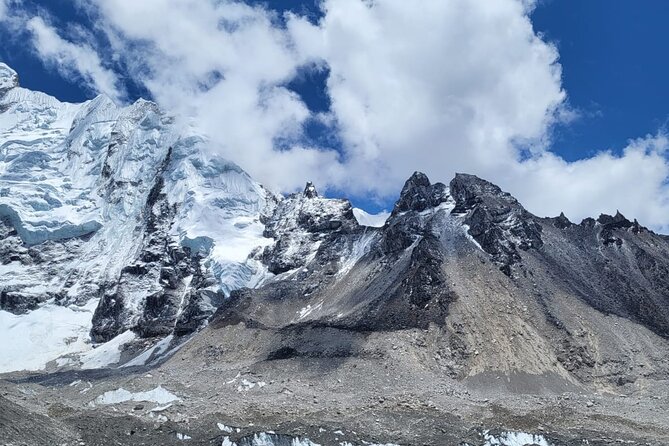
Day 5 takes you from Namche Bazaar to Tengboche (3868m). Day 6 moves to Dingboche (4410m). Then Day 7 is another full acclimatization day in Dingboche.
This is the itinerary’s second big altitude checkpoint. You’re climbing again, reaching 4410m, and then you’re pausing. That two-step pattern is exactly what makes this trek more manageable than a straight shot.
Tengboche at 3868m is a noticeable shift from Namche. Cold can feel sharper, and you’ll start noticing how the mountain air affects everything from appetite to sleep. Dingboche adds the next layer up, with acclimatization designed to help you adapt before Lobuche and the high camp zone.
If your goal is Everest Base Camp with the best chance of staying steady, I’d treat Day 7 as non-negotiable. Don’t try to “make up time” here. The route is already doing the math for you.
More Everest Base Camp treks:
- Everest Base Camp Helicopter Tour landing at Everest View Hotel
★ 5.0 · 668 reviews - Everest Base Camp Trekking – 13 Day
★ 5.0 · 365 reviews - Everest Base Camp Trek
★ 5.0 · 350 reviews - Everest Base Camp Trek -14 Days
★ 5.0 · 321 reviews
From Dingboche to Lobuche and Gorakshep: entering the high zone
Day 8 climbs from Dingboche to Lobuche (4910m). Day 9 is the long push: Lobuche to Gorakshep (5180m), then onward to Everest Base Camp (5364m), and an overnight in Gorakshep.
This is where the trek gets serious. You’re moving into the highest stretch where conditions can feel harsher, even if the days seem short on paper. The good news is the itinerary keeps you on a proven rhythm, with overnight tea house lodging included at Gorakshep.
Everest Base Camp itself is a target you can feel in your legs. It’s not just a landmark, it’s the moment you’re walking in the same orbit as the expedition history everyone talks about. And when you reach it, you’re not just looking at Everest, you’re standing within the everyday logistics of the mountain world.
The possible drawback is simple: the high elevation days can leave you feeling tired in a way that sleep does not always fully fix. If you tend to “push through,” you’ll want to be extra disciplined here.
Kala Patthar sunrise: the day that earns its reputation
Day 10 is built around an early hike up to Kala Patthar (5550m) for sunrise views, then back to Gorakshep. After breakfast you trek to Pheriche (4240m).
Kala Patthar is the payoff angle of this itinerary. You’re going up to 5550m for a view that includes Mt. Everest and the mountain range around it. Even if the forecast isn’t perfect, your day is designed for the best shot at clear, dramatic morning views.
Then comes the smart part. After the high point, you descend to Pheriche at 4240m. That drop helps you recover and prepares you for the return trek.
I like the structure here. You get the big moment, then you don’t just keep climbing until you’re wrecked. The itinerary respects the reality of altitude.
The return to Lukla and Kathmandu: easier miles, same attention
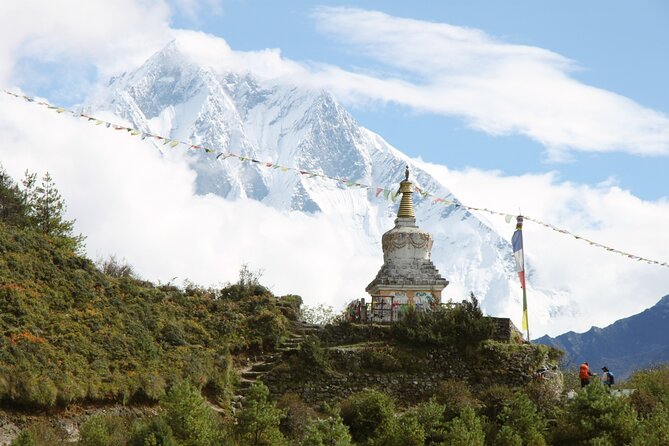
Day 11 takes you from Pheriche back to Namche Bazaar (3440m). Day 12 continues to Lukla (2840m). Day 13 is the morning flight back to Kathmandu (1336m). Day 14 ends with departure, or extra time in Kathmandu if you have it.
On the descent days, your energy can rise, but don’t assume your work is over. Longer downhills can be rough on knees and feet, and the air is thinner high up earlier in the day. Keep your pace steady and treat the return as part of the trek, not just a victory lap.
Back in Kathmandu, the tour gives you room to chill and take care of simple Nepal stuff like shopping and sightseeing if you want extra time. That matters, because the trek can feel intense on your body and your sleep schedule.
Price and value: what $2,000 is really buying
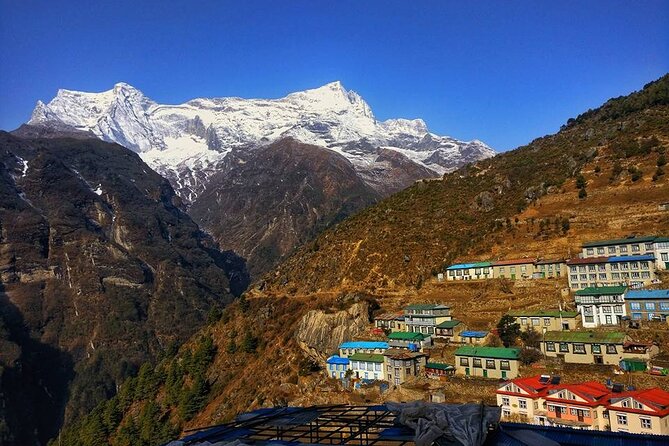
At $2,000 per person for 14 days, you’re paying for more than the “walking days.” You’re paying for a package that covers the big cost drivers and the most annoying parts of planning.
Here’s what stands out as value, based on what’s included:
- Flights: round-trip domestic flights Kathmandu to Lukla and back, plus airport tax
- Permits and tracking: TIMS card and Everest National Park entry permits
- Accommodation: two nights hotel in Kathmandu, and tea house accommodation during the trek
- Food support: breakfast, lunch, and dinner are included across the trek days
- Human support: an English-speaking guide, plus porter service (not a huge crowd of extra extras)
- Safety basics: insurance is included, plus a medical kit for staff and trip medicine support for the team
What’s not included also matters for realistic budgeting. You’ll need to cover your Nepal entry visa fee and international airfare, plus personal equipment. Tips for guide and porter are expected, and you’ll pay for personal expenses like alcohol, hot shower water, cold drinks, hot water, battery charging, and other extras not listed.
So is it expensive? For Everest Base Camp treks, $2,000 is in the realm where you should expect a guided, supported route with flights and permits handled. The best way to judge value is this: you’re not paying to rent gear and chase paperwork, you’re paying for planning plus on-the-ground execution.
Guides, porters, and the kind of support you hope for
This tour is a private activity, meaning it’s just your group. You also get pickup and drop by private vehicle, and an English-speaking guide is included.
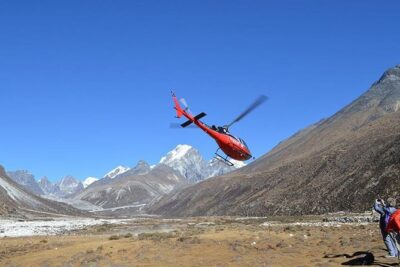
The biggest praise you’ll want to notice from past experiences with this company is how they handle real-life problems. One group reported a Lukla flight cancellation and said arrangements were made, even using helicopter support. That’s the kind of contingency that can save a trip when weather or schedules get weird.
Guide names that have come up in prior trekkers’ stories include Nick (organizational support) and guides such as Tenjing, Lopsang, and Pramish. It’s a good sign for you because it hints the team isn’t anonymous. You’re more likely to get steady guidance instead of a rotating generic checklist.
Porters matter too. With porter service described as 1 porter between 2 people basic, you can keep your pack manageable. That can be the difference between finishing tired and finishing wrecked.
What to pack and what to budget, based on what’s excluded
The tour listing makes one thing very clear: personal equipment is not included. So even if your trekking schedule is handled, you still need to arrive ready to walk in cold altitude conditions and manage basic daily needs.
Also plan for personal expenses that can add up on long treks. The list specifically points to things like hot shower water, bottle and battery charging, hot water, cold drinks, and alcohol. If you like conveniences, budget for them. If you don’t, you can keep spending more controlled.
You’ll also want to plan for tips for your guide and porter. Tipping is expected, and it’s worth thinking of it as part of the real cost of trekking with a support team.
Who should book this Everest Base Camp trek
I think this itinerary fits best if:
- you have at least moderate physical fitness
- you want a classic route to Everest Base Camp with built-in acclimatization days
- you prefer tea house accommodation over tenting
- you want flights and permits handled, not DIY
It might not be your best match if:
- you’re hoping for a fully hands-off, luxury trip
- you get nervous about weather-dependent flight schedules
- you don’t want to deal with altitude up to 5550m at Kala Patthar
Should you book this 14-day EBC trek?
If your priority is Everest Base Camp plus Kala Patthar, with an itinerary that includes acclimatization at Namche and Dingboche, this is a strong choice. The included flights, permits, tea house stays, and meals take away a lot of the planning stress, which is usually where people waste days and energy.
I’d book it if you’re comfortable training for altitude effort and you’re ready to travel with realistic weather expectations. One smart move, pick a travel window when you can be flexible, because this trip is weather-sensitive by nature and Lukla is not a place you control.
If you want, tell me your travel month and your trekking experience level. I can help you sanity-check whether this exact pacing feels right for you, and what budget range you should plan for beyond the $2,000.
FAQ
Where does the trek start in Kathmandu?
You meet at Alpine Hotel & Apartment (P896+27V), Opp Manang Hotel, Chaksibari Marg, Kathmandu 44600, Nepal.
What time is the start of the activity?
The start time listed is 6:15 am.
Is Kathmandu to Lukla and back included?
Yes. Domestic flight tickets are included round trip for Kathmandu to Lukla and Lukla to Kathmandu, plus airport tax.
Are TIMS and Everest National Park permits included?
Yes. The tour includes TIMS Card and Everest National park entry permits.
What kind of accommodation is used during the trek?
The tour includes tea house accommodation during the trek, plus two nights hotel in Kathmandu.
Do you get porter support?
Yes. Porter service is included, described as 1 porter between 2 people basic.
Is the cancellation policy free up to 24 hours?
Yes. You can cancel up to 24 hours in advance for a full refund. If you cancel less than 24 hours before the start time, the amount you paid is not refunded.
Latest additions near Kathmandu
- White Water River Rafting – 1 Day★ 4.3 · 3 reviews
- Traditional Momo Making Class★ 5.0 · 10 reviews
- Kathmandu to Pokhara Premium sofa bus ticket★ 4.0 · 17 reviews
- Ghorepani Poon Hill Trek★ 5.0 · 16 reviews
- Amazing 1 Day Trekking Experience in Kathmandu Nepal★ 5.0 · 24 reviews
- Ghorepani Poonhill Trek★ 5.0 · 5 reviews
- Walking tour of real Kathmandu through back streets.★ 5.0 · 3 reviews
- Wildlife Adventure in Chitwan Nepal★ 4.0 · 4 reviews
Everest Base Camp Treks, compared.
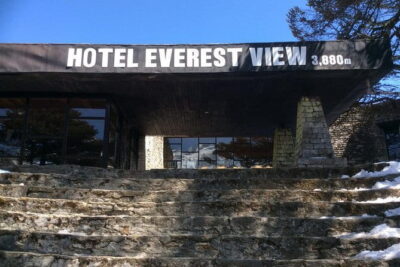
Everest Base Camp Helicopter Tour landing at Everest View Hotel
Read our review →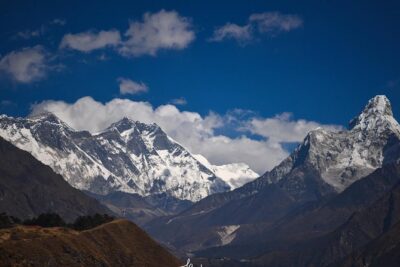
Everest Base Camp Helicopter Tour landing at Hotel Everest View
Read our review →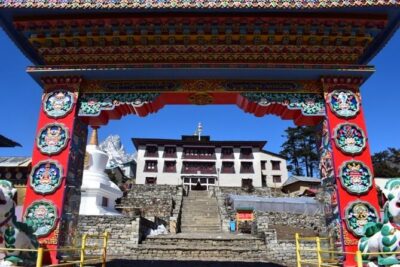
Browse the lists this tour appears in