
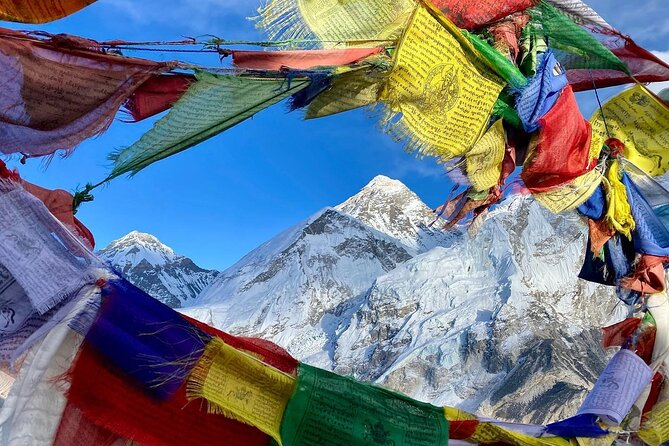
Reviewed · EVEREST BASE CAMP TREKS
14-Day Everest Base Camp Trek
Lukla to Everest Base Camp is a wild ride. This 14-day trek in Nepal pairs iconic high-altitude scenery with real acclimatization stops, plus a guide and porter to keep you moving smart. You’ll follow river valleys, cross big suspension bridges, and end with the big payoff at Everest Base Camp.
What I like most is the pacing. You get acclimatization built in at Namche and Dingboche, and the daily hike times are realistic for most strong walkers (about 5 hours on average, with some days stretching to 7-8). The other big win is the support, with a guide for 12 days and a porter for 11 days, plus meals and mountain teahouse nights already handled.
One consideration is logistics and timing. Flights into and out of Lukla depend on weather, and when Kathmandu flights get rerouted to Ramechhap due to airport upgrades, you can be looking at very early starts (including a 2 am drive).
In This Review
- Key highlights that make this trek feel worth it
- First, you’ll feel it on day one: the Lukla-to-Phakding shift
- Kathmandu, transfers, and the comfort side of getting started
- Day 2 to 4: Phakding to Namche, where the bridges and permits kick in
- Namche acclimatization: a deliberate day to adjust and look around
- Tengboche monastery and the Ama Dablam frame
- Dingboche: when the trees thin and the air gets serious
- Lobuche: memorial stupas and a slower rhythm
- Gorakshep and the day you reach Everest Base Camp
- Kalapatthar sunrise: the closest big-view moment without climbing Everest
- The final approach: Pheriche to Namche, then Lukla farewell
- Teahouses and meals: what the included package really gives you
- Guides and porters: why this setup matters more than you think
- Price and value for a 14-day Everest Base Camp package at $1,600
- Who should choose this trek, and who should think twice
- Should you book this 14-day Everest Base Camp trek?
- FAQ
- How long is the Everest Base Camp trek, and what does it look like day to day?
- Where do you start and where do you end?
- Is a guide and porter included?
- Are meals included during the trek?
- What permits are included for the trek?
- What happens if flights from Kathmandu to Lukla route through Ramechhap?
- What if weather prevents the trek or flights?
Key highlights that make this trek feel worth it
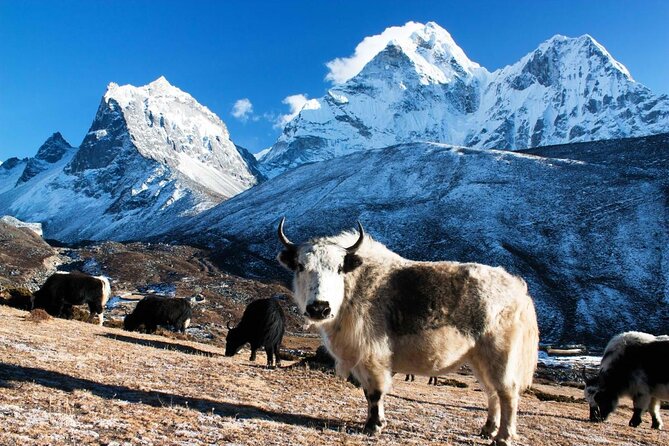
Lukla flight at 2,860 m: The trip starts with an instant change of altitude and views.
Small group size (max 8): You’ll usually hike and manage pace with a tighter crew.
Acclimatization days that matter: Namche, then Dingboche, give your body time to adjust.
Tengboche monastery visit: A major Sherpa religious site, not just another photo stop.
Kalapatthar sunrise option: An early start for some of the most dramatic Everest-facing light.
Base Camp walking over rocky moraine: You’ll get the real “serious walking” section, not a relaxed stroll.
First, you’ll feel it on day one: the Lukla-to-Phakding shift
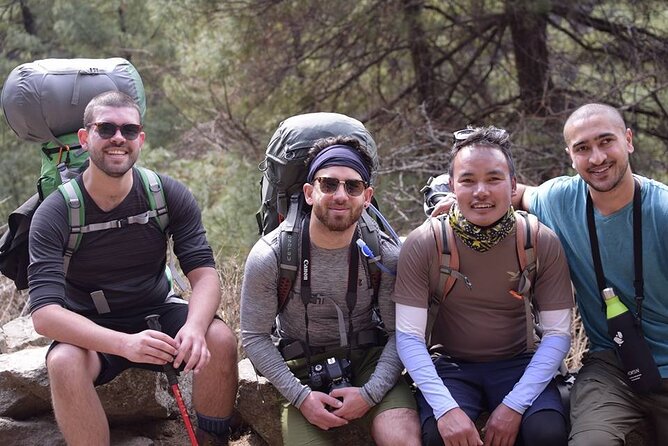
This trek really begins the moment you land in Lukla. You’re at about 2,860 m, and within minutes you go from city air to mountain air, cool and sharp. Then you start hiking for roughly 3 to 4 hours toward Phakding, dropping into the Dudh Koshi area with that signature mix of river sounds and pine forest smells.
Day two gives you your first full taste of the Everest region rhythm. You’ll head along the river bank, crossing suspension bridges and moving through villages where daily life continues, rain or shine, tourists or not. It’s not just scenery. It’s how the region functions, one footstep at a time.
Practical tip: expect your first day to feel easier than later ones, but don’t use that as permission to rush. The goal is to arrive in Phakding feeling like you still have something left for tomorrow.
More Treks in Kathmandu
- Everest Base Camp Trek – 14 Days
★ 5.0 · 1,499 reviews - Everest Base Camp Trek
★ 5.0 · 842 reviews - Everest Base Camp Trekking
★ 5.0 · 485 reviews
Kathmandu, transfers, and the comfort side of getting started
Before the hiking begins, you get transferred between your arrival airport and a Kathmandu hotel. The tour includes local transfers for international flights (twice, arrival and departure), and it also covers transfers tied to domestic flights. You’ll stay 2 nights in Kathmandu in a hotel like Bodhi Boutique or similar, which is a nice buffer before the teahouse life starts.
You also get the Sagarmatha National Park entry and local permits handled. That matters because the Everest region requires paperwork, and on a trek like this, delays can snowball fast.
And yes, you’ll get something that feels simple but is genuinely helpful: a mobile ticket is included. When you’re packing for an unpredictable flight day, small friction reducers add up.
Day 2 to 4: Phakding to Namche, where the bridges and permits kick in
From Phakding, the trail is all about getting your bearings. You’ll descend toward Dudh Koshi Ghat and then keep following the river. This section works as a warm-up, but it’s still Nepal, still mountains, still with that up-and-down feel that keeps your legs honest.
Then you move toward Namche Bazaar, and that’s when the Everest region stops being a route and becomes a place. You cross the Dudh Koshi again on a long suspension bridge, then walk through pine forests toward the entrance area where park permits are checked. After lunch at Jorsale, there’s a downhill, then a noticeable uphill push to Namche.
The Hillary Suspension Bridge is part of the experience on the way in. It’s scenic, sure, but more importantly it makes the route feel real, not invented from a map.
Once you reach Namche, you get your first big Everest-facing moment. And the best part is what comes next: acclimatization that doesn’t waste your time.
Namche acclimatization: a deliberate day to adjust and look around
Day four is your altitude tune-up. Since you’re already higher and heading higher, you take a break day in Namche. The plan includes an optional hike to Everest View Point (about 2 hours), but you can also just explore Namche itself.
If you like a story with your sunrise views, Namche is the place. There’s a Sherpa museum and there’s a small outdoor market on Saturdays. Even if you don’t shop, the market is a good way to understand what people buy and how they live between treks and seasons.
Practical tip: on acclimatization days, you’ll feel pressure to “do everything.” I’d pick one walk and one quiet moment. Your body will thank you.
More Everest Base Camp treks:
- Everest Base Camp Helicopter Tour landing at Everest View Hotel
★ 5.0 · 668 reviews - Everest Base Camp Trekking – 13 Day
★ 5.0 · 365 reviews - Everest Base Camp Trek
★ 5.0 · 350 reviews - Everest Base Camp Trek -14 Days
★ 5.0 · 321 reviews
Tengboche monastery and the Ama Dablam frame
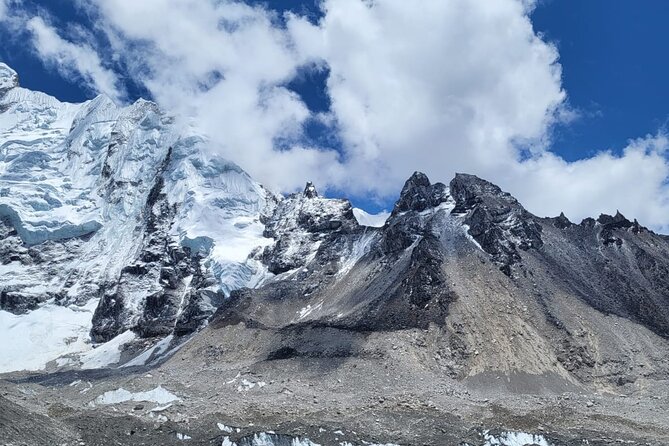
On day five, the trek heads toward Tengboche. This is the day the route starts giving you those signature “Everest region postcards,” but it does it through real landmarks, not just random viewpoints.
Tengboche is famous for the largest monastery in the Khumbu region. You’ll get time to visit and receive blessings. That’s not a tourist script either, it’s part of the place’s spiritual rhythm, and you’ll feel that shift as you walk in.
You’ll also be surrounded by mountains you’ll see for days to come, including views of Ama Dablam, Thamserku, and Khumbila. Ama Dablam especially tends to dominate your attention once it’s in view.
Consideration: monastery visits often mean you’ll adjust your pace to prayer times and respectful movement. Keep your voice low and your attitude friendly. You’re in someone’s living world.
Dingboche: when the trees thin and the air gets serious
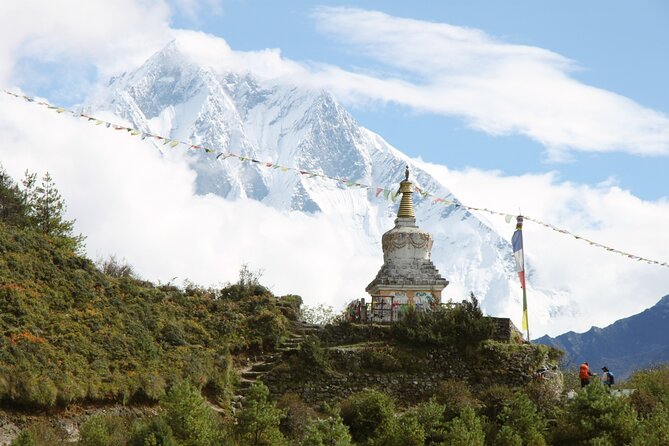
Days six and seven move you toward Dingboche. The trail includes alpine forests and villages where you can see how locals live, then the scenery changes. You’ll pass through the Khumbila Khola Valley and ascend to a ridgeline, where the mountain wall starts to feel closer.
By Dingboche, there are fewer trees and more shrubs. You’ll feel like you’re walking on the edge of the lush world. That’s not just atmosphere. It also affects your sense of distance. What looks short on paper can feel long once the air turns thinner.
Day seven is a second acclimatization day in Dingboche. The plan gives you time to rest and explore the surrounding Chhukung and Imja Valleys. If you’ve been thinking about future peaks, Imja connects to routes that go toward Island Peak and Makalu Barun National Park, though this trek does not include those hikes.
Practical tip: use your rest day for hydration, not heroics. If you’re feeling a bit off, don’t try to “prove fitness.” This is where smart trekking beats tough trekking.
Lobuche: memorial stupas and a slower rhythm
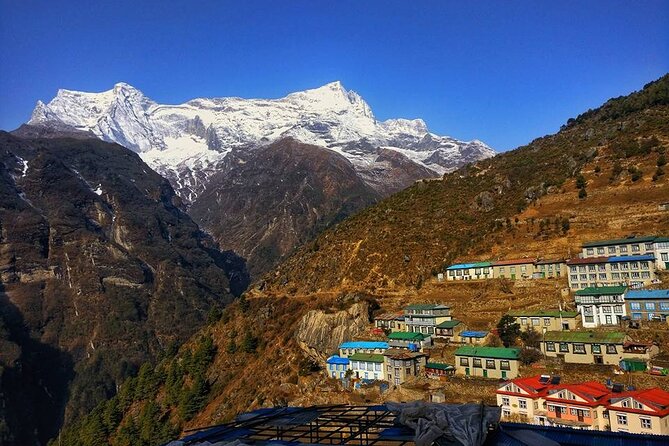
On day eight you move toward Lobuche. The trek continues to get more challenging as altitude rises, so it’s built for slower progress. You’ll climb to a hill top where you’ll see memorial stupas for people who lost their lives on Everest.
That moment lands differently out here. It’s not an abstract story. It’s a reminder that these mountains ask for respect, and many people come close and still don’t make it home.
After that, the trail continues over mountain terrain toward Lobuche. Expect standout views of Lobuche, Pumori, and Nuptse.
Gorakshep and the day you reach Everest Base Camp
Day nine is the headline day. You start from Lobuche, reach Gorakshep, and then continue to Everest Base Camp. The walk from Gorakshep to Base Camp and back takes about 6 to 7 hours of serious walking over rocky ground made by glacier debris.
This is where you earn the photos. The trail isn’t plush. You’ll be stepping over loose rock and uneven moraine, and it’s steady effort rather than big bursts of climbing. Keep your focus on your footing and your breathing, not your stopwatch.
At Base Camp, you’ll see the Khumbu Glacier and the Icefall area. You may even meet climbers on their way to attempt the summit, depending on conditions.
Then you’ll return to Gorakshep for the night. Gorakshep is quiet, cold, and intensely “high.” The reward is that you finally feel like you’re inside the Everest story.
Kalapatthar sunrise: the closest big-view moment without climbing Everest
Day ten brings the best light show. You rise before dawn to hike up for sunrise over Everest from Kalapatthar. This is one of the few places on the trek where you feel the mountain go from dark bulk to sharp geometry within a few minutes.
You’ll also see other peaks illuminated, including Nuptse, Changtse, and Lhotse. From Kalapatthar, it’s as close as you can get to Everest views without going for the summit itself.
After sunrise, you hike down to Gorekshep for breakfast, then continue toward Pheriche. If the group still has energy, you can walk on toward Panboche and overnight there, but the core plan gets you to Pheriche.
Practical tip: early starts are hard on altitude days. Bring layers you can adjust quickly, since cold can hit hard even before the sun climbs.
The final approach: Pheriche to Namche, then Lukla farewell
Day eleven shifts back into “downhill rhythm.” You go mostly downhill from Pheriche to Tengboche and then toward Namche Bazaar, where you spend the night. This is a good mental day because you can see how the trek’s earlier sections connect.
Day twelve brings you to Lukla, crossing the Hillary Suspension Bridge again and bidding farewell to the Sherpa community you’ve gotten to know along the way. The trek ends with a traditional group farewell party in Lukla, which is a fun capstone after 10-plus days of focused walking.
Day thirteen is the flight day back to Kathmandu or Ramechhap, depending on what’s happening with Kathmandu airport operations. The plan notes that the route can flip due to upgrades, and when Ramechhap is used, the drive from Kathmandu is about 4 hours, often requiring an early departure around 2 am.
Day fourteen is your final day in Kathmandu, with time for a safe onwards journey and a pheri bhetola, see you again feeling.
Teahouses and meals: what the included package really gives you
This tour includes 11 nights in mountain teahouses plus 2 nights in Kathmandu. That’s the big value of this kind of trek setup. You’re not hunting for beds every day, and your days are structured around places where you can eat, rest, and warm up.
Meals are included during the trek: breakfast, lunch, and dinner are covered for 12 days. That reduces decision fatigue. You’ll spend your energy on the hike and recovery instead of negotiating meals in multiple towns.
In Kathmandu, lunch and dinner are not included, so you’ll want to budget for those last meals. The trek itself handles the rest.
One more practical detail: the trek includes staff insurance and necessary ground transport for support staff. That means the logistics behind the scenes are planned, even if you never see the full machine working.
Guides and porters: why this setup matters more than you think
A big part of the trek is what happens before you get tired. This plan includes a guide for 12 days and a porter for 11 days. That support makes a real difference when you reach the rocky Base Camp section or when fatigue accumulates after early starts.
The guide also handles permits and daily route flow. On trek days, “route flow” is everything. It keeps you from second-guessing which turn is right or where the next meal stop makes sense.
From past EBC trips with this operator, guides like KP and Dil Man have shown up in detailed accounts, along with porters like Milan and others. The common thread is consistent organization and a calm, steady attitude when conditions shift, including altitude discomfort.
Practical tip: work with your guide on pace. If they suggest slowing down, that’s not politeness. It’s survival math at altitude.
Price and value for a 14-day Everest Base Camp package at $1,600
At $1,600 per person, you’re paying for far more than the right to walk into the mountains. The included items cover the expensive and time-sensitive pieces of this region: Kathmandu lodging, teahouse nights, guides and porters, and flights between Kathmandu and Lukla. It also includes permits for Sagarmatha National Park and local entry requirements.
What’s not included is also important. Lunch and dinner in Kathmandu are on you, and personal expenses plus travel insurance are not included. If you skip travel insurance, you’re choosing to self-insure any medical problems or trip changes, which can be a rough gamble on an altitude trek.
Where this price feels especially fair is in the way it reduces your uncertainty. When meals and lodging are already built into the schedule, the trek becomes about hiking and recovery, not logistics.
Who should choose this trek, and who should think twice
This trek is best for people with strong physical fitness. The hikes run about 5 hours daily on average, and some days go 7 to 8 hours. Add altitude, rocky footing, and early mornings, and you get the real challenge level.
It also suits travelers who want a smaller group feel. With a maximum of 8 travelers, you’re less likely to get stuck behind someone’s pace every day.
If you’re the type who loves cultural stops, you’ll get monastery time at Tengboche and lots of village walking where life continues beyond the tourist circuit.
If you’re prone to getting anxious about flight delays, note the Lukla operation reality. Flights can reroute to Ramechhap, which changes the whole day rhythm, including early departures.
Should you book this 14-day Everest Base Camp trek?
If you want Everest Base Camp plus a sensible acclimatization plan, I’d say yes. The itinerary is built around breathing room in Namche and Dingboche, and the big Everest payoff at Base Camp is paired with a second major view day at Kalapatthar.
Book it if you like clear structure: guide and porter support, meals and teahouses included, and a small group cap. The $1,600 price makes more sense when you see how much is handled for you.
Think twice if you’re not ready for long days or early starts, or if you know you struggle with flight unpredictability. This trek rewards planning and steady effort more than speed.
FAQ
How long is the Everest Base Camp trek, and what does it look like day to day?
It runs about 14 days. Hiking is approximately 5 hours a day on average, with some days longer at 7 to 8 hours, and the route from Gorakshep to Everest Base Camp and back takes about 6 to 7 hours of serious walking.
Where do you start and where do you end?
The trek starts in Kathmandu at Tribhuvan Airport and ends back in Kathmandu.
Is a guide and porter included?
Yes. The trip includes a guide for 12 days and a porter for 11 days.
Are meals included during the trek?
Yes. Breakfast, lunch, and dinner are included for 12 days during the trek portion. Lunch and dinner in Kathmandu are not included.
What permits are included for the trek?
Sagarmatha National Park entry and local entry permits are included.
What happens if flights from Kathmandu to Lukla route through Ramechhap?
The trip notes that at certain times Lukla flights may depart and return to Ramechhap instead of Kathmandu due to upgrades at Kathmandu Airport. When this happens, you leave around 2 am, since it is about a 4-hour drive to Ramechhap, and the return drive is about 4 to 6 hours depending on traffic.
What if weather prevents the trek or flights?
This experience requires good weather. If it is canceled due to poor weather, you will be offered a different date or a full refund.
Latest additions near Kathmandu
- White Water River Rafting – 1 Day★ 4.3 · 3 reviews
- Traditional Momo Making Class★ 5.0 · 10 reviews
- Kathmandu to Pokhara Premium sofa bus ticket★ 4.0 · 17 reviews
- Ghorepani Poon Hill Trek★ 5.0 · 16 reviews
- Amazing 1 Day Trekking Experience in Kathmandu Nepal★ 5.0 · 24 reviews
- Ghorepani Poonhill Trek★ 5.0 · 5 reviews
- Walking tour of real Kathmandu through back streets.★ 5.0 · 3 reviews
- Wildlife Adventure in Chitwan Nepal★ 4.0 · 4 reviews
Everest Base Camp Treks, compared.
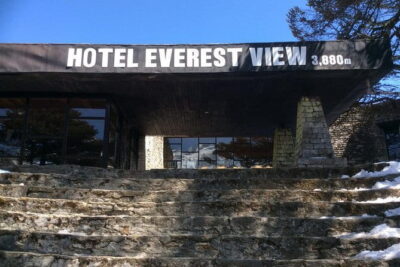
Everest Base Camp Helicopter Tour landing at Everest View Hotel
Read our review →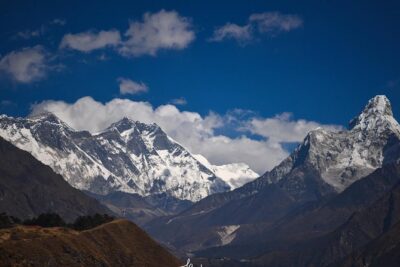
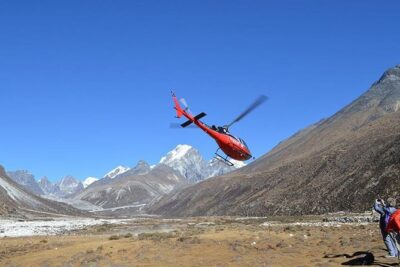
Everest Base Camp Helicopter Tour landing at Hotel Everest View
Read our review →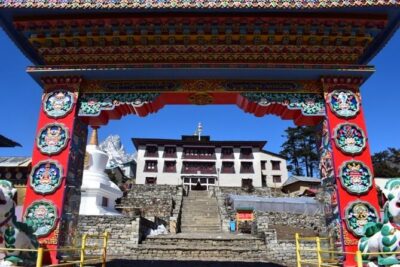
Browse the lists this tour appears in