
Reviewed · EVEREST BASE CAMP TREKS
13-Day Private Trekking Experience in Everest Base Camp
Everest Base Camp starts with one small flight. This private 13-day trek strings together careful acclimatization with classic Khumbu villages, lodge stays, and a big finale at Kala Patthar for wide-angle Everest views.
I love that the package handles the messy parts up front: Kathmandu airport pickup, domestic return airfare to Lukla, and park permits, so you spend less time coordinating and more time hiking. I also like the clear health rhythm built into the days, including the hydration target of 4 to 5 liters per day. The one drawback to consider is that you should expect basic mountain comforts, including no hot shower during the trek.
In This Review
- Key highlights to know before you go
- Kathmandu first, before you chase high altitude
- Lukla, then Phakding and Namche: the best kind of tough start
- Namche and Khumjung: where the acclimatization day actually helps
- Tengboche to Dingboche: rhododendrons, big views, and steady climbs
- Dingboche rest day, optional Nangkar Tshang, then Lobuche
- Gorak Shep to Everest Base Camp, then Kala Patthar for the views
- The long downhill, back to Namche and Lukla flight timing
- What’s included, and what you should plan for on the trail
- Price and logistics at $1,350: where the value really comes from
- Guide support, from planning to the mountain days
- Who should book this Everest Base Camp private trek
- Should you book Alpwander Adventures for Everest Base Camp?
- FAQ
- What is the starting point for this Everest Base Camp trek?
- How long is the trek?
- How much does the trek cost?
- Are flights to and from Lukla included?
- Are park permits and government taxes included?
- What accommodation is provided during the trek?
- Are meals included?
- Is Wi-Fi and charging available during the trek?
- How does cancellation refund work if I cancel late?
Key highlights to know before you go
- Lukla return flights included (Kathmandu to Lukla and back), plus airport pickup and drop
- Private trek for just your group, not a mixed crowd shuffle
- A real acclimatization pattern with an extra climb plus a rest day in Dingboche
- Kala Patthar option for sunrise-style views after or during the Everest Base Camp day
- Tea house living with guided meals (breakfast, lunch, dinner during the trek)
- Cold-weather gear support via included sleeping bag and trekking poles, and some travelers note warm-coat help
Kathmandu first, before you chase high altitude
Your Everest run starts in Kathmandu, with pickup from the airport and a transfer to a 3-star hotel for acclimatization. This matters more than it sounds. Kathmandu is already high enough to make “normal” feel a little effortful, and the first night is where you slow down, sleep, and let your body adjust before you jump to Lukla.
You’ll also get time in Thamel, the busy tourist neighborhood built around travel services, gear shops, and quick meals. It’s not scenic in the postcard sense, but it’s useful. You can top off supplies, ask questions, and get your bearings fast. The itinerary also schedules time for shopping and a hot shower when you return near the end, which is a small comfort you’ll really appreciate after 10-plus days of trekking.
Practical note: go easy on your first day. You don’t need to “earn” the trek with a big sightseeing push. You want steady energy for the early start the next morning.
More Treks in Kathmandu
- Everest Base Camp Trek – 14 Days
★ 5.0 · 1,499 reviews - Everest Base Camp Trek
★ 5.0 · 842 reviews - Everest Base Camp Trekking
★ 5.0 · 485 reviews
Lukla, then Phakding and Namche: the best kind of tough start
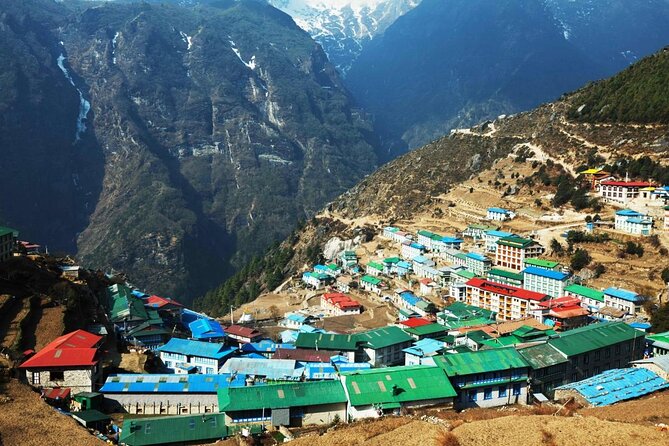
Day 2 is the big jump: a flight from Kathmandu to Lukla at about 2,800m. If you like mountains, the flight is part of the show, with sweeping views of snowcapped peaks and the surrounding terrain. After landing, you begin trekking toward Phakding, about a 3-hour walk on a route full of Tibetan Buddhist prayer walls, monasteries, and monuments.
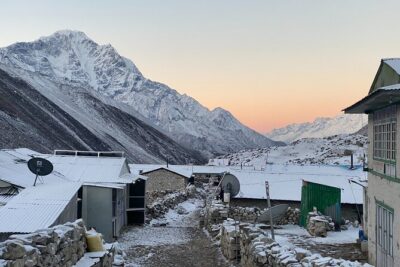
This early day is long enough to get your legs ready, but not so long that you’re cooked. You also get flexibility for a tea or lunch stop en route. Phakding sits around 2,610m, and it’s a Sherpa village town that feels like a transition zone. You arrive, check into the lodge, and spend the afternoon on acclimatization basics: hydrate, rest, and keep the plan simple.
Then comes the Namche move. The trek to Namche Bazaar takes you through Toktok, Benkar, Monjo, and Jorsalle, with suspension bridges early in the day and the famous “Namche Hill” climb later. Expect a mix of trail styles, river walking, and that steady, gradual push upward that makes you focus on breathing and pace instead of speed.
Namche is the altitude checkpoint town, at roughly 3,340m. You’ll stay two nights here, which is exactly what helps most people cope. The longer you stay, the more your body learns what’s going on.
Namche and Khumjung: where the acclimatization day actually helps
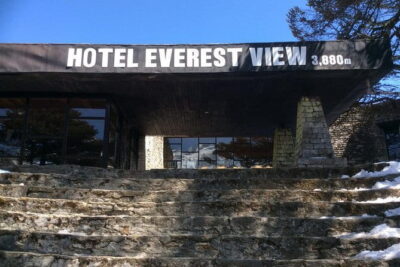
On Day 4, you get a true acclimatization day instead of just calling it rest. You’ll hike to Everest View Hotel for mountain panoramas, then walk to the twin Sherpa villages of Khumjung and Khunde, with time for the Sherpa museum and plenty of time to relax back in Namche.
This is a good strategy: you get altitude exposure through a hike, but you keep sleep lower than the pushdays higher up. It’s the kind of approach that reduces the risk of altitude problems later. You don’t have to feel heroic. You just need to keep moving at a careful pace, drink plenty of water, and pay attention to how you feel.
A practical tip that I think pays off here: treat Namche like a training ground for the trek rhythm. That means warm layers, good snacks, and staying on schedule with hydration. When you practice those habits at 3,340m, they’re easier to keep at 5,000m plus.
Tengboche to Dingboche: rhododendrons, big views, and steady climbs
Day 5 takes you toward Tengboche at about 3,870m. The route includes a long but gradual ascent, with stops and scenic moments along the way. You’ll trek through Kyanjuma, drop toward the Dudh Kosi River area, and cross a suspension bridge near Phungitenga, where you can see water-driven prayer wheels. Then lunch happens around Phungi Thangna before the long hill back up to Tengboche.
This day is a reminder that Everest trekking isn’t just about the summit goal. It’s about comfort management. You’ll feel the climb in your legs, but the payoff is that the scenery and spiritual sights keep you engaged. That matters on tough days, because your mind stays in the moment instead of counting minutes.
Day 6 continues toward Dingboche. The trail moves through rhododendrons, birch, and blue pine forests until you reach a suspension bridge near Pangboche. After that, it’s a gentle climb up through isolated pastures and fields until you reach Dingboche, where the views broaden: Amadablam, Island Peak, Lhotse, Tawache, Tsolache, Lobuche, and others.
At this stage, Dingboche is less about fancy town life and more about altitude staging. You’ll sleep in a lodge and keep your day simple.
More Everest Base Camp treks:
- Everest Base Camp Helicopter Tour landing at Everest View Hotel
★ 5.0 · 668 reviews - Everest Base Camp Trekking – 13 Day
★ 5.0 · 365 reviews - Everest Base Camp Trek
★ 5.0 · 350 reviews - Everest Base Camp Trek -14 Days
★ 5.0 · 321 reviews
Dingboche rest day, optional Nangkar Tshang, then Lobuche
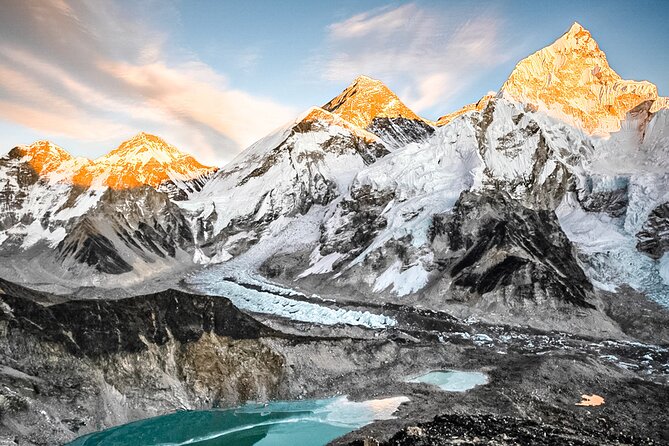
Day 7 is your second acclimatization night, still in Dingboche. You’ll aim to reach about 4,900m, gaining roughly 500m, with a hike that should take around 3 hours. The idea is classic: go higher during the day, then come down to sleep. You also get a built-in option to hike Nangkar Tshang to about 5,616m if you want a more demanding challenge and better views toward peaks like Makalu and the surrounding region.
If you’re choosing the optional hike, use it as a data point, not a race. Altitude will punish ego. Turn around based on how your breathing feels, not on how strong you thought you’d be.
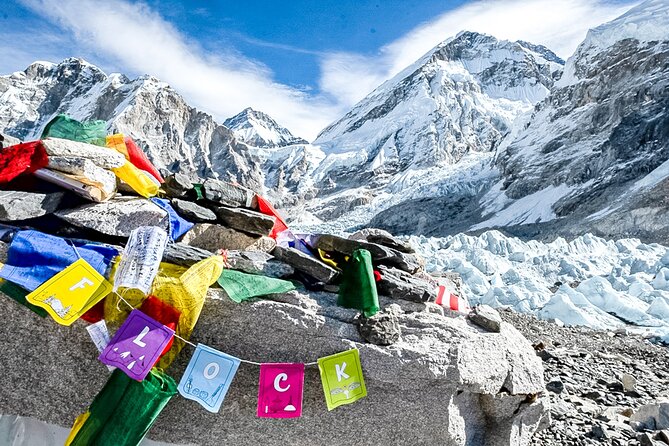
Day 8 pushes toward Lobuche. You’ll trek via Thukla and a grassy moraine area above the Khumbu Khola valley, passing cairn memorials with prayer flags that remember mountaineers who passed away. It’s a sobering but meaningful part of the route, and it also breaks up the long “just keep walking” mindset.
Lobuche sits higher than the earlier villages, and you’ll feel it. Plan to take it slow after you arrive: hydrate, eat well, and get ready for the toughest stretch of the trek.
Gorak Shep to Everest Base Camp, then Kala Patthar for the views
Day 9 is the demanding transition day, moving from Lobuche to Gorak Shep and then toward Everest Base Camp. After breakfast, you continue on the left bank of the Khumbu glacier. Then you climb up toward Changri glacier, descend briefly, and reach Gorak Shep.
From there, the pattern becomes familiar but tough: you stop for lunch, drop extra items, and push on toward Everest Base Camp. This is the day when most people feel the altitude the most. If you’re tired, you don’t want to lose your way, so let your guide set a steady pace and keep the group together.
You also get a choice. Instead of trekking directly to Base Camp, you can hike Kala Patthar for sunset and make Base Camp a next-day priority. That flexibility is smart because it lets you design the day around how your body is handling altitude rather than forcing a single template.
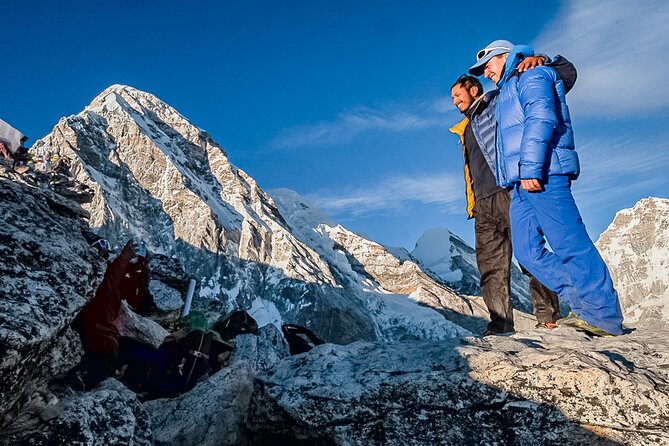
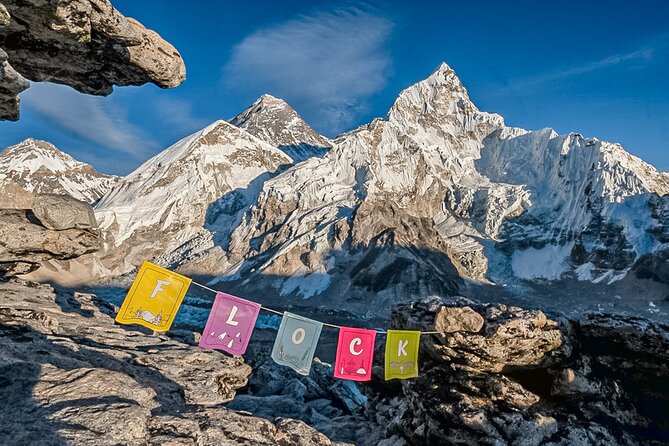
Day 10 is where Kala Patthar becomes the star. You’ll hike early to Kala Pathar around 5,550m. The climb is about 400m ascent from your starting point and can take up to 2 hours for many people. Then you get 360-degree views of Mount Everest, Nuptse, Lhotse, Khumbutse, Pumori, Lingtren, Amadablam, Thamserku, Lobuche peak, and more. Sunrise and sunset views are possible depending on conditions, but the key value is the wide horizon.
After the viewpoint, you descend back to Pheriche, passing Lobuche and Thukla. This day is basically “see it, then survive the descent.” You’ll likely feel relief when your feet meet lower ground.
The long downhill, back to Namche and Lukla flight timing
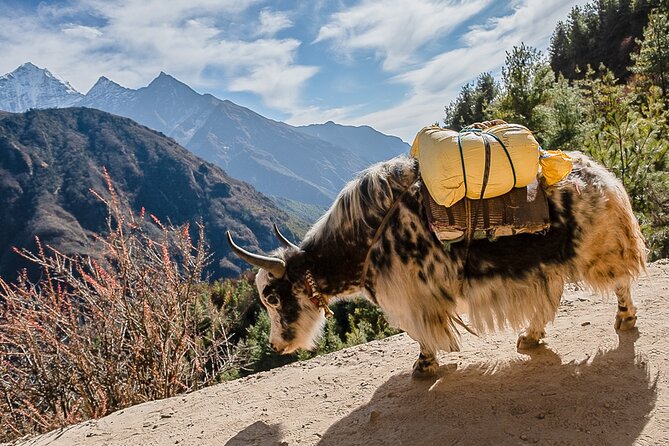
Day 11 heads downhill from Pheriche to Namche Bazaar, about 22km and around 8 to 9 hours. Downhill feels easier on paper, but it can be rough on knees and calves. Treat it like a day for careful footwork. You’ll be moving through the same area you came up on, so it feels more like a journey closing than a brand-new adventure.
Namche is where you’ll get small treats on the way down: time around Namche Bakery and Cafe Danfe, plus pool if you want to unwind. That kind of normal break helps mentally, because after high altitude, your brain wants something familiar.
Day 12 is another long push, about 21km from Namche back to Lukla. It can take 7 to 8 hours and includes a final uphill stretch into Lukla. This is often the hardest day emotionally. You’re tired, you want the trek to be over, and you still have to finish the last major climb that leads into the airport time window.
Finally, Day 13 brings the reward: an early flight around 8:30am from Lukla back to Kathmandu, about 35 minutes. Then you’re back in the city with time for a hot shower, laundry, café food, and last-hour shopping.
This is where the whole trek clicks into place. The itinerary gives you time to enjoy being human again before you go home.
What’s included, and what you should plan for on the trail
This is a package trek, so you get a lot of structure built in. Included items that matter in real life:
- Guides and permits: government taxes and national park permits fees, and a licensed trekking guide
- Transportation: domestic return airfare Kathmandu to Lukla and back, with airport pickup and dropoff
- Trekker basics: a first aid kit, trekking poles, sleeping bag, and an Alpwander Adventures T-shirt
- Lodging and meals: 11 nights in tea houses, plus breakfast, lunch, and dinner during the trek at Mountain Tea-house Lodge
- Kathmandu nights: 2 nights in a 3-star hotel with breakfast on Day 1 and Day 13
What’s not included, and you should plan around it:
- Packed bottled water, alcoholic beverages during the trek
- Electronic charging and Wi-Fi during the trek
- Hot shower during the trek
That combination is important. No charging means you should pack a reliable power strategy for your phone and camera. No hot shower means you’ll rely on wipes and small hygiene routines. And if you’re counting on Wi-Fi for morale, set expectations now.
One more thing I’d follow closely: hydrate early and steadily. The trek guidance calls for 4 to 5 liters per day. That can feel like a lot, but it’s one of the most practical altitude-protection habits you can control.
Price and logistics at $1,350: where the value really comes from
At $1,350 per person, this trek isn’t cheap, but it’s also not just paying for walking. You’re paying for:
- The Lukla flight logistics, which are a big deal because they connect the whole itinerary
- Permits and guide costs, including a government license holder trekking guide
- Tea house stays plus guided meals for 11 trekking nights
- Gear support like trekking poles and a sleeping bag, which can save money and hassle if you don’t already have proper cold-weather gear
The best value here is that you do not have to coordinate multiple independent elements yourself. When you’re dealing with altitude, tight schedules, and a flight to a remote airstrip, fewer moving parts helps.
What might make it less appealing is that you should already be the kind of traveler who is okay with basic lodge life, limited connectivity, and long hiking days. If you’re looking for comfort-first trekking with constant amenities, this route will feel like work, not relaxation.
Guide support, from planning to the mountain days
The tour emphasizes a guided experience, and the mountains tend to reward that. You’ll have someone licensed leading the route, and you’ll also get support in the planning stage, including an advance explanation and packing list habits (some travelers specifically call out being helped with gear planning and warm-coat access).
Names that come up for Everest trips include Kumar, Dorchi, and Dan. If you’re assigned one of those guides, it’s a good sign that you’ll get clear answers and practical pacing. Across the experience, people also highlight responsiveness from the company team, with Arkita mentioned as a frequent point of contact when questions needed quick answers.
The practical takeaway: good communication matters before Day 2. If your guide helps you show up prepared, you’ll suffer less later.
Who should book this Everest Base Camp private trek
This experience fits you best if you:
- Want a private trek, so your group can move together at a consistent pace
- Are comfortable with 5 to 9 hour hiking days, plus a couple of long ones on the way down
- Care about acclimatization days that follow an actual logic pattern, including a second Dingboche day
- Plan to chase views at altitude, especially with Kala Patthar as a focal point
It might not fit as well if you:
- Need frequent hot showers and easy access to charging
- Are looking for a short, casual walk instead of a high-altitude trek with real exertion
- Expect Wi-Fi and constant online contact
If you want the classic Everest Base Camp experience without adding extra pass days, this route makes sense. And if you’re curious about Gokyo Lake and high passes, know that those are part of the wider Everest region story, but this specific trek focuses on EBC and Kala Patthar.
Should you book Alpwander Adventures for Everest Base Camp?
If your goal is Everest Base Camp with a well-structured acclimatization plan, this is a solid choice. I like the way the itinerary spreads effort across the mountain, with Namche and Dingboche both treated as “you live here for a bit” stages instead of just checkpoints. I also think the inclusion of Lukla flights, permits, and core trekking gear is a big reason the trek feels manageable on the ground.
Book it if you can handle basic mountain comfort and long days, and if you’re willing to plan for cold, hydration, and limited charging. Skip it if you need luxury comforts or constant connectivity to feel okay.
FAQ
What is the starting point for this Everest Base Camp trek?
You start in Kathmandu, Nepal, with pickup from Kathmandu International Airport and a transfer to a 3-star hotel for acclimatization. The trekking then connects through a domestic flight to Lukla.
How long is the trek?
The duration is listed as 13 days approximately, including time in Kathmandu and the trek days to Everest Base Camp and back.
How much does the trek cost?
The price is $1,350.00 per person.
Are flights to and from Lukla included?
Yes. Domestic return airfare for Kathmandu to Lukla and back is included, including airport pickup and dropoff.
Are park permits and government taxes included?
Yes. All government taxes and national park permits fees are included.
What accommodation is provided during the trek?
You get 11 nights of accommodation at tea houses during the trek, plus 2 nights in Kathmandu in a 3-star hotel.
Are meals included?
Yes. Breakfast, lunch, and dinner are included during the trek at the Mountain Tea-house Lodge.
Is Wi-Fi and charging available during the trek?
No. Electronic charging and Wi-Fi during the trek are not included.
How does cancellation refund work if I cancel late?
You can cancel up to 6 days in advance for a full refund. If you cancel 2 to 6 days before, you get a 50% refund, and if you cancel less than 2 days before, there is no refund.
Latest additions near Kathmandu
- White Water River Rafting – 1 Day★ 4.3 · 3 reviews
- Traditional Momo Making Class★ 5.0 · 10 reviews
- Kathmandu to Pokhara Premium sofa bus ticket★ 4.0 · 17 reviews
- Amazing 1 Day Trekking Experience in Kathmandu Nepal★ 5.0 · 24 reviews
- Ghorepani Poonhill Trek★ 5.0 · 5 reviews
- Ghorepani Poon Hill Trek★ 5.0 · 16 reviews
- Walking tour of real Kathmandu through back streets.★ 5.0 · 3 reviews
- Wildlife Adventure in Chitwan Nepal★ 4.0 · 4 reviews
Everest Base Camp Treks, compared.
Everest Base Camp Helicopter Tour landing at Everest View Hotel
Read our review →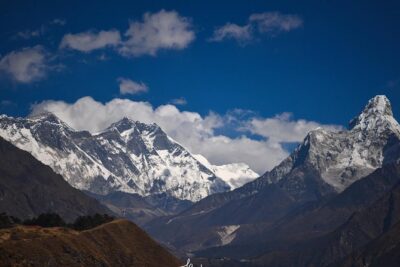
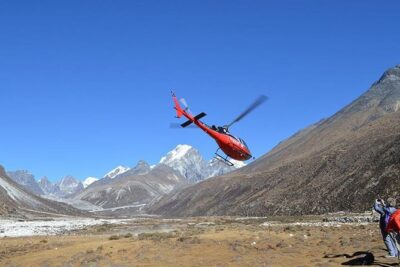
Everest Base Camp Helicopter Tour landing at Hotel Everest View
Read our review →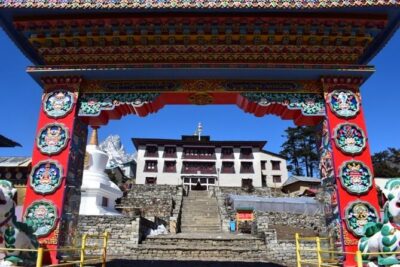
Browse the lists this tour appears in