Reviewed · TREKS IN KATHMANDU
12 Days Trek Tour in Nepal
A quiet trek with big mountain payoffs. The Mohare Danda route is a rare chance to walk a less-crowded trail in Nepal, with community-run stops that feel local instead of packaged. I also love that you get gear and permits handled, so your time goes to hiking, views, and real village life.
One thing to consider: this is a trekking itinerary built for people with moderate fitness, and one of the trek days is described as the hardest, with about a 1,000 meter gain. Add cold mornings and weather variability, and you’ll want to be ready to adapt your pace and schedule.
In This Review
- Quick Hits Before You Go
- Mohare Danda’s Quiet Trail, Real Village Life, and the Annapurna Views You Actually Came For
- Kathmandu Day 1: Thamel, a Real Briefing, and Easy Start After Arrival
- Temple Morning in Kathmandu: Pashupatinath and Boudhanath (and Why They Matter)
- The Kathmandu to Pokhara Drive: Long, Winding, and Part of the Adventure
- Day 4 Trek Start Near the Kali Gandaki: Suspension Bridge, Village Life, and a Night in an Eco Lodge
- Day 5 Nangi: Magar Village Culture, Organic Farms, and a School Visit Moment
- Day 6 The Hard Day to Mohare Danda: Forest Walking, Peak Views, and That About 1,000 Meter Climb
- Day 7 Sunrise and Trek Toward Deurali: A Morning View, Then Past Gorepani
- Day 8 Gandruk: Annapurna South and Himchuli Views, Then Gurung Museum Time
- Day 9 Finish at Syaulibazar, Then a Pokhara Reset
- Pokhara Day 10: Devi’s Fall, Gupteshwar Cave, and the International Mountain Museum
- Kathmandu Day 11: Old Lanes, Ason Market, Indrachowk, Durbar Square, and Hidden Stupas
- Day 12 Wrap-Up: Airport Timing Built Into the Plan
- What the $1,500 Includes, and Why That Matters for Value
- Guides, Safety, and Logistics: The Company Track Record That Shows Up in Real Life
- Sustainable Feel: Eco Lodges, Community Stops, and Why You Should Care
- Who This Trek Is Best For
- Should You Book This Mohare Danda 12-Day Trek?
- FAQ
- Where does the tour start and end?
- Is pickup offered?
- What trek gear is included?
- Are permits included?
- What about meals in Kathmandu and Pokhara?
- Is cancellation free if plans change?
Quick Hits Before You Go
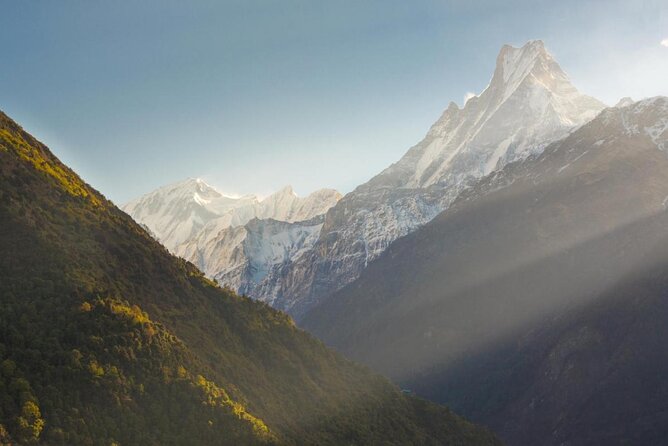
- Less-crowded Mohare Danda trail in the Annapurna region, with quieter days than the most famous routes
- Sunrise and sunset focus with Himalayan viewpoints featuring Machapuchre, Annapurna, and Dhaulagiri
- Community-based lodges and homestays plus visits tied to local farms and school life
- All the key permits included, including ACAP and TIMS for the trek area
- Gear loan included, with a down jacket, sleeping bag, fleece liner, and duffel bag
- Small group size up to 16, which usually helps keep the pace human
Mohare Danda’s Quiet Trail, Real Village Life, and the Annapurna Views You Actually Came For
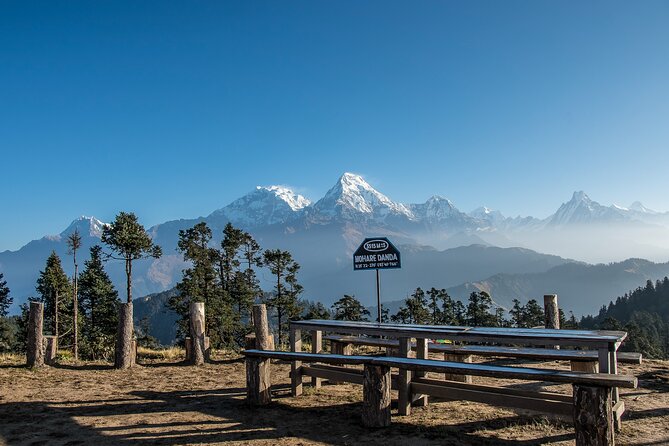
If you want Nepal trekking that feels quieter and more human, Mohare Danda is the kind of plan that can work. The big draw is the mix of mountain viewpoints and community-based places to stay along the way. You are not just passing through. You’re stepping into everyday rhythms where people live, work, and host hikers.
I especially like how the itinerary weaves in small, meaningful moments, like dinners at an eco community lodge, time around organic farms, and an afternoon visit connected with school life. That kind of structure matters because it changes your trek from photo hunting into something more grounded.
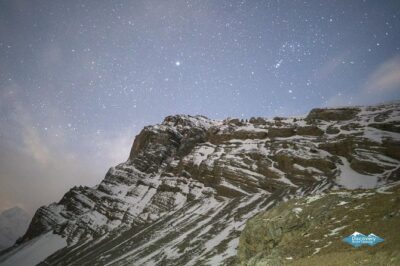
The other plus is the view schedule. The trek is framed around sunrise and sunset scenes, with landmarks like Machapuchre and the Annapurna and Dhaulagiri ranges repeatedly called out. This is the trek where you can feel the day turning, because the hiking pushes you toward those early and late light moments.
More Treks in Kathmandu
- Everest Base Camp Trek – 14 Days
★ 5.0 · 1,499 reviews - Everest Base Camp Trek
★ 5.0 · 842 reviews - Everest Base Camp Trekking
★ 5.0 · 485 reviews
Kathmandu Day 1: Thamel, a Real Briefing, and Easy Start After Arrival
Your first day is all about getting set up with zero guesswork. You land in Kathmandu, meet the company representative, and get transferred to your pre-booked hotel. After check-in, you get a short break, then the plan pulls you toward Thamel for your first evening.
Thamel is useful on Day 1 because it gives you quick options: supper, money exchange, a chance to pick up basic trekking gear if you forgot something, and a chance to get your bearings in a place where many trekkers start their Nepal story. Later, you head to the office for a trip briefing.
One practical point: delays can push events to the next day based on what’s feasible. That’s normal in travel, but it’s good to know up front so you don’t build a tight timeline around Day 1.
Temple Morning in Kathmandu: Pashupatinath and Boudhanath (and Why They Matter)
Day 2 starts with a sightseeing tour of two UNESCO sites: Pashupatinath Temple and Boudhanath Stupa. This is not just ticking boxes. It sets context for the Nepal you’ll see on the trek, because religious life shapes village patterns and the daily flow of communities.
Pashupatinath is devoted to Lord Shiva and sits beside the Bagmati river, a place of deep spiritual importance for Hindus, including cremation rites. The temple’s prominence during Shivaratri is a key detail, since it explains why crowds and energy spike around this time of year.
Boudhanath Stupa offers a different feel, with the massive stupa serving as a spiritual focal point for Buddhism. If you’re trying to understand Kathmandu beyond markets and traffic, these two stops are a strong start.
The Kathmandu to Pokhara Drive: Long, Winding, and Part of the Adventure
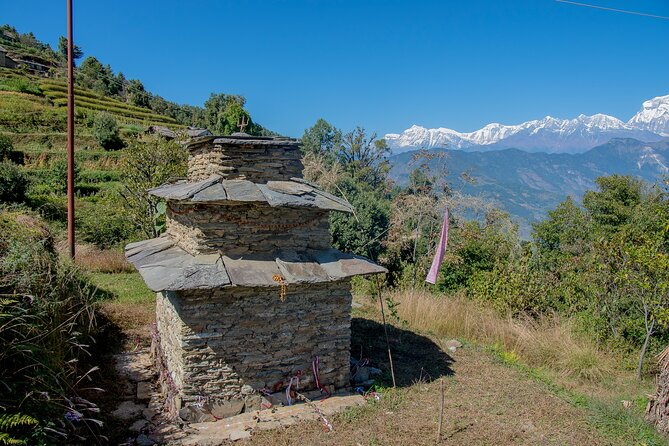
On Day 3 you drive to Pokhara in the early morning. The route is described as winding and narrow, and the drive can take around seven hours. It’s the kind of journey where you’ll either love the mountain road vibes or you’ll want to be ready with comfort strategies for a long day.
Once you arrive, you have the rest of the day to explore the lakeside and surrounding areas at your own speed. If you want a mellow decompression day after Kathmandu, this is it. You’re not forced into a strict schedule, and you can get a feel for Pokhara’s slower rhythm before the trekking begins.
Another way to spend the time in Nepal:
- Private Kathmandu Sightseeing Tour | UNESCO World Heritage sites
★ 5.0 · 756 reviews - Kathmandu: 7 UNESCO Sites with Lunch
★ 4.8 · 744 reviews - Everest Base Camp Helicopter Tour landing at Everest View Hotel
★ 5.0 · 668 reviews - Half day cooking class in Thamel kathmandu
★ 5.0 · 607 reviews
Day 4 Trek Start Near the Kali Gandaki: Suspension Bridge, Village Life, and a Night in an Eco Lodge
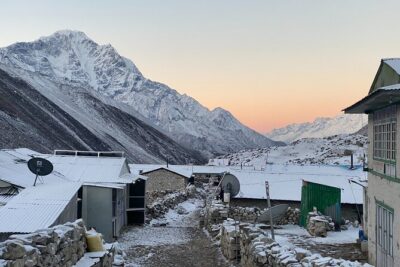
Day 4 is where the trek really starts to take shape. You drive to Galeshwor, then you walk onward for about three hours to Bas Kharka. Early on, you ascend by crossing a suspension bridge over the Kali Gandaki River, and that’s a good first taste of what the trek environment feels like on foot.
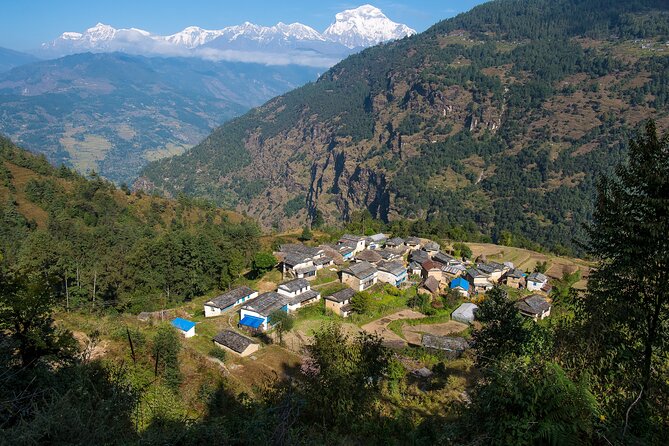
What I like here is that the walk is framed around village life and agricultural fields, plus small roadside houses and shops you pass in the drive. It’s not just scenery. It’s lived-in country.
Dinner and overnight are at an eco community lodge, followed by a homestay. This is the point where Mohare Danda leans into its “community first” identity. Even without heavy cultural programming, you get a chance to see how hikers fit into local hospitality.
Day 5 Nangi: Magar Village Culture, Organic Farms, and a School Visit Moment
Day 5 builds on the village experience as you trek toward Nangi. The day is described as around seven hours, and it goes through villages with views of mountain scenery and changing terrain.
A key cultural element is that the village is inhabited by Magar people, with a distinct language and culture. That detail matters, because it keeps the trek from becoming a generic mountain hike. You’re walking into a specific ethnic community, not just a “Nepal village” idea.
The plan also includes exploring organic farms and an afternoon visit connected with school life. These are the kinds of moments that can make the trek feel personal, especially if you enjoy learning how people live rather than just photographing the setting.
Day 6 The Hard Day to Mohare Danda: Forest Walking, Peak Views, and That About 1,000 Meter Climb
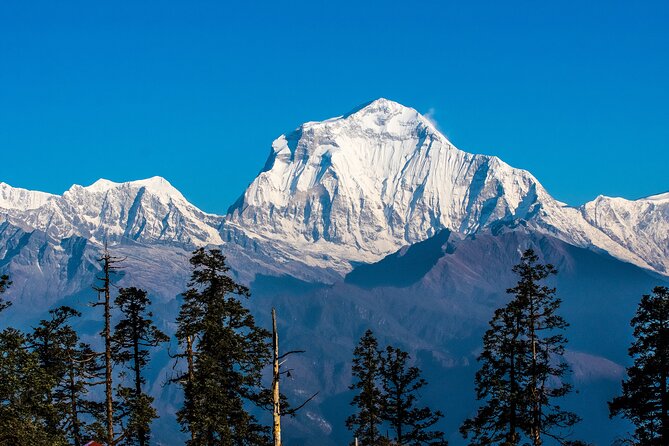
Day 6 is the toughest day, described as one where you gain almost one thousand meters. That means you should expect stronger effort and a slower rhythm if you need to pace yourself. This is also a day where the trek transitions into the “final destination” viewpoint energy.
You walk through a forest and get Himalayan views that include Machapuchre, Annapurna, and Dhaulagiri. The route is especially noted for sunrise and sunset views, which is a big clue about why your body may feel tired here but your mind won’t want to leave the viewpoint area afterward.
This is where I’d encourage you to treat the day like a mission, not a race. If you start too fast, that last stretch will feel longer. If you pace well, the reward feels worth it.
Day 7 Sunrise and Trek Toward Deurali: A Morning View, Then Past Gorepani
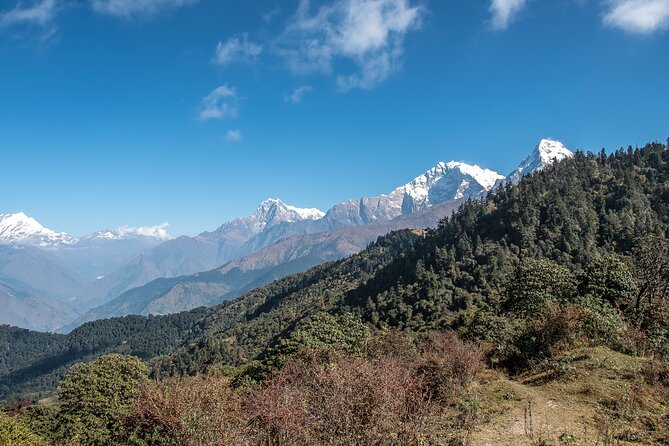
Day 7 begins with sunrise viewing described as mesmerizing over the Himalayan peaks. You can spot Machapuchre, Dhaulagiri, Annapurna, and other smaller peaks from the lodge area.
After breakfast, you trek to Deurali in about five hours. The path also goes past Gorepani, which is noted as a popular trekking stop in the Annapurna region, famous for sunrise views from Poon Hill. Importantly, the itinerary says Gorepani is the most busy town in the region.
That’s a useful contrast for your expectations. Even though Mohare Danda is framed as less crowded overall, you will still pass through areas that feel like the bigger trekking circuits. It’s not a negative, it just helps you understand why one part of the day might feel livelier than the rest.
Day 8 Gandruk: Annapurna South and Himchuli Views, Then Gurung Museum Time
Day 8 shifts you toward Gandruk village in about five hours. The trek continues through forest walking, and the rewards are the views of Annapurna South and Himchuli, visible from the village area.
Gandruk is also highlighted for the Gurung museum and culture. This is a smart inclusion because you’re not left only with outdoor impressions. You get a structured cultural stop in the middle of the trek’s final stretch.
This day is also a good reminder that Mohare Danda is not only about the highest peaks on a clear day. It’s about seeing the region’s people and understanding how trekking has become part of their wider economy and daily life.
Day 9 Finish at Syaulibazar, Then a Pokhara Reset
Day 9 is the end of the trek. After breakfast and enjoying the view of Annapurna South, Himchuli, and Fishtail close up, you descend to Ghandruk Bensi or Syaulibazar on the bank of the river Madi.
Then you finish the trek and drive to Pokhara for about two and a half hours. This is a big psychological shift. You’re transitioning from “walk mode” back into “rest and explore” mode.
If you want a smooth recovery, this is the right way to do it, since you still get a full day in Pokhara afterward.
Pokhara Day 10: Devi’s Fall, Gupteshwar Cave, and the International Mountain Museum
Day 10 is your Pokhara sightseeing day. You can visit Devi’s Fall, Gupteshwar cave, and the International Mountain Museum, described as highly informative about mountaineering expeditions and Himalayan peaks.
For me, this kind of museum stop is valuable right after a trek because it helps connect names you saw on the route to the bigger story of exploration in the region. Even if you think you already know the basics, it’s the sort of place that puts the mountains in context.
After lunch, you transfer to Pokhara Airport for a flight back to Kathmandu. Then a representative transfers you to your hotel.
Kathmandu Day 11: Old Lanes, Ason Market, Indrachowk, Durbar Square, and Hidden Stupas
Day 11 returns you to Kathmandu with a city tour focused on history, culture, and spiritual spots. You walk through narrow lanes in ancient Kathmandu, described as the center of power, and you pass through market areas like Ason and Indrachowk, plus the Glass beads market at Indrachowk.
You also see New Road, noted as the oldest supermarket, and places like Kilagal. The itinerary also includes hidden stupas inside family courtyards, which is a nice way to experience Kathmandu’s layered city structure.
Then you visit Kathmandu Durbar Square, tied to the Malla Kings and Shah Kings rule periods mentioned in the plan. The square’s temple of the living goddess is also part of the experience, which adds a living religious element to the sightseeing.
This is a great final day because it helps you land the trek with a sense of place. Mountains are only half the Nepal story. The other half is what people build and worship in the cities.
Day 12 Wrap-Up: Airport Timing Built Into the Plan
On Day 12, you’re transferred to Kathmandu international airport three hours before your flight time. That’s simple and useful, especially if you dislike last-minute stress.
Then your tour ends back at the meeting point area.
What the $1,500 Includes, and Why That Matters for Value
This trip is priced at $1,500 per person. On paper, that might sound steep compared with DIY travel. But the value case here is that a lot of the operational work is covered.
Included basics that help you travel lighter:
- Trek gear loan, including a down jacket, sleeping bag, fleece liner, and a duffel bag
- 3-star standard hotels in Kathmandu and Pokhara with breakfast
- A professional trekking guide plus porter and assistant guide
- Permits for the trek area: ACAP and TIMS
- Food, drinks, and lodging for the trekking days, plus coverage for trekking staff logistics, including salary and insurance for staff and medical equipment support
- Private transfers for key legs, including Pokhara to Galeshwor and Syaulibazar to Pokhara
Not included:
- Lunch and dinner in Kathmandu and Pokhara
- Tips for guide, porter, and driver (not compulsory, but expected)
For most people, the biggest value is reduced planning stress. You’re not figuring out routes, permits, or who carries what. You still decide your pace, but the friction is lower.
Guides, Safety, and Logistics: The Company Track Record That Shows Up in Real Life
Even though this Mohare Danda trek is its own route, the company behind it has a track record in how it handles guides and logistics. Many past trips highlight guides who are attentive and teams that make the whole process feel seamless.
Names that show up in that positive pattern include Baburam and Purna, plus Mingur and Mindu on Everest Base Camp style trips. There’s also an example of Gokarna and staff support when someone got sick on altitude during a high-altitude trek, with help arranging a helicopter return with insurance. That’s not a promise that it will happen to you, but it does show the company has dealt with serious situations and responded quickly.
So for your decision, the practical takeaway is this: you’re buying more than a trail map. You’re buying a system that handles people, timing, and the moving parts between Kathmandu, Pokhara, and the trek start and finish.
Sustainable Feel: Eco Lodges, Community Stops, and Why You Should Care
The Mohare Danda concept is built around lower crowd levels and community-based lodges. That matters because it changes what your spending supports. Instead of only big-budget tourism hubs, your money flows through local hosting and services along the route.
You also get structured cultural contact, like farm life and a school visit during the trek. When a trek includes these moments, it tends to create a more respectful interaction between hikers and local communities.
From the positive reviews tied to the same company, there’s also a theme of giving back to local communities. Pair that with the eco lodge and homestay model described in the route, and you’re not just signing up for views. You’re helping fund a travel approach that keeps value closer to where you walk.
Who This Trek Is Best For
This itinerary is a good fit if you want:
- Less crowded trekking while still getting major Annapurna-area mountain views
- A mix of trek days and city days that start in Kathmandu and include Pokhara sightseeing
- A plan that is structured but not overly complicated day to day
It is not ideal if you only want easy walking. One day is described as the hardest due to roughly a 1,000 meter gain, and the overall trek still requires moderate fitness.
Your group size is capped at 16 travelers, which usually means the experience stays more personal than huge buses of hikers.
Should You Book This Mohare Danda 12-Day Trek?
I’d book it if you want the Annapurna region’s best kind of contrast: quiet trail time plus community stays, followed by strong city sightseeing in Kathmandu and Pokhara. The package also makes life easier because gear, permits, and a lot of day-to-day logistics are covered.
I’d think twice if you are not comfortable with a moderate fitness level requirement, or if you hate the idea of a hardest day with a big climb. Also, because the trek requires good weather, build flexibility into your travel mindset.
If you’re the type who remembers small moments, like a homestay dinner, a farm visit, or a school stop, Mohare Danda is likely to click.
FAQ
Where does the tour start and end?
It starts in Thamel, Kathmandu 44600, Nepal, and ends back at the same meeting point.
Is pickup offered?
Yes. Pickup is offered.
What trek gear is included?
The tour includes a down jacket, sleeping bag, fleece liner, and a duffel bag.
Are permits included?
Yes. The tour includes the Annapurna Conservation Area Permit (ACAP) and the Trekking Permit (TIMS).
What about meals in Kathmandu and Pokhara?
Lunch and dinner in Kathmandu and Pokhara are not included.
Is cancellation free if plans change?
Yes, you can cancel for a full refund up to 24 hours before the experience start time. If you cancel within 24 hours, the amount paid is not refunded. If poor weather forces cancellation, you’ll be offered a different date or a full refund.
Latest additions near Kathmandu
- White Water River Rafting – 1 Day★ 4.3 · 3 reviews
- Traditional Momo Making Class★ 5.0 · 10 reviews
- Kathmandu to Pokhara Premium sofa bus ticket★ 4.0 · 17 reviews
- Ghorepani Poon Hill Trek★ 5.0 · 16 reviews
- Amazing 1 Day Trekking Experience in Kathmandu Nepal★ 5.0 · 24 reviews
- Ghorepani Poonhill Trek★ 5.0 · 5 reviews
- Walking tour of real Kathmandu through back streets.★ 5.0 · 3 reviews
- Wildlife Adventure in Chitwan Nepal★ 4.0 · 4 reviews
Treks in Kathmandu, compared.

Nagarkot Sunrise View and Day Hiking from Kathmandu
Read our review →