
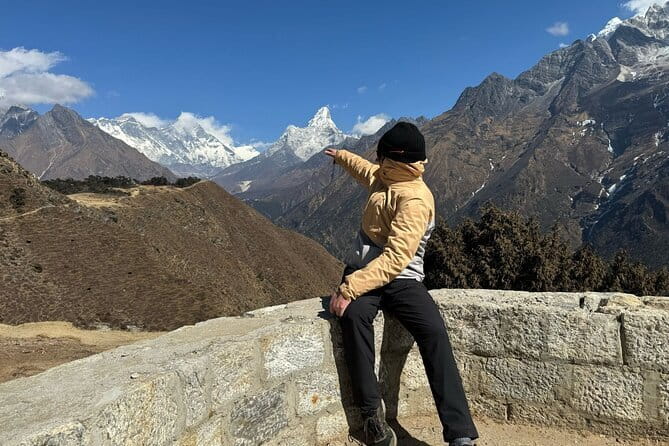
Reviewed · EVEREST BASE CAMP TREKS
12 Days Everest Base Camp Trek from Kathmandu
Lukla is the warm-up for Everest. You fly from Kathmandu to Lukla, then hike through Sherpa villages and rhododendron country toward Tengboche Monastery, with Everest Base Camp and big Himalayan views as the payoff. The tradeoff is altitude, so you should come with a strong fitness base and a calm head for slower days.
I also like that this is set up as a private trek with a government-licensed English speaking guide, and the service notes you see here often praise guides like Prakash, Milan, and Dev for keeping things safe and comfortable, especially around acclimatization.
In This Review
- Key things I’d watch for before you go
- Entering the Everest region: what makes this trek feel real
- Kathmandu to Lukla to Phakding: the start that sets the tone
- Namche Bazaar: gateway town plus altitude coaching
- Rhododendron climbs and Tengboche Monastery views
- Dingboche: suspension bridges, stupa moments, and a real rest day
- Lobuche to Everest Base Camp: when the trail gets serious
- Kala Patthar: the viewpoint day that earns its reputation
- The return down: Namche, Lukla, and the post-mountain feeling
- Price and logistics: where your money goes in this package
- What the guide support really changes on an EBC trek
- Who this trek fits best
- Should you book this 12-day Everest Base Camp trek?
- FAQ
- What is included in the trek price?
- Is the trek private or shared with other groups?
- How do I get to Lukla?
- What about meals and drinks during the trek?
- Are there acclimatization days built into the schedule?
- How challenging is the trek?
- Can I get a full refund if I cancel?
Key things I’d watch for before you go
- Private, guide-led trek means your pace and logistics stay tight, not chaotic.
- Flights Kathmandu to Lukla and back are included, which removes one big uncertainty.
- Acclimatization built in through a Namche day and a rest day in Dingboche.
- Monasteries and Sherpa culture are not side quests, they’re part of the rhythm.
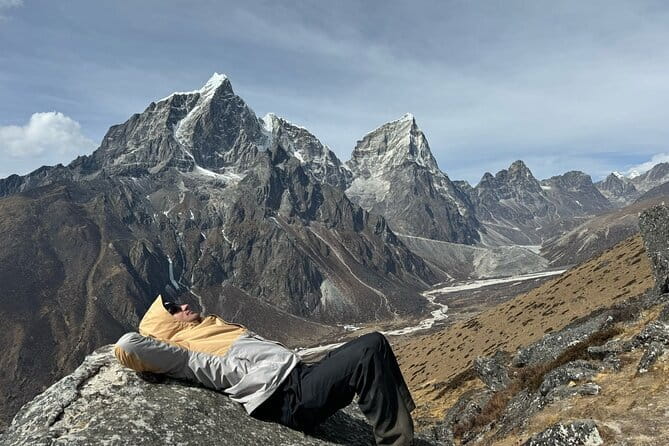
- Kala Patthar is the viewpoint day that helps you earn those Everest-scale views.
- Budget for meals and drinks since they are not included (plan about US$25 per day).
Entering the Everest region: what makes this trek feel real
Everest Base Camp treks can turn into a checklist. This one has more texture because you spend time in Sherpa towns, pass through Sagarmatha National Park, and work in landmark days tied to culture, not just elevation.
You start with a flight, not a long drive, and that changes the mood fast. Lukla puts you in the right frame for the mountains. Then the hike follows the Dudh Koshi river area early on, with descents and climbs that teach your legs what the week ahead will feel like.
Two things I’d call out as the best parts of the experience: the cultural stops and the way the trek uses rest days in smart places. Namche Bazaar is more than a waypoint. Tengboche Monastery is more than a photo stop. And when you finally reach Everest Base Camp, it feels earned because you’ve had time to adjust and absorb the region.
More Treks in Kathmandu
- Everest Base Camp Trek – 14 Days
★ 5.0 · 1,499 reviews - Everest Base Camp Trek
★ 5.0 · 842 reviews - Everest Base Camp Trekking
★ 5.0 · 485 reviews
Kathmandu to Lukla to Phakding: the start that sets the tone
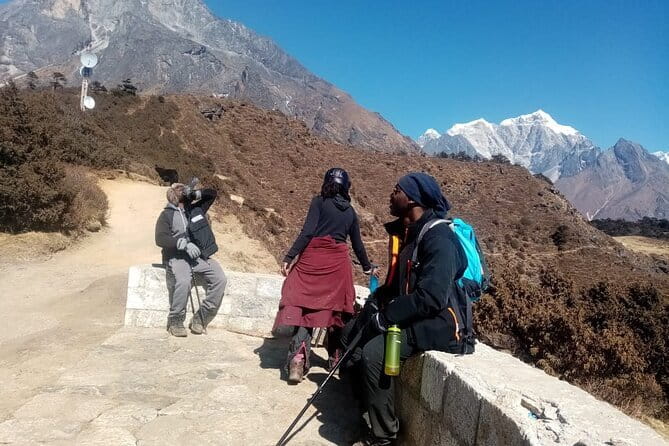
Day 1 is a short scenic flight from Kathmandu to Lukla. After you meet the crew and get organized, you begin trekking from Lukla following the Dudh Koshi River, with a descent through the early part of the route toward Phakding.
This is the day for two jobs. First, get your balance and breathing under control. Second, settle into the rhythm of tea houses and guest-house nights. The walking is manageable, but it’s still a full day, and the goal is to start feeling steady rather than heroic.
One practical note: flights can be a big factor in Himalayan timing. You are covered here because the Kathmandu to Lukla and return flights are included, and the plan includes meeting the crew and staying on schedule.
Namche Bazaar: gateway town plus altitude coaching
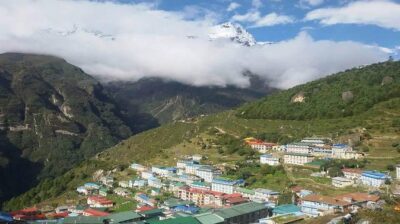
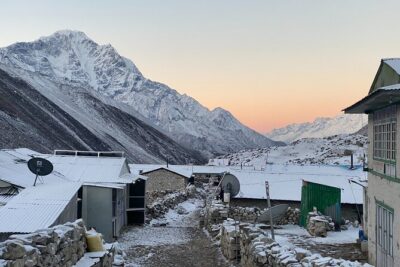
Namche Bazaar is where the Everest region starts to feel like it has its own pulse. You reach it on a longer hiking day that typically runs around 7 hours, passing through Monjo and entering the feel of Sagarmatha National Park. Expect streams, small settlements, and lots of signs you’re walking in a protected mountain zone.
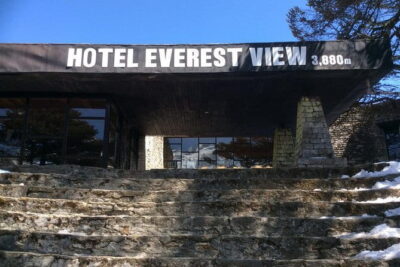
Then comes the best kind of day on a trek like this: an acclimatization day in Namche. Instead of only climbing, you explore the town area and take a short excursion to either Syangboche Airstrip or the Everest View Hotel. This is a smart approach because it lets you test how you handle altitude before pushing higher.
Why I like this plan: it’s not just resting, it’s active acclimatization. You’ll still be moving, but you’re doing it with your body’s “new normal” in mind. If your guide is Prakash, Milan, or Dev, the service style described tends to focus on safety and comfort, which matters most on this kind of day.
Rhododendron climbs and Tengboche Monastery views
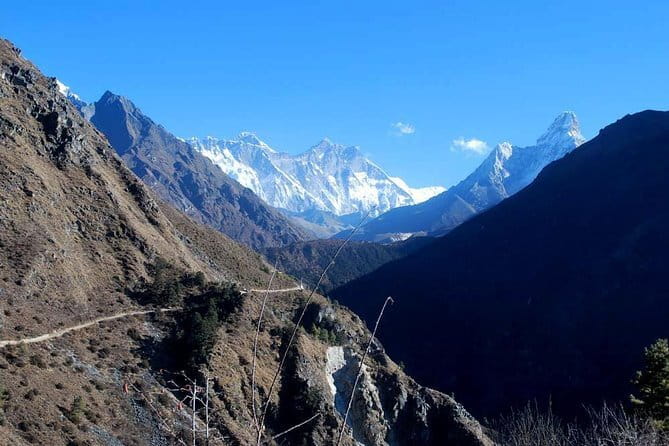
On the way toward Tengboche, the trail gradually climbs through dense rhododendron forests. You also pass by Imja Khola before reaching Tengboche village, which is where the culture part becomes a centerpiece rather than a break.
Tengboche is tied to the Tenboche Monastery Helipad on the walking route, and you get time to explore the monastery. The monastery is described as the oldest monastery in the Khumbu region, and that matters. It’s not only old, it’s a living place where you can witness Buddhist rituals and see devotional details like prayer wheels.
This day usually lands around 6 hours of trekking. It’s long enough to feel like progress, short enough that you’re not destroying your energy before higher country. If you like your trekking days with meaning, this is one of the strongest stops.
More Everest Base Camp treks:
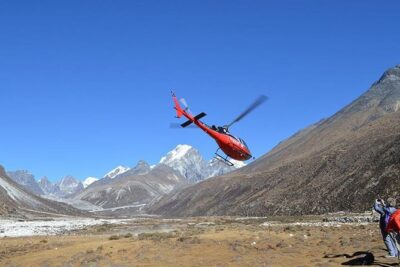
- Everest Base Camp Helicopter Tour landing at Everest View Hotel
★ 5.0 · 668 reviews - Everest Base Camp Trekking – 13 Day
★ 5.0 · 365 reviews - Everest Base Camp Trek
★ 5.0 · 350 reviews - Everest Base Camp Trek -14 Days
★ 5.0 · 321 reviews
Dingboche: suspension bridges, stupa moments, and a real rest day
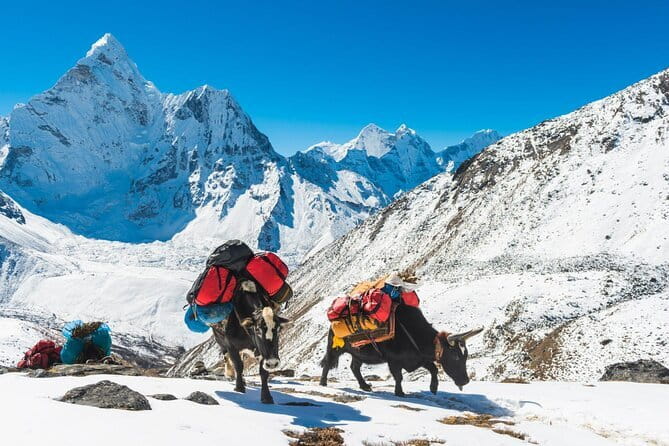
From Tengboche, you head toward Dingboche after trekking through small settlements like Pangboche and Orsho. Along the way you cross suspension bridges and you’ll see religious markers such as stupas and chortens. That mix is part of what makes the trek more than scenery. The region’s spirituality is built right into the trail experience.
You reach Dingboche after about 6 hours. Then you do something crucial: you take a day break to adjust to elevation. Instead of sitting still all day, you hike to Nagarjun Hill for views of Everest, Lhotse, Ama Dablam, Nuptse, Thamserku, and Pumori.
This rest day is where good guiding shows up. It’s easy to treat it like a free day. A strong guide uses it to manage your pace, watch how you’re feeling, and keep you moving in a way that helps your body acclimate. The service notes here often mention acclimatization support as a highlight, and this is exactly where that matters most.
Lobuche to Everest Base Camp: when the trail gets serious
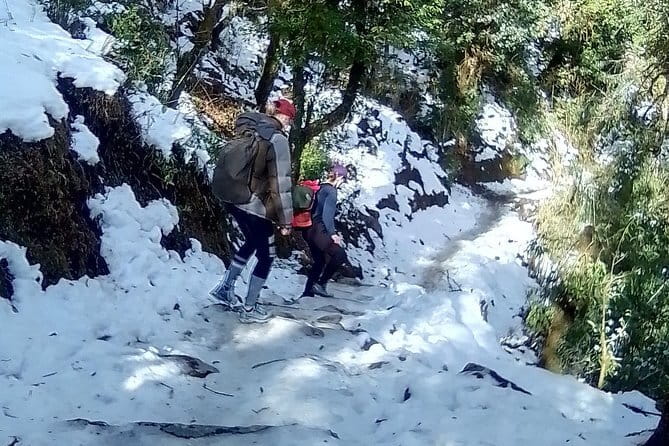
Leaving Dingboche, the hike to Lobuche shifts character. You gradually ascend through small villages, and the terrain transitions from lush forests to more sparsely dotted shrubs. This is one of those shifts you feel in your lungs and legs. Less greenery often means more exposure and colder mornings later on.
The Lobuche day comes in around 6 hours. Then the next day is the big one: a trek toward Everest Base Camp that starts early and takes about 8 hours. You pass Gorka Shep, described as the last human settlement area on the trail, which is a great mental marker. After that, it’s just you, your group, and the Everest country.
When you reach Everest Base Camp, the experience is about scale and atmosphere. Climbers prepare here for the attempt, and the area has a distinct mix of ambition and waiting. You’ve been moving for days through Sherpa towns and monasteries. Now the mountains are the story.
This is also a day where your included guest-house accommodation matters, because you’ll want steady recovery after long walking time. The package includes guest-house lodging during the trek, plus an emergency normal first aid kit with your guide.
Kala Patthar: the viewpoint day that earns its reputation
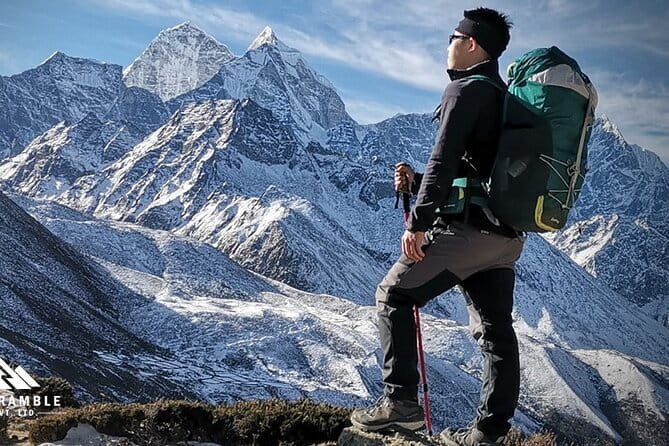
If Everest Base Camp is the goal, Kala Patthar is the reward. On the day after base camp, you hike up to Kala Patthar, a famous viewpoint located just above Everest Base Camp.
The key promise here is the view. You get 360-degree views, which is the kind of line that can sound marketing-y until you’ve earned it with climbs at altitude. This is also a day where your pace strategy matters. Go steady, keep breathing controlled, and don’t treat it like a sprint, even if the view is pulling you upward.
This viewpoint day also explains why this trek duration works. You’re not doing only one big day. You stack big moments with time for adjustment so you can actually enjoy them when you arrive.
The return down: Namche, Lukla, and the post-mountain feeling
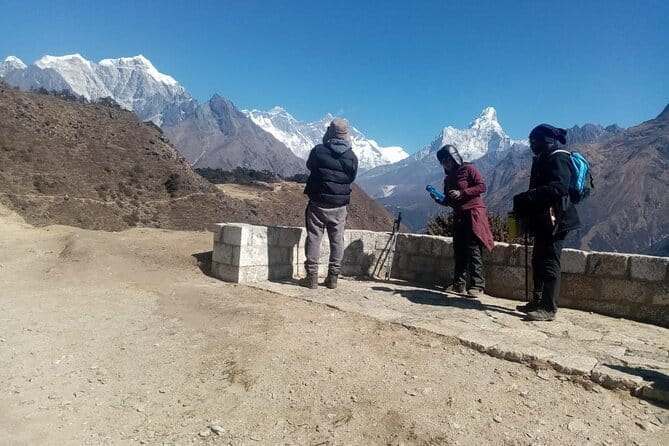
After Kala Patthar, you head back through the same general region, but it feels different because your body is already tired and you’re seeing the trail in reverse. Day 10 takes you from the higher route down toward Namche. You trek through dense forests and small villages, follow the Imja River section, pass through Tengboche, then descend toward Phungki Thanka before reaching Namche again.
This day is about 6 hours. It’s still trekking, but the downhill gives your legs a break while still letting you keep moving.
Day 11 brings the final descent style hike from Namche toward Lukla, about 7 hours. You pass through forests and streams and reach Phakding before continuing on.
Then on Day 12 you fly back to Kathmandu. You’re picked up by the team and moved to your hotel, and the tour plan includes a farewell dinner where you say goodbye and get ready for departure.
Price and logistics: where your money goes in this package
At US$1,380 per person for about 12 days, the value comes from what’s bundled. This is not just a guide price.
Included items cover major moving pieces:
- Hotel pick up and drop off in Kathmandu
- A government-licensed English speaking trekking guide
- Kathmandu to Lukla to Kathmandu flights
- Trekking permit and official documents
- Guest-house accommodation during the trek
- Private tour setup, meaning only your group participates
- An emergency normal first aid kit with your guide
The two big costs you still plan for:
- Food and drinks are not included, and the estimate is about US$25 per day.
- Gratuities are optional.
So how should you think about the price? You’re paying for the structure that keeps the trek running: flights, permits, lodging, and a guide who can manage altitude days and safety. When you add up the reality of paying for flights and permits separately, this package starts to look less expensive than it might at first glance.
What the guide support really changes on an EBC trek
On paper, most Everest Base Camp treks look similar. The difference is how you’re handled on the days that matter.
The service notes tied to this trek put real weight on guide quality. Guides like Prakash are described as professional and safety-focused, and Milan gets mentioned for patient, friendly support and acclimatization tips. Dev is singled out for making a challenging trek feel easier, plus smooth timing on accommodation and transport.
Even if your guide is someone else, the practical value you want is consistent:
- Clear pacing on acclimatization days in Namche and Dingboche
- Comfort and safety management as altitude rises
- Organization so you don’t lose time hunting logistics
This trek is private, so you get a more responsive experience. If someone in your group is struggling on a certain day, that matters more than it would in a large group.
Who this trek fits best
This is ideal if you want a classic Everest Base Camp path but you also care about culture. You’ll see Sherpa villages, monasteries, and Buddhist rituals, not just high points.
You should also be honest about fitness. The package asks for a strong physical level. That does not mean you need to be a mountain athlete, but you do need to handle long trekking days and altitude pressure.
If you’re chasing a less crowded feel compared to other big Nepal routes, you might appreciate that this plan keeps attention on your group and your rhythm rather than pushing you into a stampede. Still, Everest Base Camp is famous for a reason, so come ready for the region’s popularity.
Should you book this 12-day Everest Base Camp trek?
Book it if you want a well-structured trek where the major costs are handled upfront: flights, permits, guest-house nights, and a government-licensed English speaking guide. The combination of Namche acclimatization, Tengboche Monastery, and the Kala Patthar viewpoint day is a strong recipe for both meaning and payoff.
Skip it or ask more questions first if you are unsure about your ability to handle altitude and long walking days. The trek includes rest and acclimatization, but it still expects you to be physically ready.
If you go, do it with a simple mindset: walk steady, trust the pacing, and treat the monastery and village days as part of your Everest story.
FAQ
What is included in the trek price?
Your package includes hotel pick up and drop off in Kathmandu, a government-licensed English speaking trekking guide, flights Kathmandu to Lukla to Kathmandu, trekking permit and official documents, guest-house accommodation during the trek, and a private tour setup.
Is the trek private or shared with other groups?
This is a private tour, so only your group participates.
How do I get to Lukla?
You fly from Kathmandu to Lukla as part of the tour, and you take another flight back to Kathmandu on the final day. Flight tickets are included.
What about meals and drinks during the trek?
Food and drinks are not included. The plan suggests budgeting about US$25 per day for purchases along the way.
Are there acclimatization days built into the schedule?
Yes. You spend a day acclimatizing in Namche Bazaar and you also take a rest day in Dingboche with a hike to Nagarjun Hill for views.
How challenging is the trek?
The tour asks for travelers with a strong physical fitness level. Expect long trekking days and elevation changes across multiple days.
Can I get a full refund if I cancel?
You can cancel up to 3 days in advance for a full refund. If you cancel less than 3 days before the start time, the amount paid is not refunded.
More day tours out of Kathmandu
- Nagarkot Sunrise View and Day Hiking from Kathmandu
★ 5.0 · 471 reviews - Private Bhaktapur and Nagarkot Day Tour From Kathmandu
★ 5.0 · 305 reviews - Day Trip to Bhaktapur and Panauti from Kathmandu
★ 5.0 · 184 reviews - From Kathmandu: 1 hour Panoramic Everest Flight
★ 4.4 · 175 reviews
Latest additions near Kathmandu
- White Water River Rafting – 1 Day★ 4.3 · 3 reviews
- Traditional Momo Making Class★ 5.0 · 10 reviews
- Kathmandu to Pokhara Premium sofa bus ticket★ 4.0 · 17 reviews
- Ghorepani Poon Hill Trek★ 5.0 · 16 reviews
- Amazing 1 Day Trekking Experience in Kathmandu Nepal★ 5.0 · 24 reviews
- Ghorepani Poonhill Trek★ 5.0 · 5 reviews
- Walking tour of real Kathmandu through back streets.★ 5.0 · 3 reviews
- Wildlife Adventure in Chitwan Nepal★ 4.0 · 4 reviews
Everest Base Camp Treks, compared.
Everest Base Camp Helicopter Tour landing at Everest View Hotel
Read our review →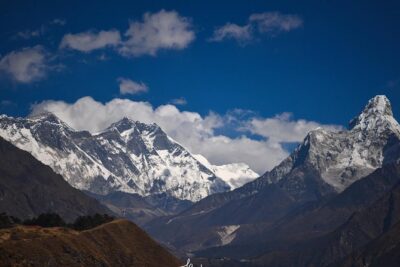
Everest Base Camp Helicopter Tour landing at Hotel Everest View
Read our review →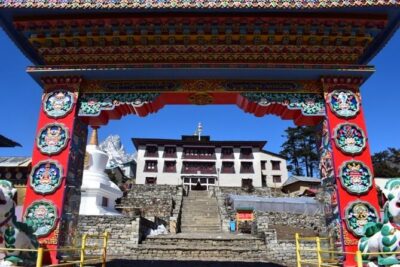
Browse the lists this tour appears in