
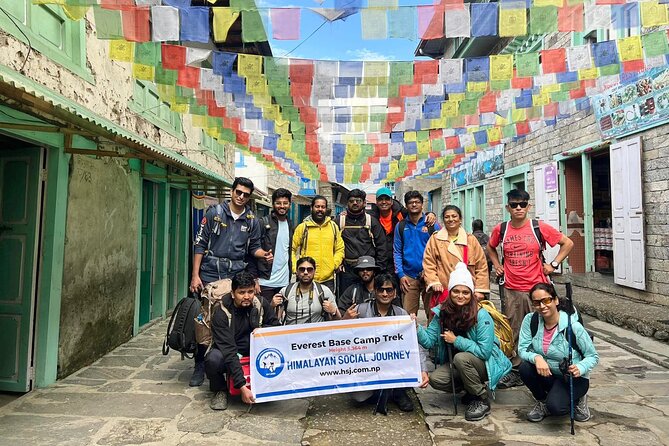
Reviewed · EVEREST BASE CAMP TREKS
12 Days Everest Base Camp Trek
Everest Base Camp, but with smart logistics. This 12-day trek through the Khumbu is interesting because it mixes pre-arranged permits and paperwork with classic trail days like Namche Bazaar and Tengboche monastery, plus the big altitude moments at Dingboche and Kala Patthar. I also like the practical teahouse meal setup and the built-in porter system that helps you hike lighter. One possible drawback to plan around is that the Kathmandu to Lukla flight can be delayed or even canceled due to weather, which can mess with timing.
What makes this trip feel easier is that the hard parts are handled in advance: transportation, trekking permits, and a licensed English-speaking guide. I found the value is strongest if you want to focus on walking, adjusting to altitude, and enjoying the Sherpa villages without spending your travel time on logistics. If you prefer total freedom with no structure, this all-in package may feel a bit too organized for your style.
In This Review
- Key things to know before you go
- Price and logistics, what you really get for $1,390
- Day 1: Kathmandu to Lukla to Phakding, easing in on purpose
- Day 2: Phakding to Namche Bazaar, your first big altitude checkpoint
- Day 3: Namche acclimatization and sunrise viewpoints
- Day 4: Namche to Tengboche, monastery vibes with mountain drama
- Day 5: Tengboche to Dingboche, moving through villages and valleys
- Day 6: Dingboche acclimatization, using time to adjust
- Day 7: Dingboche to Lobuche, the approach phase gets serious
- Day 8: Lobuche to Gorak Shep and Everest Base Camp, the long day everyone remembers
- Day 9: Kala Pathar at sunrise height, then down to Pheriche
- Day 10: Pheriche to Namche Bazaar, a descent that still counts
- Day 11 and 12: Namche to Lukla, then Kathmandu recovery and cultural time
- What stood out most in real-world service
- Who this trek suits best, and who should look elsewhere
- Should you book this Everest Base Camp trek?
- FAQ
- What is the total duration of the trek?
- Where does the trip start and what time do you meet?
- Are domestic flights included?
- What kind of accommodations are included during the trek?
- What permits are arranged for you?
- Do I get a guide and porter support?
- What is included in the price besides the trek?
- What is not included?
- What happens if the Lukla flight is delayed or canceled?
- Can I get a full refund if I cancel?
Key things to know before you go
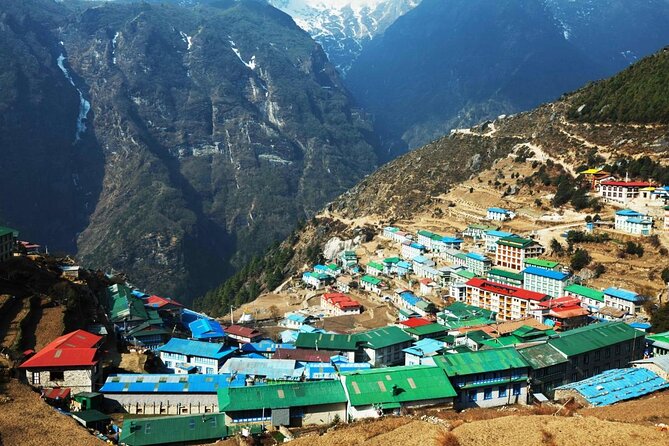
- Permits handled for you so you are not hunting paperwork in Kathmandu right before departure
- Teahouse accommodation with breakfast, lunch, and dinner during the trek days
- Porter support with a 2 trekkers to 1 porter ratio to keep your pack manageable
- Acclimatization built into the schedule with time in Namche and Dingboche
- Tengboche monastery timing matters, and the itinerary notes when you might catch a ceremony
- Flight delays are real on the Lukla route, so you need patience at the airport
Price and logistics, what you really get for $1,390
At $1,390 per person for about 12 days, this is not a shoestring trek. The real value is that it bundles the stuff that usually creates stress and extra costs: the domestic flight between Kathmandu and Lukla, teahouse meals during the trek, and the staff and paperwork that keep everything moving. You are also paying for a government-licensed, English-speaking guide plus porter service (2 trekkers sharing 1 porter), and you get a medical kit carried by the trek leader.
You also get structure after you return to the mountains. There is a transfer in Kathmandu at the end of the trek, and you are set up for a farewell dinner at the end of the trip. In short, you are buying convenience. If you are the kind of traveler who hates last-minute scrambling for permits, don’t love negotiating guides on the street, or simply want your trek days to feel clear, this package matches that mindset well.
The tradeoff is that your schedule has less wiggle room. And because Lukla flights can delay or cancel, you should treat the overall timeline as flexible, even if the itinerary looks precise on paper.
More Treks in Kathmandu
- Everest Base Camp Trek – 14 Days
★ 5.0 · 1,499 reviews - Everest Base Camp Trek
★ 5.0 · 842 reviews - Everest Base Camp Trekking
★ 5.0 · 485 reviews
Day 1: Kathmandu to Lukla to Phakding, easing in on purpose
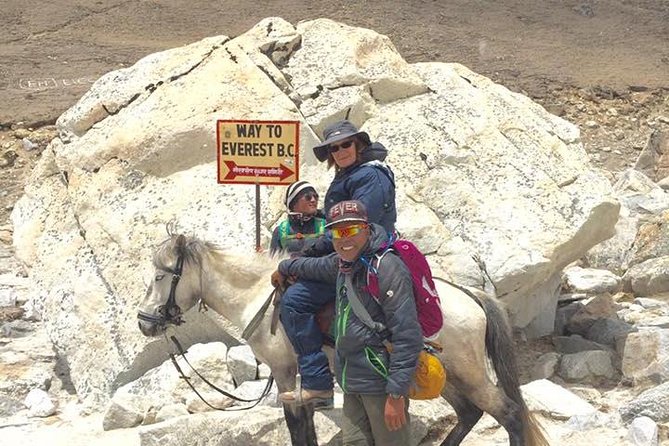
You meet at 5:15 am, then start with an early domestic flight from Kathmandu to Lukla. The flight is short, but it is a big psychological jump. You land in the Everest region feeling like you are already in the mountains, not just on the way there.
Then the trek begins: Lukla to Phakding is about 3 to 4 hours. You follow the trail via Cheplung village, and you overnight in Phakding at roughly 2,651 m. This first walking day matters because it helps you settle into rhythm before the steeper altitude climbs. It is also where you start noticing how the trail is less about being a machine and more about reading terrain, pacing yourself, and taking in views as you hike.
If you are prone to rushing on day one, this itinerary is designed to slow you down. It is a good start if you want to feel steady, not wrecked, before Namche.
Day 2: Phakding to Namche Bazaar, your first big altitude checkpoint
Day 2 builds toward Namche Bazaar, roughly 3,438 m. The walk is about 4 to 5 hours, and you cross the Dudh Koshi River while passing through villages like Chumoa and Monjo before reaching the entrance area of the Everest National Park.
You also cross rivers and suspension bridges, which is where trekking gets real in a practical sense. Cold air, wind, and uneven steps add up. This is also the day you start feeling why pacing matters. Namche is the hub, and many trekkers remember it as the place where altitude becomes more noticeable.
This is a good day for steady effort. You do not need to sprint to Namche. The goal is to arrive feeling like you can still enjoy dinner and sleep, not like you need recovery before you even start acclimatizing.
Day 3: Namche acclimatization and sunrise viewpoints
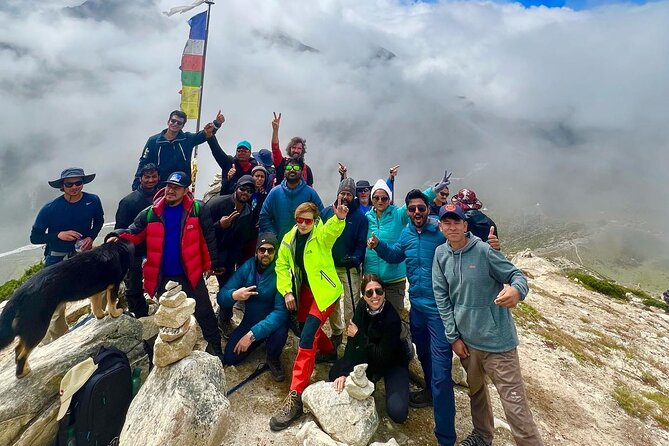
Day 3 is an acclimatization day in Namche Bazaar, around 3,440 m, and the plan includes exploring the town and then hiking up for views at Sagarmatha National Park. The highlight here is sunrise over major peaks like Everest, Lhotse, Nuptse, Ama Dablam, Thamserku, and Kongde.
What I like about this day is that it gives you something tangible to do at altitude that is still tied to the trek. Instead of pretending you are not affected by elevation, you use the day to adjust, get your bearings, and see the mountains in good light.
You also have an optional day hike to Khumjung village if you want more movement. That flexibility is valuable if your body feels good and you want extra time exploring Sherpa culture.
If your altitude tends to be stubborn, keep your pace comfortable and don’t chase every viewpoint like it is a race. The best sunrise moments come when you arrive calm, not breathless.
More Everest Base Camp treks:
- Everest Base Camp Helicopter Tour landing at Everest View Hotel
★ 5.0 · 668 reviews - Everest Base Camp Trekking – 13 Day
★ 5.0 · 365 reviews - Everest Base Camp Trek
★ 5.0 · 350 reviews - Everest Base Camp Trek -14 Days
★ 5.0 · 321 reviews
Day 4: Namche to Tengboche, monastery vibes with mountain drama
This is a classic Everest region day, about 5 to 6 hours, climbing up toward Tengboche at 3,870 m. You take the trail until Phunki, which is described as easier, then the ascent resumes as you move closer to Tengboche.
The big draw is Tengboche monastery, the largest monastery in the Everest area. It is within Sagarmatha National Park and offers panoramic views of Everest area peaks. The itinerary even notes a timing detail: the monastery opens around 3:00 pm, and if you reach by about 4 o’clock, you may catch a Buddhist ceremony.
This is one of those stops where the setting adds meaning. You are not just looking at mountains, you are seeing how the communities around them live with them.
Practical note: evenings in these villages can turn cold, fast. Plan for chill air and a need to layer up, especially after a walking day.
Day 5: Tengboche to Dingboche, moving through villages and valleys
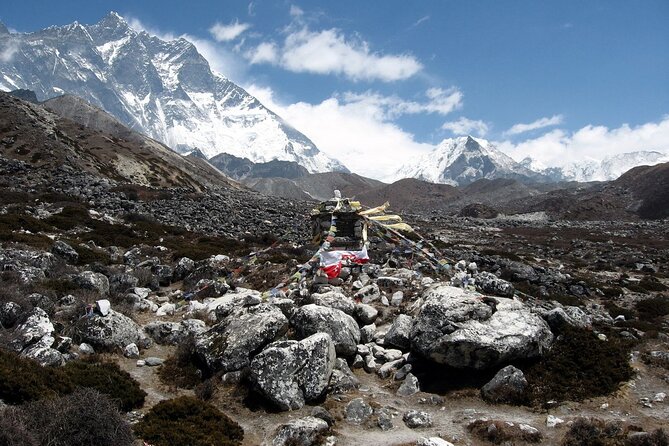
Day 5 continues your route to Dingboche, about 4,360 m, with roughly 5 to 6 hours of hiking. The day includes a descent to Debuche and a crossing of the Imja River, then onward through Pangboche and past Pangboche monastery.
This is a day where the trek shifts from the forested, village-centered feel into the high valley rhythm. You spend time moving along the Imja Valley and Lobuche River area as you approach Dingboche.
Two things make Dingboche a memorable stop. First, it is higher, so you feel altitude more quickly. Second, it is where the itinerary sets you up for a full acclimatization day next.
If you start to feel slower than on previous days, that is normal. Keep your effort steady. Dingboche rewards patience.
Day 6: Dingboche acclimatization, using time to adjust
Day 6 is a full acclimatization day in Dingboche, and the plan includes hiking to a hill about four hours behind Dingboche to view peaks such as Lhotse, Makalu, and Cho Oyu.
This matters because Everest Base Camp is not a straight climb. It is a sequence of elevations and recoveries. Doing a proper acclimatization day here can make later days feel less harsh, especially as you approach Lobuche and the high camps.
I like that the itinerary gives you a specific reason to hike. You are not just wandering. You are working on altitude adjustment while also getting your reward in mountain views.
Take it easy on the way up. If you feel winded early, it is a sign to slow down. You will get more out of the day by staying relaxed, not by forcing speed.
Day 7: Dingboche to Lobuche, the approach phase gets serious
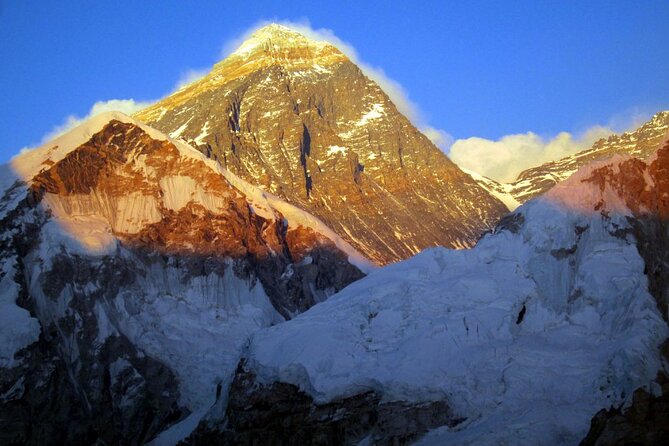
On Day 7 you move to Lobuche, around 4,900 m. The hike is described as about 7 hours (roughly 9 km) along the Himalayan trail toward the Everest base camp region, including passage via Dughla pass.
This is the point where the terrain and atmosphere change. You are higher, closer to glacial country, and the trail feels more exposed. It is also where your body starts reminding you that altitude is not a theory.
If you want one simple strategy, it is this: keep your breathing under control and keep your steps consistent. By the time you reach Lobuche, you are not trying to win anything. You are setting yourself up for the long day to Gorak Shep.
Day 8: Lobuche to Gorak Shep and Everest Base Camp, the long day everyone remembers
Day 8 is the big one. You go to Gorak Shep at about 5,160 m, then check in and continue to Everest Base Camp at roughly 5,365 m.
The itinerary calls for a long walking day, nearly 12 hours and about 17 km. After reaching Gorak Shep, you check in for lunch and then walk to the Base Camp area to enjoy views of mountains like Nuptse, Khumbuste, and Pumori. Then you walk back to Gorak Shep for the night.
What I like about the way this trek is paced is that it includes both the “arrive high” and the “go to the iconic point” within one day, but it does not ignore recovery. You return to Gorak Shep to sleep rather than pushing onward immediately.
The drawback is obvious: a long day at high altitude demands real energy. If you tend to over-pack or rush, Gorak Shep will punish you. If your porter plan works and your pace is calm, the day becomes a proper achievement, not a grind.
Day 9: Kala Pathar at sunrise height, then down to Pheriche
Day 9 starts early with the climb to Kala Patthar (listed around 5,555 m), which is described as about three hours to reach the summit viewpoint. From there, you get magnificent views of Everest plus surrounding peaks like Lingtren, Khumbutse, and Changtse.
Then you hike back for lunch and continue down to Pheriche at around 4,200 m for the night. This is a smart sequence because it gives you one last high-altitude view day while also making sure you descend to sleep lower.
This day is also where the trek feels most like an adventure. The effort-to-reward ratio is intense. You earn the view with cold air, steep steps, and focus.
If it is snowing or windy, don’t assume the summit will look like the photos. What matters is that you follow your guide’s pace, take breaks, and keep moving safely.
Day 10: Pheriche to Namche Bazaar, a descent that still counts
The itinerary describes a return descent route from the higher region back toward Namche Bazaar, with a walking day of about 5 hours. You travel through Pangboche and Tengboche before arriving back in Namche in the afternoon, and you overnight at a guesthouse.
Descending can feel easier than climbing, but it is still hard on knees and energy levels. This part of the trek also helps you see places you passed earlier with fresh perspective. You know the trail now, so you can walk slower, take more breaks, and notice details you missed the first time.
This is also the day where you start mentally shifting from survival to celebration. You are not there yet, but the mountain is loosening its grip.
Day 11 and 12: Namche to Lukla, then Kathmandu recovery and cultural time
Day 11 is trekking from Namche to Lukla, about 6 to 7 hours. It is your last trekking day. The itinerary notes that in the afternoon you will have time to wander, relax, and you might enjoy a hot shower. In the evening, there is time to reflect with your trek mates and share a celebratory moment.
Then Day 12 brings you back to Kathmandu by early flight, followed by a transfer to your hotel. The itinerary also includes a cultural dinner in the evening, giving you a softer landing after the mountains.
What I like here is that the trip does not just end with a flight. You get a chance to reset in Kathmandu with food, conversation, and a final wrap-up vibe that makes the experience feel complete.
What stood out most in real-world service
From the feedback, the most praised aspect is how smooth the overall plan felt from start to finish. People highlighted strong communication and good attention to details, and one named staff contact, Bishnu, was specifically mentioned for handling coordination. That kind of calm communication matters a lot when you are dealing with flight timing, paperwork, and a tight start schedule.
The second big theme is that the organization stayed hands-on during the trek, not just before departure. People valued that the company handled transfers, permits, the guide and porter team, accommodations, and food. It also sounds like the porter system was part of the practical support, including the packing approach that helps porters carry effectively.
Finally, the Kathmandu end of the trip gets love. A farewell dinner in Kathmandu and the general planning around the final days are remembered. That is not just comfort. It is closure.
Who this trek suits best, and who should look elsewhere
This itinerary is a strong match if you:
- want an all-inclusive Everest Base Camp trek where permits, flights, and teahouse meals are handled
- prefer a structured plan with acclimatization days built in at Namche and Dingboche
- like having a licensed English-speaking guide and porter support (2:1 ratio)
It may not be your best fit if you:
- want to customize the route daily with lots of off-plan flexibility
- get stressed by flight uncertainty, because Lukla weather can impact timing
- dislike the long walking day format (some days are about 5 hours, and other days climb into longer time ranges)
Should you book this Everest Base Camp trek?
If your priority is a smooth, well-run EBC trek with permits arranged, a licensed guide, and teahouse meals already planned, I would say yes, this is a solid choice. The value at $1,390 comes from bundling the costly, annoying parts and letting you focus on the hiking and the views.
The main reason to hesitate is flight uncertainty and the reality of a long, high-altitude route. If you can handle weather-based delays and you are ready for big walking days at elevation, you will likely appreciate the careful planning.
FAQ
What is the total duration of the trek?
The trek is listed as 12 days (approx.).
Where does the trip start and what time do you meet?
The meeting point is in Kathmandu with a start time of 5:15 am.
Are domestic flights included?
Yes. Domestic flights are included between Kathmandu and Lukla, and Lukla back to Kathmandu.
What kind of accommodations are included during the trek?
Teahouse accommodation is included during the trek, with breakfast, lunch, and dinner. You also overnight in a guesthouse in Namche on the return route.
What permits are arranged for you?
The trip includes all necessary paperwork and trekking permits, including the National Park Permit and TIMS.
Do I get a guide and porter support?
Yes. An experienced, English-speaking, government-licensed trekking guide is included, along with porter service with a 2 trekkers to 1 porter ratio. The medical kit is carried by the trek leader.
What is included in the price besides the trek?
Included items list airport pick up and drop, teahouse meals during the trek, a farewell dinner at the end of the trip, and staff costs including their salary, insurance, equipment, domestic airfare, food, and accommodation.
What is not included?
Not included: the Nepalese visa fee, excess baggage charges, sightseeing entrance fees, extra Kathmandu nights due to timing changes, lunch and evening meals in Kathmandu, international flights, travel and rescue insurance, personal expenses (like phone calls, laundry, battery recharge, bottled or boiled water), and tips for guide(s), porter(s), and driver(s). Hot and cold drinks like soda and mineral water are also listed as not included.
What happens if the Lukla flight is delayed or canceled?
The trip notes that the Kathmandu to Lukla to Kathmandu flight may be delayed or canceled due to weather. In that case, you should be prepared for long waits at Kathmandu or Lukla airports.
Can I get a full refund if I cancel?
You can cancel up to 24 hours in advance of the experience for a full refund.
Latest additions near Kathmandu
- White Water River Rafting – 1 Day★ 4.3 · 3 reviews
- Traditional Momo Making Class★ 5.0 · 10 reviews
- Kathmandu to Pokhara Premium sofa bus ticket★ 4.0 · 17 reviews
- Ghorepani Poon Hill Trek★ 5.0 · 16 reviews
- Amazing 1 Day Trekking Experience in Kathmandu Nepal★ 5.0 · 24 reviews
- Ghorepani Poonhill Trek★ 5.0 · 5 reviews
- Walking tour of real Kathmandu through back streets.★ 5.0 · 3 reviews
- Wildlife Adventure in Chitwan Nepal★ 4.0 · 4 reviews
Everest Base Camp Treks, compared.
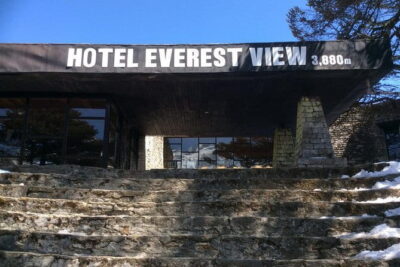
Everest Base Camp Helicopter Tour landing at Everest View Hotel
Read our review →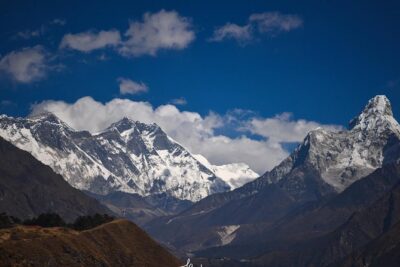
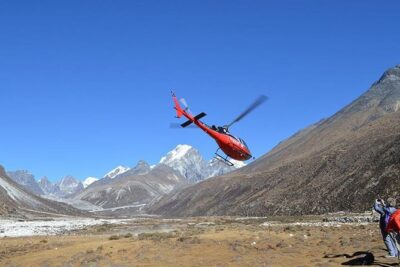
Everest Base Camp Helicopter Tour landing at Hotel Everest View
Read our review →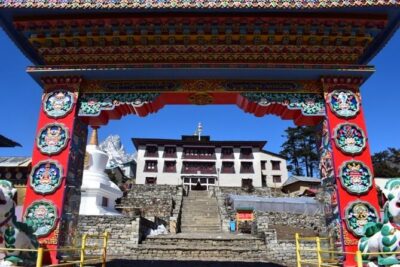
Browse the lists this tour appears in