
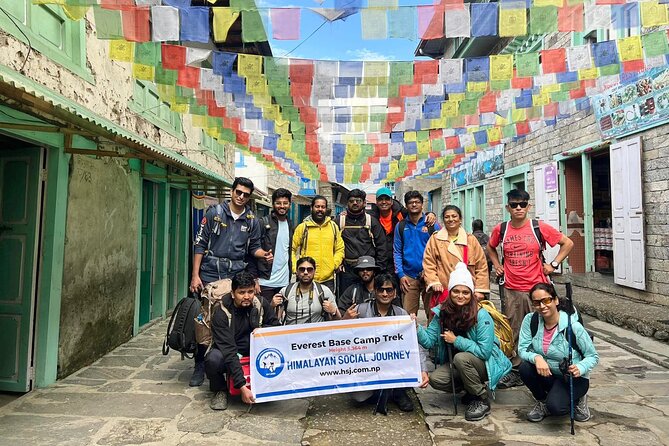
Reviewed · EVEREST BASE CAMP TREKS
12 Days Everest Base Camp Trek
This trek starts with a nail-biting flight. Then it turns into a steady, day-by-day push toward Everest, guided by high-altitude training and practical support that makes the whole route feel manageable. I especially liked the warm Sherpa village hospitality you pass through, not just the big photo moments, and I liked how the itinerary builds in time to adjust to altitude instead of rushing. The main drawback to plan for is simple and real: you still need good stamina and you will have early mornings and steep sections.
If you want one of those trips where the details matter, this one does it. A small group, a guide with the right credentials, and even an oximeter in the mix means you get more than a walking tour, you get an organized expedition feel. But don’t let the beginner friendly pitch fool you, this is trekking at altitude, so pace and staying sensible matter more than bravado.
In This Review
- Key highlights that make this Everest Base Camp trek worth your time
- Lukla to Phakding: your first taste of the Khumbu grind
- Namche Bazaar plus Everest View Hotel: the altitude day that makes or breaks the trip
- Tyangboche to Dingboche: monastery sunrise and the rhododendron downhill
- Dingboche to Lobuche and Gorakshep: where the trek shifts from valley to high-country edges
- Everest Base Camp plus Kala Patthar sunrise: your two big moments
- The return to Lukla: getting down without rushing the recovery
- What you get for $605, and why it can feel like good value
- The itinerary pace: beginner friendly, but not a stroll
- Who should book this classic Everest Base Camp trek
- Should you book this 12-day Everest Base Camp trek?
- FAQ
- What is the duration of the Everest Base Camp trek?
- Where does the trek start and where do you end?
- What major altitude points does the itinerary reach?
- What is included in the price?
- What group size should I expect?
- Can I cancel and get a full refund?
Key highlights that make this Everest Base Camp trek worth your time
- Lukla to the start of the trail in one shot, with a short flight that sets the tone immediately
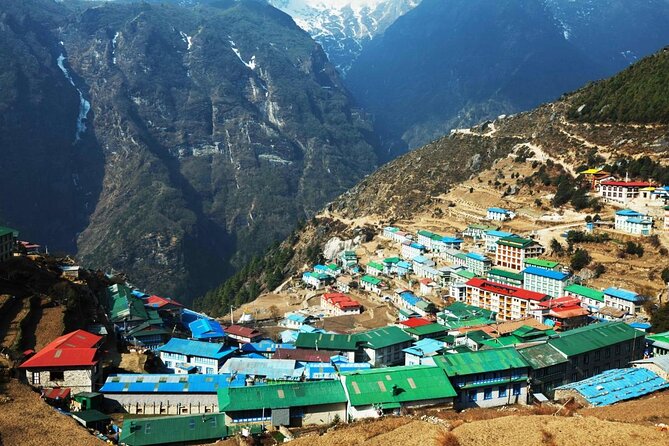
- Acclimatization built in, including a full day around Namche plus a rest and hike day at Dingboche
- Big Everest viewpoints on purpose, Everest View Hotel and then Kala Patthar for sunrise
- Base Camp plus the glacier-to-Gorakshep route, so the journey feels like it leads to something, not just passes time
- Support that goes beyond basics, including trekking poles, an oximeter, and walkie-talkies for groups
- A small max group size of 20, which helps communication and keeps the days from feeling chaotic
Lukla to Phakding: your first taste of the Khumbu grind
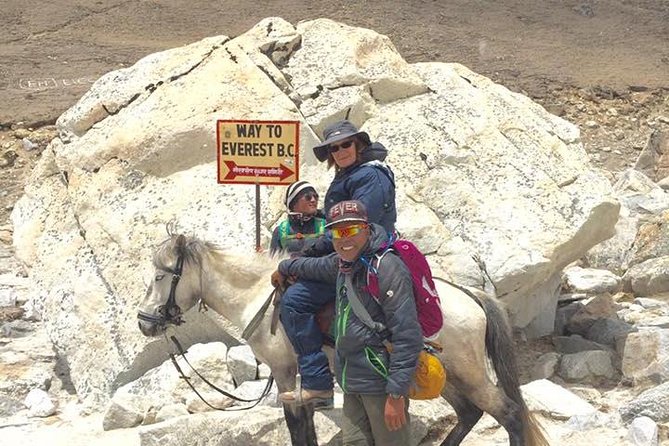
Day 1 begins with the flight to Tenzing-Hillary Airport at Lukla, about 45 minutes. It is short, but it is also intense. You’ll get a quick visual briefing of the route you are about to walk, and then you land into the reality of the Khumbu.
From Lukla, you start with a descent to Phakding. This is where you begin to feel the rhythm of the trek: move, rest, eat, repeat. You’ll follow the curves of the Dudhkoshi River, the milky white “Milk River” that shadows the trail for much of the early days. That river is not just scenery, it’s a mental anchor. When the trail starts to feel long, having that consistent guide makes the journey feel more navigable.
A practical note: Day 1 is not the hardest day on paper, but you are coming off the travel to Nepal plus the altitude exposure. You’ll want to keep your pace steady, no sprinting just because you feel fine.
More Treks in Kathmandu
- Everest Base Camp Trek – 14 Days
★ 5.0 · 1,499 reviews - Everest Base Camp Trek
★ 5.0 · 842 reviews - Everest Base Camp Trekking
★ 5.0 · 485 reviews
Namche Bazaar plus Everest View Hotel: the altitude day that makes or breaks the trip
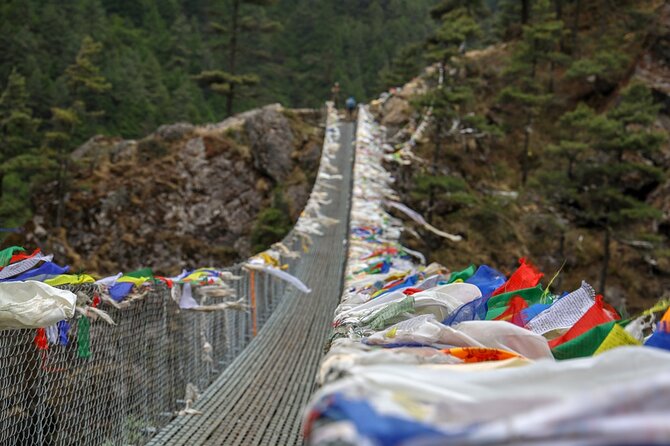
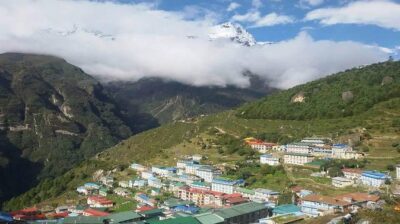
Day 2 is your big climbing day into Namche Bazaar. Expect a long walk from early morning out of Phakding, moving around the Dudhkoshi and passing suspension bridges. This is classic Khumbu walking, with constant visual payoff and enough ups and downs to keep you honest.
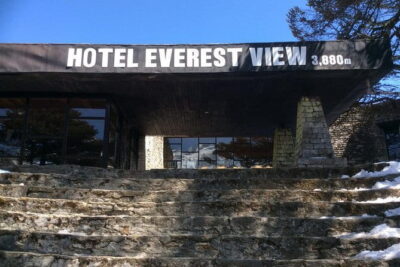
Day 3 is your acclimatization reset. Instead of forcing more altitude gain, you hike up to the Everest View Hotel area for tea, via Syangboche airstrip. This is a smart move because it does two things at once. You get a “wow” viewpoint day, but you also practice how your body reacts when you’re working at higher elevation.
This kind of acclimatization is also where good leadership shows. In past departures, guides like Rajesh Magar and Bikram have been praised for energy and competence, including helping hikers match their pace and starting early when it matters. You don’t need to copy someone else’s speed, you just need a plan you can stick to. That hotel hike is also a reminder that you’re not just walking, you’re learning your breathing.
If you tend to overdo it when you feel strong, this day is your check. Take the rest seriously, even if you feel great.
Tyangboche to Dingboche: monastery sunrise and the rhododendron downhill
Day 4 moves you from Namche toward Tyangboche. The trail starts with a steep climb and then becomes more moderate. After the Namche day, this shift is important. You’re not constantly ascending at maximum effort, but you still get that “getting higher” feeling in your legs.
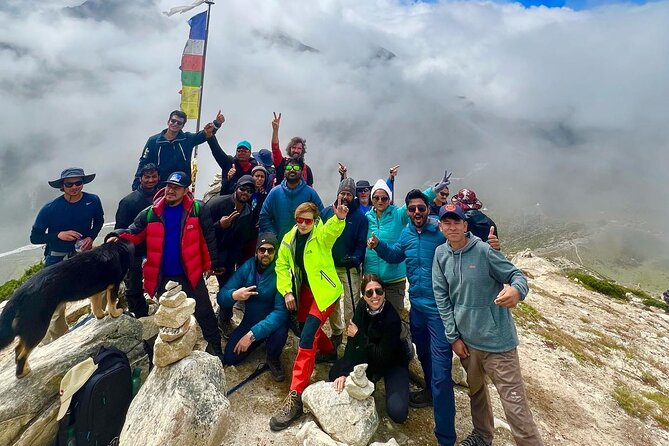
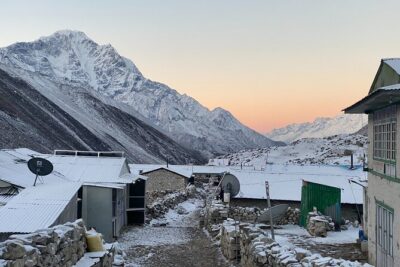
Day 5 is built around the early morning magic, with the Tengboche monastery sunrise as a major highlight. Then the day continues downhill through a rhododendron forest to Deboche at 3,320 m, before pushing onward to Dingboche. That combination matters. Sunrise gives you motivation, and the rhododendron descent gives you a change of rhythm, which helps your body recover.
Day 6 is another acclimatization day in Dingboche, and this one is laid out for you to take it easy while still moving. You’ll hike to a nearby hill called Nagarjuna to acclimatize and get surrounding views. This kind of “move gently, altitude thoughtfully” day is why the itinerary feels safer than a rushed route.
One thing I like about this structure for first-timers is that it stops the trip from becoming one long grind. You get enough breathers to keep your enthusiasm intact, even when the air is thin.
Dingboche to Lobuche and Gorakshep: where the trek shifts from valley to high-country edges
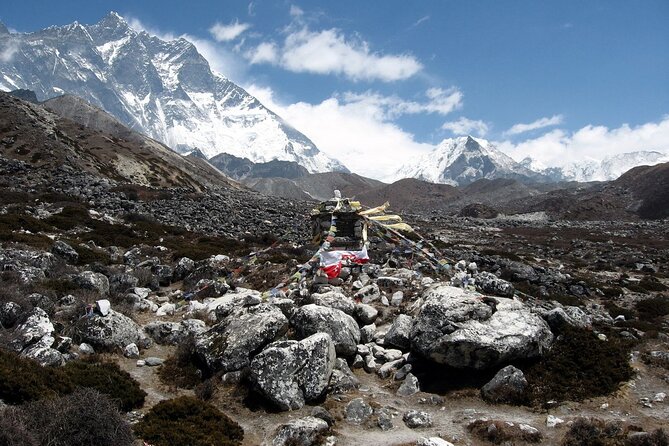
Day 7 climbs toward Lobuche. You’ll head up the main path through a wide valley under peaks like Cholatse and Tawache. The terrain here starts to feel more serious. It is still trekking, but it looks and feels like high altitude is now the main character.
Day 8 is the “okay, this is the Everest part” day. You move from Lobuche to Gorakshep, with a rocky ascent along the Khumbu glacier. You’ll pass the International Pyramid area en route, and then you continue to Everest Base Camp on a rocky uphill and downhill trail beside the glacier.
Here’s the reality check: this stretch is often physically harder than it sounds because the ground is rough and the air is thinner. At the same time, it is also where the trip stops feeling like a journey through villages and starts feeling like a march toward history and scale.
When groups are handled well, this day doesn’t feel like chaos. A small max group size of 20 helps, and walkie-talkies are available for group trekkers, which can reduce stress when everyone is trying to navigate the same route.
More Everest Base Camp treks:
- Everest Base Camp Helicopter Tour landing at Everest View Hotel
★ 5.0 · 668 reviews - Everest Base Camp Trekking – 13 Day
★ 5.0 · 365 reviews - Everest Base Camp Trek
★ 5.0 · 350 reviews - Everest Base Camp Trek -14 Days
★ 5.0 · 321 reviews
Everest Base Camp plus Kala Patthar sunrise: your two big moments
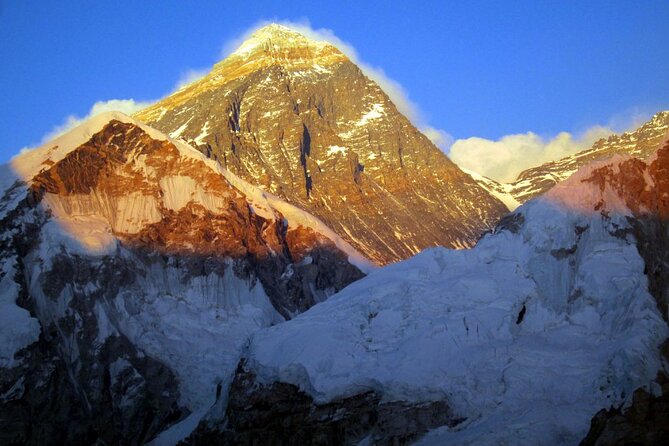
Reaching Everest Base Camp is the main event of the trek. Once you arrive, the effort makes sense. You get that sense of being right at the foot of the world’s biggest mountain system, surrounded by the cold brightness of high altitude.
But the itinerary does not stop at Base Camp. Day 9 is your Kala Patthar sunrise push. You’ll wake super early and hike to the viewpoint. It is steep and rocky, so your legs may feel it more than the earlier days. Still, this viewpoint is a payoff machine. Sunrise at Kala Patthar is one of the best ways to see Everest with fewer clouds and more drama, and it turns your final ascent into a memory you can talk about for years.
Practical tip: if you’re the type who gets cold fast, prepare like you will be outside a long time before you feel warm. The climb is strenuous, but the waiting can be colder than you expect.
Then Day 10 begins the recovery phase, trekking back toward Namche. Even though it’s a long day, it is comparatively easier because elevation drops as you go.
The return to Lukla: getting down without rushing the recovery
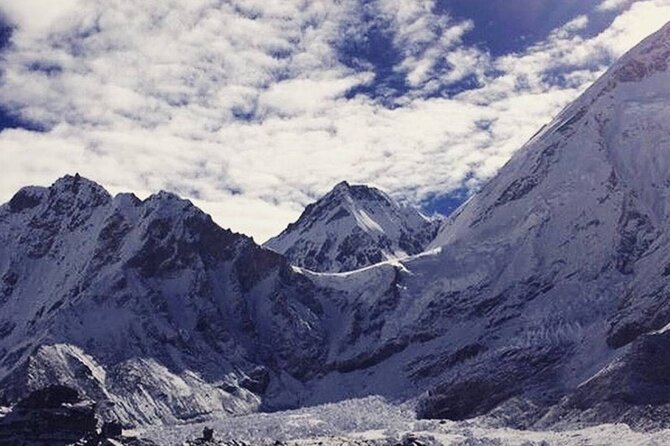
Days 10 and 11 are about descent done intelligently. You’ll follow the path back toward Namche Bazaar and then continue down from Namche to Lukla via Monjo and Phakding.
Day 10: long walk, easier elevation profile. This is a good day to keep your steps smooth and avoid knee-banging downhill. Day 11 includes remote villages, bridges, and streams, plus lush forest sections. You’re still at altitude for part of the day, but you start feeling the difference as the air thickens and your body becomes less stressed.
Day 12 ends the trek with the flight from Lukla back to Kathmandu plus a drive to your hotel. The remaining day is free, so you can shower, eat properly, and process the fact that you walked to Everest Base Camp, then turned around and came home.
What you get for $605, and why it can feel like good value
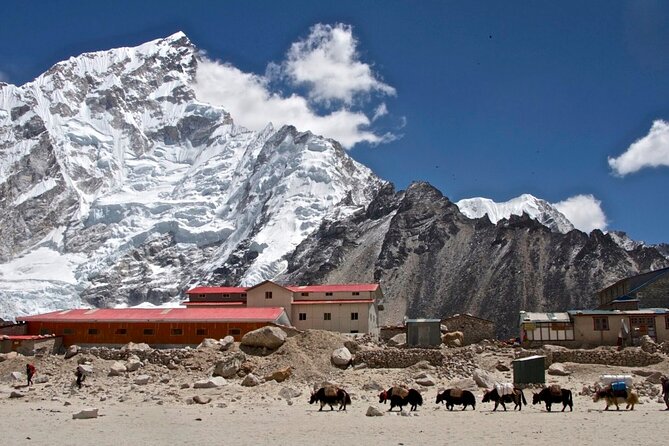
At $605 per person, this trek is priced to feel reasonable for what is included. The big value drivers are the parts people often end up paying separately elsewhere: domestic flights (Kathmandu to Lukla and back), three meals a day during the trek, and the licensed high-altitude trained guide.
Also, the “support extras” add up:
- Porter support (1 porter for 2 trekkers), which helps you keep your personal load manageable
- Lodge twin-sharing rooms for the trek nights, so you are not hunting accommodations daily
- Trekking map, hat, duffel bag, and trekking poles, which saves you from buying everything up front
- First aid kit and an oximeter for checking pulse and oxygen saturation at higher altitude
- Entry permit for Sagarmatha National Park and TIMS fee already included
Two more details I consider important: you get a trek achievement certificate after completion, and for group trekkers there is walkie-talkie support. Those aren’t scenic, but they can reduce friction on travel days when things can get confusing.
The main cost you should still plan for is what’s not included: your personal travel insurance, personal snacks and drinks, and personal trekking gear. Tips for team members are also not included, so budget for gratuities if that matters to you.
The itinerary pace: beginner friendly, but not a stroll
This trek is often described as beginner friendly, and the itinerary does help you succeed by design. You get acclimatization days at Namche and Dingboche. You also get gradual pacing after the first big push. That makes a difference, especially if you’re traveling with a senior or someone who wants to move steadily rather than aggressively.
Still, “beginner friendly” in the mountains means something specific: you should have moderate physical fitness and you should expect steep, rocky trail segments. The climb to Kala Patthar is not a casual hike. The glacier area and rocky approach to Base Camp also demand stamina.
If you’re nervous about altitude, this is where the included oximeter and first aid kit can help you feel calmer. It does not remove altitude risk, but it supports smarter decisions. Keep your own awareness too: slow down if you feel worse, drink water, and follow the guide’s pace rather than your ego.
Also, lodge accommodation is twin-sharing. That’s normal for this route, but it matters if you need more space to sleep or want privacy.
Who should book this classic Everest Base Camp trek
This is a strong fit if you want:
- A classic Everest Base Camp experience without extra route complexity
- An organized trek with a government licensed, high-altitude trained guide
- A schedule that includes true acclimatization time, not just “hope for the best”
- A group that is kept to a manageable maximum of 20 travelers
It may be less ideal if you hate early starts, don’t handle cold well, or you want to avoid any effort that involves steep rocky trail. Also, if you have medical constraints, you should talk them through before booking, because the trek reaches 5,545 m at Kalapatthar and the Base Camp area is at 5,364 m.
One more point that can matter emotionally: the route includes recognizable Nepal touches like the Danphe, Nepal’s national bird. It is listed as endangered, so spotting one is a special bonus, not a guarantee. Either way, you get plenty of cultural context in Sherpa communities.
Should you book this 12-day Everest Base Camp trek?
I’d book it if you want a well-structured EBC trip that balances big moments with altitude sense. The value equation is strong because you’re not just paying for guiding, you’re paying for flights, meals, permits, and real altitude support tools.
I would not book it if you are planning to treat this like a “light walk,” because steep sections and early mornings are part of the design. If you are honest about your fitness and you follow the pacing, this is the kind of trek where the effort feels rewarded, from Lukla to Phakding all the way to Kala Patthar.
If you’re deciding today, ask yourself one question: do you want Everest as a goal, with an itinerary that helps you get there safely and sanely? If yes, this one is a solid choice.
FAQ
What is the duration of the Everest Base Camp trek?
It runs for about 12 days.
Where does the trek start and where do you end?
The trip starts in Kathmandu with meetings at Tribhuvan Airport and includes a domestic flight to Lukla for the trek start. It ends with the flight back to Kathmandu.
What major altitude points does the itinerary reach?
The trek description highlights 5,545 m at Kalapatthar and 5,364 m at Everest Base Camp.
What is included in the price?
Included items cover airport pick-up and drop-off, domestic flights Kathmandu to Lukla and back, three meals a day during the trek, lodge twin-sharing rooms, a licensed high-altitude trained guide, porter support (1 for 2 trekkers), trekking map plus hat, duffel bag and trekking pole, and entry permit and TIMS card fees. An oximeter and first aid kit are also included.
What group size should I expect?
The maximum group size is 20 travelers.
Can I cancel and get a full refund?
Yes. Free cancellation is available if you cancel up to 24 hours in advance for a full refund.
Latest additions near Kathmandu
- White Water River Rafting – 1 Day★ 4.3 · 3 reviews
- Traditional Momo Making Class★ 5.0 · 10 reviews
- Kathmandu to Pokhara Premium sofa bus ticket★ 4.0 · 17 reviews
- Ghorepani Poon Hill Trek★ 5.0 · 16 reviews
- Amazing 1 Day Trekking Experience in Kathmandu Nepal★ 5.0 · 24 reviews
- Ghorepani Poonhill Trek★ 5.0 · 5 reviews
- Walking tour of real Kathmandu through back streets.★ 5.0 · 3 reviews
- Wildlife Adventure in Chitwan Nepal★ 4.0 · 4 reviews
Everest Base Camp Treks, compared.
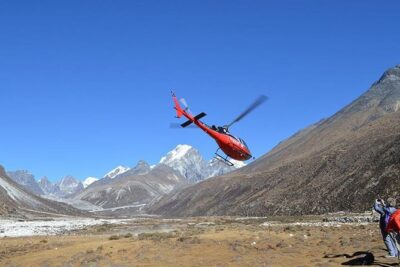
Everest Base Camp Helicopter Tour landing at Everest View Hotel
Read our review →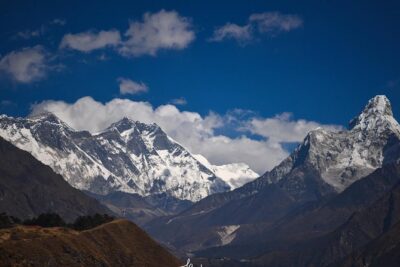
Everest Base Camp Helicopter Tour landing at Hotel Everest View
Read our review →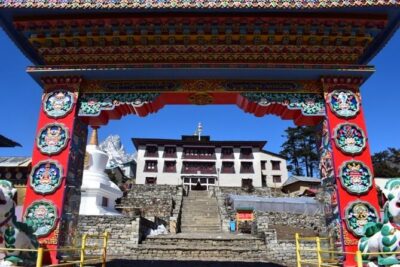
Browse the lists this tour appears in