
Reviewed · EVEREST BASE CAMP TREKS
12 Days Everest Base Camp Kala Patthar Trek
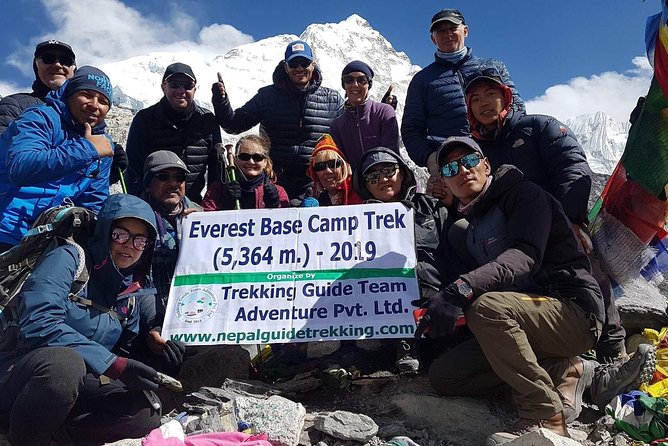
The mountains do the talking, you just do the walking. I like that this is a private, fully serviced Everest Base Camp and Kala Patthar trek, so you focus on altitude and steps instead of juggling details. I also like the human factor, multiple guides and porters have been praised by name, including Shambu and Ram, with Kabi coordinating from Kathmandu. One consideration: the Lukla flight is weather dependent, and if flights are delayed or canceled, you may need to handle extra hotel nights at your own cost.
In This Review
- What you’re really buying for $1,799
- Key highlights worth your attention
- Price and Logistics: what the $1,799 includes, and what it doesn’t
- Private guide, real Sherpa culture, and names you’ll actually see on the ground
- Tea houses and lodges: cozy in the right way, basic in the honest way
- The trek’s big moments: Everest Base Camp and Kala Patthar
- Tengboche Monastery: a pause that turns into a memory
- Lukla flights: the part you must plan for, even when you do everything right
- Equipment and cold-weather reality: what you’ll need before you go
- Who this trek suits best
- The value check: is this a smart deal?
- Should you book this Everest Base Camp and Kala Patthar trek?
- FAQ
- Is this trek private?
- How many nights are spent in mountain accommodations?
- What meals are included during the trek?
- What kind of toilets should I expect at the tea houses?
- Is a porter included, and what if I’m traveling solo?
- What are the flights like to get to the trek?
- How much luggage is included for the Lukla flight?
- Are hot showers included during the trek?
- Is travel insurance included?
What you’re really buying for $1,799
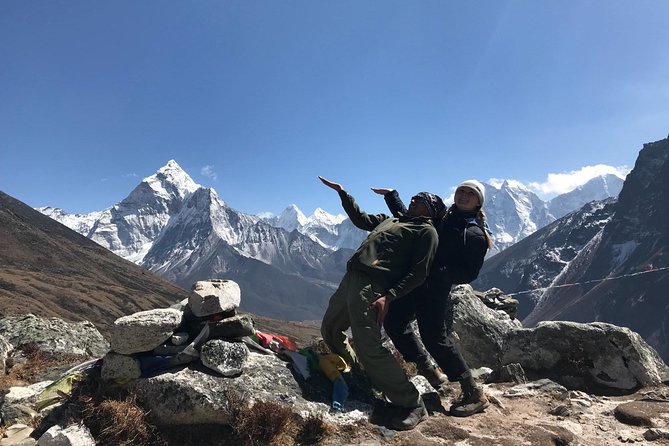
For $1,799 per person, you’re paying for guide time, porter support (with rules), tea house lodging for 10 nights during the trek, permits, and meals, plus domestic flights from Kathmandu. It’s a strong value if you want a straightforward, high-touch route with Sherpa culture and a Tengboche Monastery stop built in. If you have tight timing, you’ll want to plan for flight uncertainty around Lukla and pack for cold nights, since hot showers are not included.
Key highlights worth your attention
- Private guided trekking with an experienced guide and porter coverage arranged for the group
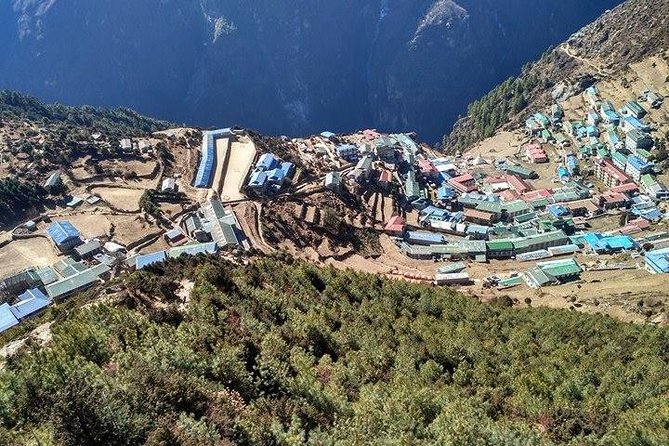
- Family-run tea houses and lodges for 10 trek nights, typically with outside toilets
- Everest Base Camp plus Kala Patthar, the two big altitude goals on this route
- Tengboche Monastery visit, a meaningful cultural pause in the Khumbu
- Domestic flights from Kathmandu, with a clear heads-up about Lukla weather delays
- Last-day Nepali cultural dinner, a nice close to the trek
More Treks in Kathmandu
- Everest Base Camp Trek – 14 Days
★ 5.0 · 1,499 reviews - Everest Base Camp Trek
★ 5.0 · 842 reviews - Everest Base Camp Trekking
★ 5.0 · 485 reviews
Price and Logistics: what the $1,799 includes, and what it doesn’t
At $1,799 per person, this package is designed for one thing: reducing decision fatigue. You get the essentials for the trek itself, not just a route. That means meals (breakfast, lunch, dinner) during the trek, all trek accommodations for 10 nights on twin sharing basis, and an experienced guide plus porter support.
You also get the route-critical parts that are easy to underestimate. Permits are included, and transportation is arranged as per the itinerary, including domestic flights from Kathmandu. There’s also pickup offered and mobile ticket included, which usually makes arrivals smoother.
What’s not included is just as important for budgeting:
- Your Nepal visa fee (you can issue it on arrival in Kathmandu, with 2 passport photos and about $30 USD per person)
- Travel insurance, specifically for helicopter rescue and medical bills
- Kathmandu hotel before or after the trek
- A long list of essential trekking equipment, including a sleeping bag rated down to -15
- Hot showers during the trekking
- Tips for the guide and porter
- Alcohol and many drinks, like tea and coffee, are not included
My practical take: this price feels fair if you were already planning to hire a guide and porter and take meals on trek. If you like DIY travel and you already own cold-weather gear and insurance, you might compare costs. But if you want someone to run the moving parts, this is set up for you.
Private guide, real Sherpa culture, and names you’ll actually see on the ground
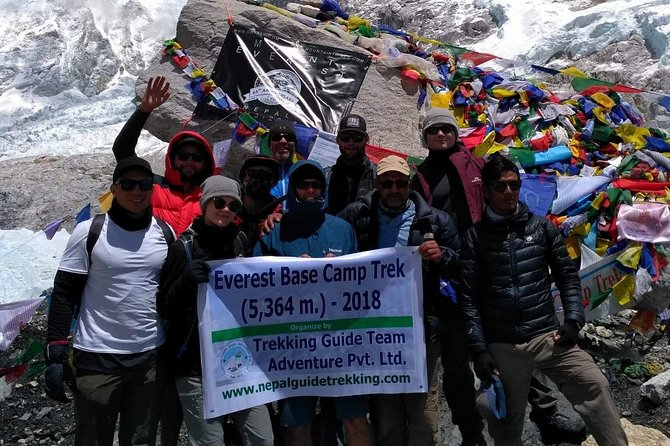
This is a private tour, so your group is the only group on the experience. That matters in Nepal treks, because pacing, rest stops, and how you handle altitude all get easier when you are not constantly negotiating with strangers.
The stand-out theme in the feedback is care and competence from named guides. People specifically praised guides such as:
- Shambu (including Shambu Basnet in at least one note)
- Deepak Gurung
- Ram
There’s also a behind-the-scenes Kathmandu support role mentioned as Kabi, who monitors and helps coordinate from the city. And porters are named too, including Mahes, Gyayen, Geshap, Sita Ram, and Keshab.
One especially reassuring detail: one guide, Shambu, is described as an ex-military Sergeant Major of the Nepalese Army. You do not need a military background to hike Everest routes, but it does suggest discipline and calm decision-making, which is what you want if the weather turns.
What you should expect day to day is not just a guide who points out views. This kind of guided EBC trek typically means:
- steady pacing choices
- help adjusting to altitude and tired legs
- practical navigation across villages and through busier days
- cultural context when you pause, especially around places like Tengboche Monastery
Tea houses and lodges: cozy in the right way, basic in the honest way
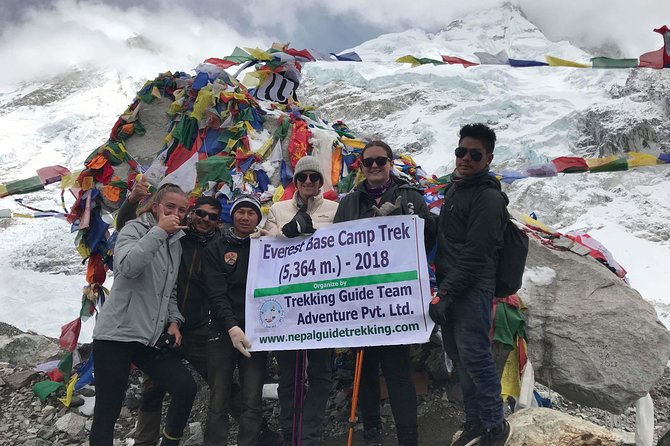
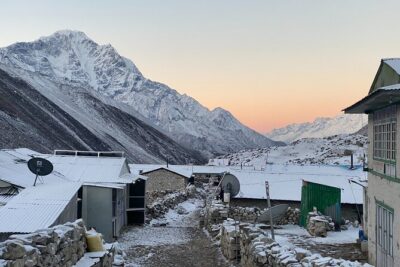
I love tea house trekking, and the key is understanding what “comfortable” means at altitude. For this trek, you get 10 nights in lodges or tea houses during the trekking part, on a twin sharing basis. A specific note in the setup is that the toilets are outside, which is pretty typical at higher elevations.
What this means for you:
- You can expect a warm-ish room by Himalayan standards, but not Western hotel comfort.
- You should plan to use layers and wind protection, because cold nights start creeping in even if the day felt fine.
- You’ll want to be fine with simple sanitation setups.
Also, hot showers are not included. That’s not a dealbreaker, but it changes how you pack and how you manage comfort. Bring a plan for staying fresh with wipes or quick wash habits if you care about that.
On the plus side, the trek’s staying setup is described as family-run. That matters. These places survive because hikers eat, sleep, and pay attention. When your lodging is run by local families, your money supports the same communities you’re trekking through.
More Everest Base Camp treks:
- Everest Base Camp Helicopter Tour landing at Everest View Hotel
★ 5.0 · 668 reviews - Everest Base Camp Trekking – 13 Day
★ 5.0 · 365 reviews - Everest Base Camp Trek
★ 5.0 · 350 reviews - Everest Base Camp Trek -14 Days
★ 5.0 · 321 reviews
The trek’s big moments: Everest Base Camp and Kala Patthar
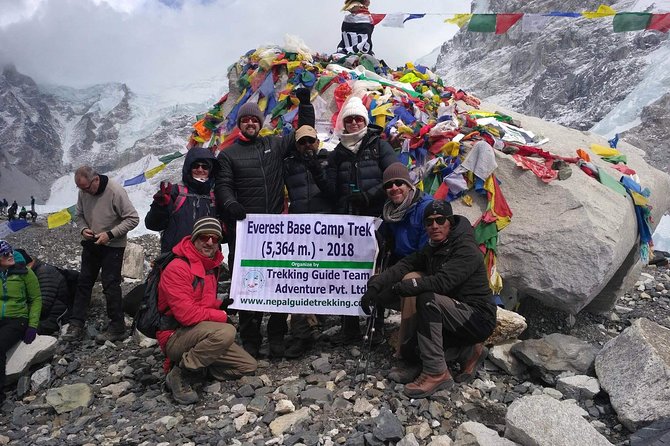
This is the core experience: reaching Everest Base Camp and then trekking to Kala Patthar. If Everest Base Camp is the headline, Kala Patthar is the closer where your body feels it, and your eyes understand why people chase this altitude.
How to think about these days:
- Base Camp is about presence, the feeling of being at the edge of the world’s scale.
- Kala Patthar is about effort and payoff. It’s typically colder and the air can feel thinner, so pace matters.
- Both are emotional moments, but neither is a walk in the park. Your fitness and acclimatization choices will drive how you feel on arrival.
The practical value of having a guide here is huge. A good guide helps you avoid the two most common mistakes: going out too fast because you are excited, or pushing through discomfort because you do not want to lose momentum.
Also, since the trek is private, you can generally align rest and meal timing to how your group is doing. That helps on days when the legs feel fine but your breathing tells a different story.
Tengboche Monastery: a pause that turns into a memory
You’re not just hiking through altitude. This trek includes a visit to Tengboche Monastery, which gives you a cultural stop that feels earned, not rushed.
Why it’s worth your attention:
- It breaks up the physical rhythm of climbing and descending.
- It’s tied to Sherpa spiritual life in a way that often makes the scenery feel more meaningful.
- It gives your guide a chance to explain the place beyond the photo angle.
In practical terms, expect a colder stop than you think, especially if the wind picks up. And if your group likes quiet moments, this is usually the kind of stop where you slow down without being told to.
Lukla flights: the part you must plan for, even when you do everything right
Let’s talk weather, because it can affect your schedule. This trek includes domestic flights from Kathmandu to the Lukla area, and Lukla weather is unpredictable. Sometimes flights are delayed or canceled.
Here are the facts you should plan around:
- Your luggage included for the Lukla flight is 12 kg.
- If you have extra baggage, you pay Rs 100 per kg.
- If the Lukla flight is canceled, you have to return to the hotel, and transportation back and accommodation for that night are not included.
- If weather clears, you get either the 3rd or 4th flight to Lukla.
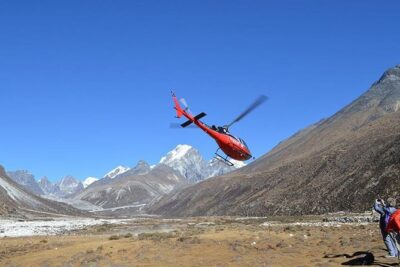
- If it still doesn’t clear, there is a helicopter option, quoted by the airline the same day.
- The helicopter cost is described as approx $300 total, with airlines using your flight ticket plus an additional approx $150 to $200, with about $150 extra mentioned in the same explanation.
That sounds complicated, so here’s my clean takeaway: you should not assume the flight day is fixed. Build in flexibility, and make sure you have enough funds set aside for a worst case hotel night.
Also, your package includes only one time airport transfer to and by Lukla. If you need to keep going back and forth multiple times because of weather, those extra transfers could cost you.
This is also why travel insurance matters. The tour specifically highlights insurance that covers helicopter rescue and medical bills. At this altitude, insurance is not a nice-to-have. It’s part of being responsible.
Equipment and cold-weather reality: what you’ll need before you go
The trek is supported, but you are still the one wearing your comfort. The equipment list is not included, and it’s fairly specific:
- a sleeping bag rated to -15
- a down jacket
- trekking shoes
- personal towel, torch light
- gloves
- warm clothes
- sunglasses
- sunscreen
- trekking stick
- socks
- some basic medicine for common issues like headache, fever, diarrhea
- bandage, handiplast, pain killer, stomach ache meds, dimox
If you are packing light, don’t try to outsmart the cold. Nights near Kala Patthar and the days leading up to it can be brutally chilly. This trek assumes you have the gear to survive cold efficiently, not just tolerate it.
One more comfort note: if hot showers are off the menu, you’ll feel more motivated to manage sweat and grime early each day.
Who this trek suits best
This trek specifically says you should have strong physical fitness. That doesn’t mean you need mountain racing legs, but you should be comfortable hiking uphill for hours and recovering between days.
This package also suits you if:
- you want a private guide and don’t want to share your rhythm with others
- you value Sherpa culture stops like Tengboche Monastery
- you like the idea of family-run tea houses, with the basic setup handled
- you are okay planning around flight uncertainty in Lukla
It may not be the best fit if:
- you have no flexibility at all around Lukla weather delays
- you hate cold and basic lodging realities
- you don’t want to manage gear shopping or rental prep ahead of time
- you’re hoping hot showers and fully stocked beverage service are included
The value check: is this a smart deal?
For this specific price, the value depends on what you would otherwise buy yourself.
This package already bundles:
- 10 nights of lodging during the trek
- guide and porter staffing, including porter cost structure (and the solo traveler rule)
- meals for the trekking days
- permits
- domestic flights
- pickup offered and mobile ticket
If you’re pairing that with the fact that guides and porters are praised by name, especially Shambu, Ram, Deepak Gurung, and the coordination from Kabi, you’re not just buying logistics. You’re buying consistent care.
One thing to keep in mind is the cancellation rule: the experience is non-refundable and cannot be changed for any reason. That makes it wise to book only when your dates are solid.
Should you book this Everest Base Camp and Kala Patthar trek?
I’d say book it if you want a private, guided, fully serviced Everest Base Camp and Kala Patthar adventure with family-run tea houses, a Tengboche Monastery stop, and meals handled. The included guide support, the real human staffing named in feedback, and the clarity about what’s not included make it a practical choice.
I’d hesitate if you:
- can’t handle possible Lukla flight disruption
- are missing cold-weather gear like the -15 sleeping bag and down jacket
- don’t want to plan for outside toilets and no hot showers
- don’t have insurance that covers medical and helicopter rescue
If you want, tell me your hiking experience level and your travel month. I can help you sanity-check pacing, gear priorities for cold nights, and how much buffer time you should build for Lukla.
FAQ
Is this trek private?
Yes. It is a private tour/activity, and only your group will participate.
How many nights are spent in mountain accommodations?
You get 10 nights in lodges or tea houses during the trek, on a twin sharing basis.
What meals are included during the trek?
Your breakfast, lunch, and dinner are included during the trekking days.
What kind of toilets should I expect at the tea houses?
The accommodations are described as using outside toilets during the trek.
Is a porter included, and what if I’m traveling solo?
An experienced guide is included. Porters are included with a guideline of 1 porter for 2 people. If you are solo, a porter is not included, but it is available for an additional $250 USD.
What are the flights like to get to the trek?
The package includes domestic flights from Kathmandu. It also notes that Lukla weather can be unpredictable, and flights can be delayed or canceled.
How much luggage is included for the Lukla flight?
Luggage up to 12 kg is included for the Lukla flight. Extra baggage costs Rs 100 per kg.
Are hot showers included during the trek?
No. Hot showers during the trekking are not included.
Is travel insurance included?
No. Personal travel insurance is not included, and it should cover helicopter rescue and medical bills.
Latest additions near Kathmandu
- White Water River Rafting – 1 Day★ 4.3 · 3 reviews
- Traditional Momo Making Class★ 5.0 · 10 reviews
- Kathmandu to Pokhara Premium sofa bus ticket★ 4.0 · 17 reviews
- Ghorepani Poon Hill Trek★ 5.0 · 16 reviews
- Amazing 1 Day Trekking Experience in Kathmandu Nepal★ 5.0 · 24 reviews
- Ghorepani Poonhill Trek★ 5.0 · 5 reviews
- Walking tour of real Kathmandu through back streets.★ 5.0 · 3 reviews
- Wildlife Adventure in Chitwan Nepal★ 4.0 · 4 reviews
Everest Base Camp Treks, compared.
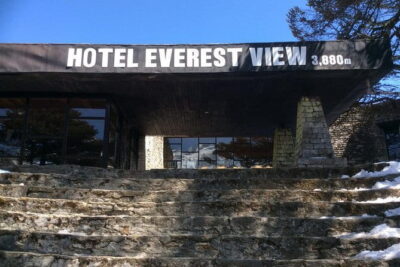
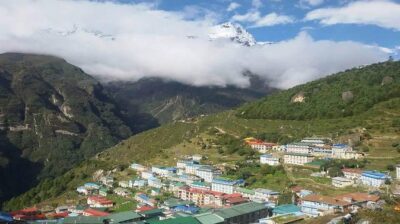
Everest Base Camp Helicopter Tour landing at Everest View Hotel
Read our review →
Everest Base Camp Helicopter Tour landing at Hotel Everest View
Read our review →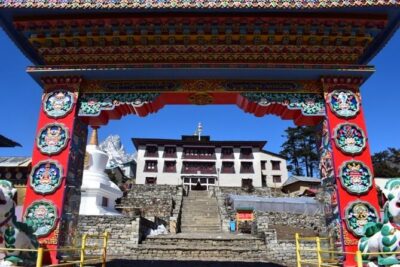
Browse the lists this tour appears in