
Reviewed · TREKS IN KATHMANDU
12 Day Private Mt. Everest View Luxury Trek
From Lukla to Namche to Tengboche, this trip is all about altitude with comfort. It pairs serious mountain scenery with luxury lodge living, and it gives you time to adjust before chasing Everest views.
I especially like how the days are paced for acclimatization, with a full rest day in Namche Bazaar. I also like the small creature comforts built in, like attached bathrooms, hot water showers, free WiFi, and unlimited tea or coffee at the main stops.
One drawback to think about first: you are paying a premium for privacy and high-end stays. And like any Everest-region itinerary with Lukla flights, weather can affect timing, so you should travel with flexibility.
In This Review
- Key highlights I’d circle on your planning list
- Kathmandu feels like the warm-up, not just a stopover
- A quick reality check on comfort
- The Lukla flight and the first hike to Monjo
- Namche Bazaar: where acclimatization turns views into something real
- What to do on the Namche “free” day
- Tengboche: the big monastery day and the classic Everest-region mood
- A small lodging note worth knowing
- Khumjung and Tengboche connections: villages plus panoramic mountain time
- Back toward Monjo and Lukla: downhill trekking plus lodge comfort
- How the return day changes your mindset
- Kathmandu again: free time for shopping, culture, and a softer landing
- The cultural program in plain terms, and why it matters
- What to bring to make those moments better
- Price and value: what $3,773 per person buys you here
- The main value tradeoff
- Your guide can make or break the experience, and this one is a strong point
- Who should book this Mt. Everest view luxury trek?
- Should you book this trek or choose another style?
- FAQ
- Where does the trek start?
- How do the airport transfers work?
- What kind of guide support do you get?
- Are flights included to Lukla?
- What meal plan is included during the trekking days?
- What’s the cancellation rule?
Key highlights I’d circle on your planning list
- Luxury lodges most nights with attached bath and hot water shower at the places listed
- Expert English-speaking licensed guide with real support for pacing and planning
- Acclimatization in Namche Bazaar, including a free day built in
- Monastery time in Tengboche and classic Khumbu villages like Khumjung
- Private, tailored feel since only your group participates
- Cultural add-ons in Kathmandu like campfire visits, school visits, and local farming moments
Kathmandu feels like the warm-up, not just a stopover
Your trek starts in Kathmandu, with a simple but important first day: you arrive, get met, transfer to your hotel, check in, then get welcome drinks and a trip briefing. This is the part I like most for first-timers. You are not scrambling for details after a travel day, and you can ask very practical questions early.
Day two is a rest day plus prep. You get an introduction to trekking with your guide, which matters because the “Everest view” version of the route still lives at high altitude. Even if the hiking days are not the longest, breathing, water habits, and timing can make or break your comfort. The itinerary also gives you a clean block of time in Kathmandu before you fly out to Lukla.
If you want culture, Kathmandu is also where the tour description signals those extras. You can look for a cultural program that includes campfire time and school visits, plus a chance to take part in traditional cultivation and harvesting. You should expect these to show up during your Kathmandu blocks, since that is where you have the most flexibility.
More Treks in Kathmandu
- Everest Base Camp Trek – 14 Days
★ 5.0 · 1,499 reviews - Everest Base Camp Trek
★ 5.0 · 842 reviews - Everest Base Camp Trekking
★ 5.0 · 485 reviews
A quick reality check on comfort
The “luxury” angle here is not just a marketing word. You’re moving through areas where lodge standards can vary, and this plan leans hard into comfort at the places they list, including hot water and attached bathrooms. That makes a big difference after long travel days and cold, thinner-air evenings.
The Lukla flight and the first hike to Monjo
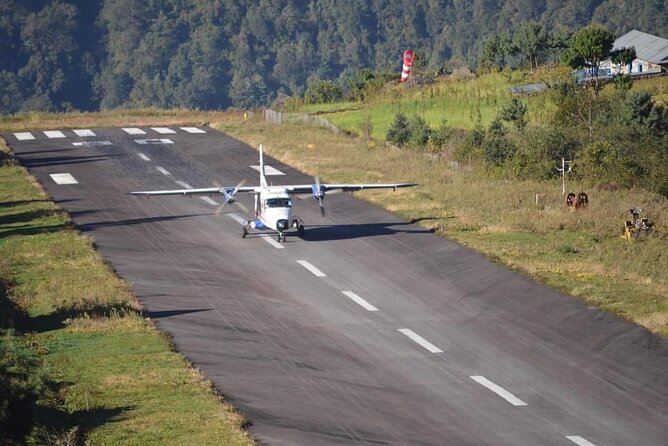
Flying to Lukla is one of those mountain experiences that can feel unreal before you even start walking. The tour handles the flow: morning breakfast and check-out, then transfer to the Kathmandu domestic airport, then the flight to Lukla. When you land, your porter meets you and sorts your belongings, which immediately reduces stress on day one.
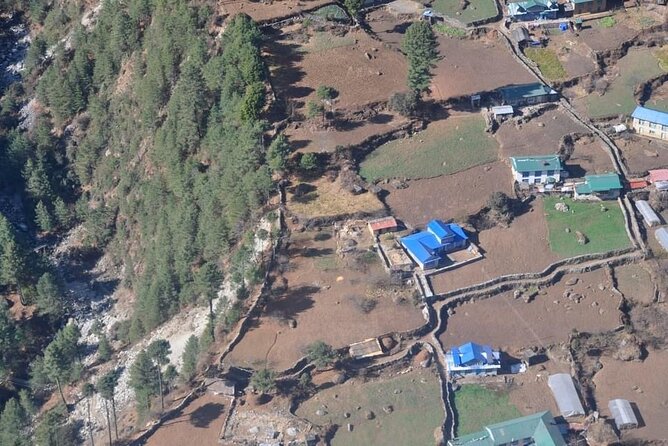
Then the hike begins to Monjo, with walking time listed around four hours. You’re not yet in the thick of the higher villages, so day one is a chance to find your rhythm. You’ll stop for lunch and dinner and sleep at Yeti Home in Monjo.
What I’d call out as valuable is that even early in the trek, the plan emphasizes comfort. The highlights list unlimited tea or coffee, free WiFi, and attached bath with hot water shower. It means your recovery is real. You spend less time dealing with cold water and awkward facilities, and more time resting, hydrating, and letting your body adjust.
Possible drawback here: if you are sensitive to motion, flights and the immediate start of trekking can feel intense. But with a private guide and porter support, it is easier to manage pace and expectations on the first day.
Namche Bazaar: where acclimatization turns views into something real
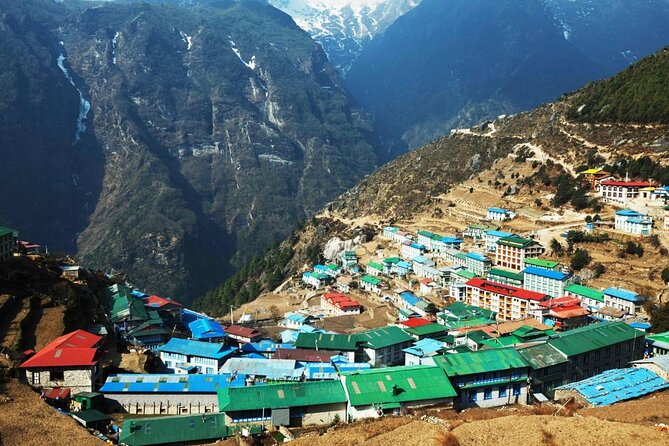
From Monjo, the trek to Namche Bazaar is listed around six to seven hours. Namche is the Sherpa cultural hub in Nepal, and that matters because it is not just a “rest town.” You can explore local market areas, monasteries, and stupas, and you can walk up toward a viewpoint hill and back.
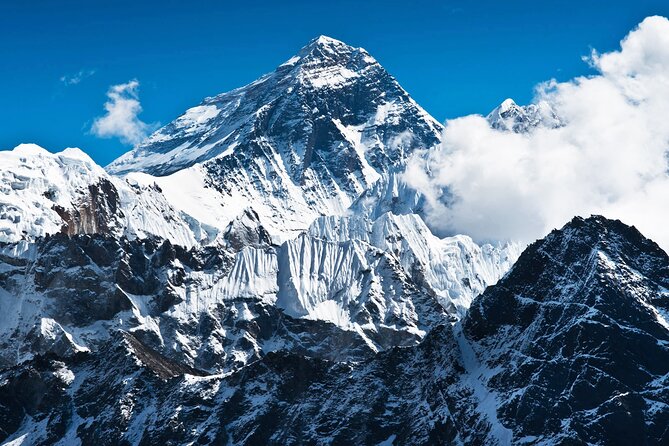
This is also where your first serious Everest-region views usually start to click. The highlights mention your first glimpse of Mt. Everest. I like that phrasing because it signals a key thing about this trek: you are not trying to run to a single photo spot. You are building altitude awareness while your surroundings gradually open up.
Then the itinerary gives you a second Namche day that is specifically for acclimatization. This is the part I’d call essential. You spend the day free to enjoy nearby areas and keep your body calm. The plan keeps you in the same quality lodge style, so you’re not constantly changing environments while you’re adjusting.
Why it helps: high altitude is not only about summit ambition. It is also about how you sleep, how much you drink, and how your stomach behaves. The Namche structure gives you a real buffer, which improves the odds that you keep enjoying the experience instead of just surviving it.
Another way to spend the time in Nepal:
- Private Kathmandu Sightseeing Tour | UNESCO World Heritage sites
★ 5.0 · 756 reviews - Kathmandu: 7 UNESCO Sites with Lunch
★ 4.8 · 744 reviews - Everest Base Camp Helicopter Tour landing at Everest View Hotel
★ 5.0 · 668 reviews - Half day cooking class in Thamel kathmandu
★ 5.0 · 607 reviews
What to do on the Namche “free” day
The itinerary doesn’t force a single activity, which is smart. Use that time to do gentle movement, not exhaustion. Even a moderate nearby excursion plus a relaxed meal schedule can help your acclimatization without draining energy you might need later.
Tengboche: the big monastery day and the classic Everest-region mood
Day six moves you to Tengboche, with about three hours of walking listed. That shorter hiking time compared to earlier days helps you arrive without feeling wrecked. The highlight is the monastery visit, and the timing is flexible depending on when you reach.
Tengboche is home to the biggest Buddhist monastery in the Everest region, according to the tour description. If time allows, you can also witness evening rituals at the monastery. That is one of those moments where the trip becomes more than a route. The mountains are loud, but the monastery makes the area feel human again.
The highlights also keep comfort in focus with attached bath and hot water shower at the lodge they list for the day. Even if you are stepping into cooler conditions, you’re not going to be stuck with unpleasant basics.
A small lodging note worth knowing
The plan then shifts on the next day to Khumjung, and you’ll stay at Hotel Himalaya, described as the best available lodge there, though it is not as good as Yeti Homes. That isn’t a deal-breaker, but it’s a useful heads-up for your expectations. In an Everest view trek, you pay for the overall experience, and sometimes one night is the “good enough” one.
Khumjung and Tengboche connections: villages plus panoramic mountain time
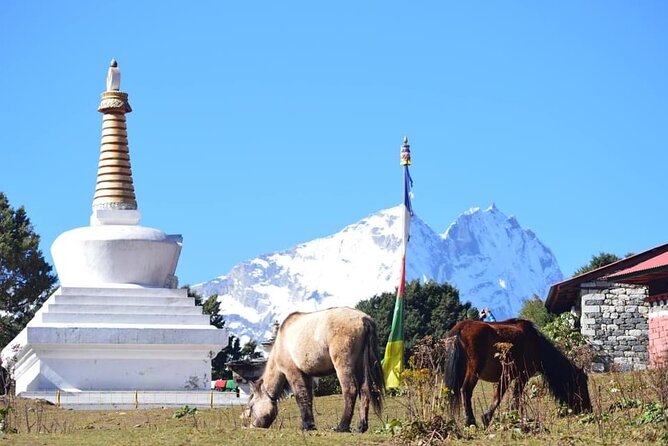
On day seven, you’ll have breakfast and start the trek to reach Tengboche again, while also visiting Tengboche monastery (the itinerary describes that sequence with an eye on the panoramic views from the area). You’ll also have a stop that includes Khumjung, a village known for its Sherpa community life.
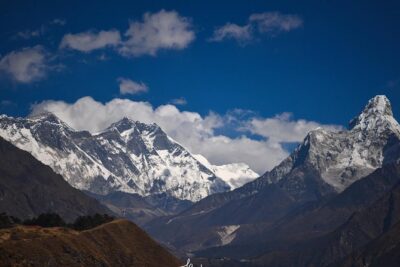
From the area, the tour highlights mention excellent panoramic views of Mt. Everest, Nuptse, Lhotse, Cho-Oye, and Ama Dablam. That is a lot of names for one part of the world, and it hints at why people love this route: you tend to get a wide-angle view rather than one narrow view.
The practical upside is that this kind of view time tends to happen when you’re not rushing. You can look around, take photos, and still have energy for the evening experience at the monastery.
If you care about authentic culture, the Khumjung area is a good place to focus on the people and daily life, not only the peaks.
Back toward Monjo and Lukla: downhill trekking plus lodge comfort
On day eight, you return toward Monjo for dinner and overnight at Yeti Mountain Homes. The highlights repeat the same comfort theme: quality lodges, and the listed amenities such as welcome drinks, free WiFi, and unlimited tea or coffee at the resort or hotel.
On day nine, you head downhill trekking to Lukla along the DudhKoshi river, listed around the pattern of a downhill day. You’ll have lunch and dinner and stay at Yeti Mountain Homes again.
This is where I think the “luxury” value becomes obvious. Downhill trekking can be tough on knees, and it also tends to feel cold and tiring by the end of the day. When the lodge has hot water and an attached bathroom, the recovery is faster and less stressful. It is not glamorous, but it is the kind of comfort that keeps you smiling.
How the return day changes your mindset
Heading back down tends to shift the trip from “can I do this?” to “this is happening.” That change is why many people remember the return day as a high point, even if your photos on the descent might not be as dramatic as your earlier view moments.
Kathmandu again: free time for shopping, culture, and a softer landing
Day ten brings you back to Kathmandu by flight, and the afternoon is free. Day eleven is also free in Kathmandu for personal activities and shopping. On these days, you can plug into local life at your own pace.
The tour summary also supports cultural experiences in Kathmandu, like school visits, campfire visits, and local festival time if the season lines up. Since the itinerary gives you full blocks of time, you are not locked into only sightseeing by checklist.
The itinerary says you’ll get private jeep transfers when returning to your Kathmandu hotel, plus free WiFi at the hotel. That makes a difference if you want to rest, upload photos, or just write notes while everything still feels fresh.
The cultural program in plain terms, and why it matters
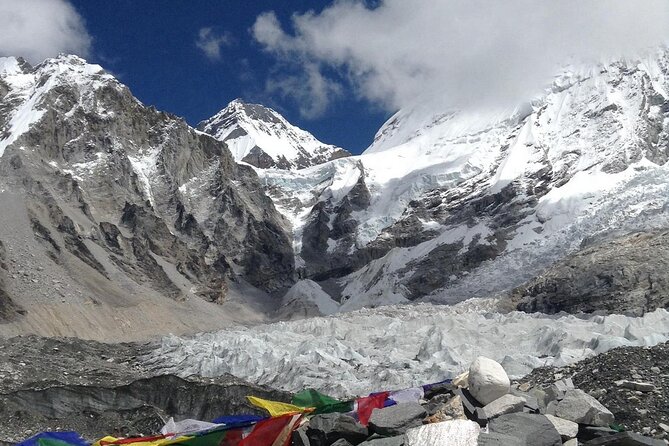
A lot of Everest-region treks feel like a loop: flight, lodge, hike, lodge, repeat. This one tries to add human context. The tour description mentions a cultural program, outdoor campfire visits, visiting local schools and people’s lives, and taking part in traditional cultivation and harvesting. It also mentions opportunities to participate in regional seasonal festivals and celebrations.
Here’s the practical value: when you meet locals through a planned program, you learn what the mountains mean to daily life. You also get a more balanced story than just “big view, next view.” Even if you only get part of these cultural elements because of timing, you’re still likely to come away with a richer understanding than a pure hiking itinerary.
What to bring to make those moments better
The data does not list items you need for school visits or cultural activities, so I can’t tell you specifics. But I’d still plan to pack something small and useful, like a simple gift or supplies if your guide recommends it, plus a willingness to be respectful and flexible with schedules.
Price and value: what $3,773 per person buys you here
At $3,773 per person for a 12 day private experience, this trek is not cheap. The only way it makes sense is if you care about the things that add up fast on Everest routes: private support, quality lodging, and the costs that hit quickly with flights and permits.
What’s included can change the math. Your plan includes:
- Airport to airport transfers in a private AC jeep or van as per itinerary
- Kathmandu to Lukla and back airfares for members and the guide
- An English speaking licensed professional guide
- Porter support with daily allowances, meals, and accommodation
- Everest trekking permit fee and local authority taxes
- A first aid box
- Insurance for the trek guide and porters
- Taxes at 24.3% levied by the government of Nepal
- Meals: breakfast and listed lunches and dinners across the trekking days (breakfast 11, lunch 7, dinner 8)
Then there’s the “quality layer.” The itinerary highlights luxury hotels or resorts for the trekking portion, with comfort features like attached bathrooms and hot water shower at the listed stops (Yeti Homes, Yeti Mountain Homes, and Hotel Himalaya for one night).
So, the question isn’t just how much. It’s what you don’t have to worry about:
- You don’t have to chase food and lodge upgrades yourself.
- You don’t have to negotiate porter logistics.
- You don’t have to translate permit costs into an estimate.
- You don’t have to accept low-standard rooms when you’re paying for high comfort.
The main value tradeoff
The drawback is that the trip is priced for comfort and privacy. If you’re traveling on a strict budget, you might prefer a simpler lodge version. If you want the Everest-region experience but still want to feel human in the evenings, this plan is built for that.
Your guide can make or break the experience, and this one is a strong point
The reviews attached to this tour style highlight a very specific type of service: guide warmth and practical guidance. Names show up clearly, especially Liladhar Bhandari, referred to as Lila in one review.
One review praises him as kind and friendly, like a friend, and another mentions excellent plan and arrangement. That lines up with how the itinerary is structured: you get a licensed guide, rest days built into the trekking rhythm, and a private setup.
Also, one response notes that July can be a monsoon mess. That matters because it suggests the team is thinking about real seasonal conditions, not just dates on a page. For you, it means you should plan to stay flexible if you travel in monsoon months.
Who should book this Mt. Everest view luxury trek?
This trek fits best if you:
- Want Everest views without committing to the longest, highest, or most punishing routes
- Care about staying comfortable with hot showers, attached bathrooms, and good lodge standards
- Like having a private guide and porter support to handle pacing and logistics
- Are physically fit enough for daily hikes that can run several hours, including an acclimatization day in Namche
The tour also explicitly calls for strong physical fitness. That’s important. Even if this is the Everest view version, you are still walking at altitude and dealing with cold mornings.
Should you book this trek or choose another style?
I’d say book this if you want a smooth, comfortable Everest-region introduction. The mix of luxury lodging, guided support, and acclimatization time is the sweet spot for people who want the magic of the Khumbu without turning the trip into a constant battle.
Skip it or compare options first if:
- You are price-sensitive and would rather trade comfort for cost savings
- You cannot be flexible with weather-related flight timing to Lukla
- You prefer a more basic lodge style where you spend less for more roughness
If your goal is to come home with both stunning views and the feeling that someone handled the details well, this plan is strongly aligned with that.
FAQ
Where does the trek start?
The meeting point is Tribhuvan Airport in Kathmandu, Nepal.
How do the airport transfers work?
The tour includes airport to airport transfers by private AC jeep or van as per the itinerary.
What kind of guide support do you get?
You travel with an English speaking licensed professional tour or trekking guide, plus porter support for your group.
Are flights included to Lukla?
Yes. Kathmandu to Lukla and back airfare for members and the guide is included.
What meal plan is included during the trekking days?
Meals are included during the trip, with breakfast listed as 11, lunch as 7, and dinner as 8.
What’s the cancellation rule?
You can cancel up to 3 days in advance for a full refund. If you cancel less than 3 full days before the experience start time, the amount paid is not refunded.
Latest additions near Kathmandu
- White Water River Rafting – 1 Day★ 4.3 · 3 reviews
- Traditional Momo Making Class★ 5.0 · 10 reviews
- Kathmandu to Pokhara Premium sofa bus ticket★ 4.0 · 17 reviews
- Ghorepani Poon Hill Trek★ 5.0 · 16 reviews
- Amazing 1 Day Trekking Experience in Kathmandu Nepal★ 5.0 · 24 reviews
- Ghorepani Poonhill Trek★ 5.0 · 5 reviews
- Walking tour of real Kathmandu through back streets.★ 5.0 · 3 reviews
- Wildlife Adventure in Chitwan Nepal★ 4.0 · 4 reviews
Treks in Kathmandu, compared.
Nagarkot Sunrise View and Day Hiking from Kathmandu
Read our review →
Browse the lists this tour appears in