
Reviewed · EVEREST BASE CAMP TREKS
12 Day Everest Base Camp Guided Trek
A real mountain week starts with one small flight. This 12-day Everest Base Camp trek pairs guided planning with classic high-altitude milestones like Namche Bazar and Kala Patthar sunrise. Two things I like a lot are the steady, logical acclimatization days and the way the route builds in viewpoints, not random hiking. One drawback to plan for: you need a strong fitness level because the trek includes real climbs at altitude, even when some days look “easy” on paper.
I also appreciate that this is run as a small-group experience, with a maximum of 14 travelers. That matters on Everest routes, where pacing and group cohesion can make the difference between stress and smooth days. You’ll trek through well-known Khumbu villages, lodge by lodge, with meals included, which helps you focus on breathing, walking, and taking in the views.
Expect a guided trek with permits handled for you, domestic flights included, and lodge-based comfort in remote places. On the flip side, you should be ready for basic lodge conditions and extra costs in the high mountains for hot showers, drinks, and anything personal.
In This Review
- Key highlights that make this EBC plan work
- Kathmandu to Lukla: trading city mornings for mountain air
- Day 1 to Phakding: the first Dudh Koshi hike feels easier for a reason
- Day 2 and into Namche: crossing the river, then meeting the Khumbu wall
- Day 3 in Namche: your acclimatization rest day is the secret weapon
- Day 4: ridge trails, Zigzags, and Tengboche monastery views
- Day 5: Imja Khola suspension bridge and Pangboche to Dingboche
- Day 6: Dingboche acclimatization and the Ama Dablam north-face feel
- Day 7: Pheriche to Lobuche, Khumbu Glacier vibes get stronger
- Day 8: Gorakshep to Everest Base Camp, moraine to first real “wow”
- Day 9: Kala Patthar sunrise, then downhill to Pheriche
- Day 10: Tengboche to Namche again, a cultural loop on the way down
- Day 11: Bhote-Koshi river crossings and the last uphill to Lukla
- Day 12: flight back to Kathmandu and a clean end to a long week
- Gear, permits, and meals: what’s really included in the $1,300
- Pace, fitness, and altitude reality checks (especially after Dingboche)
- Weather and flight timing: why your Everest plan needs flexibility
- Should you book this Everest Base Camp trek?
- FAQ
- Where is the meeting point for this trek?
- What time does the trek start?
- How do I get from Kathmandu to Lukla?
- Are flights included in the price?
- What kind of lodging is provided on the trek?
- What meals are included?
- Are permits included?
- Is an emergency helicopter included?
- Do I need travel insurance?
Key highlights that make this EBC plan work
- Lukla flight + immediate trail time, so you start hiking fast after the Kathmandu airport transfer
- Namche Bazar acclimatization rest day, built in before you push higher
- Dingboche acclimatization with major peaks in view, including Ama Dablam and the Lhotse-Nuptse ridge
- Gorakshep to Everest Base Camp day, with moraine paths and icy Khumbu Glacier views
- Kala Patthar sunrise morning, one of the most dependable big payoff moments on the whole route
- Small group size (up to 14), which keeps decision-making and pacing calmer
Kathmandu to Lukla: trading city mornings for mountain air
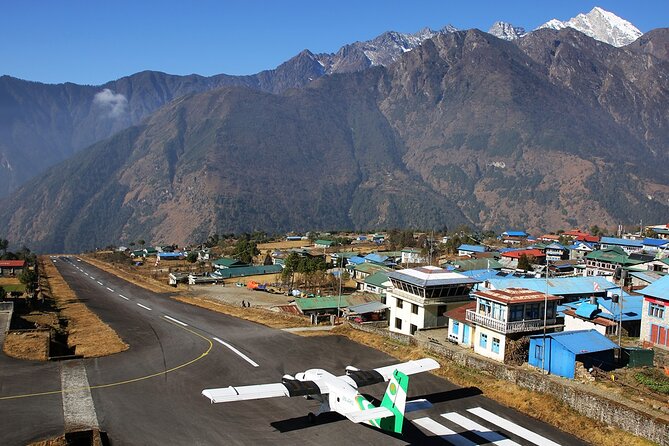
You start in Kathmandu with a 6:15 am meeting at Outfitter Himalaya Holidays in Thamel Marg. From there, the itinerary moves quickly into the Nepal mountain rhythm: airport transfer, then a short scenic flight to Lukla. The flight itself is around 35 minutes, and it sets the tone, because you land already close to the trail.
At Lukla, you meet your trekking guide and connect with the porters. This is one of those practical moments that really matters. When everyone’s roles are clear early, the first day feels organized instead of chaotic. In past departures, guides such as Rajan and Suraj have been praised for staying attentive to the group from the start, and that kind of coordination helps when you’re still adjusting to the altitude.
More Treks in Kathmandu
- Everest Base Camp Trek – 14 Days
★ 5.0 · 1,499 reviews - Everest Base Camp Trek
★ 5.0 · 842 reviews - Everest Base Camp Trekking
★ 5.0 · 485 reviews
Day 1 to Phakding: the first Dudh Koshi hike feels easier for a reason
After landing at Lukla, Day 1 follows the Dudh Koshi River on the left bank. The trek to Phakding is described as easy and typically takes about 3 to 4 hours.
Why this early stretch is a good thing: it gets you walking while your body is still fresh. You’re not immediately doing steep, altitude-heavy work. Instead, you’re learning the basics you’ll need later, like steady steps, controlled breathing, and pacing your effort.
Phakding also gives you time to settle into lodge life. The trip uses trekking lodges on the way up, so Day 1 is really your warm-up for that whole system: simple rooms, shared dining spaces, and the daily routine of breakfast, trekking, lunch stops, then dinner.
Day 2 and into Namche: crossing the river, then meeting the Khumbu wall
Day 2 starts with breakfast at your lodge and then follows the Dudh Koshi corridor, crossing a few times. You’ll stop for lunch at Jorsale in the park area.
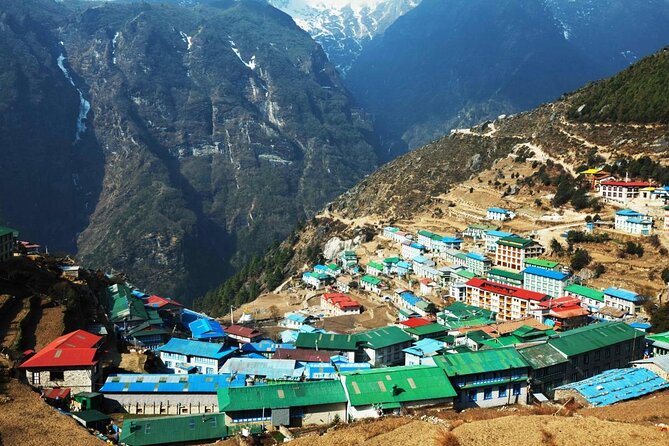
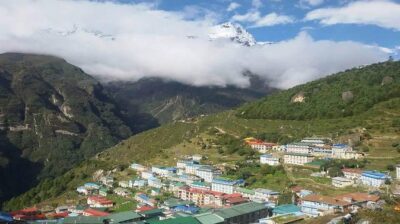
As the day progresses, Namche Bazar comes into view. The path runs through pines, then you reach a plateau area used for the Saturday bazaar before entering the town. Namche Bazar sits at about 3,440 m, and it’s surrounded on three sides by mountain ranges, with one open face toward the Dudh Koshi.
This is a day where the scenery is dramatic, but the real value is timing. You’re not just getting distance, you’re moving into a hub where acclimatization makes sense. Namche is where you start to feel how altitude changes everyday effort, even if your legs are fine.
Day 3 in Namche: your acclimatization rest day is the secret weapon
Day 3 is a rest day in Namche Bazar for acclimatization. This is not wasted time. It’s the part of the Everest Base Camp trek that helps you enjoy the later, harder days instead of paying for speed.
In practical terms, this is when you give your body time to adjust while still moving enough to avoid feeling stiff. You also get the classic Namche experience: tea shops, lodge density, and easy access to viewpoints. It’s a great place to take stock, hydrate, and make sure your breathing feels steady before you head higher.
More Everest Base Camp treks:
- Everest Base Camp Helicopter Tour landing at Everest View Hotel
★ 5.0 · 668 reviews - Everest Base Camp Trekking – 13 Day
★ 5.0 · 365 reviews - Everest Base Camp Trek
★ 5.0 · 350 reviews - Everest Base Camp Trek -14 Days
★ 5.0 · 321 reviews
Day 4: ridge trails, Zigzags, and Tengboche monastery views
Day 4 begins with a ridge trail and flat level mountain path that offers strong panoramas of peaks like Thamserku, Kantega, and Kusum Kangrib. After a few hours on flat zigzags, you descend toward the river and arrive at Phunki Tenga.
From there, you climb through rhododendron forest to Tengboche monastery. This day has the right mix: walking that builds your endurance, plus a mental reward at the monastery.
Two practical notes for days like this:
- Rhododendron forest can mean softer ground and cooler shade, but it can also feel damp. Wear layers you can manage.
- Monastery stops often give you a good chance to pause longer than you think. That’s okay, as long as you also keep moving regularly enough to stay warm.
Day 5: Imja Khola suspension bridge and Pangboche to Dingboche
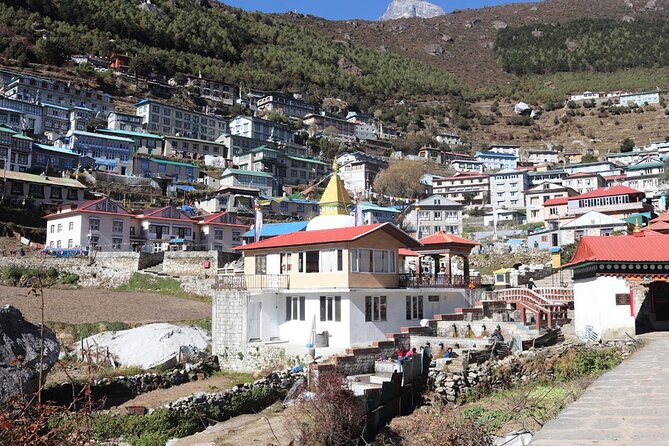
Day 5 shifts back into village-to-village trekking. You descend through rhododendron forest to the Imja Khola, then cross an exciting suspension bridge. After that, you walk past long mani stone walls and into Pangboche, with route continues into summer pastures toward Dingboche.
This is a meaningful cultural and visual transition. The area around Pangboche and Dingboche feels like it’s stepped into a high-altitude pocket. The lodges are still simple, but the setting is unmistakably Everest-region.
Also, bridges and stone walls are not just “nice photos.” They’re pacing tools. They break the day into chunks. You get frequent reference points, which helps you avoid burning too much energy on a long, uninterrupted stretch.
Day 6: Dingboche acclimatization and the Ama Dablam north-face feel
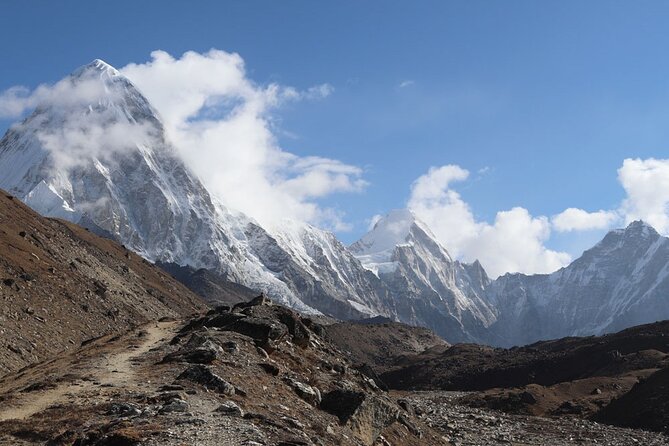
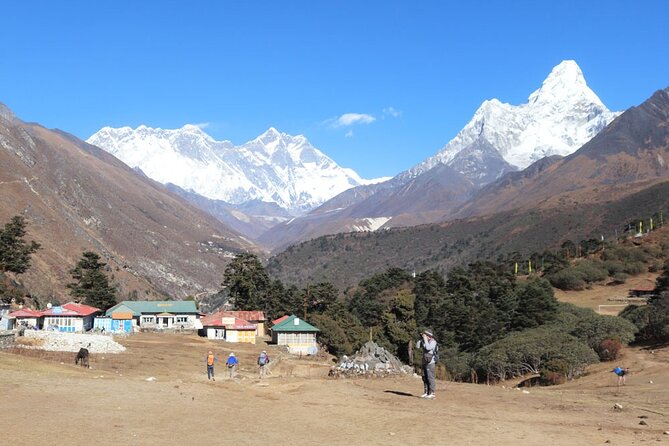
Day 6 is the big acclimatization day in Dingboche. The itinerary highlights remarkable views of the north face of Ama Dablam and the Lhotse-Nuptse ridge.
The walk is described as short, with plenty of afternoon time to relax. There’s also a chance for side day trips around the valley, depending on how you feel. This “short day” is one of those smart engineering choices of the itinerary. It helps you recover without losing momentum.
If you get a guide like Dhana, you’ll often feel that guidance in the small decisions: how fast you move, when you stop, and how you judge effort versus rest. Past groups have specifically praised guides for supporting people during tough moments and keeping the group moving safely.
Day 7: Pheriche to Lobuche, Khumbu Glacier vibes get stronger
Day 7 heads north and reaches a mani-prayer stupa after about 50 minutes, then the trail becomes gentle downhill toward Pheriche. Along the way, you get views of Mt. Tawache, Ama Dablam, and peaks like Pokalde, Kongma-tse, and views connected to the Nuptse area.
After about two hours of walking, the trail from Pheriche joins near Dugla. You cross near Dugla and then continue after a small wooden bridge over the Khumbu glacier river, followed by a steep hill climb up to a top viewpoint with strong west-of-Everest views, including Mt. Pumori.
Then you continue trekking up to Lobuche. This is where the environment starts to look more severe. You’re moving from greener village trekking into a more rocky, exposed zone, where weather and energy management matter.
Day 8: Gorakshep to Everest Base Camp, moraine to first real “wow”
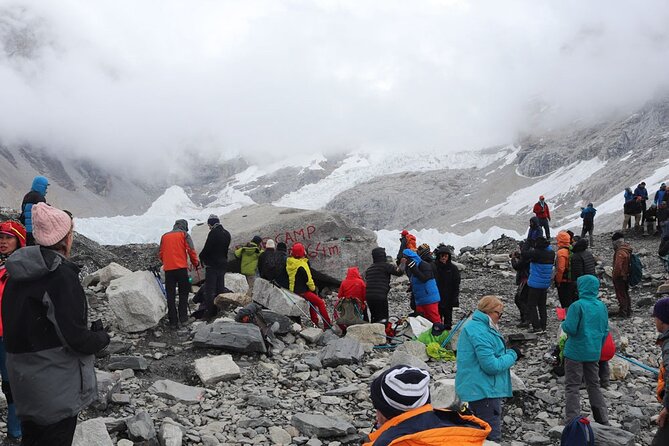
Day 8 is the push to Base Camp. After breakfast, the plan follows a rocky moraine path, with views down to glacial ponds and icebergs of the Khumbu Glacier.
After the last rocky moraine dunes, there’s a short downhill walk to Gorakshep, where you stop for lunch. Gorakshep is also the last lodge area with services described in the itinerary, so it’s where you leave your extra stuff at the lodge.
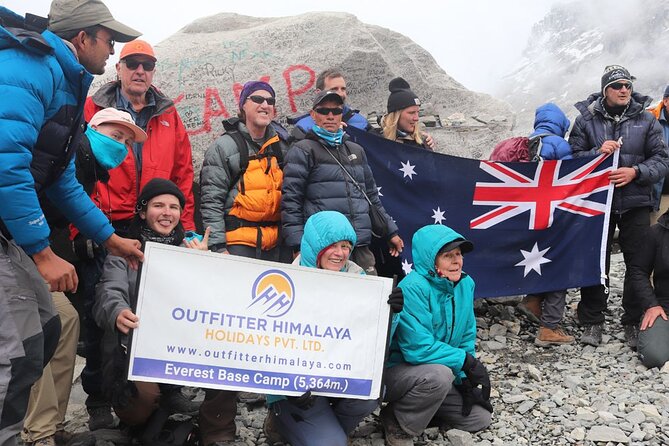
Then it’s the main event: the walk from Gorakshep to Everest Base Camp. When you reach Base Camp, the itinerary emphasizes taking time to visit the area and surroundings before returning to Gorakshep for overnight.
This day is a payoff day, but it’s also a logistics day. Leaving your gear at Gorakshep means you travel lighter for the Base Camp section. That small detail can save your knees and energy for the return walk.
Day 9: Kala Patthar sunrise, then downhill to Pheriche
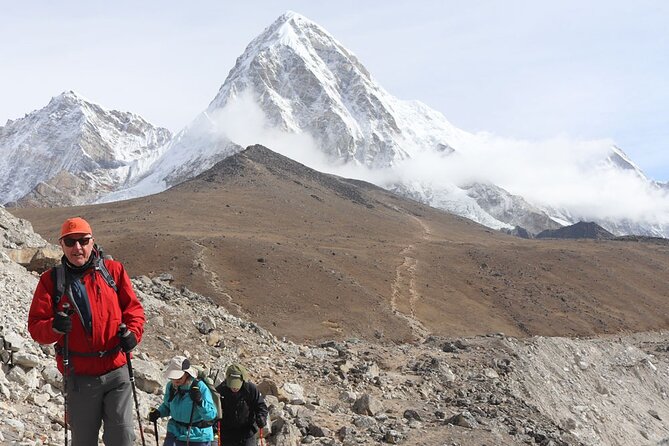
Day 9 is the “wake up early, get the reward” day. You climb to Kala Patthar (about 5,545 m) early to enjoy sunrise. From Kala Patthar, the itinerary promises panoramic views of Mt. Everest plus many surrounding peaks like Pumori, Lingtren, Khumbetse, Nuptse, Lhotse, Ama Dablam, Thamserku, and more.
After sunrise viewing, you trek down to Gorakshep for breakfast, then continue trekking down to Pheriche. The itinerary frames this as easier descent trekking, which is exactly what you want after a high-altitude morning.
Practical altitude advice: sunrise mornings can be brutally cold. Even if your legs are warmed from climbing, your hands and feet may still feel slow. Bring layers you can zip up quickly and down quickly, so you’re not stuck overheating after the big view moment.
Day 10: Tengboche to Namche again, a cultural loop on the way down
Day 10 brings you back toward Namche Bazaar. After breakfast, you trek through rhododendron forest for an easier descent. You stop in Tengboche for lunch, with a monastery and splendid views of Ama Dablam, green hills, and river views.
Then it’s on to Namche, still trekking, still altitude exposure, but with the emotional lift of being on the way down. On Everest treks, your mindset matters. When you see the route reverse, it helps your body accept the longer walking days with less worry.
Guides like Arjun and Rajan have been praised for making the days feel organized, with constant checking-in and no surprises. On Day 10, that kind of attention makes the loop feel easier than you’d expect.
Day 11: Bhote-Koshi river crossings and the last uphill to Lukla
Day 11 is described as pleasant, with a few short uphill climbs before heading down to the Bhote-Koshi River crossing multiple times. After crossings, there’s a final uphill climb of about 45 minutes that brings you back to Lukla.
This is the day to focus on technique, not speed. River-crossing areas and uphill finishes can make people rush. A steadier pace keeps fatigue from turning into sloppy footing.
Also remember, the trek still uses lodge nights earlier. By now, you’ve already learned the rhythm. That helps you keep your energy for the final flight day.
Day 12: flight back to Kathmandu and a clean end to a long week
On Day 12, you take an early breakfast and walk to Lukla airport, then fly back to Kathmandu. The itinerary keeps the last day simple, which is a mercy after a trek that includes early mornings and high-altitude climbs.
Once you’re back in Kathmandu, you can process the whole experience. The shift from rocky trails to city sidewalks can feel strange, but it’s also satisfying. You’ve done the hard part, step by step.
Gear, permits, and meals: what’s really included in the $1,300
At $1,300 per person, the value comes from what’s taken off your plate and what’s already planned into the schedule.
Included items in plain terms:
- Domestic airport transfers in Kathmandu
- Trekking lodge accommodation for 11 nights
- A guide
- Paperwork and permits, including National Park entry permits and TIMS permit
- Flights Kathmandu to Lukla and Lukla to Kathmandu, including airport tax
- Emergency helicopter arrangement, but it’s paid by your travel insurance company
- Meals: 11 breakfasts, 11 lunches, and 11 dinners
- Gear if necessary: sleeping bag, down jacket, and duffel bag (returned after the trek)
Not included, so you should budget ahead:
- Nepal entry visa fee
- Kathmandu hotels, tours, and meals (before and after the trek)
- Travel insurance (listed as compulsory)
- Personal expenses: drink water, hot and cold drinks, and bar bills
- Laundry, telephone, hot shower, and internet charges
- Tips for the guide
- Porter only if you need one
This matters because Everest-area travel has lots of “small extras” that can add up. The fact that meals and lodge stays are included helps you control your spending. The permits and guide reduce the risk of missing documents or arriving underprepared.
One more value point: the itinerary includes permits and TIMS handling, which is a smart move for first-timers. Paperwork problems can become last-minute stress, and stress at altitude is not your friend.
Pace, fitness, and altitude reality checks (especially after Dingboche)
This trek requires strong physical fitness. That’s not marketing talk. You’ll do repeated climbs, you’ll gain altitude day by day, and you’ll experience thinner air even when the trail looks calm.
The itinerary is built with acclimatization in mind, not just distance. You get:
- a rest day at Namche Bazar
- a structured acclimatization day at Dingboche
That structure helps you handle the later days like Lobuche, Gorakshep, and the Kala Patthar climb.
How you make this work day to day:
- Keep your pace steady, especially early in each day when you feel good.
- Use the built-in rests. Don’t “skip” acclimatization days because you feel strong that morning.
- Hydrate consistently and eat what you can, even if appetite dips.
I also like that the itinerary explicitly includes an emergency helicopter arrangement through travel insurance. You still need insurance, but having the plan lined up is better than scrambling if something goes wrong.
Weather and flight timing: why your Everest plan needs flexibility
This experience depends on good weather. That’s not optional, and flights can be affected. The trip includes a helicopter arrangement through insurance, but you still need to accept that mountain timing is mountain timing.
If you’re the type of person who wants every day locked to the minute, you’ll likely feel tension. If you can handle a few schedule shifts, the experience tends to feel smoother.
Should you book this Everest Base Camp trek?
If you want a classic Everest Base Camp route with a real acclimatization plan, you should book this. The schedule makes sense: a fast start from Lukla, a meaningful rest day in Namche, another acclimatization day in Dingboche, then the push to Gorakshep, Base Camp, and finally Kala Patthar.
Book it especially if:
- you prefer guided logistics like permits and flights already handled
- you like the idea of lodge stays instead of camping
- you want a small-group feel (up to 14)
- you want the major viewpoint days built into the itinerary
Skip this or ask more questions first if:
- you are not comfortable with altitude exertion, even on shorter days
- you’re sensitive to cold mornings, since Kala Patthar means early starts
- you want lots of comfort extras, because hot showers, laundry, and drinks in the mountains are not included
If you do book, plan smart. Train for steady uphill walking, pack layers, and treat the acclimatization days like part of your success plan, not a delay.
FAQ
Where is the meeting point for this trek?
The meeting point is Outfitter Himalaya Holidays, Thamel Marg, Kathmandu 44600, Nepal.
What time does the trek start?
Start time is 6:15 am.
How do I get from Kathmandu to Lukla?
You take a domestic scenic flight from Kathmandu to Lukla.
Are flights included in the price?
Yes. The flight ticket from Kathmandu to Lukla and back to Kathmandu, including airport tax, is included.
What kind of lodging is provided on the trek?
Accommodation is in trekking lodges on the trek for 11 nights.
What meals are included?
The trek includes 11 breakfasts, 11 lunches, and 11 dinners.
Are permits included?
Yes. Paperwork, National Park entry permits, and the TIMS permit are included.
Is an emergency helicopter included?
An emergency helicopter service is arranged, and it will be paid by your travel insurance company.
Do I need travel insurance?
Yes. Travel insurance is listed as compulsory, and it also ties into the emergency helicopter arrangement.
Latest additions near Kathmandu
- White Water River Rafting – 1 Day★ 4.3 · 3 reviews
- Traditional Momo Making Class★ 5.0 · 10 reviews
- Kathmandu to Pokhara Premium sofa bus ticket★ 4.0 · 17 reviews
- Ghorepani Poon Hill Trek★ 5.0 · 16 reviews
- Amazing 1 Day Trekking Experience in Kathmandu Nepal★ 5.0 · 24 reviews
- Ghorepani Poonhill Trek★ 5.0 · 5 reviews
- Walking tour of real Kathmandu through back streets.★ 5.0 · 3 reviews
- Wildlife Adventure in Chitwan Nepal★ 4.0 · 4 reviews
Everest Base Camp Treks, compared.
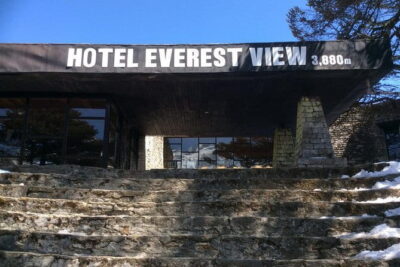
Everest Base Camp Helicopter Tour landing at Everest View Hotel
Read our review →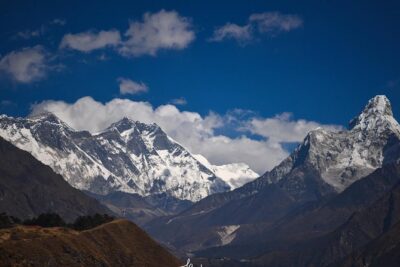
Everest Base Camp Helicopter Tour landing at Hotel Everest View
Read our review →
Browse the lists this tour appears in