
Reviewed · EVEREST BASE CAMP TREKS
10 Days Everest Base Camp Trek
Everest Base Camp pulls you into thin air fast.
This trek links Kathmandu culture with close-up Himalayan scenery and a realistic mountain rhythm, so the journey feels bigger than the final destination.
I love the way this package handles the hard parts for you, like domestic flights plus airport and hotel transfers. You also get a licensed trekking guide, and the support style matters here, with past groups highlighting guide Dhansingh and an assistant like PJ for keeping people calm and comfortable when the route gets tough.
One consideration: this experience depends on weather, and cancellations due to poor conditions follow a strict non-refundable rule unless the operator changes the date or refunds.
In This Review
- Key highlights you will actually feel on the trail
- Price and Logistics: what $1,470 really covers
- Kathmandu on Day 1 and Day 11: getting your bearings before altitude
- Day-by-day on the trail: what each segment really means
- Day 2: Kathmandu to Lukla, then Phakding
- Day 3: Phakding to Namche via an Irish Pub stop
- Day 4: Namche to Phortse, with a six-hour trek
- Day 5: Phortse to Dingboche and the Dingboche viewpoint
- Day 6: Dingboche to Lobuche, five to six hours
- Day 7: Gorakshep and Everest Base Camp at 5,364m
- Day 8: Kalapathar (5,545m) then Phiriche
- Day 9: Phiriche to Namche, seven-hour trek back
- Day 10: Namche to Lukla, lodge night, then rest
- Day 11 and Day 12: fly back and reset in Kathmandu
- Accommodation and meals: the tea house system, explained
- The guide connection that people remember
- Weather rules, cancellation stress, and how to plan around them
- Is this the right trek for you?
- Should you book this Everest Base Camp trek?
- FAQ
- How long is the Everest Base Camp trek package?
- What time does the trek start?
- Does the price include flights?
- Where does the trip include accommodation?
- What meals are included?
- Are trekking permits included?
- What transfers are included in the package?
- What is not included during the trek?
- What happens if weather is poor?
Key highlights you will actually feel on the trail
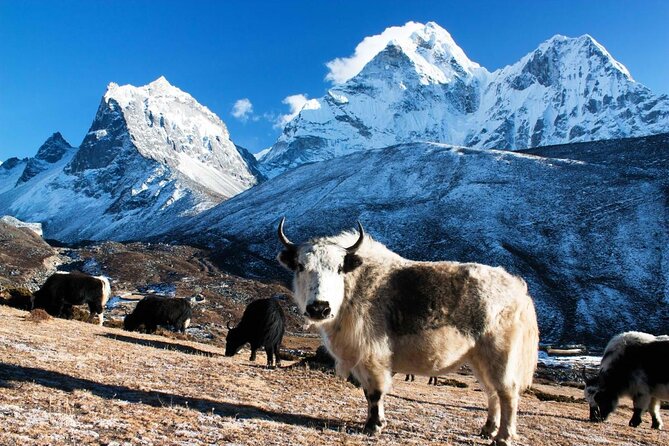
- Lukla start with included flights so you skip the long, slow approach routes
- Tea house nights for 9 nights and full board days (lunch and dinner) while you acclimatize
- Real Everest viewing days, including a hike to Kalapathar (5,545m) for big panoramas
- Kathmandu culture built in, with Durbar Square on the front end and Thamel time on the back end
- Licensed guide support that can make or break the emotional side of altitude
Price and Logistics: what $1,470 really covers
At $1,470 per person, you are paying for more than a viewpoint. You are buying back time and stress. The package includes the things that usually cause delays: round-trip domestic flights to Lukla, a trekking permit, and the core lodging and meals that keep you moving.
Here is what is clearly covered:
- 2 nights in Kathmandu with breakfast, plus additional Kathmandu sightseeing time
- 9 nights in tea houses on the mountain
- Meals: 10 lunch and 10 dinner, plus breakfast listed as 11
- Trekking permit
- A licensed trekking guide
- Airport to hotel to airport transfers by private vehicle
- An adventure certificate after the successful trip
- Government taxes
What is not included matters because you will feel it day to day:
- Extra meals and extra accommodation in Kathmandu
- Bottled drinks, boiled water, and hot drinks (including “the additional size” of pots of hot drinks)
- Hot shower
- Wi-Fi on the trek
- Recharge of electronic devices
- Tipping for guide and porter, plus travel and evacuation insurance
That last part is a big one. You should plan your own insurance and evacuation coverage separately, because the package itself does not list that cost.
More Treks in Kathmandu
- Everest Base Camp Trek – 14 Days
★ 5.0 · 1,499 reviews - Everest Base Camp Trek
★ 5.0 · 842 reviews - Everest Base Camp Trekking
★ 5.0 · 485 reviews
Kathmandu on Day 1 and Day 11: getting your bearings before altitude
This itinerary uses Kathmandu smartly. You do not just land and disappear into the mountains.
On Day 1, you get a short intro drive to Kathmandu Durbar Square and a quick sightseeing window. It is a good way to see the city’s old-world energy before you trade traffic noise for yak bells and prayer flags.
On Day 11, you have time back in Thamel to explore on your own. Thamel is practical after a trek because it is where you can grab last-minute basics, think about gear for any cold-weather surprises, and reset your routine.
If you want a smooth trip, treat Kathmandu as your altitude-free training week. Do not cram too much. Sleep matters. Eating matters. You will feel the difference when you start climbing.
Day-by-day on the trail: what each segment really means
The trek is arranged with a classic Everest region rhythm: start low, climb gradually, and use day-to-day lodge breaks to acclimatize before pushing higher. Expect walking days in the 5 to 7 hour range on several dates, with longer days when transfers and terrain demand it.
Day 2: Kathmandu to Lukla, then Phakding
Day 2 is a jump day, with a short domestic flight (about 30 minutes) to Lukla, then trekking onward to Phakding.
Why this works: Lukla gives you fast access to the Everest region so you spend your energy on the mountains you came for, not on travel days.
What to consider: flights can be weather sensitive. The experience requires good weather, and the overall trip rules reflect that. Pack with the mindset that schedules can shift.
More Everest Base Camp treks:
- Everest Base Camp Helicopter Tour landing at Everest View Hotel
★ 5.0 · 668 reviews - Everest Base Camp Trekking – 13 Day
★ 5.0 · 365 reviews - Everest Base Camp Trek
★ 5.0 · 350 reviews - Everest Base Camp Trek -14 Days
★ 5.0 · 321 reviews
Day 3: Phakding to Namche via an Irish Pub stop
You trek around 6 hours to Namche, and you pass by an Irish Pub stop along the way.
That might sound like a random line item, but it is actually part of what makes these routes feel real. You are not just walking between “scenic points.” You are moving through the everyday village economy of the trail, where tea houses, small shops, and yes, a familiar pub theme exist because trekkers keep coming back.
The Namche area is also where the air begins to feel different. Use the lodge night as your acclimatization tool.
Day 4: Namche to Phortse, with a six-hour trek
Day 4 takes you to Phortse, about a 6 hour walk, and there is a River Resort listed as a stop.
This day is useful because it keeps you moving without forcing a huge altitude leap. You are building stamina while letting your body adapt.
Tradeoff: even on “good pace” days, you will feel fatigue if you go out too fast. If you tend to overpush, keep your first days conservative and let altitude catch up slowly.
Day 5: Phortse to Dingboche and the Dingboche viewpoint
You trek around 6 hours to Dingboche, with a Dingboche View Point stop.
Dingboche is one of those high-altitude villages that acts like a stepping stone. It is where you will likely start feeling the mental part of altitude, not just the physical part. Breathing gets louder. Legs get heavier. That is normal.
On this day, treat every rest break like a win. Sip, eat, and keep your steps steady.
Day 6: Dingboche to Lobuche, five to six hours
You move to Lobuche, about 5 to 6 hours walking.
At this stage, the terrain and conditions start to feel more serious. The tradeoff is that the scenery usually gets better as you gain elevation. The practical win is that tea house nights help keep routines predictable: dinner, sleep, and another step closer.
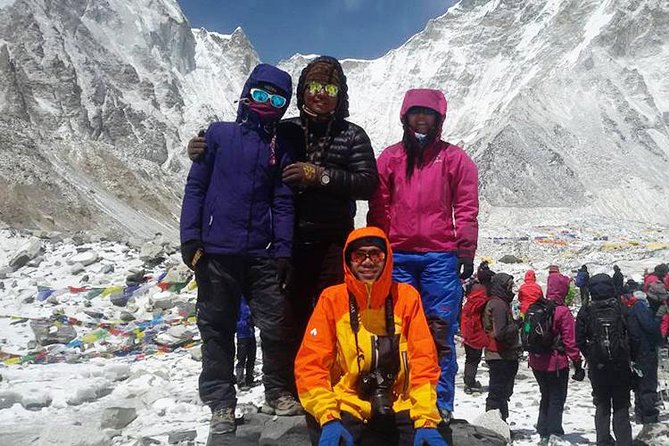
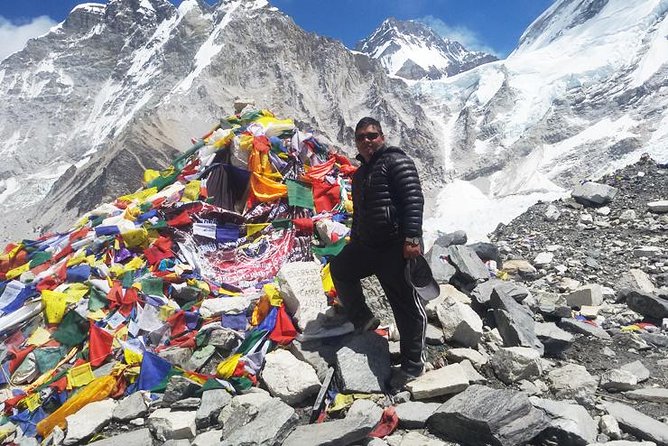
Day 7: Gorakshep and Everest Base Camp at 5,364m
Day 7 is a key day, with trekking to Gorakshep and onward to Everest Base Camp (5,364m).
This is where the “destination” becomes “experience.” You are far from crowds that you might picture from big cities. Instead, you are in a working mountain zone where the air and the scale do most of the talking.
What to watch: this is not just a postcard stop. It is still walking, still cold, and still time spent at elevation. Take it slow. The thrill is huge, but so is the payoff for pacing.
Day 8: Kalapathar (5,545m) then Phiriche
Day 8 includes a hike to Kalapathar Peak (5,545m) and trekking to Phiriche.
Kalapathar is often considered the big panorama payoff, because you are going up above the surrounding viewpoints. You can feel the day become about effort, and then it turns into perspective.
Consideration: you are going higher on an already high route. If you are prone to altitude anxiety, this is exactly where a supportive guide style matters. Past groups have specifically credited guide Dhansingh and assistant PJ with being perceptive and helpful for people who are afraid of heights.
Day 9: Phiriche to Namche, seven-hour trek back
Day 9 takes you to Namche, about 7 hours walking.
This is a longer descent day, which usually helps physically, but it still demands attention. Downhill can beat up knees and feet if your footing is sloppy. Take your time. Your body is not finished adapting yet.
Day 10: Namche to Lukla, lodge night, then rest
Day 10 treks back to Lukla, about 7 hours, and you stay overnight at a lodge.
This day is “close to the end” energy. It can tempt you to rush because you can almost see the airport goal. Resist that urge. Finish strong, not fast.
Day 11 and Day 12: fly back and reset in Kathmandu
On Day 11, there is a short flight back to Kathmandu, then an explore day in Thamel. On Day 12, you depart Kathmandu to your hotel.
These two days are valuable because they give you a buffer. Trekking fatigue can hit later than expected. Kathmandu time lets you recover, eat normally, and tidy up anything you forgot.
Accommodation and meals: the tea house system, explained
This trek uses tea house accommodation for 9 nights. That typically means you are sleeping in simple rooms with basic comfort. The bigger advantage is that your meals and lodging are handled, so you are not spending your day making decisions.
Your included meals are 10 lunches and 10 dinners, with breakfast listed as 11. That structure is practical on a mountain where finding food can be time-consuming and prices usually climb with elevation.
The one catch is what is not included:
- bottled drinks
- boiled water
- hot shower
- Wi-Fi on the trekking days
Bring a mindset that you are trekking first, powering devices second. If you rely on electronic devices for photos or navigation, plan charging time carefully, because recharge is listed as not included.
The guide connection that people remember
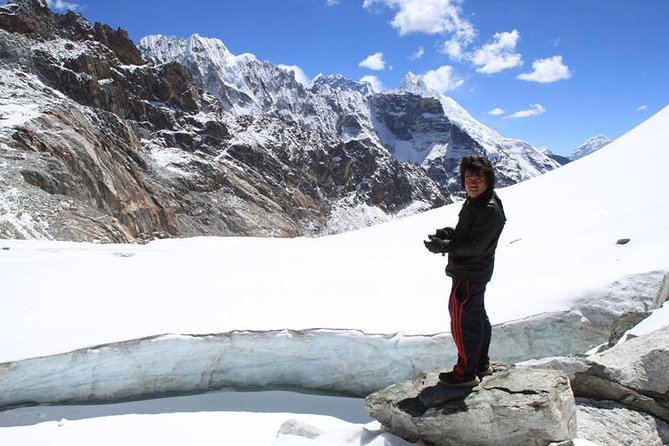
The best part of Everest region treks is not just the altitude. It is the human rhythm: pace, encouragement, and calm decisions when conditions change.
This operator includes a trekking guide license holder, and the guidance style shows up clearly in past experiences. People have specifically called out Dhansingh’s support and PJ’s extra attention, including being perceptive with someone afraid of heights. That kind of help is not fluff. It changes how the trail feels.
Also, you do not just get a random schedule. The itinerary is structured with sensible altitude steps, and that matters because Everest is not forgiving if you race your body.
Weather rules, cancellation stress, and how to plan around them
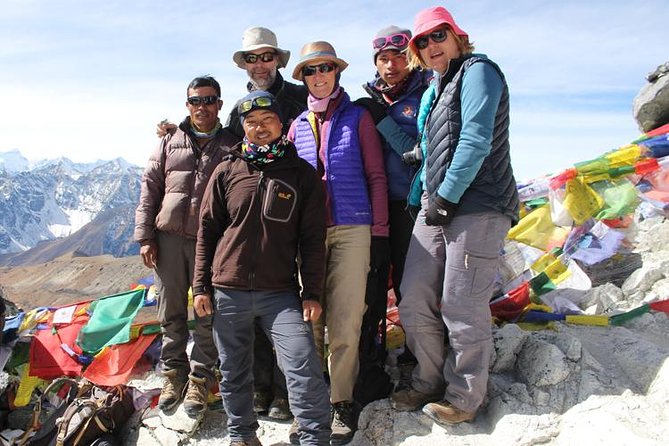
Your trip is listed as requiring good weather. That is not just a small note. The cancellation policy states the experience is non-refundable and cannot be changed for any reason. If it is canceled due to poor weather, you are offered a different date or a full refund.
So your best move is to treat this trek as an expedition date, not a casual weekend plan:
- Choose travel dates with enough buffer to accept an alternate flight plan
- Plan your insurance accordingly
- Pack warm, even if early-season forecasts look friendly
Is this the right trek for you?
This trek suits you if:
- you have moderate physical fitness
- you want a guided route through the Everest region without handling permits and logistics yourself
- you care about both the mountains and the cultural warm-up in Kathmandu and Thamel
It might not fit you if:
- you dislike cold or long walking days
- you want a lot of comfort features like hot showers and on-trail charging
- you are planning around tight schedules with no flexibility
Should you book this Everest Base Camp trek?
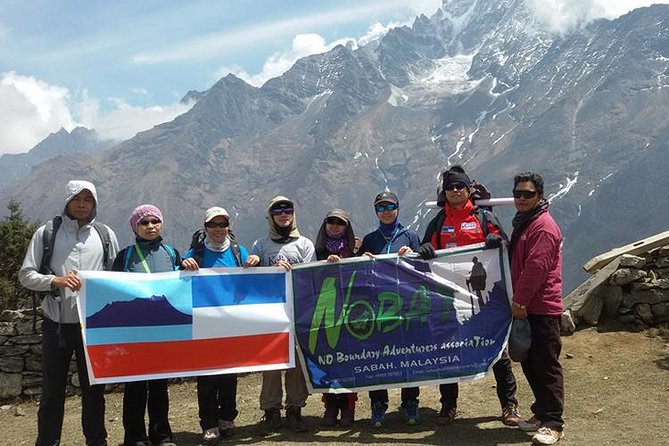
I think this is a strong choice if you want an organized, guided Everest Base Camp route that takes the stress out of flights, permits, and core meals. The value is in what is included: Lukla flights, tea house lodging, key meals, and transfers, all wrapped into one price.
Book it if you also respect the realities: weather can change plans, altitude is real, and tipping, insurance, water, and charging are on you. If that all sounds manageable, you will likely come away with exactly what you came for, close Everest views and a trek that feels more personal than a quick highlight tour.
FAQ
How long is the Everest Base Camp trek package?
It is listed as 12 days approximately, with the core trekking spread across about 10 days and added days for Kathmandu time.
What time does the trek start?
The start time is listed as 6:15 am.
Does the price include flights?
Yes. Both way domestic flights are included, flying between Kathmandu and Lukla.
Where does the trip include accommodation?
You get 2 nights hotel in Kathmandu with breakfast and 9 nights tea house accommodation on the mountain.
What meals are included?
The package includes 10 lunch and 10 dinner, and breakfast is listed as included (11 breakfasts).
Are trekking permits included?
Yes. The trekking permit is included.
What transfers are included in the package?
Airport to hotel to airport pickup and drop are included by private car, van, or bus.
What is not included during the trek?
Not included items include meals and extra accommodation in Kathmandu, bottled drinks, boiled water, electronic device recharge, hot shower, on-trek Wi-Fi, and personal expenses, plus tipping for guide and porter.
What happens if weather is poor?
The experience requires good weather. If it is canceled due to poor weather, you will be offered a different date or a full refund.
Latest additions near Kathmandu
- White Water River Rafting – 1 Day★ 4.3 · 3 reviews
- Traditional Momo Making Class★ 5.0 · 10 reviews
- Kathmandu to Pokhara Premium sofa bus ticket★ 4.0 · 17 reviews
- Ghorepani Poon Hill Trek★ 5.0 · 16 reviews
- Amazing 1 Day Trekking Experience in Kathmandu Nepal★ 5.0 · 24 reviews
- Ghorepani Poonhill Trek★ 5.0 · 5 reviews
- Walking tour of real Kathmandu through back streets.★ 5.0 · 3 reviews
- Wildlife Adventure in Chitwan Nepal★ 4.0 · 4 reviews
Everest Base Camp Treks, compared.
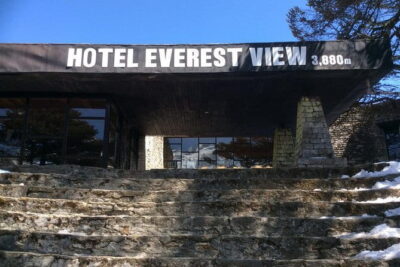
Everest Base Camp Helicopter Tour landing at Everest View Hotel
Read our review →
Everest Base Camp Helicopter Tour landing at Hotel Everest View
Read our review →
Browse the lists this tour appears in