
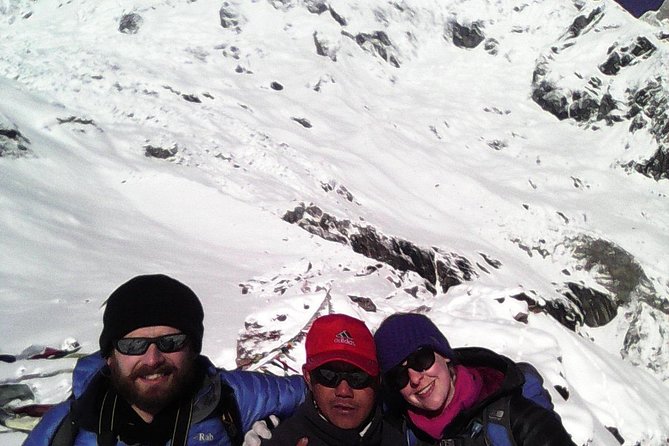
Reviewed · ANNAPURNA BASE CAMP TREKS
10 Days Annapurna Base Camp Trek From Pokhara
Annapurna Base Camp in 10 days.
I like how this trek keeps things practical and scenic, moving through rural villages, rhododendron forests, and multiple suspension-bridge crossings without feeling rushed. You also get a very clear early ramp-up, then a steady push toward the high point, with culture and mountain views built into the walk.
Two standouts for me are the English-speaking local trekking guide and the way the route is structured around key moments like Ulleri, Ghorepani, Poon Hill sunrise, Chhomrong, and finally Annapurna Base Camp. One consideration: altitude and weather can change the rhythm near the top, since the plan allows for an adjusted overnight if conditions are not ideal for safety and comfort.
If you want a classic Annapurna experience that mixes trail life with real village culture, this is a strong match, especially if you prefer having someone handle permits and logistics. It is also private, so your group sets the pace while you still follow the proven trek path.
In This Review
- Key points to know before you go
- Pokhara to the trail: how this trek starts clean and stress-free
- Ulleri and Nayapul: a strong warm-up into the Annapurna area
- Ghorepani via rhododendron forest: where the trail turns scenic
- Poon Hill sunrise and the long move to Tadapani
- Chhomrong to Bamboo: the middle trek that feels like real mountain travel
- Deurali to Annapurna Base Camp: what the final climb really means
- Down to Bamboo and Jhinu Danda hot springs: recovery with a view
- Back to Pokhara via Nayapul: ending the trek without rushing
- Price and value: is $493.58 a fair deal for 10 days?
- What’s on the trail: culture, bridges, forests, and the Gurung feel
- Guesthouses, meals, and gear you should plan for
- Who should book this Annapurna Base Camp trek, and who should think twice
- Should you book this 10-day ABC trek from Pokhara?
- FAQ
- How long is the 10 Days Annapurna Base Camp trek from Pokhara?
- What is the starting point for this trek?
- What does the price include?
- Are meals and drinks included?
- Is rescue cost included in the package price?
- Do I get trekking poles?
- Is this a group tour or private?
- What fitness level do I need?
- How far in advance can I cancel for a full refund?
Key points to know before you go
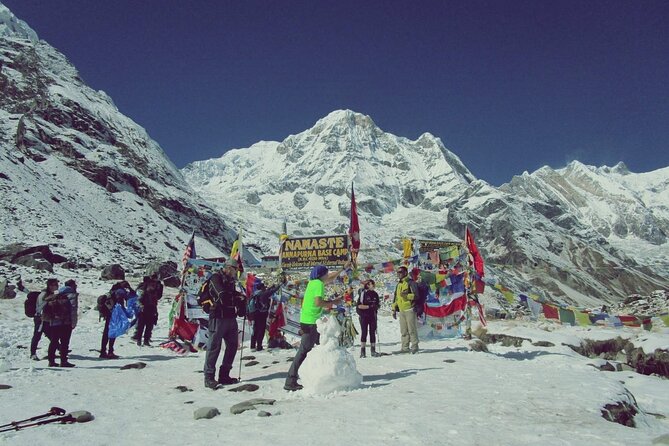
- Poon Hill sunrise timing: an early hike to catch first light over Mt. Annapurna, then continue trekking the same day.
- Village trekking with Gurung culture: expect rural communities and Gurung village life along the way.
- Lots of suspension bridges: fun, bouncy crossings over streams, plus plenty of chances for photos.
- Guesthouse overnights (tourist standard): simple, comfortable bases as you gain altitude.
- Altitude-aware backup plan: if weather or health isn’t right near the top, you may adjust to Machchhapuchchhre Base Camp (3700 meters).
- Hot spring payoff at Jhinu Danda: a natural soak stop after days of descending and climbing.
Pokhara to the trail: how this trek starts clean and stress-free
Pokhara is a smart launching point for Annapurna Base Camp. You drive from Pokhara to the trek start area via Nayapul, and then you begin walking almost right away, instead of wasting days on extra transit. The package includes hotel pickup and drop-off, so you are not stuck figuring out local transport while you are planning your first day.
The operator also includes round-trip private transfer and a private trip setup, meaning you and your group are not blended into a random crowd with unclear timing. For many people, that matters on treks, because the first day sets your confidence. If your permit and logistics are handled, you can focus on stepping out the door and adjusting your effort.
You should also know what is not included, because it affects how you budget and how you feel day-to-day. Meals and drinks are not listed as included, so you will be paying for food along the route. That said, guide support usually makes ordering and planning easier, and past trekkers have praised how meals were handled during the trek.
More Treks in Pokhara
- Poon hill Trek 3 days
★ 5.0 · 176 reviews - Trekking in Annapurna/Langtang/Everest/Upper Mustang regions
★ 5.0 · 161 reviews - Pokhara: 4-Day Ghorepani, Poonhill & Ghandruk Mountain Trek
★ 5.0 · 132 reviews
Ulleri and Nayapul: a strong warm-up into the Annapurna area
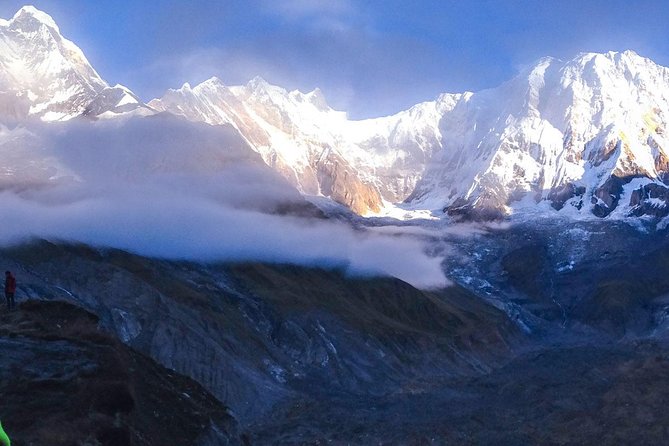
Day 1 is a workable kickoff. You drive from Pokhara to Nayapul (about 1.5 hours), then trek onward to Ulleri. The walking time listed is about 5 hours, which is enough to wake up your legs without turning the first day into a suffering contest.
Ulleri is a classic early stop in this region, and it is a good place to start feeling the Annapurna foothills. You will likely notice how quickly the trail shifts from paved-world into village-world, with small paths and local life in view. It also helps that you get a simple rhythm for this trek: start with a drive, then settle into steady uphill hiking.
If you arrive with decent basic fitness, you can use this day to dial in your pace. Walk slower than you think you need to. Take breaks before you are out of breath. You want your body to learn the rhythm early, so later altitude days do not feel like a surprise.
Ghorepani via rhododendron forest: where the trail turns scenic
Day 2 takes you from Ulleri style terrain into the Ghorepani area, trekking for around 6 hours. The route passes through rhododendron forests, which is a big part of why this region feels special even before you reach the real high country.
This is also a day built around mountain views. Along the way, the trail gives chances to see the Annapurna region clearly when the light and clouds cooperate. Ghorepani itself is known as a base for walkers heading toward Poon Hill, and staying here sets you up for an early, efficient start the next morning.
One practical note for this day: because forests and mornings can make conditions damp, watch your footing and keep your water intake steady. Wet stone and mud happen on mountain trails, and good shoes plus deliberate steps beat rushing every time.
Poon Hill sunrise and the long move to Tadapani
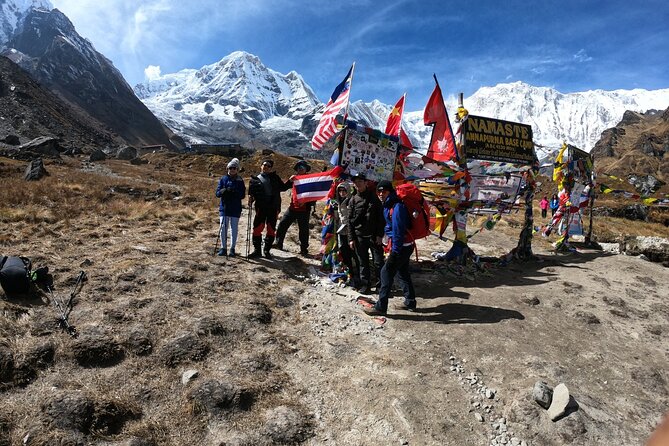
Day 3 is a two-part day: sunrise and then forward motion. You hike early to Poon Hill to see sunrise over Mt. Annapurna, then continue trekking to Tadapani. The day is listed as about 7 hours, so you will feel like you got a sunrise moment and still made real progress.
This is the trek’s big viewpoint day before the high base camp zone. Poon Hill sunrise is popular for a reason: you do not need to reach extreme altitude to feel the drama of the mountains. You also get a memorable payoff without the kind of stress that comes from thinner air higher up.
After sunrise, the rest of the day keeps you moving. That matters because it helps you build a steady altitude adaptation pattern rather than taking a long break and losing your trekking tempo. If you are the kind of traveler who loves photos, plan to pack light snacks for the climb up. If you are not, still bring something quick to nibble, because early starts can make you hungry fast.
More Annapurna Base Camp treks:
- Kathmandu/Pokhara: 5-Day Annapurna Base Camp (ABC) Trek
★ 4.9 · 72 reviews - Annapurna Base Camp Trek -8 days
★ 5.0 · 56 reviews - Private 7 – Day Annapurna Base Camp Trekking
★ 5.0 · 50 reviews - Annapurna Base Camp Trek (8 days)
★ 5.0 · 45 reviews
Chhomrong to Bamboo: the middle trek that feels like real mountain travel
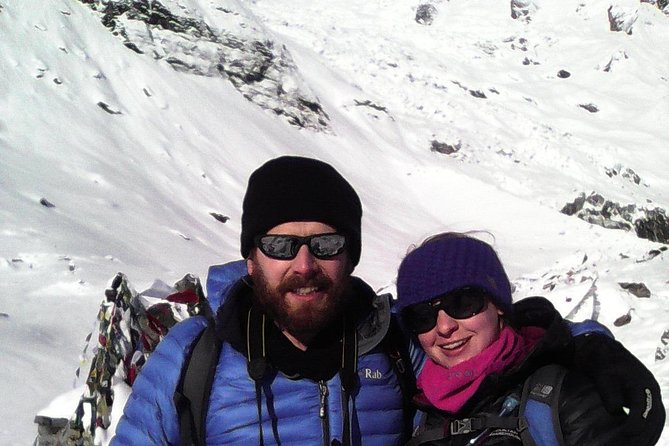
Days 4 to 6 form the trek’s “work” phase. Day 4 brings you to Chhomrong (about 6 hours). Chhomrong is a key village stop, and it is a place where the Annapurna experience starts to look and feel more rural. You are no longer just hiking through scenery, you are passing community life, homes, and daily mountain routines.
Day 5 moves to Bamboo (often through Dovan on the route). The listed walking time is about 6 hours. This segment is where you tend to see more forest and fewer big viewpoint breaks, so your progress depends on consistent stepping and good energy management.
Day 6 continues toward Deurali for overnight, about 5 hours. At this point, the trek starts to feel more “high country.” Even if you are not thinking about altitude every minute, you will notice the air and the way your body responds to climbs.
One thing I appreciate about this pacing is that it does not cram every tough day into one stretch. It builds gradually, with short enough days to keep you walking safely, not just walking bravely.
Deurali to Annapurna Base Camp: what the final climb really means
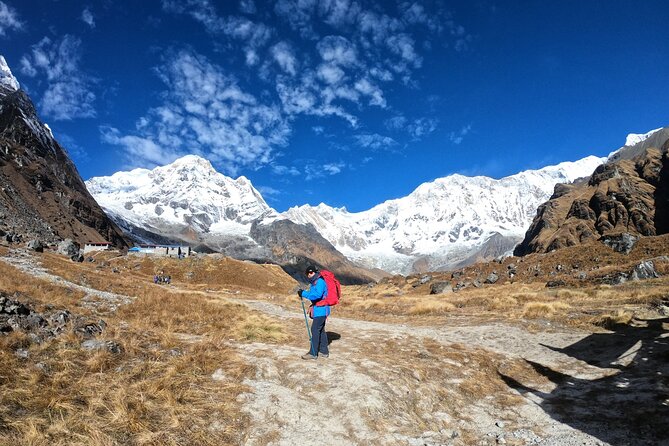
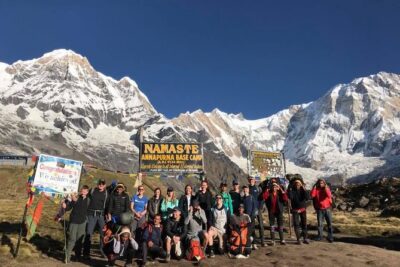
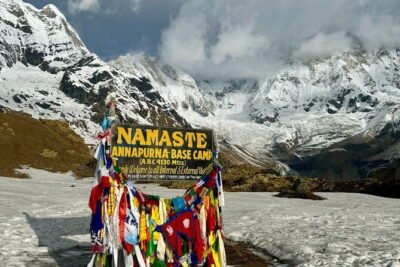
Day 7 is the headline day. You reach Annapurna Base Camp (with an overnight there if weather and your health allow it). If conditions are not right, the plan includes descending to Machchhapuchchhre Base Camp (3700 meters) for the overnight.
That possible adjustment is important. Many treks promise the destination no matter what, but real mountain travel means you sometimes shift. Here, you are prepared for that reality. It is also a signal that the guide is keeping altitude safety and comfort in mind, not just chasing a checklist.
The walk to base camp days typically bring changing views and a different type of fatigue. At this altitude, it is rarely about leg strength only. It is about breathing, pacing, and staying patient with your own body. This is why the trek’s earlier days matter. By the time you reach this stage, you can already feel how to conserve energy.
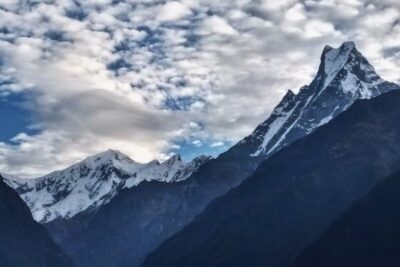
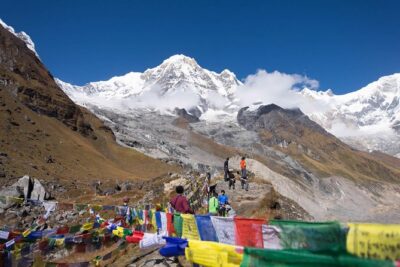
If the weather clears, Annapurna Base Camp can feel like standing inside a giant natural theater. If the weather turns, you still have value, because the day is part of a disciplined journey through the Annapurna region. Either way, this is the day most people remember most clearly afterward.
Down to Bamboo and Jhinu Danda hot springs: recovery with a view
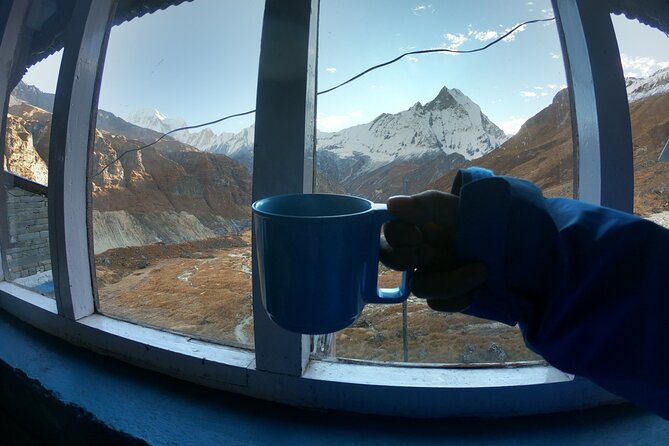
Day 8 brings you down to Bamboo (about 6 hours). Descending can be hard on knees, even when you are feeling mentally ready. Use trekking poles if you have them, and keep steps short on rough patches. The package includes trekking poles, which is a nice practical inclusion if you do not want to buy gear before you travel.
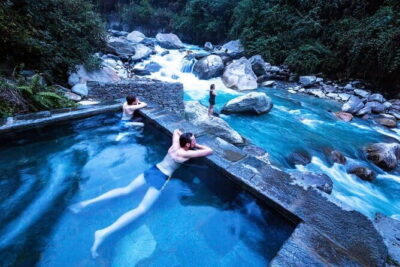
Then Day 9 adds the classic recovery bonus: Jhinu Danda and natural hot springs. The hot spring stop is a big quality-of-life moment after several days of moving up and down. The listed trek time is about 5 hours on the day, and once you are done walking, you get to soak and loosen up.
This is also one of the best “celebration” moments for the trek. You are not climbing anymore, you are resetting. For many people, that hot spring meal and soak makes the last days feel worth it, especially if you have been pushing your pace toward the base camp goal.
Back to Pokhara via Nayapul: ending the trek without rushing
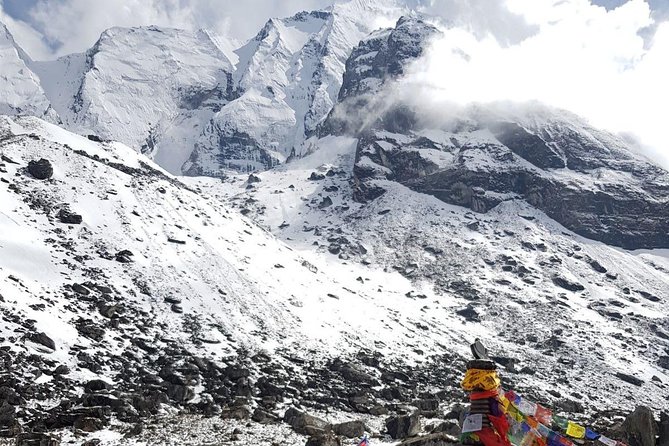
Day 10 is lighter, with a trek to Nayapul and then a drive back to Pokhara (about 1.5 hours). You also get dropped back to your hotel after arrival. The walking time listed is about 7 hours, which might sound long, but by the end of the trek you are usually in a different mindset. You know what your body can do, and the end goal is clear.
This is a good day to manage your expectations. The trail still takes time. You will likely feel tired, and you may want to keep breaks short and frequent rather than one long stop that makes you stiff.
Once back in Pokhara, you can do the normal post-trek things: shower, sleep, and sort through photos. Pokhara is also where you can reflect on what you actually gained from this trek beyond the destination.
Price and value: is $493.58 a fair deal for 10 days?
At $493.58 per person, the real question is what you get that would otherwise cost you extra time or money.
This package includes:
- Trekking permit and TIMS
- A friendly English-speaking local trekking guide
- Guesthouse accommodation during the trek
- Hotel pickup and drop-off
- Round-trip private transfer
- A private trip setup
- Emergency first aid kit with the guide
- Trekking poles
It does not include meals and drinks, and rescue costs in an emergency are not included. Also tipping or gratitude is optional.
So what does that mean for value? It means you are paying for the “middle parts” that often frustrate trekkers: permits, organizing the route, finding places to stay in advance, and having a guide to handle on-trail decisions. If you tried to DIY this exact experience, permits and coordination can become a time sink, and you might pay similar money anyway once you add a guide and lodging.
One more value angle: many reviews highlight good coordination and strong guide support. People also mention safety and comfort, plus praise for meal handling during the trek. Even if meals are not listed as included, having the guide manage the day-to-day makes the experience feel smoother in practice.
If you want a hands-on trekking plan that still feels authentic and local, this pricing can make sense.
What’s on the trail: culture, bridges, forests, and the Gurung feel
This trek is not only about big mountain photos. It is about passing through real mountain settlements and spending nights in guesthouses that serve trekking life day after day.
The route includes suspension bridges across streams, plus natural forests. Those bridges are often more than a cool photo stop. They create the sound and rhythm of the trail crossing, and they break up the walking with quick moments to reset your attention.
You also get Gurung village and Gurung culture exposure in the areas you pass through. That matters because you are not just hiking through empty wilderness. You see how communities live, what roads look like at a distance, and how daily life fits around the mountains.
And because this is a classic Annapurna region route, you are likely to feel how the trail connects multiple viewpoints and settlements. That helps it feel like a journey through a place, not just a line you walk from point A to point B.
Guesthouses, meals, and gear you should plan for
You will stay in guesthouses described as tourist standard. That usually means basic rooms, warm enough setups for a trek, and simple comfort. Do not expect hotel-style luxury, but you should expect functional shelter where you can rest, wash up, and recharge.
Gear-wise, the package includes trekking poles, which is a useful inclusion. Poles can help on both descents and steep steps, and it reduces stress on knees and ankles when the trail gets uneven.
Meals and drinks are not included, so you should budget for food. The trek runs through places where you can buy meals, and past trekkers have praised how breakfast, lunch, and dinner were arranged day-to-day. That is a good sign that you are not left guessing where to eat or what to do.
For your own planning, I strongly recommend you carry a small day snack stash for morning starts and long days. Even when meals are good, a quick bite helps you keep steady energy.
Who should book this Annapurna Base Camp trek, and who should think twice
This trek is best for people with moderate physical fitness who want a well-supported approach to Annapurna Base Camp. You get a planned pace, a guide who can help with trail decisions, and an altitude-aware adjustment option near the top.
It also fits families and mixed groups better than some extreme itineraries, because the days are structured and the pace can be managed with guidance. If you prefer to walk in a calm, organized flow and you like village culture as much as mountain views, you will likely enjoy the rhythm here.
Who might think twice? If you are dealing with health issues that make altitude a major risk, you should talk with a clinician before booking. And if you hate early mornings, note that Poon Hill sunrise requires starting very early and then continuing on the same day.
Should you book this 10-day ABC trek from Pokhara?
If you want Annapurna Base Camp with strong day-to-day structure, this is a solid choice. The value comes from what is included: permits, a guide, guesthouses, trekking poles, and transfers, all wrapped into a private setup that keeps timing clear.
I would book this if you like classic trekking and you want real village moments, not just a bus-and-photo tour. I would also book it if you appreciate a guide who can adjust for weather and altitude near the destination.
If you prefer full independence and you want to handle permits, lodging, and on-trail decisions yourself, this might feel too structured. But for most first-time or mid-experience trekkers, the mix of route clarity and support is exactly what makes the trek smoother.
FAQ
How long is the 10 Days Annapurna Base Camp trek from Pokhara?
It lasts about 10 days.
What is the starting point for this trek?
You start from Pokhara and drive to Nayapul, then begin trekking toward the first stop.
What does the price include?
The package includes hotel pickup and drop-off, trekking permit and TIMS, a friendly English-speaking local trekking guide, guesthouse accommodation (tourist standard), round trip private transfer, private trip, emergency first aid kit with the guide, and trekking poles.
Are meals and drinks included?
No. All meals and drinks are not included and can be purchased.
Is rescue cost included in the package price?
No. Rescue cost in case of an emergency is not included.
Do I get trekking poles?
Yes. Trekking poles are included.
Is this a group tour or private?
This is private, so only your group will participate.
What fitness level do I need?
Travelers should have moderate physical fitness level.
How far in advance can I cancel for a full refund?
You can cancel up to 3 days in advance of the experience for a full refund. If you cancel less than 3 full days before the start time, the amount paid is not refunded.
More treks out of Pokhara
- From Pokhara: Sarangkot Sunrise Himalayas Tour
★ 4.7 · 218 reviews - From Pokhara: 3-Day Ghorepani Poon Hill Trek with Guide
★ 4.9 · 68 reviews - 3-Day Poon Hill Trek from Pokhara.
★ 5.0 · 45 reviews - From Pokhara: 2 Day 1 Night Ulleri,Ghorepani Poon Hill Trek
★ 4.9 · 33 reviews
Latest additions near Pokhara
- Pokhara: Pokhara Highlights Tour by Bus★ 3.6 · 10 reviews
- Discover Pokhara in Style: Private Vehicle Service with Driver★ 5.0 · 5 reviews
- Pokhara in 5 Hours: Lake, Museum, Cave, Falls & Pagoda Hill★ 4.5 · 16 reviews
- The World Peace Pagoda in Pokhara★ 4.5 · 7 reviews
- 7-Day Trek to Annapurna Base Camp from Pokhara★ 5.0 · 12 reviews
- 4 Day Mardi Himal Base Camp Trek from Pokhara★ 5.0 · 18 reviews
- Unique Easy Hiking to Foxing Hill from Pokhara★ 5.0 · 4 reviews
- World Peace Stupa Day Hike From Pokhara★ 5.0 · 4 reviews
Annapurna Base Camp Treks, compared.
Kathmandu to Annapurna Base Camp (ABC) 5-Day Trek
Read our review →
Browse the lists this tour appears in