
Reviewed · MUSTANG & MUKTINATH TREKS
Upper Mustang Classic Trek with Local guide
Upper Mustang feels otherworldly. This private guided trek strings together Kathmandu’s biggest Buddhist sites with remote Mustang walking through monastery stops and cave-and-temple visits, all in the rain-shadow region of the Dhaulagiri and Annapurna mountains.
What I like most is the local expertise you get once you reach Mustang, with guides like Norbu, born in the Lo Manthang area, bringing context you just do not get from a generic pass-through. I also love that the organizer handles the heavy stuff, including ACAP permits, most meals, tea house accommodation during the trek, and the guide and porter so you can focus on pacing and people-watching. A main thing to think through first: the special Upper Mustang permit is not included and is listed separately, plus you should be ready for a start time around 12:15 am for early transfers.
In This Review
- Key things I’d zero in on before booking
- Kathmandu warm-up: Boudhanath, Patan, then Swayambhunath
- Getting to Pokhara by bus, then into Mustang by route plan
- Lupra and the Bon monastery stop that changes the vibe
- Trek days in Upper Mustang: tea houses, pace, and village-to-village movement
- Thukchen monastery at dawn, then Tiji festival energy
- Yara to Charang: gompas along the Kali Gandaki river corridor
- Flying back: Pokhara city time, then Kathmandu bus transfer
- Logistics and private guiding: where the value really shows
- Price, permits, and the budget math you should do first
- What you should bring mentally (and physically) for this kind of trek
- Should you book this Upper Mustang Classic Trek?
- FAQ
- What’s included in the trek package?
- Is the Upper Mustang special permit included in the price?
- Do you stay in tea houses during the trekking days?
- Are flights part of the route?
- What happens on the first day in Kathmandu?
- Is this a group tour or private tour?
- What fitness level do I need?
- Can I get a full refund if I cancel?
Key things I’d zero in on before booking
- A true private setup with only your group, plus personal attention and a pace that can adjust to you
- Local guides with Mustang roots, like Norbu (from the Lo Manthang area) in multiple trips
- Kathmandu pre-trip sightseeing that hits major Buddhist landmarks, not just a quick drop-off
- Tiji festival timing built into the days, including an early-morning monastery chant visit
- Logistics that reduce stress, with domestic flights and private transportation included
Kathmandu warm-up: Boudhanath, Patan, then Swayambhunath
This trek starts in the city, and that part matters more than you might think. Day 1 takes you to three of the Kathmandu Valley’s biggest religious anchors, so you get your bearings before you disappear into the dry, high-altitude world of Upper Mustang.
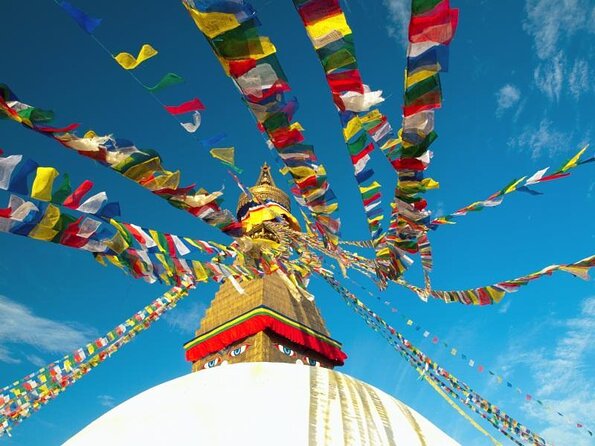
At Boudhanath Stupa, you see one of Nepal’s most important pilgrimage centers. The dome, the harmika, and the surrounding mani wheel area are a visual lesson in how Tibetan-influenced Buddhism takes shape in Nepal. You will also notice how different communities share the space, with circumambulation practiced by Buddhist visitors and others who simply show up because the place is respected.
Then you move to Patan Durbar Square (Lalitpur), where the craftsmanship is the star. The courtyards and palace structures showcase wood and metal work, and the Patan museum has a well-run collection that includes how metal statues are made. For me, this is one of those stops that pays off later, because Mustang monasteries and temples also reward you when you notice details like workmanship and icon placement.
Finally comes Swayambhunath, a hilltop stupa with views over the valley. You climb the long stair (said to be 365 steps), and you can see why it has pulled people in for centuries. If you like religious sites that feel alive, not just scenic, this trio sets the tone.
More Treks in Kathmandu
- Everest Base Camp Trek – 14 Days
★ 5.0 · 1,499 reviews - Everest Base Camp Trek
★ 5.0 · 842 reviews - Everest Base Camp Trekking
★ 5.0 · 485 reviews
Getting to Pokhara by bus, then into Mustang by route plan
Day 2 is a straightforward transfer: drive from Kathmandu to Pokhara on a tourist bus, taking roughly 6 to 7 hours. This is not the part you brag about later, but it is useful. You trade city intensity for a calmer base, and you also reset your body rhythm before the next day’s village and monastery encounters.
After Pokhara, the plan shifts from sightseeing to living-with-the-land. You do not just fly over the region. You break the journey with stops like Lupra, where you get a more grounded introduction to local daily life and monastery culture.
Lupra and the Bon monastery stop that changes the vibe
On Day 3, you visit Lupra village and then the Bon Monastery. This is an important contrast point. Many trekkers come to Mustang expecting a single style of Buddhism. Here, you get a chance to see how different Himalayan traditions sit side-by-side in real local life.
The value of this day is less about checking a box and more about your mental switch. Once you start trekking, you will be moving through places where religion is not a museum exhibit. It is part of how people structure time, architecture, and even what they consider sacred.
Trek days in Upper Mustang: tea houses, pace, and village-to-village movement
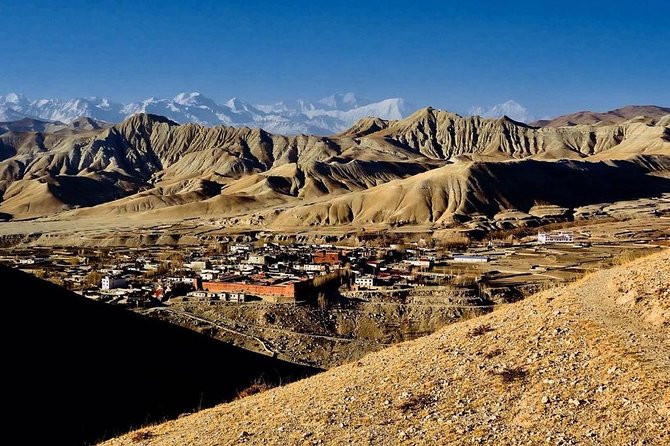
Days 4 through 8 are your main walking stretch in the Mustang area, with a mix of trekking segments and drives between villages. The specific daily route details in the materials I received are not perfectly legible for every day, but the overall rhythm is clear: you are trekking with a local guide and a porter, and you stay in tea houses during the Mustang portion.
This is where the private format pays off. You can go at your own pace, and your guide can adjust based on group needs. In past trips with the same operator, guides like Norbu have been praised for adapting routes when the group’s daily form required it, including support for travelers with an average age around 60 plus. That kind of flexibility matters because Mustang is not a place where rushing makes things better.
Also, Mustang walking rewards attention. You spend time among shrines, temples, and monasteries, and some trips are described as including cave and ancient sites. Even when a day feels like it is mostly travel, you are still moving through a region where religious objects, walls, and communal spaces carry meaning.
More Mustang and Muktinath trips:
- 6 Days Muktinath Tour Package in Nepal
★ 5.0 · 20 reviews - Jeep Trip to Upper Mustang
★ 5.0 · 10 reviews - Lower Mustang Motorbike Tour -8 Days
★ 5.0 · 9 reviews - Upper Mustang Trek
★ 5.0 · 5 reviews
Thukchen monastery at dawn, then Tiji festival energy
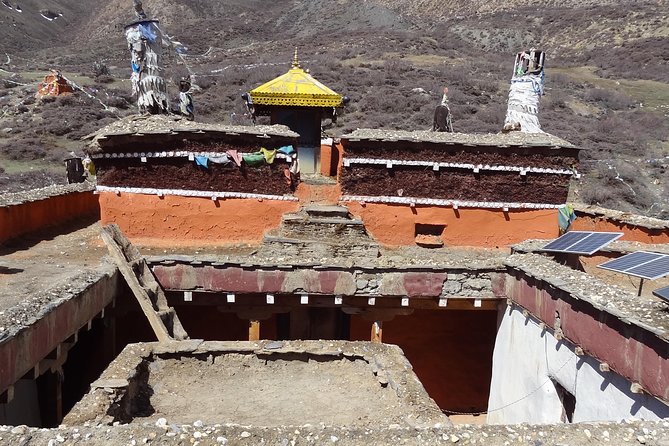
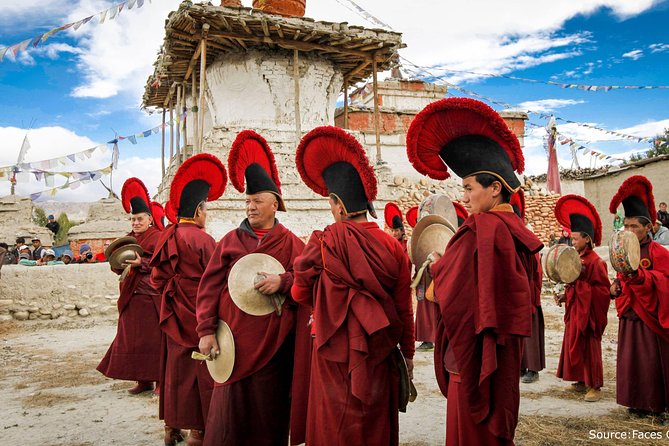
Day 9 is one of the most memorable-feeling parts of this trek. You head to Thukchen monastery early in the morning around 6 am to see how monks chant. If you care about how religion sounds, not just how it looks, this is the kind of timing that makes the trek feel like more than a photo trip.
After breakfast, the plan includes a short drive to a nomadic yak herd area. That moment can be surprisingly grounding. It shifts your perspective from stone and prayer into everyday animal life.
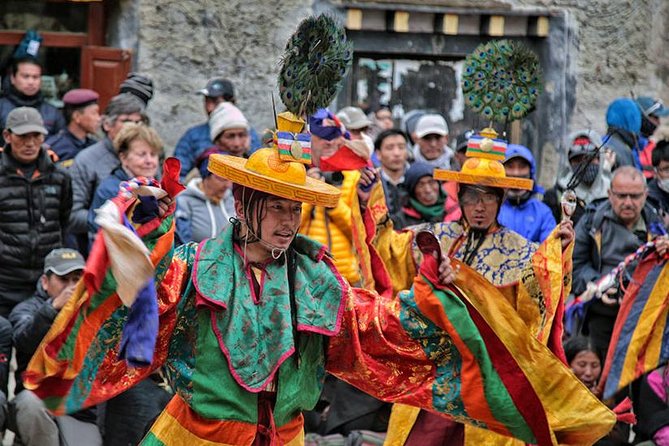
Then the day connects to the Tiji festival, with time to watch the last day. The Tiji festival is not listed as a separate “add-on,” it is woven into the flow of Mustang days, and that is part of why this trek attracts repeat visitors. In the experiences tied to this route, people specifically call out how a local guide like Dawa helped make sense of what you are seeing and what to expect as the festival unfolds.
One note for planning: the “Tiji timing” is season-dependent. If you care about attending the festival, confirm dates early and understand that the schedule can shift with local conditions.
Yara to Charang: gompas along the Kali Gandaki river corridor
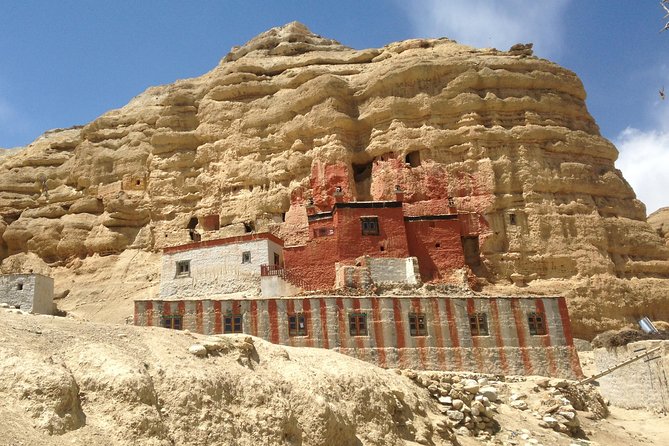
Day 10 takes you by drive to Yara village in eastern Upper Mustang. You get a sweep of the region as you travel and reach the Kali Gandaki river corridor. That river presence is a quiet anchor for the route, giving you a sense of direction even when the days feel busy with religious stops.
In Yara, you visit Luri Gompa, described as an amazing monastery. The value here is similar to the Bon Monastery stop earlier. You are not just stacking monuments. You are building a feel for how gompas function in the community, from quiet devotion spaces to places where you can see daily religious rhythms.
Day 11 continues with breakfast in Yara, then a drive to Charang village for a monastery visit before heading on to Jomsom. You are getting a steady sequence of spiritual sites without turning the whole trek into a nonstop sprint of checklists. It is a good balance for people who want meaning with some movement.
Flying back: Pokhara city time, then Kathmandu bus transfer
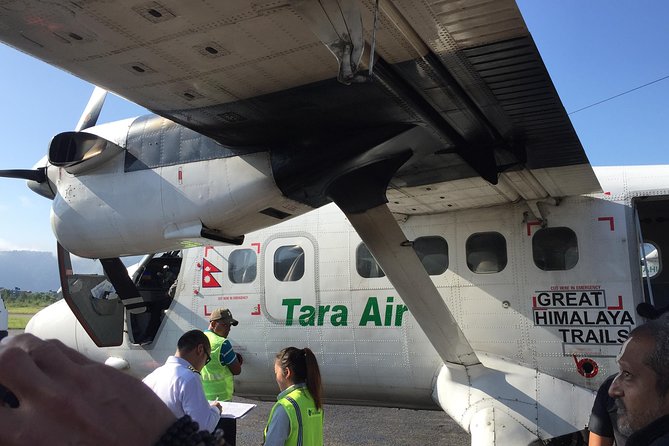
Once you reach Jomsom, Day 12 brings an early morning flight back to Pokhara, followed by breakfast and city touring. Day 13 then returns you to Kathmandu by bus (about 7 hours). These are classic Nepal logistics, but the important part is that they are included and handled for you in the package.
For me, the best reason to care is stress reduction. When you are in a remote region, you do not want to spend your energy on figuring out connections. Here you get private transportation and a built-in sequence of domestic flight plus land travel.
Your schedule also includes extra time blocks around Pokhara and an additional stop name appearing as Kurintar. The exact breakdown for those later days is less clear in the materials I received, but the overall structure is consistent: once Mustang ends, you spend time transitioning back through Pokhara and then to Kathmandu.
Logistics and private guiding: where the value really shows
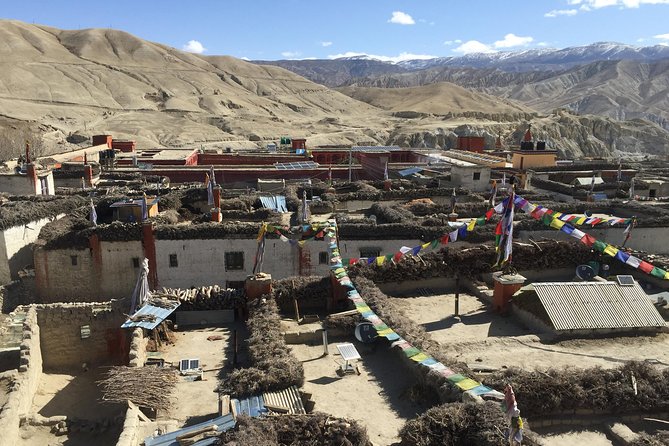
This is a private trek. That changes everything from how you handle timing to how you can adapt when something unexpected happens, like festival crowds or slower hiking days. It also means you are not sharing your guide’s attention with a rotating group.
You also get a lot of practical items bundled in:
- Private transportation throughout the included parts
- Domestic flights (Pokhara to Jomsom and back)
- A trekking guide and porter
- Tea house accommodation during the Mustang trek
- Most meals (with breakfast listed for all 16 days, and lunches and dinners listed for 11 days each)
- ACAP permit included
Two separate guide names show up in the experiences tied to this route. Norbu is praised for being from Upper Mustang and for adapting to group needs. Dawa is praised for being responsive before the trip, including help around what to pack and what to expect.
Even if your guide is not one of those specific people, the pattern matters. A local guide is what turns temple visits into stories, and it helps you understand why monks chant at certain times and why certain sites matter to locals.
Price, permits, and the budget math you should do first
The price is listed at $2,500 per person for the 16-day experience. On paper, that is a lot. But when you break it down, you are not paying just for walking. You are paying for an organized, permit-supported route with:
- guide plus porter
- tea house lodging during the trek
- domestic flights
- private land transfers
- many included meals
- Kathmandu Valley sightseeing with admissions listed as included
The big cost caution is permits. The materials clearly say Special Permit is USD 500 per person for 10 days in Upper Mustang, and that this special permit is not included. So your real budgeting should likely start with: $2,500 plus the special permit line item.
If you skip that step and assume the published price covers everything, you can end up surprised. I recommend you treat the $2,500 as the package rate and then add the special permit to estimate your total.
Also check the season. Festival weeks and flight schedules can affect what feels smooth on the ground. This trek is subject to weather conditions, which matters in the Himalaya where clouds and wind can change timing.
What you should bring mentally (and physically) for this kind of trek
The guidance given is “moderate physical fitness.” That tells you the operator expects you to be able to handle multiple days of trekking and long travel days, but this is not described as a technical mountaineering program.
Because tea houses are part of the plan, you should also expect basic comfort rather than luxury. The upside is you are not dragging camping gear for a long period. You travel lighter, and your porter role is part of keeping the trek realistic.
Another practical point: the tour asks for a current valid passport on the day of travel, and you need to be at least 18 years old. If you are traveling with kids, the rule given is that children must be accompanied by an adult.
If you want to travel with a service animal, the materials say service animals are allowed. That is a rare line in trek listings, and it is worth confirming for your exact needs.
Should you book this Upper Mustang Classic Trek?
I would book this if you want Upper Mustang to feel guided, not improvised. The combination of private attention, local guiding with real Mustang roots, and a schedule that includes both major Kathmandu religious sites and Mustang monasteries makes it a strong fit for first-time visitors who still want authenticity.
I would think twice if budget transparency is your top concern, because the special Upper Mustang permit adds cost on top of the package price. I would also ask for clarification if you are very sensitive to early start times, since the meeting/start time shown is around 12:15 am for pickup and initial transfers.
FAQ
What’s included in the trek package?
The package includes private transportation, domestic flights, a trekking guide and porter, ACAP permit, tea house accommodation during the Mustang trek, and meals listed as breakfast for 16 days, plus lunch and dinner for 11 days each.
Is the Upper Mustang special permit included in the price?
No. The materials list a Special Permit for Upper Mustang at USD 500 per person for 10 days, and it is marked as not included.
Do you stay in tea houses during the trekking days?
Yes. Tea house accommodation during the Mustang trek is included.
Are flights part of the route?
Yes. The trek includes flights between Pokhara and Jomsom, and it includes domestic flight segments as part of the package.
What happens on the first day in Kathmandu?
Day 1 includes visits to Boudhanath Stupa, Patan Durbar Square (including the Patan museum), and Swayambhu, with admission tickets listed as included for the first two stops and Swayambhu admission listed as free.
Is this a group tour or private tour?
It is a private tour. Only your group participates, and there is also a minimum of two people required per booking.
What fitness level do I need?
The materials say you should have moderate physical fitness.
Can I get a full refund if I cancel?
Yes. The policy states free cancellation up to 24 hours in advance for a full refund.
If you want, tell me your travel month and whether Tiji matters to you. I can help you think through timing tradeoffs and what to confirm with the operator before you pay for permits.
Latest additions near Kathmandu
- White Water River Rafting – 1 Day★ 4.3 · 3 reviews
- Traditional Momo Making Class★ 5.0 · 10 reviews
- Kathmandu to Pokhara Premium sofa bus ticket★ 4.0 · 17 reviews
- Ghorepani Poonhill Trek★ 5.0 · 5 reviews
- Ghorepani Poon Hill Trek★ 5.0 · 16 reviews
- Amazing 1 Day Trekking Experience in Kathmandu Nepal★ 5.0 · 24 reviews
- Walking tour of real Kathmandu through back streets.★ 5.0 · 3 reviews
- Wildlife Adventure in Chitwan Nepal★ 4.0 · 4 reviews
Mustang & Muktinath Treks, compared.
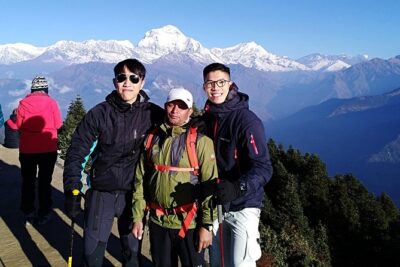
Trekking in Annapurna/Langtang/Everest/Upper Mustang regions
Read our review →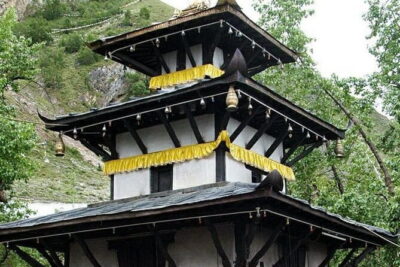
2-Day Scenic Mustang Tour: Pokhara to Jomsom, Kagbeni & Muktinath
Read our review →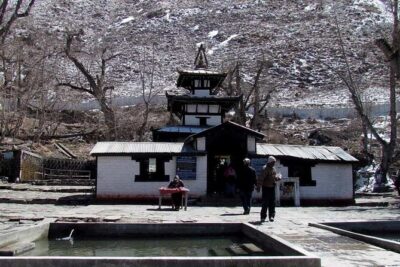
“Exclusive Round-Trip Transfer: Pokhara to Jomsom & Muktinath”
Read our review →
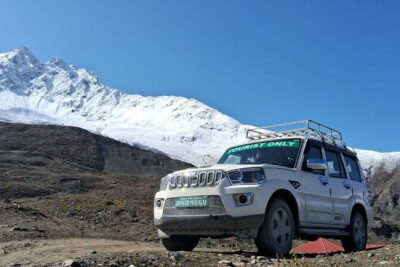
6 Day Upper Mustang Tour by 4WD Jeep from Pokhara
Read our review →
Browse the lists this tour appears in