
Reviewed · MUSTANG & MUKTINATH TREKS
Jeep Trip to Upper Mustang
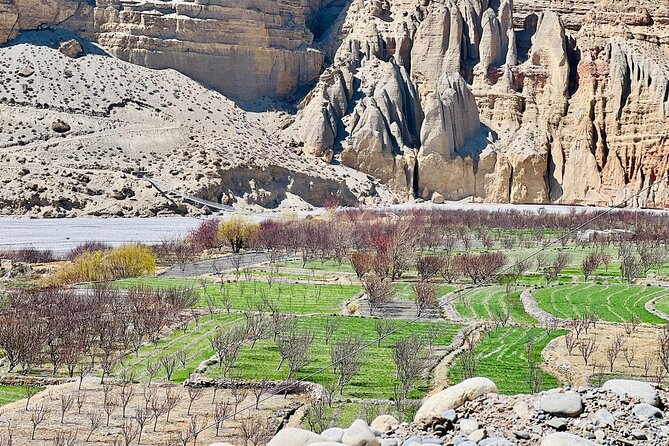
Kali Gandaki by jeep feels like a time machine. This Upper Mustang ride trades trekking for real off-road access to Tibetan villages and the walled capital of Lo Manthang. You also get a Kathmandu and Pokhara warm-up, so you are not just dropped into the desert and told good luck.
I love the way the trip is set up for comfort without losing the adventure. Your days mix long, scenic driving with focused cultural stops, and the logistics are handled with airport transfers, an English-speaking guide, and organized overnight stays in lodges or guesthouses.
One thing to consider: the roads in Upper Mustang can be rough. If you get carsick easily or you expect smooth highways, this jeep portion will remind you it is a remote region, not a city tour.
In This Review
- Key highlights (the stuff you will actually notice)
- The big idea: why a jeep tour makes sense in Upper Mustang
- What you get for your money: value check on a $2,200 private departure
- Day-by-day: how the journey actually unfolds (and where it can slow you down)
- Day 1 in Kathmandu Valley: arrival, orientation, and an easy first night
- Day 2: UNESCO sights first, then the spiritual Kathmandu package
- Day 3: drive to Pokhara, with greener scenery as a warm-up
- Day 4: Beni to the Kali Gandaki corridor, where the road quality changes
- Day 5: apple country around Marpha, then Kagbeni territory
- Day 6: Kagbeni monasteries and the permit moment
- Day 7: Lo Manthang and the monastery circuit around it
- Day 8: caves and gompas, including sky caves of Chhoser
- Day 9: another day for Mustang region exploration
- Day 10: heading to Jomsom through villages and monasteries
- Day 11: fly to Pokhara, then Pokhara sightseeing
- Day 12: a longer road transfer stretch
- Day 13: free time in Thamel for shopping and pacing
- Day 14: airport drop and the end of the desert loop
- The real Upper Mustang experience: what to watch for, not just where you go
- Comfort level: what you should realistically expect from a jeep and lodges
- Who this trip is for, and who should pick something else
- Should you book this Upper Mustang Jeep Tour?
- FAQ
- How long is the Jeep Trip to Upper Mustang?
- Where does the tour start and end?
- Is the Upper Mustang permit included?
- What meals are included during the trip?
- Is transportation provided during the trip?
- Can most people join this tour?
- What is the refund situation if I need to cancel?
Key highlights (the stuff you will actually notice)
- Upper Mustang restricted-area permit included (plus conservation area permit and TIMS), so you are not scrambling for paperwork.
- Kathmandu Valley UNESCO day + temple visits before the desert stretch, so the trip starts with context.
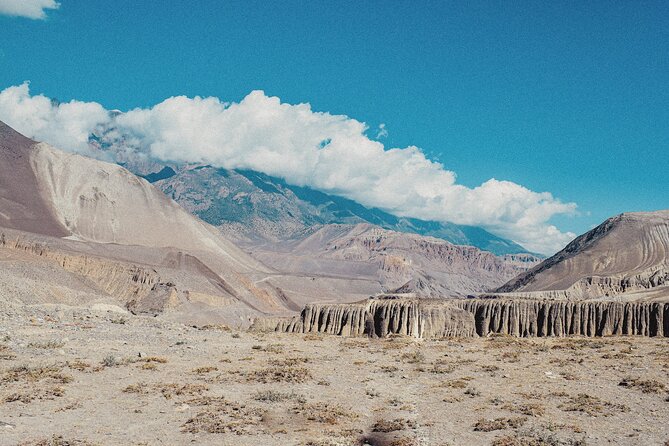
- Beni to Upper Mustang off-road driving along the Kali Gandaki corridor, where scenery changes fast.
- Lo Manthang and monastery circuit featuring places like Jampa Gompa, Namgyal Gompa, and Charang Monastery.
- 4WD-style travel matched to the terrain, plus clean, simple lodge stays noted by past guests.
- Meals planned during the route (breakfasts and most lunches and dinners on the mountain days).
The big idea: why a jeep tour makes sense in Upper Mustang
Upper Mustang is remote and arid, and it rewards patience. A jeep tour works well here because it keeps you moving across long distances and rough sections without requiring you to trek for every mile.
What makes this style of trip especially attractive is that you still get the key ingredients: Tibetan-style architecture, monastery life, and the carved-out geography along the Kali Gandaki valley. You spend less energy on uphill hiking and more time looking closely at villages, caves, and stone formations.
The best part for most people is mental. Once you are seated in a properly set-up 4WD and the route starts unfolding, you stop thinking about logistics and start thinking about what you are seeing.
More Mustang and Muktinath trips:
- 6 Days Muktinath Tour Package in Nepal
★ 5.0 · 20 reviews - Upper Mustang Classic Trek with Local guide
★ 5.0 · 15 reviews - Lower Mustang Motorbike Tour -8 Days
★ 5.0 · 9 reviews
What you get for your money: value check on a $2,200 private departure
At $2,200 per person for 14 days, the cost is not cheap. But it is easier to judge value when you break down what is covered.
This package includes:
- International and domestic airport transfers as per the plan
- Kathmandu sightseeing with a professional English-speaking guide
- Upper Mustang restricted area permit fee of $500
- Annapurna Conservation Area permit and a TIMS card
- Government and local taxes
- Medical supplies (first aid kit available)
- Many included meals (breakfasts plus a set number of lunches and dinners on the route)
So you are not paying extra at the last minute for the permits that make Upper Mustang possible. You also get private guiding and private-group participation, which usually means fewer compromises on timing and fewer “you will be right there in 20 minutes” moments.
Where you should be realistic: drinks, bottled water, and any meals in Kathmandu and Pokhara outside the plan are not included. Also, you are paying for comfort in transportation and coordination, not for a minimalist budget adventure.
Day-by-day: how the journey actually unfolds (and where it can slow you down)
Day 1 in Kathmandu Valley: arrival, orientation, and an easy first night
You start with airport transfers and a hotel in Kathmandu, plus an evening meeting about the program. This matters more than it sounds. Upper Mustang is not a simple day trip, so getting your bearings, knowing your departure flow, and meeting your guide early reduces stress immediately.
If you are tired from flying, this is a good design. You are not forced into a long schedule on day one.
Another way to spend the time in Nepal:
- Everest Base Camp Trek – 14 Days
★ 5.0 · 1,499 reviews - Everest Base Camp Trek
★ 5.0 · 842 reviews - Private Kathmandu Sightseeing Tour | UNESCO World Heritage sites
★ 5.0 · 756 reviews - Kathmandu: 7 UNESCO Sites with Lunch
★ 4.8 · 744 reviews
Day 2: UNESCO sights first, then the spiritual Kathmandu package
You begin with Swayambhunath (the Monkey Temple area) and then move through Patan Durbar Square. Later you visit Pashupatinath and Boudhanath Stupa. This is a classic Kathmandu grouping, but done with a guide who can connect what you are seeing to why it matters.
Two practical notes:
- Tickets for some sites are not included, so budget a little for admissions.
- You will walk and climb. Even if you are heading to the desert soon, keep your legs ready.
I like this day because it gives you cultural context before the Tibetan-style towns.
Day 3: drive to Pokhara, with greener scenery as a warm-up
After breakfast, you drive from Kathmandu to Pokhara. En route you see countryside: rivers, villages, farms, and mountain views.
This day is a reset. It is not the part most people brag about, but it helps you adjust to Nepal’s driving rhythm and gives you a chance to recharge before the off-road days.
Day 4: Beni to the Kali Gandaki corridor, where the road quality changes
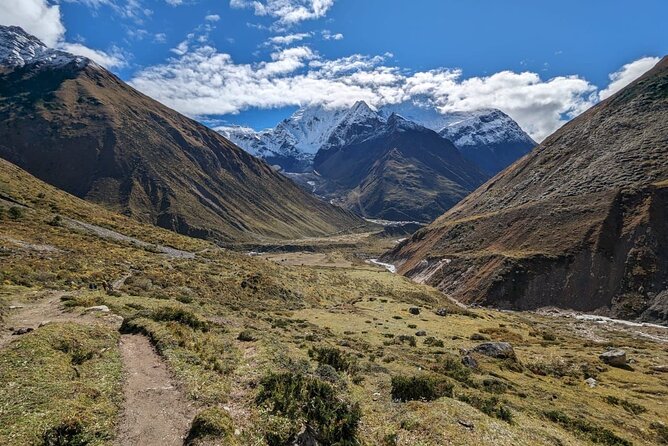
You drive west to Beni on a black-topped road, then the route becomes off-road after that. From there, you follow the Kali Gandaki River.
This is one of the most important transitions in the trip. The scenery and the driving style shift together. If you want to feel what Upper Mustang is like, day four is where the journey starts to look and feel different from the rest of Nepal.
Day 5: apple country around Marpha, then Kagbeni territory
You pass through villages like Kalopani and Ghasa and then arrive at Marpha, known for apple farming. You also check out the Jomsom local market area, then continue toward Kagbeni and a holy temple complex.
I like this mix of agriculture plus culture because it breaks up the “everything looks like rock” feeling that can happen in arid regions. Marpha gives you a softer, more everyday side of the Mustang way of life.
If you are someone who likes markets, you will appreciate the market stop because it is where you see what locals actually trade and wear day to day.
Day 6: Kagbeni monasteries and the permit moment
In the morning you visit Kagbeni Monastery and a Buddhist school. Before leaving, your guide checks in your Upper Mustang permit, and then you start the journey deeper into Upper Mustang.
This is a key consideration day. Restricted area access is one of the things that makes Upper Mustang different, and the permit check is not a “small formality.” It is part of why your route is smoother than a DIY attempt.
You should also expect this day to feel organized and official. You are stepping into a region that is managed differently than most of Nepal.
Day 7: Lo Manthang and the monastery circuit around it
Today’s focus includes Thubchen Gompa, Lo Gager Ghar Gompa, Charang Monastery, and then the walled city of Lo Manthang. You also visit Jampa Gompa, noted as one of the oldest monasteries in the area, described as built in an earlier period (the exact date in your program notes is cut off, but the point remains: this is an early and significant religious site).
Lo Manthang is the kind of place where narrow alleys and traditional stone architecture make you slow down. You are not just collecting photos, you are walking through a living layout of Tibetan-influenced culture.
The drawback? You will likely do more walking than you expect, because the city itself is built for pedestrians, not vehicles.
Day 8: caves and gompas, including sky caves of Chhoser
You explore Namgyal Gompa, the sky caves of Chhoser, and the Shija Jhong cave, described in your program notes as dating back over 3,000 years and studied by archaeologists.
This is a different kind of travel day. Instead of only viewing villages and streets, you spend time on earth forms tied to worship, settlement, and ancient use.
If you enjoy archaeology-adjacent experiences, you will like it. If you prefer only town-life moments, you might find the cave focus a bit more quiet and less lively.
Day 9: another day for Mustang region exploration
Your program repeats the same core exploration blocks: Namgyal Gompa, the sky caves of Chhoser, and Shija Jhong cave, with additional time to explore Mustang region sites.
Two days in the same area can be either great or repetitive. In practice, it often works because weather, light, and your own attention shift once you have already learned the layout of a place. The second day tends to make the details click.
Day 10: heading to Jomsom through villages and monasteries
You drive all the way to Jomsom, crossing local villages along the Kali Gandaki River corridor, with Buddhist stupas and monasteries on the way. In the evening you have time to explore the Jomsom market, then stay in a guesthouse.
This is the day where the trip feels like a return, not an arrival. You are moving back through the region’s rhythm, which helps you connect what you saw earlier with how it fits into trade routes and daily travel.
A practical note: the market time is usually your easiest chance to pick up small gifts without scrambling.
Day 11: fly to Pokhara, then Pokhara sightseeing
You take an early morning flight back to Pokhara. In the afternoon you tour highlights around Pokhara.
This is a good reset after jeep days. Your body gets a break from the constant road bumps, and Pokhara gives you a more relaxed pace.
Day 12: a longer road transfer stretch
Your notes include a road transfer of about 5 to 6 hours in a 4WD vehicle, with meals included. Exact destination labeling in the notes is a bit unclear, but the intent is clear: you are traveling back through Nepal’s main routes toward Kathmandu.
For your comfort, pack for car time. Even in 4WD, this kind of transfer is still long, and you will want water and layers.
Day 13: free time in Thamel for shopping and pacing
The day is free for shopping in Thamel, Kathmandu. This is a smart penultimate-day block because you can buy things you actually need, like trekking-lite essentials, gifts, and simple souvenirs without rushing.
If you feel like you need one more meal stop or a quick massage before flying, this is the day to do it.
Day 14: airport drop and the end of the desert loop
You get a private vehicle drop to the international airport.
At this point, you will probably feel two things at once: relief your long days are done, and that pull to keep looking at stone, caves, and prayer walls.
The real Upper Mustang experience: what to watch for, not just where you go
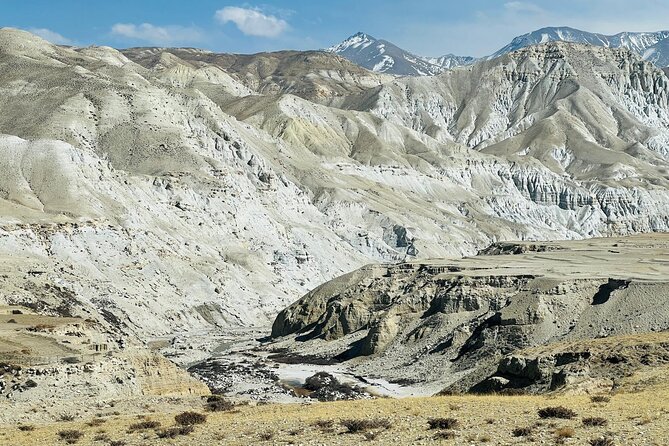
Upper Mustang can feel almost cinematic, but the meaningful part is how everyday life holds steady through a harsh setting.
Here are the things I think you will notice most:
- Monasteries and gompas are not just stops. When you visit them as part of a circuit, you start to see the region’s spiritual geography.
- Lo Manthang’s layout forces slower movement. Narrow alleys and walled structure make it hard to rush, and that is exactly the point.
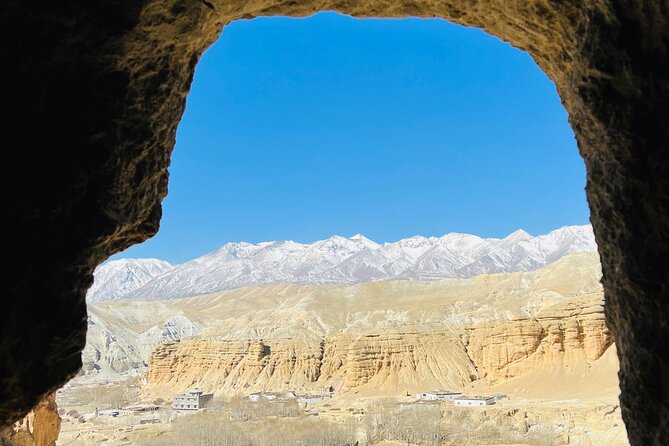
- Caves and cave sites tell a longer story. Sky caves and Shija Jhong are not entertainment props. They connect to ancient use and ongoing study.
- Kali Gandaki is the travel spine. Following the river corridor gives you repeated sightlines and a steady sense of direction.
From the past guest feedback, one theme comes through: the team at World Himalaya Treks & Expeditions is good at managing the trip end to end. People specifically praised service quality, friendly drivers, and clean places to sleep. One name that comes up is Thakur, tied to the team leading from Kathmandu, and another driver name that appears is Shailesh.
That kind of consistency is not a small thing. In remote travel, it is often the difference between a trip that feels calm and one that feels chaotic.
Comfort level: what you should realistically expect from a jeep and lodges
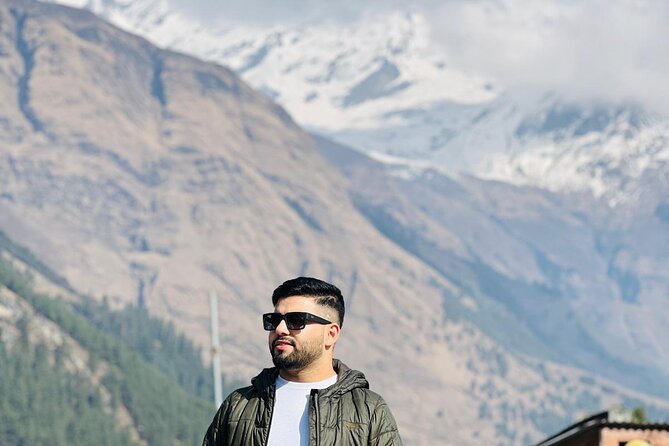
A jeep tour is a trade. You skip the constant physical grind of trekking, but you accept road vibration and the slower, more stop-and-go nature of off-road travel.
Your program is designed around comfortable overnight stays, using lodges or guesthouses. Past feedback highlighted that accommodations are simple but clean. That is exactly the right expectation for this part of Nepal.
Packing tip (practical, not fancy): bring layers for temperature swings. Even when the days are bright, mornings and evenings can feel cool, especially as you move into higher, arid terrain.
Also, bring your own water habits if you prefer consistency. Your package includes first aid supplies and many meals, but drinks and mineral water are not listed as fully included.
Who this trip is for, and who should pick something else
This Upper Mustang jeep tour fits you if:
- you want the Mustang experience without trekking days
- you like culture, monasteries, and the logic of places built for spiritual life
- you value having permits, permits check, and routing handled for you
- you prefer a private setup rather than mixing with strangers
You might want a different style if:
- you dislike rough roads or you get carsick easily
- you want long, unbroken sightseeing days with no travel segments
- you have a tight budget because $2,200 plus any Kathmandu and Pokhara meals outside the plan adds up
The sweet spot is people who enjoy day-trip thinking, even on a multi-day journey.
Should you book this Upper Mustang Jeep Tour?
I would book it if you want Upper Mustang in a way that feels organized and comfortable, with the important Restricted Area and conservation requirements handled. The included $500 Upper Mustang permit plus the other required permits make this more “ready-to-go” than many DIY attempts, and the guided cultural circuit gives you structure instead of random wandering.
I would hesitate only if you are sensitive to road roughness or you expect a polished, smooth safari-style ride. This is rugged travel. If you accept that, you are set up for one of the most memorable cultural scenery combos in Nepal.
If you can travel in good weather, your odds of a smooth experience are better, since weather can affect whether the trip runs on schedule.
FAQ
How long is the Jeep Trip to Upper Mustang?
The tour is listed as 14 days (approx.).
Where does the tour start and end?
It starts with pickup and airport transfer in Kathmandu, and it ends with a private drop to the international airport in Kathmandu.
Is the Upper Mustang permit included?
Yes. The Upper Mustang restricted area permit fee of $500 is included, along with the Annapurna conservation area permit and a TIMS card.
What meals are included during the trip?
Breakfast is included (13 breakfasts). Lunch and dinner are also included on the itinerary for a set number of days. Lunch and dinner in Kathmandu and Pokhara are not included.
Is transportation provided during the trip?
Yes. You get private vehicle transfers in Kathmandu for sightseeing and airport transfer, 4WD transportation for the remote sections, and an early morning flight from Jomsom back to Pokhara is part of the plan.
Can most people join this tour?
The notes say most travelers can participate.
What is the refund situation if I need to cancel?
You can cancel up to 6 days in advance for a full refund. Canceling 2 to 6 days before the start time gives a 50% refund, and canceling less than 2 days before the start time is not refundable.
Latest additions near Kathmandu
- White Water River Rafting – 1 Day★ 4.3 · 3 reviews
- Traditional Momo Making Class★ 5.0 · 10 reviews
- Kathmandu to Pokhara Premium sofa bus ticket★ 4.0 · 17 reviews
- Ghorepani Poon Hill Trek★ 5.0 · 16 reviews
- Amazing 1 Day Trekking Experience in Kathmandu Nepal★ 5.0 · 24 reviews
- Ghorepani Poonhill Trek★ 5.0 · 5 reviews
- Walking tour of real Kathmandu through back streets.★ 5.0 · 3 reviews
- Wildlife Adventure in Chitwan Nepal★ 4.0 · 4 reviews
Mustang & Muktinath Treks, compared.
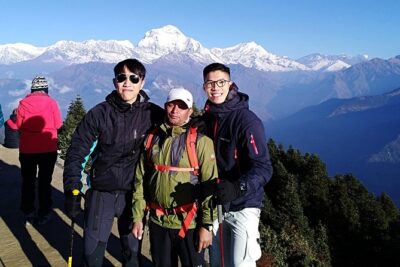
Trekking in Annapurna/Langtang/Everest/Upper Mustang regions
Read our review →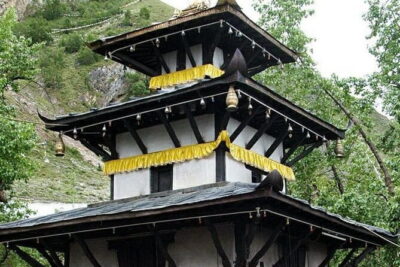
2-Day Scenic Mustang Tour: Pokhara to Jomsom, Kagbeni & Muktinath
Read our review →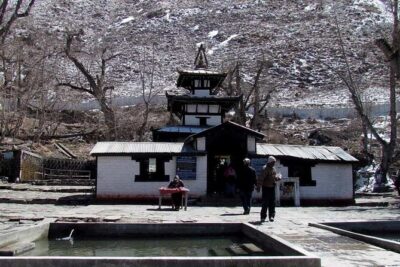
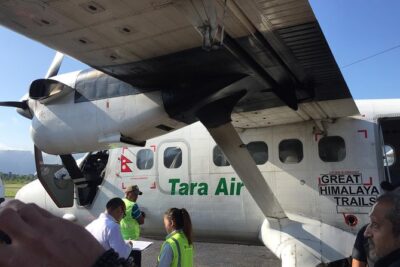
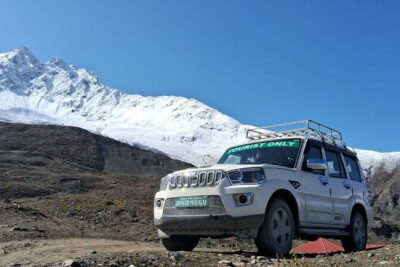
“Exclusive Round-Trip Transfer: Pokhara to Jomsom & Muktinath”
Read our review →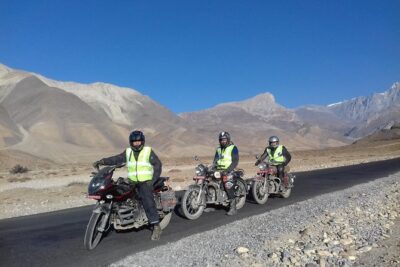
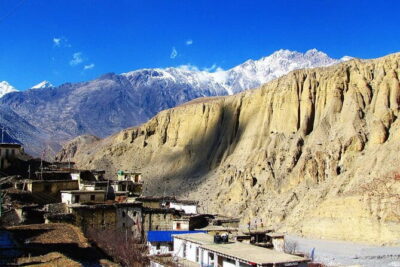
6 Day Upper Mustang Tour by 4WD Jeep from Pokhara
Read our review →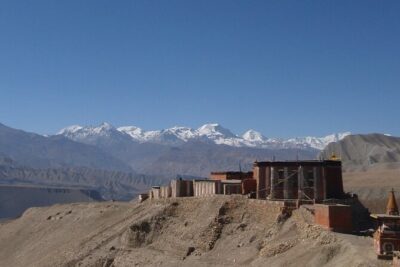
Browse the lists this tour appears in