
Reviewed · MUSTANG & MUKTINATH TREKS
Upper Mustang Trek – 13 Days
Walled city, high desert, and old Tibetan ways. This 13 day trek through Upper Mustang mixes mountain drama with quiet village days, plus a chance at the famous Tiji Festival if your dates line up. You also follow the wider region’s river route and monasteries, so it’s not just hiking, it’s also culture on foot.
Two things I really like here. First, the route makes it easy to see why Lo Manthang feels different from most of Nepal, with a walled-city focus and time to explore key monasteries. Second, you get days that balance scenic walking with stops that connect you to the place, including monastery visits and the world of rock paintings at Ghar Gompa in Dri.
One drawback to plan for: travel is weather and flight dependent on the Jomsom connection. When flights are delayed or canceled, you may need to absorb extra costs, and the overall flow can shift.
In This Review
- Key Things to Know Before You Go
- Upper Mustang’s Walled Frontier: What You’re Really Visiting
- Price and Value: What Your $2,300 Covers (and What It Does Not)
- Kathmandu to Pokhara: The Start Point That Sets Your Pace
- The Jomsom Flight Switch: Why This Trek Saves You Time
- Trek Segment 1: Kagbeni, Chele, and the Reeded Valley Feeling
- Trek Segment 2: Taklam La Pass Views and Cave Country on Day 4
- Ghami to Tsarang: Barley Fields, Stone Walls, and Gompa Time
- Arriving at Lo Manthang: Inside the Walled City
- Dri and Tange: Rock Paintings and Damodar Kunda
- Muktinath to Jomsom, Then Pokhara Recovery Time
- Tiji Festival: A Big Cultural Bonus If Your Dates Line Up
- Your Guide and Support: What Makes the Trip Feel Smooth
- Who Should Book This Trek, and Who Might Want a Different One
- Should You Book Upper Mustang Trek (13 Days)?
- FAQ
- What is the meeting time for the Upper Mustang trek?
- Is hotel pickup included for the Kathmandu start?
- How do you travel from Pokhara to Jomsom during the trek?
- Are Upper Mustang and ACAP permits included?
- How long is the itinerary, and what is the general route?
- What meals are included?
- Is the Tiji Festival included?
- What is the cancellation rule if plans change?
Key Things to Know Before You Go
- Small group size (max 15 travelers) keeps things manageable on narrow routes
- Upper Mustang special permits and ACAP permits included, so you avoid last minute paperwork stress
- Jomsom flight included to save serious time compared to a longer overland slog
- Lo Manthang day includes time at major sites like four storey Durbar and several gompas
- Trek includes culture anchors, from monastery visits to Ghar Gompa rock paintings
- Porters and an English speaking guide are included, so you are not carrying everything yourself
Upper Mustang’s Walled Frontier: What You’re Really Visiting
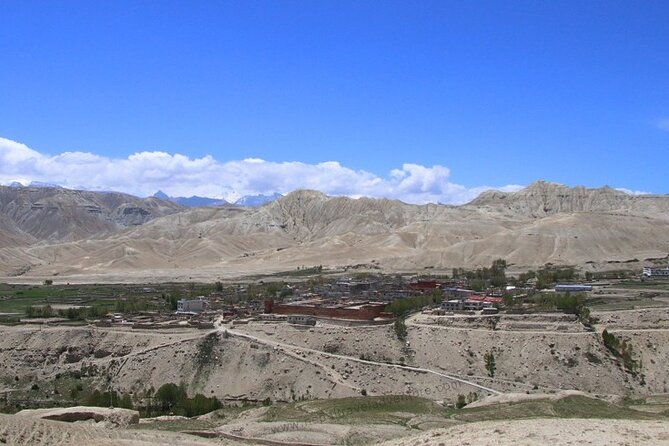
Upper Mustang is Nepal’s quieter Tibetan world, and this trek is built around that feeling. You don’t just pass through. You spend real time in places like Lo Manthang, often described as a capital city within a walled setting. That walled layout matters because it shapes daily life, and it changes how you experience streets, temples, and viewpoints.
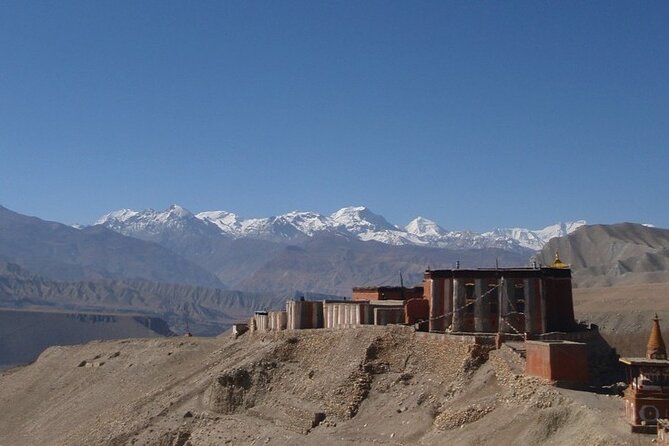
You’ll also get a sense of the region as a Himalayan desert zone. Instead of lush greenery, you see dry stone, pale earth tones, and dramatic rock forms. The route’s “deep gorge” theme also adds contrast. When you’re hiking days that follow the Kaligandaki River corridor, the scale feels bigger, and the air tends to feel crisp and open.
Finally, Upper Mustang has that special cultural layer where monasteries and cave sites are part of the route story, not a side stop. The itinerary is full of these checkpoints, from places you pass on the way to more dedicated visits once you reach the core sites.
More Treks in Kathmandu
- Everest Base Camp Trek – 14 Days
★ 5.0 · 1,499 reviews - Everest Base Camp Trek
★ 5.0 · 842 reviews - Everest Base Camp Trekking
★ 5.0 · 485 reviews
Price and Value: What Your $2,300 Covers (and What It Does Not)
At $2,300 per person, you should judge value by what is included, not just the headline number. Here’s the big stuff that you get:
- Domestic flights (Pokhara to Jomsom and back), plus airport departure taxes
- Tourist bus transfers between Kathmandu and Pokhara, round trip
- Hotel in Pokhara for the itinerary days
- A government licensed English speaking guide plus porters
- Upper Mustang special permits and ACAP permits
- Most meals during the trek: 12 breakfasts, 10 lunches, 10 dinners
In a region like this, permits and flight legs can add up fast on your own. Also, the meals coverage is meaningful. It reduces planning friction when you are in villages where options can be limited.
What you should budget separately:
- Major meals in Kathmandu and Pokhara (the trek meals are covered, not the full city food bill)
- Personal expenses like water, tea or coffee, snacks, and showers
- Any extra costs caused by flight cancellation, emergency rescue charges, landslides, or weather
So is it a good value? For the kind of route you’re getting, yes, especially because the trek includes permits, guide and porters, and the flight connection. If you are the type who would otherwise try to self arrange permits, flights, and a guide, this package is usually easier and less risky.
Kathmandu to Pokhara: The Start Point That Sets Your Pace
Day 1 is a straightforward arrival and orientation setup. You start in Kathmandu, with a morning pickup from your hotel, then drive to Pokhara. That matters because it gives you time to settle in before the trekking rhythm begins.
Evening is free in Pokhara, and you sleep in a hotel there. That free time is not filler. It’s useful for getting your head around the next day’s flight and the packing choices you need for the trek. If you want a low effort evening, you can just rest and plan your early morning timing.
This style of start also works well for people who get travel jitter when plans are rushed. A day in Pokhara makes the overall route feel smoother.
The Jomsom Flight Switch: Why This Trek Saves You Time
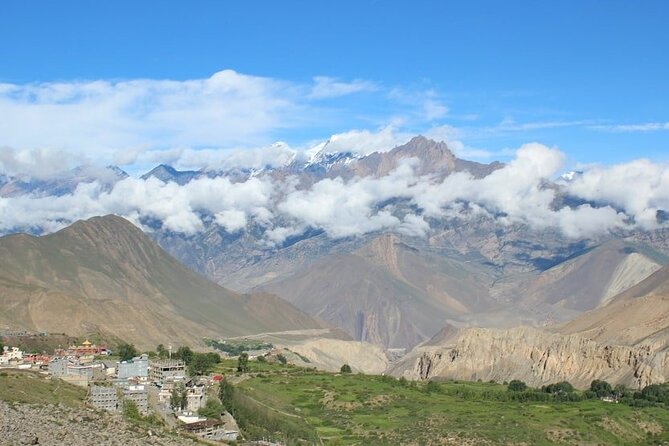
A major logistical feature is how the trek handles the Jomsom leg. On Day 2, you fly to Jomsom from Pokhara. Then you hike from Jomsom up toward Kagbeni.
Using the flight here is a big deal in practice. It compresses the travel time so your actual days become about moving through Mustang villages, not spending the whole trip on long transfer days. The itinerary also shows you’ll spend a trek day walking roughly 4 to 6 hours after the flight, rather than a half week of slow overland travel.
One caution: the tour is still dependent on flight operations. The experience includes flights and departure taxes, but if flights are canceled due to weather, costs can change. So I recommend keeping a calm mindset about timing on the first flight day.
More Mustang and Muktinath trips:
- 6 Days Muktinath Tour Package in Nepal
★ 5.0 · 20 reviews - Upper Mustang Classic Trek with Local guide
★ 5.0 · 15 reviews - Jeep Trip to Upper Mustang
★ 5.0 · 10 reviews - Lower Mustang Motorbike Tour -8 Days
★ 5.0 · 9 reviews
Trek Segment 1: Kagbeni, Chele, and the Reeded Valley Feeling
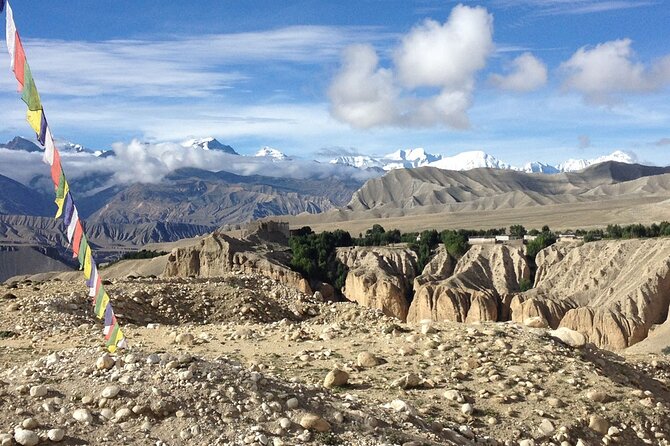
After you land in Jomsom, you move toward Kagbeni. The route includes passing Ekle Bhatti before you reach Kagbeni, where you overnight. This first hiking day acts like a warm start. It helps you acclimate your legs to trail walking, and it puts you into the Mustang village rhythm quickly.
Day 3 takes you deeper toward Chele, passing villages like Tangbe and Chhusang along the way. These stops matter because Mustang is not one continuous view. It’s a chain of settlements with different stone textures, wall styles, and temple edges. Even if you feel like you are only hiking between points, these villages give your eyes something to lock onto besides mountain peaks.
I like this segment because it’s paced. You get scenery, but you also avoid the feeling that every day is a grind right from the start.
Trek Segment 2: Taklam La Pass Views and Cave Country on Day 4
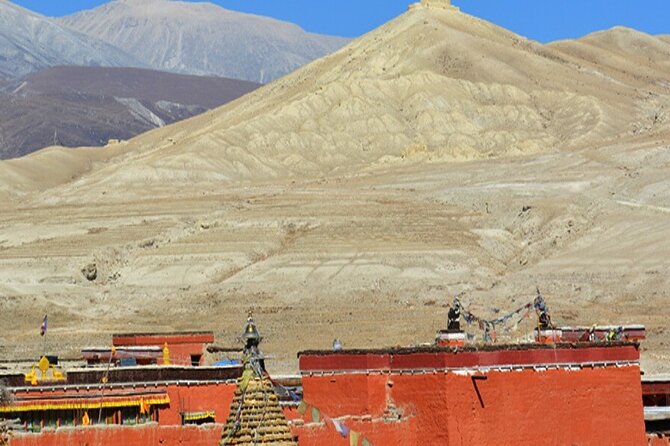
Day 4 is a step up in storytelling and scenery. You climb toward Taklam La Pass, and along the way you can see peaks called Tilicho pek, Yakwa Kang, and Damodar Dada. The itinerary also includes passing through Samar and Ramchung cave before reaching Syangbochen.
This is one of the more memorable “landmarks” style days because it gives you both:
- A high viewpoint moment at Taklam La Pass
- A cultural geology moment with Ramchung cave
Two practical considerations. First, pass days are usually the ones where you’ll want to manage your pace carefully. Second, cave and village stops can slow your schedule a bit, so it helps that the tour sets expectations around a full trek day.
Ghami to Tsarang: Barley Fields, Stone Walls, and Gompa Time
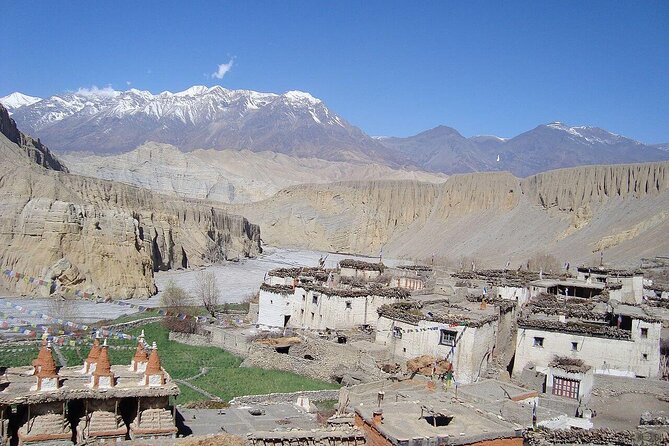
Day 5 brings you to Ghami, where you walk through fields of barley and see mountains around you before overnighting in Ghami. It’s a calmer day in tone. Instead of just feeling like you are in a rocky corridor, you also get a sense of how people farm and live in this dry region.
Day 6 continues to Tsarang. Here you get more of the built environment: willow trees, maze fields, stone wall houses, and a Gompa that pulls attention. This is the day when the trek stops feeling like a series of checkpoints and starts feeling like a living place with architecture you can recognize.
If you like photography, Tsarang is a strong day because it combines wall textures and temple shapes. If you dislike crowds, Tsarang also fits, since the route is not designed as a quick photo sprint.
Arriving at Lo Manthang: Inside the Walled City
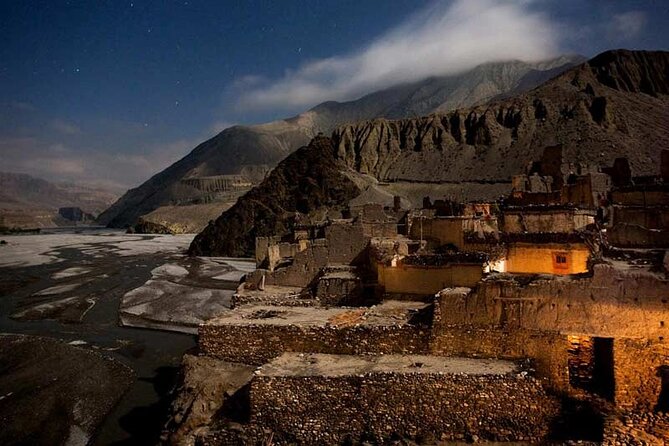
Day 7 is a big transition day. You move toward the walled capital of Lo Manthang, with viewpoints along the climb that include Nilgiri, Tilicho, and Annapurna peak in the mix.
When you reach Lo Manthang, the atmosphere shifts. Inside the walled city, you get more of the Mustang “core” feeling: temple clusters, old stonework, and cultural patterns that feel intentionally preserved.
Day 8 is dedicated to exploring. You’ll have plenty of time to walk around Lo Manthang and learn the local life and traditions. The itinerary lists multiple key sites:
- Four storey Durbar
- Chyodi Gompa
- Namgyal Gompa
- Tingkhar
- Tall Champa Lakhang Gompa
This is also where the included guide really matters. A licensed English speaking guide helps you connect what you see to what it means, instead of just ticking boxes.
One note for your expectations: Lo Manthang exploration is more than sightseeing. It’s time in a historic setting where the pace is slower than the hiking days. If you like a day with fewer lung-burning climbs, this is your moment.
Dri and Tange: Rock Paintings and Damodar Kunda
Day 9 moves you to Dri. The highlight here is Ghar Gompa, described as 1200 years old and famous for its rock paintings. This is the kind of stop that makes a trek feel different. Peaks fade in memory, but art on rock can stick with you for years.
Day 10 takes you toward Tange. Along the route you pass shallow stream crossings, see Damodar Kunda, and then move through a series of chorten before reaching Tange.
This segment connects three things that work well together on a trek:
- Water sites like Damodar Kunda, which break up the dry feel
- Religious markers like chorten, which make the trail feel meaningful
- Village-to-village movement that keeps you in the Mustang rhythm
It also offers a good balance before the final push toward Muktinath and the Jomsom area.
Muktinath to Jomsom, Then Pokhara Recovery Time
Day 11 heads toward Muktinath and then continues to Jomsom for the overnight. Muktinath is a name people recognize in Nepal trekking circles, but even if you don’t know the details, the way you experience the area is through the route itself and the buildup during the hike.
Day 12 is a real reset day. You return to Pokhara and get rest time. The schedule here is not subtle, it’s intentional. Trek legs need downtime, and travel days stack up quickly, so having a Pokhara block right before you go back to Kathmandu is smart.
Day 13 finishes with a drive back to Kathmandu by tourist bus after breakfast in Pokhara.
Tiji Festival: A Big Cultural Bonus If Your Dates Line Up
One of the most intriguing parts of this trek is the possibility of catching the Tiji Festival. The key detail is that it’s not guaranteed. It depends on whether the festival falls during your trekking dates.
If it does line up, that festival adds color and meaning to everything you see in Mustang. It also changes your schedule slightly in your head, because events and processions can make even short walks feel different.
My practical advice: when you book, ask the operator whether your exact dates line up with Tiji. The tour description says it’s a timing dependent bonus, so you want clarity early.
Your Guide and Support: What Makes the Trip Feel Smooth
A huge part of a successful trek is not just the route, it’s the people running it. This tour includes a government licensed English speaking guide and porters to carry your luggage during the trek. That can reduce strain a lot, especially when you are going through multiple overnight villages.
I also like that the company support is responsive. One example shared by the operator’s side is Mr Hari, who helped a traveler with preparation and answered questions while getting things set up. That kind of “you can reach us” support matters more than people expect until they hit a question about timing or what to bring.
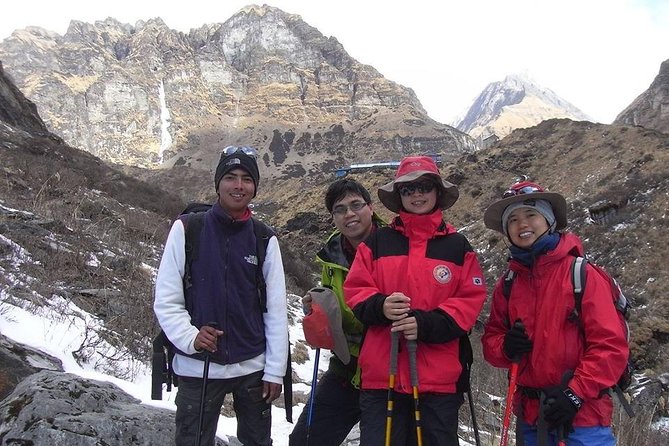
The tour is also capped at a maximum of 15 travelers, which helps keep the group vibe calm and easier for the guide to manage during village passes.
Who Should Book This Trek, and Who Might Want a Different One
This trek fits best if you:
- Want a culture-forward Himalayan trip, not just high altitude bragging rights
- Prefer a small group with an English speaking guide
- Are comfortable with moderate physical fitness needs, since you’ll hike multiple days with roughly 1 day per overnight in different villages
You might reconsider if:
- You are extremely sensitive to flight disruptions on the Jomsom connection
- You prefer fully independent travel without guides and porters
- You need every meal covered end to end, because city meals in Kathmandu and Pokhara are not included, and personal expenses like water and snacks add up
If you want a taste of Tibetan-influenced Nepal with monasteries, walled-city history, and a route that follows river and gorge scale, this is a strong match.
Should You Book Upper Mustang Trek (13 Days)?
I think this trek is worth serious consideration if you want a rare mix: Lo Manthang’s walled-city feel, monastery and cave stops, and the chance for Tiji when your dates cooperate. The included permits, guide, porters, flights, and most meals are what make the price feel fair, not just a number.
Book it if you can handle the reality that the Jomsom flight is part of the plan and weather can affect timing. If that uncertainty would stress you out, you may want a more ground-based itinerary.
If you do book, plan to embrace the slower cultural days. Your best memories here are likely the ones that happen after the climbing, when you’re standing inside old gompas or looking at Ghar Gompa rock paintings and realizing you’re not just walking in the mountains, you’re stepping into a preserved way of life.
FAQ
What is the meeting time for the Upper Mustang trek?
The start time listed for the experience is 6:45 am.
Is hotel pickup included for the Kathmandu start?
Yes. The tour indicates pickup is offered, and the Day 1 plan includes morning pickup from your hotel.
How do you travel from Pokhara to Jomsom during the trek?
The tour includes domestic flights from Pokhara to Jomsom (and the return flight on the way back). Airport departure taxes are included as well.
Are Upper Mustang and ACAP permits included?
Yes. Upper Mustang special permits and Annapurna Conservation Area Project (ACAP) permits are included.
How long is the itinerary, and what is the general route?
The itinerary runs about 13 days. It starts in Kathmandu, drives to Pokhara, flies to Jomsom, treks through Kagbeni, Chele, Syangbochen, Ghami, Tsarang, Lo Manthang, Dri, Tange, and the Muktinath area, then returns to Jomsom and Pokhara before driving back to Kathmandu.
What meals are included?
Lunch and dinner are included during the trekking portion (10 lunches and 10 dinners are listed), and breakfast is included (12 breakfasts). Major meals in Kathmandu and Pokhara are not included.
Is the Tiji Festival included?
The trek description says you can experience the Tiji Festival if it falls during your trek dates. It is timing dependent.
What is the cancellation rule if plans change?
You can cancel for a full refund if you cancel at least 24 hours before the experience start time. Free cancellation is available, and if it is canceled due to poor weather, you are offered a different date or a full refund.
Latest additions near Kathmandu
- Traditional Momo Making Class★ 5.0 · 10 reviews
- White Water River Rafting – 1 Day★ 4.3 · 3 reviews
- Kathmandu to Pokhara Premium sofa bus ticket★ 4.0 · 17 reviews
- Ghorepani Poon Hill Trek★ 5.0 · 16 reviews
- Amazing 1 Day Trekking Experience in Kathmandu Nepal★ 5.0 · 24 reviews
- Ghorepani Poonhill Trek★ 5.0 · 5 reviews
- Walking tour of real Kathmandu through back streets.★ 5.0 · 3 reviews
- Wildlife Adventure in Chitwan Nepal★ 4.0 · 4 reviews
Mustang & Muktinath Treks, compared.
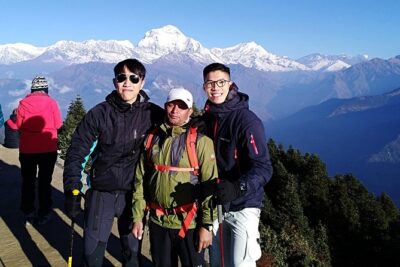
Trekking in Annapurna/Langtang/Everest/Upper Mustang regions
Read our review →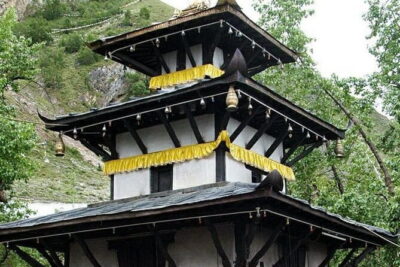
2-Day Scenic Mustang Tour: Pokhara to Jomsom, Kagbeni & Muktinath
Read our review →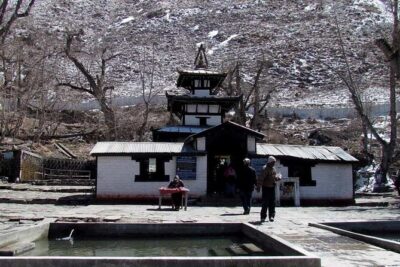
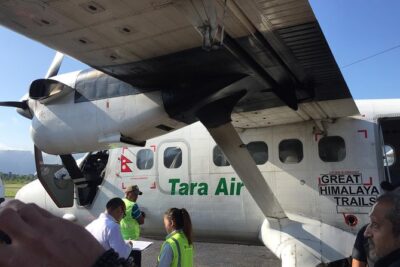
“Exclusive Round-Trip Transfer: Pokhara to Jomsom & Muktinath”
Read our review →
6 Day Upper Mustang Tour by 4WD Jeep from Pokhara
Read our review →Browse the lists this tour appears in