
Reviewed · MUSTANG & MUKTINATH TREKS
Upper Mustang Trek
Upper Mustang feels different from most of Nepal, and this trip is built to show you the whole mustang region, including Muktinath. I like that you walk daily for a solid stretch, about 4-6 hours, which makes the scenery and villages feel earned, not rushed. I also like the clear cultural focus, with visits to old monasteries and local Tibetan-style towns as you move through Upper Mustang. The main consideration is simple: you need moderate physical fitness, because some days are still full walking days.
You start from Kathmandu, then the real action begins on the ground, with your trek starting from Jomsom and heading via Kagbeni toward Upper Mustang. If you want a private experience, this is one of those trips where you travel as just your group, not mixed into a big crowd.
Price-wise, you’re paying for an all-in service level around the trek, not just miles on a map. Breakfast is included every day, lunch and dinner are included during the trek, and Kathmandu gets welcome and farewell dinners too. Just note what is not included, bottled water and soda, so you’ll want a simple plan for staying hydrated.
In This Review
- Key things that make this Upper Mustang Trek worth your attention
- Price and logistics: what you’re really paying for
- From Kathmandu to the trail: the first steps of a Mustang trek
- Jomsom and Kagbeni: your first taste of Upper Mustang life
- The Muktinath moment: why this stop sticks with people
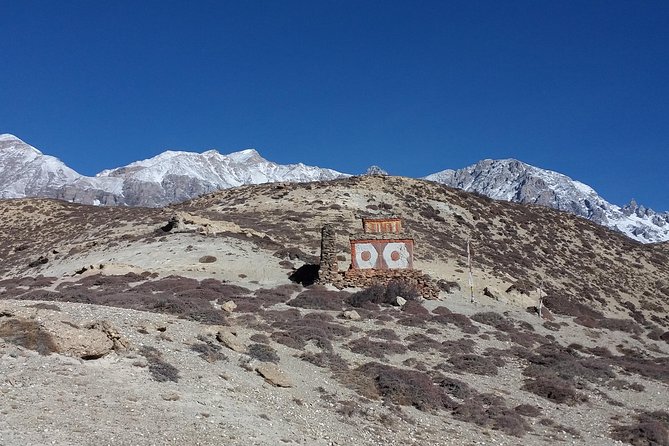
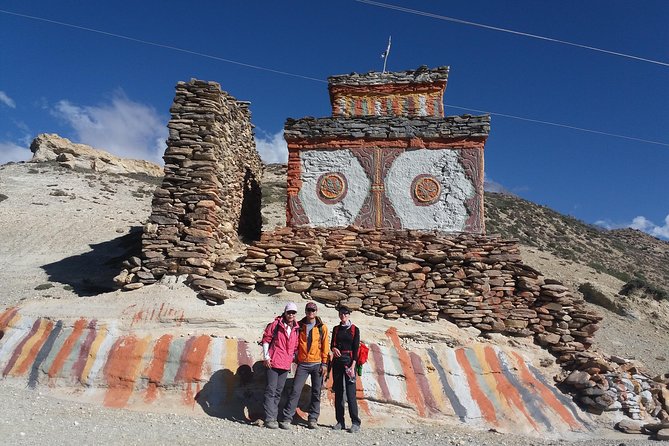
- Upper Mustang days: monasteries, Tibetan culture, and steady walking
- Meals that support the trek, not fight it
- Your crew: good service and a guide who keeps things moving
- Fitness, weather, and timing: the practical reality of Upper Mustang
- What to pack and how to make the days feel easier
- Who this trek fits best
- Should you book this Upper Mustang Trek?
- FAQ
- How long is the Upper Mustang Trek?
- Where does the trek start and what route does it follow?
- Does the tour include Muktinath?
- How many hours do you walk each day?
- What meals are included?
- Is WiFi included?
- Is bottled water included?
- Is this a private tour?
- What happens if the trip is canceled due to poor weather?
Key things that make this Upper Mustang Trek worth your attention
- Whole Mustang focus: You see the mustang region end to end, with Muktinath as a highlight.
- Jomsom to Kagbeni to Upper Mustang route: The trek follows the classic flow, starting at Jomsom and passing through Kagbeni.
- Daily walking for real depth: Expect about 4-6 hours of walking each day, so this is active travel.
- Old monasteries and Tibetan culture stops: You don’t just pass through, you pause to understand what you’re seeing.
- Meals handled: Breakfast daily plus lunch and dinner during the trek, plus Kathmandu welcome and farewell dinners.
- Private group travel: Only your group participates, so the pace and planning are tighter.
Price and logistics: what you’re really paying for
At $2,205.13 per person for about 16 days, this is not a budget trek. But it also isn’t just a ticket and a route. You are buying a structured, supported experience where meals are covered and the trek itself runs like a working plan.
Here’s what the price clearly includes:
- Breakfast every day
- Lunch during the trek
- Dinner during the trek
- Welcome and farewell dinner in Kathmandu
- Pickup is offered, and you get a mobile ticket
- Confirmation comes at booking
And here’s what you should plan around:
- WiFi on board is not included
- Bottled water is not included
- Soda or pop is not included
For value, the big win is how your daily meals are handled. Trek days can eat your time and energy, and it’s one less choice you have to make when you’re tired. Also, private group travel matters more than people expect. When you’re walking 4-6 hours a day, small timing differences add up fast, and privacy helps keep things smooth.
More Treks in Kathmandu
- Everest Base Camp Trek – 14 Days
★ 5.0 · 1,499 reviews - Everest Base Camp Trek
★ 5.0 · 842 reviews - Everest Base Camp Trekking
★ 5.0 · 485 reviews
From Kathmandu to the trail: the first steps of a Mustang trek
Even before you hit Jomsom, Kathmandu sets the tone. You’ll have at least two built-in moments for the social side of the trip: the welcome dinner and the farewell dinner. Those dinners are useful on a practical level too. They help you confirm details with your group and staff, so the next morning’s start feels organized.
Then the trek begins from Jomsom, which is your launching pad into the mustang region. Starting in Jomsom also matters because the trek is not framed as a short walk. This one is designed for steady effort day after day, so you will feel the rhythm.
What I like about how this trip is shaped is that it doesn’t try to cram in everything by moving too fast. Your walking time is set at roughly 4-6 hours daily, meaning you can actually look around at monasteries, villages, and the cultural fabric of the area.
Jomsom and Kagbeni: your first taste of Upper Mustang life
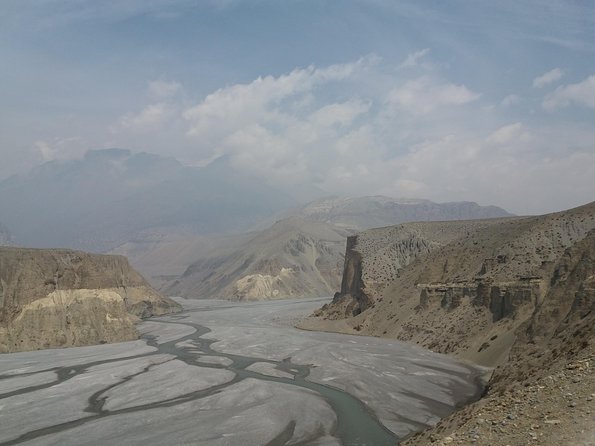
Your route moves from Jomsom through Kagbeni and onward into Upper Mustang. Kagbeni is one of those places that gives you instant context, because it sits right in the flow of the trek. You are not just hiking through scenery, you are walking through a lived-in corridor where local towns shape what the route feels like.
What you can expect in this early phase:
- You build your trekking pace while the environment gradually turns more “Upper Mustang” in character
- You get a transition from starting-point logistics into the slower, cultural rhythm of the trek
- You gain momentum for the days ahead, because you are already walking each day rather than doing a one-off effort
A drawback to keep in mind: these first segments are the easiest place to overdo it. When you’re excited, it’s tempting to speed up. Try to keep a steady pace, especially because your day can still run 4-6 hours depending on conditions.
The Muktinath moment: why this stop sticks with people
This trek includes Muktinath, which is a major reason the itinerary has such strong appeal. Even if you’re not chasing religious travel, stops like Muktinath tend to do something rare on a trek: they turn a long walk into a memory with a clear emotional anchor.
Here’s why it matters for your experience:
- It breaks up trekking time with a meaningful destination
- It connects the Tibetan-influenced cultural theme to a specific, recognizable site
- It gives you a chance to slow down and look beyond “move forward” mode
Since the itinerary specifics beyond the route and cultural visits aren’t detailed here, I can’t promise how much time you get in the area or the exact sequence of visits. But I can say this: any day that includes a landmark like Muktinath tends to feel different, because you’re not only walking, you’re arriving.
More Mustang and Muktinath trips:
- 6 Days Muktinath Tour Package in Nepal
★ 5.0 · 20 reviews - Upper Mustang Classic Trek with Local guide
★ 5.0 · 15 reviews - Jeep Trip to Upper Mustang
★ 5.0 · 10 reviews - Lower Mustang Motorbike Tour -8 Days
★ 5.0 · 9 reviews
Upper Mustang days: monasteries, Tibetan culture, and steady walking
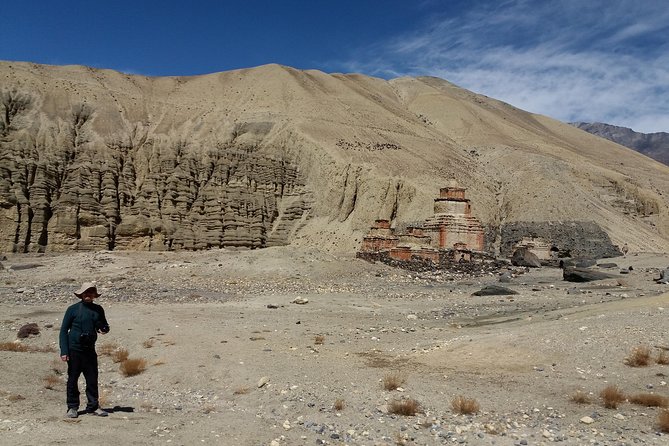
Once you’re in Upper Mustang, the trip’s personality becomes clear. You visit old monasteries and local cultural towns, and the walking schedule keeps you moving each day for about 4-6 hours.
This is the part of the trek that suits people who like:
- Cultural travel that includes stops and context, not just photos
- A sense of time passing on the trail
- Walking as a way to experience places, not just a means to reach the next point
What you’ll want to watch for is the trade-off built into a daily walking plan. You’re getting depth, but you’re also spending a lot of the day on your feet. The upside is you’ll feel connected to the route. The downside is that this is not a “sit by the window and relax” style holiday.
The cultural visits are a big deal, especially in a region where monastery architecture and local town life are part of the identity. Even without specific monastery names listed here, the pattern is strong: you’re not just hiking through, you’re stopping to see older religious sites and meet the rhythms of local communities.
Meals that support the trek, not fight it
Food can make or break multi-day trekking. Here, the structure is straightforward:
- Breakfast every day
- Lunch during the trek
- Dinner during the trek
- Welcome and farewell dinners in Kathmandu
This is genuinely helpful. It reduces decision fatigue and keeps you from having to hunt for options with limited energy. It also means your trek days are built around consistent fueling, which matters when you’re walking 4-6 hours.
What’s not included:
- Bottled water
- Soda or pop
So you should treat hydration as your own responsibility. If you’re the type who likes to buy drinks on the go, plan for that. If you prefer a specific brand or style of water, have your approach ready. The trip is set up to move smoothly, but it isn’t set up to hand you everything you might want.
Your crew: good service and a guide who keeps things moving
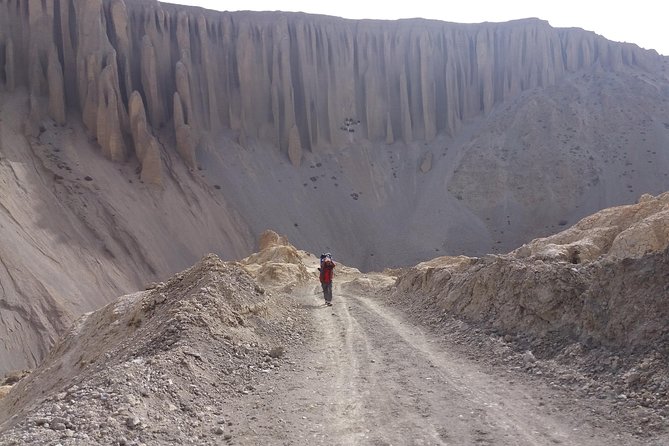
Even though the exact guide assignment isn’t listed in the trip details here, the feedback you can find around this trekking company consistently points to strong guide and staff support. Names like Shaktiman, Sajana (with her team), and Ram Adhikari show up in positive notes for being organized, friendly, and helpful.
What does that mean for you in real life? It usually translates to:
- You’re not left guessing what comes next
- Logistics run in the background so you can focus on walking and enjoying stops
- The trip maintains a good pace without feeling chaotic
For a long trek, “service” is not a luxury. It’s the difference between enjoying the day and spending it solving small problems.
If your idea of a great trekking day includes having someone manage the plan and keep morale up, this trip style fits that.
Fitness, weather, and timing: the practical reality of Upper Mustang
Two factors govern whether this trek feels smooth or stressful: your fitness level and the weather.
Fitness:
- The tour asks for moderate physical fitness
- Daily walking is typically 4-6 hours, varying by day
That range tells you what to expect. Some days may feel manageable. Other days may feel long, especially if you start out fast.
Weather:
- This experience requires good weather
- If it’s canceled due to poor weather, you’ll be offered a different date or a full refund
So if you’re booking with tight plans, keep your calendar flexibility in mind. Treks in this region are sensitive to conditions. You’ll want to stay realistic about what the weather will allow.
What to pack and how to make the days feel easier
The trek details here do not list specific gear requirements. Still, walking 4-6 hours a day for about 16 days means you should pack like a person who will actually walk and live in layers.
Keep it simple:
- Comfortable shoes you trust
- Light layers you can adjust as conditions change
- Sun protection and a plan for hydration, since bottled water and soda are not included
- A small daily routine that helps you stay steady, not rushed
Also, because this is a private group experience, use that to your advantage. If your group has different paces, talk early with your guide or staff about what “steady” means for everyone. The goal is to keep the trip enjoyable for all bodies, not just the fastest walkers.
Who this trek fits best
This Upper Mustang trek is a good match if:
- You want a culture-heavy trek with Tibetan-style monasteries and towns
- You’re happy walking most of the day, 4-6 hours daily
- You want mustang region highlights including Muktinath
- You prefer a private itinerary with only your group participating
- You like the comfort of included meals during trek days
It may be less ideal if:
- You want a low-effort itinerary
- You hate the idea of daily walking time variation
- You have very inflexible dates and cannot handle weather changes
Should you book this Upper Mustang Trek?
I’d book it if you want a real trekking experience with cultural depth, and you’re ready for daily walking as the main event. The value here comes from the combination: private group travel, a clear route from Jomsom through Kagbeni to Upper Mustang, and included meals that keep your trek days running smoothly. Add in Muktinath, and you have a trip that feels more than just hiking.
I would hesitate if you’re not confident about moderate physical fitness or if your schedule cannot absorb a weather-driven change. The weather requirement is not a tiny detail here.
FAQ
How long is the Upper Mustang Trek?
It’s listed as 16 days approximately.
Where does the trek start and what route does it follow?
The trek starts walking from Jomsom, then goes via Kagbeni toward Upper Mustang.
Does the tour include Muktinath?
Yes, it includes Muktinath.
How many hours do you walk each day?
You typically walk about 4-6 hours daily, depending on the day.
What meals are included?
Breakfast is included every day. Lunch and dinner are included during the trek, plus welcome and farewell dinner in Kathmandu.
Is WiFi included?
No, WiFi on board is not included.
Is bottled water included?
No, bottled water is not included.
Is this a private tour?
Yes, it is a private tour/activity, and only your group participates.
What happens if the trip is canceled due to poor weather?
If it’s canceled due to poor weather, you will be offered a different date or a full refund.
Latest additions near Kathmandu
- White Water River Rafting – 1 Day★ 4.3 · 3 reviews
- Traditional Momo Making Class★ 5.0 · 10 reviews
- Kathmandu to Pokhara Premium sofa bus ticket★ 4.0 · 17 reviews
- Ghorepani Poonhill Trek★ 5.0 · 5 reviews
- Ghorepani Poon Hill Trek★ 5.0 · 16 reviews
- Amazing 1 Day Trekking Experience in Kathmandu Nepal★ 5.0 · 24 reviews
- Walking tour of real Kathmandu through back streets.★ 5.0 · 3 reviews
- Wildlife Adventure in Chitwan Nepal★ 4.0 · 4 reviews
Mustang & Muktinath Treks, compared.
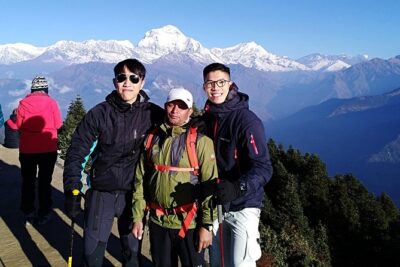
Trekking in Annapurna/Langtang/Everest/Upper Mustang regions
Read our review →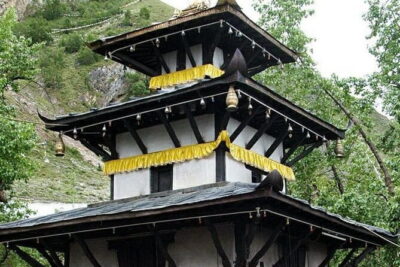
2-Day Scenic Mustang Tour: Pokhara to Jomsom, Kagbeni & Muktinath
Read our review →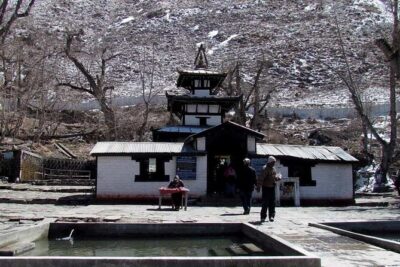
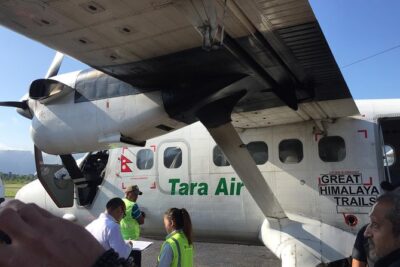
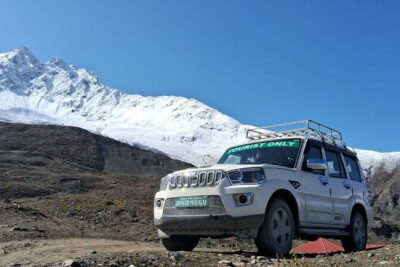
“Exclusive Round-Trip Transfer: Pokhara to Jomsom & Muktinath”
Read our review →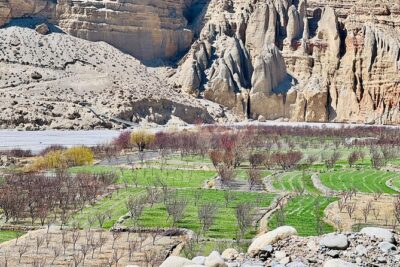
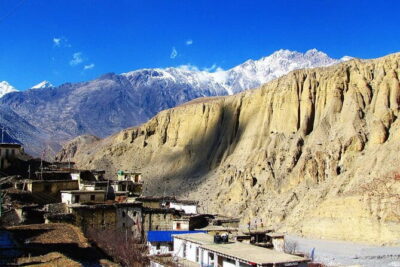
6 Day Upper Mustang Tour by 4WD Jeep from Pokhara
Read our review →Browse the lists this tour appears in