
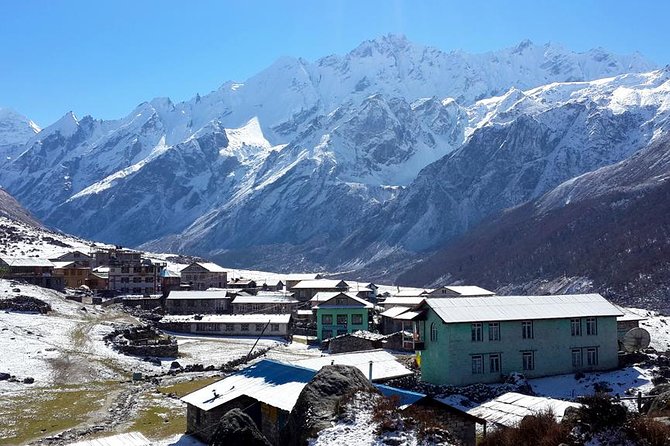
Reviewed · LANGTANG VALLEY TREKS
Langtang Valley Trekking
Langtang Valley Trek gives you big mountains fast. This 10-day trek north of Kathmandu mixes river walking, rhododendron forests, and Tibetan-style days around Kyanjin Gompa. I like that Langtang Valley Trek feels like a focused taste of the Himalaya, without needing weeks away.
I also like the human side of the trip. Rabin handles smooth pre-trip coordination, and you’re supported by an English-speaking guide who keeps the pace practical and the trail clear.
One thing to plan for is altitude. Even on a shorter trek, you’ll climb to higher points like Yamphu and Chorkari Ri, so take it slow, drink water, and don’t treat summit days like a race.
In This Review
- Key things that make this trek worth your time
- Getting to Langtang: Kathmandu valley sights before you start climbing
- Syabrubesi to Lama Hotel: crossing rivers and settling into the Langtang rhythm
- Lama Hotel to Mundu: rhododendron woods, Ghoda Tabela, and Langtang Village at 3,455m
- The crucial push to Yamphu and Kyanjin Gompa
- Day 6 at Kyanjin Gompa: monastery, cheese factory, and Chorkari Ri at 5,050m
- The return: Lama Hotel back down to Syapru Besi without losing the views
- Day 9 to Day 10: drive back, rest in Kathmandu, then fly out
- Price and value: what $750 covers, and what costs extra
- Lodges, food, and the kind of support that changes how you feel on the trail
- Altitude and pacing: how to protect your trip quality
- What kind of traveler this Langtang Valley trek is for
- Should you book this Langtang Valley Trek?
- FAQ
- How long is the Langtang Valley Trek?
- What is the price of the tour?
- What is included in the trek meals?
- Are trekking permits included?
- Will I have transportation from Kathmandu to the trek and back?
- What about lodging during the trek?
- Is this a private tour?
- What fitness level do I need?
- What costs are not included in the price?
- What is the cancellation policy?
Key things that make this trek worth your time
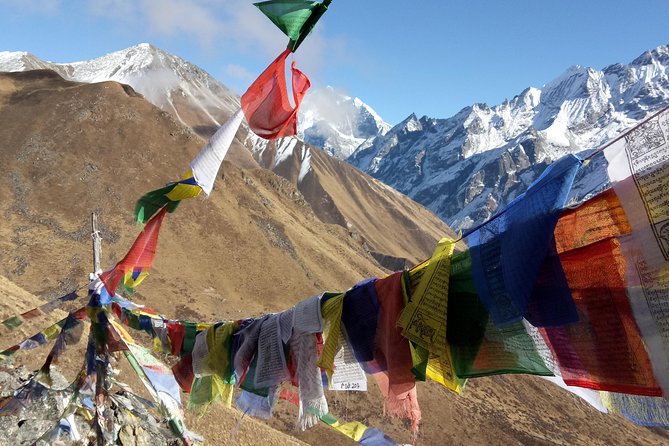
- Trek structure that works for limited time: a full loop with a proper Kyanjin Gompa rest day, not just a quick stop.
- Big scenery days are balanced by easier travel days: drives in and out, then gradual walking with predictable segments.
- Kyanjin Gompa plus Chorkari Ri: one day to explore monastery life and cheese making, plus a viewpoint hike to 5,050m.
- Wildlife chances near forests and rivers: you may spot monkeys and even red pandas in the right stretches.
- Support built into the price: guide, porter support (1 porter for 2 people), and lodge meals so you can focus on walking.
Getting to Langtang: Kathmandu valley sights before you start climbing
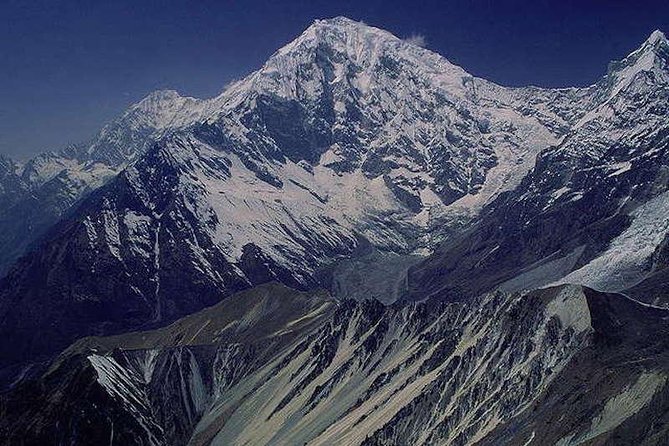
Day 1 is light and helps you get your bearings. You’ll arrive in Kathmandu, then drive through the Kathmandu Valley with a pass by Pashupatinath Temple. It is a good first look at Nepal’s living culture, and it also breaks up the travel day so you do not feel thrown straight into a strenuous trek.
Day 2 starts the “real” journey with a north-west drive out of Kathmandu. You’ll pass through rural settlements, see glimpses of daily life, and drive along the Trishuli Bazaar before reaching Dhunche and then Syapru Besi. The advantage here is pacing. You are not walking yet, but you are gradually moving into the mountains, which makes day 3 feel less abrupt.
If you’re prone to motion sickness, bring what works for you. Those long mountain roads can be bumpy, and the schedule does not slow down for comfort.
More Treks in Kathmandu
- Everest Base Camp Trek – 14 Days
★ 5.0 · 1,499 reviews - Everest Base Camp Trek
★ 5.0 · 842 reviews - Everest Base Camp Trekking
★ 5.0 · 485 reviews
Syabrubesi to Lama Hotel: crossing rivers and settling into the Langtang rhythm
On day 3, you start walking from Syapru Besi and head into a classic “river plus valley” trek feel. You cross the Bhote Koshi River area, then follow the Langtang River corridor. The total day is about 5 hours to reach Lama Hotel, but the climb is described as gradual, with stops like Bamboo and Ramche (around 2,400m).
I like this segment because it teaches you how the trek will feel for the rest of the week. You keep steady effort, you watch the trail, and you get used to the air changing without it turning into a single brutal day.
It also has real nature value. The route passes through forest stretches where you might spot wild monkeys, and the trek is known for potential red panda sightings. Do not count on it, but it adds that extra spark when the forest opens and you catch movement in the canopy.
The practical drawback is that day 3 stacks altitude plus walking time. If you feel a headache or unusual fatigue after Bamboo, treat it as a warning sign, slow down, and tell your guide early.
Lama Hotel to Mundu: rhododendron woods, Ghoda Tabela, and Langtang Village at 3,455m
Day 4 is your “pretty walk” day. You follow the trail through wooded areas of blooming rhododendrons and pine trees, and you get a calmer rhythm before the bigger push toward Yamphu and Kyanjin Gompa.
You’ll also pass Ghoda Tabela, where the description calls out thick lush vegetation and flowers like foxgloves and red poppies. Even if flowers are not your focus, this is the kind of stop that reminds you you’re trekking through living ecosystems, not just following a line in the mountains.
Then you reach Langtang Village at about 3,455m, and continue toward Mundu. That gives you a cultural and altitude checkpoint in the same day. Village stops are not just scenery breaks. They are also your cue that the trek is moving into higher, colder territory, and your body will notice the difference.
The potential drawback is that day 4 can still feel long if you start too fast after a smooth day 3. The solution is boring but effective, match the pace of your slowest breathing, and let your legs warm up gradually.
The crucial push to Yamphu and Kyanjin Gompa
Day 5 is described as one of the crucial days, and it makes sense. You begin from Langtang Village, trek through Sindum, then continue to Yamphu at about 3,640m. You traverse the Laja River, and then the day turns into a viewpoint ascent.
This is where the trekking payoff gets real. From the viewpoint, you can see icefalls gushing down from Langtang Lirung, and you’ll get views of Kyanjin Gompa. The destination area is built for rest, so expect that your arrival is less about athletic triumph and more about getting settled and soaking in the mountain scene.
At Kyanjin Gompa, the views expand further, with Mt. Gangchempo and Mt. Langtang Lirung highlighted in the route notes. I like this day because it changes your perspective. The walk is demanding, but it feels like you earned the moment when the valley opens into a wider panorama.
The main consideration is that this is not a day to “power through.” If you feel altitude stress, stop earlier, drink something warm, and let your guide adjust pace.
More Langtang Valley treks:
- Langtang Valley Trek
★ 5.0 · 140 reviews - Langtang Valley Trek
★ 5.0 · 61 reviews - 8 Days Tour in Langtang Valley Trek
★ 5.0 · 45 reviews - Private 8 – Day Langtang Trekking
★ 5.0 · 29 reviews
Day 6 at Kyanjin Gompa: monastery, cheese factory, and Chorkari Ri at 5,050m
Day 6 is a rest day, and it’s the smart kind of rest. You stay at Kyanjin Gompa, explore the area, and you can visit the monastery. There’s also time for a cheese factory visit, which gives you a real sense of how people adapt to the climate and how dairy fits into high-altitude life.
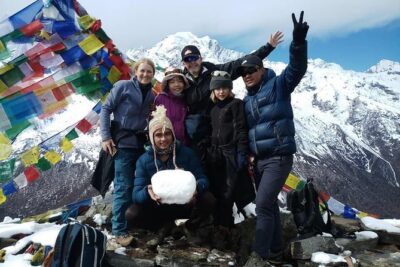
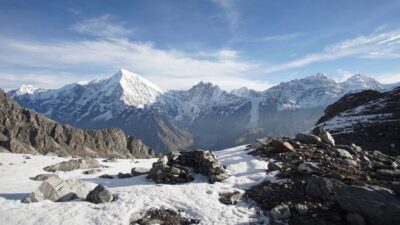
Then comes the optional or semi-optional effort part, the hike to Chorkari Ri at about 5,050m. The route description says Chorkari Ri sits behind Langtang Village and offers views of the whole Langtang Himalayan range. Expect named peaks like Langshisa Ri (6,810m), Langtang Lirung (7,244m), Ganjala peak, and Gyangchempo (6,888m).
This is the day I’d plan your energy around. If you want the big viewpoint without rushing, this is your best target. And because you start already acclimated from the previous days, the effort usually feels more manageable than on day 5.
A practical note: in cold mountain air, your body burns more calories just staying warm. Pack layers you can adjust easily, and keep water intake steady even when you are not thirsty.
The return: Lama Hotel back down to Syapru Besi without losing the views
Day 7 brings you back to Lama Hotel with around 6 hours of walking. The value of the return day is psychological. You already know the rhythm of the trail, so you can focus on where the views shift and how your body feels instead of constantly scanning for the next hard step.
Day 8 is your descent back to Syapru Besi, again around 6 hours. Descents are easier on your breathing, but they can be harder on your knees. It helps to use trekking poles if you have them, and to take shorter steps, especially on rocky sections.
I like the way the trek is built here, it gives you time at the high point area first, then brings you down with enough time to recover before the long drive back to Kathmandu.
Day 9 to Day 10: drive back, rest in Kathmandu, then fly out
Day 9 is drive time, described as about 7 hours from Syapru Besi back to Kathmandu. You’ll check into your hotel and have the rest of the day on your own. This matters more than people think. After mountain walking, you need time to eat normally, stretch, and mentally reset.
Day 10 ends the trip with an escort to the airport. Your breakfast is included, and an Escape Himalaya representative helps with the final transfer. That last day is simple on purpose, it prevents that stressful scramble of packing, checking flights, and finding transport all at once.
If you want one practical perk: you’ll likely sleep better tonight than you did during trekking days. Use it to recharge your legs and get ready for normal city life.
Price and value: what $750 covers, and what costs extra
At $750 per person, this trek can feel like good value because a lot of the “annoying logistics” are already handled.
Included items you should care about:
- Permits: Langtang National Permit and TIMS permit are included.
- Meals during the trek: you get 8 breakfasts, 8 lunches, and 7 dinners, plus tea or coffee.
- Lodging on the trek: you stay in lodge and tea houses.
- Guide and porter support: an experienced English-speaking guide and porters (1 porter for 2 people).
- Transfers: airport and hotel pickup and drop by private car/van/bus, plus Kathmandu hotel nights as described.
What is not included:
- Meals and any extra hotel nights in Kathmandu beyond the included stay.
- A private jeep between Kathmandu and Syapru Besi at USD 150 per way (not included).
- Personal expenses like bar bills, beer, soft drinks, bottled water, and hot water.
- Tips for guide, porters, and driver.
Here’s the value angle in plain terms. If you tried to plan this solo, you’d spend time and energy on permits, transport, guides, and meals. You also might not get the same level of porter help. The trek price is not just about walking, it’s about reducing the friction so you can focus on the trail.
Lodges, food, and the kind of support that changes how you feel on the trail
You’ll spend your nights on the trek in lodge and tea houses, and your Kathmandu stay is described as 2 nights in a 3-star hotel with a bed-and-breakfast plan.
Food is a big deal on high treks, and the trip includes multiple meals each day. You get regular breakfast and lunch breaks along the route, with dinners at your lodge. That reduces the risk of running out of fuel or eating random snacks that do not agree with you.
Also, the support team matters. Guides in this operation, such as Phul Gurung, Veer Gurung, Sandesh, Suk, Bal, Bolen, and Samuel, are repeatedly described as patient and supportive. On a steep or altitude-stressed day, a guide who stays calm and gives clear pacing advice can make the difference between enjoying a hard day and just surviving it.
Porter support is included, and porters have shown flexibility in handling extra cold-weather items when needed, like carrying a sleeping bag for solo hikers in past trips. That’s a practical kind of help, especially if you’re traveling with a lot of gear.
Altitude and pacing: how to protect your trip quality
Even though this trek is shorter than some Nepal classics, you still climb to meaningful heights. The route highlights include Yamphu at 3,640m, Kyanjin Gompa as a base at high elevation, and Chorkari Ri at 5,050m.
So you need to treat it like an altitude trek, not just a hike. Keep your breathing steady, take small steps on ascents, and tell your guide immediately if you feel symptoms like headache, nausea, or unusual fatigue. The schedule includes rest and return days for a reason.
Your best strategy is slow wins. You’ll enjoy the views more when you arrive feeling solid instead of depleted. And you’ll sleep better at the lodges when you manage effort.
What kind of traveler this Langtang Valley trek is for
This trek fits best if you want mountain views and culture in a moderate physical effort timeframe. It’s also a strong choice if you care about a guided, organized experience with fewer decisions. The trip is private, meaning only your group participates, so you can ask questions and keep the rhythm without waiting for a big group.
If you’re a first-time trekker, the structure helps. You ease in from Kathmandu, you get a proper settling day, then you work up to the Kyanjin Gompa region with a full rest-and-viewpoint day.
If you are an ultra-fast hiker, you might still find value here, but the schedule is built for quality, not records. You’ll likely enjoy it more if you hike for the moment, not for the stopwatch.
Should you book this Langtang Valley Trek?
I’d book this trek if you want a practical, mid-length Himalaya experience focused on Kyanjin Gompa, with enough time to enjoy a rest day and a real viewpoint hike. The value is strong because permits, meals on trek, lodges, and real support staff are included.
Skip it or think hard if altitude history makes you anxious, or if you hate long days of walking with some steep segments. Also remember this route is weather dependent, and the company notes that good weather is required.
If you want one clear checklist before you commit, bring layers for cold nights, accept that day 5 and the Chorkari Ri day are the main effort points, and plan to take altitude seriously. Do that, and Langtang Valley delivers what you came for, mountain views, culture, and a trail that feels rewarding rather than rushed.
FAQ
How long is the Langtang Valley Trek?
The trek lasts 10 days (approximately), starting in Kathmandu and ending back at the meeting point after you return from the mountains.
What is the price of the tour?
The price is $750.00 per person.
What is included in the trek meals?
During the trekking portion, meals are included as 8 breakfasts, 8 lunches, and 7 dinners, with a cup of tea or coffee.
Are trekking permits included?
Yes. The tour includes the Langtang National Permit and the TIMS Permit.
Will I have transportation from Kathmandu to the trek and back?
Yes. You get airport and hotel pickup and drop-off, and transportation between Kathmandu and Syabrubesi is provided by express bus (with the overall drive time listed in the itinerary).
What about lodging during the trek?
Lodging during the trek is in lodge or tea houses. In Kathmandu, you get 2 nights in a 3-star hotel with a bed-and-breakfast plan.
Is this a private tour?
Yes. It is a private tour/activity, and only your group participates.
What fitness level do I need?
The tour states that travelers should have a moderate physical fitness level.
What costs are not included in the price?
Not included are meals and extra hotel nights in Kathmandu (beyond what is listed), a private jeep between Kathmandu and Syabrubesi if you choose it (USD 150 per way), personal expenses, and tips.
What is the cancellation policy?
Cancellation is free. You can cancel up to 24 hours in advance for a full refund, and cancellations due to poor weather are handled with an offer of a different date or a full refund.
Latest additions near Kathmandu
- Traditional Momo Making Class★ 5.0 · 10 reviews
- White Water River Rafting – 1 Day★ 4.3 · 3 reviews
- Kathmandu to Pokhara Premium sofa bus ticket★ 4.0 · 17 reviews
- Ghorepani Poon Hill Trek★ 5.0 · 16 reviews
- Amazing 1 Day Trekking Experience in Kathmandu Nepal★ 5.0 · 24 reviews
- Ghorepani Poonhill Trek★ 5.0 · 5 reviews
- Walking tour of real Kathmandu through back streets.★ 5.0 · 3 reviews
- Wildlife Adventure in Chitwan Nepal★ 4.0 · 4 reviews
Langtang Valley Treks, compared.
Trekking in Annapurna/Langtang/Everest/Upper Mustang regions
Read our review →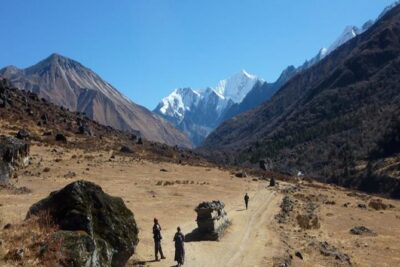
Browse the lists this tour appears in