
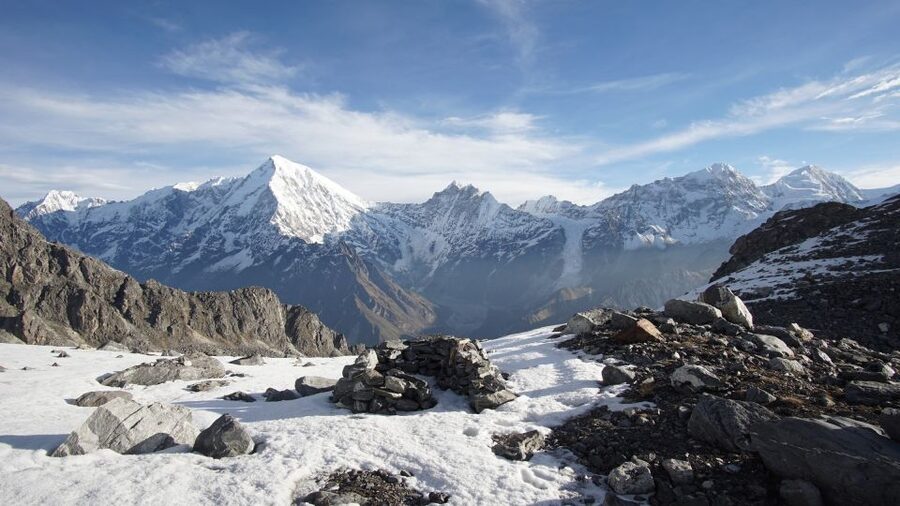
Reviewed · LANGTANG VALLEY TREKS
Kathmandu: 6-Day Limitless Langtang Trek
A first glimpse of the Himalaya here feels personal, not crowded. This 6-day Langtang Valley trek pairs Tamang villages and monasteries with big mountain views, and you actually get time to notice how people live along the trail. I also love that it’s written for real hikers, not just postcard walkers, with a moderate, steady rhythm from forest paths to higher prayer-quiet spots.
What I like most is the cultural on-trail moments, like passing the cheese-making area near Kyanjin Gompa and spending time around monasteries with the Tamang community. The other big win for me is the pacing: you gain elevation gradually enough to feel the change, rather than getting dropped straight into altitude chaos. Just note one possible drawback: the day-to-day trekking can feel steep and long, and the Kyanjin Ri peak option is tougher for some people, especially in colder months.
In This Review
- Key highlights worth planning around
- Why Langtang Valley feels like a calmer Himalayan circuit
- Day 1: Kathmandu to Syabrubesi, then Pahiro, the trail’s warm-up
- Day 2: Pahiro to Ghoda Tabela, forests, villages, and waterfall vibes
- Day 3: Ghoda Tabela to Kyanjin Gompa, Tamang life and big-country altitude
- Day 4: Kyanjin Gompa to Thangsyap, with the optional Kyanjin Ri push
- Day 5: Thangsyap back to Syabrubesi, the Langtang river descent
- Day 6: Syabrubesi to Kathmandu, a soft landing
- Guides matter here, and the names show a pattern
- Price and what you really get for $181
- What’s included versus what you must budget for
- What the itinerary feels like day to day, without the fog
- What to pack for cold nights and higher elevations
- Who should book this trek, and who should skip it
- Should you book this Kathmandu to Langtang 6-day trek?
- FAQ
- How long is the Langtang trek package?
- Where does the trek start and how do you get there?
- What is the highest point on the route?
- What is the trek difficulty level?
- What kind of group is this?
- Are meals included?
- Are permits included?
- Is a porter included in the price?
- Is travel or rescue insurance included?
- What should I bring for the trek?
Key highlights worth planning around
- Tamang culture with real stops, including village time, monasteries, and interaction opportunities
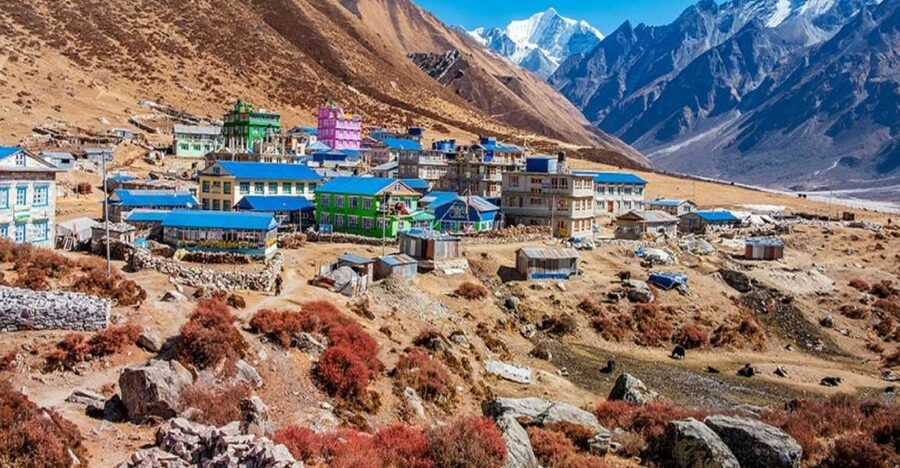
- Kyanjin Gompa area for spiritual calm and practical local life, including a cheese factory stop
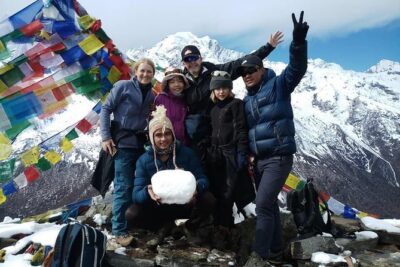
- Kyanjin Ri viewpoint push to around 4,770m, often a game-changer for sunrise views
- Gradual trail progression from Pahiro to Ghoda Tabela to Kyanjin Gompa without rushing
- Strong guide support highlighted by names like Niraj, Mahesh Aryal, Bipin, Ghanshyam, and Dipesh
Why Langtang Valley feels like a calmer Himalayan circuit
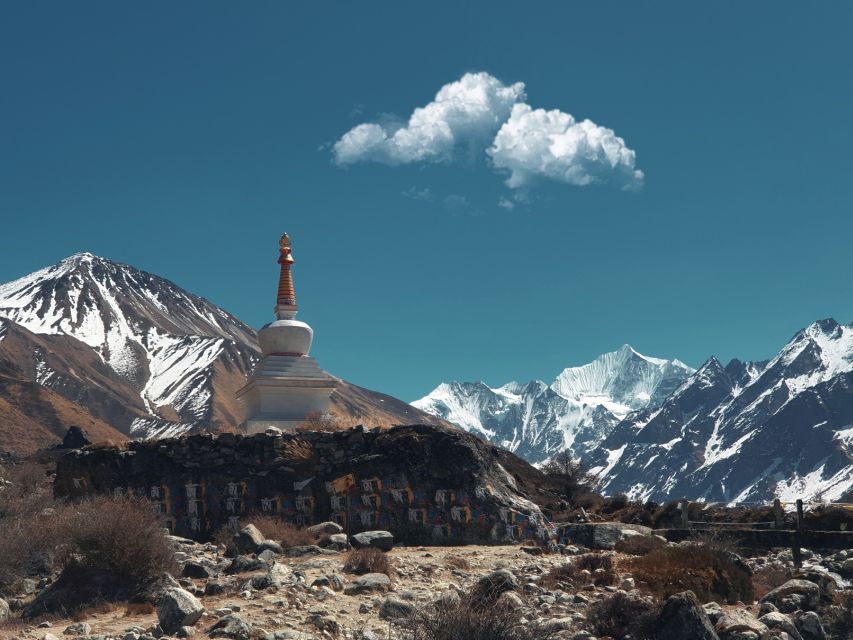
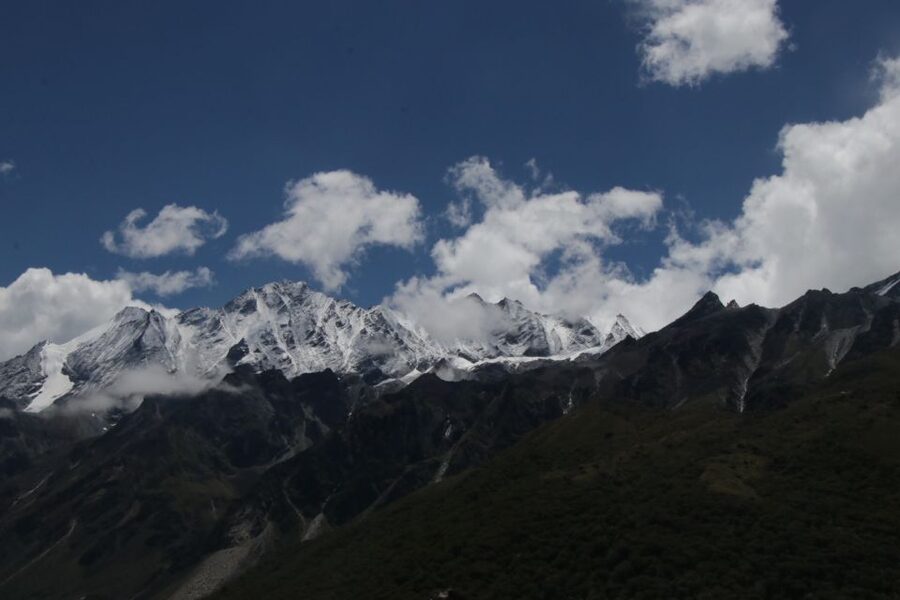
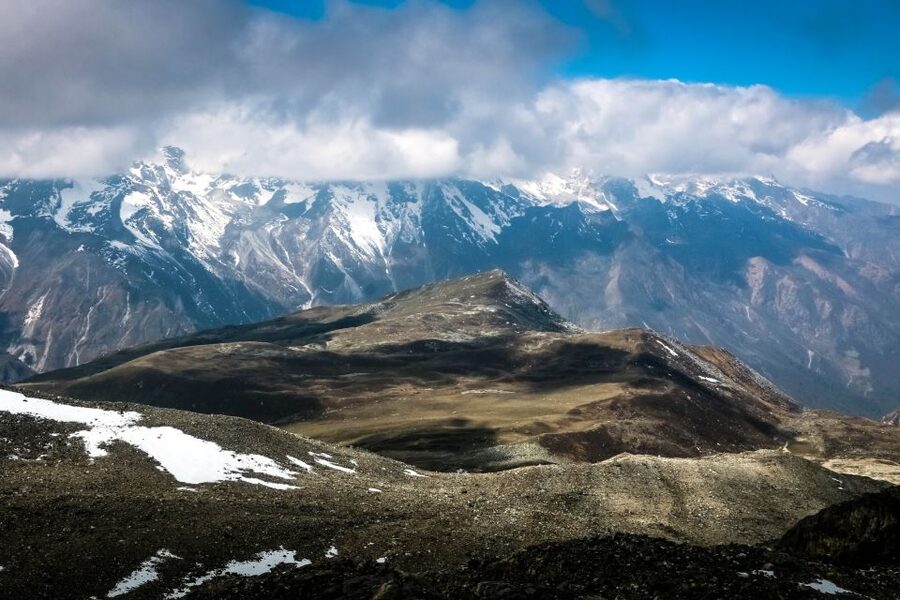
Langtang Valley has that rare combo of high-country drama and quieter trails. You start in the Langtang region via Syabrubesi and move step by step into a part of Nepal where prayer walls, small villages, and long views all show up on the same day.
You’ll also notice the trek’s sweet spot. It’s described as rewarding yet moderate, which usually means you are expected to walk with effort, but not to be a technical mountaineer. It’s a good fit for first-time trekkers who still want a genuine Himalayan day, plus families and couples who prefer fewer crowds and more rhythm.
And then there’s the “soul-refreshing peace” factor. The route gives you sacred, quiet moments in monasteries and spiritual retreats. That matters because a trek is more than exercise, it’s mental pacing too.
More Treks in Kathmandu
- Everest Base Camp Trek – 14 Days
★ 5.0 · 1,499 reviews - Everest Base Camp Trek
★ 5.0 · 842 reviews - Everest Base Camp Trekking
★ 5.0 · 485 reviews
Day 1: Kathmandu to Syabrubesi, then Pahiro, the trail’s warm-up
Day 1 is a classic Nepal rhythm: travel in, then short legs on foot. You drive from Kathmandu to Syabrubesi (about 6 hours), then trek roughly 2 hours to Pahiro at 1,550m. That walk is your warm-up, often through forest and alongside a river.
What I like about this opening is that it lets you feel the trail before the real climb begins. You also get an easy taste of the Langtang river valley, which keeps the route grounded and practical. You’re not staring at a constant steep wall right away, and that helps you settle in.
Practical tip: after a long drive, your body will feel stiff. Keep your first day slow, and treat it like turning the engine on, not setting a land-speed record.
Day 2: Pahiro to Ghoda Tabela, forests, villages, and waterfall vibes
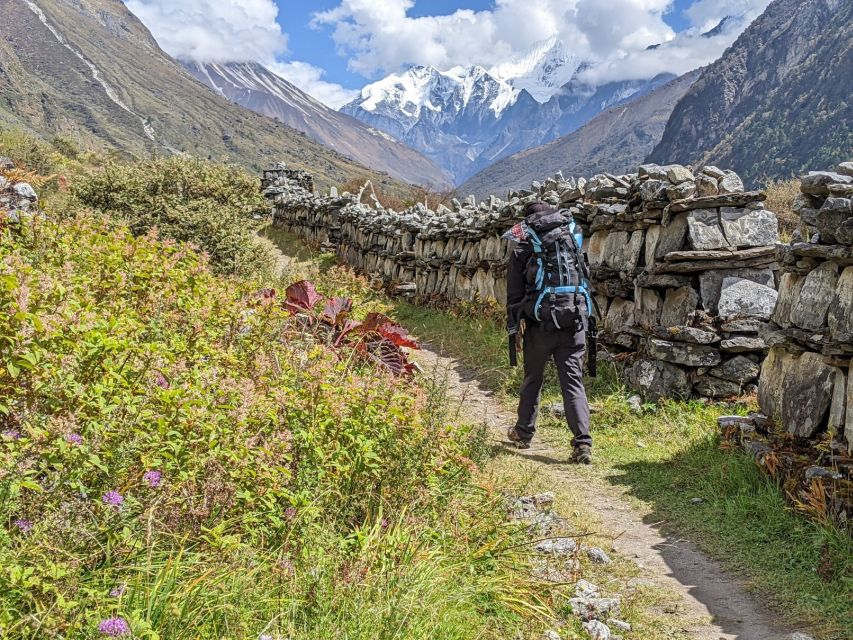
On Day 2 you trek about 6 hours from Pahiro to Ghoda Tabela (2,900m). This is where the route starts to feel “proper trekking” but still manageable for most people going at a steady pace.
Expect lush green forest sections, plus charming village moments and the kind of waterfall sound that makes every turn feel like a reward. Ghoda Tabela becomes your next base, and the overnight there matters because it positions you for the higher jump on Day 3.
Potential drawback here: if you start too fast, the elevation will catch your legs. Six hours in mountain terrain can feel longer than it sounds on paper. Hydrate early, and don’t wait until you’re tired to start drinking water.
Day 3: Ghoda Tabela to Kyanjin Gompa, Tamang life and big-country altitude
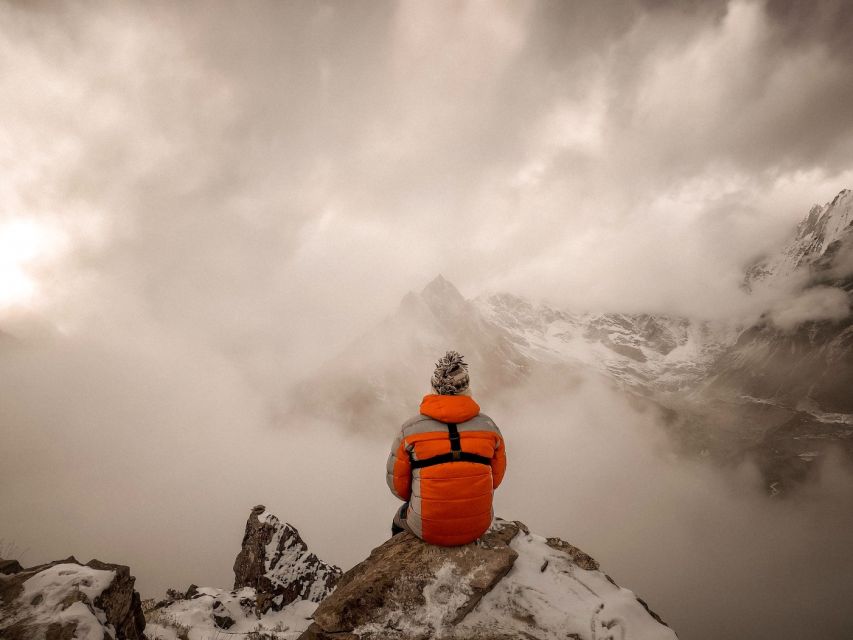
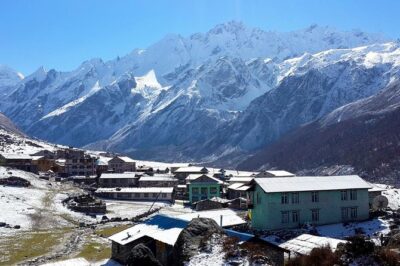
Day 3 is the move to Kyanjin Gompa at 3,870m, with about 6 hours of trekking. This day is where the valley starts to look and feel more high-altitude, and where the cultural side becomes a major part of the experience.
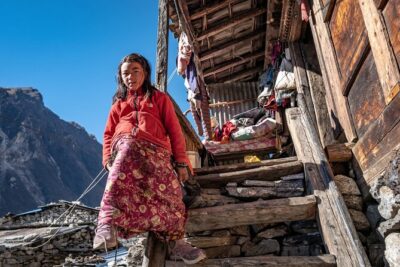
You’ll see Tamang community life, and the trek includes time around monasteries and village areas. One especially memorable practical detail is the cheese factory stop near the Kyanjin Gompa area. Even if you don’t make it a full food-tour mission, it helps you understand how communities manage daily life at altitude.
This is also the day where mountain views become a steady background feature, not a rare event. And because Kyanjin Gompa is at a meaningful elevation, you’ll want to take your time, eat calmly, and let your body adjust.
More Langtang Valley treks:
- Langtang Valley Trek
★ 5.0 · 140 reviews - Langtang Valley Trek
★ 5.0 · 61 reviews - 8 Days Tour in Langtang Valley Trek
★ 5.0 · 45 reviews - Private 8 – Day Langtang Trekking
★ 5.0 · 29 reviews
Day 4: Kyanjin Gompa to Thangsyap, with the optional Kyanjin Ri push
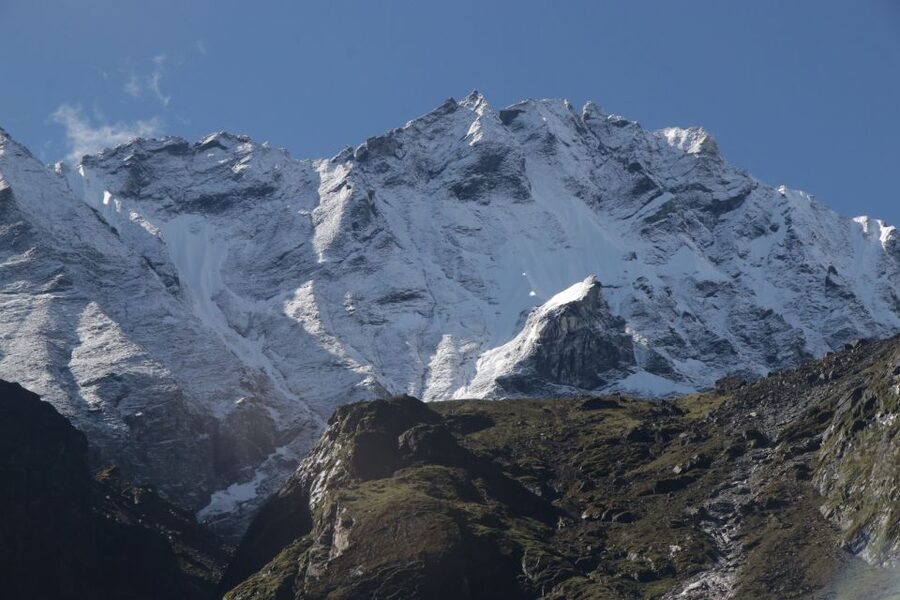
Day 4 takes you from Kyanjin Gompa to Thangsyap (3,200m) in a mix of walking and optional viewpoint effort. The plan includes a trek up toward Kyanjin Ri (4,770m), described as uphill and ascent, and the peak climb is noted as optional for some hikers.
Here’s the honest value of this day: the effort is there, but you’re given a choice. If you go for Kyanjin Ri, you’re pushing higher for panoramic views. If you skip the peak option, you still get that “glacial valley” feeling from the route and the return back down toward Thangsyap.
In colder months, this day can be the stingiest in terms of weather. A few people mention that nights get cold and you should come ready with warm clothes and even medication if you use it. I’d treat layers as non-negotiable for Day 4 and 5.
If you do push for the viewpoint, pay attention to how you feel more than how fast you walk. On this trek, guides like Niraj have supported hikers in reaching around the 4,700m range on the Kyanjin Ri effort, so the plan can work well when someone helps you keep a safe, steady rhythm.
Day 5: Thangsyap back to Syabrubesi, the Langtang river descent
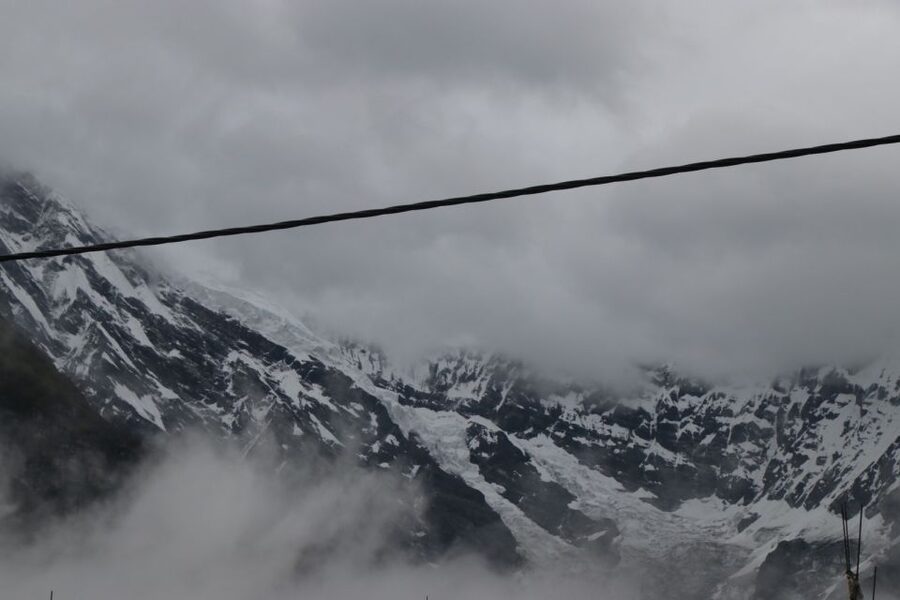
Day 5 is a return down to Syabrubesi at 1,550m, a long descent that can feel like a different kind of workout. You trek from Thangsyap down, retracing steps and staying near the river route.
This is a great day for your legs to recover, but don’t confuse “downhill” with “easy.” Descents can be rough on knees and ankles, especially after days of walking. Short steps and slow cadence help a lot.
The best part is the payoff feeling. As you drop in elevation, the valley life becomes easier to take in visually. It’s also a good time to notice how the trek changed your mindset, because going downhill often feels like “real travel again” rather than only endurance.
Day 6: Syabrubesi to Kathmandu, a soft landing
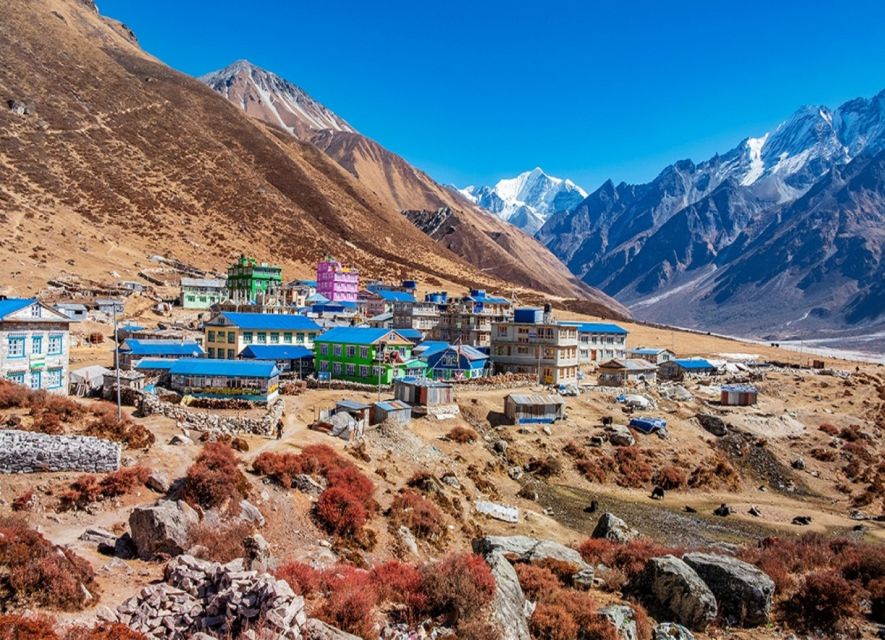
On Day 6 you take a shared bus back to Kathmandu. This is your decompression day, and it’s also when you’ll start noticing what your body feels like after the trek.
I like that the plan gives you a clean handoff: finish in Syabrubesi, then drive back. No extra hiking required on the final day. Once you’re back in Kathmandu, it’s a good time to reflect on the quiet monastery moments, the cheese factory stop, and the way the Tamang villages sit in the mountains like they belong there.
Guides matter here, and the names show a pattern
This trek is strongly guide-driven. You’ll have an authorized English-speaking guide, and the experience is supported by staff planning, lodge navigation, and day-to-day check-ins.
In the feedback you shared, several guide names come up with clear praise: Niraj, Mahesh Aryal, Bipin, Ghanshyam, and Dipesh. The common thread is practical support. People describe guides who stay friendly and attentive, recap what happened, explain what’s next, and even help when backpacks get too heavy on steep sections.
That kind of guiding is not just nice. It’s value. On a route that includes optional high work like Kyanjin Ri, having someone who keeps you informed and adjusts pace based on how you feel can mean the difference between “planned effort” and “forced suffering.”
Also, this is described as a private group. That typically helps you move as a unit and ask questions without feeling like you’re lost in a crowd. Just remember, transportation is still shared on the bus segments.
Price and what you really get for $181
At $181 per person for 6 days, the price is most compelling because key trekking costs are included. You get trekking permits and required paperwork, taxes, private comfortable accommodation for 5 nights during the trek, and all meals if you choose the Full Package option.
You also get organized transport matching the itinerary and staff support costs. Luggage storage is included too, which is a small detail that can save you stress in Kathmandu and keep your trekking day lighter.
What you should watch: the guide’s porter charge is noted as extra. That doesn’t mean you’re stranded without help, but it does mean you may pay extra if you want a porter beyond the basic plan. If you’d rather not carry your main bag, budget for that ahead of time.
Finally, meals are included only for the Full Package. If you pick a different package format, double-check what’s covered. Food matters on treks, because you burn calories whether you planned for it or not.
What’s included versus what you must budget for
Here’s the clean way to think about it.
Included in the package:
- Authorized English-speaking guide (porter charges extra)
- Trekking permits, paperwork, and Trekkers’ Information Management System fees
- Private comfortable accommodation for 5 nights
- Luggage storage
- Transportation as per the itinerary, using shared bus where noted
- Staff costs including accommodation, meals, salaries, equipment, insurance, and transport
- All meals (breakfast, lunch, dinner) during the trek if you select Full Package
Not included:
- Soft and hard drinks
- Travel and rescue insurance
- International flights and Nepal visa fee
- Personal expenses (phone calls, laundry, bar bills, battery recharge, extra porter, water, showers, and similar)
Practical budgeting tip: water and hot showers can be expensive surprises in remote areas. The packing list also suggests bringing your own gear, including a sleeping bag and flashlight, so don’t assume those are provided.
What the itinerary feels like day to day, without the fog
This trek is set up for a gradual altitude story.
- Day 1: forest and river walking, then a short trek to Pahiro
- Day 2: more continuous trekking time to Ghoda Tabela, with villages and waterfalls along the way
- Day 3: the big step up to Kyanjin Gompa, with Tamang culture, monasteries, and the cheese factory stop
- Day 4: optional Kyanjin Ri ascent to about 4,770m, then return walking toward Thangsyap
- Day 5: long downhill back to Syabrubesi with river-side trail sections
- Day 6: bus return to Kathmandu
The best part of this structure is that it doesn’t just jump elevations. You feel like you live on the trail for a few days rather than treating it like a conveyor belt.
A slight caution: you should expect long walking days, and the route can include steep sections. Even when it’s labeled moderate, the “moderate” word in Nepal often means steady, not easy. One of the guide-style highlights here is that the best guides actively manage pace so you can reach points like Kyanjin Ri when you want to.
What to pack for cold nights and higher elevations
The trek info gives a solid packing list, and it makes sense for what the altitude implies.
Bring:
- Passport or ID card
- Sunscreen, sunglasses
- Gloves, hat, jacket
- Hiking shoes
- Trekking gear
- Flashlight
- Sleeping bag
- Towel
Based on the seasonal notes in the feedback you shared, I’d also plan for real cold at night, especially if you go in winter months like January. People specifically mention that nights get cold and you should take warm clothes and medication if needed.
Layering matters more than buying extra gear last-minute. If you have a warm base layer plus a reliable mid-layer and a weather-protective shell, you’re set for the typical range you’ll face on higher days.
Who should book this trek, and who should skip it
This is a good match if you want:
- An authentic Langtang Valley trek with cultural stops in Tamang areas
- A route that’s described as rewarding yet moderate
- Big views, plus quiet monastery moments, not just “walk and snack”
- A trek you can do as a solo traveler, a couple, or a family group
It’s also helpful if you like guided support. The guides named in the feedback sound attentive, and many people describe feeling safe and informed, which is exactly what you want when you’re dealing with cold mornings and optional peak decisions.
Clear limit:
- Not suitable for pregnant women, as listed.
If you have knee issues or you hate long downhills, consider that Day 5 is a descent day and can stress joints. You can still do it with careful pacing, but be honest about your comfort level.
Should you book this Kathmandu to Langtang 6-day trek?
I’d book this if you want a real Himalayan experience that blends trail time with Tamang community life, monasteries, and viewpoint rewards. The guide support seems to be the real differentiator, and the package includes the stuff that usually slows people down, like permits, paperwork fees, and trek-day accommodation.
I wouldn’t book it if you hate steep hiking, you need very gentle terrain, or if you want everything carried for you with no extra cost, since porter charges are noted as extra. Also think twice if winter cold is hard for you, because the trek is still a mountain trek, even when it’s labeled moderate.
If you choose it, aim to show up ready for long days on foot, pack warm layers, and treat the Kyanjin Ri option as a flexible decision. With guides like Niraj or Mahesh Aryal managing pace and expectations, that viewpoint can be a highlight rather than a stress test.
FAQ
How long is the Langtang trek package?
The trek duration is 6 days.
Where does the trek start and how do you get there?
You start the trek from Syabrubesi, and the package includes transportation from Kathmandu and back.
What is the highest point on the route?
The itinerary includes an optional trek to Kyanjin Ri peak at 4,770m (15,649 ft).
What is the trek difficulty level?
The trek is described as rewarding yet moderate, and it includes steep uphill sections on some days.
What kind of group is this?
It’s a private group, with English, Hindi, and Nepali speaking guide options.
Are meals included?
Meals are included for the Full Package option, with breakfast, lunch, and dinner during the trek.
Are permits included?
Yes. Trekking permits, necessary paperwork, and Trekkers’ Information Management System fees are included.
Is a porter included in the price?
The guide is included, but porter charge is listed as extra.
Is travel or rescue insurance included?
No. Travel and rescue insurance is not included.
What should I bring for the trek?
The list includes a passport or ID, towel, sunscreen, gloves, sleeping bag, flashlight, hiking shoes, jacket, hat, trekking gear, and sunglasses.
Latest additions near Kathmandu
- White Water River Rafting – 1 Day★ 4.3 · 3 reviews
- Traditional Momo Making Class★ 5.0 · 10 reviews
- Kathmandu to Pokhara Premium sofa bus ticket★ 4.0 · 17 reviews
- Ghorepani Poon Hill Trek★ 5.0 · 16 reviews
- Amazing 1 Day Trekking Experience in Kathmandu Nepal★ 5.0 · 24 reviews
- Ghorepani Poonhill Trek★ 5.0 · 5 reviews
- Walking tour of real Kathmandu through back streets.★ 5.0 · 3 reviews
- Wildlife Adventure in Chitwan Nepal★ 4.0 · 4 reviews
Langtang Valley Treks, compared.
Trekking in Annapurna/Langtang/Everest/Upper Mustang regions
Read our review →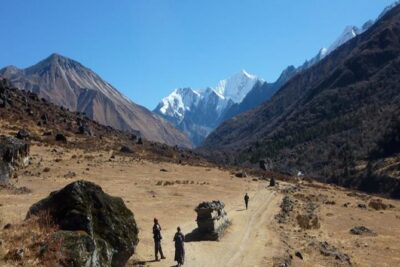
Browse the lists this tour appears in