
Reviewed · LANGTANG VALLEY TREKS
Langtang valley trek
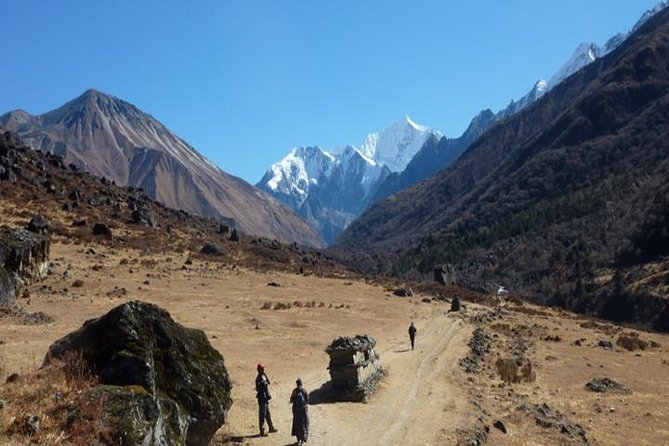
One of Nepal’s most photogenic trekking corridors. The Langtang Valley trek links up with the Gosainkunda lake pilgrimage and then rolls into Helambu villages, with big Himalayan backdrops dominated by giants like Langtang Lirung and Xisapangma. You’ll also cross a high pass area around 4,900 meters (Tserkuri peak mention) that brings you near the edge of the Langtang heartland.
I really like that this trip keeps things practical: lodge accommodation on the mountain days, plus most meals covered (breakfast is 5, lunch 6, dinner 6). I also like the human support built in, with an English-speaking license holder guide and a porter shared for every two guests.
One drawback to plan for: you’re sleeping in mountain lodges without attached bathrooms on trekking days, and the trek includes a high pass, so you need to be ready for basic facilities and proper pacing.
In This Review
- Key things you’ll notice fast
- Langtang plus Gosainkunda plus Helambu: what this trek really combines
- Price and logistics: what $618.75 covers, and what it doesn’t
- Entering the route from Kathmandu to Syabrubensi
- Trekking days: Langtang Valley core, then up toward the high pass
- Gosainkunda lakes: the pilgrimage day that feels different
- Helambu villages: a calmer finish with Buddhism in everyday view
- Mountain lodges and meals: comfortable enough, basic enough
- Your guide and porter: why the human side is a big part of the value
- Permits and park rules: you’re paying for access, not paperwork
- Altitude and pacing: how to handle the 4,900 m area without drama
- What makes Kyanjin Gompa and the lake days matter
- Who this trek is best for
- Should you book this Langtang Valley plus Gosainkunda plus Helambu trek?
- FAQ
- How long is the Langtang valley trek?
- Where does the trek start and end?
- What is included in the trek price?
- What about lodging on trekking days?
- Is pickup or transportation included?
- Do I need travel insurance?
- Are meals in Kathmandu included?
- Are tips required?
Key things you’ll notice fast
- Syabrubensi transfers plus a guided start: the bus ride from Kathmandu helps you spend your energy on the trail, not logistics.
- Gosainkunda is the spiritual centerpiece: you go there as a real pilgrimage destination, not just a viewpoint stop.
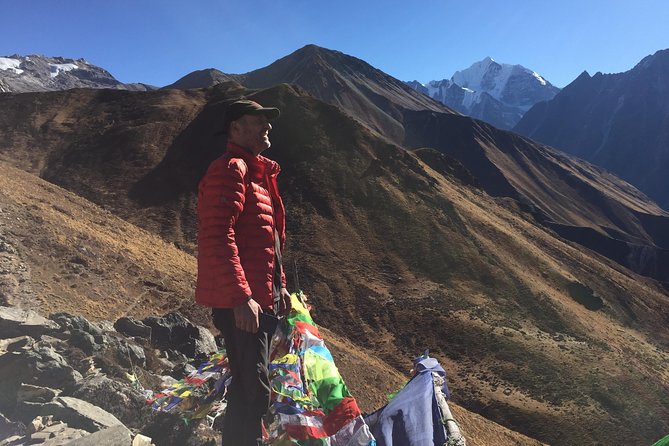
- High pass work at altitude: crossing up around 15,187 ft (around the 4,900 m range) changes the rhythm of the whole trek.
- Helambu village wandering: you get a chance to slow down with Buddhism-influenced communities rather than only climbing.
- Small-group feel: it’s a private tour/activity, so you’re not sharing your pace with a crowd.
Langtang plus Gosainkunda plus Helambu: what this trek really combines
The name sounds like a grab bag, but it actually makes sense on the ground. This trek connects the Langtang Valley region with the Gosainkunda lakes side of the route, then continues into Helambu. Together, you get three different flavors: rugged valley trekking, a pilgrimage landscape of lakes, and quieter village life where Buddhism is part of daily scenery.
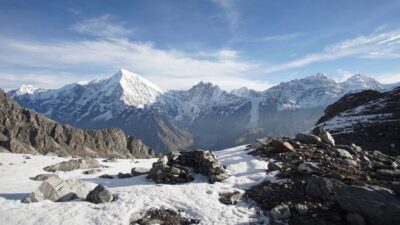
You’ll be moving through the Langtang Himalayan range, a part of Nepal where the mountains feel close even when you’re just hiking between teahouses. The big peaks mentioned in the trip description, like Langtang Lirung (7,227 m) and Xisapangma (8,103 m), are part of why the scenery feels so intense.
A unique detail that adds color is the origin story behind the valley name. The route notes a lama following a runaway yak, with the idea that “Lang” refers to yak in Tibetan and “Tang” relates to following or tracking. It’s the kind of story you can use while you hike, because it helps you remember that this terrain is tied to people, not just points on a map.
More Treks in Kathmandu
- Everest Base Camp Trek – 14 Days
★ 5.0 · 1,499 reviews - Everest Base Camp Trek
★ 5.0 · 842 reviews - Everest Base Camp Trekking
★ 5.0 · 485 reviews
Price and logistics: what $618.75 covers, and what it doesn’t
At $618.75 per person, the value depends on what you’d otherwise pay if you booked everything separately. Here, you’re buying a pack of core necessities: mountain lodge nights, most meals, permits, and staff. You’re also getting the Kathmandu to trail access handled, plus the return transfer.
Included items that matter on this kind of trek:
- 6 nights lodge accommodation in the mountains
- Bus transfer Kathmandu to Syabrubensi and back to Kathmandu
- English-speaking trek guide plus each 2 guests get 1 porter
- Langtang National Park permits
- Dinner (6), lunch (6), breakfast (5)
- Staff food, accommodation, and salary, plus company service charges and government taxes
What’s not included, and how that affects your budget:
- Your Nepal entry visa fee (listed as US $40)
- Lunch and dinner in Kathmandu (so you’ll still pay for at least two meals there)
- Phone calls, battery charging, laundry, and showers (typical mountain “add-ons,” and they add up)
- Drinks and deserts while trekking
- Travel insurance (called out as mandatory in case of emergency)
- Tips for the crew (not compulsory, but expected)
If you’re comparing price points, I’d treat this as a “you pay for the core infrastructure” plan. If you enjoy treks where your meals, permits, and guide coordination are taken care of, that structure is usually worth more than the headline cost.
Entering the route from Kathmandu to Syabrubensi
This trek starts and ends back at the meeting point in Kathmandu. The description includes a bus transfer from Kathmandu to Syabrubensi and then the return ride when the trek is done.
That matters because Syabrubensi is a common gateway for getting into Langtang valley trekking country. A bus day can be long, but it still beats trying to independently arrange trail transport at the last minute. It also puts you in position to start trekking soon after you arrive, instead of spending extra time juggling connections.
You’ll also be dealing with the kind of early-day energy that comes with changing altitude regions. I recommend you treat the first day as “save your legs.” Even when you feel fine, your body is adjusting to the move away from Kathmandu.
Trekking days: Langtang Valley core, then up toward the high pass
The trek route described centers on moving through the Langtang Valley area and then rising toward the higher parts of the corridor. There’s a mention of reaching near the “edge of Majestic Langtang,” plus a climb over a high point area labeled around 4,900 meters at Tserkuri peak.
The most practical way to think about this part:
- You’ll climb in stages, stopping in lodges for meals and rest.
- Your pacing should stay conservative, especially as you get closer to the higher pass zone.
- Weather can change quickly at altitude, so your daypack needs to carry the basics (rain layer, warm layer, and water strategy).
One helpful detail you can grab from the route info is the mention of a high pass elevation around 15,187 ft. Even if you don’t think of passes as “hard” in your head, they change how you breathe. Treat that area like your main workload of the trek, then aim to recover well after.
More Langtang Valley treks:
- Langtang Valley Trek
★ 5.0 · 140 reviews - Langtang Valley Trek
★ 5.0 · 61 reviews - 8 Days Tour in Langtang Valley Trek
★ 5.0 · 45 reviews - Private 8 – Day Langtang Trekking
★ 5.0 · 29 reviews
Gosainkunda lakes: the pilgrimage day that feels different
The Gosainkunda portion is described as an important pilgrimage destination. That word matters because it changes the mood. This isn’t only about trekking for views. You’ll feel like you’re walking through a place with meaning for people who come for the lakes.
You’ll specifically be moving toward Gosaikunda and the route description also includes hiking over Suryakunda lakes. Another detail pulled from the trekking experience notes: hikers mention reaching Gosaikunda Lake and enjoying a day with great views of part of the Himalayan chain.
There’s also a pass name mentioned in the feedback you were given: Lauri Bina la shows up in the route experience context. I can’t guarantee that exact pass is part of every exact departure pattern of a “6 days approx.” trek, but it is clearly associated with this overall corridor and gives you a sense that you should expect classic high-mountain pass country, not just a gentle ridge walk.
If your goal is one standout “day that breaks up the trek story,” this is usually it: lake scenery, spiritual atmosphere, and the feeling of being higher than you started.
Helambu villages: a calmer finish with Buddhism in everyday view
After the high points and the Gosainkunda lakes area, the trek continues into Helambu. Helambu is where the itinerary shifts from “altitude grind” to “village trekking.”
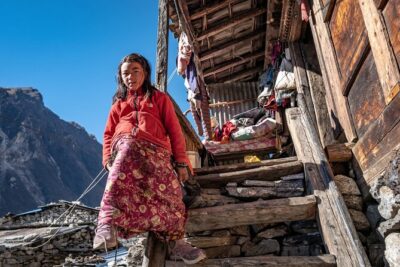
The description specifically calls out that exploring Helambu villages is a great way to discover Buddhism. That fits what you’ll likely see on the trail: prayer flags, religious markers, and a slower rhythm through settlements where people live close to the trekking route.
I like this kind of ending because it’s easier to enjoy it. After spending days focused on breathing and footwork, you’re not only arriving at scenery. You’re arriving at people.
Mountain lodges and meals: comfortable enough, basic enough
The trek includes lodge accommodation in the mountains, and the description is clear: no attached bathroom on trekking days. That means you should plan for the simplest setup and not treat it like a hotel stay.
Food, though, is covered:
- Breakfast included for 5 days
- Lunch included for 6 days
- Dinner included for 6 days
In a place like Langtang and Helambu, lodge kitchens can be surprisingly comforting after a long day. The trip description also highlights that cuisine is run by local inhabitants, and that’s usually where the best value sits. You’re not just buying calories, you’re supporting the people who keep the trail operating.
Practical advice:
- Plan to go to bed early on cold nights.
- Keep water and snacks simple. Some lodges have limited options, and you’ll feel better if you don’t rely on finding a perfect treat every day.
Your guide and porter: why the human side is a big part of the value
This is where this trek earns its high praise. The trip includes an English-speaking licensed trek guide and a porter for every two guests. That ratio is important because it reduces the chance you’ll arrive burned out, grumpy, or forced into slowing down for logistics instead of your own pace.
In the feedback you provided, multiple guide names show up with strong impressions: Prem, Rajesh, Bishnu, and Kamal. The recurring theme in those notes is professional care, clear communication, and guides who look out for safety and enjoyment. The company owner, Ammar Raj Guni, also appears repeatedly as part of the organized support.
You don’t need a fancy pitch to understand why this matters. On a trek with a high pass zone and lake days, the guide’s ability to manage timing, pace, and small decisions can make the whole thing feel smoother.
One more detail I appreciate in the package: the operator also includes staff food, accommodation, and salary. It signals you’re not playing the guess-how-much game with your budget.
Permits and park rules: you’re paying for access, not paperwork
The trek includes Langtang National Park permits. Permits might sound like bureaucracy, but they’re the reason you can trek legally in the protected zones and move along established routes.
This also matters for peace of mind. When permits are included, you’re less likely to hit an awkward roadside delay or scramble on documentation at the start.
Altitude and pacing: how to handle the 4,900 m area without drama
Your route includes high altitude work around 4,900 meters and mentions a high pass around 15,187 ft. That’s the kind of detail that should shape your whole approach.
Here’s the plain strategy I’d use:
- Keep your pace steady, not heroic.
- Take breaks before you feel exhausted.
- Let your guide set the rhythm, especially around higher sections.
If you’re the type who wants to reach every viewpoint fast, this trek will teach you a different lesson. At high altitude, speed costs. Staying comfortable is how you stay moving.
Also note the route is in a region where rain can happen. One of the provided experience notes mentioned rainy days, but they still reached places like Kyanjin Gompa, Lauri Bina la, and Gosaikunda lakes with great views at the right moments. That’s a good reminder: weather can be messy, then it can clear.
What makes Kyanjin Gompa and the lake days matter
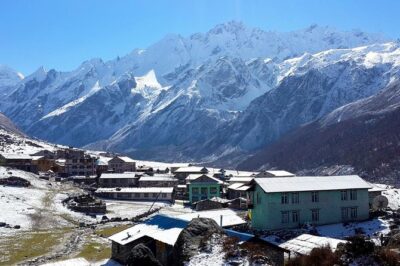
One of the most concrete place names you provided is Kyanjin Gompa. Even without a full day-by-day schedule spelled out here, that name is strongly associated with Langtang valley trekking and the deeper valley feel.
Kyanjin Gompa tends to be a “recognizable highlight” moment for many treks in this corridor. It gives you a spiritual and cultural stop, not only natural scenery. Then Gosainkunda follows with its own spiritual gravity, so you end up with two different kinds of sacred stops.
If you’re planning your expectations, think of Kyanjin Gompa as the valley anchor, then Gosainkunda as the lakes climax, and Helambu villages as the human, quieter ending.
Who this trek is best for
Most travelers can participate, and it’s described as a private tour/activity where only your group participates. That usually suits:
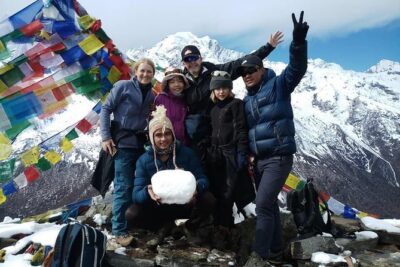
- Couples or small friend groups who want flexibility in pace
- People who want a guided experience with meals and permits handled
- Trekkers who are comfortable with mountain lodge basics and altitude work
This is not a “luxury hiking” plan. If you want attached bathrooms and city-style comfort, you’ll need additional costs for Kathmandu luxury lodging, and the mountain nights are still basic.
Should you book this Langtang Valley plus Gosainkunda plus Helambu trek?
I’d book it if your priorities match the shape of the trip. You want a real trekking circuit that includes mountain lodges and planned meals, plus guided support with a porter system that actually matters. You also want Gosainkunda for the pilgrimage side, not only for photos.
I’d pause if you:
- Hate the idea of sharing basic lodges without attached bathrooms
- Are not ready for a high pass day around the 4,900 m range
- Prefer total freedom to skip meals or change routes without a guide plan
If you can handle those points, this trek is strong value because it covers the big friction costs, like transport to the trail gateway, permits, guide, and most meals. That means you can focus on breathing, walking, and enjoying the parts of Langtang that feel close, personal, and genuinely Nepali.
FAQ
How long is the Langtang valley trek?
It is listed as 6 days (approx.).
Where does the trek start and end?
It starts in Kathmandu and ends back at the meeting point in Kathmandu.
What is included in the trek price?
Included items include 6 nights lodge accommodation in the mountains, bus transfer between Kathmandu and Syabrubensi (and back), an English speaking licensed trek guide plus one porter per two guests, Langtang National park permits, and meals (dinner 6, lunch 6, breakfast 5).
What about lodging on trekking days?
Lodge accommodation is included while trekking, and it is described as without attached bathroom.
Is pickup or transportation included?
Yes, pickup is offered, and the package includes bus transfer from Kathmandu to Syabrubensi and to Kathmandu.
Do I need travel insurance?
Yes. Travel insurance is stated as mandatory in case of emergency.
Are meals in Kathmandu included?
No. Lunch and dinner in Kathmandu are not included.
Are tips required?
Tips are stated as not compulsory but highly expected.
Latest additions near Kathmandu
- Traditional Momo Making Class★ 5.0 · 10 reviews
- White Water River Rafting – 1 Day★ 4.3 · 3 reviews
- Kathmandu to Pokhara Premium sofa bus ticket★ 4.0 · 17 reviews
- Ghorepani Poon Hill Trek★ 5.0 · 16 reviews
- Amazing 1 Day Trekking Experience in Kathmandu Nepal★ 5.0 · 24 reviews
- Ghorepani Poonhill Trek★ 5.0 · 5 reviews
- Walking tour of real Kathmandu through back streets.★ 5.0 · 3 reviews
- Wildlife Adventure in Chitwan Nepal★ 4.0 · 4 reviews
Langtang Valley Treks, compared.
Trekking in Annapurna/Langtang/Everest/Upper Mustang regions
Read our review →
Browse the lists this tour appears in