
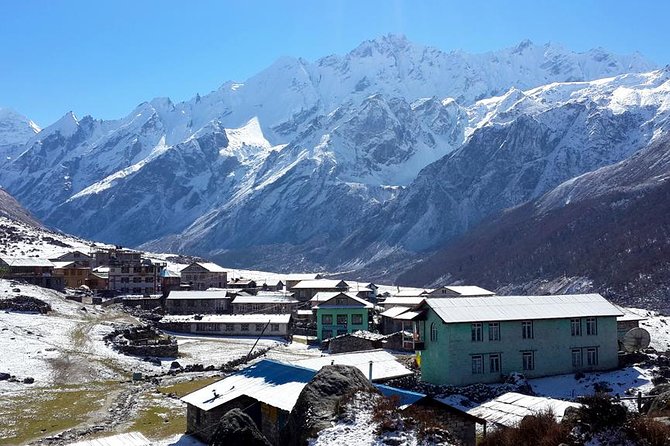
Reviewed · LANGTANG VALLEY TREKS
Langtang Valley Trekking
Langtang Valley feels far, but it is doable. I love the mountain views that keep arriving in layers, and I also love how the trail reads like a living map of Tamang culture. One thing to consider before you commit, meals like lunch and dinner are not included, so you will plan your daily food budget on the go.
This 9-day trek runs inside Langtang National Park, about 150 kilometers north of Kathmandu, so the scenery and wildlife come built in, not as side notes. You will also get a private setup, with pickup offered, and a mobile ticket so the logistics feel simpler than the usual paper-chase.
The main trade-off is that comfort is basic once you are in tea house mode. In the same breath, that is also part of the charm, but you should expect simple food and a slower pace when altitude starts asking questions.
In This Review
- Key points before you go
- Langtang Valley Trek, what makes this one special
- The ride north from Kathmandu, and the Dhunche factor
- Entering Langtang National Park, forests, animals, and plant sightings
- Tamang culture on the trail, gompas, mani walls, and prayer flags
- Tea house days, simple meals, and what to pack mentally
- Altitude realities and the payoff of Tserko Ri
- Guides and support that people rave about, Mani and the standouts
- Private transportation and what it really buys you
- Practical itinerary flow for 9 days in your head
- Day 1 onward: Kathmandu to park route, then the first trekking rhythm
- Mid-trek: deeper Langtang National Park, plants, wildlife, and culture
- High point: the viewpoint day like Tserko Ri
- Return: downhill walking, less strain, more reflection
- Who should book this Langtang Valley trek
- Should you book this Langtang Valley Trekking tour?
- FAQ
- What does the price include for the Langtang Valley trek?
- What is the start time for this experience?
- Is this tour private?
- Do I need good weather for the trek?
- What is the cancellation policy?
- Is the trek suitable for most people?
Key points before you go
- A protected setting that is biologically diverse: Langtang National Park is home to 14 vegetation types across 18 biological system types.
- Wildlife is part of the walk: keep an eye out for monkeys, musk deer, pika, and the Danphe (Nepal’s national bird).
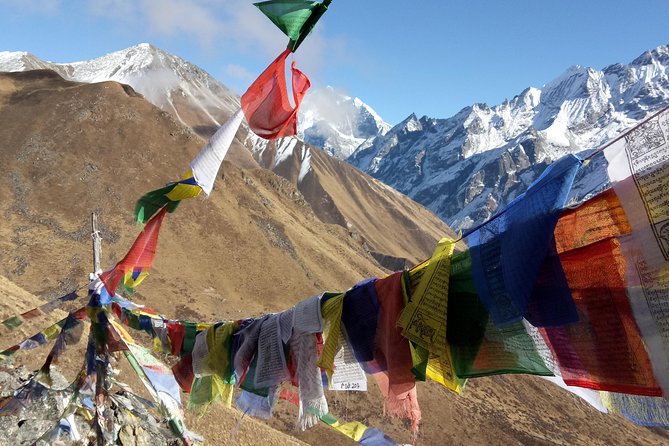
- Tamang Buddhism is visible all along the route: gompas, mani walls, and prayer flags show up as you travel.
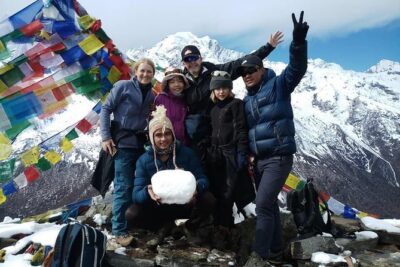
- You will likely summit a viewpoint like Tserko Ri: the payoff is big when the weather cooperates.
- Guides make a clear difference: several standout guides were praised for being attentive and professional, including Jai Ram K.C, Ganesh, Pasang, Sundeep, Indra, and Shubham.
- Private means personal pacing: it is only your group, and you can get help adjusting your walk if needed.
Langtang Valley Trek, what makes this one special
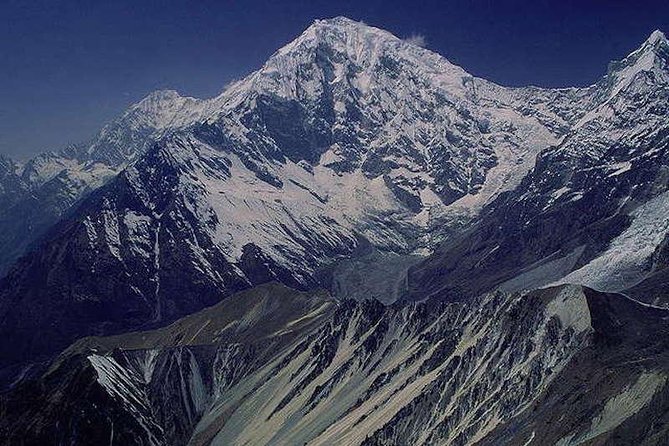
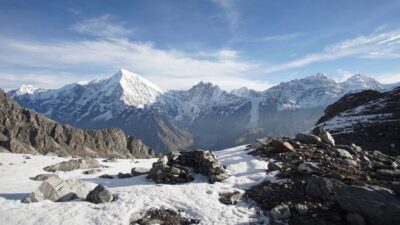
Langtang is a classic Himalayan trek, but it feels more intimate than the busiest routes. You get high country views, yes, but you also walk through real habitat inside the national park: rhododendron woods, orchid and pine forests, and the kind of steep mountain valleys where weather can change fast.
What I like most is that Langtang is not just about the summit photos. It is about how the environment shapes the day, from plant cover to animal sightings to the way villages are built around faith and family.
And if you care about culture, this trek makes it easy to notice. The valley sits near Tibet, and you see Tibetan Buddhist influence in day-to-day details, especially in gompas and the repeating patterns of mani walls and prayer flags.
The day-by-day tone is usually simple and practical. You walk, you rest in a tea house, you eat something warming, and you watch the mountains change color as the light goes.
More Treks in Kathmandu
- Everest Base Camp Trek – 14 Days
★ 5.0 · 1,499 reviews - Everest Base Camp Trek
★ 5.0 · 842 reviews - Everest Base Camp Trekking
★ 5.0 · 485 reviews
The ride north from Kathmandu, and the Dhunche factor
Your day usually starts with a 9:15 am start time, and you can expect pickup to get you moving without extra hassle. Then you head north toward the park, with Dhunche often on the route. One review flagged that the Kathmandu to Dhunche road can feel a little difficult, so take that seriously if you get carsick or you are sensitive to bumpy rides.
This is more than just getting from A to B. That drive sets expectations. You are heading into higher terrain, and by the time you begin the trek phase, your body already has a chance to wake up and adjust to the altitude shift you will feel later.
Practical tip: if you are prone to motion sickness, bring what works for you. A Trek is hard enough without adding nausea to the mix.
Entering Langtang National Park, forests, animals, and plant sightings
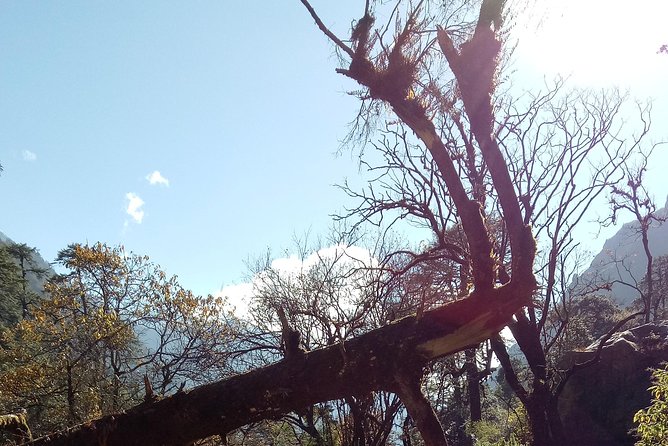
Inside Langtang National Park, the trek feels like you are walking through an environmental lesson. The park’s classification matters because it hints at variety. There are 14 vegetation types across 18 biological system types, which translates into real changes in what you see as you climb.
Expect rhododendron forests. Expect pine backwoods. And if you are the kind of person who enjoys noticing the small stuff, you might spot orchid and other plants along the trail edges when light hits right. This is the kind of trekking where it helps to look up, but also to glance sideways.
Now, wildlife. Langtang is home to monkeys, musk deer, pika, and the Danphe, Nepal’s national bird. You are not guaranteed sightings, but knowing the park has these species changes your mindset. You will listen more, watch more, and you will start spotting movement in the tree line like you actually belong there.
If you love nature, I think you will enjoy this part more than you expect. It is not only the view at the end of the day, it is the changing scenery during the day.
Tamang culture on the trail, gompas, mani walls, and prayer flags
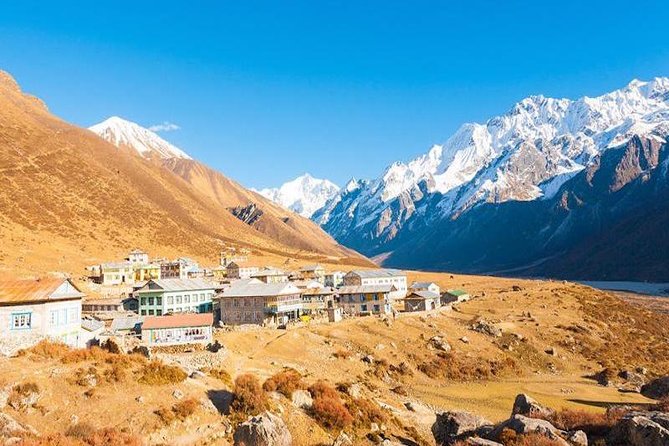
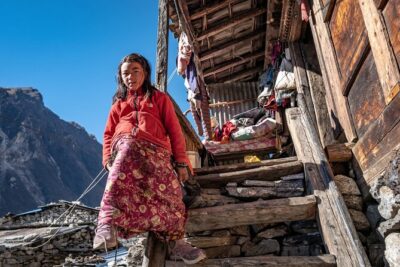
One of the big reasons people rate this trek so highly is the human layer. Langtang valley is largely Tamang, and Tamang culture has its own look, music, and rhythm of daily life. Because the valley is close to Tibet, you feel Tibetan Buddhist influence too.
You will pass gompas, mani dividers, and bright prayer flags. Even if you do not know the meaning of each symbol, you will sense what matters. These markers are not decoration. They are a way of organizing the world, spiritually and socially.
And the Tamang story is part of that. Tamang people trace origins to Tibet and carry a distinct culture shaped by that connection. On this trek, those influences are easy to notice because they are woven into how communities build, pray, and greet travelers.
Practical tip: when your guide points things out, take the time. You do not need a long lecture, just a few details and suddenly the trail feels like a conversation instead of a route.
More Langtang Valley treks:
- Langtang Valley Trek
★ 5.0 · 140 reviews - Langtang Valley Trek
★ 5.0 · 61 reviews - 8 Days Tour in Langtang Valley Trek
★ 5.0 · 45 reviews - Private 8 – Day Langtang Trekking
★ 5.0 · 29 reviews
Tea house days, simple meals, and what to pack mentally
This trek operates in tea house mode. That usually means basic accommodations and simple food, and that is not a flaw, it is the system. Several people specifically noted that food is simple and guest houses are basic, but they still loved the mountain views and local culture.
Here is where your planning matters. Lunch and dinner are not included in the tour price. So you should budget for daily meals. You are also buying into the local pace of trekking, where you eat what is available, not what you wish was available.
Practical packing thoughts that save energy:
- Bring snacks you trust, especially on high-signal days when you need quick fuel.
- Plan for warm drinks. They are often the best comfort during cold stretches.
- Hydrate steadily. High country dry air can sneak up.
If you are picky about food, you will probably get less enjoyment than someone who is flexible. If you can treat tea house meals as part of the experience, you will likely find them perfectly fine.
Altitude realities and the payoff of Tserko Ri
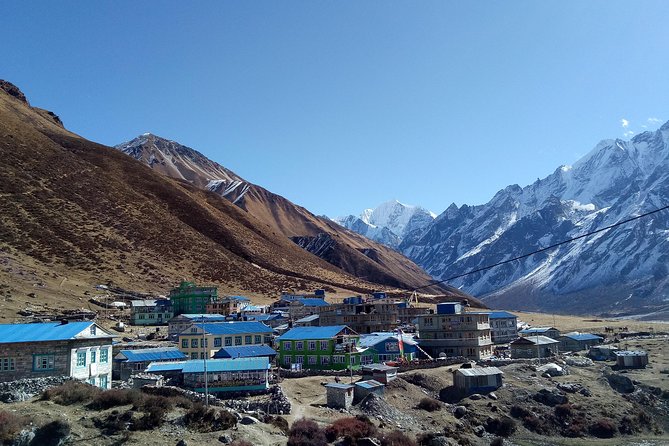
Altitude is part of this trek. One review called out the altitude challenge, and that is honest. The goal is to manage your effort, walk steadily, and listen to your body.
You may also work toward a viewpoint like Tserko Ri. Reaching Tserko Ri’s summit was described as amazing, and it makes sense. These are the kinds of summits where you do not just get a photo, you get a wide, deeply satisfying sense of place.
A smart way to handle altitude is to treat every day like it includes both a physical and a pacing plan. If you go out too fast early, you pay later. If you keep your effort even, you tend to enjoy more and stress less.
No matter what, weather matters. The experience requires good weather, and that means your best day is the one with visibility. If clouds move in, your guide may adjust what is realistic, and you should roll with it.
Guides and support that people rave about, Mani and the standouts
A major reason this trek earns a 5-star rating from many people is human support. Guides were repeatedly praised for professionalism, friendliness, and safety focus. People also praised porter help, including how porters can carry heavy bags while still moving quickly.
Names that came up again and again include Mr Mani as the organizer and driver of smooth coordination, plus guides such as Jai Ram K.C (also nicknamed JD DAI), Ganesh, Pasang, Sundeep, Indra, and Shubham.
What makes those praises useful to you is not celebrity names. It is the pattern:
- Guides were described as patient, including supporting a father who needed extra time.
- Guides were described as attentive and kind, leaving trekkers feeling like nothing was forgotten.
- Guides were described as professional and helpful about local culture and practical arrangements.
This matters because trekking is not only a physical test. It is also a navigation test, a weather test, and a logistics test. When the human support is solid, you can spend more attention on enjoying the trek instead of managing little surprises.
If you are someone who wants real conversation while trekking, that came up too. Shubham was described as attentive and easy to talk with, and that kind of guide can turn travel time into bonding time.
Private transportation and what it really buys you
The tour includes private transportation. That matters more than it sounds. In the Nepal trekking world, private transport can reduce friction, like fewer waiting games and a clearer timeline, especially when you are moving from Kathmandu into the trek region.
You also get pickup offered, and a mobile ticket. Again, this is about reducing mental overhead. Trekking already asks for enough decisions. You want the start to be as clean as possible.
Now the price. At $2,102.57 per person, this is not a budget trek. So how do you judge value?
From the information you have here, the value comes from:
- A private setup (only your group participates).
- Private transportation.
- A trekking support team that is repeatedly praised by people for professionalism and care.
- A premium destination that gives you culture plus national park nature, not just one or the other.
It is still expensive, so I suggest you be honest about your priorities. If you want a bare-bones DIY style, this may feel costly. If you want less friction, clearer support, and a strong focus on safety and experience quality, the price starts to make sense.
Practical itinerary flow for 9 days in your head
Even without a minute-by-minute schedule, you can picture the structure of the trek in phases. That helps you pack correctly and mentally pace your effort.
Day 1 onward: Kathmandu to park route, then the first trekking rhythm
You start at 9:15 am and move north from Kathmandu. Expect a road segment that can feel difficult up toward Dhunche. Once you are into the trek rhythm, you will spend time walking through lower to mid elevations where the air feels sharper and the forests start to define the scenery.
Mid-trek: deeper Langtang National Park, plants, wildlife, and culture
This is where you spend more time in rhododendron and pine settings and where the animal presence becomes a real possibility. This is also where Tamang Buddhism markers show up in the route, with gompas, mani walls, and prayer flags.
If you enjoy noticing details, this is the best part of the story. You are not rushing from one view to the next. You are moving through a lived-in landscape.
High point: the viewpoint day like Tserko Ri
One of the biggest payoffs mentioned is reaching Tserko Ri. This is usually the day you feel altitude most. So it is worth planning your effort around steady pacing and good weather timing.
Return: downhill walking, less strain, more reflection
On the way back, you will likely feel relief as the trail trends lower. It is also a chance to enjoy the journey as a whole, because you have time to process what you saw: the vegetation changes, the culture details, and the feeling that the park is a working ecosystem.
Who should book this Langtang Valley trek
This trek fits best if you want a true national-park trek, with culture visible in everyday things. It also fits if you want private support and someone to help with practical decisions while you walk.
You should especially consider it if:
- You like nature walks where plants and wildlife are part of the point.
- You care about Tamang culture and Tibetan Buddhist influence on the trail.
- You want a guide who can adjust pacing if someone needs more time.
- You want a quieter feel compared to the most crowded routes.
If you are chasing only the hardest climbing, this might not be your match. But if you want a balanced trek that combines mountain views, faith markers, and park nature in one package, it is a strong choice.
Should you book this Langtang Valley Trekking tour?
My take: book it if you want Langtang for what it is, a protected valley where nature, wildlife, and Tamang culture walk together. The repeated praise for guides like Mani, Jai Ram K.C, Ganesh, Pasang, Sundeep, Indra, and Shubham signals that the experience is built around people who take care of you.
Hold off if you want meals fully included or you are strict about comfort. Lunch and dinner are not included, and guest houses are described as basic. That is not a dealbreaker, but it is information you should not ignore.
If you do book, do two things right away: pack snacks for the days when you want quick energy, and take altitude seriously with patient pacing. Then you will spend your energy on the real reward, seeing the valley open up, step by step.
FAQ
What does the price include for the Langtang Valley trek?
The tour price includes private transportation. Lunch and dinner are not included.
What is the start time for this experience?
The start time is 9:15 am.
Is this tour private?
Yes. It is a private tour or activity, and only your group participates.
Do I need good weather for the trek?
Yes. This experience requires good weather, and if it is canceled due to poor weather, you will be offered a different date or a full refund.
What is the cancellation policy?
You can cancel up to 24 hours in advance for a full refund. If you cancel less than 24 hours before the experience start time, you will not get a refund.
Is the trek suitable for most people?
The information provided says most travelers can participate. Confirmation is received at the time of booking.
Latest additions near Kathmandu
- White Water River Rafting – 1 Day★ 4.3 · 3 reviews
- Traditional Momo Making Class★ 5.0 · 10 reviews
- Kathmandu to Pokhara Premium sofa bus ticket★ 4.0 · 17 reviews
- Ghorepani Poon Hill Trek★ 5.0 · 16 reviews
- Amazing 1 Day Trekking Experience in Kathmandu Nepal★ 5.0 · 24 reviews
- Ghorepani Poonhill Trek★ 5.0 · 5 reviews
- Walking tour of real Kathmandu through back streets.★ 5.0 · 3 reviews
- Wildlife Adventure in Chitwan Nepal★ 4.0 · 4 reviews
Langtang Valley Treks, compared.
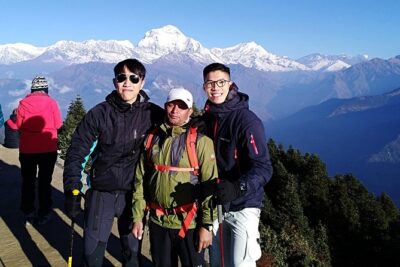
Trekking in Annapurna/Langtang/Everest/Upper Mustang regions
Read our review →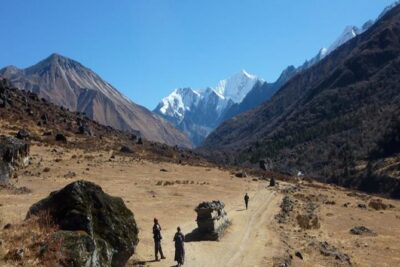
Browse the lists this tour appears in