
Reviewed · LANGTANG VALLEY TREKS
Langtang Valley Trekking
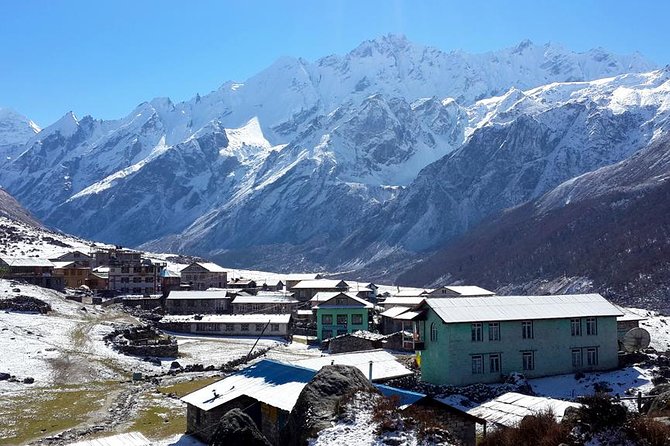
Langtang feels quieter than you expect. This private trek sends you from Kathmandu to Syabrubesi and deep into the Langtang Valley, where forests, waterfalls, farmlands, and Sherpa villages keep the day-to-day feel real and unhurried. You hike with a guide, so you spend less time guessing and more time actually seeing.
I especially like the personal attention that comes with a private setup. You are not one face in a crowd, and having a guide who can keep things moving matters on a trail with long walking days. Second, I like the practical inclusions: hotel pickup and drop-off, transportation by jeep, trekking permits (TIMS plus national park fees), and local lodge stays on twin sharing with breakfast.
One thing to consider is the workload. The schedule includes a long push to Lama Hotel, plus multiple full trek days, so this is better for people with moderate fitness, not casual weekend walkers. Also, Kathmandu lodging is not included, so plan one or two nights there on your own.
In This Review
- Key highlights you will feel on the trail
- Langtang Valley, in plain terms, and why it feels different
- Price and what $700 really covers (and what it does not)
- The Kathmandu start: timing matters more than you think
- Day-by-day: what each stage feels like, from Syabrubesi onward
- Day 1: Rasuwa drive to Syabrubesi
- Day 2: Trek to Lama Hotel
- Day 3: Lama Hotel to Langtang village (about 5 hours)
- Day 4: Langtang village to Kyanjin Gompa (about 5 hours)
- Day 5: Kyanjin Gompa rest and excursion (about 3 hours)
- Day 6: Kyanjin Gompa to Lama Hotel (about 5 hours)
- Day 7: Lama Hotel to Syabrubesi (about 5 hours)
- Day 8: Drive back to Kathmandu (about 4 to 5 hours)
- Lodges, water, and meals: the day-to-day comfort reality
- Guides and private groups: why it changes the whole week
- Who should book this Langtang Valley trek, and who should skip it
- Should you book this 8-day Langtang Valley trek with Himalayan Social Journey?
- FAQ
- What is the meeting time for the Langtang Valley trek?
- What is included in the price?
- How do accommodations work during the trek?
- Are meals other than breakfast included?
- Is travel insurance included?
- Is this trek suitable for children?
Key highlights you will feel on the trail
- Private tour setup that keeps the pace and attention tailored to your group
- Permits handled with TIMS and national park fees included, so you are not chasing paperwork
- Local lodge overnight stays on twin sharing, with breakfast covered
- Bottled water included to help you stay hydrated on trek days
- A built-in Kyanjin Gompa rest and excursion window so you are not hiking every single day
Langtang Valley, in plain terms, and why it feels different
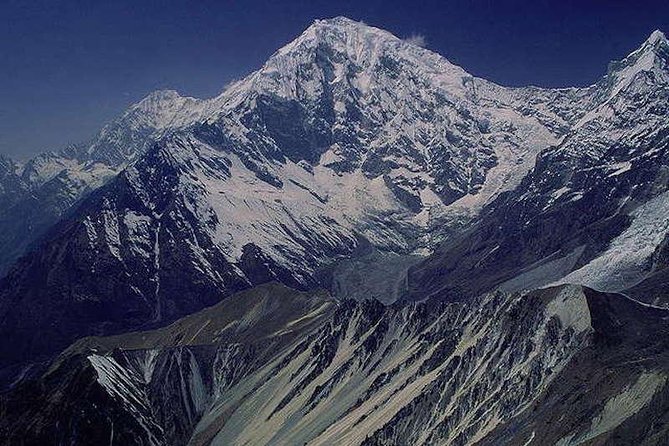
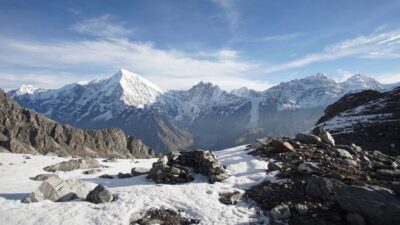
Langtang is the kind of trek that rewards you for being patient. Instead of a nonstop parade of big-name tourist stops, you get days of forest walking, water sounds in the background, and village life that shows up as you crest a path and catch a new view.
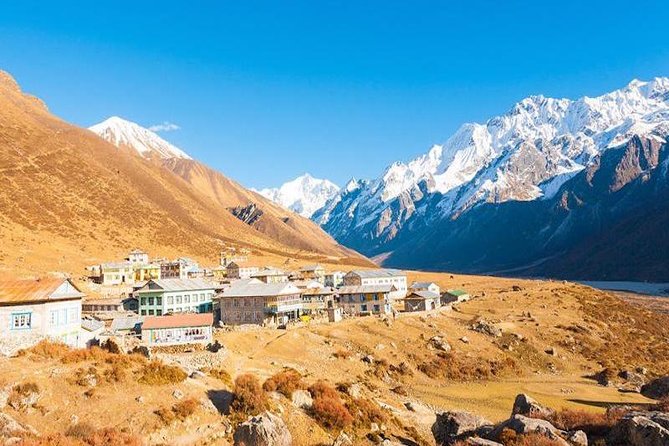
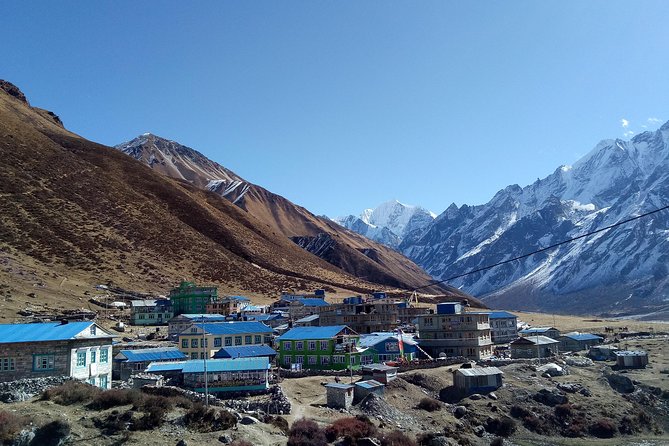
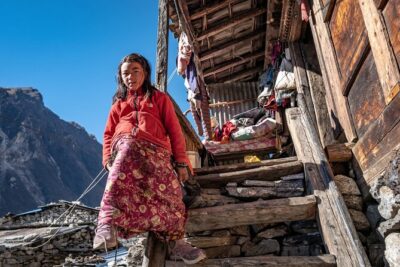
I like how the trail mixes scenery and culture without turning it into a museum tour. You will move through forested stretches, then into areas where farms and small settlements start to dominate the route. The Sherpa villages along the way bring you that familiar Himalayan rhythm: slower conversations, practical buildings, and a landscape that feels lived in rather than staged.
This is also a good choice if you want a “real trekking week” feel. It is not just about reaching one viewpoint. The slow accumulation matters. You do long enough days that the valley starts to feel like it has its own mood, quiet and steady.
More Treks in Kathmandu
- Everest Base Camp Trek – 14 Days
★ 5.0 · 1,499 reviews - Everest Base Camp Trek
★ 5.0 · 842 reviews - Everest Base Camp Trekking
★ 5.0 · 485 reviews
Price and what $700 really covers (and what it does not)
At $700 per person for an 8-day trek, the value comes from the heavy logistics side of trekking. This price is not just a guide and a map. It includes:
- hotel pickup and drop-off in Kathmandu
- sharing jeep transport KTM to Syabrubesi and back to KTM
- a professional trekking guide
- permits and fees (TIMS plus national park fees)
- lodging at local lodges during trekking days (twin sharing)
- sleeping bag and duffle bag provided if you need them
- bottled water to help you stay hydrated
- breakfast (6)
What is not included is also important:
- food and drinks beyond breakfast
- your travel insurance
- accommodation in Kathmandu
- alcoholic drinks (you can buy them)
So, the fair way to think about the cost is this: you are paying to remove the friction. Permits, transport, and a guided schedule can be expensive in time and stress. If you tried to DIY this, your biggest costs would quickly become guide time, permits, and arranging transport and lodge stays. Here, those pieces are handled.
The Kathmandu start: timing matters more than you think
Your day starts early. The experience kickoff time is listed as 4:45 pm, and Day 1 is a long drive to Syabrubesi (about 12 hours). That means you should treat this as a travel-and-arrival day, not a sightseeing sprint.
Why it matters: on the first night, you want your body ready for trekking the next day. If you jump into the trail exhausted, the later days feel harder than they need to. Plan a relaxed Kathmandu evening before pickup, and keep expectations realistic. This trek starts with motion, then transitions into walking.
The good part is that you do not have to manage the transport. Hotel pickup and the sharing jeep ride take care of the Kathmandu to Syabrubesi logistics for you.
Day-by-day: what each stage feels like, from Syabrubesi onward
More Langtang Valley treks:
- Langtang Valley Trek
★ 5.0 · 140 reviews - Langtang Valley Trek
★ 5.0 · 61 reviews - 8 Days Tour in Langtang Valley Trek
★ 5.0 · 45 reviews - Private 8 – Day Langtang Trekking
★ 5.0 · 29 reviews
Day 1: Rasuwa drive to Syabrubesi
You get picked up from your hotel in Kathmandu, then drive to Syabrubesi. The day is long by design, but it sets up the trek so you can start walking without spending extra days repositioning.
Practical tip: because this is a 12-hour travel day, pack things you need within reach for the ride. Think essentials for comfort, plus anything you will want right before you settle in for the night.
Day 2: Trek to Lama Hotel
Day 2 is a 12-hour trekking day to Lama Hotel from Syabrubesi. That is the first reality check of the week. This is where moderate fitness stops being a buzzword and becomes your survival tool.
The upside is that the Langtang Valley region starts to open up in a tangible way. You get the forest feel that this valley is known for, and you gradually move into the rhythm of lodge-to-lodge walking.
What to watch for: long trek days can be mentally as hard as physically. If you tend to go out too fast, this is the day you should resist that urge. Keep your pace steady so you finish with energy, not just relief.
Day 3: Lama Hotel to Langtang village (about 5 hours)
Day 3 shifts the pace a bit. The trek time is 5 hours, taking you to Langtang village.
This is the kind of day where you start noticing the valley as more than a trail. You are in an area with farmlands and settlements, so you are walking through an actual living landscape. The Sherpa village presence becomes clearer, and the stops feel more like transitions between communities than just checkpoints.
Day 4: Langtang village to Kyanjin Gompa (about 5 hours)
Again, you get a 5-hour walking day, this time to Kyanjin Gompa.
Kyanjin Gompa is the moment in the trek where the trip starts to feel focused. You are moving toward a place that acts like a hub for the surrounding area, and it is the spot where many trekkers take in what the valley has been building toward.
Expectation check: you will likely be tired by this point. That is normal. The plan is to have you reach Kyanjin Gompa, then give you time to settle in and choose how you want to spend the next day.
Day 5: Kyanjin Gompa rest and excursion (about 3 hours)
Day 5 includes a rest day plus an excursion window at Kyanjin Gompa (about 3 hours).
I like this structure. A rest day is not laziness, it is strategy. Your legs get a chance to recover, and you can enjoy the area at a slower pace. If you push too hard every day, the last part of the trek can feel like punishment.
This is also where the guide helps you balance energy with the desire to see more. You can enjoy the area without turning it into an all-day scramble.
Day 6: Kyanjin Gompa to Lama Hotel (about 5 hours)
You head back down to Lama Hotel with a 5-hour trek.
Going down can still be tough, especially on knees and ankles. The trail is not automatically easier just because you are descending. The good side is that you already know the valley rhythm, so it feels more like returning through familiar scenes rather than pushing into the unknown.
Day 7: Lama Hotel to Syabrubesi (about 5 hours)
Day 7 brings you down to Syabrubesi (about 5 hours). This is your final trek day.
By now, you are in that last-day mindset, the one where you are proud you kept going and also ready for a bed that is not a local lodge. If you manage your pace well on the way down, you will likely finish feeling strong rather than cooked.
Day 8: Drive back to Kathmandu (about 4 to 5 hours)
On Day 8, you drive back to Kathmandu. The drive is listed as 4 to 5 hours.
This is a good final transition day. You go from the trail back into city life without an extra long travel day layered on top. The hotel drop-off is included, so you are not left figuring out how to reach where you are staying.
Lodges, water, and meals: the day-to-day comfort reality
This trek uses local lodge accommodations during trekking days on a twin sharing basis. Breakfast is included for 6 days during the trek.
What I like here is that the “basic needs” are handled. You are not spending your time searching for places to eat. And bottled water is included to help keep you hydrated.
The part to plan for is meals beyond breakfast. Food and drinks except breakfast are not included. That means you should budget for snacks and full meals during trek days, and you should expect to eat whatever is practical and available in each lodge setting.
Also, equipment is partly covered. A sleeping bag and duffle bag are provided if needed. That can save you from buying gear you will not use again.
Guides and private groups: why it changes the whole week
This is a private tour, meaning only your group participates. That sounds like a marketing line until you feel the difference on a trek.
With a private setup, your guide can pace you based on your group, manage timing through slower or faster sections, and give you more direct answers. When things shift due to weather or trail conditions, the guide can help you adjust without turning the trek into chaos.
Himalayan Social Journey has a track record of guides who get praised by name in past treks, including Raam, Mingmar, Shankar Timalsina, Tikaram, and others. I like seeing that kind of repeatable competence associated with real people, not just a brand.
Who should book this Langtang Valley trek, and who should skip it
Book this if:
- you want a guided, logistics-managed Langtang Valley trek from Kathmandu
- you prefer quieter trekking in less-populated areas
- you have moderate fitness and can handle long walking days
- you like the idea of a rest day at Kyanjin Gompa
Skip it or choose a gentler option if:
- you are under 12 (the tour is not recommended for child aged under 12)
- you are looking for something casual with short daily hikes
- you do not want to deal with a long travel day plus at least one very long trek day
Should you book this 8-day Langtang Valley trek with Himalayan Social Journey?
Yes, if you want a structured trek that still feels authentic. This is the kind of trip where the value is in the “done for you” pieces: transport to Syabrubesi, permits and fees, guide support, local lodge stays, and bottled water plus breakfast.
I would book it with confidence if you are planning to hike for real, not just collect photos. The schedule has long days, but the setup includes a smart break at Kyanjin Gompa. That balance is a big deal.
I would reconsider only if you know you struggle with long trek days, or if you are not ready to handle meals beyond breakfast and plan your own Kathmandu accommodation and travel insurance.
FAQ
What is the meeting time for the Langtang Valley trek?
The start time is listed as 4:45 pm.
What is included in the price?
The price includes a professional trekking guide, hotel pickup and drop-off, trekking permits (TIMS and national park fees), sharing jeep transport KTM to Syabrubesi and back, local lodge accommodation during trekking days on a twin sharing basis, breakfast (6), bottled water, and necessary equipment such as a sleeping bag and duffle bag if needed.
How do accommodations work during the trek?
You stay in local lodges during trekking days, on a twin sharing basis. Breakfast is included on the trek days.
Are meals other than breakfast included?
No. Food and drinks except breakfast are not included. Alcoholic drinks are also not included.
Is travel insurance included?
No. Your travel insurance is not included.
Is this trek suitable for children?
It is not recommended for child aged under 12.
Latest additions near Kathmandu
- White Water River Rafting – 1 Day★ 4.3 · 3 reviews
- Traditional Momo Making Class★ 5.0 · 10 reviews
- Kathmandu to Pokhara Premium sofa bus ticket★ 4.0 · 17 reviews
- Ghorepani Poon Hill Trek★ 5.0 · 16 reviews
- Amazing 1 Day Trekking Experience in Kathmandu Nepal★ 5.0 · 24 reviews
- Ghorepani Poonhill Trek★ 5.0 · 5 reviews
- Walking tour of real Kathmandu through back streets.★ 5.0 · 3 reviews
- Wildlife Adventure in Chitwan Nepal★ 4.0 · 4 reviews
Langtang Valley Treks, compared.
Trekking in Annapurna/Langtang/Everest/Upper Mustang regions
Read our review →
Browse the lists this tour appears in