
Reviewed · LANGTANG VALLEY TREKS
Langtang Valley Trek from Kathmandu
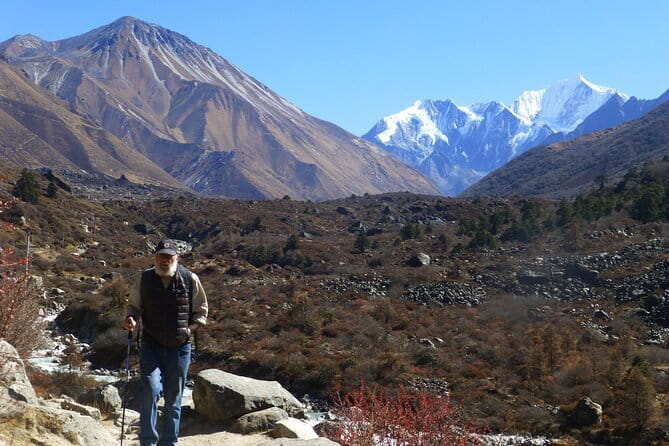
Langtang feels human, not hype. This trek works because it connects Tamang villages and high-mountain scenery in a way that feels steady, doable, and real. You get the chance to see how communities are rebuilding after the 2015 earthquake, while still enjoying classic Himalayan views.
What I love most is the cultural core of the route, especially the time around Kyanjin Gompa. The monastery visit, plus the nearby cheese factory stop, makes the day feel specific and grounded, not just about walking for walking’s sake.
One thing to consider is that conditions can swing, and your comfort depends on pacing and weather at altitude. Also, the meals info is a little mixed on paper, so you’ll want to confirm exactly what you’re getting before you go.
In This Review
- Key things worth knowing before you trek Langtang
- Why Langtang Valley makes sense if you’re tired of the big-name crowds
- The big value question: is the $1,110 price fair for this 8-day trek?
- Day 1: Kathmandu to Syabrubesi, the ride that sets the tone
- Day 2: Syabrubesi to Lama Hotel, forest walks and the river rhythm
- Day 3: Lama Hotel to Langtang Village, where the earthquake story becomes real
- Day 4: Langtang Village to Kyanjin Gompa, monastery day plus cheese factory stop
- Day 5: Kyanjin Gompa to Cherco Ri, the key “views day”
- Day 6: Cherco Ri back down to Lama Hotel, an easier downhill reset
- Day 7: Retrace to Syabrubesi, with an optional scenic detour
- Day 8: Return to Kathmandu, green hills and a more normal pace
- Who this trek is best for (and who should reconsider)
- The meal situation: what you should confirm before you pay
- Gear and comfort tips that fit this specific itinerary
- The bottom line: should you book this Langtang Valley trek?
- FAQ
- How long is the Langtang Valley Trek from Kathmandu?
- Where does the trek start and end?
- Is a trekking permit and TIMS card included?
- What kind of guide do I get?
- Where will you stay during the trek?
- Are meals included, or do I pay extra for food?
- What level of fitness do I need?
Key things worth knowing before you trek Langtang
- Tamang heritage first, not a generic trekking circuit, with villages that show daily life and resilience
- Kyanjin Gompa plus the cheese factory, a memorable cultural add-on rather than a quick pass-by
- A clear itinerary rhythm, with an easier downhill day (Lama Hotel) that helps you finish strong
- Permits handled for you, since the package includes a trekking permit and TIMS card
- English-speaking guide and first aid support, plus guesthouse stays during the trek
Why Langtang Valley makes sense if you’re tired of the big-name crowds
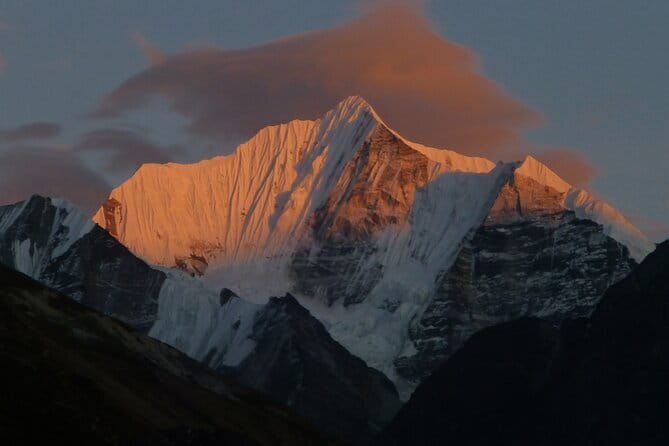
Langtang Valley sits in the sweet spot between famous and quiet. If you’re steering clear of the constant hustle that comes with Everest and Annapurna trekking routes, this one feels calmer and more local. The valley’s story is also part of the experience. You travel through settlements that are still rebuilding, and that adds meaning when you see restored trails, repaired stone houses, and people getting their routines back.
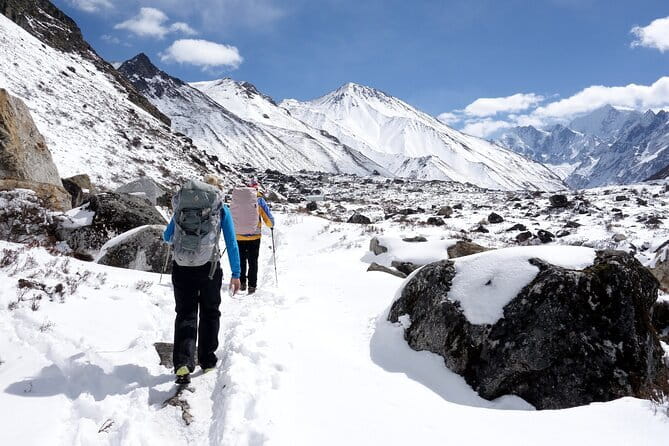
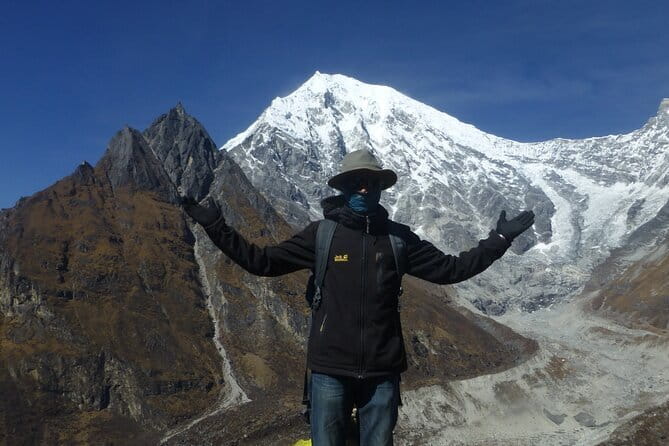
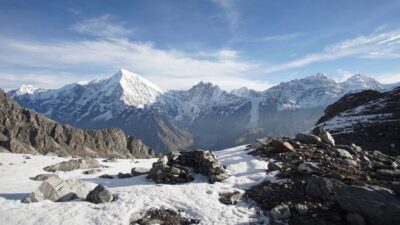
At the same time, this is not a spiritual retreat where you only think about meaning. It’s a hiking trip with mountain payoff. On clear days, the views roll over you, with big names like Langtang Lirung, Ganesh Himal, and even mention of Shishapangma in Tibet. You’ll also have optional summit-style side hikes listed in the overall trip concept, like Kyanjin Ri or Tserko Ri, so there’s flexibility if the group has the energy.
The pacing fits travelers with moderate fitness. The itinerary keeps walking times mostly around 5 to 7 hours, and the route design helps you, including that later day that’s intentionally easier as you drop in altitude.
More Treks in Kathmandu
- Everest Base Camp Trek – 14 Days
★ 5.0 · 1,499 reviews - Everest Base Camp Trek
★ 5.0 · 842 reviews - Everest Base Camp Trekking
★ 5.0 · 485 reviews
The big value question: is the $1,110 price fair for this 8-day trek?
$1,110 per person is not a budget price, so it’s worth thinking about what you’re buying. In this package, you’re paying for logistics that can be time-consuming to sort out on your own: hotel pickup and drop off, round trip sharing bus transfers, and paper handled via included trekking permit and TIMS card.
Then there’s the human part. You get an English-speaking experienced trekking guide, a team structure that includes a first aid box, and guesthouse accommodation during the trek. You’re also getting scheduled meals and snacks support built into the day plan, though the package notes meals in a slightly confusing way (more on that below).
So the value is strongest if you want your trip organized end-to-end. If you enjoy planning everything yourself, you might see ways to spend less. But if you’d rather focus on the trail and the views, this setup is the kind that keeps the stress low.
Day 1: Kathmandu to Syabrubesi, the ride that sets the tone
Day 1 is mostly transit, about 6 to 7 hours from Kathmandu to Syapru Besi (Syabrubesi). You’ll break the ride with a few stops, and the route crosses the Trishuli area. This matters because it helps you shake off the travel day and arrive with more energy for the next stages.
Practical take: use the bus day to sort your clothing layers. Mountain weather can change fast, and you’ll be happier if your system is simple. Also, because you start trek logistics right away, make sure you know where your daypack essentials are, not buried under sleeping gear.
Day 2: Syabrubesi to Lama Hotel, forest walks and the river rhythm
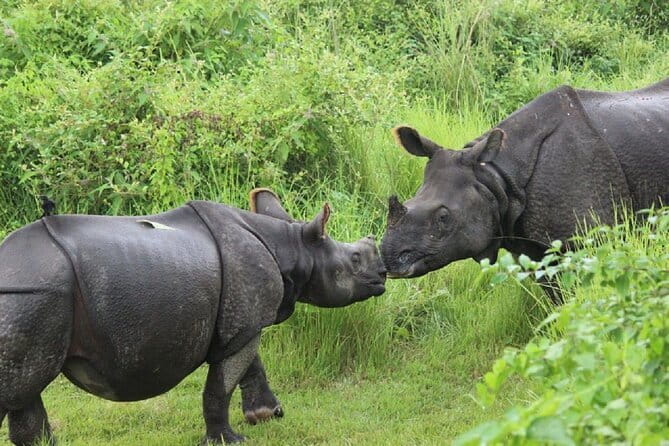
On Day 2, you shift into trekking, around 6 hours to Lama Hotel. The route is described with subtropical forests, rhododendron, oak, bamboo, and suspension bridges, with the Langtang River gushing nearby.
This is a great orientation day. Forest walking helps you build stamina without the pressure of constant steep altitude gain. You’ll get used to the rhythm: walk, pause for breath, notice the trail, then repeat.
A small reality check: forest days can feel cooler under the canopy, but you still work up a sweat. Bring a light layer you can remove fast, and keep something rain-ready in your pack just in case.
More Langtang Valley treks:
- Langtang Valley Trek
★ 5.0 · 140 reviews - Langtang Valley Trek
★ 5.0 · 61 reviews - 8 Days Tour in Langtang Valley Trek
★ 5.0 · 45 reviews - Private 8 – Day Langtang Trekking
★ 5.0 · 29 reviews
Day 3: Lama Hotel to Langtang Village, where the earthquake story becomes real
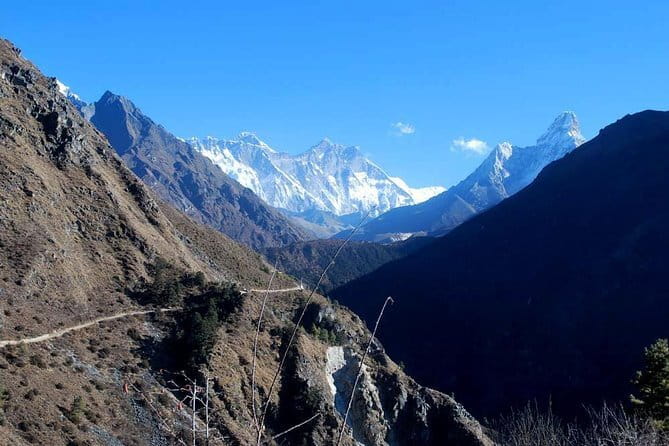
Day 3 is your push toward the heart of the valley, roughly 6 hours to Langtang Village. This is where the trip becomes more than scenery. You ascend through changing landscapes and arrive at a community still recovering from the 2015 earthquake.
What makes this day meaningful is the contrast. You’re hiking through high-mountain terrain, but the destination is a place where people live with the long tail of a disaster. That creates a different kind of travel satisfaction. It’s not just photo ops, it’s seeing how daily life resumes.
You’ll also start noticing the architecture transition into classic valley styles: traditional stone houses and more pastoral settings as you go.
Day 4: Langtang Village to Kyanjin Gompa, monastery day plus cheese factory stop
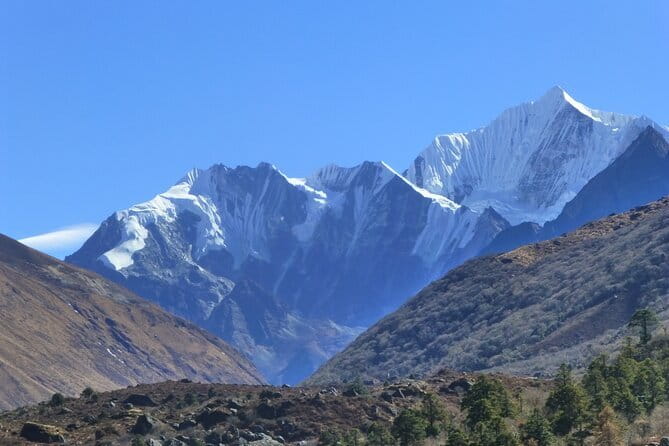
Day 4 is about 5 hours and centers on Kyanjin Gompa. The day is described as not overly long, which is good because Kyanjin Gompa is both religious and scenic. Expect panoramic mountain views, an ancient monastery atmosphere, and a stop connected to the famous Kyanjin cheese factory.
This is a big day for first-time trekkers who wonder what they’re really getting. It’s not only about reaching a viewpoint. It’s about seeing how spirituality ties into the local economy and routine. Even if you’re not a monastery person, you’ll likely find the place easier to understand once you’re there in context.
If you’re traveling as a solo woman, this is the kind of day where having a careful guide and a steady group flow can help you feel relaxed. The trip’s overall reviews highlight that kind of supportive, caring approach.
Day 5: Kyanjin Gompa to Cherco Ri, the key “views day”
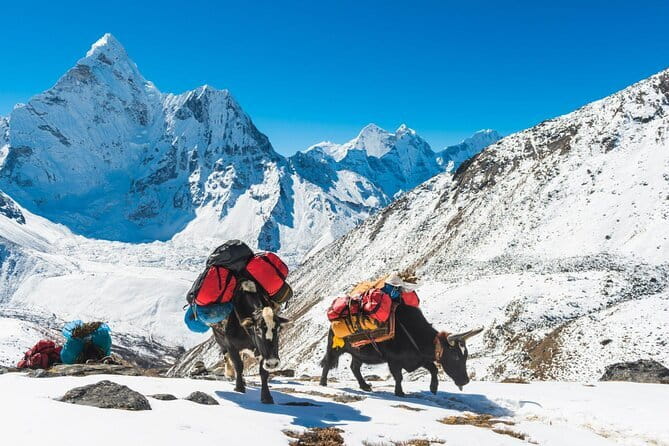
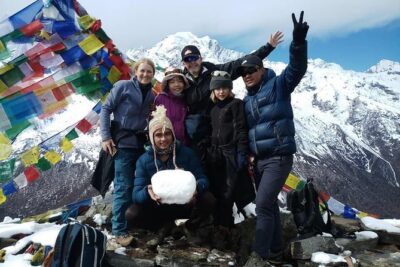
Day 5 is the trek’s big effort day. After early breakfast with packed snacks, you hike toward Cherco Ri, crossing a small wooden bridge over the Langtang River before climbing.
This is the day that’s meant to pay you back. It’s listed as the most important day, and the structure makes sense: start early, carry snacks, climb while conditions are best, then enjoy whatever panorama the sky gives you.
A practical note: peaks reward early starts. If clouds build later, you don’t want to be turning around halfway through. Stick with the group pace, take short breath breaks, and focus on steady steps rather than trying to sprint. Your legs will thank you on Day 6.
Also, if you want extra variety, the overall trip concept includes optional hikes to Kyanjin Ri or Tserko Ri. If you’re offered a side-hike option, use it wisely. Don’t overbook your energy when Cherco Ri is already a highlight.
Day 6: Cherco Ri back down to Lama Hotel, an easier downhill reset
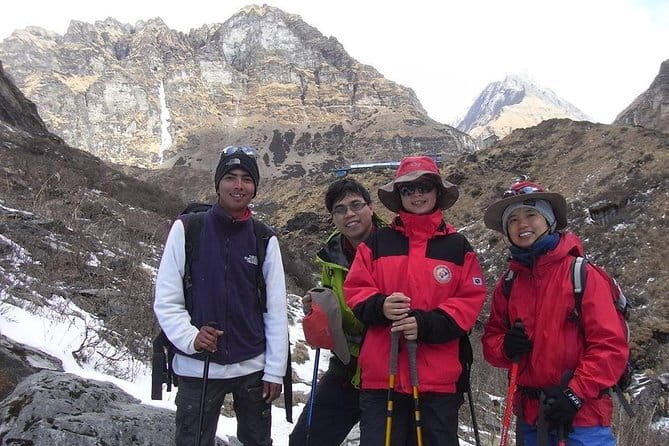
Day 6 is a relief day in disguise. You walk back toward Lama Hotel for about 6 hours, and it’s described as an easy downhill walk because altitude drops. The valley narrows along the way, which makes the scenery feel more intimate and less wide-open.
This is where good trekking style matters. Downhill can feel easier than uphill but it can also beat up knees if you rush. Keep your steps shorter, and use trekking poles if you have them. If you don’t, focus on slow, controlled foot placement.
This day is also psychologically helpful. You’ve already done the key climb. Now you’re consolidating gains and preparing for an easier finish back to Syabrubesi.
Day 7: Retrace to Syabrubesi, with an optional scenic detour
Day 7 brings you back to Syabrubesi again, about 7 hours. The itinerary notes that it’s easier since you’re mostly descending. There’s also an optional route via Sherpagaun, described as more scenic.
If your body feels good, this is a nice place to consider the optional path. If you’re tired or your legs feel tight, stick with the main route and bank the energy for Day 8 transfer comfort.
Either way, this is a good day to notice what changed since Day 1. The river, the trail texture, the village rhythms, and the mountain shapes all start to feel familiar, which makes the walk out feel like a clean loop, not a one-way grind.
Day 8: Return to Kathmandu, green hills and a more normal pace
On Day 8, you travel back to Kathmandu in the morning, with a trip time around 6 hours. The ride is described as crossing green hills, forests, riverside views, and countryside.
When you’re done with a trek, the best part of the return ride is that you don’t have to think about foot placement or altitude. Your brain can finally switch gears to recovery: hydration, warm food, and a shower that feels like a small luxury.
Who this trek is best for (and who should reconsider)
This trek suits travelers with moderate physical fitness who want a culturally grounded Himalayan trek without trying to do something extreme. It also fits people who prefer organization and support, since you get guide leadership, guesthouse stays, and included permits.
It’s also a solid match if you care about respectful travel. The route explicitly emphasizes Tamang heritage and the reality of earthquake recovery in Langtang Village. That kind of trip tends to work best for travelers who are curious, patient, and open to meeting people in their daily context.
Reconsider if you want a pure luxury trip or if you’re sensitive to changing mountain weather. Also, if you have any issues that affect walking endurance, talk to your doctor first. The trip is not listed for physically ill travelers.
The meal situation: what you should confirm before you pay
Here’s the practical snag. The package includes a meal count in the main “Included” list (breakfast for 7 days, lunch for 8, dinner for 8). But the “Not Included” section also says all meals are not included, with an approximate budget of $25 per day.
That doesn’t mean you’re being tricked, it means you should confirm exactly what’s covered when you book. Ask whether your breakfasts, lunches, and dinners are fully included for the trek days, and whether the $25/day is for extra meals outside the trek plan or for snacks and drinks.
Until you confirm, plan with a little buffer money. Mountain trekking always has extra costs: tea, water treatment, snacks, and occasional emergency purchases.
Gear and comfort tips that fit this specific itinerary
Since your days are a mix of forest walks, village trekking, and one key ridge day, aim for gear that makes shifting conditions easy.
- Layering matters because you go from forest humidity to higher, cooler air.
- Foot support matters because downhill on Day 6 and the walkout Day 7 can be tough on knees even when the route is described as easier.
- Small snack strategy helps since Day 5 starts early with packed snacks and climbs toward a viewpoint.
- Bring cash for incidentals, since permits and guide services are covered, but drinks and personal items are not clearly settled in the info.
If you want to travel light but comfortable, pack like you’ll need a warm layer for mornings and a breathable layer for the climbs.
The bottom line: should you book this Langtang Valley trek?
I’d recommend booking this trek if you want a culturally meaningful Himalayan walk, a route that feels calmer than the big-name trekking corridors, and logistics that are mostly handled for you. The strongest pull is the combination of Tamang villages, Kyanjin Gompa, and the big viewpoint climb day.
I’d hold off or at least ask questions before booking if you’re budget-strapped, because $1,110 is a serious chunk of money. And I’d definitely confirm meal coverage, since the included and not-included meal notes don’t match perfectly.
If you like travel that respects place and people, and you’re okay with moderate trekking and real mountain conditions, this is a trip that can stick with you long after the bus ride back to Kathmandu.
FAQ
How long is the Langtang Valley Trek from Kathmandu?
The tour duration is listed as about 8 days.
Where does the trek start and end?
It starts with transport from Kathmandu to Syapru Besi (Syabrubesi), and ends with the return journey back to Kathmandu on Day 8.
Is a trekking permit and TIMS card included?
Yes. The package includes a trekking permit and a TIMS card.
What kind of guide do I get?
You’ll have an English-speaking experienced trekking guide during the trek.
Where will you stay during the trek?
You stay in guesthouses during the trek.
Are meals included, or do I pay extra for food?
The details are mixed. The included list mentions breakfast, lunch, and dinner counts, but the not-included section also says all meals are not included (with an approximate budget of $25 per day). You should confirm meal coverage when you book.
What level of fitness do I need?
The tour notes that travelers should have a moderate physical fitness level, and it also advises that physically ill persons should not participate.
More day tours out of Kathmandu
- Nagarkot Sunrise View and Day Hiking from Kathmandu
★ 5.0 · 471 reviews - Private Bhaktapur and Nagarkot Day Tour From Kathmandu
★ 5.0 · 305 reviews - Day Trip to Bhaktapur and Panauti from Kathmandu
★ 5.0 · 184 reviews - From Kathmandu: 1 hour Panoramic Everest Flight
★ 4.4 · 175 reviews
Latest additions near Kathmandu
- White Water River Rafting – 1 Day★ 4.3 · 3 reviews
- Traditional Momo Making Class★ 5.0 · 10 reviews
- Kathmandu to Pokhara Premium sofa bus ticket★ 4.0 · 17 reviews
- Ghorepani Poon Hill Trek★ 5.0 · 16 reviews
- Amazing 1 Day Trekking Experience in Kathmandu Nepal★ 5.0 · 24 reviews
- Ghorepani Poonhill Trek★ 5.0 · 5 reviews
- Walking tour of real Kathmandu through back streets.★ 5.0 · 3 reviews
- Wildlife Adventure in Chitwan Nepal★ 4.0 · 4 reviews
Langtang Valley Treks, compared.
Trekking in Annapurna/Langtang/Everest/Upper Mustang regions
Read our review →
Browse the lists this tour appears in