
Reviewed · LANGTANG VALLEY TREKS
Langtang Valley Trek
Glaciers without the grind. The Langtang Valley Trek is a smart way to get big Himalayan views and real village life without needing a long expedition, thanks to the easy access from Kathmandu and the steady, mostly manageable trail pace. It runs inside Langtang National Park, a region still bouncing back after the 2015 earthquake, so you get both scenery and a sense of recovery in motion.
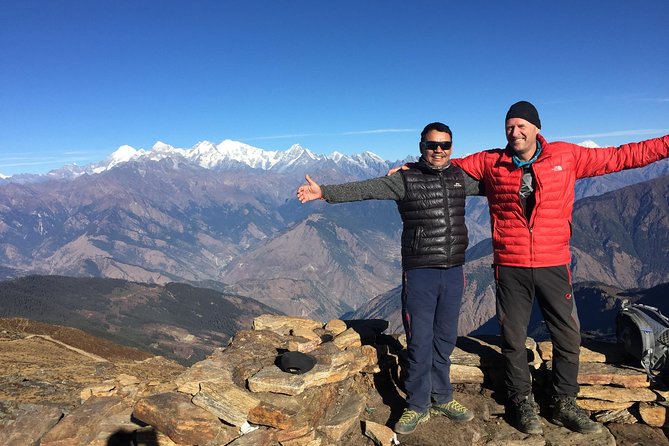
Two things I really like are the way you’re guided into classic Langtang highlights (not just a walk in the woods) and how the trekking feels culturally grounded, not touristy. You’ll also reach Kyanjin Gompa, where Buddhist life is visible in chortens, prayer flags, and the quiet rhythm of the monastery area. For the views, the payoff is especially good at Tserko Ri, where the highest point on this route is timed for sunrise.
One consideration: this isn’t a flat stroll. The trail has steeper pulls, especially after Rimche on the way up, and you’ll need to carry your own gear since a trekking porter is not included. Add cold morning temps at higher points, and you’ll want to pack for layers and keep your pace steady.
In This Review
- Key things to know before you go
- Why Langtang Valley works when time is short
- Kathmandu to Syabrubesi: the Prithvi Highway warm-up
- Rimche to Lama Hotel: following Langtang Khola’s steady pull
- Langtang village and Mundu: the view, the waterfalls, and the rebuilt houses
- Kyanjin Gompa day: where prayer flags make sense
- Tserko Ri sunrise: the highest point and the yak cheese payoff
- The way down to Syabrubesi: Rimche again, but faster
- Back to Kathmandu: what to do with the last travel day
- Price and value: what $860 covers, and what you’ll pay on top
- Guides and organization: where the experience gets smoother
- What to pack and how to set expectations
- Who should book Langtang Valley, and who should reconsider
- Should you book the Langtang Valley Trek?
- FAQ
- How long is the Langtang Valley Trek?
- What is the starting and ending point of the trek?
- What is included in the tour price?
- Is a trekking porter included?
- Do I need to pay a visa fee?
- Is pickup offered?
- What fitness level is required?
- Is this a private tour?
Key things to know before you go
- Syabrubesi is a practical launchpad with guesthouses, restaurants, shops, and even ATMs, so you can sort gear and settle in fast.
- Oak and rhododendron trail time is real on most days, which helps break up the hike and keeps the walk feeling alive.
- Kyanjin Gompa hits the Buddhist core with prayer flags, wheels, chortens, and plenty of small local details to notice.
- Tserko Ri is the big altitude moment on this route, with sunrise views over the Langtang range and yak pastures on the way up.
- Meals and lodge stays are built into the plan (breakfast and lunch most days, dinner on most nights), which makes day-to-day budgeting easier.
- Organization tends to be responsive based on past experiences shared with the company, including attentive guides and help when baggage issues pop up.
Why Langtang Valley works when time is short
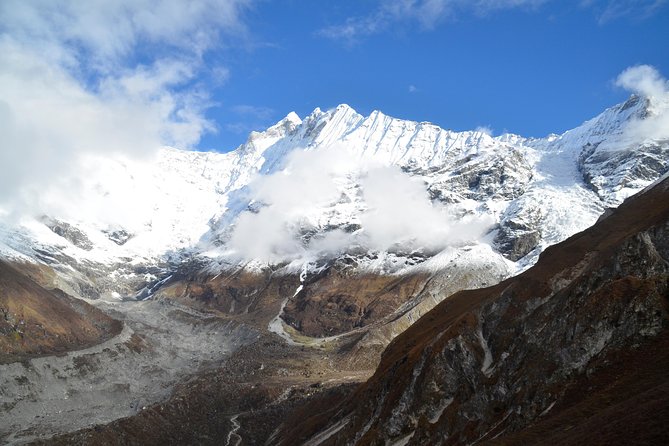
Langtang Valley gets nicknamed the Valley of Glaciers for a reason. You’re not just watching mountains from far away. Over these 8 days, you move through river valleys, yak grazing areas, and monasteries that sit right in the mountain’s orbit. The trek is also close enough to Kathmandu that it feels reachable for people who cannot spend two or three weeks in the Himalaya.
There’s another side to Langtang that you’ll feel while hiking: the region is still rebuilding. Even when you stay in working trekking villages with teahouses, you’ll notice how different the old homes and newer lodges can look. That mix gives the trip extra meaning beyond photos.
More Treks in Kathmandu
- Everest Base Camp Trek – 14 Days
★ 5.0 · 1,499 reviews - Everest Base Camp Trek
★ 5.0 · 842 reviews - Everest Base Camp Trekking
★ 5.0 · 485 reviews
Kathmandu to Syabrubesi: the Prithvi Highway warm-up
Your trek starts with a long drive from Kathmandu to Syabrubesi, about 7 hours, using the Prithvi Highway. It’s a useful warm-up day because you’re not already at altitude and scrambling to find your trail legs. Instead, you get to watch the countryside change, passing villages, terraced farms, and green hillsides, with mountains appearing off and on along the way.
Along the route, you’ll pass through places like Galchi and Trishuli Bazaar, and you also reach Dhunche, the administrative hub of Rasuwa District. You’ll then finish the day at Syabrubesi, which is the standard gateway town for Langtang treks. What matters for you practically is that Syabrubesi has the basics covered: guesthouses and restaurants, shops for small needs, and ATMs if you need cash before you head deeper in.
If you’re the type who likes being organized, this first day helps. You can walk around, get your bearings, and buy any last snack or warm layer items before the trail takes over.
Rimche to Lama Hotel: following Langtang Khola’s steady pull
Day one of trekking feels like the transition from the road life into mountain life. After early breakfast, you start by crossing a small suspension bridge over Ying Yang Khola, then leaving the main road behind on a narrower trail.
From there, the hike runs alongside Langtang Khola with gradual switchbacks. The forest is a big part of the experience: you’ll spend a lot of the day under oak and rhododendron, which makes the walking more interesting than a single-file dirt road. You’ll also likely spot birds and langurs, and it’s worth staying alert for movement along the trail edges.
You’ll pass through small teahouse settlements such as Tiwari Gaon, Bamboo, and Rimche. The names matter here because they break the day into manageable chunks. Then the trail turns relatively steep after Rimche until you reach Lama Hotel.
A practical note: that late-day steepening is where many people slow down, not because they are unfit, but because altitude and effort start stacking up. If you want the trek to feel good, pace yourself early, and don’t sprint for the view points. You’ll have plenty of chances later.
Langtang village and Mundu: the view, the waterfalls, and the rebuilt houses
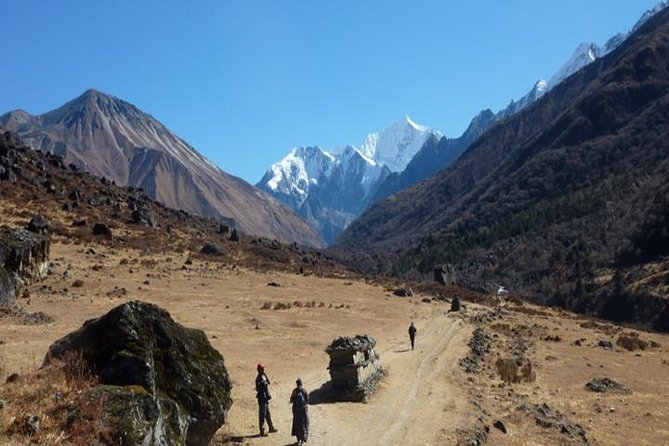
The next day moves you toward Langtang village, described as a rocky hillside with waterfalls and occasional glimpses of Langtang Lirung. As you follow the river uphill, the trail’s mood shifts from forest shade to more open valley angles.
One of my favorite parts of this day is the way you walk past Ghoda Tabela, wide yak pastureland. This is where the Langtang range starts showing itself more confidently, and where the trekking feels distinctly Himalayan rather than simply rural. You’re not just walking between villages, you’re walking through an active landscape shaped by animals and seasonal grazing.
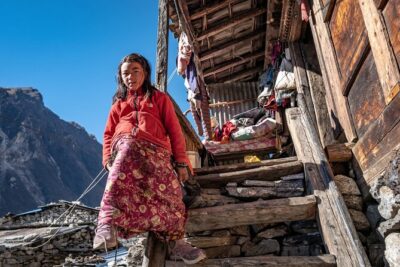
The route then continues through Tamang villages and monasteries to reach the Tamang settlement of Langtang. After that, there’s a short onward walk to Mundu, about a 30-minute stretch. Mundu is especially meaningful because you’ll see older homes that act like a reminder of what these villages used to look like. Many lodges and houses around here are now rebuilt in a more modern style, so you get a visible contrast between past and present.
If you like travel that connects culture and place, this is a strong day. It’s also a good day to keep your questions friendly. The people here live with this terrain every day.
More Langtang Valley treks:
- Langtang Valley Trek
★ 5.0 · 140 reviews - Langtang Valley Trek
★ 5.0 · 61 reviews - 8 Days Tour in Langtang Valley Trek
★ 5.0 · 45 reviews - Private 8 – Day Langtang Trekking
★ 5.0 · 29 reviews
Kyanjin Gompa day: where prayer flags make sense
When you leave Mundu and head toward Kyanjin Gompa, the trail starts with a gentle incline through yak pastures. The valley opens up more, and you’ll probably find yourself stopping just to absorb how the mountain scale changes as you climb.
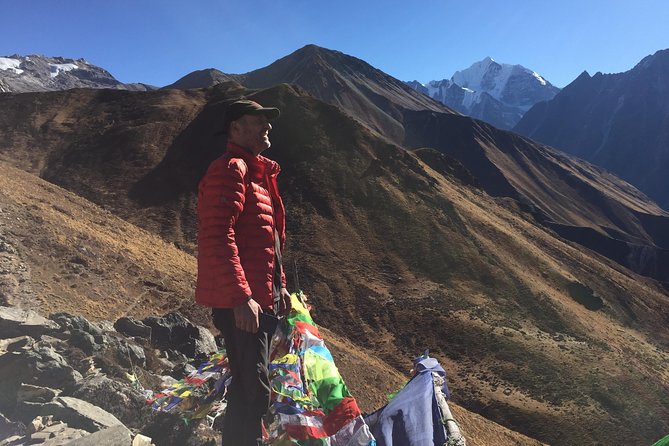
On the way, you pass villages, water mills, and chortens. Then come the classic Buddhist details that make this part of the trek feel like a living place: prayer flags, prayer wheels, and small dwellings built along the route. This is one of those days where the cultural layer is not separate from the hiking. The trail is part of the practice.
Once you arrive at Kyanjin Gompa, the afternoon is your time. Some people use it to relax. If you have the energy, you can explore higher up toward Langshisha Kharka for extra views up the valley. That’s an optional add-on, not required, but it can help you turn arrival day into a memorable one rather than just check-in and bedtime.
The monastery area also makes a useful contrast with lower villages. Here, the mood is calmer, more focused, and the visuals are sharper.
Tserko Ri sunrise: the highest point and the yak cheese payoff
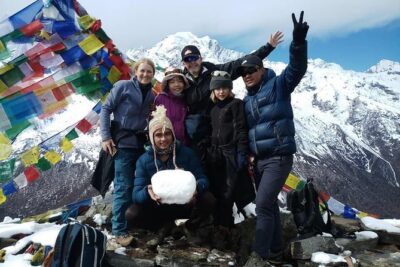
Day five is built around a hike to Tserko Ri, the highest point on this trek route. You’ll go through pastures with yaks, and the air tends to feel sharper as you get higher. The promise of sunrise matters because it turns a tough climb into a reward-driven one.
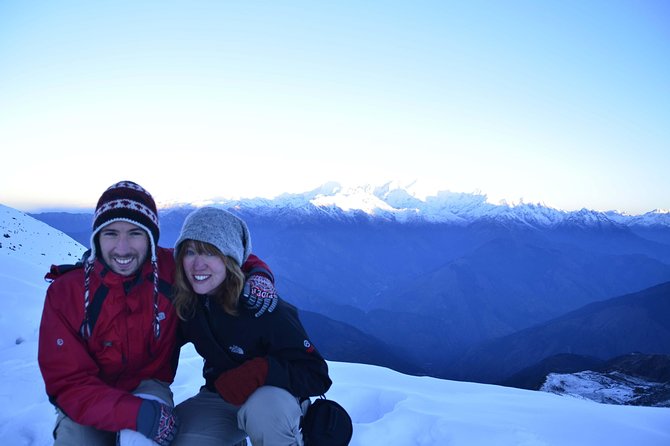
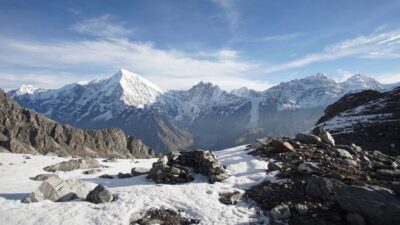
When you reach the top, you get a spectacular sunrise and a breathtaking view of the Langtang range. Plan to spend time up there, because those views don’t stay put. Even if the clouds shift, the valley below continues to change.
After your time at the top, you hike back down to Kyanjin, then explore the village area. A very fun, very practical stop here is the yak cheese factory. You can try local cheese and also buy it if you want a souvenir that’s edible and tied to the place you hiked.
If you’re choosing between pushing hard and saving energy, this is the day to be smart. You’ll feel tired after sunrise, so don’t overextend on the descent.
The way down to Syabrubesi: Rimche again, but faster
After Tserko Ri, the return leg is about retracing your steps and staying comfortable on a long downhill day. Starting from Kyanjin, you head back down following the Langtang Khola trail toward Mundu and Ghoda Tabela, then continue to Lama Hotel for a lunch break before descending further.
The descent tends to be quicker than the ascent, but that doesn’t mean it’s easier on your body. Downhill motion can be harder on knees and calves, especially if you rush. I recommend using shorter steps and keeping your focus on footing, not speed.
The next day brings you back toward Syabrubesi. Expect a steep descent to Rimche, then a gradual path on the way back. The trail is still lined with oak and rhododendron, and the views of Langtang Khola continue to show up in gaps between trees. You’ll pass villages again and cross a suspension bridge before reaching the Syabrubesi bazaar and the connection back to the motorway.
This final trekking day has a satisfying feel. You’re moving through familiar terrain, but with the relief of knowing your hard parts are behind you.
Back to Kathmandu: what to do with the last travel day
After breakfast, you drive from Syabrubesi back to Kathmandu on the same route you used to get there. The total drive is again around 7 to 8 hours, and it’s scenic in a different way than the trek, more patchwork countryside than narrow valley trails.
When you arrive, you’ll be transferred to your hotel for your stay. That’s where you can sleep well, eat something warm and easy, and go through your photos without pretending you were not exhausted.
Price and value: what $860 covers, and what you’ll pay on top
At $860, this trek can feel like good value if you want fewer decisions and less coordination during the mountain portion. The package includes:
- Lodge accommodation during trekking
- Airport transfers and all necessary permits
- Transportation to and from the trekking starting and ending points
- Trekking gear support from Nepal Social Treks Gears, including a sleeping bag and duffel bag
- A professional trek guide
- A first aid kit
- Meals: 8 breakfasts, 8 lunches, and 7 dinners
That meal schedule matters more than it sounds. When food costs start adding up, especially with snack cravings on cold days, it’s comforting to know most meals are already handled. You’ll still want to budget for personal snacks, alcoholic drinks you choose to buy, and shopping.
What is not included is also important for your budgeting. Personal expenses are on you. Gratuities for guide and porter are on you too, and the trek specifically notes that a trekking porter is not included. That means you should plan to carry your own essentials, plus you may want to consider hiring a porter separately if your back is likely to get upset.
Finally, Nepal entry visa fees should be paid directly by you, and international flights are not included. Also, travel and medical insurance is not included, so if anything goes wrong, you’ll want your own coverage.
Guides and organization: where the experience gets smoother
A good trekking guide makes the trail easier in ways you can’t always measure. In past trips connected to this company, guides such as Santabir, Sandip Aryal, Kamal, and Yadu were highlighted for attentiveness and adapting to different needs. Another guide mentioned, Bishnu, stood out for being helpful when the booking was arranged at the last minute. Madan was also praised for making organization feel tight even across a longer run that included Langtang Valley.
Even if you never meet those exact guides, the pattern is worth noting: people talk about guides who pay attention to comfort and pacing, not just route navigation. You’ll also see consistent praise for smooth organization and responsive communication before the trek, including help when baggage issues come up.
So how does that help you? It means fewer day-to-day stress points. When you arrive in a Himalayan town, your brain is already tired. Being handled well, with someone who knows the rhythm, is the difference between a trek that feels heavy and one that feels manageable.
What to pack and how to set expectations
The trek includes lodge stays, so you’re not carrying a tent kit. But you still need to pack like you will be cold at the top. Bring layers, something warm for early morning starts, and rain protection you trust.
Because you may be carrying your own stuff, pack efficiently:
- Put your daily essentials in an easy-access daypack.
- Keep warm items separate so you don’t rummage in the dark.
- Expect weather shifts. The trek moves from forest to higher pasture and monastery zones where wind and chill can change fast.
Also, don’t underestimate how long a day can feel even when the “hours” seem reasonable on paper. The trail is active, and the payoff views tend to happen when you’re already tired. That’s why pacing and comfort matter.
Who should book Langtang Valley, and who should reconsider
This trek is a great match if you:
- want Himalayan views without a super long, high-stress expedition
- enjoy village trekking, teahouse stops, and cultural detail like monastery life
- want a trek that’s close enough to Kathmandu to fit a tighter schedule
- are comfortable with a moderate fitness level and some steep sections
You might reconsider if you:
- need a porter included (since a trekking porter is not included here)
- struggle with downhill fatigue, especially after steeper climbs
- want a fully flat itinerary with minimal elevation challenge
Should you book the Langtang Valley Trek?
I’d book it if your goal is classic Langtang: villages, yaks, prayer flags, and that sunrise moment at Tserko Ri, all with a plan that handles permits, guide support, and most meals. The $860 price is easiest to justify when you value fewer logistics decisions and predictable daily rhythm.
Skip it or ask more questions first if carrying gear is a deal-breaker for your comfort. Also, if cold mornings make you miserable, pack carefully and plan to move steadily rather than rushing for rest stops.
If you want a Himalayan trek that feels grounded, practical, and genuinely worth the effort, Langtang Valley is a strong choice.
FAQ
How long is the Langtang Valley Trek?
The trek lasts about 8 days.
What is the starting and ending point of the trek?
You start from Syabrubesi (with a drive from Kathmandu to Syabrubesi) and return to Syabrubesi, then continue by drive back to Kathmandu.
What is included in the tour price?
The package includes lodge accommodation during trekking, airport transfers and necessary permits, transportation from the trek start and end points, sleeping bag and duffel provided for use during the trip, a professional trek guide, a first aid kit, and meals (8 breakfasts, 8 lunches, and 7 dinners).
Is a trekking porter included?
No. A trekking porter is not included in the package.
Do I need to pay a visa fee?
Yes. Nepal entry visa fees must be paid directly by you.
Is pickup offered?
Yes, pickup is offered, and the meeting area is noted as near public transportation.
What fitness level is required?
It’s intended for travelers with moderate physical fitness.
Is this a private tour?
Yes. This is a private tour or activity, and only your group will participate.
Latest additions near Kathmandu
- White Water River Rafting – 1 Day★ 4.3 · 3 reviews
- Traditional Momo Making Class★ 5.0 · 10 reviews
- Kathmandu to Pokhara Premium sofa bus ticket★ 4.0 · 17 reviews
- Ghorepani Poon Hill Trek★ 5.0 · 16 reviews
- Amazing 1 Day Trekking Experience in Kathmandu Nepal★ 5.0 · 24 reviews
- Ghorepani Poonhill Trek★ 5.0 · 5 reviews
- Walking tour of real Kathmandu through back streets.★ 5.0 · 3 reviews
- Wildlife Adventure in Chitwan Nepal★ 4.0 · 4 reviews
Langtang Valley Treks, compared.
Trekking in Annapurna/Langtang/Everest/Upper Mustang regions
Read our review →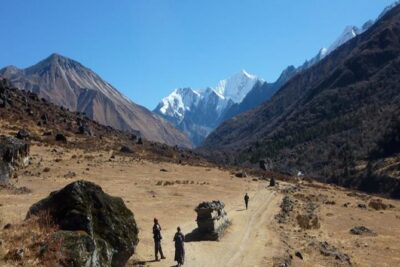
Browse the lists this tour appears in