
Reviewed · LANGTANG VALLEY TREKS
Langtang Trekking
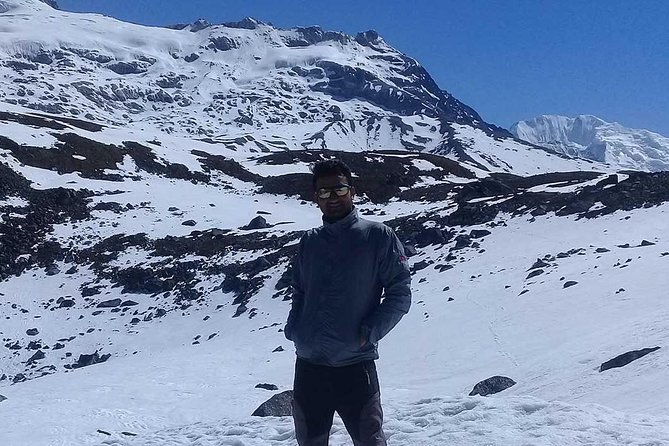
Langtang rewards patience. This 13-day Langtang Trekking combo from Kathmandu pairs big Himalayan views with Tibetan Buddhism stops like Kyanjin Gompa and Shin Gompa. I love the government-licensed English-speaking guide and how the route connects that spiritual side with Gosaikunda Lake and its vivid turquoise high-water views. One consideration: the $699 price covers key logistics, but it does not include trekking meals, trek accommodation, or bottled water, so you’ll want a realistic daily budget.
You’ll also start early, with pickup offered and a 7:15 am start time, which matters when you want daylight for trekking and photos. This is a private setup for your group, so you’re not stuck waiting around for people who move at a different pace.
In This Review
- Key highlights worth circling
- Why this Langtang trek, Gosaikunda, and Chisopani combo works
- Price and what $699 really buys
- Starting in Kathmandu: early mornings, real logistics
- Getting oriented with a licensed guide (and a sense of humor)
- Langtang Valley days: Sherpa Gaon, hamlets, and monastery stops
- Kyanjin Ri viewpoint and Kyanjin Gompa: the payoff day(s)
- Gosainkunda: turquoise lakes and high-air endurance
- Chisapani finish: a softer landing after the high country
- Seasons and when to book for the best experience
- Packing and fitness: what “moderate fitness” means here
- Food, water, and daily budget planning
- Guides you can count on, from Kumar to Pradip
- Private tour setup: better pacing for your group
- Should you book this Langtang Trekking trip?
- FAQ
- How long is the Langtang Trekking trip?
- Where is the tour located and what is the starting point time?
- Is pickup offered for this trekking package?
- What is included in the price?
- What is not included?
- Which seasons are best for this trek?
- Is this a private tour and who can join?
Key highlights worth circling
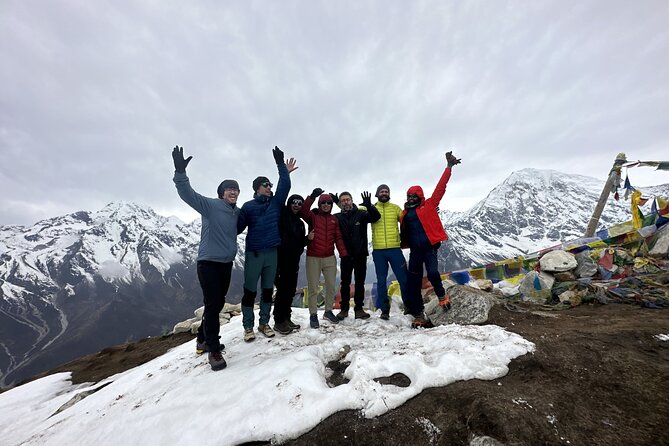
- Kyanjin Ri viewpoints for strong peak-watching payoff on the Langtang side
- Kyanjin Gompa and Shin Gompa for a real Tibetan Buddhism feel, not just pass-through sightseeing
- Gosainkunda Lake’s turquoise payoff plus the other high lake stops in the same zone
- Village texture in Sherpa Gaon and nearby hamlets where daily life still follows mountain rhythms
- Government-licensed English guide time plus photo help from guides you can actually ask questions of
- A practical route that fits a “long hours” walker rather than a casual stroll schedule
Why this Langtang trek, Gosaikunda, and Chisopani combo works
This isn’t just a line on a map. The Langtang Valley section gives you the mountain-and-village rhythm, then the Gosainkunda area shifts into high-altitude cold-air intensity with the turquoise lake focus. Finally, Chisapani gives you a quieter finish and a sense of coming back down to human scale.
I like that the highlights are not all big, dramatic lookouts. You also get monastery time at Kyanjin Gompa, plus Shin Gompa, and then you have village days such as Sherpa Gaon. That mix helps you understand what you’re seeing, not just stare at it from trail fatigue.
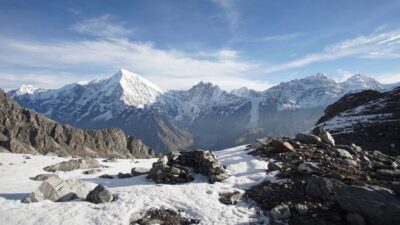
The trek also links multiple mountain backdrops. You get views of the Langtang range, and you’ll also see the Ganesh Himal and Annapurna range in the broader panorama picture. That matters because many treks in Nepal concentrate on one view corridor. Here, you get several “different angles” of the same Northern Himalayan world.
More Treks in Kathmandu
- Everest Base Camp Trek – 14 Days
★ 5.0 · 1,499 reviews - Everest Base Camp Trek
★ 5.0 · 842 reviews - Everest Base Camp Trekking
★ 5.0 · 485 reviews
Price and what $699 really buys
At $699 per person for about 13 days, you’re paying for core trip structure, not just a walking route. The included items are the big ones that usually cost money and cause stress: an English-speaking trekking guide licensed by the government, permits, and an air-conditioned vehicle. You also get mobile ticket handling, which is a small thing that can still save time in the real world.
What’s not included is just as important to plan for. Your trekking meals, breakfast, lunch, and dinner are not covered, and neither is accommodation during the trek. Bottled water is also not included, and coffee and tea plus alcoholic drinks are listed as excluded. In other words, the price is a base for the trek support and required access, and you’re responsible for daily spending once you’re on the trail.
Here’s the practical way to judge value: if you’re the kind of person who likes having a licensed guide, handled permits, and organized movement from start to trail, the $699 can be a fair deal. If you want a fully packed package where almost everything is bundled, you’ll likely spend more than you expect on meals and trek lodging.
Starting in Kathmandu: early mornings, real logistics
Most people underestimate how much Kathmandu timing affects a trek. Starting around 7:15 am means you’re not wasting prime daylight on delays. With pickup offered, you’re also less likely to burn energy on figuring out first-day transportation.
The air-conditioned vehicle inclusion is a quiet comfort, especially if your pre-trek day includes traffic and settling-in time. It also helps you stay focused on what you actually came for: Langtang Valley, Gosainkunda, and the Chisopani end.
Because this is a private tour/activity, your group stays together. That usually makes pacing easier to manage and helps the guide adjust plans if someone needs a slower break or more time for photos.
Getting oriented with a licensed guide (and a sense of humor)
This trip leans hard on guide quality, and that’s a good sign. The included English-speaking guide is licensed by the government, which typically translates to better routing decisions and more dependable explanations on culture and trail conditions.
In the feedback you can build confidence from names like Kumar and Pradip. Kumar is described as consistent, funny, and helpful across the entire trek, and Pradip is called experienced and friendly, with explanations of the landscape and cultural sites along the way. Devaraj also shows up in organization details, which matters because trek logistics can make or break the experience.
If you like asking questions, this is the kind of route where that works. When you pass monasteries and hamlets, you’ll want context for what you’re looking at. When you reach viewpoints like Kyanjin Ri, it helps to understand what you’re seeing instead of just snapping photos and moving on.
More Langtang Valley treks:
- Langtang Valley Trek
★ 5.0 · 140 reviews - Langtang Valley Trek
★ 5.0 · 61 reviews - 8 Days Tour in Langtang Valley Trek
★ 5.0 · 45 reviews - Private 8 – Day Langtang Trekking
★ 5.0 · 29 reviews
Langtang Valley days: Sherpa Gaon, hamlets, and monastery stops
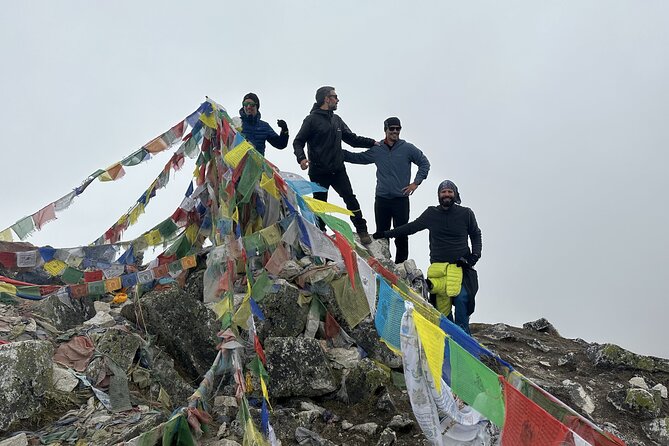
The Langtang Valley portion is where the trek earns its character. You’re walking through classic settlements where people keep traditions tied to mountain life. This is where you’ll likely get the most sense of Tibetan Buddhism influence, not just through architecture but through how daily routines align with the religious and seasonal world around them.
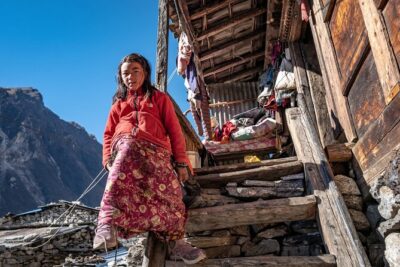
Sherpa Gaon is one of the key village names on the route highlights. I like having village stops that are not treated like a quick photo line. You get the chance to slow down, talk with locals when it’s appropriate, and learn the background behind what you’re seeing.
Then there’s the monastery element. Kyanjin Gompa is highlighted as the largest monastery of the Langtang Valley. Shin Gompa is also listed as a major spiritual stop. That combination helps you see both the big focal point and smaller related monastery presence in the wider region.
Kyanjin Ri viewpoint and Kyanjin Gompa: the payoff day(s)
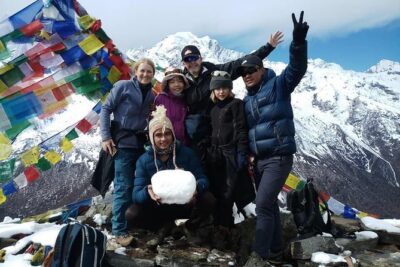
Kyanjin Ri is one of the anchor highlights, and it makes sense. Viewpoints like this are why many people choose Langtang rather than a closer or easier trek. You’re going up for wide views of the Langtang range, and you get that satisfying moment when distance feels small and the sky feels close.
Kyanjin Gompa is the matching spiritual anchor. Since it’s described as the largest monastery in the valley, it tends to give you a sense of scale and significance. I like pairing a major viewpoint with a major religious site because it changes your mental mode. Views push you into awe. Monasteries push you into reflection and understanding.
One practical tip from the overall setup: if you care about photos, aim to ask your guide to help you take pictures at view moments. Pradip is specifically mentioned for taking very nice pictures, which suggests the guide is paying attention to the details that make photos work in mountain light.
Gosainkunda: turquoise lakes and high-air endurance
This is the heart of the trek’s “wow” factor. Gosainkunda Lake is described as the unparalleled turquoise lake on the route, and it’s a major reason people choose this exact combination of Langtang and Gosaikunda. The air can feel icy up high, and the trekking focus shifts from village curiosity to endurance.
The route also includes Gosainkunda and its siblings, and two named stops stand out: Mangengoth and Mul Kharka. I like that these aren’t treated like random trail dots. They connect your day-to-day effort to the bigger goal, so you know why you’re walking when the cold starts getting serious.
From a travel-value angle, Gosainkunda works because it’s a clear destination with multiple payoff moments: the lake itself, the surrounding high terrain, and the way the monasteries and culture show up differently at altitude. You’re not only chasing scenery. You’re walking through a mountain spiritual geography.
Chisapani finish: a softer landing after the high country
Chisapani is included as a key highlight near the end of the trek route. Chisapani can feel like a transition point, where you stop thinking only about high-altitude intensity and start noticing how the trek fits back into a longer Nepal travel rhythm.
It’s also part of why this package is a good “arc” trek. You move from Langtang Valley villages and gompas into the high Gosainkunda zone, then you return toward lower, steadier walking life. That arc is satisfying because it gives you closure.
In one set of feedback tied to a shorter trek format in the same region, Pralad and porter Sunil are praised for bringing people to beautiful places and good hotels, plus patience when the walking pace slowed. While that’s a different trip length, it supports an important expectation: you’ll likely get flexible help if your group moves slower than planned.
Seasons and when to book for the best experience
You can do this trek in any season except winter. Monsoon is not so good, but trekking is possible, so rain planning matters if you go in wet months. Spring and autumn are listed as the best seasons, and that usually means clearer skies and more stable walking conditions.
I’d think about it this way: in monsoon, you’re trading visibility for lush conditions and riskier footing. In spring or autumn, you’re more likely to get the kind of view-time you want for Kyanjin Ri and the wider panorama you came for.
If you’re deciding between dates, pick based on what you want most. If you really care about photo-friendly skies, lean toward spring or autumn. If you can handle weather changes and you want a quieter off-peak mood, monsoon can still work with the right mindset.
Packing and fitness: what “moderate fitness” means here
The trip is described as doable for anyone who is at least fit to walk for long hours, with moderate physical fitness. That’s a fair target, but you should treat it like a heads-up, not a guarantee.
Plan for long uphill and high-altitude cold-air sensations, especially around the Gosainkunda segment where icy air is specifically called out. Even if you’re fit, you’ll want to be smart about pace, breaks, and hydration.
Since bottled water is not included, plan how you’ll handle water on-route. The listing also excludes snacks, so you should bring your own trail comfort items. If you rely on buying everything daily, your budget and energy can get squeezed.
Food, water, and daily budget planning
This is where many trekkers feel surprised. The trek’s included items do not cover your meals, trek accommodation, or bottled water. That means your day-to-day spending will depend on where you sleep and what meal options are available at the stops your group reaches.
Even with a guide and permits handled, you still need to budget for:
- Breakfast, lunch, and dinner during the trek
- Bottled water
- Coffee and tea
- Snacks
A helpful approach is to set a daily estimate before you go, then add a buffer for cold days when you want extra hot drinks or higher-calorie snacks. This is one of those “small choices add up” treks.
Guides you can count on, from Kumar to Pradip
One of the most praised parts across the feedback is how guides make the trek feel livable. Kumar is described as amazing, consistently funny, and able to answer questions. Pradip is described as experienced and friendly, with explanations of what you’re seeing and a knack for taking nice pictures.
Devaraj gets credit for organization, which matters because trekking is not only physical, it’s also scheduling, timing, and handling the little surprises that show up in mountain travel. When organization is good, you can relax into the route instead of second-guessing logistics.
What I like about this pattern is it’s not only about friendliness. It’s about competence plus personality, which is the best combo for a 13-day trek where you’re spending a lot of hours with the same small team.
Private tour setup: better pacing for your group
This is a private tour/activity, meaning only your group participates. That can help when people in your party have different trekking comfort levels, because you’re not trying to force everyone into one rigid pace.
Also, since it’s run by Trek Mania Nepal, you should expect a consistent team approach: guide, and the trip structure that includes permits and transportation. That’s especially valuable on routes where the culture and spiritual sites are part of the point, not an extra.
Should you book this Langtang Trekking trip?
Book it if you want a focused Langtang Valley experience that goes beyond walking. The mix of Kyanjin Ri, major monastery time at Kyanjin Gompa and Shin Gompa, and the big turquoise payoff of Gosainkunda Lake gives you multiple reasons to stay motivated when the cold and fatigue show up.
Don’t book it if you want a fully bundled deal where meals, trek accommodation, and water are included in the base price. Because those are listed as not included, you’ll need to plan your extra costs.
You’ll likely love this trip most if you’re comfortable walking for long hours, you like learning about Tibetan Buddhism and local village life, and you care about guided context for both culture and mountain views. If that sounds like you, this is a strong choice from Kathmandu for a Northern Himalayas trek with real meaning built in.
FAQ
How long is the Langtang Trekking trip?
The trek is listed as 13 days (approx.).
Where is the tour located and what is the starting point time?
The tour is based in Kathmandu, Nepal, with a start time of 7:15 am.
Is pickup offered for this trekking package?
Yes, pickup is offered.
What is included in the price?
The included items are an English speaking trekking guide licensed by Government, permits, and an air-conditioned vehicle.
What is not included?
Not included are trekking meals (lunch, dinner, breakfast), accommodation during the trek, bottled water, snacks, alcoholic beverages, coffee and/or tea, visa fee to enter Nepal, international flight tickets, travel insurance, and tips for guide and porters, plus all fees and taxes.
Which seasons are best for this trek?
The trek can be done in any season except winter. Monsoon is not so good but trekking is possible, while spring and autumn are listed as the best seasons.
Is this a private tour and who can join?
It is a private tour/activity, so only your group will participate. It is recommended for people with at least moderate physical fitness level, and service animals are allowed.
Latest additions near Kathmandu
- Traditional Momo Making Class★ 5.0 · 10 reviews
- White Water River Rafting – 1 Day★ 4.3 · 3 reviews
- Kathmandu to Pokhara Premium sofa bus ticket★ 4.0 · 17 reviews
- Ghorepani Poon Hill Trek★ 5.0 · 16 reviews
- Amazing 1 Day Trekking Experience in Kathmandu Nepal★ 5.0 · 24 reviews
- Ghorepani Poonhill Trek★ 5.0 · 5 reviews
- Walking tour of real Kathmandu through back streets.★ 5.0 · 3 reviews
- Wildlife Adventure in Chitwan Nepal★ 4.0 · 4 reviews
Langtang Valley Treks, compared.
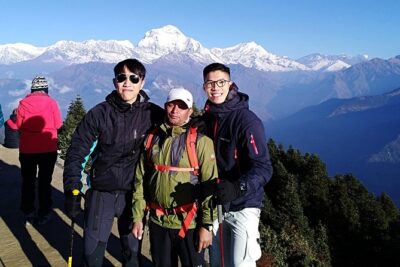
Trekking in Annapurna/Langtang/Everest/Upper Mustang regions
Read our review →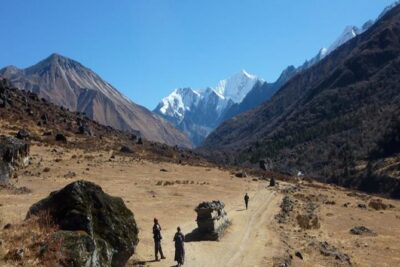
Browse the lists this tour appears in