
Reviewed · LANGTANG VALLEY TREKS
Langtang Trek from Kathmandu 7 Days
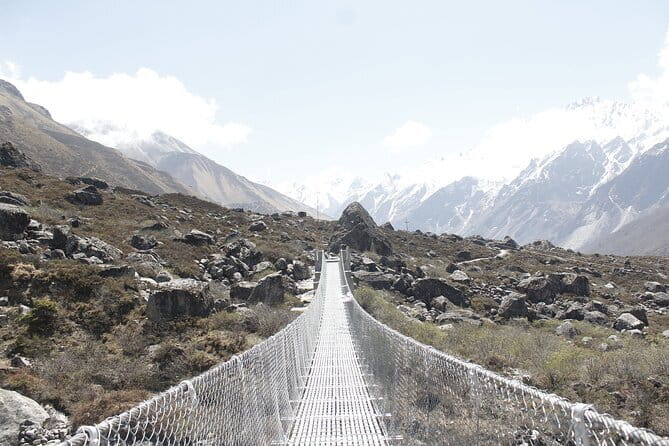
Langtang Valley delivers real mountain Nepal. This 7-day trek blends Tamang and Sherpa village life with monastery stops and the looming presence of Langtang Lirung in the background. I especially like how the route is framed as manageable for moderate walkers, so the trip feels like a challenge, not a survival test.
The best part, from what I can tell, is the mix: forest walking that feels close to the trail, then high points where the views and weather change fast. The main drawback to plan for is altitude, because you reach around 4,700 meters at Kyajin Ri, where wind and cold can feel much stronger than you expect.
In This Review
- Key things that make this Langtang trek worth your time
- Langtang Valley: where village life meets serious mountain scenery
- Price and what your $410 covers in real terms
- Day-by-day walking rhythm, from Kathmandu to Kyajin Ri and back
- Day 1: Kathmandu to Syabrubesi, then sleep and reset
- Day 2: Along the Langtang Khola to Lama Hotel
- Day 3: Lama Hotel to Langtang Village, forest colors and village texture
- Day 4: Langtang Village up toward Kyanjin Ri, plus Kyanjin Gompa
- Day 5: Kyanjin Ri summit day, around 4,700 meters
- Day 6: Lama Hotel down to Syabrubesi, time to breathe
- Day 7: Syabrubesi back to Kathmandu, views on the drive
- Kyanjin Gompa and Kyajin Ri: your high-mountain highlight
- Lodges, comfort, and what to expect from the daily routine
- Permits, fitness, and what you need to send before you go
- Who this private Langtang Trek fits best
- Should you book this 7-day Langtang Trek with MDA?
- FAQ
- How long is the Langtang Trek from Kathmandu?
- What is the price per person?
- Does the package include pickup and drop-off in Kathmandu?
- Are trekking permits included?
- What kind of guide do you get?
- What should I prepare for the trekking permit?
- Is the trip private or shared with other groups?
Key things that make this Langtang trek worth your time
- Village-to-monastery culture through Tamang and Sherpa communities, not just scenery
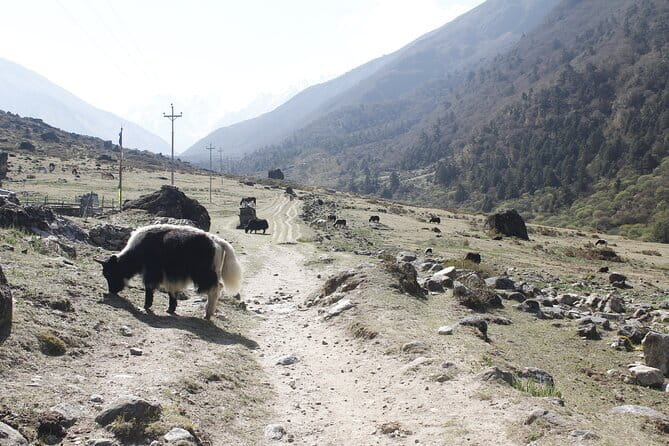
- Forest variety as you move through oak and rhododendron areas, with river views along the way
- The Kyanjin Ri payoff with big panoramas, plus a classic monastery stop at Kyanjin Gompa
- Private trip focus so you are trekking as your group, with an English-speaking guide
- Permits handled with trekking permit and TIMS card included in the package
Langtang Valley: where village life meets serious mountain scenery
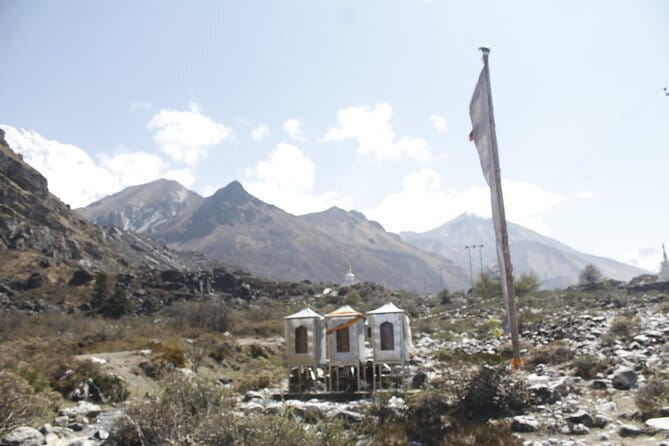
Langtang is one of those trekking regions where you can actually feel the rhythm of everyday life. You are not only walking past views. You are moving through Tamang and Sherpa villages, where monasteries and spiritual traditions are part of daily movement. Even if you only spend short time in each place, you get chances to slow down, look around, and notice how the community lives with the mountains.
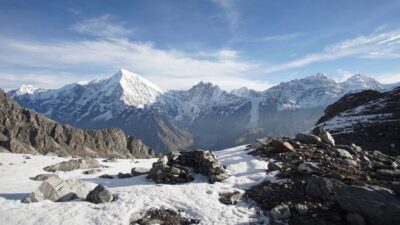
On top of that cultural side, the scenery is the real hook. You pass through dense forest areas with oak and rhododendron, and you keep getting glimpses of the Langtang Khola river corridors as the trail trends along it. As you gain elevation, the air changes and the peaks start to show more of their weight. Langtang Lirung, listed at 7,227 meters, is the big visual anchor that makes the trek feel dramatic without needing technical climbing.
One thing I like about this kind of itinerary is that it stays in a “long walk, not mountaineering” zone. If your goal is to earn the views, but still be able to function the next day, this style tends to work better than treks that jump too fast to high altitude extremes.
More Treks in Kathmandu
- Everest Base Camp Trek – 14 Days
★ 5.0 · 1,499 reviews - Everest Base Camp Trek
★ 5.0 · 842 reviews - Everest Base Camp Trekking
★ 5.0 · 485 reviews
Price and what your $410 covers in real terms
At $410 per person for about 7 days, the value here comes from what is included versus what usually adds up on trekking trips.
Included support:
- Hotel pickup and drop off in Kathmandu
- Round trip transfer by sharing local bus
- Trekking permit and TIMS card
- English speaking trekking guide
- Lodge accommodation
- Private trip for your group
Not included:
- Personal expenses
For many trekkers, the permits plus a guide are where the money quietly turns into time saved and stress avoided. Here, that admin is part of the package. You also get lodge stays included, which matters because trekking planning often breaks down when you have to constantly reorganize sleep and meals at the last minute.
Also, the trip mentions group discounts. That can be useful if you are traveling with friends or family and you want the comfort of a private trekking setup without paying a private-only premium forever.
Is $410 “cheap”? It is not a bargain-basement trek. But given that you are getting guide support, permits, and lodge lodging, it looks like a fair price for a proper week in the Langtang region, especially if you would otherwise have to coordinate those pieces on your own.
Day-by-day walking rhythm, from Kathmandu to Kyajin Ri and back
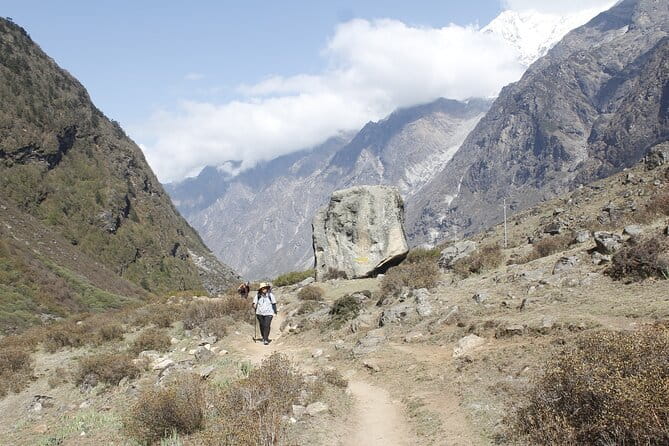
Below is how the week tends to feel, stop by stop, and what you should watch for.
Day 1: Kathmandu to Syabrubesi, then sleep and reset
Your trek starts early from Kathmandu, with pickup offered and a long ride toward Syabrubesi. Day 1 is mainly about getting into position and letting your body settle after travel. Syabrubesi is your trailhead base, and you will likely feel the anticipation right away when the road ends and the mountains get more prominent.
You stay at a lodge in/near Hotel Garden inn Syabrubesi. The value of this kind of first-night base is simple: it gives you a real place to rest, not a rushed stopover. It also helps you start Day 2 with fewer logistics problems.
More Langtang Valley treks:
- Langtang Valley Trek
★ 5.0 · 140 reviews - Langtang Valley Trek
★ 5.0 · 61 reviews - 8 Days Tour in Langtang Valley Trek
★ 5.0 · 45 reviews - Private 8 – Day Langtang Trekking
★ 5.0 · 29 reviews
Day 2: Along the Langtang Khola to Lama Hotel
Day 2 follows the trail path as it winds alongside the Langtang Khola. This is one of the more rewarding “flow days” because the river corridor gives you a constant reference point, and the forest feels close to the trail. You are walking for hours, but the scenery keeps giving you reasons to pause.
You end at Lama Hotel for the night. This is a classic intermediate area, and it is useful for gradually building endurance before you push higher.
A small consideration: as the days stack up, the “same walking muscles” get tired. Having a solid lodge night at the end of Day 2 helps more than you think.
Day 3: Lama Hotel to Langtang Village, forest colors and village texture
On Day 3, you move toward Langtang Village. The morning start matters here because forest trails can be cooler and more pleasant before the day warms up. You will pass through areas with moss-covered trees and rhododendron blooms, and those bursts of color are a real mood shift from just stone and snow lines you might picture about the Himalaya.
Arriving at Langtang Village adds something important: you get a true village stop rather than only a viewpoint. The point is not to speed through, but to take in daily life and the monastery or spiritual atmosphere that makes Langtang feel distinct.
If you like photo stops, this is one of the days where you can take them without rushing. The trail gives you multiple chances.
Day 4: Langtang Village up toward Kyanjin Ri, plus Kyanjin Gompa
This is the day when the air starts to feel different and the climb becomes more “high trek” than “forest stroll.” As you ascend, you should expect crisper air and more expansive views appearing in stages.
You reach the Kyanjin Gompa area around 3,800 meters. Gompa stops tend to be calmer than the trekking trail itself, and they help break up the physical rhythm. They also connect you to the spiritual side of the region you hear about in descriptions.
Practical note: your energy can dip when you get higher. That is normal. Take breaks as needed, and keep your pace steady. If you push too hard early, you pay for it later.
Day 5: Kyanjin Ri summit day, around 4,700 meters
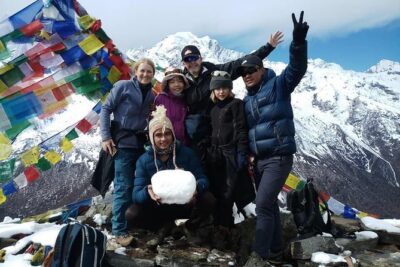
Day 5 is the main “vertical moment.” You go toward Kyajin Ri, with the summit listed at about 4,700 meters. The higher you go, the more the trail can feel steep or awkward, even if it is not technically difficult.
Expect rocky ridges and narrow paths, and yes, some sections that test endurance. The upside is the view. You are earning one of those high-altitude panoramas where the mountains look close enough to reach, and the sense of scale hits hard.
After the summit, you do not get to “celebrate and coast” for long. Your body still needs to descend smartly. Watch your footing and keep your steps controlled.
Day 6: Lama Hotel down to Syabrubesi, time to breathe
Day 6 brings the relief of descent. The trail from Lama Hotel to Syabrubesi takes about 5 to 6 hours, and it passes through forest and streams again. This is a nice day to notice how the vegetation changes by elevation.
You return to Hotel Garden inn Syabrubesi for the night. I like this kind of “same base, different perspective” moment. You start the trek with the town as a starting point. You end with it as the place you can sleep normally and reflect.
Day 7: Syabrubesi back to Kathmandu, views on the drive
The final day is mostly transit. You go back to Kathmandu via a 7 to 8 hour drive, with breaks for stretching. You may catch mountain views during parts of the journey, depending on road conditions and timing.
This is also the day you start feeling the gap between trail time and city time. If you can, plan a gentle evening in Kathmandu after you arrive. You will likely want a real meal, a warm shower, and sleep that lasts longer than you think it will.
Kyanjin Gompa and Kyajin Ri: your high-mountain highlight
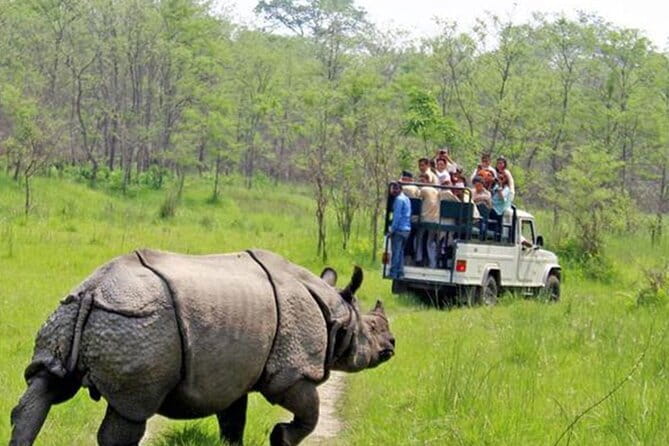
If you want one reason people remember the Langtang trek, it is the combination of a monastery stop and a high viewpoint.
At Kyanjin Gompa, you get a calm spiritual moment at about 3,800 meters. At Kyajin Ri, you get the reward at around 4,700 meters. Together, they turn the week from “beautiful walking” into “story to tell.”
Here is what matters for your planning:
- Bring layers for fast-changing conditions. Higher means wind and cold can show up quickly.
- Expect a summit day that feels longer than the clock says, because the altitude changes how effort feels.
- Pace yourself on the way up. Summit wins usually go to the person who stays steady.
This is also where having an English speaking guide helps. Even when the trail is marked, guides can keep you from overreaching and help with timing, which matters when weather shifts.
Lodges, comfort, and what to expect from the daily routine
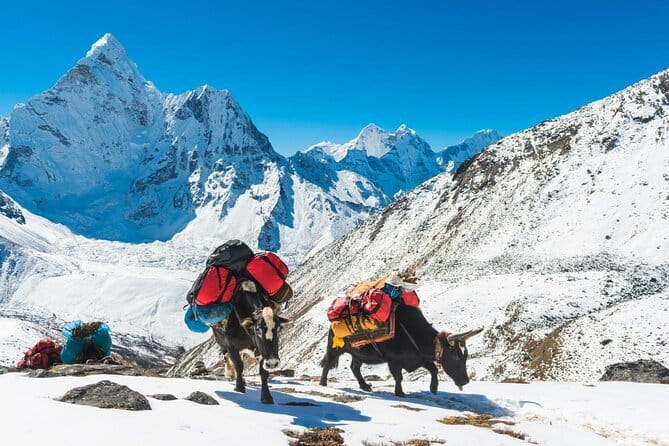
This trek includes lodge accommodation. Lodges are the tradeoff that makes a week like this realistic for moderate fitness. You are not camping with full gear, so you can focus on walking and keeping your body functional.
That said, lodges in mountain trekking areas can be basic compared to Kathmandu standards. Expect simple rooms, practical sleeping arrangements, and the need to manage warmth yourself. I suggest you treat the lodge nights as “recovery time,” not vacation time.
Meal timing and rest matter. Even without detailed meal descriptions in the package info, you can plan on eating what is available at the lodge and around the stop points, and keeping hydration consistent throughout the trek.
One more thing I really appreciate in a guided trek is the steady routine. When permits, lodging, and a guide are handled, you get to spend your mental energy on the trail instead of solving problems every evening.
Permits, fitness, and what you need to send before you go
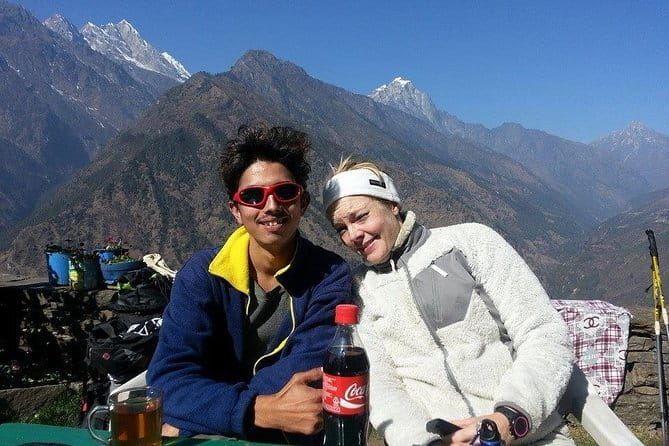
The package includes a trekking permit and TIMS card, but you still need to provide the information to make it happen. You will be asked for your passport details and a photo. A selfie is noted as acceptable.
This matters because permits can be paperwork-heavy. If you wait until the last minute to send photo details, you risk delays. I recommend getting those items ready early so you are not scrambling right before departure.
Fitness level:
- The trek is described as suitable for moderate physical fitness
- The big variable is altitude, not just distance
If you do not have high-altitude experience, take the moderate fitness note seriously and do not plan to treat this as a casual walk. The route is described as accessible compared to more extreme Himalayan treks, but it still climbs and drops over several days.
Practical tips that help on almost every Langtang-style route:
- Dress in layers so you can adjust as you climb and descend.
- Keep water habits steady, especially before summit pushes.
- If you feel unusually unwell at altitude, stop and tell your guide quickly.
Who this private Langtang Trek fits best
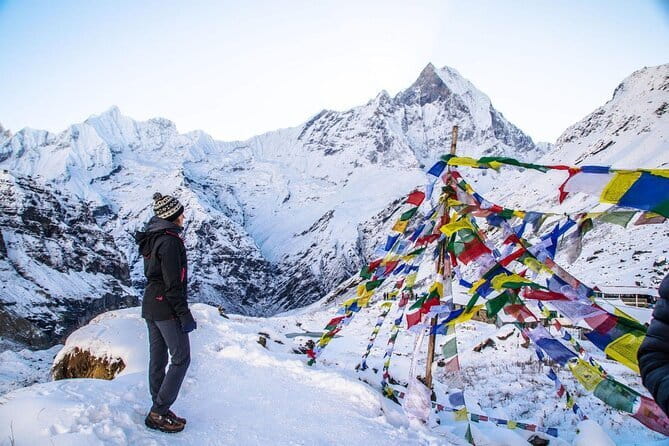
This trek is built for people who want a genuine mountain experience with fewer moving parts.
You will likely love it if you:
- Want Tamang and Sherpa village culture, plus monastery moments
- Prefer lodge-based trekking instead of camping
- Like having an English speaking guide to handle route guidance and keep pacing sensible
- Want a private trip setup, so your group can move together
You might think twice if you:
- Know you struggle with cold weather or altitude, even at moderate levels
- Want a fully luxurious trek, because lodge comfort will be simple
- Are expecting a short day-by-day adventure with minimal walking effort, because several days are still multi-hour hikes
Family friendly can happen, and one of the strongest signals in the feedback is that people completed the trek with family when they had trained, supportive guidance. Still, your actual ability and comfort at altitude should drive your decision.
Should you book this 7-day Langtang Trek with MDA?
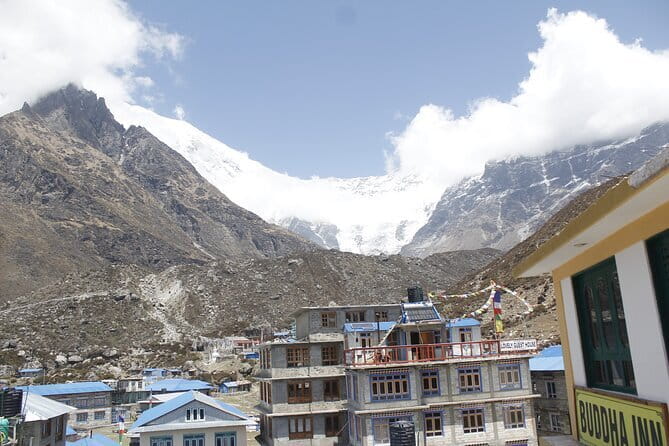
I think this trek is a solid booking choice if you want the Langtang Valley experience in a structured, supported way. The package looks practical: pickup, transfers, permits, lodge stays, and a guide are included, which saves you from the common planning headache that ruins treks.
My decision checklist for you:
- If moderate fitness is realistic for you, and you are willing to handle cold at altitude, this is a good match.
- If you value cultural stops like Kyanjin Gompa and village walking as much as you value views, you are in the right place.
- If you are sensitive to altitude or hate long summit-day climbs, you should consider whether Kyajin Ri is worth it for you.
If you want a balanced week of mountain Nepal that is demanding but not extreme, this Langtang trek fits the bill.
FAQ
How long is the Langtang Trek from Kathmandu?
It is about 7 days.
What is the price per person?
The price is $410.00 per person.
Does the package include pickup and drop-off in Kathmandu?
Yes, hotel pickup and drop off are included.
Are trekking permits included?
Yes, the trekking permit and TIMS card are included.
What kind of guide do you get?
You get an English speaking trekking guide.
What should I prepare for the trekking permit?
You need to provide passport details and a photo, and a selfie also works.
Is the trip private or shared with other groups?
It is private, so only your group will participate, even though the transfer uses sharing local bus.
More day tours out of Kathmandu
- Nagarkot Sunrise View and Day Hiking from Kathmandu
★ 5.0 · 471 reviews - Private Bhaktapur and Nagarkot Day Tour From Kathmandu
★ 5.0 · 305 reviews - Day Trip to Bhaktapur and Panauti from Kathmandu
★ 5.0 · 184 reviews - From Kathmandu: 1 hour Panoramic Everest Flight
★ 4.4 · 175 reviews
Latest additions near Kathmandu
- White Water River Rafting – 1 Day★ 4.3 · 3 reviews
- Traditional Momo Making Class★ 5.0 · 10 reviews
- Kathmandu to Pokhara Premium sofa bus ticket★ 4.0 · 17 reviews
- Ghorepani Poon Hill Trek★ 5.0 · 16 reviews
- Amazing 1 Day Trekking Experience in Kathmandu Nepal★ 5.0 · 24 reviews
- Ghorepani Poonhill Trek★ 5.0 · 5 reviews
- Wildlife Adventure in Chitwan Nepal★ 4.0 · 4 reviews
- Walking tour of real Kathmandu through back streets.★ 5.0 · 3 reviews
Langtang Valley Treks, compared.
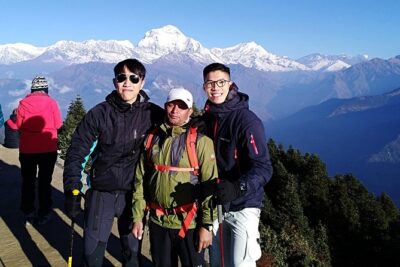
Trekking in Annapurna/Langtang/Everest/Upper Mustang regions
Read our review →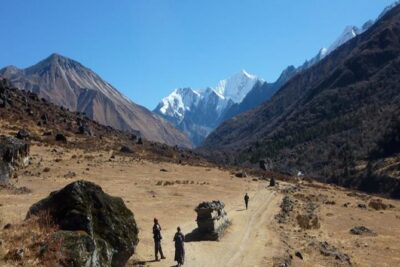
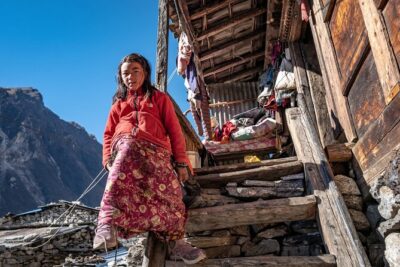
Browse the lists this tour appears in