
Reviewed · LANGTANG VALLEY TREKS
Langtang, Gosaikunda and Helambu Trek
A high Himalayan circuit with real variety. This trek threads together Langtang, Gosainkunda and Helambu with big mountain views, forests, and holy lakes, all starting from Kathmandu and built around practical daily hiking.
What I like most is how you get a mix of scenery, not just one long grind: rhododendron and bamboo forest sections, plus the chance to spot wildlife while you’re moving. Another standout is the human support system, with a licensed English-speaking leader, assistant support, and a porter setup that keeps the trip feeling manageable even when altitude bites.
One thing to consider is the altitude and the time on your feet, with a high point around 4,460 m at Gosainkunda, plus a long drive day into the mountains.
In This Review
- Key highlights you’ll feel on this trek
- Why this route works: Langtang, Gosainkunda, and Helambu in one trip
- Price and what you actually get for $850 per group
- Kathmandu start: the comfort buffer before you climb
- Dhunche to Shin Gompa: easing in on a famous trail
- Shin Gompa to Gosainkunda: the 4,460 m moment
- Gosainkunda down to Phedi: recovery without boredom
- Phedi to Tharepati: back upward to a new viewpoint
- Tharepati to Kutungsung: lower valleys, steady pace
- Kutungsung to Chisopani: the village-to-trail rhythm returns
- Chisopani to Sundarijal, then back to Kathmandu: the final unwind
- Teahouses, meals, and your daily comfort level
- Guides and porters: the service details that change everything
- What to pack and how to prepare for altitude days
- Who should book this trek, and who should reconsider
- Should you book this Langtang, Gosainkunda and Helambu trek?
- FAQ
- How long is the trek?
- Where does the trek start?
- What kind of accommodation do we get during the trek?
- Are meals included?
- What does the price include for transport?
- Is there a hotel before the trek?
- Do we have porters and guides?
- What is the highest point on this trek?
- Is travel and rescue insurance included?
- What fitness level is required, and is it private?
Key highlights you’ll feel on this trek
- Licensed guides and assistant support geared for day-by-day pacing, not just checkpoints
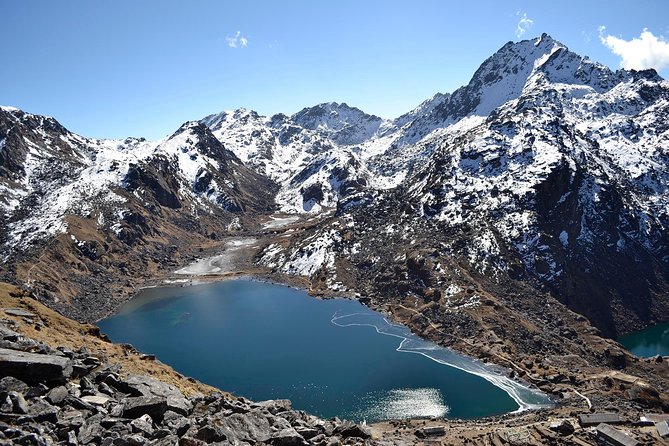
- Gosainkunda’s holy lakes at high altitude, with dramatic atmosphere when the weather clears
- Rhododendron and bamboo forests that make the trail feel alive and varied
- Wildlife and waterfall scenery that breaks up the hiking rhythm
- Teahouse sleeping and included meals that reduce planning stress
- Flexible logistics with hotel in Kathmandu plus private vehicle transfers and comfortable road travel
Why this route works: Langtang, Gosainkunda, and Helambu in one trip
This is the kind of trekking route that makes sense if you want variety without bouncing around Nepal. You start in the Langtang region, push up toward the famous Gosainkunda lakes, then drop back down on the Helambu side, returning toward Kathmandu via lower valleys.
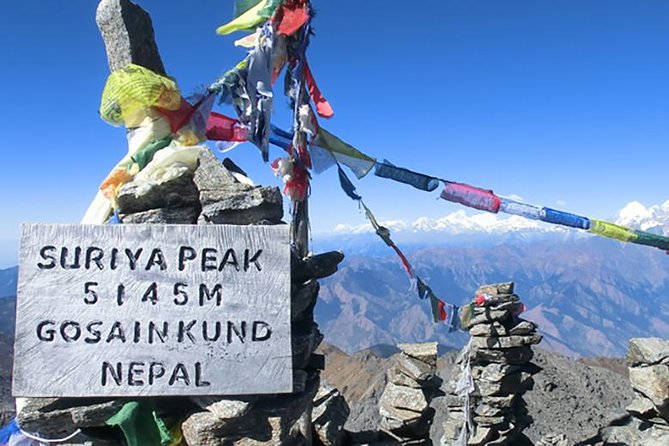
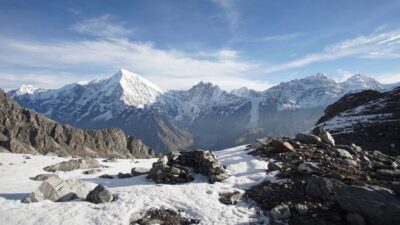
The big win is that the trail keeps changing. You’re not just hiking through one “type” of scenery. You move through rhododendron and bamboo forests, you pass areas with waterfalls, and you get those classic Himalayan views of snow-covered peaks, including the sense of scale around Langtang Lirung. On clear days, you also catch views toward ranges like Ganesh Himal, Manaslu, and the Annapurna area.
You’ll also find the route very “Nepal real.” Teahouses are basic but functional, meals are straightforward, and the day’s pace is about getting into the mountains steadily. It’s a trek built for people who want to experience places, not just tick boxes.
More Treks in Kathmandu
- Everest Base Camp Trek – 14 Days
★ 5.0 · 1,499 reviews - Everest Base Camp Trek
★ 5.0 · 842 reviews - Everest Base Camp Trekking
★ 5.0 · 485 reviews
Price and what you actually get for $850 per group
The headline number is $850 per group, up to 15 people. That matters because it’s not automatically a fixed “per person” cost. If you’re traveling with friends or a small group, the structure can feel good value, especially because the package covers a lot of day-to-day logistics.
Here’s what’s included that typically costs extra when you book components separately:
- Airport transfers in a private vehicle (pickups and drops)
- 3-star hotel in Kathmandu with breakfast
- Teahouse accommodation during the trek
- All trek meals (breakfast, lunch, dinner) plus farewell dinners
- Ground transportation via private vehicle as per the route
- A tourist bus running Kathmandu to Syabrubesi and back
- Licensed English-speaking trek leader plus an assistant
- Porter support (2 trekkers per porter)
- A medical kit carried by your trek leader
- Government and local taxes
What’s not included is also clear: you still handle your Nepalese visa fee, international flights, and travel and rescue insurance. You also pay for personal expenses like phone calls, laundry, charging batteries, and water-related costs.
So the real value question becomes simple: do you want others to handle the “messy bits”? If you do, this package earns its keep. If you prefer total DIY control and already have gear, insurance, and transport figured out, you might find cheaper options, but you’ll trade away a lot of coordination.
Kathmandu start: the comfort buffer before you climb
Your trek begins with arrival at Tribhuvan International Airport in Kathmandu. The trip includes airport pickups and drops in a private vehicle, which is a nice way to avoid the first-day scramble.
You’ll also have 3-star hotel accommodation in Kathmandu with breakfast. That matters more than it sounds. After a flight, a comfortable shower, breakfast you can count on, and a proper bed can make altitude preparation feel less stressful.
Then comes the first big transition day: you drive from Kathmandu to Dhunche. Expect a 7 to 8 hour road day, starting at around 1,320 m in Kathmandu and reaching roughly 2,050 m in Dhunche. This day is not about hiking fitness, but it does ask for patience. Bring something to make the ride easier, and keep water and snacks handy since long road hours can drain your energy.
Dhunche to Shin Gompa: easing in on a famous trail
On the next day, you trek from Dhunche to Shin Gompa, taking around 4 to 5 hours. This is a smart on-ramp for a trek that later climbs high. You’re building rhythm, testing your legs, and getting used to mountain air without going straight to the hardest altitude.
The route is known for forest scenery, including rhododendron. That’s not just pretty, it helps the hiking feel calmer, because shade and changing textures break up the mental monotony of long uphill stretches.
At this stage, the practical focus is how you move: steady steps, consistent breathing, and giving yourself time to adjust if you feel it in your head or chest. With the guide and assistant team, you’re not alone in reading the day’s conditions.
A possible downside here is energy management. Since you’ve just done a long drive, it can feel tougher than the clock says. If you’re prone to getting wiped on day one of a trek, you’ll want to keep the pace gentle, even if others start fast.
More Langtang Valley treks:
- Langtang Valley Trek
★ 5.0 · 140 reviews - Langtang Valley Trek
★ 5.0 · 61 reviews - 8 Days Tour in Langtang Valley Trek
★ 5.0 · 45 reviews - Private 8 – Day Langtang Trekking
★ 5.0 · 29 reviews
Shin Gompa to Gosainkunda: the 4,460 m moment
Then the trek turns serious, with your climb from Shin Gompa to Gosainkunda. This step takes about 5 to 6 hours and reaches roughly 4,460 m.
This is the emotional peak of the trip for many people. The big attraction is visiting the holy lakes of Gosainkunda. Even if you’re not deeply into the religious side, the setting tends to hit hard. You’re high enough that the air feels thinner, the views widen, and the landscape shifts from forest to more open alpine scenery.
The trek description also highlights major scenery ingredients beyond altitude: majestic waterfalls and big mountain visuals. In other words, you’re not just hiking to a number on a map. You’re walking through a route that’s built for dramatic payoff.
The main consideration is altitude. At Gosainkunda, you should expect cold, wind, and a stronger body response to the air. Go slow, keep warm, and drink water steadily. If the weather turns, your best friend becomes your layering system and your patience with slower movement.
Gosainkunda down to Phedi: recovery without boredom
After the high point, you trek from Gosainkunda to Phedi. It takes about 6 to 7 hours and drops to around 3,600 m.
This is where people often relax mentally, but the day still asks for work. Downhills can be tough on knees and feet, and long walking days are long walking days even when altitude is lower. Still, this drop is a real benefit for acclimatization and sleep.
You’re also changing what you see. The higher, harsher feel starts to soften, and forest return becomes more likely. That transition keeps the trek from feeling like one long push and then collapse.
If you’re the type who likes to stretch a bit and move slowly through viewpoints, this is a good day for that. Your guide’s job is to balance time, weather, and safety, and assistant support helps if the group starts to feel uneven.
Phedi to Tharepati: back upward to a new viewpoint
Next you trek from Phedi to Tharepati, around 5 to 6 hours, reaching roughly 3,900 m.
Tharepati is another key “look at the world” day. It’s higher than Phedi, but not as extreme as Gosainkunda. That puts it in a sweet spot for hikers who want one more altitude push before dropping into the Helambu side.
This is also a day where forest and alpine mix can show up in the same general route. Rhododendron is part of the broader trail identity, and bamboo forests are mentioned as well. Even when you can’t identify every plant, you’ll notice how the trail texture and light changes.
A possible drawback is that people sometimes assume the hardest days are over after Gosainkunda. Mentally, it’s easy to slow down too much. Physically, you still need steady effort. The goal is not speed, it’s rhythm.
Tharepati to Kutungsung: lower valleys, steady pace
You continue from Tharepati to Kutungsung, about 5 to 6 hours and dropping to around 2,450 m.
This is a transition day. You’re leaving the more demanding heights behind and stepping into valley life again. The scenery shifts, and the walking feels different, partly because of the altitude and partly because trails often change as you move toward lower settlements.
This section is described with big views and wildlife potential. Even if wildlife sightings are never guaranteed, the forest and valley edges can offer small moments that feel like you’re truly in the region, not just passing through.
One more consideration: at these mid elevations, weather can still change quickly. You’ll want layers that work both for sun and cold wind, and you’ll want to move consistently so you don’t chill while you’re stopped.
Kutungsung to Chisopani: the village-to-trail rhythm returns
On Day 8, you trek from Kutungsung to Chisopani, around 6 to 7 hours and reaching about 2,250 m.
Chisopani is a classic type of stop for trekkers in this region, with teahouse-style accommodation and a sense of village travel. This is where your day becomes more routine: hike, stop for meals, settle in for the evening, repeat. When this rhythm is smooth, the trek feels easier mentally.
The route description also points to waterfalls and dramatic mountain views, and that tends to be exactly what people remember during this phase. Even when you don’t have perfect visibility, you still often get those mountain silhouettes that make the day feel earned.
If you’re prone to getting tired at the end of the day, pace matters here. Don’t save all your energy for the last hour. Finish strong and keep your footing careful on any rocky or wet patches.
Chisopani to Sundarijal, then back to Kathmandu: the final unwind
The final hiking day is Chisopani to Sundarijal at around 1,510 m, then a drive back to Kathmandu. This day is about a hike plus a road reset, so plan for two phases of travel.
It’s a relief to go from higher elevations down to lower ones. Your body usually feels less pressure, and you can breathe easier. But this is not the day to be sloppy. You still need good shoe support and careful steps until you’re properly down.
Once back in Kathmandu, you’re done with the trek end of things. It’s also a good time to process what you saw, because the Langtang to Helambu arc creates a strong before-and-after feeling. You started with city altitude, moved into forests, climbed toward high lakes, and then unwound back to lower valleys.
Teahouses, meals, and your daily comfort level
Your accommodation is teahouse lodging during the trek, and the trip includes all meals during the hiking days. That means you’re not constantly deciding where to eat, and you can keep your energy steady from day to day.
Teahouses in this region vary, but the practical expectation is simple: basic rooms, shared spaces, and meals that are designed for trekkers. The best part is that you can focus on your hiking instead of meal hunting.
One small planning insight, based on typical trek realities: electricity and charging might be limited in some stops. The package covers the major costs, but personal expenses like battery recharge are listed as not included. Bring a plan for your power needs before the trek starts.
Hydration is also personal. Bottle water or boiled water costs fall into personal expenses, and water practices can vary by stop. Ask your guide what they recommend for your specific days and conditions, then follow that advice.
Guides and porters: the service details that change everything
This trip includes an experienced, English-speaking, government-licensed trek leader and an assistant trek leader. There’s also a ratio for support: for every 4 trekkers, 1 assistant guide, and a porter setup of 2 trekkers per porter.
That ratio is not just a nice detail. It’s what helps a trek feel organized, especially on days when weather shifts or a few people move slower. It also supports safety and pacing.
You also get a medical kit carried by your trek leader. That doesn’t mean you ignore symptoms, but it does mean basic response is easier.
The review feedback strongly emphasizes the “human” side of this. Guides like Binod and Rupak are described as welcoming and attentive, with English skills called out, and support that makes people feel safe and comfortable. Other names show up too, including Ngima Tamang for a different Langtang trek and Ganesh as a kind, supportive guide. The consistent theme is timing and care.
If you value having someone who can manage the day, read conditions, and handle small logistics quickly, this is where the package feels worth it.
What to pack and how to prepare for altitude days
The route includes high points around 4,460 m at Gosainkunda, plus other elevations in the 3,900 m range. That means cold can be a bigger deal than you expect.
At a minimum, plan for:
- Warm layers for cold mornings and evenings
- A rain-ready shell or jacket since the trek operates in all weather conditions
- Supportive trekking shoes with good grip
- A day pack you can comfortably carry, since porter service is included but your body still carries the main burden
Because personal expenses for water and charging are not included, think about how you’ll handle hydration and power. If you’re someone who needs phone GPS often, bring extra battery capacity or charge where possible.
For fitness, the program asks for moderate physical fitness. That doesn’t mean “easy,” but it does mean you should be able to hike for several hours per day and handle elevation gradually. If you’ve struggled on long walks before, train a bit at home, especially on stairs or hills.
Who should book this trek, and who should reconsider
This tour fits best if you want:
- A classic Langtang circuit with holy lakes and big views
- Teahouse trekking with meals handled
- A guided experience with real support from both leader and assistant team
- Enough structure to reduce planning stress, but still enough freedom for a meaningful trek
It may not be ideal if:
- You’re not comfortable with altitude or long days on foot
- You need a very child-friendly option, since it’s not recommended for child aged 10 and under
- You want to fully DIY every piece of transport and accommodation
Also remember the road portion. The Kathmandu to Dhunche drive is long, and you’re doing it before the first hike. If you’re prone to motion sickness, you’ll want a plan for that day.
Should you book this Langtang, Gosainkunda and Helambu trek?
I’d book it if you want a well-run trek that takes care of the heavy logistics. The combination of licensed guides, assistant support, porter assistance, and included meals is a big deal when you’re dealing with altitude and changing weather.
I’d hesitate only if altitude and long hiking days are your weak spots. This route takes you high, including around 4,460 m at Gosainkunda. If you’re unsure, do a realistic fitness check before you commit, and have a frank conversation with the trek leader about your pace and comfort.
If you want an authentic mountain experience with forests, wildlife potential, waterfall scenery, and the payoff of high, sacred lakes, this is a strong choice.
FAQ
How long is the trek?
It runs for about 10 days, including arrival, trekking days, and a departure day.
Where does the trek start?
It starts in Kathmandu, Nepal.
What kind of accommodation do we get during the trek?
You stay in teahouses during the trek.
Are meals included?
Yes. Breakfast, lunch, and dinner during the trek are included, plus farewell dinners.
What does the price include for transport?
You get airport pickups and drops by private vehicle, ground transportation during the trip as per the route, and a tourist bus for Kathmandu to Syabrubesi and back.
Is there a hotel before the trek?
Yes. You get 3-star hotel accommodation in Kathmandu with breakfast.
Do we have porters and guides?
Yes. The trip includes a licensed English-speaking trek leader and assistant trek leader. Porter service is included with a ratio of 2 trekkers per porter.
What is the highest point on this trek?
Gosainkunda is listed at about 4,460 m, which is the highest altitude mentioned in the route.
Is travel and rescue insurance included?
No. Travel and rescue insurance is not included.
What fitness level is required, and is it private?
It’s for people with moderate physical fitness. It’s also a private tour/activity, meaning only your group participates, with a minimum of 2 people per booking.
Latest additions near Kathmandu
- White Water River Rafting – 1 Day★ 4.3 · 3 reviews
- Traditional Momo Making Class★ 5.0 · 10 reviews
- Kathmandu to Pokhara Premium sofa bus ticket★ 4.0 · 17 reviews
- Ghorepani Poon Hill Trek★ 5.0 · 16 reviews
- Amazing 1 Day Trekking Experience in Kathmandu Nepal★ 5.0 · 24 reviews
- Ghorepani Poonhill Trek★ 5.0 · 5 reviews
- Walking tour of real Kathmandu through back streets.★ 5.0 · 3 reviews
- Wildlife Adventure in Chitwan Nepal★ 4.0 · 4 reviews
Langtang Valley Treks, compared.
Trekking in Annapurna/Langtang/Everest/Upper Mustang regions
Read our review →
Browse the lists this tour appears in