
Reviewed · WORKSHOPS
Knife Khukuri Making Workshop
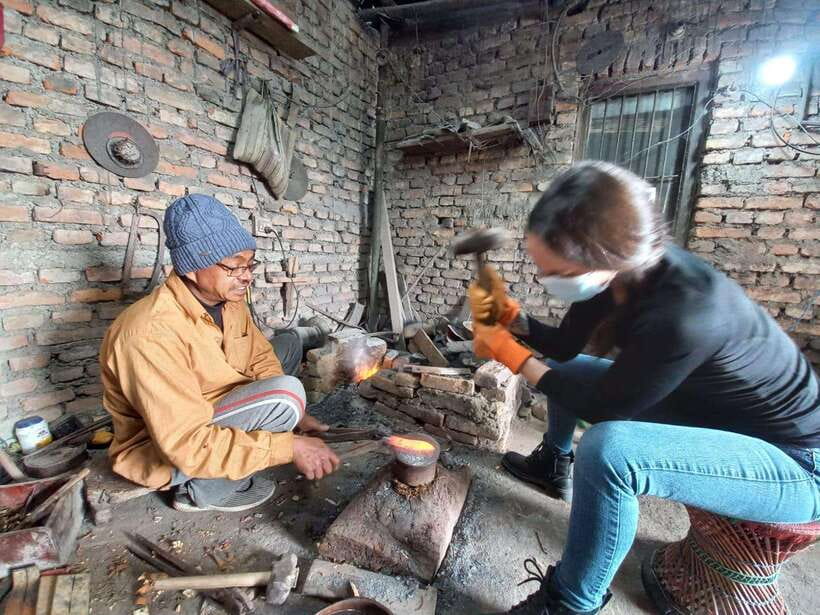
A knife starts as plain metal. In a small workshop in Nepal’s Bagmati Zone, I like that you get hands-on steps in making a traditional khukuri instead of just watching from the sidelines. You’ll also get the cultural context behind a blade that matters to hill communities and Gurkha identity.
Two things I really like are the hammering you do yourself, and the way your guide ties each stage to meaning and use. You’re learning how this curved, very sharp knife is built for real jobs, from shaping timber to chopping food.
One consideration: the most spark-heavy grinding and sharpening steps are handled by the host for safety, so your time is split between hands-on work and close, controlled watching. You’ll want to come with long pants and follow instructions closely.
In This Review
- Key things you’ll notice in this khukuri workshop
- Getting to the workshop and meeting the craftsman
- Khukuri meaning: more than a souvenir knife
- Your 6-inch khukuri: what you actually do in 4 hours
- Hammering and first grinding: where the craft comes alive
- Sparks, grinding safety, and how to watch without getting in the way
- Tea, tools, and the knife cover that you bring home
- Price and value for a hands-on 4-hour craft day
- Who should book this (and who should skip it)
- Should you book this khukuri making workshop in Kathmandu?
- FAQ
- How long is the Knife Khukuri Making Workshop?
- What does it cost?
- How many people are in the group?
- Is pickup and drop-off included?
- What languages will the host or guide use?
- Which parts of the knife making can I do myself?
- What size khukuri blade will I make?
- What is included with the knife?
- What should I bring, and is it for children?
- Is cancellation possible, and do I pay now?
Key things you’ll notice in this khukuri workshop
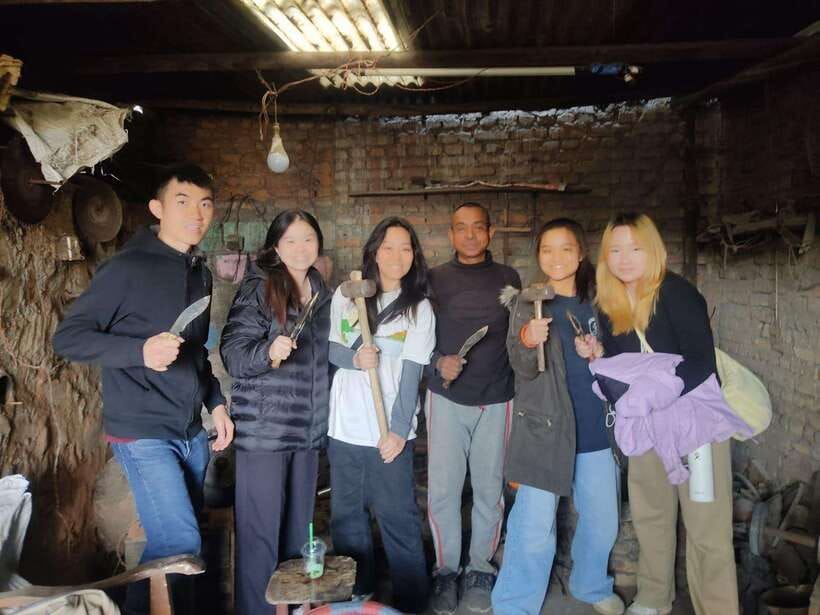
- A small group format (limited to 5 participants) keeps it personal and easy to ask questions.
- You help with the work like hammering iron and doing the first grinding step.
- The host leads the high-spark stages, and you’re advised to stay clear during grinding.
- A 6-inch blade is the target size, making this a realistic half-day craft goal.
- Tools, cover, tea, water, and snacks are included so you can focus on the experience.
Getting to the workshop and meeting the craftsman
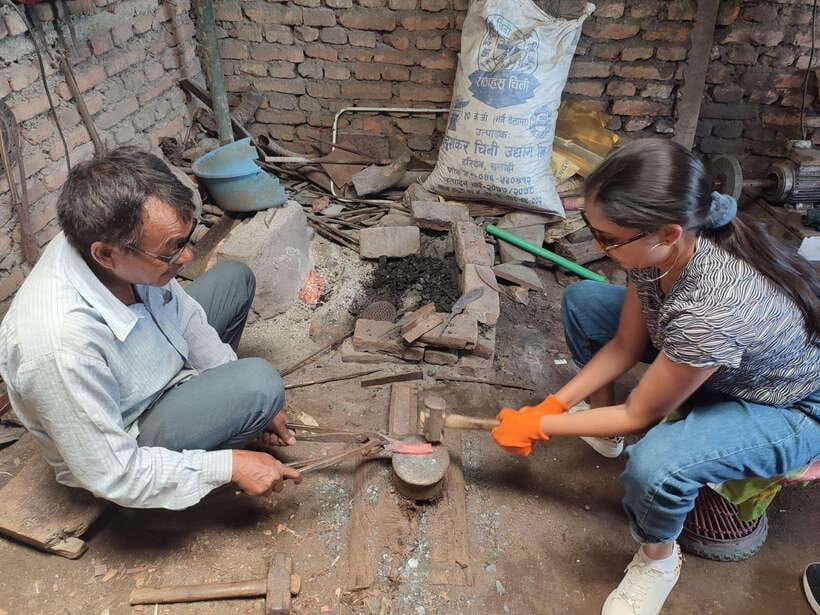
This is one of those Kathmandu experiences where the timing feels efficient. You get pickup from your hotel lobby and a ride out to the blacksmith’s space, then you’re back at your hotel after about 4 hours. The transport quality is widely rated high, which matters here because you are going to a working environment, not a showroom.
Once you arrive, the tone shifts quickly from tourist day to workshop day. Expect a friendly welcome, a clear walkthrough of what you can touch, and an explanation of what you should watch from a safe distance. Multiple guides are praised for strong English and for translating each step in plain language, so even if you know nothing about blades, you won’t feel lost.
You should also know this is a family-style setting more than a big factory. People tend to describe it as warm and personal, with a lot of talk about craft and tradition while tea is served. It’s not just about the object. It’s about seeing how a craft lives in a person’s daily routine.
More from Kathmandu worth a second look:
- Everest Base Camp Trek – 14 Days
★ 5.0 · 1,499 reviews - Everest Base Camp Trek
★ 5.0 · 842 reviews - Private Kathmandu Sightseeing Tour | UNESCO World Heritage sites
★ 5.0 · 756 reviews
Khukuri meaning: more than a souvenir knife
The khukuri is a symbol of loyalty and Gurkha warrior identity. It’s also described as traditional across Nepal’s hill tribes. That matters in this workshop because you’re not only shaping metal. You’re learning why this knife has a specific look, and why that look carries meaning.
Here are the key details you’ll hear about, and they connect directly to what you’re making:
- The blade is tempered steel, slightly curved, and described as exceedingly sharp.
- The handle is usually wood or buffalo horn, and you’ll learn how that choice fits the knife’s feel and function.
- The blade has a nick close to the handle that serves a practical purpose, it helps prevent blood from reaching the handle, and it’s also symbolic of the Hindu Trinity of Brahma, Vishnu, and Shiva.
- The knife typically comes with a scabbard made of wood and leather.
In plain terms, this is why the khukuri feels like a real craft. It has design choices tied to use and belief, not just aesthetics. If you care about cultural context, this workshop gives you enough to understand the knife as a tool with stories behind it.
Your 6-inch khukuri: what you actually do in 4 hours
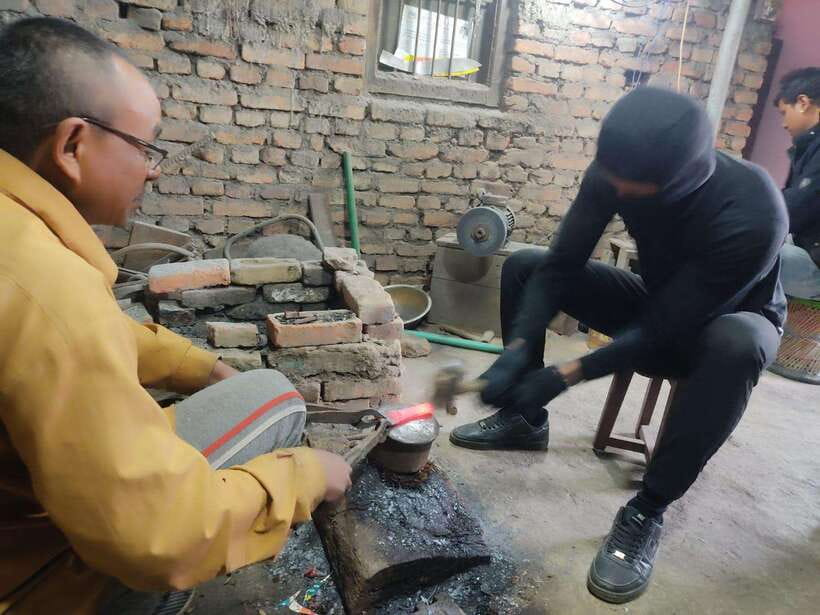
This workshop makes a smaller khukuri blade, about 6 inches, which is a smart size for a half-day session. You’re not trying to produce a full-size war knife from scratch. Instead, you’re stepping into the process at key points, with the host doing the hardest or highest-risk stages.
Based on what the workshop includes, the parts you can participate in are:
- Hammering the iron: you help bring a raw piece of metal closer to the blade shape.
- The first grinding: you do an early shaping and smoothing step under guidance.
- You also get the pickup and drop-off, plus all tools and a knife cover.
What stays with the host for safety and skill:
- Forming the blade’s unique shape is done by the professional.
- Sharpening and grinding stages that produce sparks are not for guest handling.
That split is important for you to understand before you go. If you’re excited to forge metal, you’ll still get real contact with the process. But you won’t be put in charge of the risky parts where a mistake could be dangerous. Many people love this balance because it feels hands-on, without turning into a safety gamble.
One more practical point: you’ll leave with a knife as a souvenir. Since a khukuri is meant to be used, not just displayed, this is the kind of craft item that often becomes a “how did this get made?” story for years.
Hammering and first grinding: where the craft comes alive
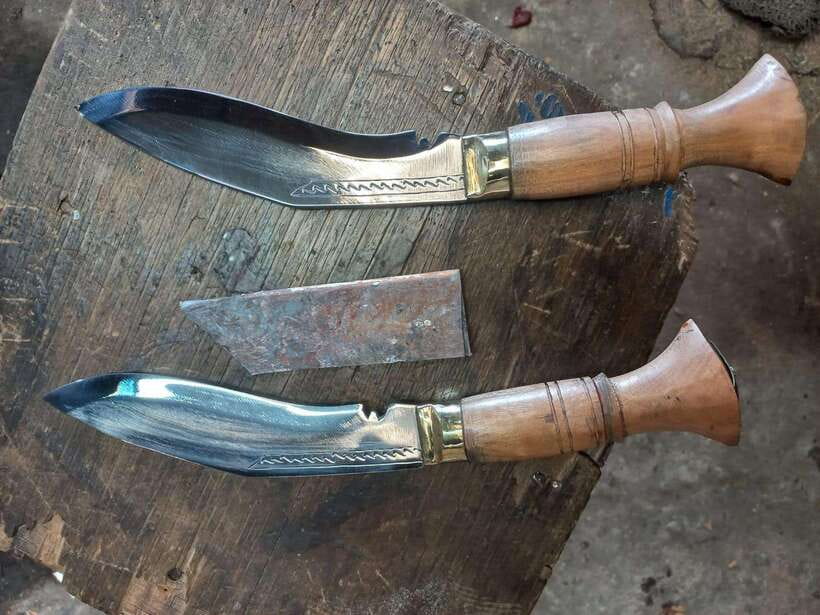
The most rewarding part of this experience is that you can see transformation in stages. Hammering is where metal stops being a “blob” and starts looking like something. You get to witness how repeated force, timing, and pressure make a scrap become a recognizable blade outline.
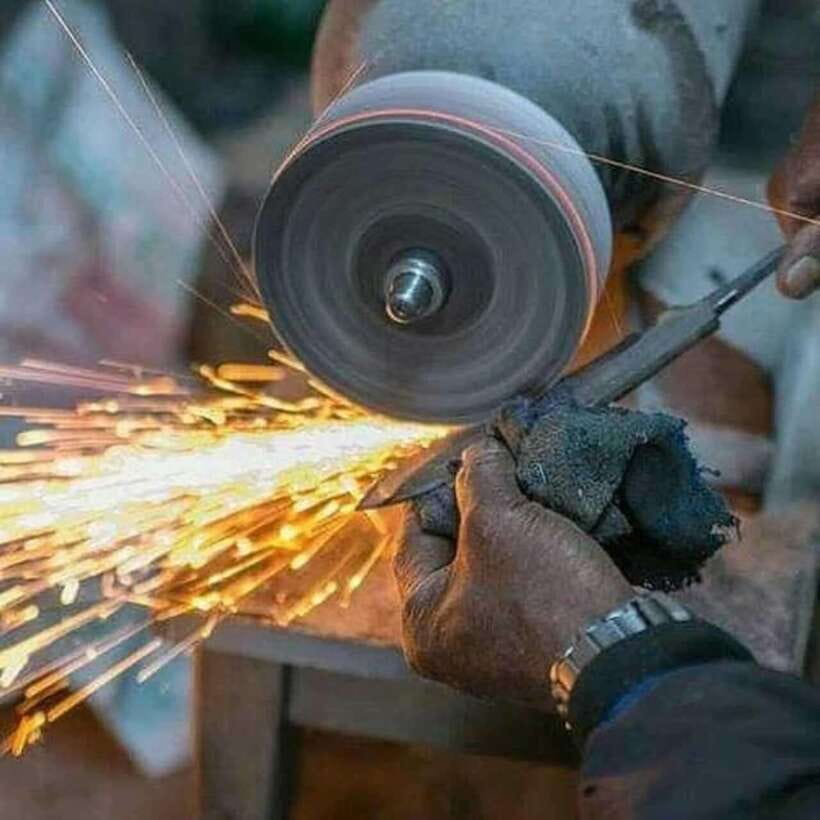
Then comes the first grinding. Even though the host handles later grinding and sharpening, the initial grinding you do helps the blade start to look crisp. This is the stage where you start noticing edges, curves, and how the metal thickness changes as it’s worked.
A good guide will also explain what you are seeing while you work. For example, you’ll hear why a slightly curved blade matters for cutting feel and control. You’ll also learn about tempered steel and the durability people talk about, meaning this knife is designed to hold up rather than feel delicate.
If you’re worried about being “too slow” or “not skilled enough,” don’t. This is set up for mixed ability. The host does the heavy-duty steps, and you do the safer, guided parts. That’s why people leave with knives they feel proud of, not half-finished projects.
Another way to spend the time in Nepal:
- Kathmandu: 7 UNESCO Sites with Lunch
★ 4.8 · 744 reviews - Everest Base Camp Helicopter Tour landing at Everest View Hotel
★ 5.0 · 668 reviews - Half day cooking class in Thamel kathmandu
★ 5.0 · 607 reviews - Everest Base Camp Trekking
★ 5.0 · 485 reviews
Sparks, grinding safety, and how to watch without getting in the way
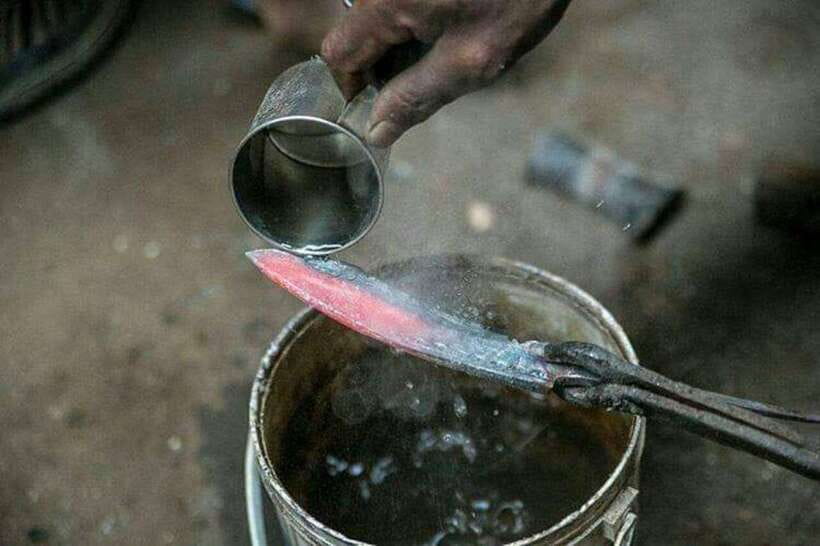
Here’s the safety truth of blacksmithing: metal work can throw sparks. That’s why this workshop clearly notes that for safety reasons, the grinding portion is performed by the host, and guests are advised to stay clear of sparks during grinding.
What you should do in practice:
- Wear long pants as required.
- Keep your attention on the guide and follow the “stay back” zone.
- If you’re close enough to hear explanations, you’ll still be at the right distance for grinding.
This is also why the experience tends to feel calm even though it’s active. You’re not crowding the hot zone. You’re participating in the safer parts, then watching the professional handle the risky finishing work.
And honestly, watching the host’s skill during the spark-heavy steps is part of the value. You see how much technique goes into getting the blade’s final shape and sharpness. The craft feels earned, not staged.
Tea, tools, and the knife cover that you bring home
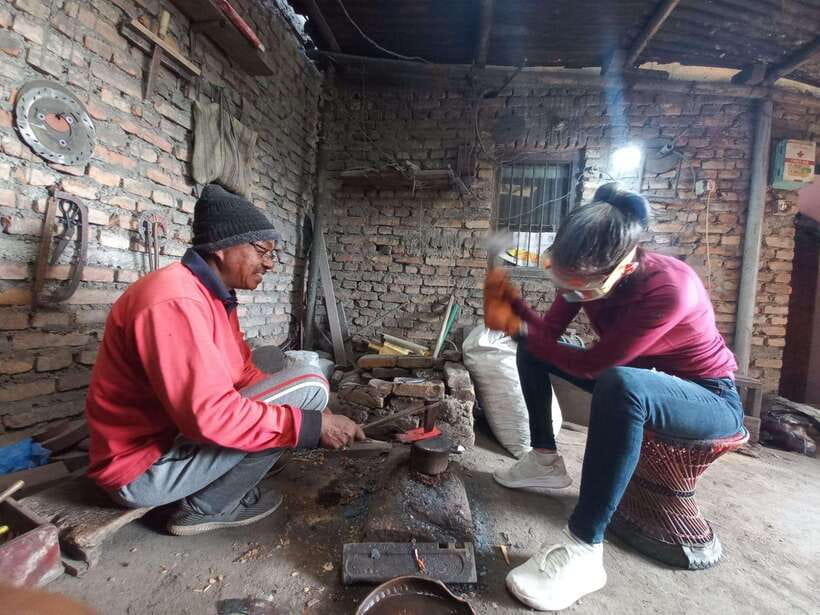
You’re not sent off with just a hammer and a hope. All the tools required for your participation are provided, and you’ll also get tea or water and snacks during the session. That small comfort matters when you’re focused on details like grip, angle, and timing.
The workshop also includes a knife cover, described as a scabbard of wood and leather. That’s a big deal if you want to transport your knife safely after the workshop. It’s one of those “minor” items that suddenly becomes major the moment you’re heading back to your hotel.
One extra option: a horn or bone cover can be made for an additional cost. If you’re choosing between a standard carry and a more decorative or traditional finishing touch, you can ask on site what’s possible and what it would cost.
Price and value for a hands-on 4-hour craft day
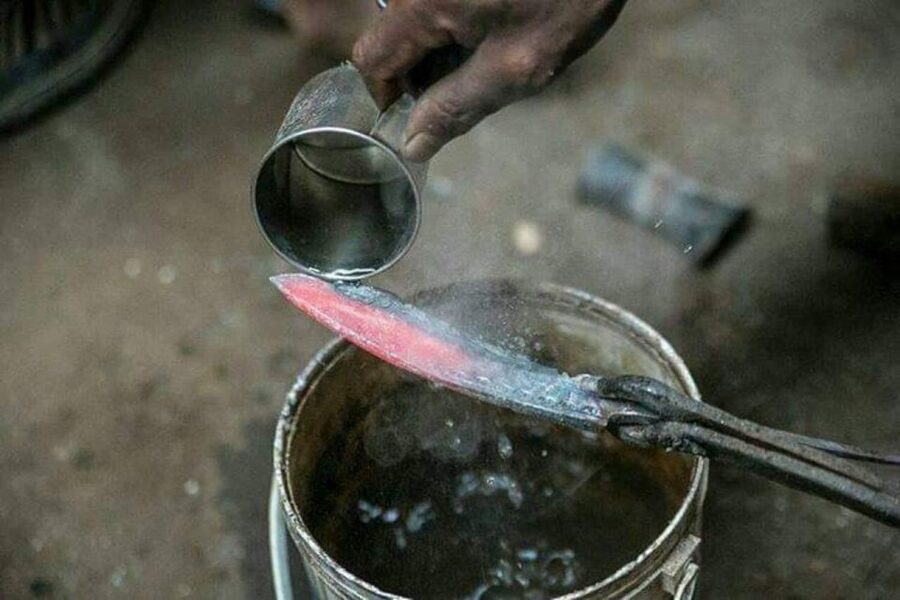
At $73 per person for a 4-hour experience, this is priced like a real workshop, not a quick demonstration. You’re paying for several things at once:
- Pickup and drop-off from your hotel lobby
- A small group cap of 5 participants
- Tools for the steps you do
- Tea, water, and snacks
- A finished takeaway item, a handmade 6-inch khukuri with a cover
- Professional supervision for the steps guests can and cannot do safely
If you compare this to buying a decorative blade in a shop, the value is different. Here, you’re not just purchasing an object, you’re participating in the making process and getting cultural context around it. That’s why the experience tends to stick with people, they leave with both the knife and the story of how it was shaped.
Also, the group is small enough that the guide can tailor explanations. People highlight guides like Namrata, Indra (the knife master in some sessions), Sajeena, and Swayam for being friendly and for providing clear information. Even if your guide is different, the setup is built for communication, not silence.
Who should book this (and who should skip it)
This workshop is a strong match if you want a craft experience that feels authentic and practical. It’s ideal for:
- People who like hands-on activities, even if you’re not experienced with metalwork
- Travelers who enjoy learning the meaning behind objects, not just collecting items
- Anyone who wants a functional souvenir you can carry home in its cover
It’s less ideal if:
- You want a fully passive show, where you only watch from start to finish
- You dislike hands-on tasks like hammering, even with guidance
- You’re traveling with children under 10, since it’s not suitable for that age group
Should you book this khukuri making workshop in Kathmandu?
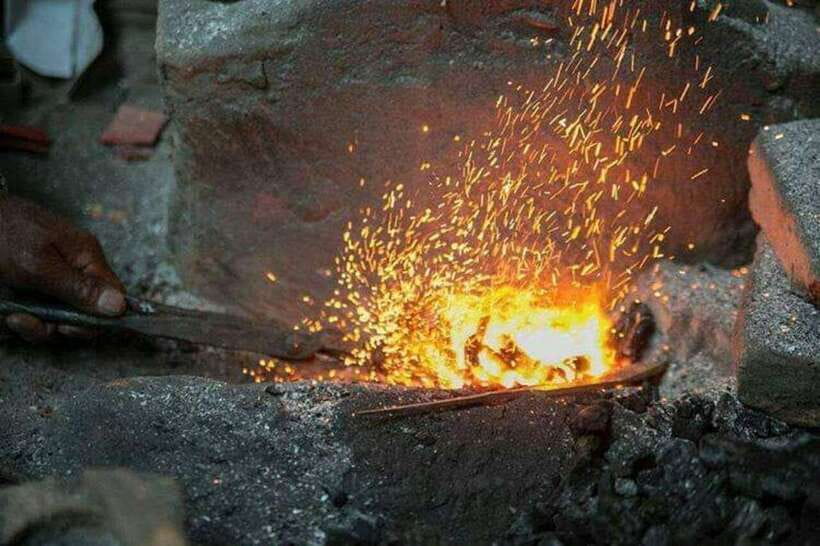
I’d book it if you want more than a “look but don’t touch” cultural stop. The mix of safe participation (hammering and first grinding) plus expert-led finishing (performed by the host) gives you a real sense of process without pushing you into danger. The fact that you leave with a 6-inch khukuri and a knife cover makes the value feel tangible.
Skip it if your priority is pure sightseeing or you’re traveling with a child under 10. Also, if you’re uncomfortable with workshop conditions and following safety instructions around sparks, you might find the host-led parts frustrating. For most people though, the balance is exactly right: you help shape the metal, then you watch how a master turns that shape into a sharp, usable knife.
If you’re visiting Kathmandu and you like crafts with meaning, this is the kind of half-day activity that pays you back every time you look at the knife later.
FAQ
How long is the Knife Khukuri Making Workshop?
The workshop lasts 4 hours.
What does it cost?
It costs $73 per person.
How many people are in the group?
The group is limited to 5 participants, so it stays small.
Is pickup and drop-off included?
Yes. Pickup and drop-off are included, with pickup from your hotel lobby.
What languages will the host or guide use?
The host or greeter speaks English and Hindi.
Which parts of the knife making can I do myself?
You can participate in hammering the iron and the first grinding. For safety, the host does the parts that involve grinding with sparks, and guests are advised to stay clear of sparks.
What size khukuri blade will I make?
For this workshop, you make a small 6-inch blade.
What is included with the knife?
You get a knife cover included. A horn/bone cover can be made for an extra cost.
What should I bring, and is it for children?
Bring long pants. It is not suitable for children under 10 years.
Is cancellation possible, and do I pay now?
You have free cancellation up to 24 hours in advance for a full refund. You can also reserve now and pay later, meaning you pay nothing today.
Latest additions near Kathmandu
- White Water River Rafting – 1 Day★ 4.3 · 3 reviews
- Traditional Momo Making Class★ 5.0 · 10 reviews
- Kathmandu to Pokhara Premium sofa bus ticket★ 4.0 · 17 reviews
- Ghorepani Poon Hill Trek★ 5.0 · 16 reviews
- Amazing 1 Day Trekking Experience in Kathmandu Nepal★ 5.0 · 24 reviews
- Ghorepani Poonhill Trek★ 5.0 · 5 reviews
- Walking tour of real Kathmandu through back streets.★ 5.0 · 3 reviews
- Wildlife Adventure in Chitwan Nepal★ 4.0 · 4 reviews
Workshops, compared.
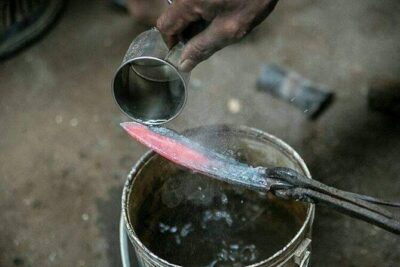
Knife (Khukuri) Making Workshop- Forge of the Gurkhas
Read our review →
Nepalese Momos or Dal Bhat Cooking Class (Cook with Delight)
Read our review →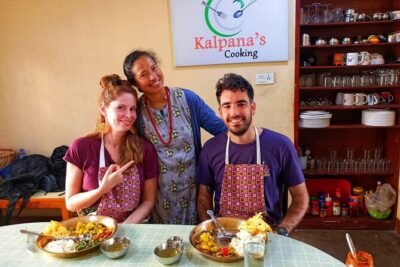
The best Private Nepali Cooking Class in Kathmandu
Read our review →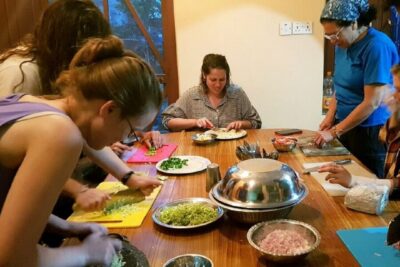
Nepalese Kitchen in Pokhara: Momos or Dal Bhat Cooking Class
Read our review →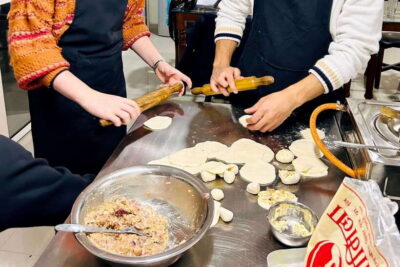
Browse the lists this tour appears in