
Reviewed · WORKSHOPS
Knife (Khukuri) Making Workshop- Forge of the Gurkhas
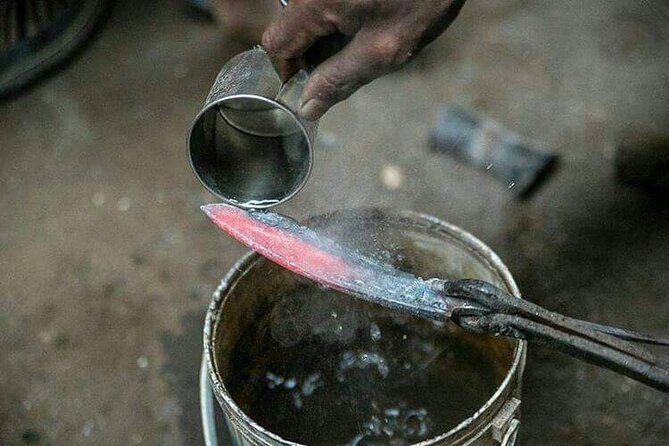
A khukuri workshop beats the souvenir aisle. In Kathmandu, you get a small-group class in real blacksmithing, and you leave with a sharp 6-inch blade you helped shape. I especially liked the chance to work the metal myself, and I loved the family-style welcome from the blacksmith and the guide, with Indra and Swoyam showing how the craft fits daily life.
Two things that really won me over were the hands-on hammering and the final buffing and polishing that turns a rough piece of iron into something you can admire (and use). The downside to know upfront: for safety, you will not be doing every spark-making step, and the host takes over the dangerous grinding.
In This Review
- Knife Making Workshop With Indra, in a Real Kathmandu Forge
- What Makes a Khukuri More Than a Sharp Knife
- Pickup, Group Size, and Why Timing Feels Different Here
- Hammering the Iron, Your First Real Step
- Grinding and Safety, What You Do, What Indra Does
- Buffing, Polishing, and Turning Metal Into a Knife You Keep
- Why the 6-Inch Size Is the Smart Workshop Choice
- The Best Part Is Seeing the Craft, Not Just Buying the Result
- Value Check: Is $68 Good for This Workshop?
- A Note on Cracks and What to Do If Yours Happens
- Who Should Book This Khukuri Workshop
- Quick Key Points Before You Go
- Should You Book Forge of the Gurkhas in Kathmandu?
- FAQ
- How long does the khukuri making workshop take?
- What size khukuri will I make?
- Is hotel pickup included?
- How many people are in the group?
- What parts of the process will I do myself?
- Who will be doing the dangerous grinding?
- What does the price include?
- Is it refundable if I cancel?
Knife Making Workshop With Indra, in a Real Kathmandu Forge
You start with a quick pick-up and a ride out of the tourist center. Depending on your schedule, pickup is offered, and the day moves at the pace of a working craft rather than a scripted factory tour. Once you meet your guide, names that often show up are Namrata for coordination and Swoyam for translation and guiding, and they help you understand what you are seeing without turning it into a lecture.
Then you head to the blacksmith’s home workshop area, where the setting feels more rustic than showroom polished. You are not just watching from a safe distance. You learn the parts of the khukuri and the meaning behind it, including why the curved blade and the nick near the handle matter, then you get to do key steps yourself.
What Makes a Khukuri More Than a Sharp Knife
A khukuri is more than a “cool blade.” It is a symbol tied to Gurkha identity and loyalty, and it is also traditional for Nepal’s hill communities. The design is recognizable: a tempered steel blade that is slightly curved and made to be exceedingly sharp.
The handle is traditionally wood or buffalo horn, and the scabbard is wood and leather. Even small details have meaning. The nick near the blade close to the handle is said to help keep blood away from the handle and is also symbolic of the Hindu Trinity of Brahma, Vishnu, and Shiva. You will hear some of this background during the workshop so the knife feels like culture, not just metal.
That context is part of the value. It is why you do not just leave with a souvenir. You leave with a story you can explain.
More from Kathmandu worth a second look:
- Everest Base Camp Trek – 14 Days
★ 5.0 · 1,499 reviews - Everest Base Camp Trek
★ 5.0 · 842 reviews - Private Kathmandu Sightseeing Tour | UNESCO World Heritage sites
★ 5.0 · 756 reviews
Pickup, Group Size, and Why Timing Feels Different Here
This experience runs about 4 hours. The group size is small, capped at 5 travelers, which changes the vibe immediately. You are not squeezed into a crowd, and the guide can help you follow what is happening at your pace.
Most travelers can participate. That does not mean it is a casual “push-button” activity, though. You are working with heavy tools and focused motions, and the craft takes time. If you like hands-on work, the schedule will feel right. If you hate waiting around, you may wish you had packed a little extra patience.
If you are basing your day in Thamel, plan on travel time into the workshop area. Some rides are more remote than others, so build in a bit of buffer.
Hammering the Iron, Your First Real Step
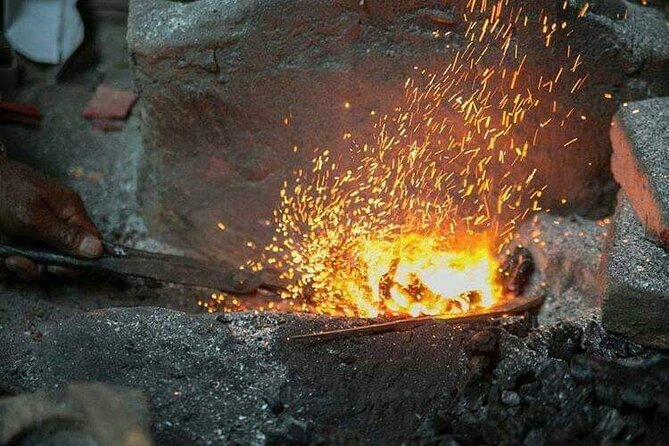
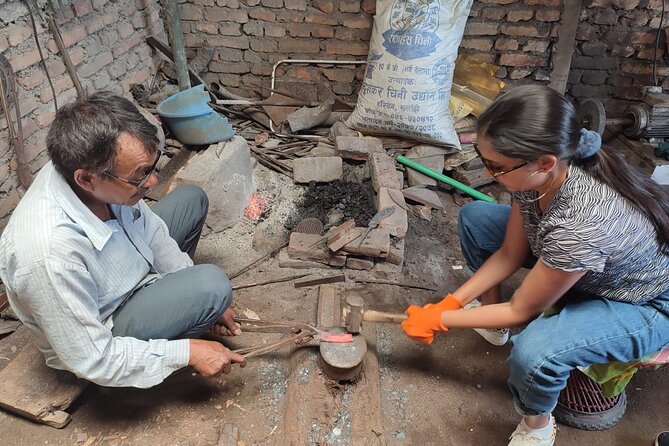
The workshop’s interactive core starts with hammering the iron. This is the part where the class stops being a demonstration and becomes a craft lesson with weight behind it. Your job is to take a raw piece of iron and help shape it toward the blade form.
This matters because it teaches you how little changes at the forge add up. You feel how the metal responds, and you see why experienced blacksmiths talk about heat, timing, and control. Even if you only control a portion of the shaping, you walk away with “I did that” pride, not just a certificate.
The guides and blacksmith assistants support you along the way. A common pattern in the experience is a balance of watching the master at work and doing the steps you can safely handle.
Grinding and Safety, What You Do, What Indra Does
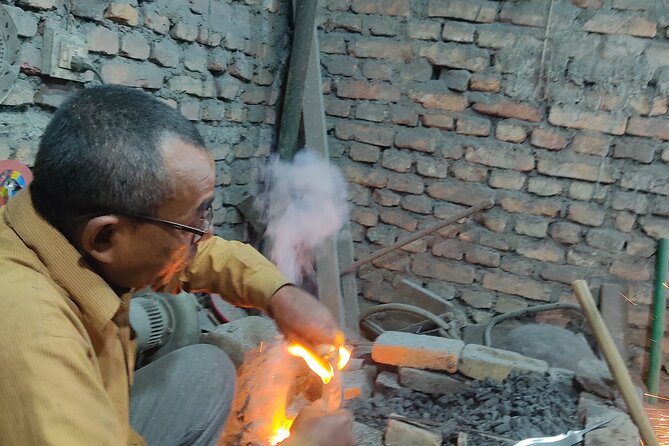
Now for the part you should plan around: grinding involves sparks. For safety reasons, the host handles the spark-heavy grinding step. You are advised to stay clear during that phase.
In the process you will participate in key shaping steps, including hammering and what is described as the first grinding. But do not expect to stand over the hottest wheel the entire time. When sparks fly, Indra and the host take over. The goal is simple: you get meaningful hands-on time without pretending a casual class can replace years of practice.
This is also why the workshop still feels authentic. You are not forced into a token role. You just do the steps that fit your skill level and the safety rules of a working forge.
Another way to spend the time in Nepal:
- Kathmandu: 7 UNESCO Sites with Lunch
★ 4.8 · 744 reviews - Everest Base Camp Helicopter Tour landing at Everest View Hotel
★ 5.0 · 668 reviews - Half day cooking class in Thamel kathmandu
★ 5.0 · 607 reviews - Everest Base Camp Trekking
★ 5.0 · 485 reviews
Buffing, Polishing, and Turning Metal Into a Knife You Keep
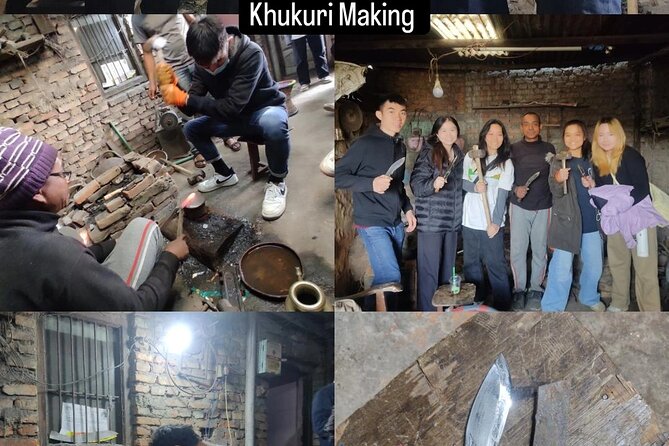
The final stages are where your knife really starts to look like your knife. Guests participate in buffing and polishing, and that is the moment when the workshop shifts from rough labor to careful finishing.
This is not “everyone gets the same result.” The shine and edge profile depend on how the steps were handled. When things go well, you end up with a blade that looks finished and feels sharp in the way that only proper grinding and finishing create.
Multiple people have highlighted how sharp their finished khukuri was. That makes sense. A small 6-inch blade is still serious work once it is shaped and polished correctly.
You also get a chance to learn how khukuri construction ties together: blade curve, handle choice (often wood or buffalo horn), and the scabbard of wood and leather. Some workshops also offer personalization of the knife, so you might be able to add a personal touch rather than receiving a blank product.
Why the 6-Inch Size Is the Smart Workshop Choice
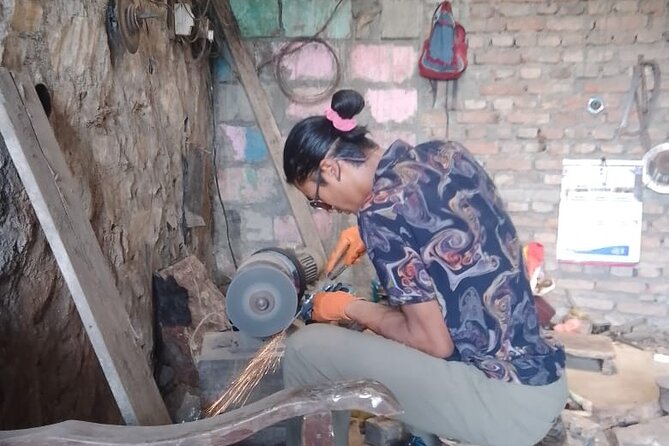
The standard option in this class is a small 6-inch khukuri. That size is a practical sweet spot for a half-day workshop. It is large enough to feel substantial and real, but small enough to fit into a structured 4-hour experience without turning the day into an all-weekend project.
If you want bigger, there can be an additional fee option to make a longer 10-inch knife. If that matters to you, ask when you book, and confirm what is included at each size.
For most first-timers, the 6-inch version is a great target. You get the full arc of the process and you leave with something you can show off without wondering how you will pack and carry a heavy, long blade.
The Best Part Is Seeing the Craft, Not Just Buying the Result
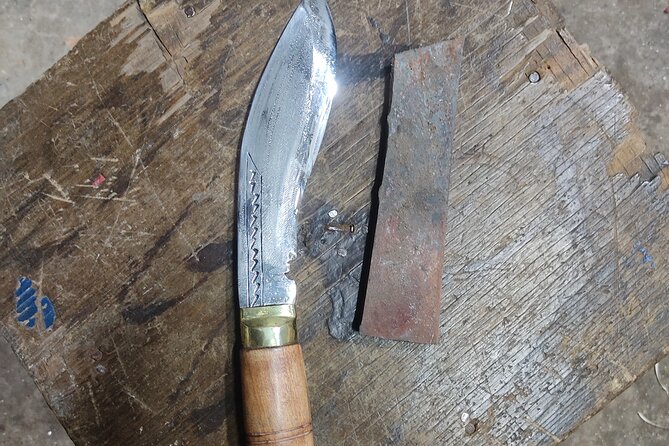
The strongest praise for this experience is not just the knife itself. It is the fact that you are seeing craftsmanship in a home workshop, with a real blacksmith like Indra and a guide who helps translate the meaning of what you are doing.
There is often time to chat. Swoyam, in particular, has been described as friendly and helpful with translation, and that kind of conversation turns the workshop into a Nepal experience, not only a “do this, then leave” activity. Even the tea or lunch can help, since it makes the blacksmith family feel like hosts rather than vendors.
And there is a deeper reason people love this class. Knife shops in tourist areas can sell you a khukuri. This workshop lets you witness the process that makes a khukuri worth respecting.
Value Check: Is $68 Good for This Workshop?
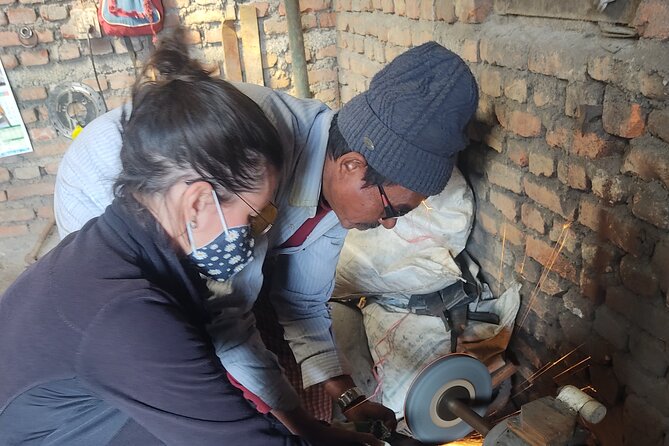
At $68 per person, the value depends on what you compare it to.
If you compare it to buying a khukuri in a shop, you are paying for labor, instruction, transport time, and the full experience of creating the blade from a raw start. You are also likely paying for quality, since this class focuses on making a knife rather than mass-marketing a product.
If you compare it to other Nepal “activities,” you get something tangible. You bring home a working souvenir you helped make, not just photos.
You also get small-group attention and pickup offered, which adds real convenience. When the group is capped at five and the craft is family-run, that price starts to feel fair.
One more value point: you will understand the khukuri beyond the sales pitch. That makes it a souvenir you can talk about for years, not a thing you set in a drawer.
A Note on Cracks and What to Do If Yours Happens
One practical consideration has come up: sometimes finished blades can show cracks later in the process. In at least one case, knives had cracks, and the response included an apology and an offer to make a new knife and deliver it.
So here is what you should do: take care of your khukuri after the workshop. Ask the guide what handling steps matter for your specific knife, and confirm what the replacement process is if something is wrong. Even when the workshop goes smoothly, you still want to know the plan.
Who Should Book This Khukuri Workshop
Book this if you want hands-on craft, real Nepal culture, and a small-group class in blacksmithing. It is a good fit for travelers who enjoy making things and learning why they are made this way.
It is also a nice option if you like conversation. With guides such as Swoyam and coordinators such as Namrata, the workshop often includes time to talk about Nepal and explain the meaning behind the knife.
If you are traveling with kids, think about patience. In at least one family situation, the craft took around 4 to 5 hours, and younger kids ran out of patience. You can still go, but bring distractions, snacks, or a plan for breaks.
Quick Key Points Before You Go
- Small group (max 5) keeps the experience personal and lets you get help when you need it
- You hammer and help shape, not just watch from the edge of the forge
- Host handles spark-heavy grinding for safety, so you will not do every dangerous step
- Buffing and polishing are part of the guest experience, and that is where your knife really transforms
- 6-inch khukuri included, with an option (for an additional fee) to make a 10-inch knife
- Pickup may be included, saving you the headache of getting to a more remote workshop area
Should You Book Forge of the Gurkhas in Kathmandu?
If your goal is a Nepal souvenir with real meaning, I think you should book it. The combination of hands-on hammering, seeing master blacksmithing up close with Indra, and then polishing your own 6-inch khukuri is the kind of activity that makes Kathmandu feel more lived-in.
I would only hesitate if you strongly dislike safety boundaries around sparks. You are not doing every step yourself, and the host takes over the dangerous grinding. Still, you get enough control over shaping and finishing that the result feels earned.
If you have a free half-day and you want a workshop that feels like craft, not a tourist production, this is a smart choice.
FAQ
How long does the khukuri making workshop take?
It runs about 4 hours (approx.).
What size khukuri will I make?
You make a small 6-inch blade as part of the workshop.
Is hotel pickup included?
Pickup is offered.
How many people are in the group?
The workshop has a maximum of 5 travelers.
What parts of the process will I do myself?
You will participate in hammering the iron, a first grinding step, and buffing and polishing at the end. For safety, the host does the spark-heavy blade grinding.
Who will be doing the dangerous grinding?
The host handles the blade grinding for safety reasons, and guests are advised to stay clear of sparks.
What does the price include?
The price is $68.00 per person, and the workshop includes making the 6-inch knife.
Is it refundable if I cancel?
Yes, free cancellation is available. You can cancel up to 24 hours in advance for a full refund.
Latest additions near Kathmandu
- White Water River Rafting – 1 Day★ 4.3 · 3 reviews
- Traditional Momo Making Class★ 5.0 · 10 reviews
- Kathmandu to Pokhara Premium sofa bus ticket★ 4.0 · 17 reviews
- Ghorepani Poon Hill Trek★ 5.0 · 16 reviews
- Amazing 1 Day Trekking Experience in Kathmandu Nepal★ 5.0 · 24 reviews
- Ghorepani Poonhill Trek★ 5.0 · 5 reviews
- Walking tour of real Kathmandu through back streets.★ 5.0 · 3 reviews
- Wildlife Adventure in Chitwan Nepal★ 4.0 · 4 reviews
Workshops, compared.
Nepalese Momos or Dal Bhat Cooking Class (Cook with Delight)
Read our review →
The best Private Nepali Cooking Class in Kathmandu
Read our review →
Nepalese Kitchen in Pokhara: Momos or Dal Bhat Cooking Class
Read our review →
Browse the lists this tour appears in