Reviewed · KATHMANDU TOURS
Kathmandu Guided Tour
Four temples, two religions, zero guesswork. This Kathmandu Guided Tour strings together World Heritage stops that make Nepal’s Hindu and Buddhist worlds feel real, not textbook. You’ll move from royal-palace ruins and living-deity devotion to hilltop stupa views, large-scale Buddhist prayer, and Shiva worship by the Bagmati River.
I especially like the way the itinerary keeps its momentum without feeling rushed. You get air conditioned private vehicle comfort plus a professional tour guide, which matters in a city where streets, traffic, and temple etiquette can chew up time fast. In the 4 to 6 hour range, you can see a lot while still understanding what you’re looking at.
One possible drawback: the most famous moment, the living goddess at Kumari Bahal, can mean waiting. If you hate queues or you’re traveling with kids who get restless quickly, plan your mindset for lines and sacred slow moments.
In This Review
- Key highlights you will actually feel during this tour
- A half-day Kathmandu plan built for first-timers
- Entering Kathmandu Durbar Square, where royal power turned sacred
- The Kumari Bahal moment is the main event
- Swayambhunath Monkey Temple: stupa symbolism plus big-city views
- Boudhanath Stupa: the largest spiritual hub in the region
- The main activity: clockwise circling
- Pashupatinath Temple: Hindu worship at the Bagmati River
- Price and value: what $120 buys you in Kathmandu time
- What is not included
- Why the guide quality matters (and what to expect from Escape Himalaya)
- Timing tips so you do not feel rushed
- Should you book this Kathmandu Guided Tour?
- FAQ
- What is the duration of the Kathmandu Guided Tour?
- What sites are included in the tour?
- Is hotel pickup and drop-off included?
- Are admission tickets included?
- What time does the tour run?
- Is this tour private?
- Is food provided during the tour?
- What is the cancellation policy?
Key highlights you will actually feel during this tour
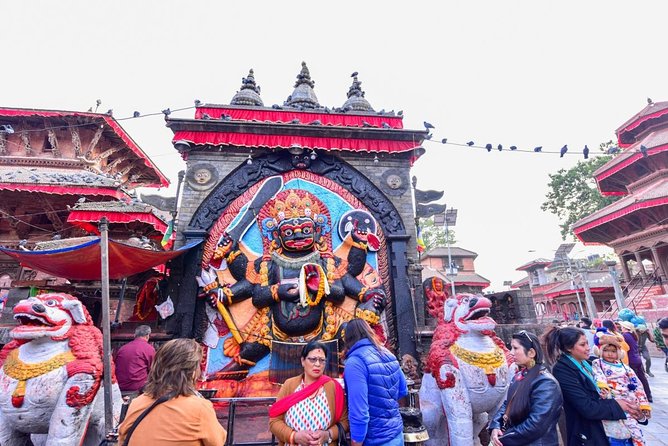
- Kathmandu Durbar Square depth, from Bhairav temples to the living goddess complex
- Swayambhunath viewpoints, plus the stupa’s symbolic “eyes on all sides”
- Boudhanath scale and routine, where clockwise circling and Om Mani Padme Hum are core to the visit
- Pashupatinath’s Hindu-spiritual maze, with Shiva shrines and Jyotirlinga sites handled by your guide
- Private, hotel pickup included, so you are not burning your limited time on logistics
A half-day Kathmandu plan built for first-timers
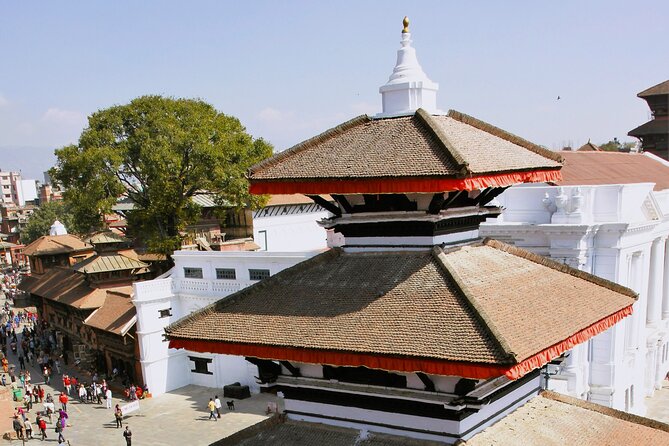
If you only have a short window in Kathmandu, this kind of tour earns its keep. The big idea is simple: hit the major sacred sites that anchor the city’s religious life, and let a guide translate what you see into something you can actually use.
The timing is also practical. You are looking at about 4 to 6 hours, and the tour runs daily within 7:45 AM to 1:15 PM. That is a helpful frame if you want your mornings meaningful but still leave room for jet lag recovery, a nap, or a late breakfast you absolutely deserve.
And yes, it is a private tour, meaning only your group participates. That matters more than people think. In religious places, you do not want to be stuck behind a large bus group with no room to ask questions or adjust pacing.
A few more Kathmandu routes to compare
- Kathmandu: Private City Guided Tour
★ 4.9 · 174 reviews - Full Day Guided Tour in Kathmandu
★ 5.0 · 61 reviews - 12 Day Everest Base Camp Guided Trek
★ 5.0 · 40 reviews
Entering Kathmandu Durbar Square, where royal power turned sacred
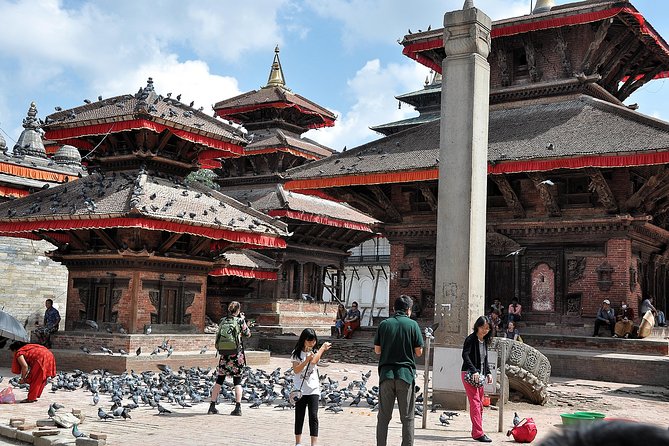
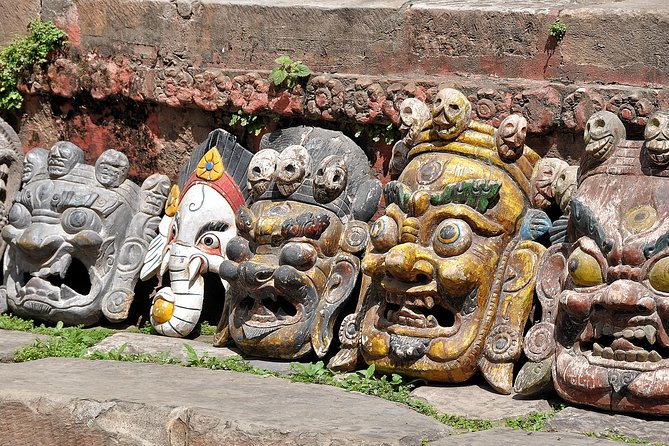
Kathmandu Durbar Square is the kind of place where history feels physical under your feet. This complex, built in the 16th century, used to function as a royal palace for the Malla and Shan dynasties. You can sense the overlap of politics and religion here, because the temples, courtyards, and shrine clusters grew from that royal foundation.
As you look around, your guide helps connect the different sections people often miss on a quick wander. To the south you have Basantapur Durbar Square, and to the north is Basantapur Durbar. In the west area, you’ll find temples dedicated to gods and goddesses, and it all creates a layered “walkable map” of sacred space.
What I love most is the sheer variety packed into one stop. At Kathmandu Durbar Square, you’ll visit specific temples such as:
- Kal Bhairav Temple
- Taleju Temple
- Kumari Bahal
- Swet Bhairav Temple
- Akash Bhairav Temple
- Shiv-Parvati Temple
The Kumari Bahal moment is the main event
The highlight is Kumari Bahal, the temple of Nepal’s living goddess. Tourists typically form a queue to get a glimpse of the living goddess, and that can take time. The payoff is that it is not just photos and stonework. It is a living religious tradition that still draws people in for the same reason it always has, devotion.
Practical note: this is a stop where you should wear comfortable shoes and be ready to stand. If you want a strictly moving tour with zero waiting, you may find this portion slower than you expected.
Swayambhunath Monkey Temple: stupa symbolism plus big-city views
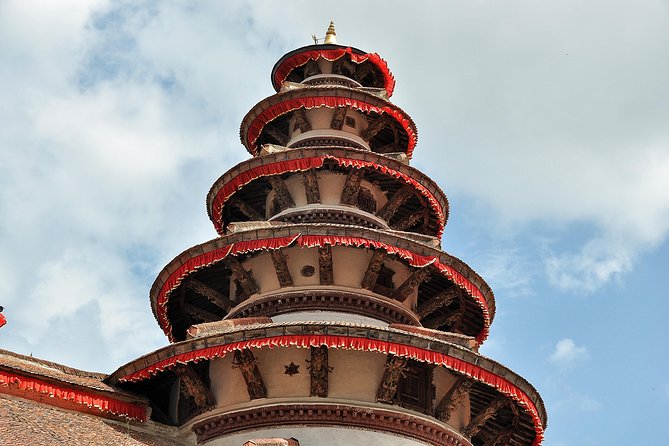
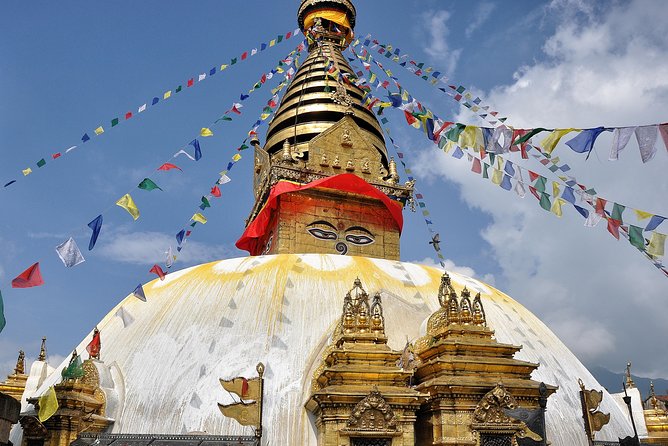
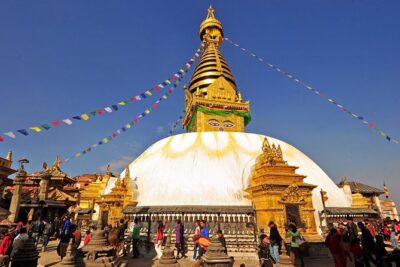
Next up is Swayambhunath Temple, also called the Monkey Temple. It sits northwest of Kathmandu Valley, and the location is part of why it is so effective. You are on a rise, so the temple also functions as a viewpoint, letting you see the city spread out below.
The name matters too. Swayambhu is tied to the idea of self-existent. The stupa itself is famous for the “eyes on all sides,” a visual way of communicating faith and peace.
This stop is not just one monument. It includes multiple shrines and monasteries. Your guide points out details in the layout, including:
- Gold-plated Vajra on the east side
- A Buddhist statue on the west side
- A temple of goddess Harati
And then there is the story your guide will explain about Harati. She’s believed to have been an ogress who was later converted and made a caretaker of all children by Lord Buddha. Whether you know Buddhism already or not, it gives you a framework for why certain figures matter in temple art and ritual.
You’ll also enjoy the Dewa Dharma Monastery, with Buddha statues and Tibetan paintings. That combination helps you see how Swayambhunath reflects broader Himalayan Buddhist culture, not just one local style.
Another way to spend the time in Nepal:
- Everest Base Camp Trek – 14 Days
★ 5.0 · 1,499 reviews - Everest Base Camp Trek
★ 5.0 · 842 reviews - Private Kathmandu Sightseeing Tour | UNESCO World Heritage sites
★ 5.0 · 756 reviews - Kathmandu: 7 UNESCO Sites with Lunch
★ 4.8 · 744 reviews
Boudhanath Stupa: the largest spiritual hub in the region
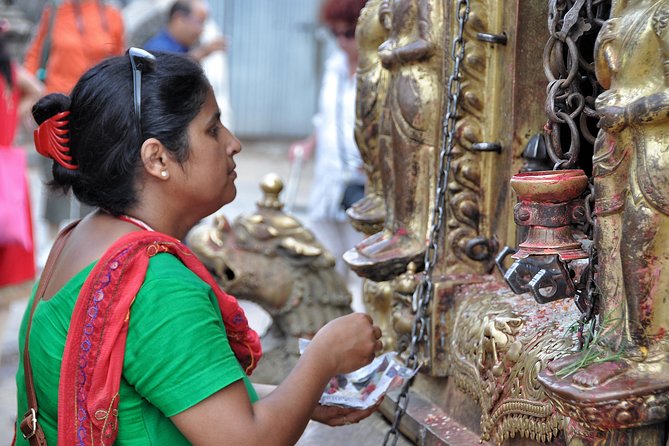
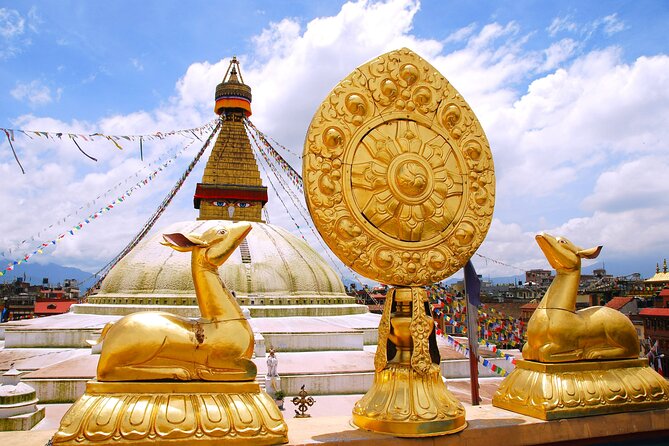
Boudhanath Stupa is the kind of place where your brain goes quiet. It is described as the largest and holiest stupa in South East Asia, and once you see it, you understand why people treat it as more than a landmark.
The stupa is also explained as a giant mandala, packed with symbols of enlightenment. The architecture even includes the five elements: earth, water, space, fire, and air. It is a lot to take in, but your guide’s job is to make those symbols readable while you are standing in front of them, not just while you are scrolling photos later.
As you enter through the gates, you’ll find the stupa surrounded by a 16 sided wall. Around the complex, monks pray, and you get glimpses of monastic life close up. This is one of those places where time feels different because the surrounding world is built around ritual.
The main activity: clockwise circling
The core experience here is circulating the stupa clockwise while chanting Om Mani Padme Hum. You do not need to be fluent. You just need to understand the rhythm of the ritual: repeat, walk, breathe, and let the place do its work.
One practical perk: the Boudhanath area has broad spaces with cafes and restaurants nearby. If you want a quiet break after temple time, you can grab a drink and still have the stupa in your sightline.
Pashupatinath Temple: Hindu worship at the Bagmati River
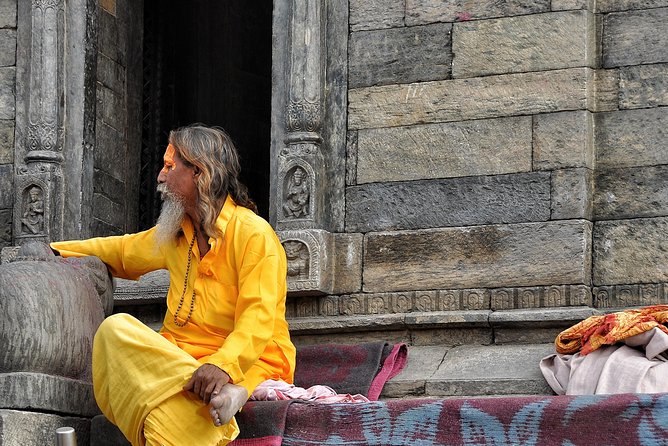
Pashupatinath Temple is a major Hindu pilgrimage site on the Bagmati River. It is also described as the largest temple in Nepal, and it shows. This stop is more complex than it looks from a distance, because the space is a cluster of sacred structures rather than one single building.
What your guide helps you understand is the scale and how the sacred parts fit together. Pashupatinath includes:
- 492 temples
- 15 Lord Shiva shrines
- 12 Jyotirlinga, which your guide will take you to
That number-heavy description is not random trivia. It’s a hint that you are not just observing one shrine. You are entering a spiritual map where different Shiva-related sites carry meaning.
The architecture is described as beautiful, but the deeper value is how your guide organizes the visit so you do not bounce around randomly. With a guide, you can connect what you see to why it matters in Hindu practice.
This is also where you should shift into respectful mode. You’re in an active worship setting, so you’ll want to keep your pace steady, your voice low, and your behavior thoughtful.
Price and value: what $120 buys you in Kathmandu time
At $120 per person, this is positioned as a practical value play, mainly because so much is bundled. You get:
- Air conditioned private vehicle with hotel pickup and drop-off
- A professional tour guide
- Entry/Admission for Kathmandu Durbar Square, Boudhanath Stupa, Swayambhunath, and Pashupatinath
That package matters in Kathmandu. Your biggest hidden cost is usually time, not money. When transport and site introductions are handled, you do not lose hours trying to coordinate rides, interpret signage, or figure out temple priorities.
What is not included
Two things to plan for: food and drinks are not included, and airport transfers are not included. Also, accommodations are not included, obviously, but that matters because you might arrive with a tight schedule. If you want a meal immediately before or after the tour, budget for it.
If you are counting pennies and you are comfortable taking public transportation, you might find cheaper self-guided options. But if you want the day to feel smooth and structured, $120 can be a fair trade for four major World Heritage stops plus an AC vehicle.
Why the guide quality matters (and what to expect from Escape Himalaya)
You are paying for more than a route. You are paying for translation.
The operator behind this tour is Escape Himalaya Trek and Expedition, and their broader travel reviews are heavily tied to guide performance. In those reports, you see a consistent theme: guides who communicate clearly, speak good English, and keep things running smoothly. Names like Raj, Arun, and Vishma show up in that wider trekking feedback, and people repeatedly point to safety, professionalism, and flexibility in real-world conditions.
For a city tour like this, that translates into a few practical benefits:
- You do not just take photos, you learn what to look for at each stop.
- You avoid getting lost in temple complexity.
- You can ask questions instead of guessing etiquette and meaning.
No guarantee is printed here that the exact same guide you meet will match every review story, but the pattern is encouraging: this company clearly invests in guide quality.
Timing tips so you do not feel rushed
Because this tour is half-day sized, timing matters. The itinerary moves across four major areas, and each one has its own pace.
Here’s what usually makes the difference:
- Start with a clear breakfast plan, since food is not included.
- Bring patience for devotional moments, especially around Kumari Bahal.
- Wear shoes that can handle uneven temple surfaces and stair-like steps at hill and stupa sites.
Also, remember the time window is within 7:45 AM to 1:15 PM. If you prefer softer light for photos and cooler air, aim for earlier starts within that range.
Should you book this Kathmandu Guided Tour?
I think this is a strong choice if:
- You want a religion-and-architecture focused introduction to Kathmandu.
- You have limited time and want major sites in one organized circuit.
- You prefer a guided explanation over solo wandering, especially at places packed with symbols like stupa mandalas and Shiva shrines.
I’d hesitate if:
- You want a slow, spend-more-time-at-one-place kind of day.
- You hate any form of waiting, since the living goddess area can involve a queue.
- You expect the tour to include meals, because it does not.
Overall, it is a smart way to get your bearings fast and still leave Kathmandu feeling like you actually understood what you saw, not just what you photographed.
FAQ
What is the duration of the Kathmandu Guided Tour?
The tour lasts about 4 to 6 hours.
What sites are included in the tour?
You visit Kathmandu Durbar Square, Swayambhunath Temple, Boudhanath Stupa, and Pashupatinath Temple.
Is hotel pickup and drop-off included?
Yes. The tour includes hotel pickup and drop-off by air conditioned private vehicle. Airport pickup and drop-off are not included.
Are admission tickets included?
Kathmandu Durbar Square admission is included. The tour also lists entry for Swayambhunath, Boudhanath Stupa, and Pashupatinath Temple as included, and those are noted as admission ticket free.
What time does the tour run?
It runs Monday through Sunday, with opening hours from 7:45 AM to 1:15 PM.
Is this tour private?
Yes. It is a private tour/activity, and only your group will participate.
Is food provided during the tour?
No. Food and drinks are not included.
What is the cancellation policy?
You can cancel for a full refund if you cancel at least 24 hours in advance. If it’s canceled within 24 hours of the start time, the amount paid is not refunded. The experience also depends on good weather, and if it is canceled due to poor weather, you’ll be offered a different date or a full refund.
Latest additions near Kathmandu
- White Water River Rafting – 1 Day★ 4.3 · 3 reviews
- Traditional Momo Making Class★ 5.0 · 10 reviews
- Kathmandu to Pokhara Premium sofa bus ticket★ 4.0 · 17 reviews
- Ghorepani Poon Hill Trek★ 5.0 · 16 reviews
- Amazing 1 Day Trekking Experience in Kathmandu Nepal★ 5.0 · 24 reviews
- Ghorepani Poonhill Trek★ 5.0 · 5 reviews
- Walking tour of real Kathmandu through back streets.★ 5.0 · 3 reviews
- Wildlife Adventure in Chitwan Nepal★ 4.0 · 4 reviews
Kathmandu Tours, compared.
Private Kathmandu Sightseeing Tour | UNESCO World Heritage sites
Read our review →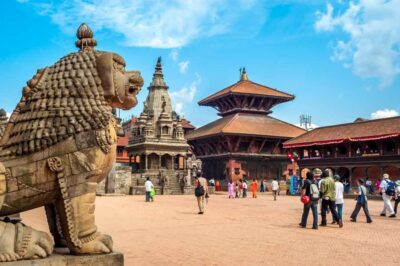
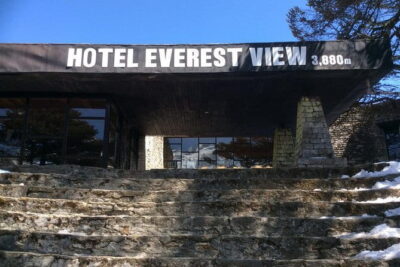
Everest Base Camp Helicopter Tour landing at Everest View Hotel
Read our review →