
Reviewed · CITY TOURS
Kathmandu: Private City Guided Tour
Kathmandu can feel like a lot at first, but this private 6-hour loop makes it digestible. In one afternoon, you’ll move between Buddhist and Hindu sacred sites, plus a UNESCO-listed royal square, all with a driver and an English-speaking guide to keep the story straight.
I especially love the way the tour links religion and everyday life in Kathmandu. You’ll see Buddhist devotion at Swayambhunath and Boudhanath, then shift to Hindu pilgrimage and river rituals at Pashupatinath, where the Bagmati River setting adds real context. I also like that the day is practical, with hotel pickup and multiple drop-off options (including Thamel and Lazimpat), so you spend less time figuring out logistics.
One drawback to plan for: this is a temple-heavy route. Swayambhunath involves stairs up a hill, and the Hindu temple complex has areas that can be smoky and crowded, so comfortable shoes and some patience with crowds and traffic are key.
In This Review
- Key things to know before you go
- Getting Your Bearings in Kathmandu Valley, Without Losing the Plot
- Swayambhunath Monkey Temple: The Hilltop You Can Feel From Below
- Patan Durbar Square: Newari Architecture and a Royal Courtyard Mood
- Pashupatinath Temple and the Bagmati River: Sacred, Powerful, and Not Always Comfortable
- Boudhanath Stupa: A Tibetan Buddhist Center That Feels Worldwide
- The Everest View Hotel Stop: A Short Pause With Big-Weather Questions
- Lunch, Shopping Time, and How the Day Stays Flexible
- Price and Value: Is $40 a Deal or a Trap?
- Who This Tour Fits Best (And Who Should Consider Another Plan)
- Should You Book This Kathmandu Private City Guided Tour?
- FAQ
- What does the Kathmandu private city guided tour include?
- How long is the tour?
- Are monument entry fees included in the price?
- Will I get to visit Swayambhunath, Patan Durbar Square, Pashupatinath, and Boudhanath?
- What pickup and drop-off areas are available?
- Is this tour wheelchair accessible?
- What should I bring?
Key things to know before you go
- UNESCO World Heritage highlights in a single afternoon: Patan Durbar Square plus the major Kathmandu Valley sites.
- Two Buddhist icons: Swayambhunath with its painted Buddha eyes, and Boudhanath, one of the world’s largest Buddhist stupas.
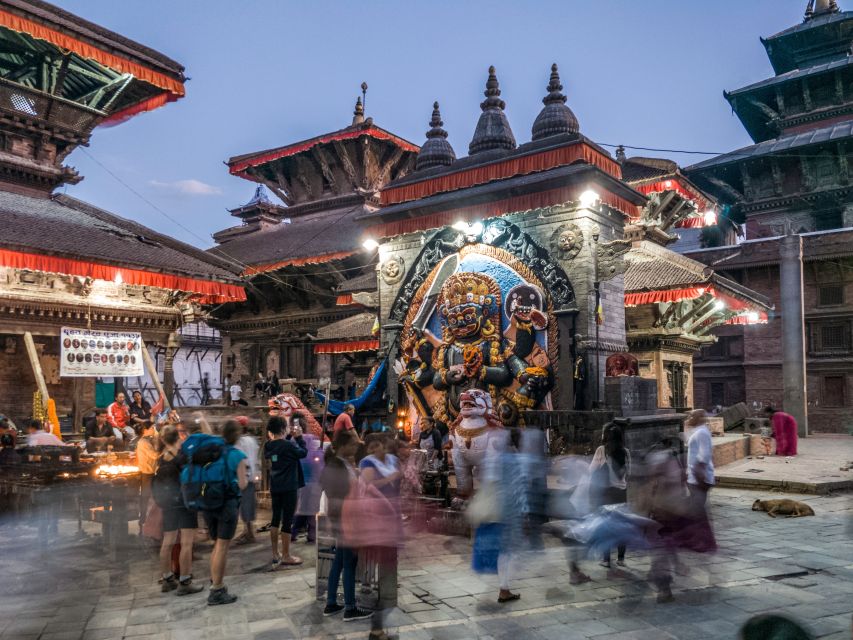
- Pashupatinath at the Bagmati River: you may observe Hindu cremation rituals from the riverbanks.
- Everest View Hotel stop: a dedicated viewpoint pause aimed at getting a closer look at Mt. Everest.
- Guide-assisted entry tickets: monument fees are bought on the spot, with different rates for different nationalities.
- Flexible pacing: based on past guest experiences, good guides adjust time when you want extra photos or a slower visit.
Getting Your Bearings in Kathmandu Valley, Without Losing the Plot
Kathmandu Valley works best when you have a map in your head, not just on your phone. This private tour is built to do that fast. You start with hotel pickup, ride with a dedicated driver, and get an English-speaking guide who can explain what you’re seeing while you’re standing right there.
The biggest value is how the stops create a theme. You’re not just collecting temples. You’re watching two living traditions, Buddhism and Hinduism, overlap in the same city. That contrast hits hardest at Pashupatinath, then it softens again as you climb into the Buddhist atmosphere at Swayambhunath and Boudhanath.
At $40 per person for six hours, it’s also a relatively efficient way to spend an afternoon if you’re short on time or want to avoid the headache of hopping between far-flung sites with public transport. You still pay monument entry tickets separately, but you’re not paying for extra tour hours. You’re paying for a focused day with transport, guidance, and a route designed for first-time orientation.
More City Tours in Kathmandu
- Kathmandu City Tours
★ 5.0 · 66 reviews - Kathmandu Valley City Day Tour
★ 5.0 · 40 reviews - 4 UNESCO City Sightseeing in Kathmandu
★ 5.0 · 36 reviews
Swayambhunath Monkey Temple: The Hilltop You Can Feel From Below
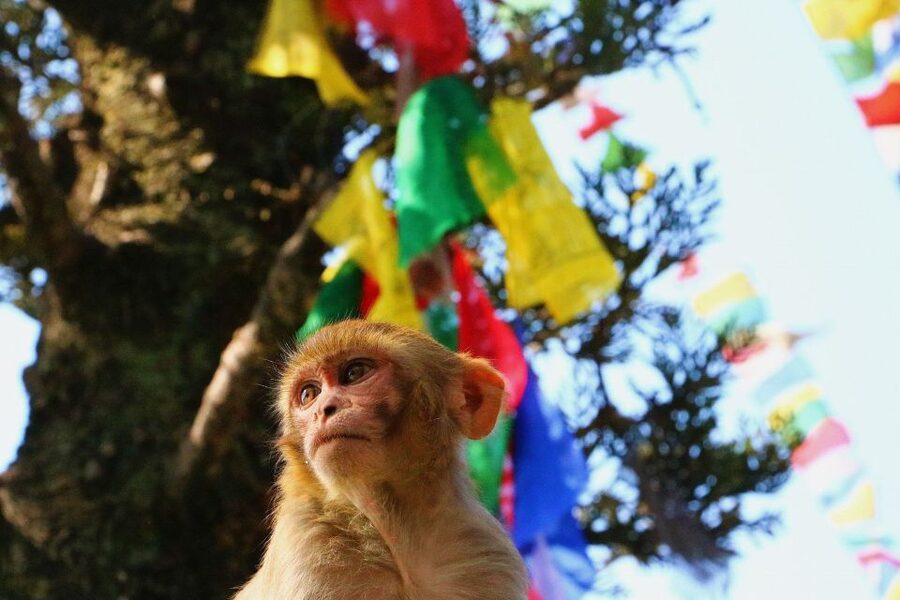
Swayambhunath, often called the Monkey Temple, sits on a hillock roughly 77 meters above ground. That elevation matters, because the view is part of the worship experience. Once you climb up, the Kathmandu Valley spreads out and the whole place starts to make sense as a bowl of neighborhoods and sacred sites.
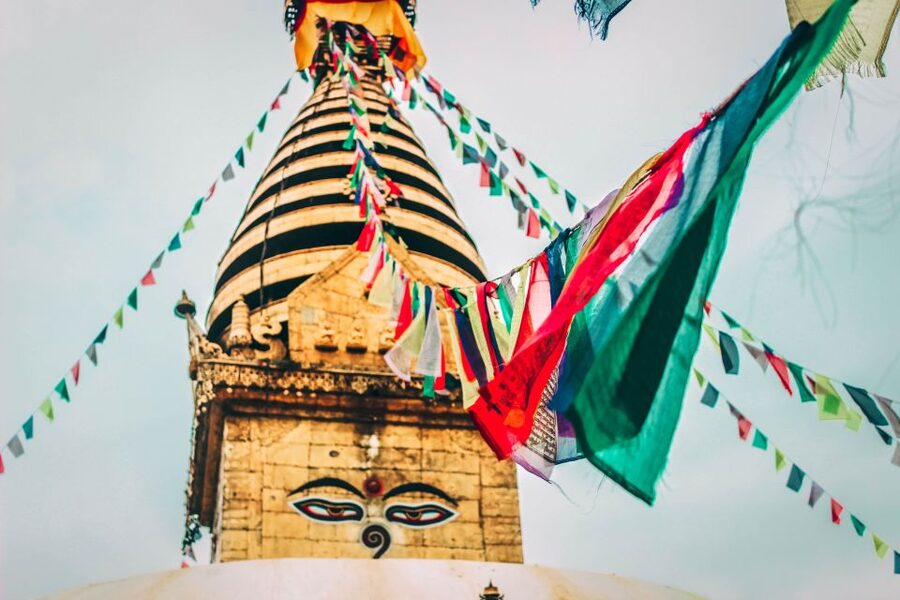
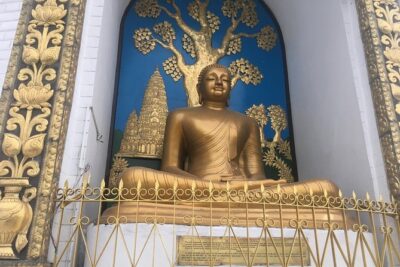
The stupa itself is about 2,500 years old, and the iconography gives you something you can look for right away. On the dome, you’ll see the famous painted eyes of Buddha on multiple sides, a symbol of being all-seeing. You’re not only looking at decoration, you’re seeing a religious idea translated into art.
A few other things to watch for:
- You’ll find Buddhist monasteries inside the complex.
- There’s also a temple of Haratima where Buddhists and Hindus worship together.
- If you walk a bit beyond the main highlight, there are sites nearby such as the temple of Manjushree and the Anandakuti Bihar.
One practical note from how people experience this area: wear shoes you can handle on steep, uneven paths. Also, expect plenty of people taking photos. Even if you don’t love crowds, the setting is worth it because Swayambhunath gives you the biggest “Kathmandu overview” feeling of the whole day.
Patan Durbar Square: Newari Architecture and a Royal Courtyard Mood
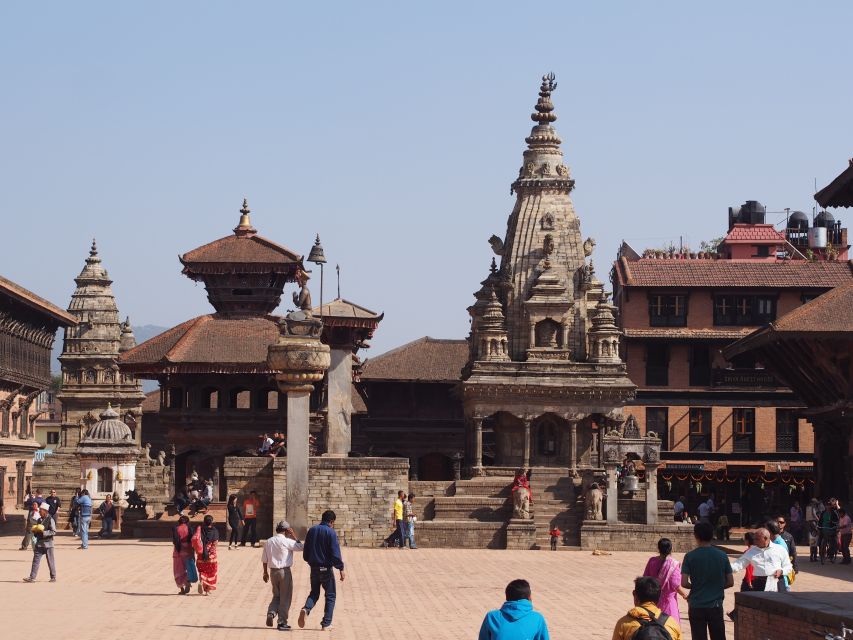
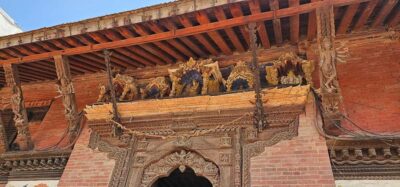
After Swayambhunath’s hilltop energy, Patan Durbar Square feels like a different kind of Kathmandu. Patan was home to the former Patan Royal Family, and the square is one of the best places to see Newari architecture in a concentrated area.
This stop also works well if you like details you can actually spot without a lecture. The centerpiece includes the Krishna Temple, which features 21 golden pinnacles. Even if you can’t count them in a rush, you’ll feel the grandeur quickly.
Another standout is Rudra Varna Mahavihar, a Buddhist monastery that houses local treasures. It’s a reminder that this area wasn’t only about one tradition. Patan’s history blends religious currents over time, and the architecture reflects that.
Then there’s the central courtyard of Mul Chowk, a classic Durbar Square layout that helps you understand how these spaces operated as social and ceremonial centers. This is where your guide’s explanations start to pay off. The square can look like “pretty buildings” unless someone connects the layout to how the community used it.
If you’re traveling with limited time or mobility concerns, this is the kind of stop you can scale. Some guides may adjust the route and time you spend if you want a lighter walk, but you’ll only know once your guide sees your comfort level.
Pashupatinath Temple and the Bagmati River: Sacred, Powerful, and Not Always Comfortable
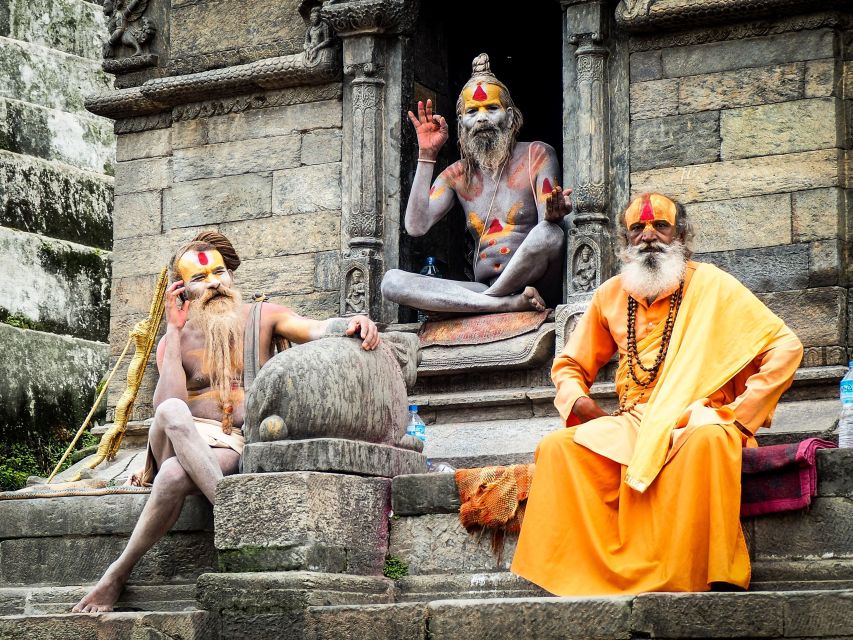
Pashupatinath is dedicated to Lord Shiva and sits about five kilometers east of Kathmandu on the Bagmati River. It has two golden roofs and four silver doors, so it’s hard to miss once you arrive. More importantly, it functions as a major Hindu pilgrimage site that attracts tens of thousands of Hindu pilgrims each year, especially in spring.
Here’s the part you should be mentally prepared for: at the riverbank, you can observe Hindu cremation rituals. The setting is solemn and intense, and it’s not an attraction in the casual sightseeing sense. It’s a living religious practice.
Because this is such a sensory location, practical planning helps:
- Bring a mask or protective covering. Some areas can be smoky, and having something on hand keeps things calmer for you.
- Expect people and activity around the ghats. Go slower in the moments you need to, and let your guide position you where you can see without causing disruption.
- If you feel unsure about what you want to witness, ask your guide. A good guide will explain what’s happening and help you choose how close you want to get.
Even if you decide to keep more distance, Pashupatinath still gives you something you can’t replicate elsewhere. It shows how the river, the temple, and daily devotion interlock in a way that feels deeply specific to Kathmandu.
A few more Kathmandu routes to compare
- Private Kathmandu Sightseeing Tour | UNESCO World Heritage sites
★ 5.0 · 756 reviews - Kathmandu: Full Day 7 UNESCO Tour with Lunch – Private/Group
★ 5.0 · 415 reviews - Private Bhaktapur and Nagarkot Day Tour From Kathmandu
★ 5.0 · 305 reviews - Kathmandu: Full Day Top 4 UNESCO Tour with Lunch – Private/Group
★ 5.0 · 269 reviews
Boudhanath Stupa: A Tibetan Buddhist Center That Feels Worldwide
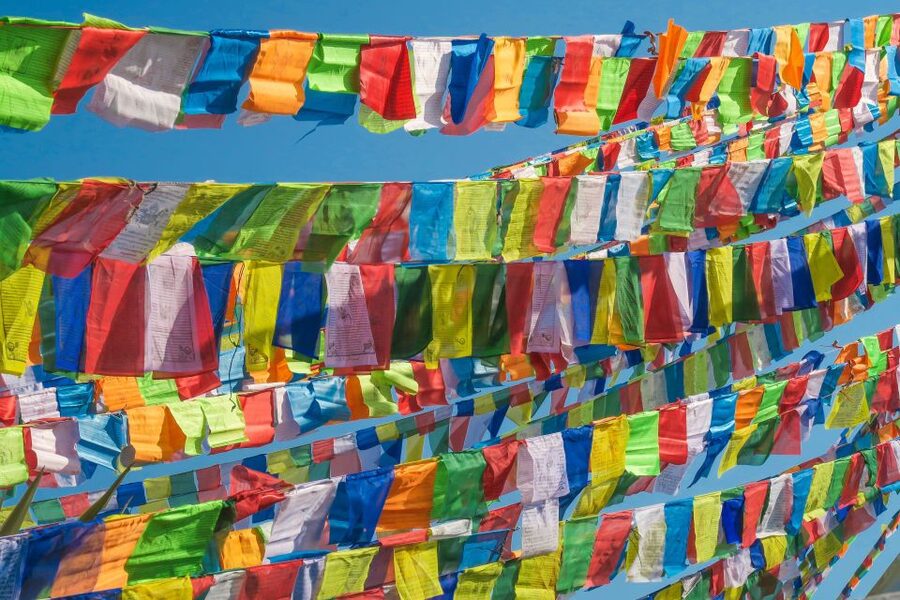
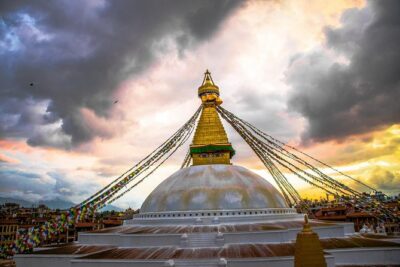
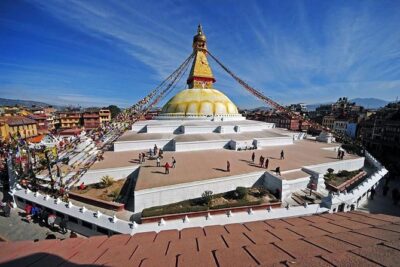
Boudhanath is about 6 km east of Kathmandu and is believed to have been built in the 5th century AD. It’s also one of the biggest Buddhist stupas in the world, and the scale hits you fast once you see it from the right angle.
One reason Boudhanath is so memorable is the surrounding ring of monasteries and the presence of Buddhist lamas. The stupa isn’t standing alone like a museum piece. It’s wrapped by people practicing their tradition.
It’s especially holy for Tibetan Buddhists, and in winter, visitors come in large numbers to pay honor. That seasonal rhythm matters because it explains why the area can feel like a small world-in-miniature, with language, prayers, and rituals that connect to Tibet and beyond.
At this stop, you’ll likely do a slower, more reflective pace. You may find yourself pausing to watch how pilgrims move around the stupa. Even if you don’t know every ritual detail, your guide can point out what to look for so you understand what you’re watching, not just what you’re seeing.
And yes, lunch often becomes part of the Boudhanath experience. Some past experiences included rooftop-style meals with a stupa view. If you care about food with atmosphere, this is a great area to request something nearby and take your time.
The Everest View Hotel Stop: A Short Pause With Big-Weather Questions
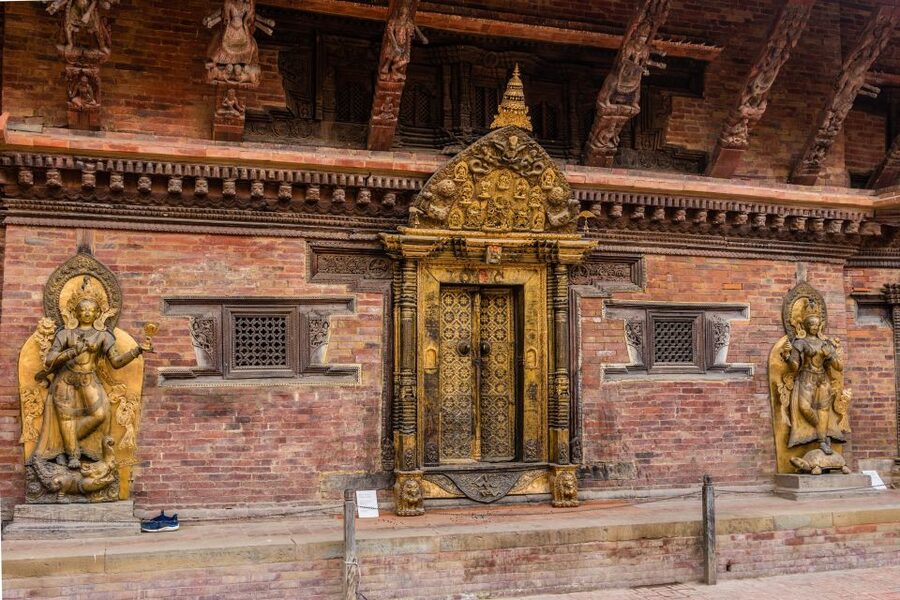
This tour includes a stop linked to Everest View Hotel for a closer view of Mt. Everest. From a practical travel perspective, keep expectations realistic. Mountain visibility depends on clouds, haze, and how clear the day is.
That said, having a planned viewpoint pause is still a smart move, especially if your time in Kathmandu is limited. It gives you a moment to connect the Himalayan story to a single location, instead of only seeing Everest as a faraway symbol in photos.
If you’re sensitive to weather, dress in layers. Even in a city like Kathmandu, temperature can shift as you change elevation and sit waiting for views.
Lunch, Shopping Time, and How the Day Stays Flexible
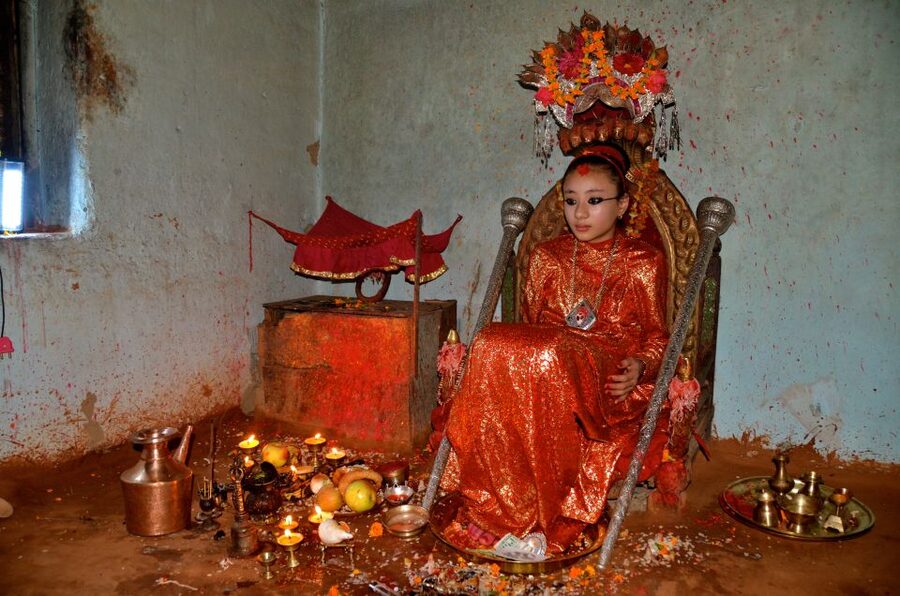
The tour is six hours total, and it includes time for guided visiting plus practical breaks. In real life, Kathmandu traffic can stretch drive times. So even with a tight schedule, a good guide will keep things moving without making you feel like you’re constantly sprinting.
One nice thing about private guiding is that you can ask for small adjustments on the spot. People have shared that their guides helped them take extra time in places they cared about, and in at least some cases the itinerary was adjusted if someone preferred to skip or reduce walking.
Shopping is also part of the day. You typically get a block of free time, which can be useful if you want small crafts, prayer items, or simply a few items that make your Kathmandu memories more physical. Keep your eye on timing because monument entry lines and queues can add delay.
Also, monument entry tickets are not included in the tour price. Your guide helps you buy them on the spot, and prices can vary by nationality. Plan to bring cash or whatever payment method the counter accepts, and keep your ID accessible.
Price and Value: Is $40 a Deal or a Trap?
Let’s break down what you’re paying for, because that $40 per person price is not the whole cost of a great day out.
What’s included:
- Hotel pickup and drop-off
- A private car
- An English-speaking guide
What’s not included:
- Monument entry fees (listed as NPR 2700, about US$22 per person)
- Meals and drinks
So your realistic total for the day depends on the entry fees for each site and what you choose to eat. Still, the value proposition is strong if you want four major stops efficiently, plus guide context at each one. The guide is doing real work here, especially at places where religious meaning drives how you should look, stand, and move.
If you try to do this on your own, you’ll save on guide costs, but you’ll pay in time and mental load. The biggest costs for independent travel in Kathmandu are navigation, queue management, and figuring out what to prioritize. This tour pays those bills for you.
For solo travelers, the private setup can feel like a splurge compared to group tours. For couples or small groups, it usually feels more like a smart efficiency play.
Who This Tour Fits Best (And Who Should Consider Another Plan)
This tour is ideal if:
- You want a first-day orientation to Kathmandu Valley’s UNESCO sites.
- You’re interested in how Buddhism and Hinduism show up in the same neighborhoods.
- You want a guide who can translate what you’re looking at into human context, not just dates and names.
- You prefer comfortable pacing over “figure it out yourself” sightseeing.
It may be less ideal if:
- You have mobility limits that make stairs difficult. Swayambhunath involves a hill and lots of walking.
- You need wheelchair-friendly access. This tour is not suitable for wheelchair users.
- You’re uncomfortable with the idea of observing cremation rituals at the Bagmati River. You can ask for guidance on what you will and will not witness, but the site is part of the route.
Also, it’s a good match for travelers who like food and short cultural breaks. Past experiences included enjoying local lunches, including rooftop-style meals near the stupas.
Should You Book This Kathmandu Private City Guided Tour?
I’d book it if you want a high-impact afternoon and a clearer Kathmandu. It’s not a rushed temple sampler. The sites connect into a story: Buddhist symbolism at Swayambhunath, Newari royal-courtyard architecture at Patan Durbar Square, Shiva devotion and river rituals at Pashupatinath, then large-scale Tibetan Buddhism at Boudhanath. Add an Everest View Hotel stop, and you get both local depth and a Himalayan connection.
Book it especially if:
- You only have one day to see the Kathmandu Valley’s top monuments.
- You want an English-speaking guide to help with the practical stuff, including ticket counters.
- You appreciate flexibility, since your guide can often adjust timing based on comfort and interests.
Skip or adjust if:
- You know you can’t manage stairs and uneven paths.
- You prefer a quieter itinerary that doesn’t include the cremation area.
If your goal is to leave Kathmandu feeling oriented, not overwhelmed, this is a strong choice.
FAQ
What does the Kathmandu private city guided tour include?
It includes hotel pickup and drop-off, a private car, and an English-speaking guide.
How long is the tour?
The tour lasts 6 hours.
Are monument entry fees included in the price?
No. Monument entry fees must be bought on the spot, and the listed fee is NPR 2700 (about US$22) per person. Prices can vary by nationality, and your guide will assist you at the counter.
Will I get to visit Swayambhunath, Patan Durbar Square, Pashupatinath, and Boudhanath?
Yes. The tour covers these four major sites in Kathmandu, including Swayambhunath (Monkey Temple), Patan Durbar Square, Pashupatinath Temple, and Boudhanath Stupa.
What pickup and drop-off areas are available?
Pickup options include Boudhha, Lalitpur, Kathmandu, Ekantakuna, Thamel, Lazimpat, and Naya Bazaar. Drop-off areas include Ekantakuna, Kathmandu, Naya Bazaar, Lazimpat, Lalitpur, Thamel, and Boudhha.
Is this tour wheelchair accessible?
No. It is not suitable for wheelchair users.
What should I bring?
Bring a passport or ID card, comfortable shoes, water, cash, and a face mask or protective covering.
Latest additions near Kathmandu
- White Water River Rafting – 1 Day★ 4.3 · 3 reviews
- Traditional Momo Making Class★ 5.0 · 10 reviews
- Kathmandu to Pokhara Premium sofa bus ticket★ 4.0 · 17 reviews
- Ghorepani Poon Hill Trek★ 5.0 · 16 reviews
- Amazing 1 Day Trekking Experience in Kathmandu Nepal★ 5.0 · 24 reviews
- Ghorepani Poonhill Trek★ 5.0 · 5 reviews
- Walking tour of real Kathmandu through back streets.★ 5.0 · 3 reviews
- Wildlife Adventure in Chitwan Nepal★ 4.0 · 4 reviews
City Tours, compared.
Sarangkot Sunrise with Half or Full-Day City Tour
Read our review →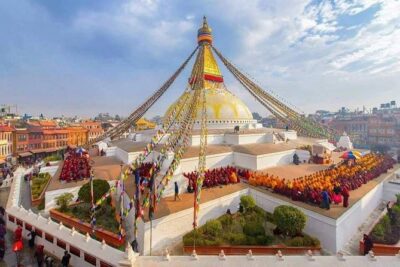
Full Day Kathmandu City Sightseeing Tour of UNESCO Heritage Sites
Read our review →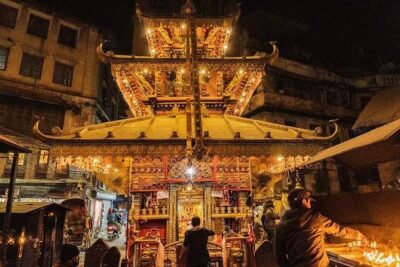
Browse the lists this tour appears in