
Reviewed · LANGTANG VALLEY TREKS
Kathmandu: 6 Days Langtang Valley Trek with Kyanjin Ri
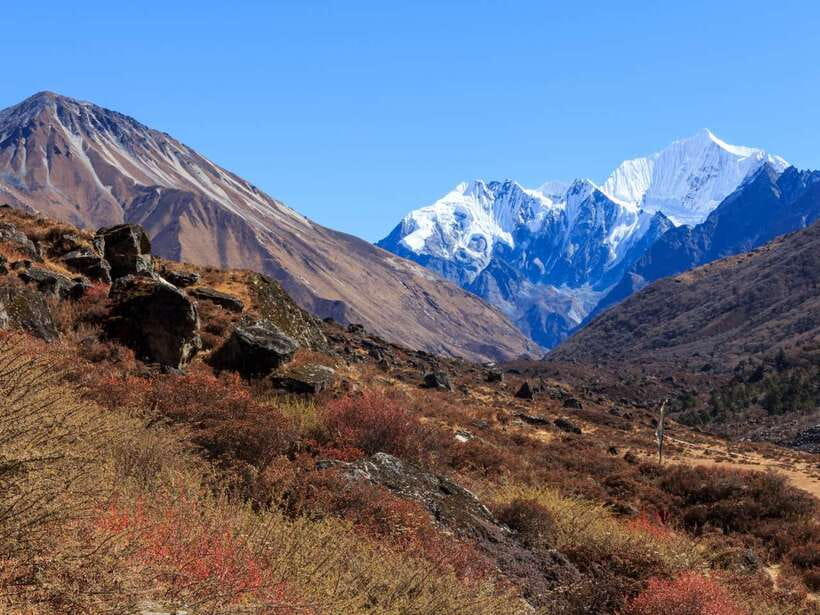
A good trek has a storyline. This one is all about Langtang Valley and the people who live there. You’ll follow the Langtang River, walk through rhododendron and mountain forests, and end up in classic high-Himalaya views that feel close enough to touch. I especially like the way the trip mixes scenery with real Tamang culture.
Two things I’d highlight: the chance to explore Kyanjin Gompa and its monastery feel, and the optional push to Kyanjin Ri for sunrise viewpoints. One consideration is altitude, especially around 3,870m at Kyanjin Gompa and the higher 4,770m Kyanjin Ri option, so you’ll want a pace that lets you acclimatize.
In This Review
- Key Highlights That Matter
- Why Langtang Feels Special, Even on a Short Trek
- From Kathmandu to Syabrubesi, The Trek Starts Before You Walk
- Day 1: Syabrubesi to Pahiro (1,550m), River Walking and First Mountain Air
- Day 2: Pahiro to Ghoda Tabela (2,900m), Forest Lifts and Waterfall Glimpses
- Day 3: Ghoda Tabela to Kyanjin Gompa (3,870m), Tamang Life and the Monastery Moment
- Day 4: Kyanjin Gompa to Thangsyap (3,200m), Optional Kyanjin Ri (4,770m) for Sunrise Views
- Day 5: Thangsyap to Syabrubesi (1,550m), A Long Descent With One Last Big Payoff
- Day 6: Return to Kathmandu, Time to Reset
- Price and Value: What $179 Covers, and What You Should Budget Separately
- Guides Like Ghanshyam: Why the Right Pace Changes Everything
- Altitude, Weather, and the Real Acclimatization Plan
- Food on Trek Days, Lodging Nights, and the Little Comfort Tradeoffs
- Who This Trek Fits Best
- Should You Book This 6-Day Langtang Trek With Kyanjin Ri?
- FAQ
- What is the duration of the Langtang Valley trek?
- Where does the trek start and end?
- How hard is the optional Kyanjin Ri hike?
- What are the main overnight stops on the route?
- Are trekking permits included?
- Are meals included in the price?
- Do I need to pay extra for a porter?
- What should I bring and what is not allowed?
Key Highlights That Matter
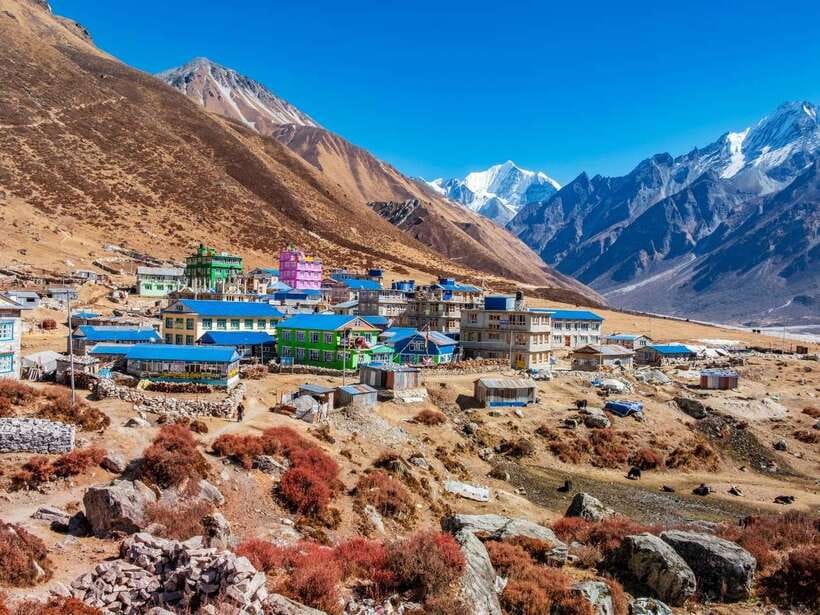
- Kyanjin Gompa visit, including time around the monastery and a look at local village life
- Optional Kyanjin Ri sunrise hike for panoramic mountain views and wildlife sightings on the way
- Tamang culture stops, including village time and a chance to try local cheese tasting
- Scenic, steady trekking rhythm along the Langtang River with forest and waterfall glimpses
- A private setup with an English-speaking guide (English and Hindi offered) for easier pacing
Why Langtang Feels Special, Even on a Short Trek
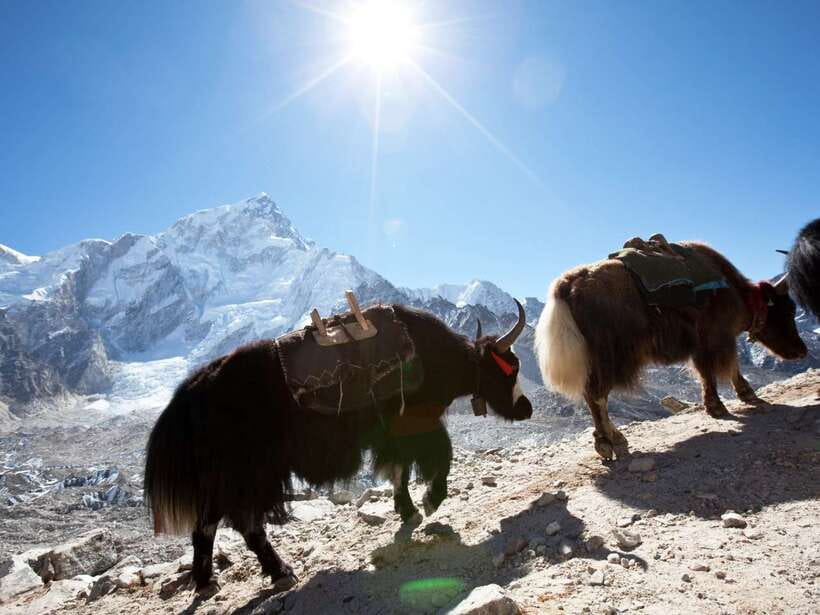
Langtang Valley is one of those places where the mountains don’t just look impressive, they feel part of your daily routine. The trail gradually lifts you from river walking into thicker forests and up toward high, quiet settlements. That slow climb helps you enjoy the journey, not just the destination.
What I like most is the mix of hiking and culture. You don’t spend six days only walking between viewpoints. You get time with local life, including Tamang traditions and a visit to Kyanjin Gompa. Then, if your energy is good, you can add the Kyanjin Ri viewpoint for a payoff that hikers talk about long after the trek is over.
More Treks in Kathmandu
- Everest Base Camp Trek – 14 Days
★ 5.0 · 1,499 reviews - Everest Base Camp Trek
★ 5.0 · 842 reviews - Everest Base Camp Trekking
★ 5.0 · 485 reviews
From Kathmandu to Syabrubesi, The Trek Starts Before You Walk
Your trip begins with hotel pickup in Kathmandu. Plan to be ready about 10 minutes before the scheduled pickup time, and yes, the driver holds a sign with your last name. This sounds small, but it matters because it reduces the first-day stress, especially when you’re already thinking about packing, permits, and altitude.
Then comes the drive out to the trek gateway, Syabrubesi. From there, you start the hiking portion immediately, which is smart. You’re not wasting time on extra transfer days. The drive itself is also part of the experience, since you gradually shift from city rhythm into mountain terrain.
Why this matters for value: you’re paying for a full program, not just a map and a hope. The permits and paperwork are handled, along with the Trekkers’ Information Management System fee. That means you spend less mental energy on logistics and more on the trail.
Day 1: Syabrubesi to Pahiro (1,550m), River Walking and First Mountain Air
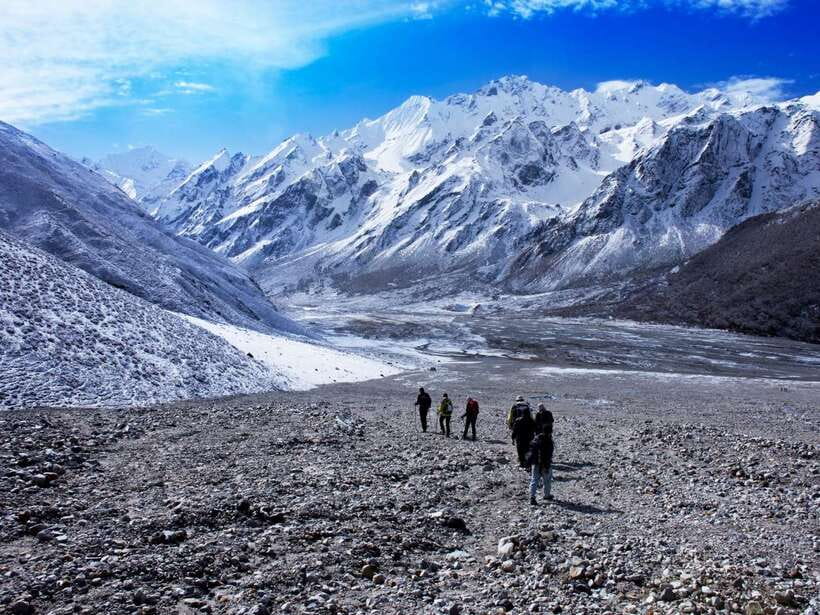
Day 1 is your warm-up. After reaching Syabrubesi, you follow the peaceful Langtang River and walk through serene forest paths. This is the day to settle into your gear and your breathing. At 1,550m, altitude is usually not the main problem yet, but it’s still a real transition from Kathmandu.
Pahiro is a gentle first overnight stop. Think of it as your first taste of the rhythm of mountain lodging: simple rooms, early dinners, and an evening that tends to quiet down.
Practical tip: take your time today. If you start fast on day 1, you’re more likely to pay for it later, especially if you’re aiming for the optional Kyanjin Ri hike.
Day 2: Pahiro to Ghoda Tabela (2,900m), Forest Lifts and Waterfall Glimpses
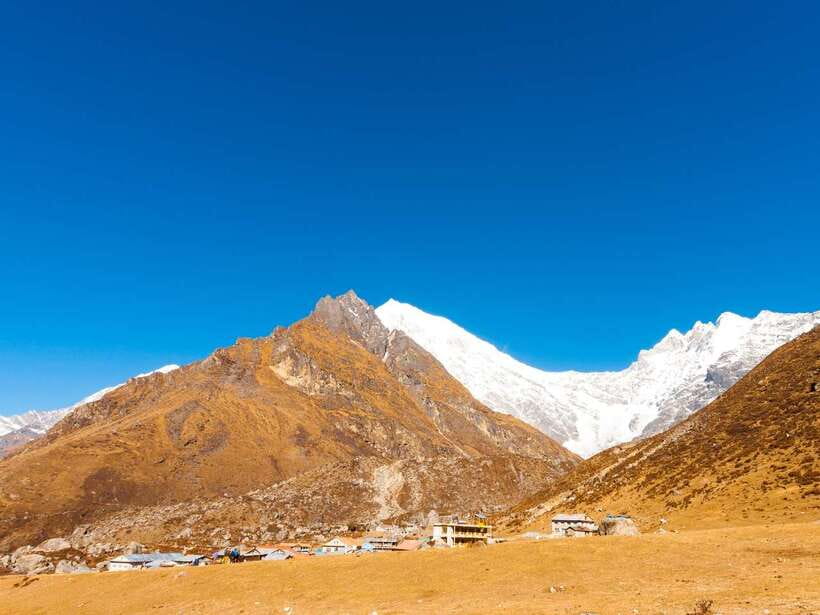
Day 2 climbs more noticeably to 2,900m. The trail winds through green mountain forest, crosses local villages, and gives you glimpses of cascading water. This day is a nice blend: steady effort, frequent visual breaks, and enough village life to keep the walk from feeling monotonous.
Ghoda Tabela is your overnight at a higher elevation. By now, you’ll likely feel the air getting thinner, especially when you stop and start. That’s normal. The goal is not to sprint to the next stop. It’s to keep a pace that feels sustainable.
One thing I’d watch: hydration. The trek includes your meals, but bottled and boiled water are personal expenses. Bring the water strategy you like, and expect to manage it rather than assume everything is provided.
More Langtang Valley treks:
- Langtang Valley Trek
★ 5.0 · 140 reviews - Langtang Valley Trek
★ 5.0 · 61 reviews - 8 Days Tour in Langtang Valley Trek
★ 5.0 · 45 reviews - Private 8 – Day Langtang Trekking
★ 5.0 · 29 reviews
Day 3: Ghoda Tabela to Kyanjin Gompa (3,870m), Tamang Life and the Monastery Moment
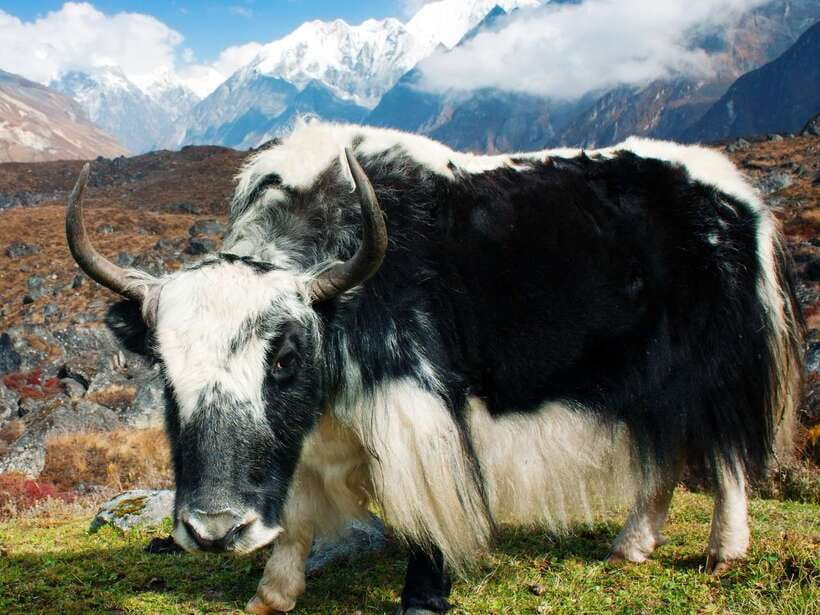
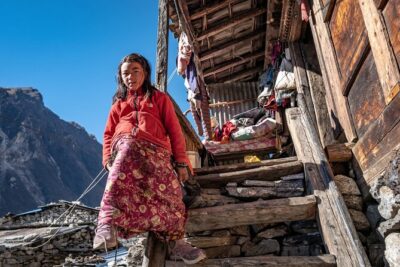
Day 3 is a big step up, to 3,870m, and it’s where the trek becomes unmistakably high Himalaya. You’re trekking toward Kyanjin Gompa, a traditional high mountain village surrounded by towering peaks.
This is also the day where the cultural side becomes more than background scenery. Once you reach Kyanjin Gompa, you’ll have time to explore ancient monasteries and visit the local area. A standout detail here is the opportunity to visit the local cheese factory and do cheese tasting. That’s the kind of practical, everyday cultural experience that makes a trek feel like it has depth, not just altitude.
It’s also the day to pay attention to how you feel. This is where altitude can start showing up. The trip notes that altitude affects everyone differently. You might feel fine, but symptoms of Acute Mountain Sickness can include headache, nausea, fatigue, or loss of appetite. If you feel off, speak up early and slow down. This trek works best when you treat your comfort as part of the plan.
Day 4: Kyanjin Gompa to Thangsyap (3,200m), Optional Kyanjin Ri (4,770m) for Sunrise Views
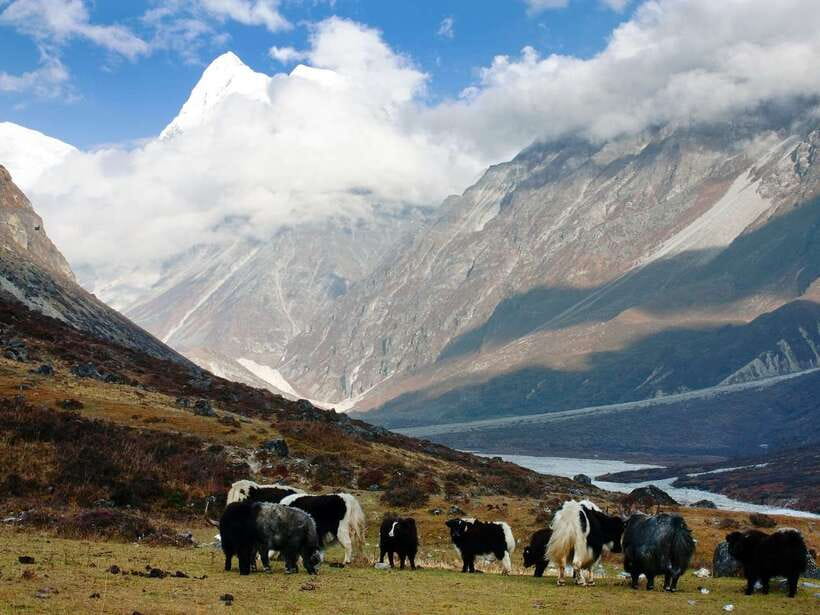
Day 4 has two parts: the optional Kyanjin Ri push and then the descent to Thangsyap for the overnight.
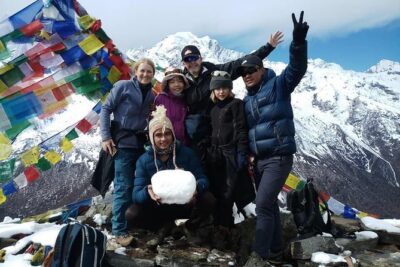
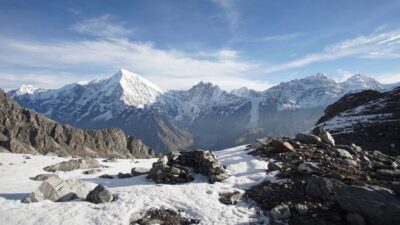
If you choose the Kyanjin Ri option, you’re going to 4,770m for some of the most memorable panoramic views in Langtang Valley. This hike is challenging, but the promise is clear: snow-covered peaks, glacial valleys, and a sunrise viewpoint many trekkers remember for years.
From what I’ve seen others describe, the sunrise can come with extra rewards: clear views and wildlife sightings along the route. That means your effort may feel doubly worth it, both for the mountains and for the smaller moments you notice when the morning is quiet.
Here’s the consideration: start early, move carefully, and don’t treat the climb like a fitness test. Even if you feel strong, altitude can make steady effort more important than speed. If you’re not feeling great at Kyanjin Gompa, ask your guide about pacing or whether to skip the option for safety and enjoyment.
After the viewpoint portion, you return back and descend to Thangsyap. That drop is helpful. At 3,200m, you’re still high, but you’re giving your body a bit of relief before the final day.
Day 5: Thangsyap to Syabrubesi (1,550m), A Long Descent With One Last Big Payoff
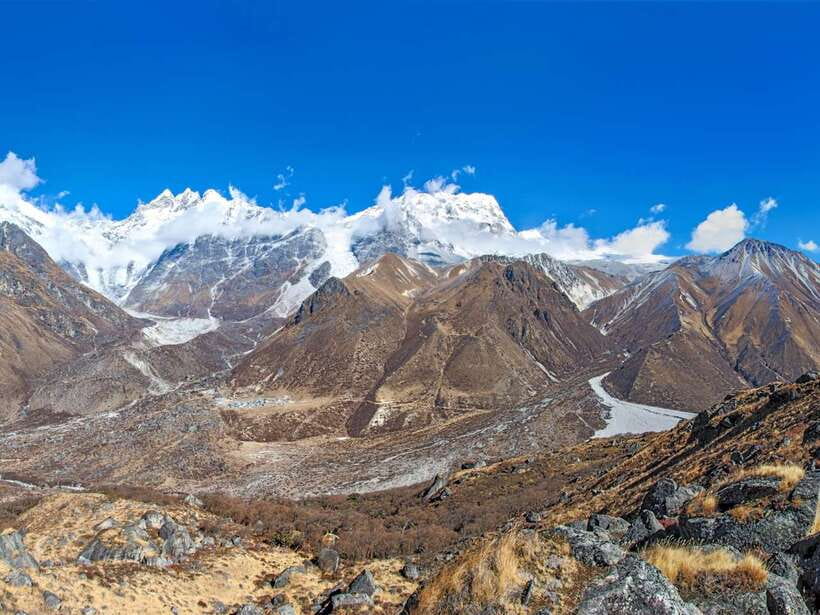
Day 5 brings you down all the way back to Syabrubesi at 1,550m. You’ll retrace the trail through forest and along the Langtang River, and you’ll get one last cycle of those changing views as the valley opens up again.
This is the day you’ll feel your legs. Descents can be tough on knees even when the elevation is lower. Take shorter steps on steep sections and use trekking poles if you have them.
Why this day matters emotionally: you’re likely tired in a good way. You’ve spent days earning your perspective. As you come back toward the river and closer to the gateway town, it’s a natural moment to reflect on the full arc of the trek, from village life to monastery visits to sunrise high up in the clouds.
Day 6: Return to Kathmandu, Time to Reset
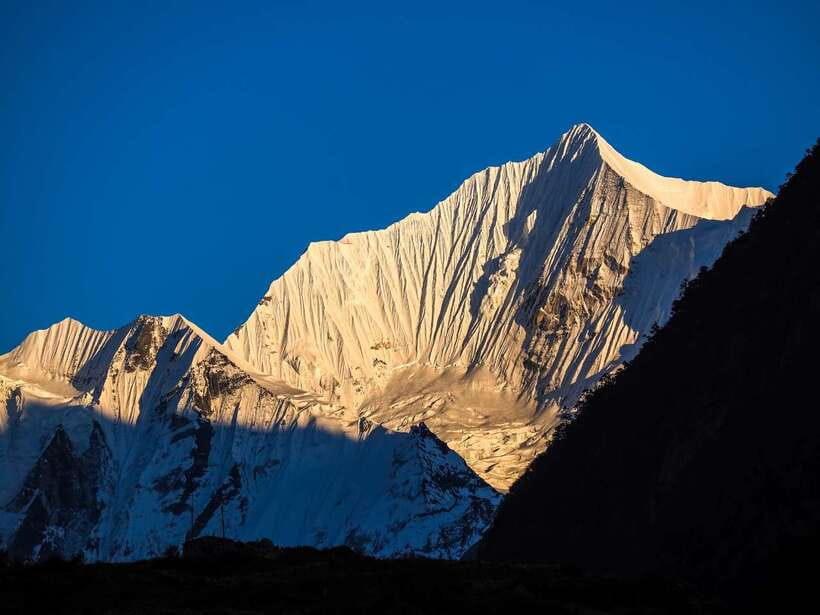
On the final day, you leave Syabrubesi and drive back to Kathmandu. This is a straightforward wrap-up, but it’s still part of the experience because it turns your trek into a complete trip, not a standalone hike.
My advice for day 6: plan a low-key evening. You don’t need a big schedule, because you’ll likely have trail fatigue even if you feel fine. A calm dinner and a chance to sort gear helps you come home happier, not rushed.
Price and Value: What $179 Covers, and What You Should Budget Separately
The price is $179 per person for this 6-day trek. On paper, that can look like a bargain, but the value comes from what is included.
What you get in the package:
- Private comfortable accommodation for 5 nights
- All meals during the trek if you choose the Full Package option (breakfast, lunch, dinner)
- Trekking permits and required paperwork, including TIMS fees
- Hotel pickup and drop-off
- Transportation as per the itinerary for your group size (shared bus or shared transport)
- Luggage storage facility
- Guide coverage, plus staff expenses, including meals, accommodation, insurance, salary, and equipment
What can add cost:
- Porter charge if you want one (porter charge is extra)
- Travel and rescue insurance (not included)
- International flights and Nepalese visa fee
- Drinks and personal expenses like phone calls, laundry, bar bills, battery charging, bottle or boiled water, showers, and so on
My rule for trekking value: if a provider handles permits, meals, and basic logistics, you can focus on your health and your experience. That’s exactly the kind of structure you want on a trek with altitude and an optional high viewpoint.
Guides Like Ghanshyam: Why the Right Pace Changes Everything
This trek is built around an English-speaking guide and optional porter support. Reviews you’ll hear often point to the same theme: when the guide adjusts to your pace, you enjoy the trek more and stress less.
Guides named from recent experiences include Ghanshyam and Sudarshan. In the stories I’m drawing from, Ghanshyam is described as caring, attentive, flexible with breaks, and helpful with explanations along the way. Sudarshan also stood out for making sure people felt well, adjusting the trek to pace, and handling the details without fuss.
Why this matters: on an itinerary like this, your biggest challenge is not just distance. It’s your rhythm. A good guide helps you keep a pace that supports acclimatization and keeps the day fun instead of punishing.
If you’re hiring a porter, it can also change the experience. Using a porter is especially useful if you want to conserve energy for the optional Kyanjin Ri hike. The trek notes that porter charge is extra, so treat it as a deliberate choice based on your fitness and comfort.
Altitude, Weather, and the Real Acclimatization Plan
Altitude is part of this trek, period. The itinerary hits 3,870m at Kyanjin Gompa and tops out at 4,770m if you do Kyanjin Ri. The trek also notes that altitude affects everyone differently and AMS symptoms can happen if ascent is too rapid without proper acclimatization.
This is the practical mindset I’d encourage you to use:
- Take it slow on climbs and on the optional early morning hike
- Tell your guide right away if you feel headache, nausea, unusual fatigue, or loss of appetite
- Expect small schedule changes, since the itinerary may adjust for weather or seasonal factors
Weather can also affect visibility. The peak trekking seasons tend to be mid-March to April and October to mid-November, with clearer skies more common. Autumn is often calmer in terms of wind and temps, while late March and April can bring rhododendron blooms at lower elevations.
You don’t control the sky, but you can control your pace and your decision-making.
Food on Trek Days, Lodging Nights, and the Little Comfort Tradeoffs
The trek includes meals during the trek if you book the Full Package. That takes a big chunk of uncertainty off your shoulders. You won’t need to hunt for food at each stop.
What you should expect otherwise is fairly typical for Nepal mountain trekking: meals are filling, but not like a restaurant back home. You’ll likely eat warm meals that help you recover and keep moving.
Sleeping is simple. You get private comfortable accommodation for five nights. Shower and drink details are personal expenses, which means you should come ready to keep things basic and focus on sleep and recovery.
Who This Trek Fits Best
This trek is a strong choice if you want:
- A shorter trek with a clear arc, from Kathmandu to high monasteries and back
- A cultural experience alongside real hiking, especially around Tamang communities
- The option to go big with the Kyanjin Ri viewpoint if you’re feeling good
It’s also a good fit for first-time trekkers, as long as you take altitude seriously and stick to the pace your guide sets. Because this is a private group, you’re not stuck matching someone else’s speed.
If you know you struggle with altitude, or if you want to avoid the risk of going very high, you can still enjoy the Kyanjin Gompa portion and skip the higher Kyanjin Ri hike. The itinerary is set up with that optional choice.
Should You Book This 6-Day Langtang Trek With Kyanjin Ri?
Yes, if you want an honest mix of Himalaya views and Tamang culture in just six days. The Kyanjin Gompa visit, the monastery time, and the cheese tasting are the kind of moments that make this more than just a scenic walk. Then, if you’re up for it, the optional Kyanjin Ri sunrise hike gives you that extra high-altitude payoff.
I would book this trek if:
- You want a guided, structured program with permits handled
- You value a pacing guide who checks in on how you feel
- You’d enjoy the idea of an early morning climb for views, not just for a workout
I would hesitate if:
- You’re not comfortable managing altitude risk
- You want a totally relaxed, low-effort trip with no challenging sections
If you do book, bring the gear listed (good hiking shoes, layers, gloves, sunglasses, flashlight, and a sleeping bag). And when you reach Kyanjin Gompa, listen to your body. This trek rewards smart pacing, not ego.
FAQ
What is the duration of the Langtang Valley trek?
The trek lasts 6 days, starting in Kathmandu and returning to Kathmandu at the end.
Where does the trek start and end?
You are picked up in Kathmandu, then you travel to Syabrubesi for the trek. The trek ends with a drive back from Syabrubesi to Kathmandu.
How hard is the optional Kyanjin Ri hike?
Kyanjin Ri is an optional hike to 4,770m. It is described as challenging, but the reward is panoramic mountain views, especially around sunrise.
What are the main overnight stops on the route?
You will spend nights in Pahiro, Ghoda Tabela, Kyanjin Gompa, Thangsyap, and then return to Syabrubesi before heading back to Kathmandu.
Are trekking permits included?
Yes. Trekking permits and all necessary paperwork, including the TIMS fee(s), are included.
Are meals included in the price?
Meals are included for the Full Package option, covering breakfast, lunch, and dinner during the trek.
Do I need to pay extra for a porter?
A porter charge is listed as extra. The package includes guide services, while porter costs are not included.
What should I bring and what is not allowed?
Bring passport or ID card, sleeping bag, flashlight, sunscreen, hiking shoes, gloves, water, jacket, trekking gear, and sunglasses. Alcohol and drugs are not allowed.
Latest additions near Kathmandu
- White Water River Rafting – 1 Day★ 4.3 · 3 reviews
- Traditional Momo Making Class★ 5.0 · 10 reviews
- Kathmandu to Pokhara Premium sofa bus ticket★ 4.0 · 17 reviews
- Ghorepani Poon Hill Trek★ 5.0 · 16 reviews
- Amazing 1 Day Trekking Experience in Kathmandu Nepal★ 5.0 · 24 reviews
- Ghorepani Poonhill Trek★ 5.0 · 5 reviews
- Walking tour of real Kathmandu through back streets.★ 5.0 · 3 reviews
- Wildlife Adventure in Chitwan Nepal★ 4.0 · 4 reviews
Langtang Valley Treks, compared.
Trekking in Annapurna/Langtang/Everest/Upper Mustang regions
Read our review →
Browse the lists this tour appears in